filmbriefs
Newest

All briefs

2035 briefs · 26452 min · 1921–2016 on page 21 of 22
13:00

Mulan

Barry Cook, Tony Bancroft · 1998

Mulan follows a young woman who takes her ailing father's place in an Imperial army conscription by posing as a man, running that story through the machinery of a late-90s Disney musical. Directed by Barry Cook and Tony Bancroft and produced largely at Disney's Florida studio, it paired a $90 million budget with $304 million in worldwide takings and the Annie Award for Best Animated Feature.
13:00

Mulholland Drive

David Lynch · 2001

Rejected by ABC as a television pilot, Mulholland Drive was rebuilt by David Lynch into a feature with new financing, new footage, and an ending that recontextualises everything before it. Naomi Watts's performance carries the film from bright optimism to something far darker, across a Los Angeles built out of borrowed names and unresolved threads.

13:00

My Neighbor Totoro

Hayao Miyazaki · 1988

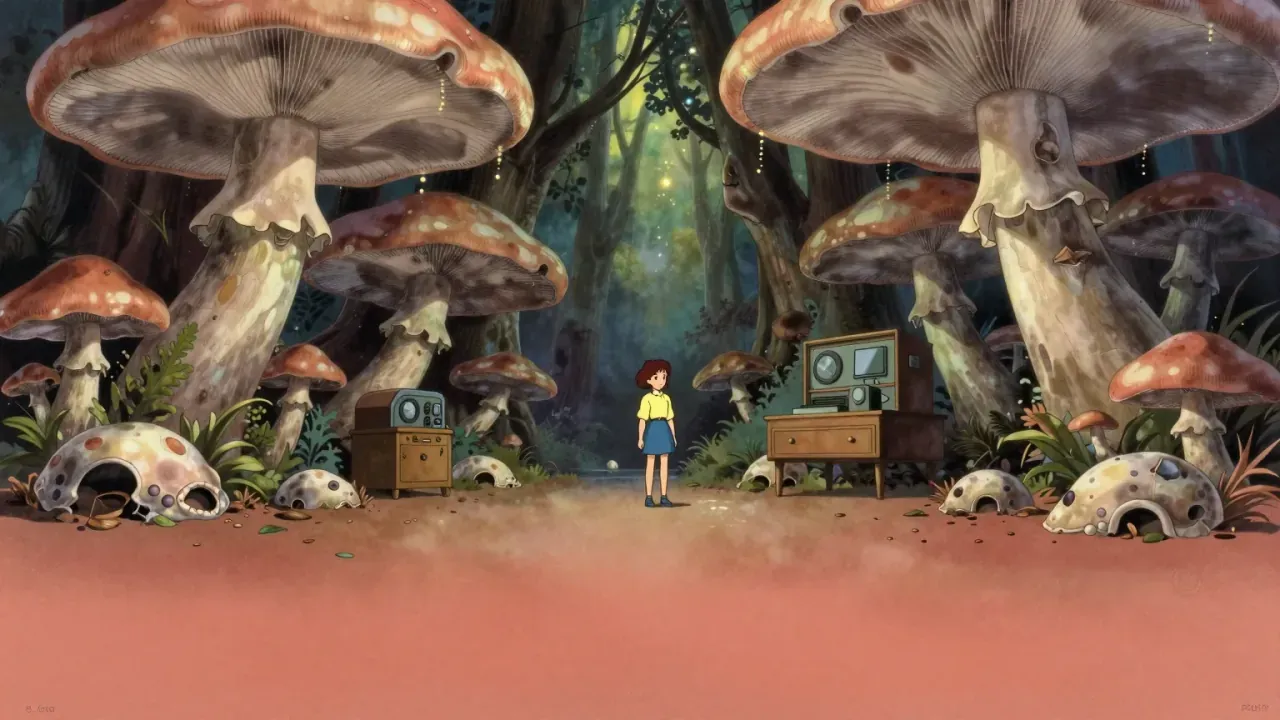
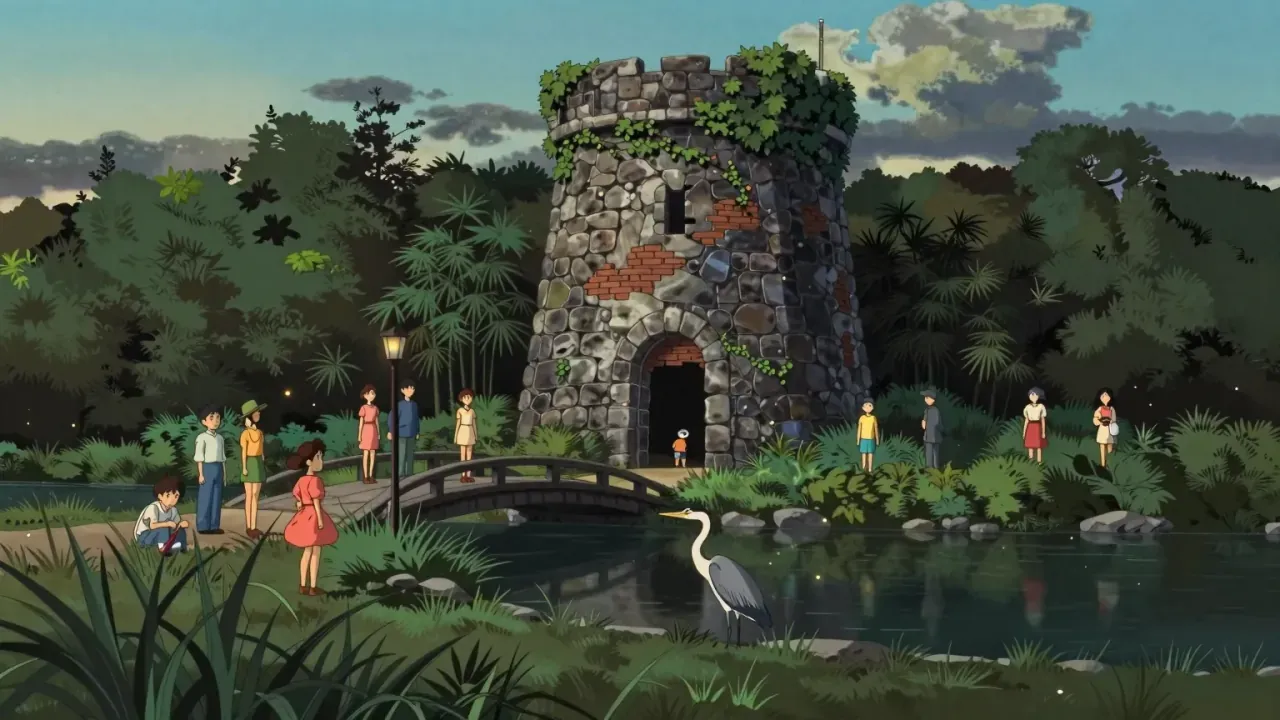
Released on a double bill with Grave of the Fireflies in 1988, Hayao Miyazaki's film follows sisters Satsuki and Mei as they move to the countryside while their mother recovers in hospital, and meet the forest spirits living around their new home. It grossed a modest sum on first release but has since become Studio Ghibli's signature work, with Totoro serving as the studio's mascot.

13:00

Nausicaä of the Valley of the Wind

Hayao Miyazaki · 1984

A thousand years after industrial civilisation collapsed, Princess Nausicaä tries to keep her small valley out of a war between an empire determined to burn a toxic jungle and the giant insects that guard it. Miyazaki wrote and directed the film from his own still-unfinished manga, with only sixteen chapters of story to draw from and a production schedule of nine months on a budget under a million dollars, working with composer Joe Hisaishi for the first time and with the minor studio Topcraft rather than a major animation house.

13:00

Network

Sidney Lumet · 1976

Sidney Lumet's satire follows a failing network that builds a hit show around its anchor's on-air unravelling, with four Oscar-winning performances built almost entirely on monologue.

13:00

Nimona

Nick Bruno, Troy Quane · 2023

Framed for the Queen's murder, disgraced knight Ballister teams up with Nimona, a shapeshifter with no interest in explaining herself, to clear his name in a medieval-futuristic kingdom. Originally a Blue Sky Studios production cancelled when Disney shut the studio down in 2021, the film was revived by Annapurna and Netflix and completed by a new creative team.

13:00

No Country for Old Men

Ethan Coen, Joel Coen · 2007

No Country for Old Men follows a welder who finds two million dollars at a drug deal gone wrong, the hitman sent to retrieve it, and the ageing sheriff trailing both of them across 1980 West Texas. Joel and Ethan Coen adapt Cormac McCarthy's novel with unusual fidelity, keeping dialogue sparse and letting Roger Deakins's landscapes and Javier Bardem's performance as Anton Chigurh carry a story that deliberately withholds the confrontation genre habit expects.

13:00

North by Northwest

Alfred Hitchcock · 1959

An advertising executive mistaken for a nonexistent spy is chased across the United States toward a crop-duster in an empty field and a climax on the carved faces of Mount Rushmore. Built by Hitchcock and Ernest Lehman around set pieces conceived before the plot that justifies them, it is Cary Grant at his most physically tested and Hitchcock's biggest production to date.

13:00

Oldboy

Park Chan-wook · 2003

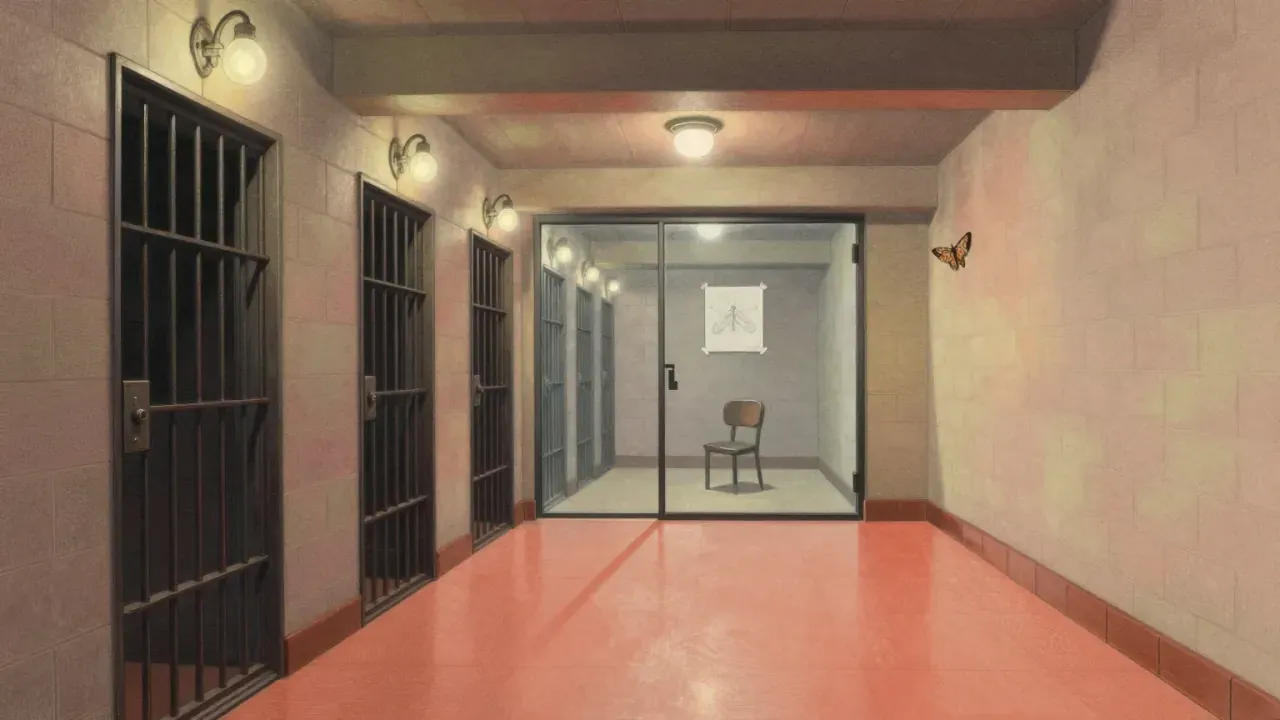
Park Chan-wook's 2003 thriller, the middle film of his Vengeance Trilogy, follows Oh Dae-su as he hunts the man who imprisoned him for fifteen years with no explanation. Built around Choi Min-sik's ferocious lead performance and a single-take corridor fight shot over three days, it won the Grand Prix at Cannes and remains one of the most-cited South Korean films abroad, for reasons that are as uncomfortable as they are precise.

13:00

Once Upon a Time in the West

Sergio Leone · 1968

Sergio Leone's 1968 Western, funded by Paramount specifically to secure Henry Fonda, casts the actor against type as a hired killer clearing land for the railroad while a harmonica-playing stranger, played by Charles Bronson, pursues him for reasons the film withholds until its final scenes. Composed with Ennio Morricone's score written and recorded before filming began, and shot across Spain, Utah and Cinecittà, the film ran 165 minutes in Europe to strong box office, but Paramount's 140-minute US cut flopped on release in 1969, a fate the film's reputation has long since reversed.

13:00

One Flew Over the Cuckoo's Nest

Miloš Forman · 1975

Miloš Forman's adaptation of Ken Kesey's novel puts Jack Nicholson's disruptive new patient against Louise Fletcher's controlled head nurse inside the Oregon State Hospital, an operating psychiatric facility used as the actual set. Made for $3 million after a development history stretching back to 1962, it became one of only three films to sweep the top five Academy Awards, and it still plays as a study of institutional control rather than a simple underdog story.

13:00

One Hundred and One Dalmatians

Clyde Geronimi, Hamilton Luske, Wolfgang Reitherman · 1961

Two London Dalmatians, Pongo and Perdita, cross the country to rescue their kidnapped puppies from the fur-obsessed socialite Cruella de Vil, picking up 84 more stolen Dalmatians along the way. Adapted from Dodie Smith's novel by Bill Peet, the only writer credited on the finished script, the film used a new Xerox transfer process to keep costs down after Sleeping Beauty's expensive failure had studio executives openly discussing whether animation was worth continuing at all — and the film's box-office success settled that question decisively.

13:00

Only Yesterday

Isao Takahata · 1991

Isao Takahata's 1991 film follows Taeko, twenty-seven, on a countryside holiday where memories of herself at age ten resurface alongside a present-day romance with a young farmer. Adapted from an episodic manga that covered only the childhood material, with the adult framing story invented by Takahata himself, it became the highest-grossing Japanese film of 1991 despite total absence of fantasy or spectacle.

13:00

Pan's Labyrinth

Guillermo del Toro · 2006

In 1944 Spain, a girl named Ofelia arrives with her pregnant mother at the outpost of her new stepfather, a sadistic Francoist captain hunting republican guerrillas, and finds an ancient labyrinth where a faun sets her three tasks to prove she is the reincarnated princess of an underworld kingdom. Guillermo del Toro's 2006 film alternates between this fantasy and the household's real brutality, using practical creature effects on a modest budget to win three Academy Awards.

13:00

Paprika

Satoshi Kon · 2006

A stolen dream-sharing device lets a psychologist's alter ego, the detective Paprika, chase a saboteur through other people's nightmares. Satoshi Kon's 2006 feature, adapted from Yasutaka Tsutsui's novel, folds one dream into another until the seams between them disappear.

13:00

Parasite

Bong Joon-ho · 2019

Bong Joon-ho's 2019 film follows the Kim family, unemployed and living in a semi-basement flat, as they scheme their way one by one into staff jobs inside a wealthy household run by the oblivious Park family, until a discovery beneath the Parks' house upends both families' arrangements. Built from a stage idea Bong developed after his own experience tutoring a rich family's son, and shot on a purpose-built house designed around the Parks' fictional architect, the film became the first non-English-language film to win the Academy Award for Best Picture after also winning the Palme d'Or at Cannes.

13:00

Paris, Texas

Wim Wenders · 1984

A man wanders out of the Texas desert after four unexplained years, and Wim Wenders spends 147 patient minutes on what it costs him to reclaim a son and finally speak to the wife he left behind.

13:00

Paths of Glory

Stanley Kubrick · 1957

Stanley Kubrick's 1957 film, adapted from Humphrey Cobb's novel based on the real Souain corporals affair, follows Colonel Dax as he leads a suicidal attack demanded by his superiors and then defends three of his own men, chosen at random, against a court-martial for cowardice. Shot in Bavaria because its portrayal of the French military barred it from filming, or release, in France for fifteen years, the film starred Kirk Douglas, whose production company financed it on a budget reported near $935,000, and drew acclaim that only grew once France finally allowed it to screen in 1972.

13:00

Perfect Blue

Satoshi Kon · 1997

Perfect Blue follows Mima Kirigoe, a retiring pop idol turned actress, as an obsessive fan's stalking and a string of murders around her erode her ability to distinguish memory from fabrication. Satoshi Kon directed his first feature from Sadayuki Murai's screenplay, reworking an inherited splatter-horror premise into a study of the victim's collapsing perspective rather than the stalker's psychology. Made on a budget of roughly $830,000, it under-performed commercially before building a lasting reputation as one of animation's most influential psychological thrillers, cited as an inspiration by Darren Aronofsky.

13:00

Persepolis

Marjane Satrapi, Vincent Paronnaud · 2007

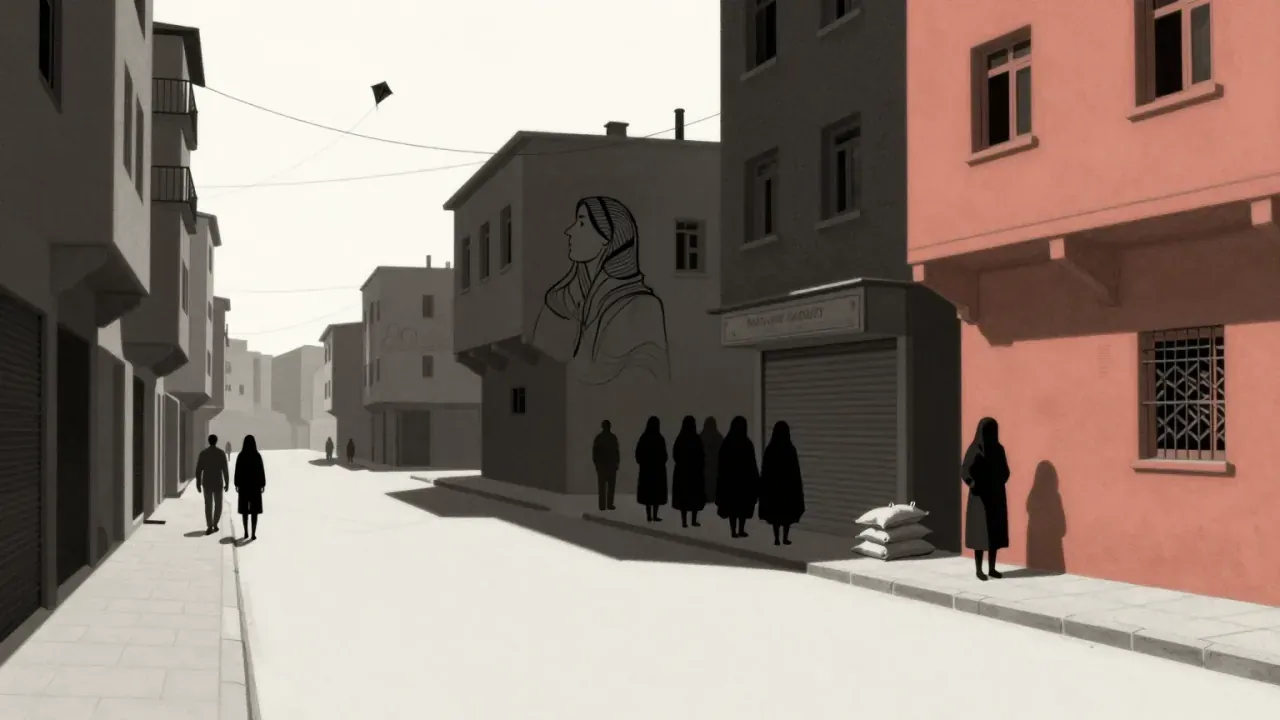
Adapted from her own graphic novel, Marjane Satrapi and Vincent Paronnaud's 2007 film follows a girl growing up through the Iranian Revolution, the war with Iraq, and years of exile in Vienna. Hand-drawn black and white carries most of the film's argument about who this story belongs to.

13:00

Persona

Ingmar Bergman · 1966

Ingmar Bergman's 1966 film pairs Elisabet Vogler, an actress who has gone entirely silent for reasons the film never states, with Alma, the nurse assigned to care for her at a remote coastal cottage, and lets the imbalance between one woman's silence and the other's compulsive talking gradually erode the line between them. Shot by Sven Nykvist, scored sparingly by Lars Johan Werle, and running just 84 minutes, it opens with a self-conscious montage of film equipment and unrelated images before settling into the two-hander at its centre, and it has since become one of the most closely analysed films in the medium's history.

13:00

Peter Pan

Clyde Geronimi, Wilfred Jackson, Hamilton Luske · 1953

Wendy Darling and her brothers follow Peter Pan to Never Land to escape growing up, then have to help him outwit Captain Hook once they're there. Disney bought the animation rights from Paramount in 1938 and began preliminary work almost immediately, only for the Second World War to divert the studio into government propaganda work for years; production finally resumed after 1945 and the finished film, made for $4 million, became a solid commercial success while carrying a depiction of its Native American characters that has drawn deserved criticism since.

13:00

Pinocchio

Ben Sharpsteen, Hamilton Luske, Norm Ferguson, T. Hee · 1940

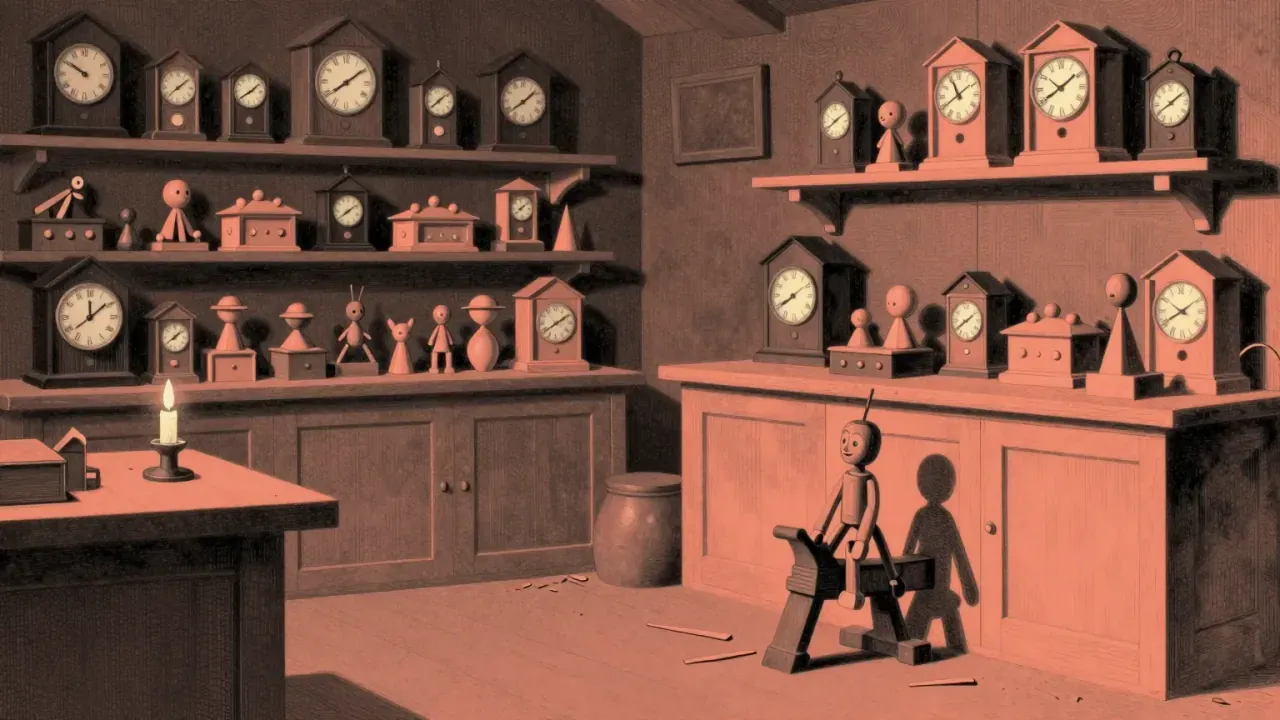
A woodcarver's puppet is brought to life and told he must prove himself brave, truthful and unselfish before he can become a real boy, guided — imperfectly — by a cricket appointed as his conscience. Made for $2.5 million as Disney's second feature, the film pushed effects animation further than Snow White had, rendering water, smoke and lightning with a level of realism the studio hadn't attempted before, even as it lost money on first release when the war cut off its overseas markets.

13:00

Pom Poko

Isao Takahata · 1994

Pom Poko follows a colony of shapeshifting tanuki in the hills outside Tokyo as they organize, and ultimately fail, to stop a suburban development project from destroying their forest home across three decades. Isao Takahata wrote and directed for Studio Ghibli, drawing on Japanese bake-danuki folklore and crediting several folklorists and illustrators for the tanuki's designs and lore. The film topped Japan's box office in 1994, taking in ¥4.47 billion, and won the Grand Prix at Annecy the following year.

13:00

Princess Mononoke

Hayao Miyazaki · 1997

Princess Mononoke follows Ashitaka, a young prince cursed by a demonized boar god, as he travels west and becomes caught in the war between Lady Eboshi's ironworks town and the animal gods defending their forest, including San, a girl raised by wolves. Hayao Miyazaki wrote and directed the film for Studio Ghibli after nearly two decades of development, using limited computer-generated imagery alongside hand-drawn animation for the first time in his work. Marketed by producer Toshio Suzuki in the largest advertising campaign Japan had seen for a film at that point, it became the country's highest-grossing release and the first Ghibli film given a wide international release, through a Disney-brokered deal that handed its English dub to novelist Neil Gaiman.

13:00

Psycho

Alfred Hitchcock · 1960

Hitchcock financed Psycho himself after Paramount balked at the material, shooting it fast, cheap and in black and white with his television crew. Anthony Perkins's Norman Bates, Bernard Herrmann's string score and a mid-film murder that removes the film's ostensible heroine turned a low-budget genre picture into the template for the modern horror thriller.

13:00

Pulp Fiction

Quentin Tarantino · 1994

Quentin Tarantino's 1994 crime film interlaces three Los Angeles stories, a hitman duo, a boxer on the run, and a night that turns into a medical emergency, around a diner heist told from both ends. Built on scrambled chronology and extended, digressive dialogue, it became one of the most commercially and critically successful independent films ever made.

13:00

Puss in Boots: The Last Wish

Joel Crawford · 2022

Down to his last of nine lives, Puss in Boots teams up with Kitty Softpaws and an unflappably cheerful dog named Perrito to chase the Wishing Star's last wish, while a wolf who is actually Death hunts him across a string of fairy-tale locations. Director Joel Crawford borrowed the painterly, Spider-Verse-influenced visual style DreamWorks had just built for The Bad Guys.

13:00

Raging Bull

Martin Scorsese · 1980

Martin Scorsese's 1980 film adapts former middleweight champion Jake LaMotta's own memoir into a study of a man whose jealousy and temper wreck his marriage and his relationship with his brother and manager Joey at the same rate his boxing career rises and falls. Shot in black and white, partly because research showed period boxing gloves came in too narrow a range of colours to justify colour film, and built around a physical transformation in which Robert De Niro gained roughly 60 pounds to play LaMotta's later years, the film returned only a modest $23.4 million against its $18 million budget on release but later won Oscars for De Niro's performance and Thelma Schoonmaker's editing.

13:00

Raiders of the Lost Ark

Steven Spielberg · 1981

Steven Spielberg's 1981 adventure sends archaeologist Indiana Jones after the Ark of the Covenant, racing Nazi treasure hunters across three continents. Financed by Lucasfilm rather than a studio, built from a George Lucas story and a Lawrence Kasdan script, it swept the technical Academy Awards and became the year's biggest earner despite tracking that predicted it would be overshadowed.

13:00

Rango

Gore Verbinski · 2011

A pet chameleon stranded in the desert invents a tough-guy persona to survive a lawless town, and the fiction becomes real enough to matter. Gore Verbinski's 2011 animated Western leans on genre homage and an unusually cinematic visual approach for an animated film.

13:00

Rashomon

Akira Kurosawa · 1950

Akira Kurosawa's 1950 film gathers a woodcutter, a priest and a passer-by under the ruined Rashomon gate during a rainstorm as the first two recount a trial testimony about a samurai's death in a forest, told in turn by a captured bandit, the samurai's wife, the dead man himself through a medium, and finally the woodcutter who found the body. Shot by Kazuo Miyagawa, who pointed a camera directly into sunlight through forest canopy for the first time in Japanese studio film, and made for around $140,000, it won the Golden Lion at Venice and an honorary Academy Award, introducing much of the West to Japanese cinema in the process.

13:00

Ratatouille

Brad Bird, Jan Pinkava · 2007

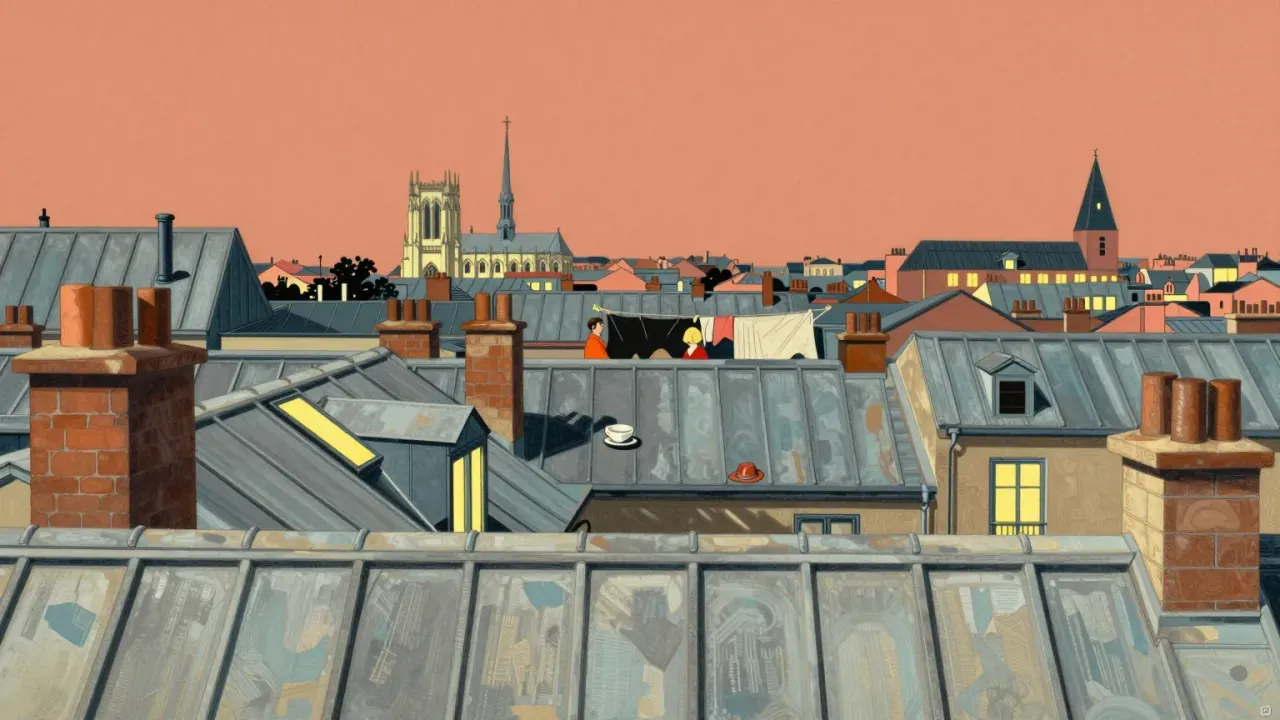
Remy, a rat with a chef's palate, teams up with a hapless kitchen boy to cook at a Paris restaurant neither of them is supposed to be running. Brad Bird's 2007 film pairs slapstick with unusually sincere arguments about taste, talent and where either one is allowed to come from.

13:00

Rear Window

Alfred Hitchcock · 1954

Confined almost entirely to one apartment and the courtyard it overlooks, Rear Window turns a photographer's boredom into a murder investigation conducted through binoculars. Built on a single elaborate Paramount set, it is Hitchcock at his most tightly engineered, with James Stewart watching and Grace Kelly eventually doing the one thing he cannot: crossing the courtyard himself.

13:00

Reservoir Dogs

Quentin Tarantino · 1992

Quentin Tarantino's 1992 debut follows six career criminals, known to each other only by colour-coded aliases, after a jewellery heist collapses within minutes. Confined largely to one warehouse and told through flashbacks rather than the robbery itself, it built its reputation on tense dialogue, a single notorious torture scene, and its influence on the crime cinema that followed it.

13:00

Robin Hood

Wolfgang Reitherman · 1973

Wolfgang Reitherman's 1973 Robin Hood turns the English outlaw tale into a musical fox-and-wolf caper, the first Disney feature made without Walt Disney's guidance and the first built entirely around animal stand-ins for a human cast. Cheaply made and visibly recycled from earlier Disney films, it survived mixed reviews at release to become a durable cult favourite.

13:00

Robot Dreams

Pablo Berger · 2023

In 1985 Manhattan, a lonely dog orders a robot companion by mail, and the two become inseparable until a day at the beach leaves the robot rusted, stranded and eventually lost to a junkyard. Pablo Berger adapts Sara Varon's 2007 graphic novel entirely without dialogue, built around the recurring pull of Earth, Wind and Fire's September.

13:00

Run Lola Run

Tom Tykwer · 1998

Franka Potente plays Lola, who has twenty minutes to find 100,000 marks and save her boyfriend Manni from a violent debt collector, and Tom Tykwer's 1998 film runs the same twenty minutes three times, letting split-second differences in Lola's path — a man with a dog, a delay on the stairs — cascade into wildly different outcomes for everyone she passes. Told through a mix of live action, animation and still-photo flash-forwards, it became the highest-grossing German film of its year.

13:00

Scarface

Brian De Palma · 1983

Brian De Palma's 1983 remake of Howard Hawks' original relocates the story to Miami's 1980 Mariel boatlift, with Oliver Stone's screenplay tracking a Cuban refugee's rise through the cocaine trade under Al Pacino at his most excessive. Giorgio Moroder's synthesizer score and a mansion-siege finale that a visiting Steven Spielberg helped shoot gave the film an afterlife in pop culture far larger than its mixed initial reviews suggested.

13:00

Seven Samurai

Akira Kurosawa · 1954

Akira Kurosawa's 1954 film follows a poor farming village that recruits seven masterless samurai, offering only food and shelter, to defend it against a bandit gang planning to return once the barley ripens. Shot by Asakazu Nakai across a punishing production that ran well over schedule, scored by Fumio Hayasaka and led by Toshiro Mifune and Takashi Shimura, the film ran to 207 minutes and cost 210 million yen, a large outlay for the period, before shaping the template that countless action and heist films have followed since.

13:00

Shaun the Sheep Movie

Richard Starzak, Mark Burton · 2015

When a scheme to win the flock a day off sends their amnesiac farmer rolling into the city inside his own caravan, Shaun and Bitzer follow him into a world built for humans, disguised as people, while an animal control officer closes in. Richard Starzak and Mark Burton's stop-motion feature keeps the television series' silence intact across eighty-five minutes, betting the visual gag can hold a full plot rather than just a sketch.

13:00

Shrek

Andrew Adamson, Vicky Jenson · 2001

Shrek expands William Steig's picture book into a feature that spends most of its runtime mocking the Disney fairy-tale formula it also structurally depends on, following an ogre who strikes a deal to rescue a princess in exchange for getting his swamp back. Directed by Andrew Adamson and Vicky Jenson for DreamWorks, it grossed $484 million against a $60 million budget and became the first film to win the Academy Award for Best Animated Feature.

13:00

Sleeping Beauty

Clyde Geronimi, Les Clark, Eric Larson, Wolfgang Reitherman · 1959

Princess Aurora is cursed at birth to die by a spinning wheel's needle, saved instead by three fairies who soften the curse to a deep sleep breakable only by true love's kiss, while the evil fairy Maleficent works to see the original curse fulfilled anyway. Designed around Eyvind Earle's tapestry-like visual style, drawing on pre-Renaissance European art, and scored using Tchaikovsky's 1889 ballet, the film took nearly ten years and $6 million to complete, making it Disney's most expensive animated feature at the time — and, on release, one of its most costly failures.

13:00

Snow White and the Seven Dwarfs

David Hand, William Cottrell, Wilfred Jackson, Larry Morey · 1937

Snow White and the Seven Dwarfs follows the fairy-tale plot closely — a jealous queen, a poisoned apple, seven miners who take in a runaway princess — but its significance is in what it proved possible: a full-length animated feature with distinct character personalities, made for $1.5 million after two years of story meetings that discarded far more ideas than they kept. Industry figures dismissed it in advance as Disney's Folly; it opened at the Carthay Circle Theatre in December 1937 and changed what a cartoon was allowed to be.

13:00

Solaris

Andrei Tarkovsky · 1972

Andrei Tarkovsky's 1972 adaptation of Stanislaw Lem's novel sends psychologist Kris Kelvin to a station orbiting the ocean planet Solaris, where the surviving crew have fallen into crisis after the planet's ocean began materialising physical visitors drawn from their memories, and Kelvin's own dead wife Hari soon appears to him in the same way. Shot by Vadim Yusov with a score by Eduard Artemyev built around a Bach chorale, and made partly as a rebuttal to what Tarkovsky saw as the coldness of 2001: A Space Odyssey, it won the Grand Prix at Cannes and has stood since as one of Soviet cinema's most significant contributions to science fiction.

13:00

Soul

Pete Docter · 2020

Joe Gardner, a middle-school band teacher on the verge of his first real break as a jazz pianist, falls into a coma and finds his soul on the way to the Great Beyond, prompting a scramble to get back to his body paired with an unwilling mentee soul named 22 who has never wanted to be born. Pete Docter's Pixar feature, co-written and co-directed by Kemp Powers, spends four years of production building an afterlife bureaucracy in order to undercut the very idea, common to Docter's own earlier films, that a person needs a defining passion to justify their existence.

13:00

South Park: Bigger, Longer & Uncut

Trey Parker · 1999

Trey Parker and Matt Stone expand their Comedy Central series into a full musical: four boys learn a stream of profanity from an R-rated movie, a parental panic follows, and the United States ends up declaring war on Canada. Made for $21 million and released by Paramount, it took $83 million worldwide and became the highest-grossing R-rated animated film at the time, earning an Academy Award nomination for the song Blame Canada.

13:00

Spider-Man: Across the Spider-Verse

Joaquim Dos Santos, Kemp Powers, Justin K. Thompson · 2022

Miles Morales crosses into a multiverse-spanning Spider-Society alongside Gwen Stacy, only to find that the group's leader believes certain tragedies must happen exactly on schedule to hold reality together. Built with roughly a thousand crew members and six visually distinct animated universes, it became the highest-grossing film Sony Pictures Animation has released.

13:00

Spider-Man: Into the Spider-Verse

Peter Ramsey, Rodney Rothman, Bob Persichetti · 2018

After a radioactive spider bite and Peter Parker's death at the hands of Kingpin, Brooklyn teenager Miles Morales is thrown together with five other Spider-People pulled in from parallel universes to stop a machine that threatens to destroy them all. Phil Lord and Christopher Miller's screenplay, directed by Bob Persichetti, Peter Ramsey and Rodney Rothman, pairs a six-Spider-Man ensemble with a hand-drawn comic-book visual technique built specifically to make computer animation look like it was inked and printed.

13:00

Spirited Away

Hayao Miyazaki · 2001

Spirited Away follows ten-year-old Chihiro, whose parents are turned into pigs after wandering into a spirit world, as she takes a job in the witch Yubaba's bathhouse to survive and undo the curse. Hayao Miyazaki wrote and directed the film for Studio Ghibli after designing it specifically for the young daughters of family friends, and it became the highest-grossing film in Japanese history at the time, winning the Golden Bear and the Academy Award for Best Animated Feature.
13:00

Stalker

Andrei Tarkovsky · 1979

Andrei Tarkovsky's 1979 film follows a guide known only as Stalker as he leads a writer and a scientist illegally into the Zone, a restricted area said to contain a room that grants a visitor's innermost desire, and the three spend most of the journey arguing about faith, art and science rather than confronting any visible danger. Adapted loosely from a novel by Arkady and Boris Strugatsky and scored by Eduard Artemyev, the production required three different cinematographers after an early batch of footage was ruined during processing, forcing much of the film to be shot again from scratch over the following year.

13:00

Star Wars: Episode IV – A New Hope

George Lucas · 1977

George Lucas's 1977 space opera sends farm boy Luke Skywalker into a rebellion against the Galactic Empire after he acquires stolen plans for a planet-destroying superweapon, teaming with smuggler Han Solo, Princess Leia and Jedi master Obi-Wan Kenobi. Made for $11 million after multiple studios turned the project down, it became a surprise blockbuster, grossing $775 million across its releases, winning six Academy Awards, and establishing the modern template for franchise filmmaking.

13:00

Star Wars: Episode V – The Empire Strikes Back

Irvin Kershner · 1980

Irvin Kershner's 1980 sequel sends the Rebel Alliance into retreat as the Galactic Empire hunts them down, splitting Luke Skywalker's training under Jedi master Yoda from Han Solo and Princess Leia's flight from Darth Vader's forces. Written by Leigh Brackett and Lawrence Kasdan from George Lucas's story outline, it went well over its original $8 million budget to a reported $30.5 million, became the year's highest-grossing film, and is now widely regarded as the strongest entry in the Star Wars series.

13:00

Suzume

Makoto Shinkai · 2022

Seventeen-year-old Suzume Iwato joins a young door-closer named Souta, who is turned into a three-legged chair partway through their journey, on a trip across Japan sealing doors that release a giant, earthquake-triggering worm. The third film in Makoto Shinkai's disaster trilogy, following Your Name and Weathering with You, draws directly on the 2011 Tohoku earthquake and tsunami.

13:00

Tangled

Byron Howard, Nathan Greno · 2010

Rapunzel escapes her tower with the help of a fleeing thief, and the film blends painterly computer animation with a straightforward fairy-tale plot. Directors Byron Howard and Nathan Greno's 2010 film, the most expensive animated feature made at the time, marked Disney's title change from Rapunzel to something less overtly a princess story.

13:00

Taxi Driver

Martin Scorsese · 1976

Martin Scorsese's 1976 film follows Travis Bickle, an insomniac Vietnam veteran driving a New York taxi through the city's worst hours, as his isolation and contempt for the people around him build toward an act of violence aimed first at a political candidate and then at the pimp controlling a twelve-year-old sex worker he has taken an interest in. Written by Paul Schrader, shot with a jittery, restless camera, and scored by Bernard Herrmann in the days before his death, the film was made for $1.9 million and returned over $117 million, winning the Palme d'Or and later becoming entangled in real-world controversy after inspiring an actual assassination attempt.

13:00

The 400 Blows

François Truffaut · 1959

François Truffaut's 1959 debut follows Antoine Doinel, a twelve-year-old in Paris who lies, skips school and steals rather than be caught in either his parents' indifference or his teacher's contempt. Shot with Jean-Pierre Léaud in the role he would return to four more times, it became a founding film of the French New Wave and ends on one of cinema's most quoted images: a boy running toward the sea, then held there, mid-stride, looking back at the camera.

13:00

The Adventures of Mark Twain

Will Vinton · 1985

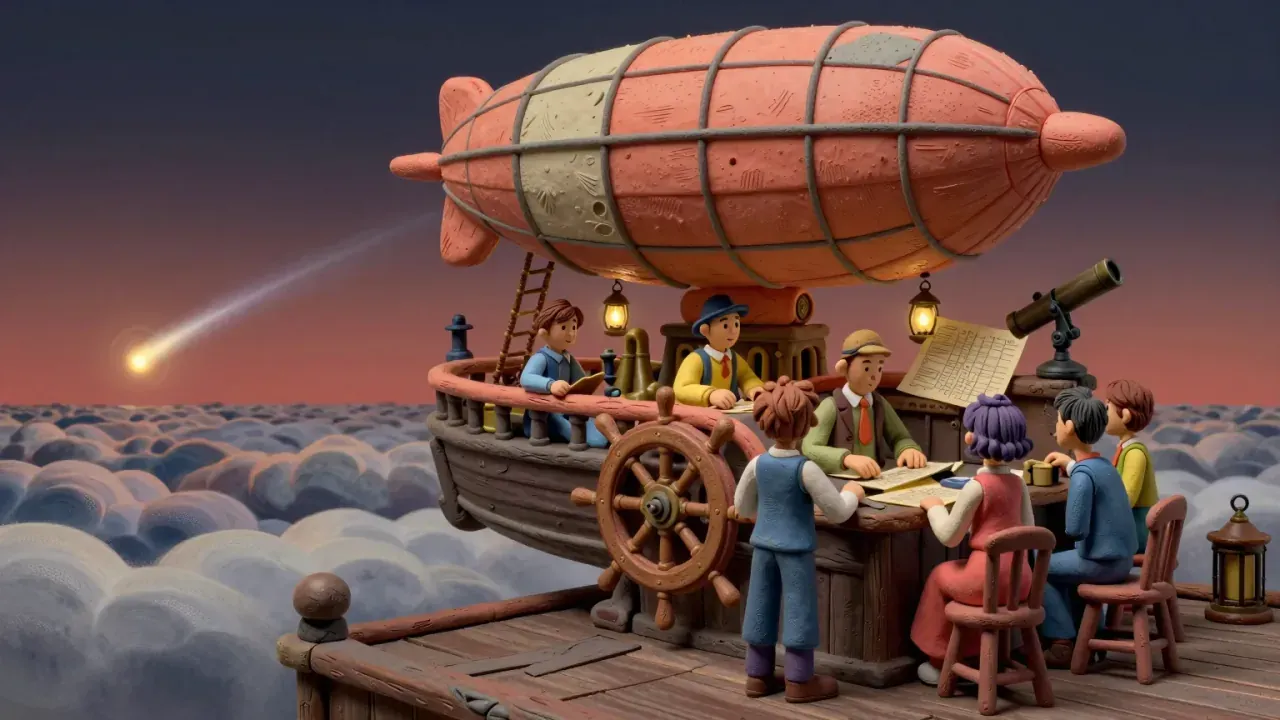
Tom Sawyer, Huckleberry Finn and Becky Thatcher stow away on an airship piloted by Mark Twain, who is travelling to keep what he believed was his destined appointment with the returning Halley's Comet, and along the way the children hear vignettes drawn from Twain's own stories, from a jumping frog to a vision of heaven. Vinton's stop-motion studio spent three and a half years and $1.5 million building the film in a converted Portland house, developing new computer-controlled camera and lighting systems along the way, only for a distributor to release the finished, distinctly adult-toned film as children's matinee programming.

13:00

The Aristocats

Wolfgang Reitherman · 1970

A wealthy Parisian widow's pampered cats are set to inherit her fortune, which prompts her butler to abandon them in the countryside, where a streetwise tomcat helps guide them home. The project began in 1962 as a proposed live-action television episode, was rejected, revived, and eventually turned into an animated feature at Disney's own suggestion — the last one he personally approved before he died in 1971. Phil Harris, cast as the tomcat O'Malley, was given room to improvise much of his own dialogue, shaping the character the way his earlier work on The Jungle Book had shaped Baloo.

13:00

The Battle of Algiers

Gillo Pontecorvo · 1966

Gillo Pontecorvo's 1966 film reconstructs the Algerian independence struggle against French rule between 1954 and 1957, following FLN fighter Ali La Pointe and the French colonel sent to break the resistance through mass arrest and torture. Cast almost entirely with non-professionals, many of whom had lived through the real events, and shot in a black-and-white newsreel style, the film won the Golden Lion at Venice and was banned in France for years for the discomfort of its subject.

13:00

The Book of Life

Jorge R. Gutiérrez · 2014

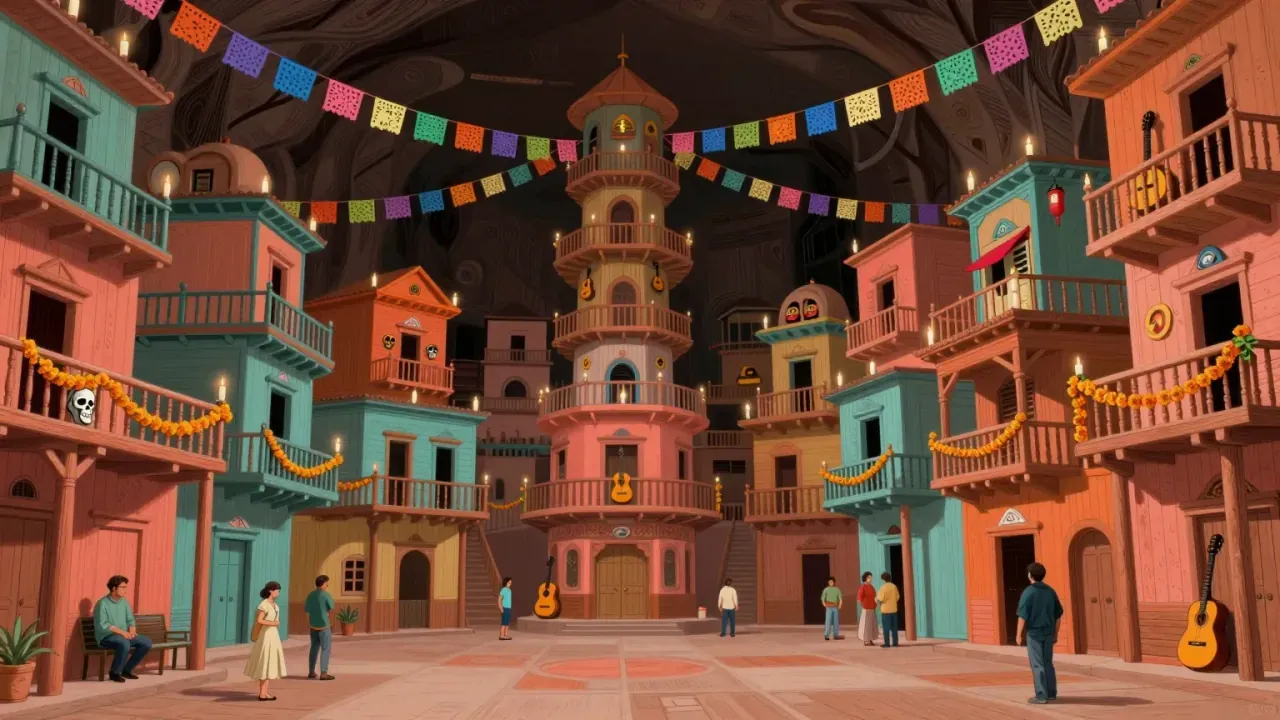
A bullfighter who would rather play guitar navigates a love triangle, his family's expectations and a wager between two gods of the afterlife. Jorge R. Gutierrez's 2014 directorial debut renders its Day of the Dead setting as carved wooden folk art brought to motion.

13:00

The Boy and the Heron

Hayao Miyazaki · 2023

After his mother dies in wartime Japan, Mahito Maki moves to the countryside, follows a talking grey heron into an abandoned tower, and enters a fantastical realm governed by its own private logic. Hayao Miyazaki spent roughly seven years making the film, released in Japan with no trailers, stills or synopsis beyond a single poster.

13:00

The Conversation

Francis Ford Coppola · 1974

Gene Hackman plays a wiretap specialist convinced his latest recording documents a murder he's enabling, in Coppola's Palme d'Or-winning thriller that arrived just months before Watergate made its premise feel prophetic rather than speculative.

13:00

The Deer Hunter

Michael Cimino · 1978

The Deer Hunter follows three steelworkers from a Russian-American mill town through a wedding, a hunting trip, the Vietnam War, and its long aftermath. Michael Cimino's film, shot partly in Thailand and built around Robert De Niro, Christopher Walken and John Savage, uses an unusually long, unhurried domestic opening to set up a war sequence built on captivity and Russian roulette, then spends its final third on men who came home changed in different, irreversible ways.

13:00

The French Connection

William Friedkin · 1971

The French Connection follows two New York narcotics detectives, modelled on real officers Eddie Egan and Sonny Grosso, as they trail a heroin shipment tied to an actual 1962 seizure. Made for $1.8 million after seven actors turned down the lead, it won five Academy Awards including Best Picture and Best Actor for Gene Hackman, and its documentary-style handheld camera and an unscripted-feeling car chase set a template for the decade of American crime films that followed it.

13:00

The Godfather

Francis Ford Coppola · 1972

Francis Ford Coppola's 1972 adaptation of Mario Puzo's novel follows the Corleone family as the youngest son, Michael, is pulled from war-hero outsider into the head of an organised-crime dynasty. Shot by Gordon Willis in interiors so underlit that faces disappear into shadow, scored by Nino Rota, and built on an ensemble led by Marlon Brando and Al Pacino, it cost Paramount $7 million and returned over $268 million, and swept that year's Best Picture, Best Actor and Best Adapted Screenplay Oscars.

13:00

The Godfather Part II

Francis Ford Coppola · 1974

Francis Ford Coppola's 1974 sequel cuts between young Vito Corleone's immigrant rise in early-twentieth-century New York, played by Robert De Niro, and Michael Corleone's ruthless consolidation of the family's power a generation later, played again by Al Pacino. Gordon Willis returns as cinematographer and Nino Rota as composer, on a budget of $13 million against a $48 million take, and the film won six Oscars including Best Picture and Best Director, an unusual feat for a sequel.

13:00

The Good, the Bad and the Ugly

Sergio Leone · 1966

Sergio Leone's 1966 close to the Dollars Trilogy follows a bounty hunter, an outlaw and a hired gun across the American Civil War as they hunt buried Confederate gold, shot in Techniscope across Spain on a $1.2 million budget that returned nearly $39 million, built around Eli Wallach's performance and Ennio Morricone's score.

13:00

The Grand Budapest Hotel

Wes Anderson · 2014

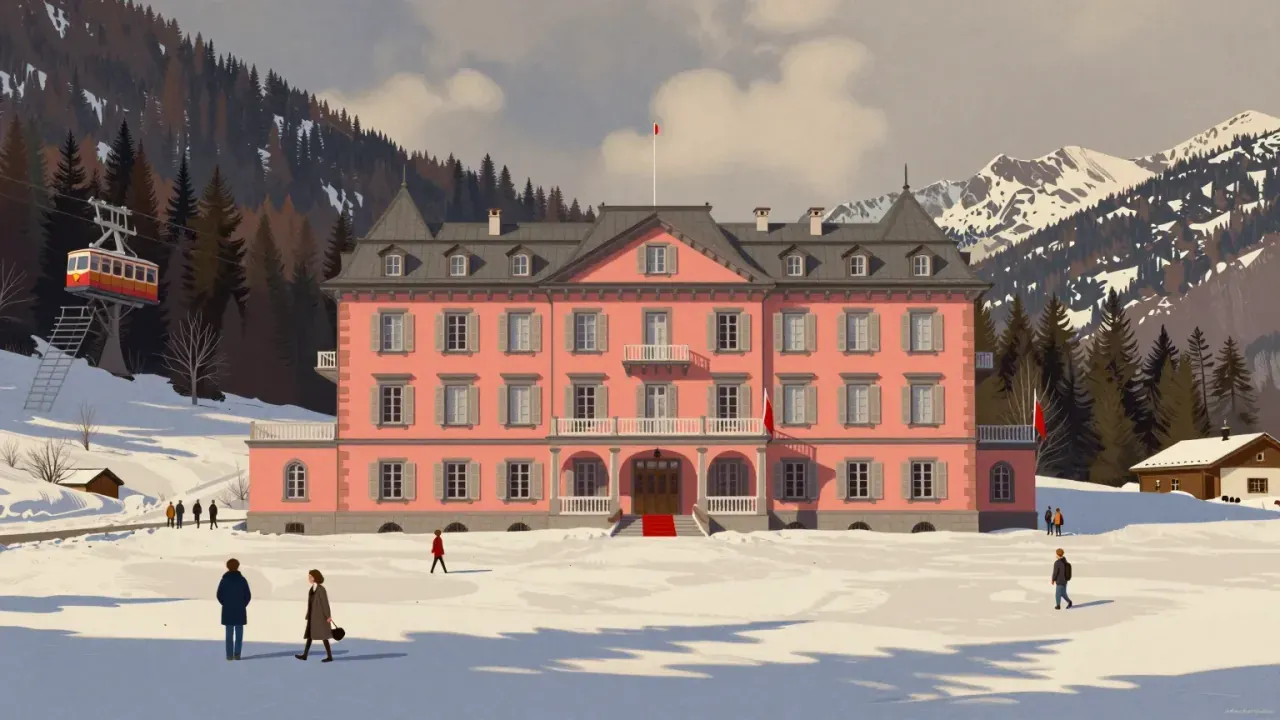
Ralph Fiennes plays a meticulous concierge framed for murder in Wes Anderson's 2014 comedy, built from Stefan Zweig's writing and won on the strength of its production design and score.

13:00

The Holy Mountain

Alejandro Jodorowsky · 1973

Alejandro Jodorowsky's 1973 film, financed by Beatles manager Allen Klein with production money from John Lennon and Yoko Ono, follows a Christlike thief who becomes an alchemist's apprentice and joins seven wealthy, corrupt figures, each embodying a planet, on a journey to seize immortality from beings said to rule from a sacred mountain's summit. Shot sequentially in Mexico on a $750,000 budget after its cast spent three months in spiritual training under Oscar Ichazo, the film became a fixture of New York's midnight-movie circuit, running for sixteen months at the Waverly Theatre after its Cannes premiere.

13:00

The Incredibles

Brad Bird · 2004

The Incredibles follows a superhero family forced into hiding by government mandate, focusing on a father stuck in a soul-crushing insurance job until a secret assignment pulls him back into hero work and endangers his family. Written and directed solely by Brad Bird for Pixar, with an all-human cast the studio had never animated before, the film grossed $631 million against a $92 million budget and won two competitive Academy Awards plus the first Hugo Award given to an entirely animated film.

13:00

The Iron Giant

Brad Bird · 1999

The Iron Giant drops a fifty-foot alien robot into small-town Maine in 1957 and lets a lonely boy's friendship with it, rather than its destructive potential, carry the film. Brad Bird's feature debut, made by Warner Bros. on roughly half the budget and schedule of comparable animated films, was a box-office failure on release but has since become a byword for a cult classic.

13:00

The Jungle Book

Wolfgang Reitherman · 1967

Mowgli, a boy raised by wolves in the Indian jungle, is walked toward the safety of a human village by the panther Bagheera and the bear Baloo while the tiger Shere Khan hunts him. Story artist Bill Peet developed an early, darker treatment closer to Rudyard Kipling's original stories before Walt Disney rejected it as unsuited to a family audience, replacing Peet with a new writing team who leaned into comedy and music instead. It became the last animated feature Disney oversaw personally before his death partway through production.

13:00

The Lego Movie

Christopher Miller, Phil Lord · 2014

An ordinary Lego minifigure is mistaken for the chosen one destined to stop a tyrant from gluing the universe into permanent order. Phil Lord and Christopher Miller's 2014 film uses digital animation built to mimic stop motion and turns a marketing premise into a genuine argument about creativity.

13:00

The Lion King

Roger Allers, Rob Minkoff · 1994

The Lion King follows Simba, a lion cub exiled after his uncle Scar arranges his father Mufasa's death, as he grows up away from his kingdom and eventually returns to reclaim it. Roger Allers and Rob Minkoff directed after an earlier documentary-style version by George Scribner was abandoned for a musical treatment with songs by Elton John and Tim Rice and a score by Hans Zimmer. Made on a $45 million budget, it grossed $968.5 million, becoming the highest-grossing traditionally animated film ever made and winning the Academy Award for Best Original Score.

13:00

The Little Mermaid

John Musker, Ron Clements · 1989

John Musker and Ron Clements's 1989 adaptation of Hans Christian Andersen's fairy tale follows mermaid princess Ariel as she trades her voice to the sea witch Ursula for a chance at life on land and a human prince's love. Built around a Broadway-style score by Howard Ashman and Alan Menken, it became Disney's biggest hit in years and is widely credited with launching the Disney Renaissance.

13:00

The Lives of Others

Florian Henckel von Donnersmarck · 2006

Ulrich Mühe plays Stasi Captain Gerd Wiesler, assigned to bug the apartment of a celebrated East German playwright in 1984 whose real offence is that a government minister covets his girlfriend. As Wiesler listens in, he begins quietly protecting the couple from the surveillance he was sent to conduct, an act of conscience that Florian Henckel von Donnersmarck's 2006 debut treats as fiction the director openly acknowledges the real Stasi never produced.

13:00

The Matrix Revolutions

Lilly Wachowski · 2003

The Wachowskis' 2003 conclusion to the Matrix trilogy sends Neo into the machine city to end humanity's war with the machines while Zion faces a final assault and Agent Smith threatens to overwrite both worlds. Shot back to back with The Matrix Reloaded and released the same year, it opened to the widest simultaneous release of its time and grossed $427.3 million, but drew a marked drop in critical reception, with reviewers praising the visual effects while faulting the film's characterisation and climax.

13:00

The Mitchells vs. The Machines

Mike Rianda, Jeff Rowe · 2021

Katie Mitchell, days from leaving for film school and still at odds with her earnest, technology-suspicious father, is stuck on a cross-country family road trip when a smartphone-assistant uprising begins rounding up humanity. Mike Rianda and Jeff Rowe's Sony Pictures Animation feature, produced by Phil Lord and Christopher Miller, pairs a hand-painted visual style adapted from Into the Spider-Verse's animation technology with a script built from Rianda's own family history and childhood fascination with robots.

13:00

The Nightmare Before Christmas

Henry Selick · 1993

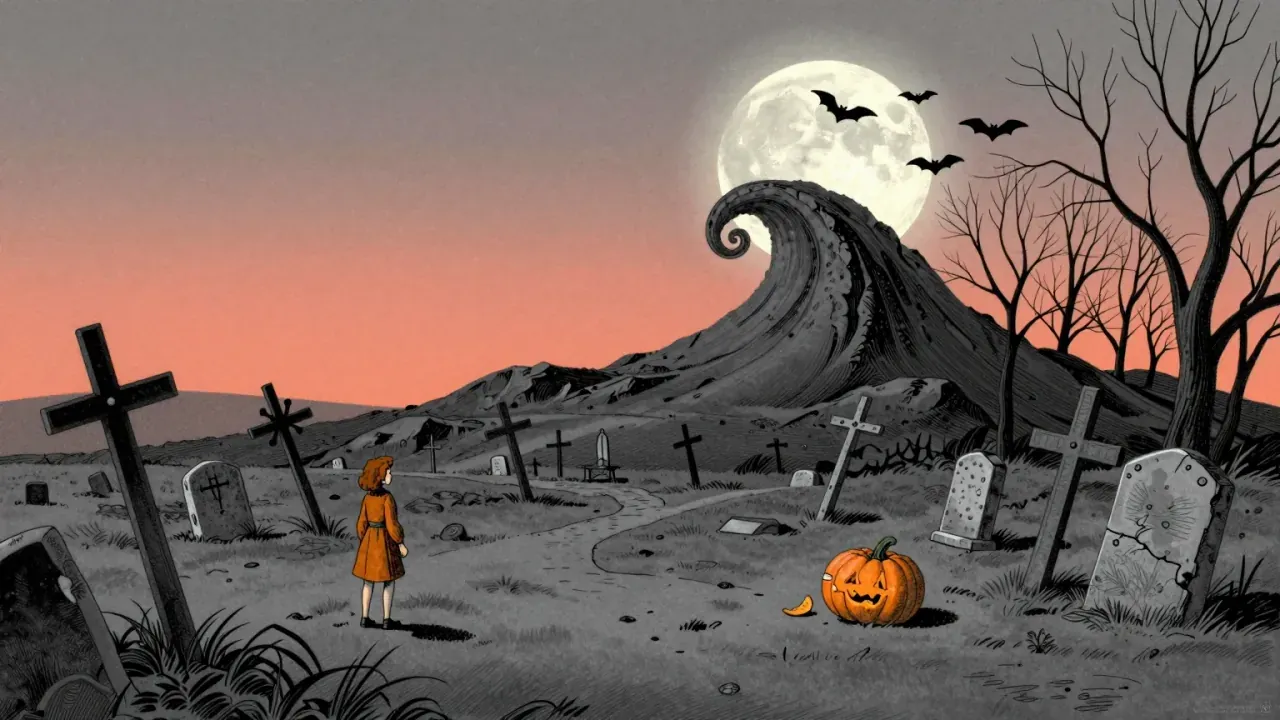
The Nightmare Before Christmas follows Jack Skellington, Halloween Town's bored king, as he discovers Christmas Town and decides, badly, that he can run the holiday himself. Henry Selick directed the stop-motion musical from a story and poem by Tim Burton, with songs and score by Danny Elfman, who also voices Jack's singing parts. Released under Disney's Touchstone label rather than the studio's own name, it grossed $75.1 million and earned an Academy Award nomination for Best Visual Effects, a first for an animated film.

13:00

The Polar Express

Robert Zemeckis · 2004

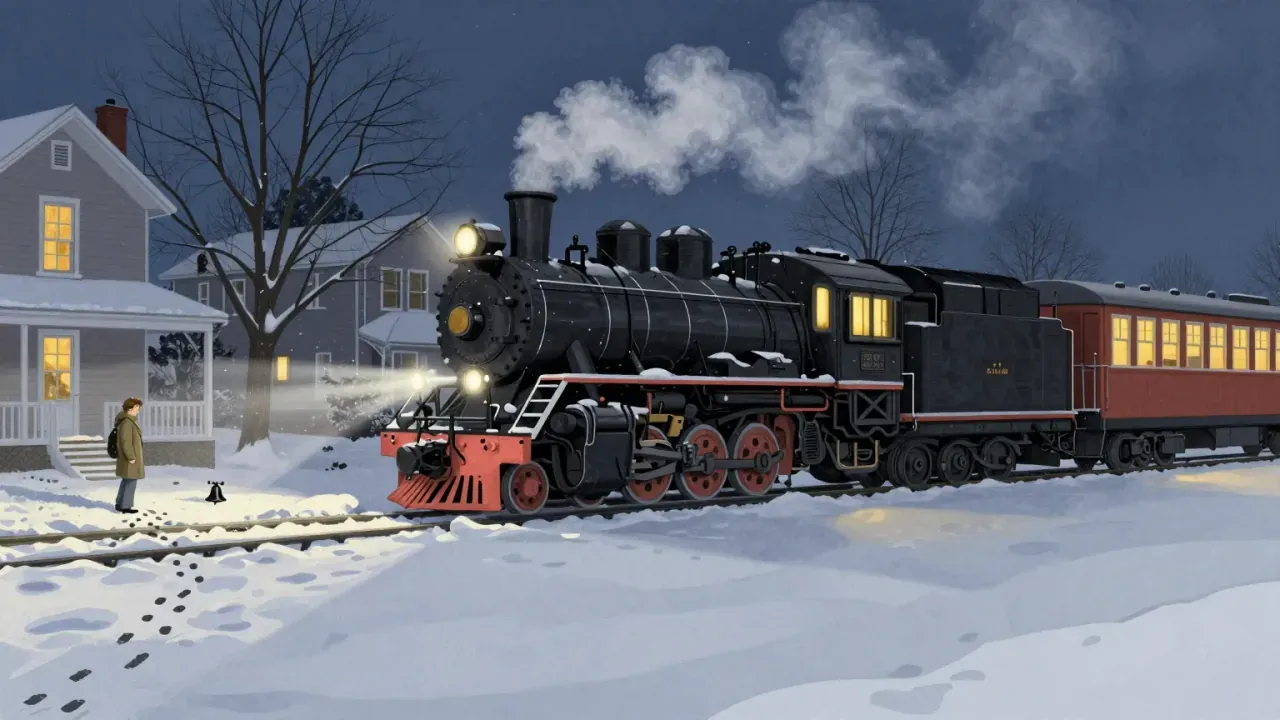
The Polar Express expands Chris Van Allsburg's picture book about a boy's magical Christmas Eve train ride to the North Pole into a full performance-captured feature, using Tom Hanks in six separate roles. Directed by Robert Zemeckis for Castle Rock Entertainment on the highest budget ever given an animated film at the time, it grossed $311 million but drew mixed reviews, with critics divided over its motion-capture human faces.

13:00

The Red Turtle

Michaël Dudok de Wit · 2016

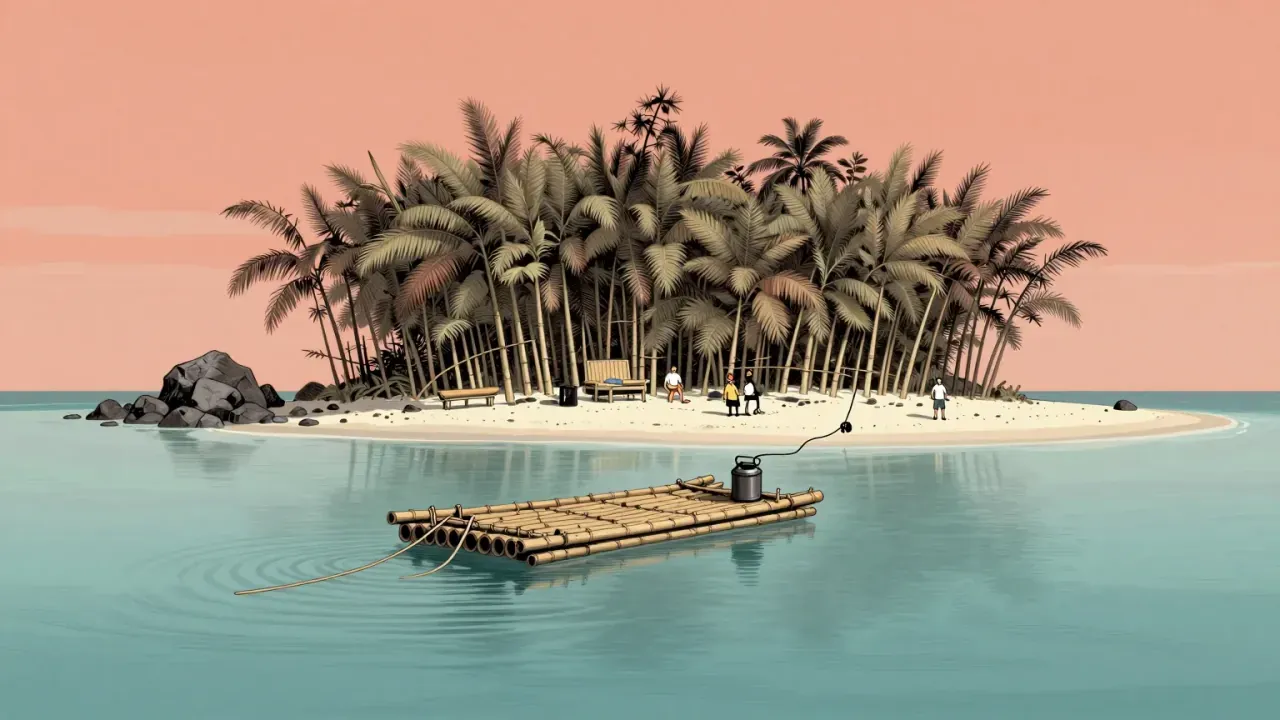
A shipwrecked man's repeated attempts to leave an uninhabited island are sabotaged by a giant red sea turtle, and his violent response to it sets in motion a transformation that reshapes his life on the island rather than ending it. Michaël Dudok de Wit's feature debut, made at Hayao Miyazaki's suggestion after he saw the director's short Father and Daughter, tells its entire story without a single word of dialogue across three generations on one stretch of sand.

13:00

The Searchers

John Ford · 1956

John Ford's 1956 western follows Ethan Edwards, a Confederate veteran played by John Wayne, across years of searching Monument Valley for a niece abducted in a Comanche raid, adapted from Alan Le May's novel and shot in VistaVision and Technicolor, its reputation built on Winton Hoch's photography and an ending that leaves its hero permanently outside the door.

13:00

The Secret of NIMH

Don Bluth · 1982

A widowed field mouse named Mrs. Brisby has to move her sick son before the farmer's plough destroys their home, and finds help among a colony of unusually intelligent rats who escaped a laboratory years earlier. Don Bluth directed the film as his debut after leaving Disney's animation department with several colleagues in 1979 to found an independent studio, taking on a book Disney had rejected twice before, adding mystical elements not present in the source novel, and finishing the whole project on a tighter budget and schedule than the studio he'd left would have allowed.

13:00

The Seventh Seal

Ingmar Bergman · 1957

Ingmar Bergman turned a one-act play he had written for drama students into this 1957 fable of a crusader who challenges Death to chess while the plague empties his country. Shot in thirty-five days on a modest budget, with Max von Sydow beginning his long partnership with Bergman, it became one of cinema's most quoted images and won the Special Jury Prize at Cannes.

13:00

The Shawshank Redemption

Frank Darabont · 1994

Frank Darabont's 1994 adaptation of Stephen King's novella follows banker Andy Dufresne through nearly two decades in a corrupt Maine prison, and his friendship with fellow inmate Red. A commercial disappointment on release, it became one of the most rewatched and highly rated American films through home video, television and word of mouth.

13:00

The Shining

Stanley Kubrick · 1980

Stanley Kubrick's 1980 adaptation of Stephen King's novel follows a recovering alcoholic, his wife and their clairvoyant son through a winter at an isolated hotel, shot entirely on constructed sets in England on a $19 million budget, built around Jack Nicholson's escalating performance, John Alcott's Steadicam corridors and Wendy Carlos's electronic score.

13:00

The Silence of the Lambs

Jonathan Demme · 1991

Jonathan Demme's 1991 thriller sends FBI trainee Clarice Starling to interview imprisoned psychiatrist and cannibal Hannibal Lecter for insight into a serial killer skinning his victims. Adapted by Ted Tally from Thomas Harris's novel and shot by Tak Fujimoto, it swept the Academy Awards' top five categories, a feat achieved by only three films, and remains the only horror film to win Best Picture.

13:00

The Social Network

David Fincher · 2010

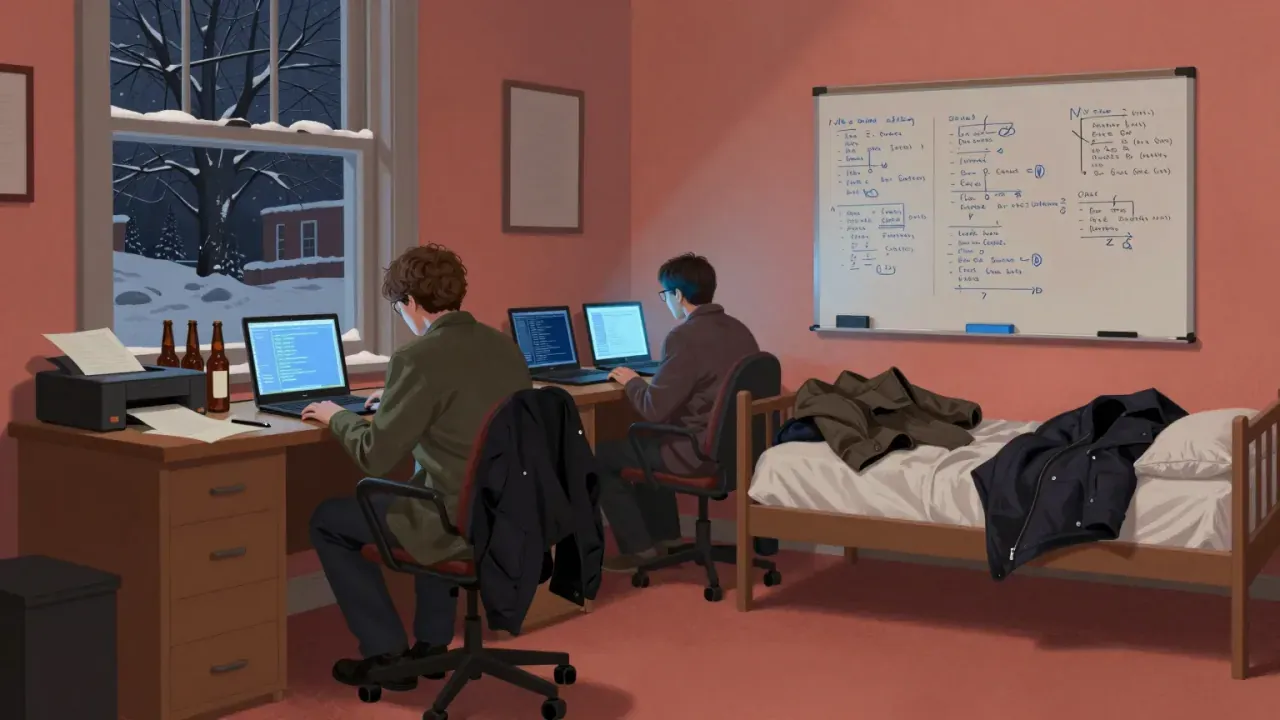
The Social Network reconstructs the founding of Facebook through the two lawsuits that followed it, cutting between Harvard in 2003 and the depositions years later where Mark Zuckerberg, Eduardo Saverin, and the Winklevoss twins each give a different account of who invented what. David Fincher directs Aaron Sorkin's script, based loosely on Ben Mezrich's book, with Jesse Eisenberg as Zuckerberg and a score by Trent Reznor and Atticus Ross that treats a founding myth as something closer to a thriller.

13:00

The Tale of the Princess Kaguya

Isao Takahata · 2013

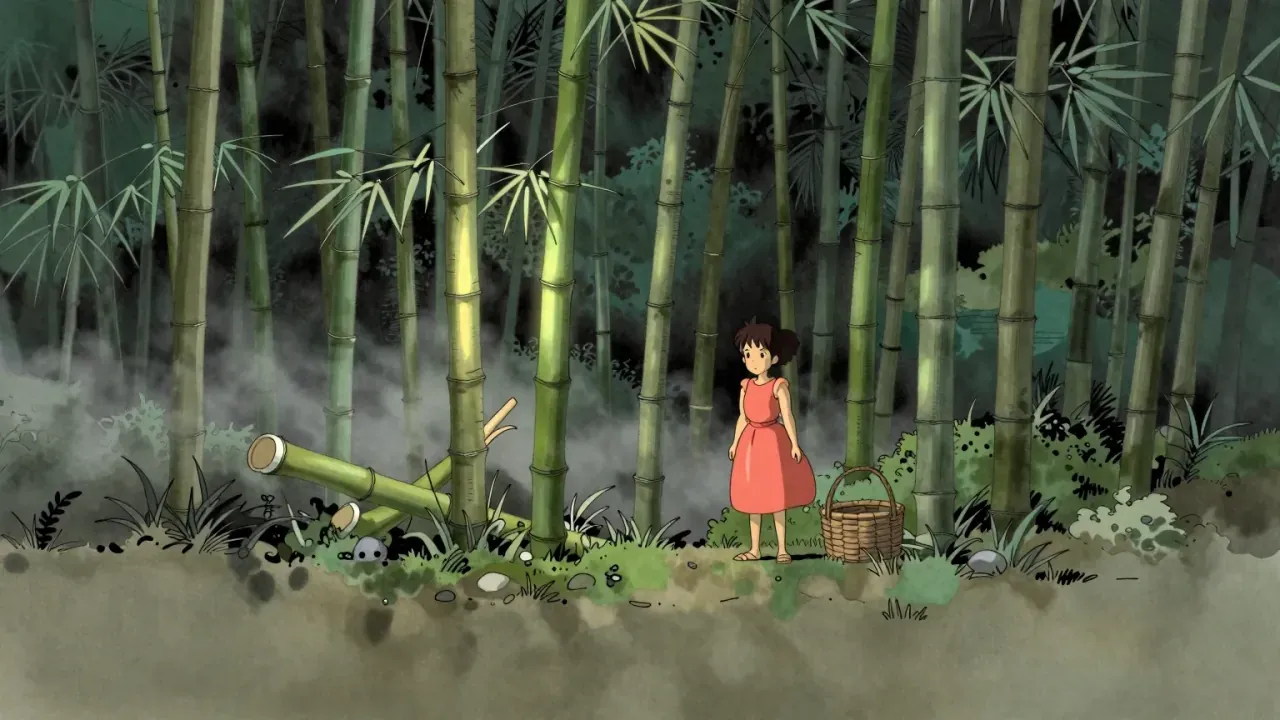
A girl born from a bamboo stalk is raised by a poor cutter who, on discovering gold nearby, drags her into a nobility she never wanted. Isao Takahata's 2013 adaptation of a tenth-century Japanese tale uses loose, watercolour-like animation to match its heroine's resistance to being made presentable.

13:00

The Thing

John Carpenter · 1982

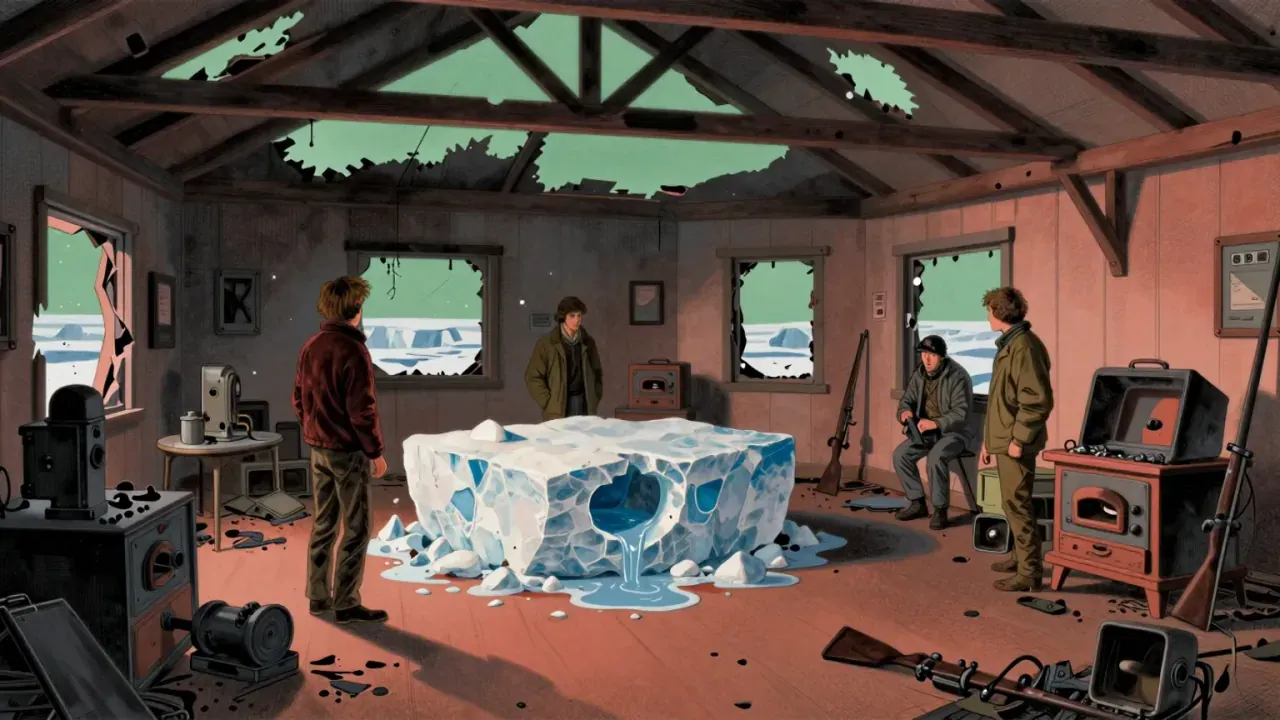
A helicopter pilot and a research crew at a remote Antarctic base find a shape-shifting alien freed from a Norwegian camp, and John Carpenter turns the ensuing hunt for the impostor into a study of paranoia as much as a monster film. Poorly received and a box-office loss on release, it has since been reassessed as one of the strongest science-fiction horror films made.

13:00

The Triplets of Belleville

Sylvain Chomet · 2003

The Triplets of Belleville follows an elderly Frenchwoman who reshapes her life around her grandson's obsessive cycling career, then pursues him across an invented city, an amalgam of New York, Montreal and Quebec City, after gangsters kidnap him mid-Tour de France. Sylvain Chomet's first feature, told almost entirely through pantomime, sound and song, cost $8 million, took $14.8 million worldwide, and earned two Academy Award nominations, including the first for a PG-13 animated feature.
13:00

The Truman Show

Peter Weir · 1998

Jim Carrey plays a man raised from birth inside a soundstage as the unwitting star of a round-the-clock broadcast, gradually noticing the cracks in a world built entirely around him.

13:00

The Wild Robot

Chris Sanders · 2024

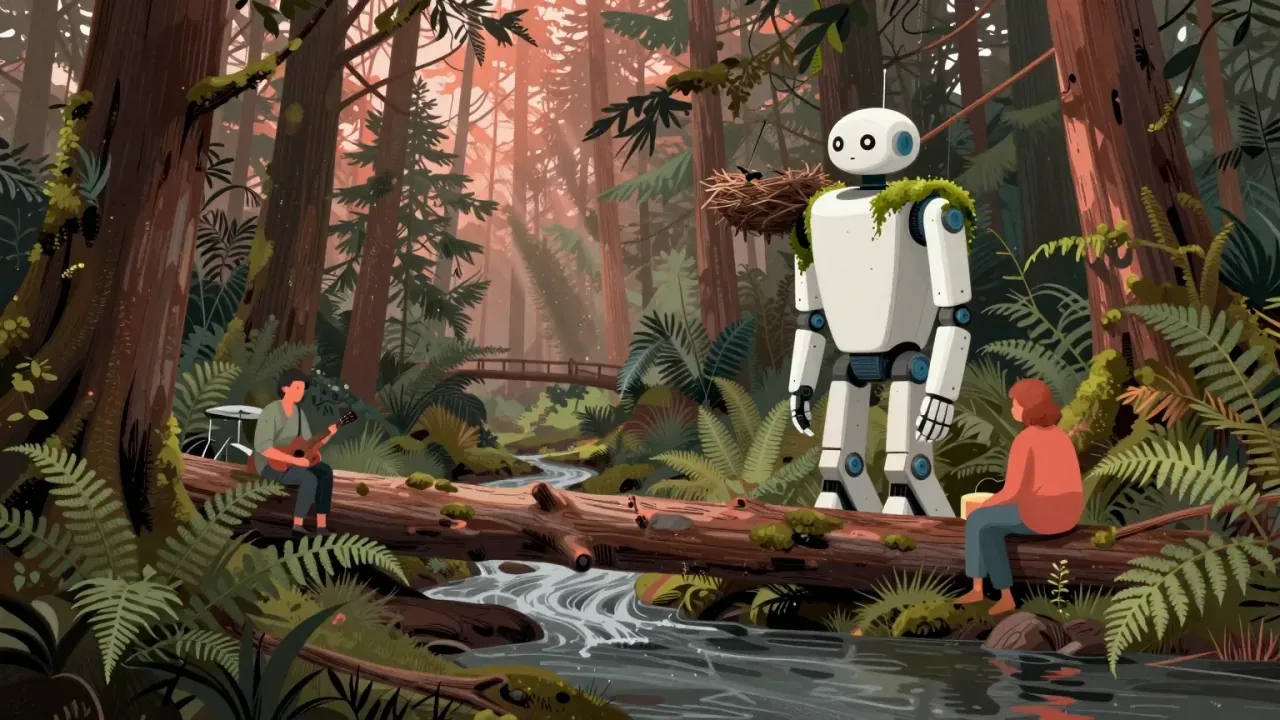
Shipwrecked on an uninhabited island, service robot Roz has to learn to survive among wildlife that first treats her as a monster, and ends up raising an orphaned gosling as her own. Chris Sanders adapted Peter Brown's 2016 novel with a hand-painted, watercolour visual style built to resemble Bambi filtered through Hayao Miyazaki.

13:00

The Wind Rises

Hayao Miyazaki · 2013

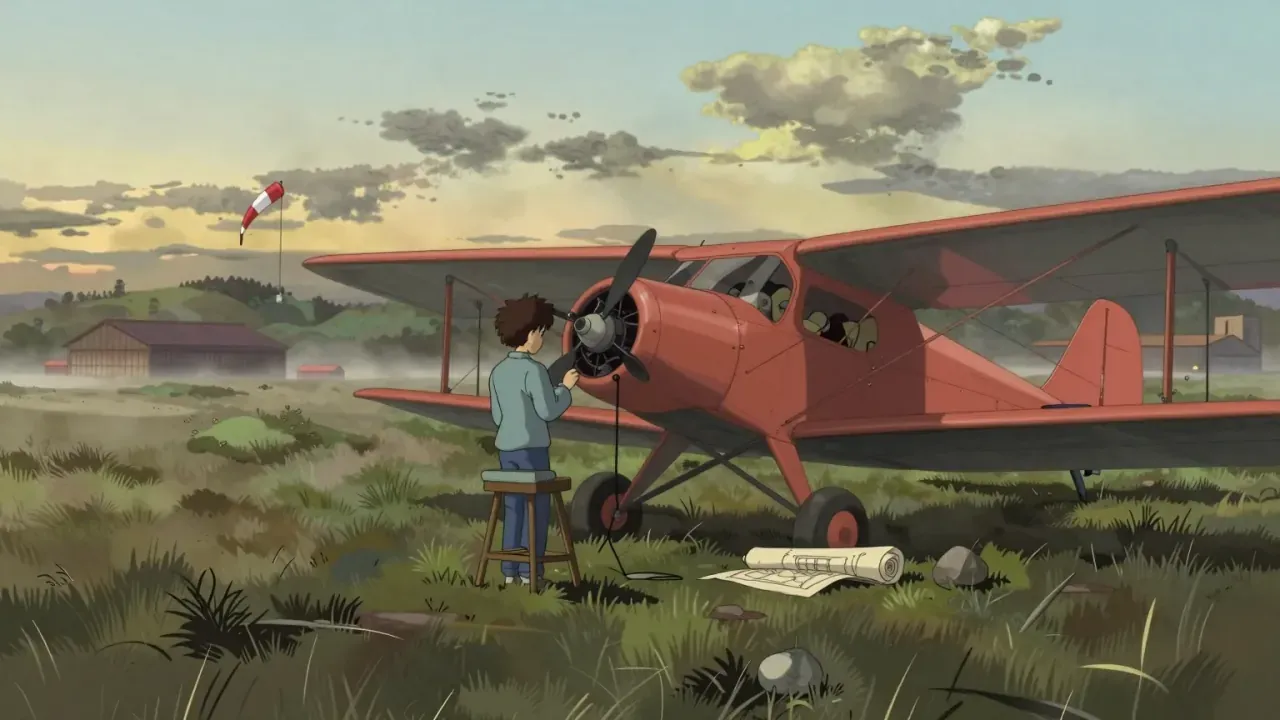
A fictionalised account of aeronautical engineer Jiro Horikoshi, who dreamed of flight but could only design the machines rather than pilot them himself. Hayao Miyazaki's 2013 film pairs a delicate romance with the uncomfortable fact of what Horikoshi's designs became.
13:00

The Wolf of Wall Street

Martin Scorsese · 2013

The Wolf of Wall Street follows Jordan Belfort's rise from a junior broker to the head of Stratton Oakmont, a firm built on pump-and-dump stock schemes, told almost entirely through his own boastful narration. Martin Scorsese directs Leonardo DiCaprio, Jonah Hill and Margot Robbie in a three-hour account, adapted by Terence Winter from Belfort's memoir, that stages fraud as slapstick and addiction as spectacle without ever pulling back to show what any of it cost the people on the other end of the trades.