A wedding that runs nearly an hour
The Deer Hunter follows three Russian-American steelworkers from Clairton, Pennsylvania, through a wedding, a deer hunt, service in Vietnam, and a long, uneven return home. Michael Cimino directs from a script he rewrote with Deric Washburn, building outward from an earlier spec screenplay about Russian roulette in Las Vegas and relocating that device into the war. Robert De Niro, Christopher Walken and John Savage play Michael, Nick and Steven, whose friendship and shared rituals of hunting and drinking are established at length before any of them ship out. The film’s ambition is structural: it wants nearly an hour of small-town ordinary life on record before it asks the audience to watch what happens to these particular men once that life is interrupted.
Three friends, three different wars
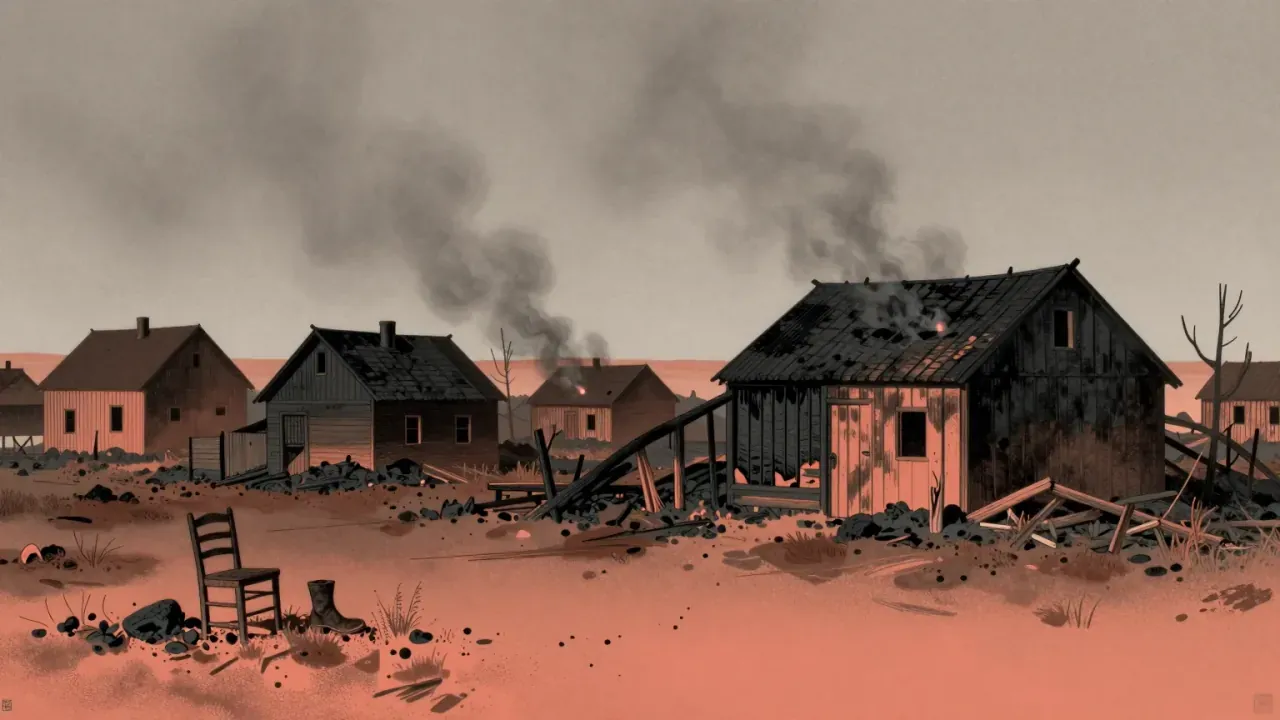
Vilmos Zsigmond’s cinematography holds the mill town in a hazy, amber light that the film later withholds almost entirely once the story reaches Vietnam and its makeshift prisoner camps. De Niro plays Michael as a man who holds himself under tight control even at his most reckless, which pays off once he becomes the only one of the three able to function after capture. Walken’s Nick is looser and more open at the wedding, which makes his later transformation, staying in Saigon and gambling his life in roulette parlours, land as a genuine collapse rather than a plot turn. Peter Zinner’s editing lets scenes run long past where a conventional war film would cut, especially in the roulette sequences, so the tension has room to become unbearable rather than merely tense.
What the captivity sequence achieves
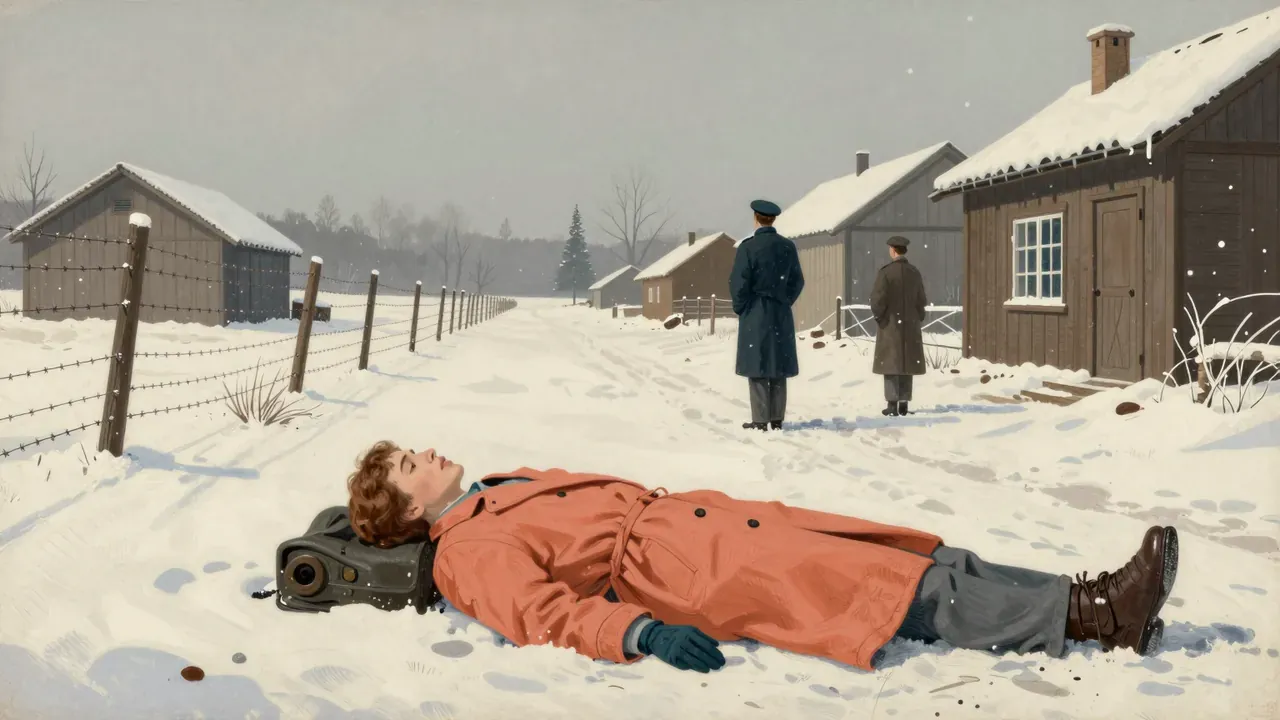
What the film does best is refuse to treat captivity as an action sequence. The Russian roulette scenes, forcing prisoners to fire on each other for the guards’ entertainment, are shot mostly in close, static frames on faces rather than the gun, and the sound design leans on silence between shots rather than music. That restraint carries into the deer hunt bookending the film, where a single clean shot becomes its own kind of moral test for Michael. Walken’s performance, which won him the Academy Award for Best Supporting Actor, is the clearest achievement here: Nick’s slide from soldier to fixture of Saigon’s underground roulette scene is played almost entirely through small physical changes rather than dialogue.
Where the film strains credibility
Historians and Vietnamese-American critics have long objected that the Russian roulette device the film builds its second act around has no documented basis in the war, and some have argued the sequence reduces Vietnamese characters to instruments of cruelty with little interiority of their own. The film’s geography is similarly loose, compressing distances and locations for dramatic convenience rather than accuracy. Meryl Streep, in her first Oscar-nominated role, plays Linda with real presence but comparatively little to do once the men leave, and the film’s second half occasionally loses track of what her arc is meant to be beyond waiting. These aren’t small complaints, and they’ve shaped how the film is discussed as much as its craft has.
A town, a war, and what’s owed to it
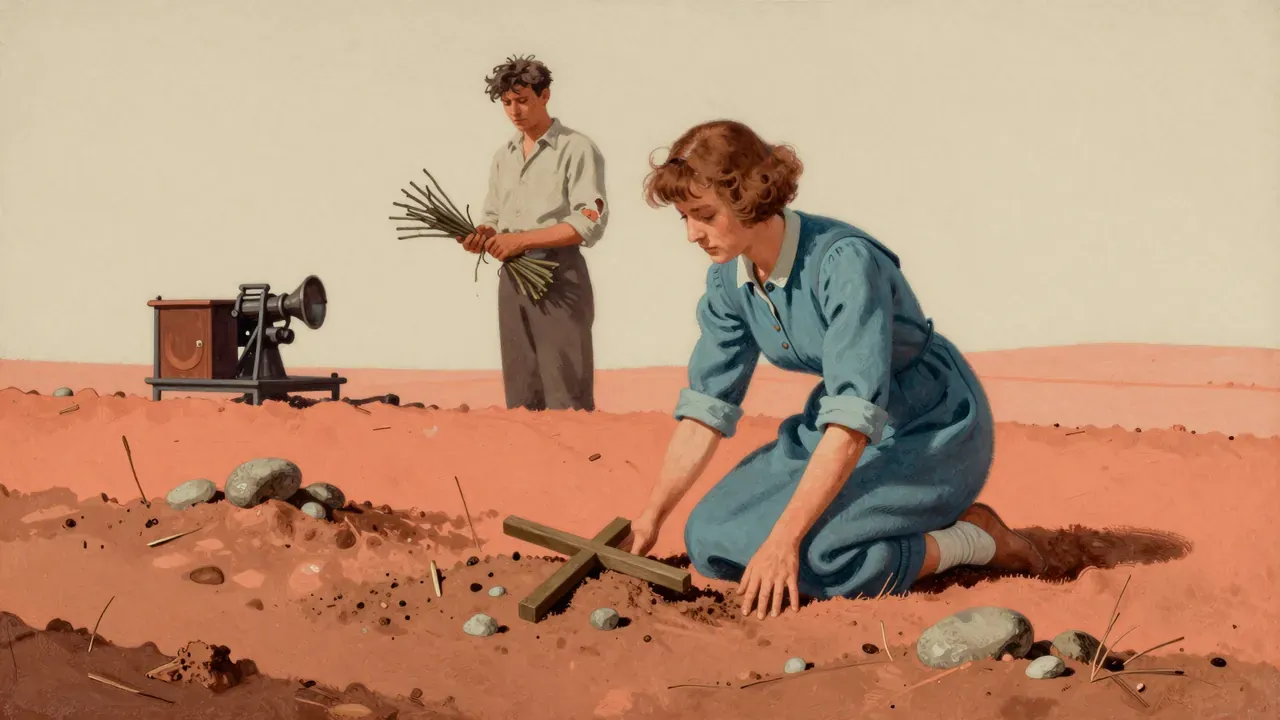
Class and ritual sit under everything here: the wedding, the hunt, and the bar where the men drink are all forms of a working-class masculinity the film treats with real tenderness before testing it against something none of its rituals prepared them for. Trauma is the film’s other subject, handled less as a diagnosis than as a set of behaviours, Michael’s controlled withdrawal, Nick’s disappearance into a foreign city, Steven’s retreat into a veterans’ hospital, that the film lets sit unresolved rather than explaining. It is less interested in Vietnam as policy or history than in what a war does to three specific friendships once the men who fought it come home changed by different amounts.
Who should sit with this one
This suits viewers prepared to give a slow, ritual-heavy first hour before the film’s real subject arrives, and anyone drawn to De Niro and Walken working at the height of their range in the same picture. It rewards patience with silence and long takes over incident, and its refusal to resolve Nick’s fate or Michael’s guilt cleanly will appeal to audiences who prefer ambiguity to catharsis. It’s a poor match for anyone seeking a historically grounded account of the war, or for viewers who need momentum in a film’s middle stretch; the wedding and its aftermath take up nearly a third of the running time before the story leaves Pennsylvania.
A long film that asks for a long evening
At 182 minutes, The Deer Hunter is a real commitment, and its slowest passages, particularly the wedding, will test anyone expecting a war film to get to the war. But the patience is largely repaid: the roulette sequences remain as unsettling as their reputation suggests, and the final third, built around Michael’s attempt to bring Nick home, achieves a grief that the film’s earlier scenes have carefully earned rather than assumed. It’s best watched in one sitting rather than broken up, since much of its power comes from accumulated dread rather than any single scene, and it rewards an evening set aside specifically for it.