A surveillance expert who trusts no one, least of all himself
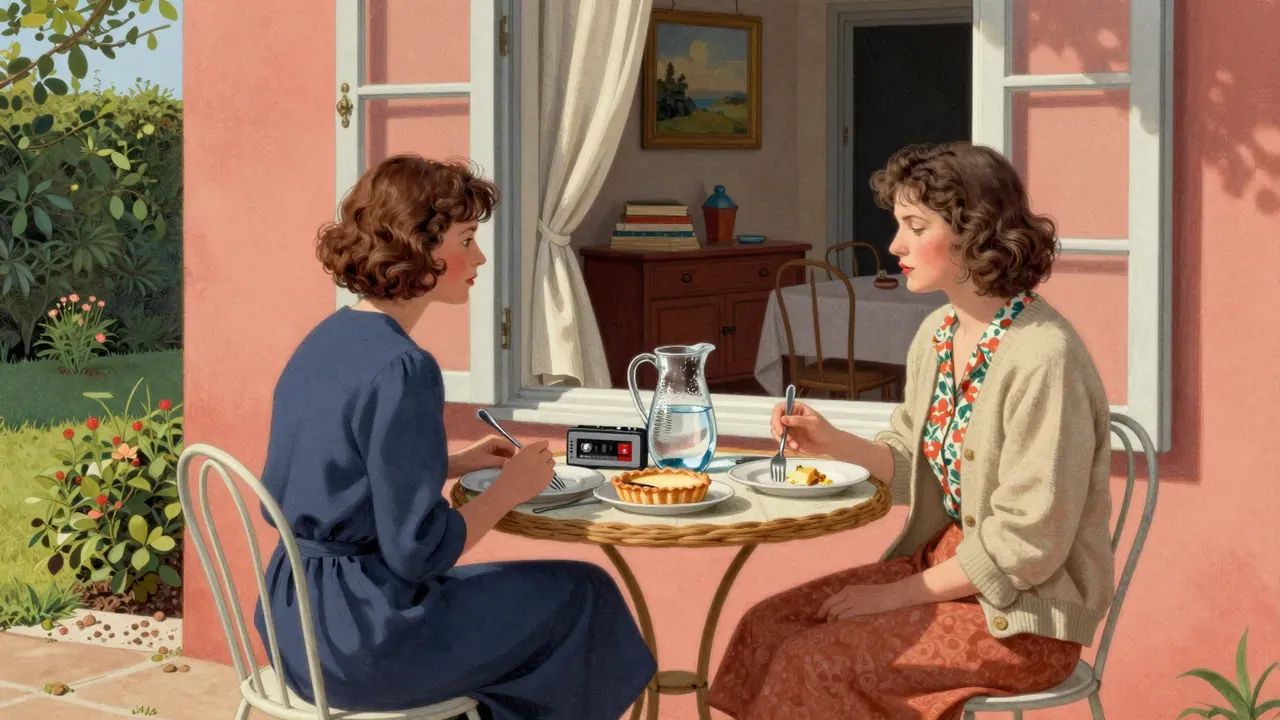
The Conversation follows Harry Caul, a surveillance expert hired anonymously to record a couple walking in circles through San Francisco’s Union Square, and what happens once he becomes convinced the tape he has assembled points to a murder he may be enabling. Francis Ford Coppola wrote, directed and produced the film, working from a script he had completed years before Watergate broke, though the film’s 1974 release just months before Nixon’s resignation made audiences read it as commentary regardless. Coppola has cited Michelangelo Antonioni’s Blowup as the model for fusing a surveillance plot with questions about how much any recorded evidence actually proves. Gene Hackman plays Caul as a man who guards his own privacy as obsessively as he violates other people’s, which is where the film’s tension actually sits.
Building meaning out of noise: story and craft
Haskell Wexler shot the film’s opening before creative clashes with Coppola got him replaced by Bill Butler, who reshot everything except the technically difficult Union Square surveillance sequence itself. David Shire wrote his piano score before a frame was shot, then distorted the recorded piano using musique concrète techniques to build alternate textures around it, so the music itself sounds surveilled. Walter Murch, credited as supervising editor and sound designer, had considerable freedom because Coppola was simultaneously finishing The Godfather Part II, and it shows in how deliberately the soundtrack manipulates what’s audible in the central recording. Hackman, by his own account in later interviews, found Caul difficult to inhabit precisely because the character’s guardedness ran against his own outgoing temperament, and Harrison Ford, in a small role as a fixer, and John Cazale round out a supporting cast kept deliberately thin around Hackman’s isolation.
What the ambiguity accomplishes
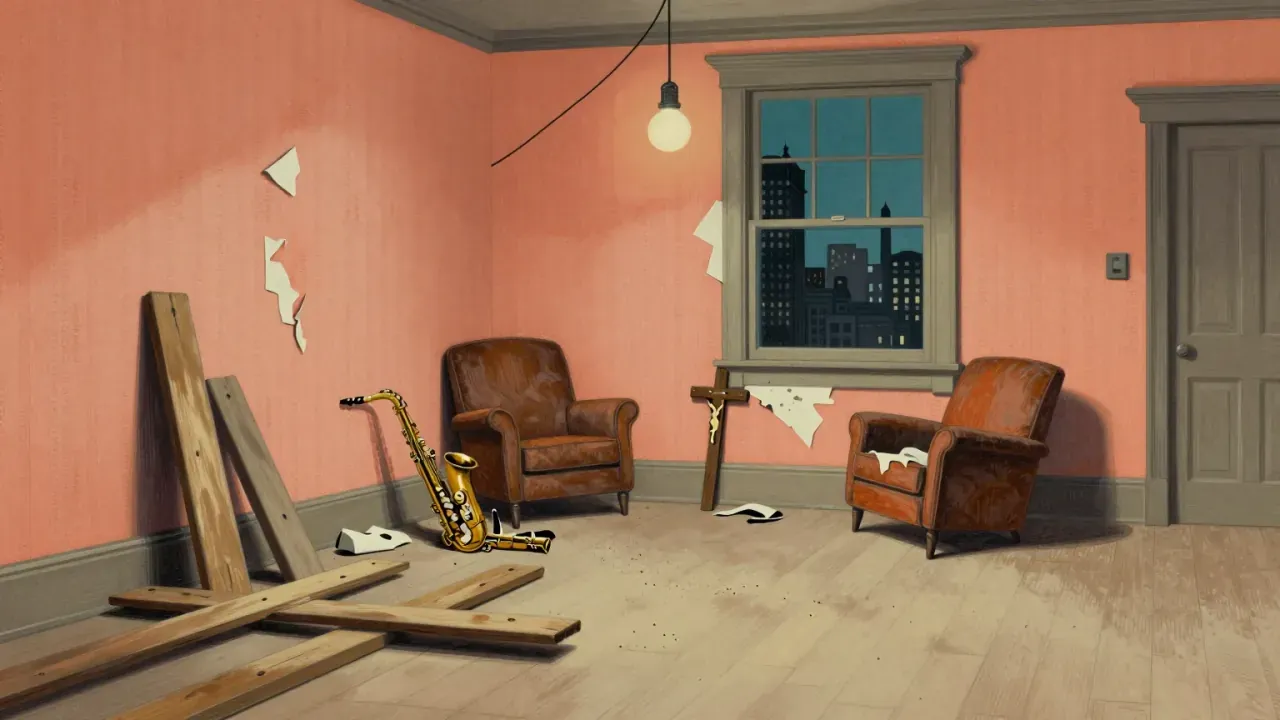
What the film gets right is the slow revision of the central recording’s meaning: the phrase suggesting a planned killing sounds like clear evidence of murder until, late on, Harry realises he has misheard the emphasis entirely, and the whole plot reorganises itself around that one misheard word. The final image, Harry tearing his own apartment apart searching for a bug he can’t find, then sitting down to play saxophone amid the wreckage, earns its stillness because the preceding hour and a half has made his paranoia feel proportionate rather than excessive. The film won the Palme d’Or at Cannes in 1974 and the National Society of Film Critics’ award for Best Director, and turned a $1.6 million budget into $4.7 million at the box office, on top of three Academy Award nominations including Best Picture.
Where the thriller mechanics show
Some of the connective tissue was cut for time: a niece character played by Mackenzie Phillips and a lawyer role for Abe Vigoda were both filmed and then dropped in the edit, and their absence occasionally leaves Harry’s private life feeling thinner than the plot needs it to be. The murder-mystery mechanics also depend on withholding a single piece of information, what that misheard phrase actually meant, until the very end, which works as a structural trick but means a second viewing changes how suspenseful large stretches feel the first time through. Viewers expecting a conventional thriller pace may find the film’s long stretches of Harry alone in his workshop, tinkering with tape loops, slower than the genre usually allows.
Privacy, guilt, and the year it landed
Caul’s Catholic guilt over a past job that ended in three deaths gives the surveillance plot a moral spine it wouldn’t otherwise have: his insistence that he bears no responsibility for what clients do with his recordings is tested directly once he starts to suspect this job will end the same way. Coppola has said he modelled Caul partly on the confessional booth as an early form of surveillance, and partly on Hermann Hesse’s isolated protagonist in Steppenwolf. The film’s arrival just before Nixon’s resignation, using the same wiretapping technology later revealed to have been used against his political opponents, was coincidental timing rather than design, but it is why the film has stayed attached to Watergate in public memory regardless of Coppola’s account of events.
Who this suits, and who it will lose
This is a film for viewers who like their thrillers built on ambiguity and sound design rather than incident, and for anyone interested in surveillance as a subject treated with genuine technical specificity rather than as thriller shorthand. Gene Hackman’s performance alone makes it worth a look for admirers of his work outside the more famous roles. It won’t suit anyone wanting a tightly plotted mystery with a clean resolution, since the film deliberately withholds and revises information rather than delivering it cleanly, and viewers who need a sympathetic or expressive lead may find Caul’s guardedness frustrating rather than compelling across a full 109 minutes.
A tense, rewarding hour and three-quarters
At 109 minutes, The Conversation asks for less time than most films on this scale and repays it with a tighter, more controlled experience than its reputation as a paranoid seventies thriller might suggest. It works as a character study of a man undone by the one skill he’s built his identity around, and the ending lands harder for how patiently the film gets there. Rotten Tomatoes records an 8.7 out of 10 average and a 94% Tomatometer score, Metacritic puts it at 88 out of 100, both consistent with a film that has aged into something closer to essential than merely well-regarded. It’s a strong choice for an evening when you want tension that builds through implication rather than event.