A farm bored enough to plot an escape
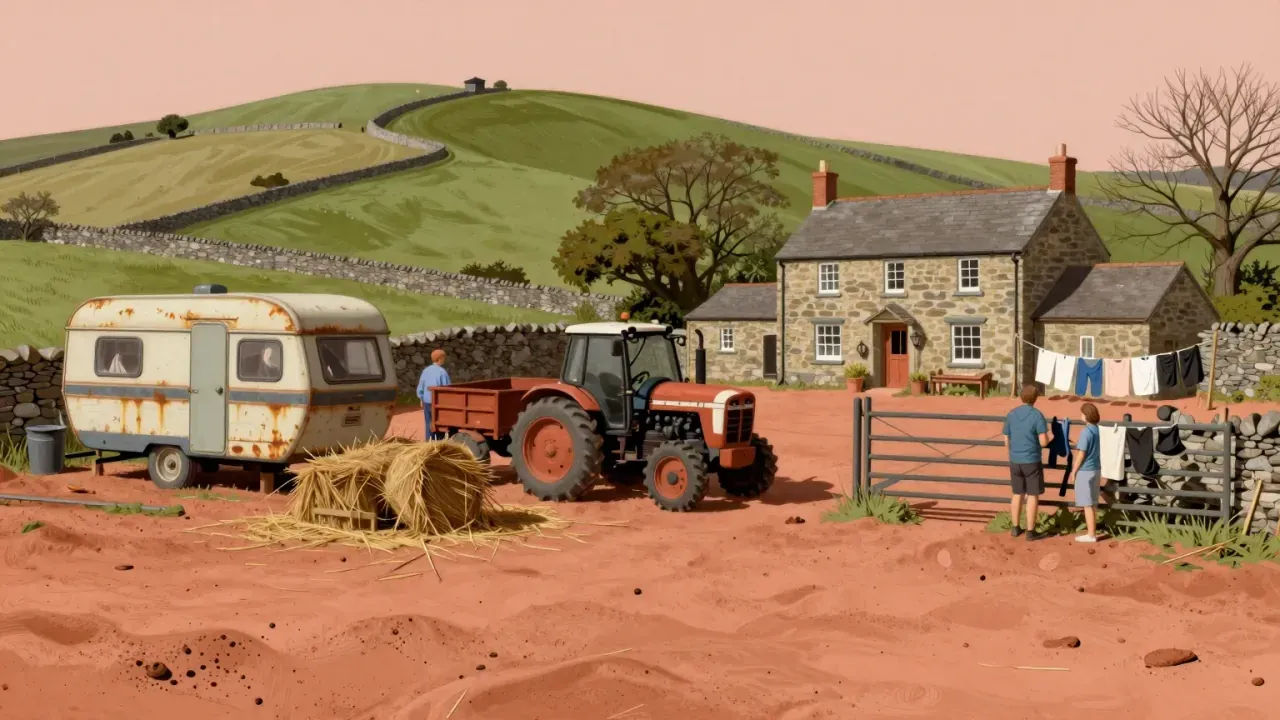
Shaun the Sheep Movie takes a television short built on silence and stretches it to feature length, following Shaun’s scheme to win the flock a day off from Mossy Bottom Farm. The plan to trick the farmer back into a deep sleep goes wrong when his caravan rolls away and carries him into the city, where a knock on the head leaves him with amnesia. Richard Starzak and Mark Burton, who co-wrote and co-directed, describe wanting to take the sheep out of their comfort zone by setting a farm story in an urban world built for humans, and the film’s real experiment is whether that premise can sustain ninety minutes without a line of spoken dialogue anywhere in it.
No dialogue for eighty-five minutes
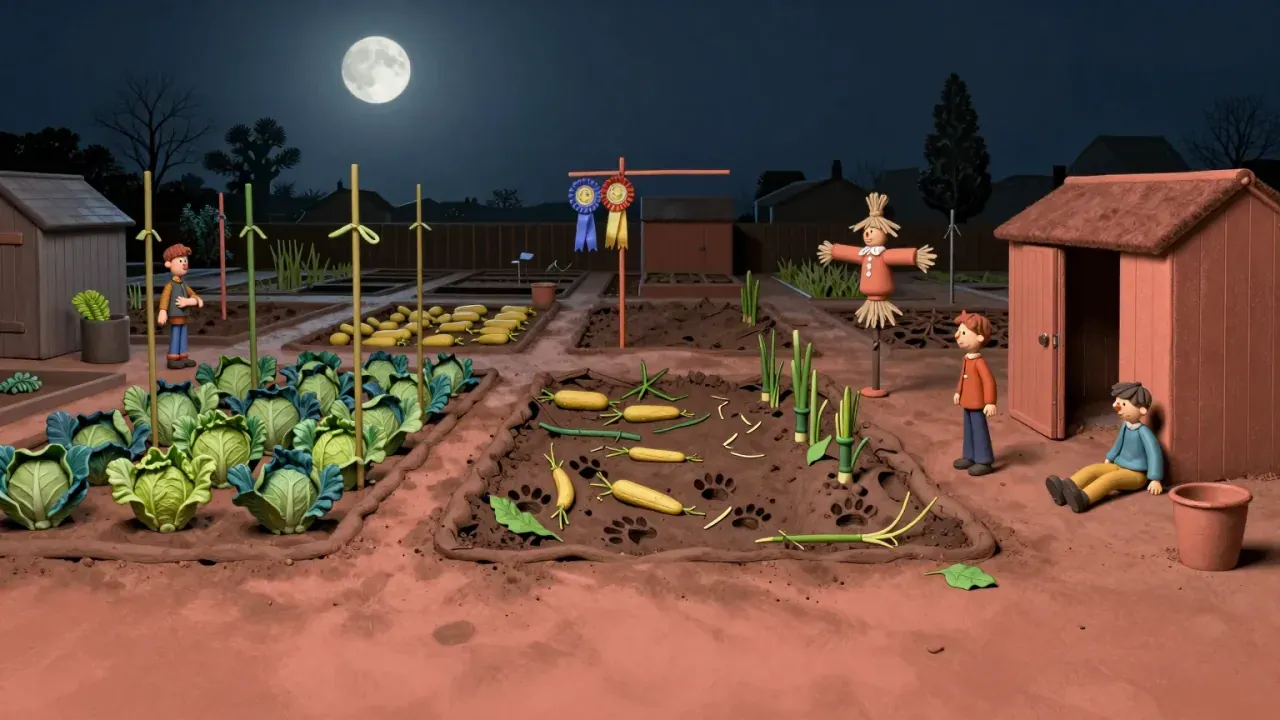
The story sends Shaun and Bitzer the dog into the city disguised among people, chasing down a farmer who has become an unwitting celebrity hairdresser calling himself Mr. X, while the rest of the flock follows and an animal-control officer named Trumper hunts them all down. None of it is narrated or explained in dialogue; the television series went wordless out of budget necessity, and Starzak and Burton chose to preserve that limitation deliberately rather than solve it with an inserted speaking character, which they say they considered and rejected during writing. Every plot turn has to be staged so a child can read it purely from movement, timing and the clay faces Aardman’s animators built to carry as much as a line reading normally would.
Gags built like small machines
The set pieces are built like small machines rather than scenes with jokes dropped into them: Shaun disguising himself among city commuters, the escalating hairdressing sequence that turns an amnesiac farmer into a minor celebrity, and the animal-control chase through the quarry all work through cause and effect staged entirely in the frame. Stop-motion suits this kind of engineering, since every prop and expression has to be placed by hand rather than performed live, and the film’s best sequences show that discipline paying off in gags that build rather than simply land and reset. It is a comedy of construction more than of surprise, and the pleasure is in watching the pieces click into place.
A plot thinner than the craft around it
Strip away the set pieces and the plot underneath is slight: a farmer goes missing, gets his memory back, and everyone returns to the farm changed only in that the routine gets a week off. A few stretches between the bigger gags, particularly around the animal shelter and Trumper’s pursuit, feel like connective tissue marking time until the next set piece rather than scenes doing work of their own. The film never pretends otherwise, and it does not strain for a plot heavier than the joke can carry, but a viewer looking for narrative substance beneath the craft will not find much there.
Comedy as the whole argument
There is no message being smuggled in here beyond the comedy itself, and that is closer to the point than a flaw. Starzak has spoken about disliking how television cartoons of his own childhood undercut silent visual gags by adding explanatory dialogue, and this film reads as an argument against that instinct: that children do not need everything said aloud to follow a story, and that a joke built entirely from staging can carry more information than a line of narration. The theme, to the extent the film has one, is trust in the audience rather than trust in exposition.
An audience that does not need subtitles
Very young children who cannot yet follow dialogue-heavy plots are the most direct audience, since nothing here depends on reading subtitles or catching a spoken joke, and the lack of language makes it legible across households regardless of what is spoken at home. Adults accompanying them get craft to admire in the stop-motion staging even without much story to chew on afterward. Viewers who want character depth, stakes, or a plot that rewards attention beyond the next gag should look elsewhere, since the film is honestly built around comedy rather than drama and does not pretend otherwise at any point.
Eighty-five minutes with no fat on it
At eighty-five minutes the film does not overstay a premise that depends entirely on sustained invention, and it resolves its slight plot before the joke of silence starts to feel like a stunt rather than a style. Critics on release responded to exactly this discipline, and the aggregate scores reflect a film doing one thing well rather than several things adequately. For a family evening, particularly with children too young for dialogue-dependent films, it earns its place; for a solo evening looking for more than craft and comic timing, it is a pleasant hour and a half rather than a memorable one.