A holiday interrupted by childhood
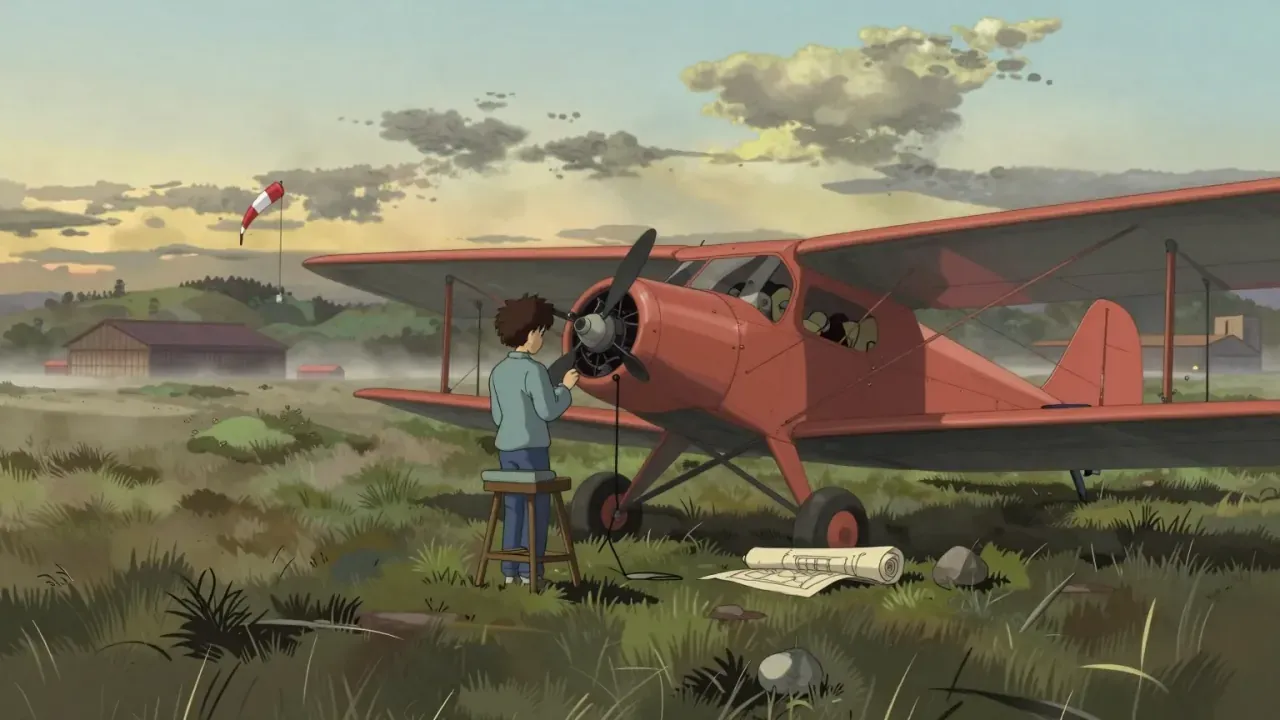
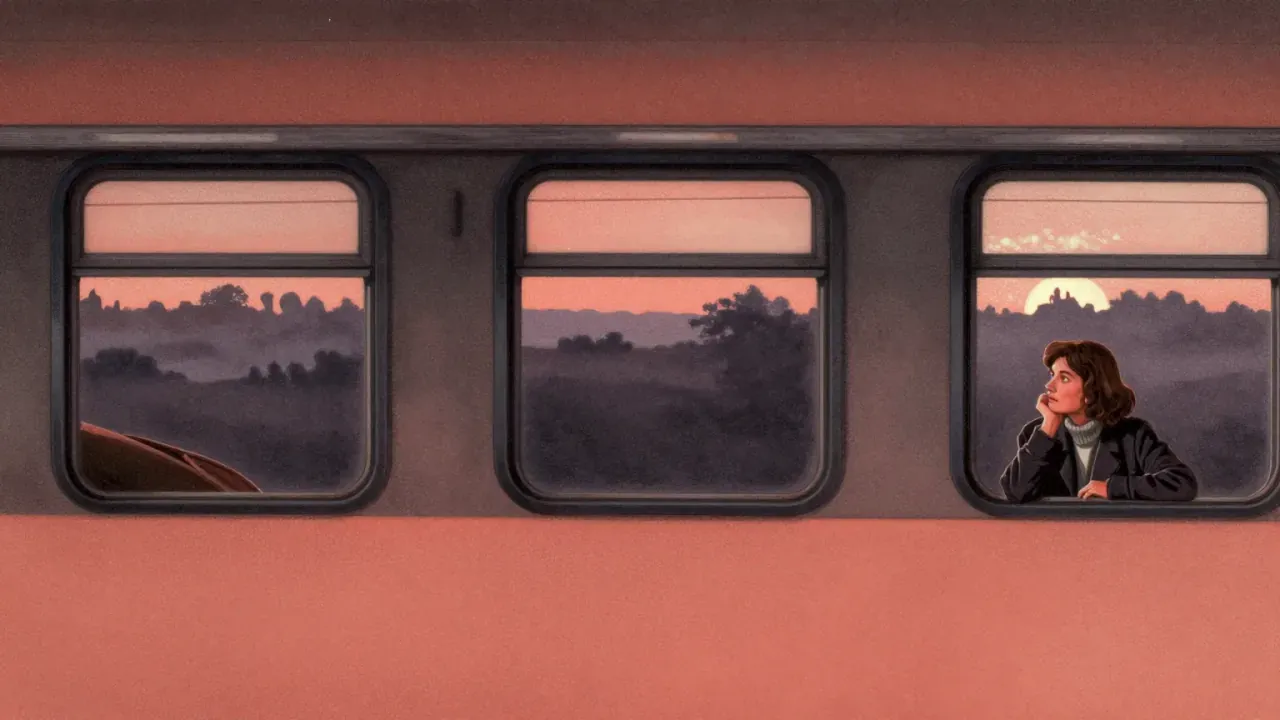
Only Yesterday follows Taeko, a twenty-seven-year-old office worker, on a countryside holiday where memories of herself at age ten keep surfacing alongside her present-day romance with a young farmer. Isao Takahata adapted an episodic manga by Hotaru Okamoto and Yuko Tone that covered only the childhood material, and invented the adult framing story himself because the source gave him no throughline for a feature. Miyazaki, who produced, had originally wanted to adapt the manga himself but decided he was not suited to the material and handed it to Takahata instead.
Voices recorded first, timelines drawn differently
Takahata recorded much of the adult dialogue before animating it, the reverse of standard Japanese anime practice, so animators could match drawn facial muscles to actual, unforced speech patterns rather than the reverse; this gives the 1982 scenes a naturalism close to live-action performance. The 1966 childhood scenes were animated before voice recording, in the traditional order, creating a deliberate visual contrast between the two timelines that mirrors their difference in emotional distance. Katsu Hoshi’s score layers Eastern European folk music against Japanese rural imagery, an unusual pairing Takahata used to link Taeko’s memories to a wider, less culturally specific idea of peasant life.
Exact memories, deliberate contrast
The childhood scenes are where the film is most exact: Taeko’s first crush, her failure at fractions, her family’s reaction to a pineapple nobody in the house quite knows how to eat, are staged with a specificity that avoids nostalgia’s usual softening. The visual contrast between the more conventionally drawn 1966 sequences and the more anatomically careful, realistically animated 1982 present gives the film an unusual structural intelligence, letting form itself argue that memory looks different from lived experience. Miki Imai’s performance, and the reference footage taken from her own face, keeps adult Taeko’s quieter scenes convincingly unresolved rather than tidily wise.
A candid scene, a delayed release
The film’s candid treatment of Taeko’s first period, animated without euphemism during a childhood flashback, kept it off North American home video for years under Disney’s ownership of the distribution rights, a decision that says as much about the studio’s caution as about the material itself. Viewers expecting the more overtly fantastical register of other Ghibli films may find the film’s total absence of magic or spectacle a harder adjustment than the marketing around Ghibli as a brand prepares them for, since nothing here resembles Totoro or a floating castle.
Memory as an uninvited process
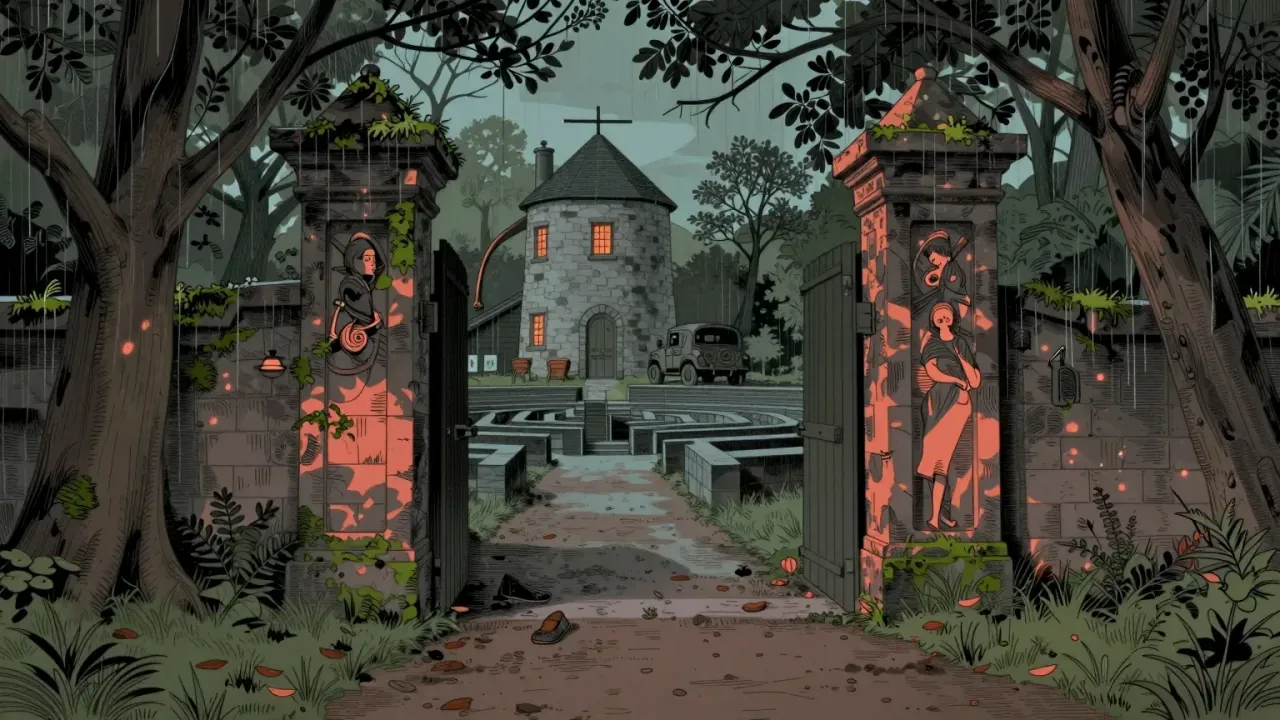
Memory functions here as an active, sometimes uninvited process rather than a nostalgic retreat: Taeko does not choose when her childhood resurfaces, and the film treats those interruptions as data she has to work through rather than comfort to enjoy. The countryside itself, and Toshio’s quiet argument that rural labour is a legitimate life rather than a lesser one, gives the film’s ending its emotional logic, tying an unresolved past to a present choice about what kind of life Taeko actually wants rather than the one that was simply expected of her.
An adult drama, not a children’s fantasy
It suits adult viewers, particularly those with their own unresolved memories of adolescence, more than children, given its slow pace and total lack of incident-driven plotting, and it rewards watching in a single unhurried sitting rather than in distracted pieces. Anyone expecting Ghibli’s more famous fantasy register should adjust expectations considerably; this is closer to a literary drama than an adventure. Viewers who want their nostalgia softened or resolved into neat wisdom by the end may find Takahata’s more ambiguous conclusion less satisfying than a conventional coming-of-age arc would provide, since the film ends on a choice rather than a lesson.
A surprise hit that took decades to travel
Only Yesterday became the highest-grossing Japanese film of 1991 on release, a genuine surprise given a marketing landscape aimed at children, and holds a 100 percent Tomatometer score against a 90 Metascore, among the strongest critical receptions in the Ghibli catalogue. Its 2016 English-language release, twenty-five years after Japan first saw it, suggests distributors underestimated how well an adult, unhurried film about memory could travel. It rewards patience with one of the studio’s most genuinely grown-up achievements, one that trusts a quiet countryside conversation to carry as much weight as any of Ghibli’s more famous flights of fantasy.