filmbriefs
Newest

All briefs

2035 briefs · 26452 min · 1825–1920 on page 20 of 22
13:00

Un Chien Andalou

Luis Buñuel · 1929

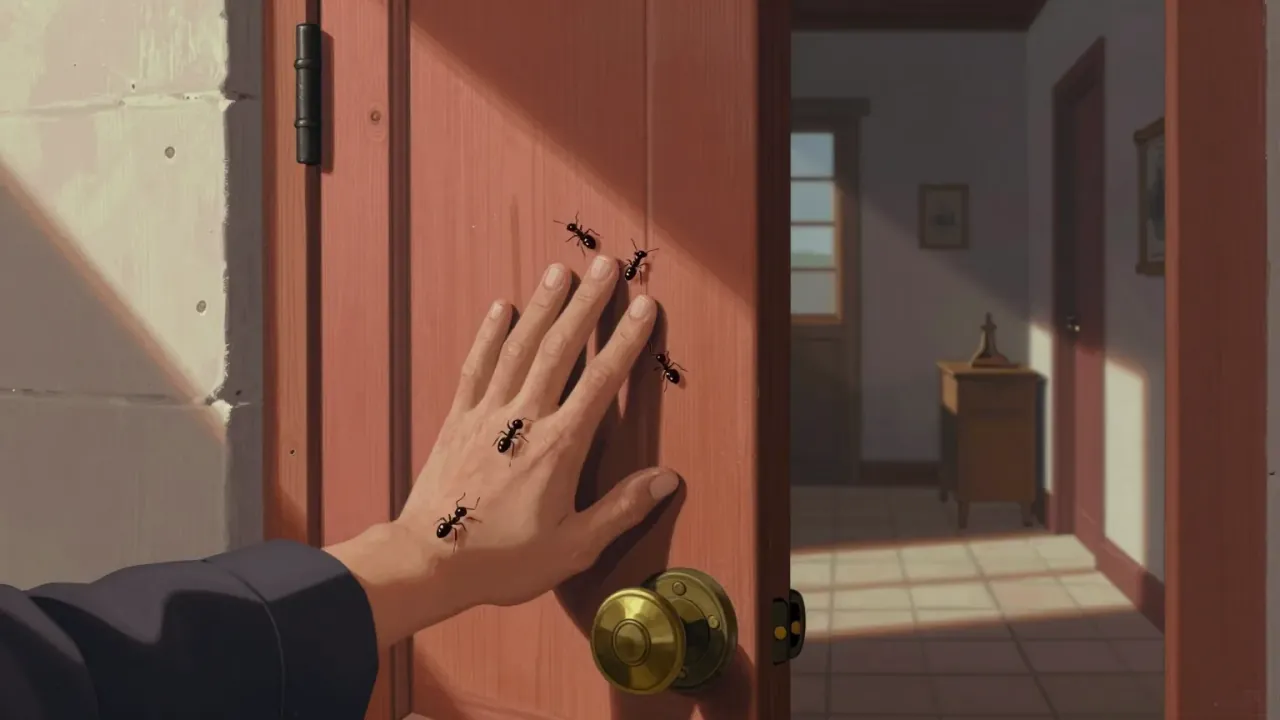
A 1929 French silent short co-written and directed by Luis Buñuel and Salvador Dalí, Un Chien Andalou rejects narrative, chronology and symbolism in favour of dream-logic assembled from two shared dreams. Filmed in black-and-white over ten days, it deploys stark imagery — a sliced eye, ants from a hand, pianos dragging dead donkeys — with clinical precision. Its sixteen minutes offer no resolution, no character psychology, no moral framework: only a sustained, principled refusal of sense.
13:00

Under the Skin

Jonathan Glazer · 2013

Jonathan Glazer’s 2013 film adapts Michel Faber’s novel into a stark, sensory-driven study of alien perception. Scarlett Johansson plays an extraterrestrial who preys on men across Scotland, filmed with hidden cameras and minimal dialogue. Dan Landin’s cinematography, Mica Levi’s dissonant score and Paul Watts’ restrained editing sustain a consistent, disorienting viewpoint. The film prioritises texture and duration over exposition, generating unease through omission rather than shock. Acclaimed for its formal rigour, it remains deliberately ambiguous about motive, origin and outcome.

13:00

Unstoppable

Tony Scott · 2010

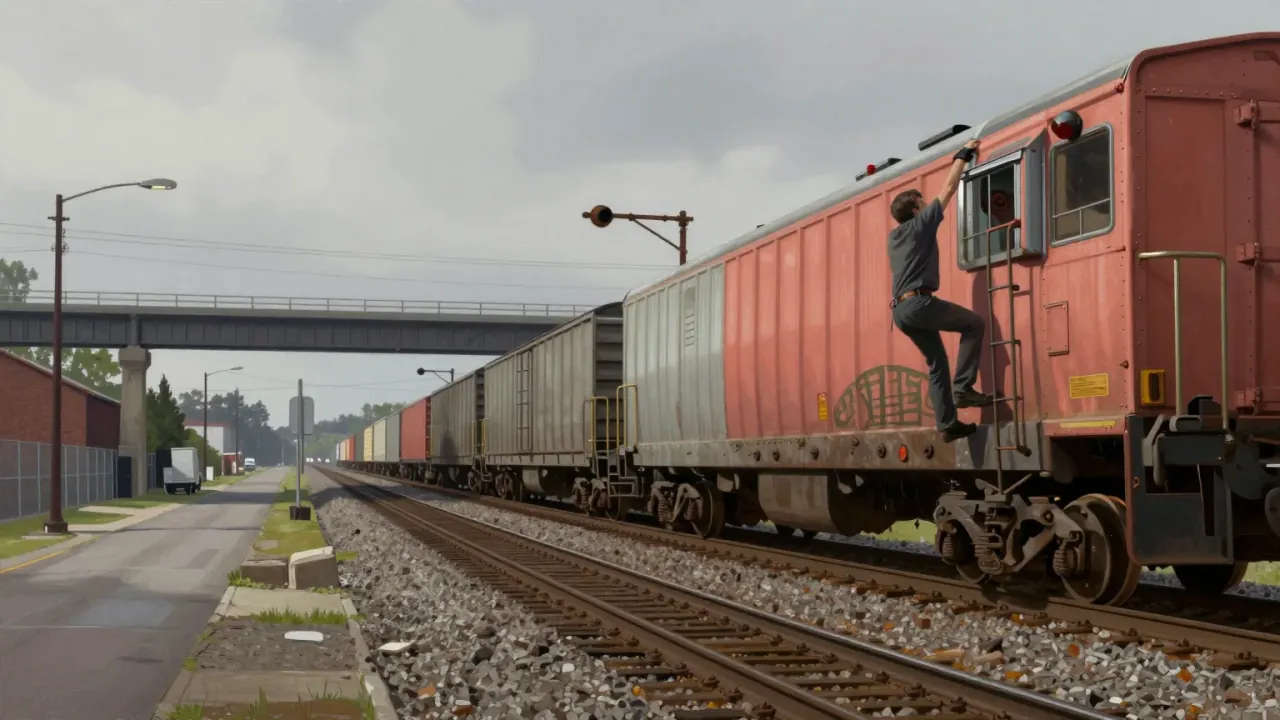
Tony Scott’s 2010 action thriller Unstoppable follows veteran engineer Frank Barnes and rookie conductor Will Colson as they attempt to couple to and slow a runaway freight train carrying toxic chemicals. Based loosely on the 2001 CSX 8888 incident, it prioritises procedural realism, mechanical stakes and spatial clarity over character depth or thematic expansion. Shot across Western Pennsylvania and Ohio, it uses real rail infrastructure and practical effects to ground its escalating tension. With Chris Pine and Denzel Washington leading a functional ensemble, and Ben Seresin’s cinematography anchoring every beat in tangible geography, the film delivers a tightly wound, 98-minute exercise in cause, consequence and controlled velocity.

13:00

Until the End of the World

Wim Wenders · 1991

Wim Wenders’ 1991 epic follows Claire and Sam across continents as they evade bounty hunters and test a camera that lets the blind see recorded experiences. Shot across eleven countries with Robby Müller, it treats the road movie as philosophical drift — prioritising texture, duration, and the fragility of perception over plot or resolution.

13:00

Vampyr

Carl Theodor Dreyer · 1932

Carl Theodor Dreyer’s 1932 Vampyr is a Gothic horror film shot on location in France, starring amateur actor Nicolas de Gunzburg as Allan Gray, a student of the occult who enters a cursed village. With minimal dialogue, gauze-diffused cinematography by Rudolph Maté, and a sparse score by Wolfgang Zeller, it builds dread through atmosphere, not exposition. Adapted loosely from Sheridan Le Fanu, it treats vampirism as a perceptual condition — blurring boundaries between dream and wakefulness, self and other, presence and absence.

13:00

Weekend

Jean-Luc Godard · 1967

Jean-Luc Godard’s 1967 Weekend follows a bourgeois couple’s disastrous road trip through a hallucinatory French countryside, where narrative collapses into allegory, history bleeds into farce, and revolution ends in cannibalism. Shot by Raoul Coutard and edited by Agnès Guillemot, it is a formally radical, politically abrasive essay-film that treats cinema as a site of ideological combat — not storytelling.

13:00

What We Do in the Shadows

Taika Waititi, Jemaine Clement · 2014

What We Do in the Shadows is a 2014 New Zealand mockumentary co-written and co-directed by Taika Waititi and Jemaine Clement. It follows four centuries-old vampires sharing a flat in Wellington, navigating mundane cohabitation — rent, chores, dating, tech support — while trying to maintain their supernatural identities. Shot on a $1.6m budget, it premiered at Sundance and earned $5.9m globally. Its comedy emerges from rigorous adherence to documentary realism and the quiet absurdity of immortal beings negotiating modern life.

13:00

When a Woman Ascends the Stairs

Mikio Naruse · 1960

Mikio Naruse’s 1960 drama follows Keiko Yashiro, a Ginza hostess in her late twenties, as she navigates debt, familial obligation, sexual coercion and professional rivalry while trying to open her own bar. With quiet precision, it charts her daily endurance — not as heroism but as habit — against a society that treats her age, grief and autonomy as liabilities. Hideko Takamine’s restrained performance and Naruse’s unadorned direction make the ordinary unbearable and unforgettable.

13:00

Winter Light

Ingmar Bergman · 1963

Ingmar Bergman’s 1963 drama follows a Swedish pastor through a single day of spiritual collapse—failing his congregation, his lover, and himself. Shot in austere black-and-white by Sven Nykvist, with no score beyond diegetic organ music, it is a rigorously restrained chamber piece about the physical and moral cost of sustaining belief when conviction has already vanished.

13:00

Wuthering Heights

William Wyler · 1939

William Wyler’s 1939 Wuthering Heights, produced by Samuel Goldwyn and shot by Gregg Toland, condenses Emily Brontë’s novel into a stark, atmospheric drama centred on Heathcliff and Cathy’s destructive bond. It omits the novel’s second generation and shifts the setting to the mid-19th century, prioritising visual mood over textual fidelity. Laurence Olivier and Merle Oberon anchor a tightly paced, formally assured adaptation whose power lies in its restraint, shadow, and silence — though its sentimental ending and flattened class dynamics remain contested.

13:00

Yi Yi

Edward Yang · 2000

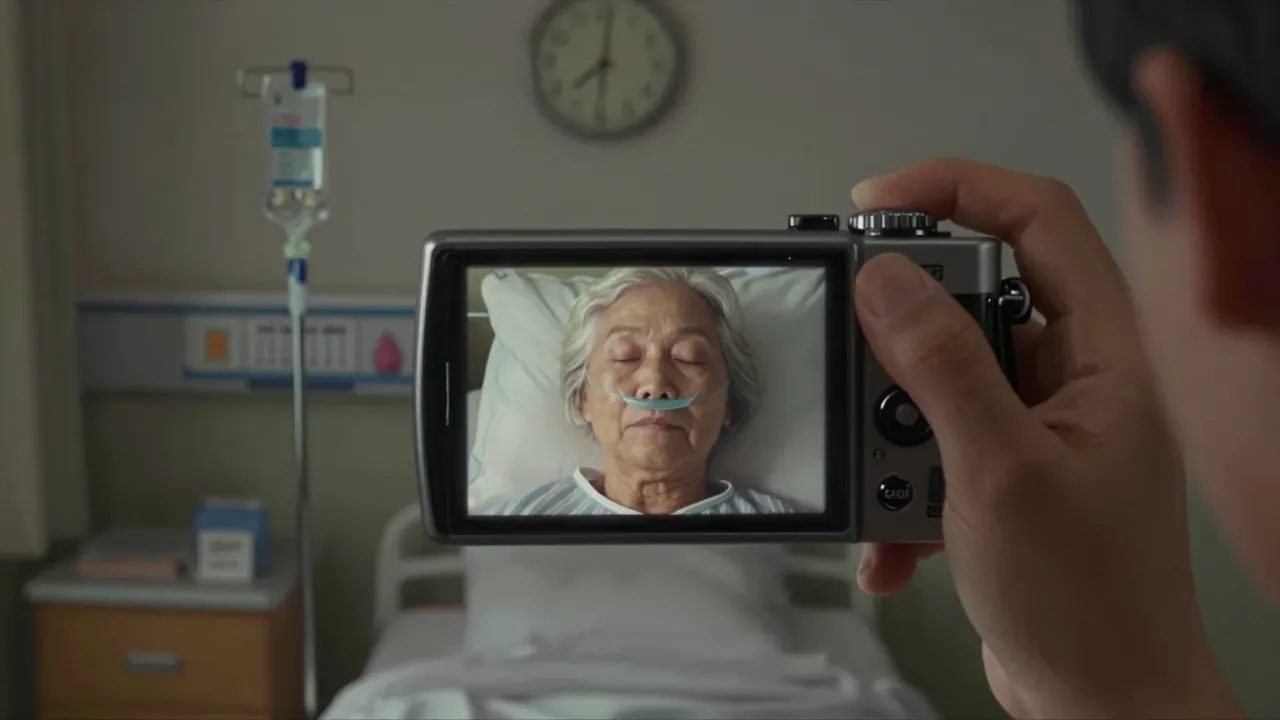
Edward Yang’s 2000 Taiwanese drama follows the Jian family in Taipei over several months of quiet upheaval: a comatose grandmother, a father’s unresolved past, a daughter’s first heartbreak, a son’s search for meaning through photography. Shot in Mandarin, it unfolds with patient realism, refusing exposition or climax in favour of emotional fidelity. Its 173-minute runtime is structural, not indulgent—each scene a deliberate unit in a sequence built on duration, silence, and the asymmetry of perception across generations.

13:00

Zero Dark Thirty

Kathryn Bigelow · 2012

Zero Dark Thirty follows CIA analyst Maya across ten years of intelligence work leading to the 2011 raid on Osama bin Laden’s Abbottabad compound. Directed by Kathryn Bigelow and written by Mark Boal, it foregrounds process over personality, using chronology, repetition, and restraint to depict a hunt defined by uncertainty, attrition, and contested methods. Its strengths lie in its procedural fidelity and understated performances; its weaknesses stem from its refusal to contextualise torture or reckon with the broader consequences of the operation.

13:00

12 Angry Men

Sidney Lumet · 1957

Sidney Lumet's first feature takes Reginald Rose's 1954 teleplay and confines it almost entirely to a jury room, where eleven men ready to convict a teenager of murder are worked, one by one, toward doubt. Shot in three weeks on a budget of $340,000, it turns a single set into an escalating study of temper, prejudice and procedure, carried by an ensemble led by Henry Fonda, who also produced.

13:00

2001: A Space Odyssey

Stanley Kubrick · 1968

Stanley Kubrick's 1968 film, written with Arthur C. Clarke, tracks a black monolith's appearances across four million years, from a tribe of prehistoric hominids to a Jupiter mission overseen by the calm computer HAL 9000. Shot by Geoffrey Unsworth with in-camera effects that took over a year to complete, and scored with existing classical pieces by Strauss, Khachaturian and Ligeti rather than an original soundtrack, it cost MGM $10.5 million, returned over $190 million, and won Kubrick his only competitive Oscar, for visual effects.

13:00

8½

Federico Fellini · 1963

Federico Fellini's 1963 film follows Guido Anselmi, a film director retreating to a spa town while his crew waits for a script he cannot write, sliding between the demands of producers, mistresses, his wife and memories of his Catholic childhood without marking the boundary between what is happening and what he is imagining. Shot by Gianni Di Venanzo in high-contrast black and white, scored by Nino Rota, and led by Marcello Mastroianni, the film won two Oscars, for costume design and international feature, and has stood since as one of the most direct portraits of creative paralysis committed to film.

13:00

Aguirre, the Wrath of God

Werner Herzog · 1972

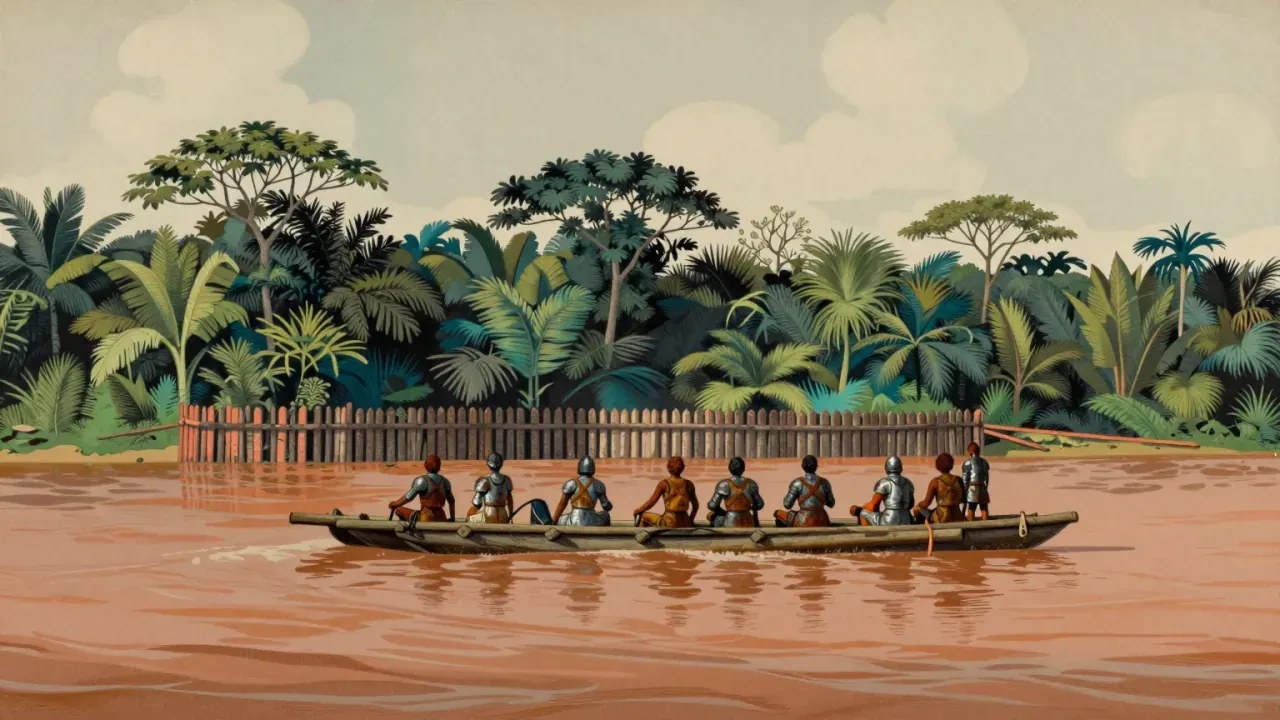
Werner Herzog's 1972 film follows Spanish conquistador Lope de Aguirre, played by Klaus Kinski in the first of five collaborations between the two, as he leads a splinter group of Spanish soldiers deeper into the Amazon in a doomed search for the mythical city of gold, El Dorado. Written in under three days, shot chronologically over five weeks entirely on location in the Peruvian rainforest on a budget of roughly $370,000, and scored by Popol Vuh, the film became a cult favourite whose off-screen production stories, including Kinski's on-set volatility, are nearly as well known as the film itself.

13:00

Akira

Katsuhiro Otomo · 1988

Akira is Katsuhiro Otomo's 1988 adaptation of his own unfinished manga, following biker-gang leader Kaneda as he tries to stop his friend Tetsuo, whose collision with an escaped psychic child leaves him with telekinetic power that threatens to destroy Neo-Tokyo. A landmark of Japanese animation on its original release, it has grown into one of the most influential science-fiction films of its era.

13:00

Aladdin

John Musker, Ron Clements · 1992

John Musker and Ron Clements's 1992 musical follows a street thief who finds a genie's lamp and poses as a prince to court Princess Jasmine while the vizier Jafar schemes to steal the lamp for himself. Rewritten entirely on a compressed schedule after a studio-mandated overhaul, it became the highest-grossing film of 1992 and the first animated feature to cross half a billion dollars worldwide.

13:00

Alice in Wonderland

Clyde Geronimi, Wilfred Jackson, Hamilton Luske · 1951

A bored young girl follows a white rabbit down a hole into a nonsensical kingdom ruled by a short-tempered Queen of Hearts, encountering a parade of self-absorbed creatures along the way. Disney first considered adapting Lewis Carroll's books in the early 1930s and spent nearly two decades discarding drafts — a live-action hybrid with Mary Pickford, a literal script judged too grotesque, a version written by Aldous Huxley — before settling on the fully animated, more comic take released in 1951 to a muted box office and mixed reviews that only later warmed.

13:00

Alien

Ridley Scott · 1979

A commercial towing crew, woken early by what they believe is a distress signal, boards a derelict ship and returns with something that starts killing them one by one. Ridley Scott's first science-fiction film builds the genre's most enduring monster movie almost entirely out of dread, sound design and H.R. Giger's biomechanical creature, on a budget that a science-fiction boom had only just made possible.

13:00

Aliens

James Cameron · 1986

James Cameron's 1986 sequel to Alien sends Sigourney Weaver's Ripley back to the colonised moon where the first creature was found, this time with a unit of Colonial Marines whose confidence collapses fast once the aliens appear. Greenlit only after Brandywine settled a profit-sharing lawsuit with Fox, and made after two separate standoffs over Weaver's return, the film swept effects and sound awards, earned Weaver a rare Best Actress nomination for a science-fiction role, and returned more than seven times its 18.5 million dollar budget.

13:00

All the President's Men

Alan J. Pakula · 1976

Robert Redford and Dustin Hoffman play Washington Post reporters Woodward and Bernstein chasing a break-in story that grows into the reporting that helped end a presidency, told almost entirely from inside the newsroom.

13:00

Amélie

Jean-Pierre Jeunet · 2001

Audrey Tautou plays Amélie Poulain, a Paris waitress raised in near-isolation who discovers a box of childhood keepsakes hidden in her apartment and, after tracking down its owner, decides to spend her life secretly engineering happiness for the people around her while avoiding her own romantic chance with a man named Nino. Jean-Pierre Jeunet's 2001 film, shot with heavy digital colour grading and built almost entirely from small, invented rituals, became one of the highest-grossing French films ever released internationally.

13:00

Apocalypse Now

Francis Ford Coppola · 1979

Francis Ford Coppola's 1979 film relocates Joseph Conrad's Heart of Darkness to the Vietnam War, sending Captain Willard up a river into Cambodia to assassinate Colonel Kurtz, a decorated officer who has gone rogue and established himself as a warlord among a private army. Shot by Vittorio Storaro on a production in the Philippines that ran a year over schedule, battered by a typhoon, a leading actor's heart attack and an unprepared, overweight Marlon Brando, it premiered unfinished at Cannes to win the Palme d'Or, and later took home Oscars for cinematography and sound on a budget of $31.5 million against an $83.5 million return.

13:00

Arrietty

Hiromasa Yonebayashi · 2010

A tiny Borrower named Arrietty risks everything her family fears by letting herself be seen by a sickly human boy. Hiromasa Yonebayashi's 2010 directorial debut, based on Mary Norton's novel, trades Ghibli's usual scale for something quieter and more contained.

13:00

Back to the Future

Robert Zemeckis · 1985

Robert Zemeckis's 1985 comedy sends Marty McFly thirty years into his parents' past, where undoing his own accidental sabotage of their romance becomes a race against his own existence. Recast five weeks into shooting, rewritten forty times before a studio would touch it, it turned into the biggest hit of its year on a modest budget, and the mechanics still hold.

13:00

Bambi

David Hand, James Algar, Bill Roberts, Norman Wright · 1942

Bambi follows a white-tailed deer from birth through the loss of his mother to his eventual place as the forest's next Great Prince, told with almost no reliance on plot mechanics and long stretches of near-silent observation. Adapted loosely from Felix Salten's considerably grimmer novel, the film took years longer than planned because Disney's animators had to learn to draw deer realistically rather than as the flour-sack shapes they'd used before, studying live animals and building an in-house menagerie to get the movement right.

13:00

Beauty and the Beast

Gary Trousdale, Kirk Wise · 1991

Gary Trousdale and Kirk Wise's 1991 musical retelling of the French fairy tale follows Belle as she trades her freedom for her father's release and slowly reconsiders the beast holding her captive. Written from a completed script by Linda Woolverton and scored by Howard Ashman and Alan Menken, it became the first animated film nominated for the Academy Award for Best Picture.

13:00

Bicycle Thieves

Vittorio De Sica · 1948

Vittorio De Sica's 1948 film follows Antonio Ricci, newly hired to paste up film posters across postwar Rome, whose bicycle, pawned to buy back for the job, is stolen within hours of his first shift. He and his young son Bruno spend the rest of the film combing the city's markets and streets for it, with almost no professional actors in the cast and much of it shot on location. Made for around $133,000, it won an honorary Academy Award before the foreign-language category existed and has been cited since as one of the clearest statements of Italian neorealism.

13:00

Big Hero 6

Chris Williams, Don Hall · 2014

A robotics prodigy grieving his brother's death assembles a makeshift team, led by a soft, inflatable healthcare robot named Baymax, to confront the person responsible. Don Hall and Chris Williams's 2014 film sets its Marvel-derived plot in a hybrid San Francisco-Tokyo city and keeps its emotional focus on loss rather than spectacle.

13:00

Black Swan

Darren Aronofsky · 2010

Nina Sayers, a disciplined but fragile dancer at a New York ballet company, wins the lead in Swan Lake and starts losing her grip on reality as she competes with a looser, more sensual rival for the role's darker half. Aronofsky built the film from a decade-old idea about doppelgängers and understudies, shot it on a $13 million budget with Matthew Libatique's camera pressed close to Portman's face, and had his lead actors train in ballet for months before a single scene was filmed.

13:00

Blade Runner

Ridley Scott · 1982

Ridley Scott's 1982 science fiction film, adapted from Philip K. Dick's novel, sends former police officer Rick Deckard after a group of fugitive synthetic humans, or replicants, hiding in a decaying future Los Angeles. Shot by Jordan Cronenweth with a score by Vangelis, it underperformed on release and split critics over its pacing, only to be reissued in seven different versions and become one of the defining works of neo-noir and cyberpunk cinema.

13:00

Blade Runner 2049

Denis Villeneuve · 2017

Thirty-five years after Ridley Scott's original, Denis Villeneuve's sequel sends replicant blade runner K into a discovery that threatens the order between humans and the synthetics who serve them, with Harrison Ford's Deckard drawn back into the search. Visually enormous and emotionally patient, it won over critics but not, relative to its cost, box offices.

13:00

Blue Velvet

David Lynch · 1986

David Lynch followed the disaster of Dune with a $6m film he was left almost entirely alone to make, trading a pay cut for final cut. Kyle MacLachlan's amateur sleuth spies on Isabella Rossellini's abused nightclub singer and runs into Dennis Hopper's Frank Booth, and the American town around them turns out to hide as much as either of them.

13:00

Breathless

Jean-Luc Godard · 1960

Jean-Luc Godard's 1960 debut sends a car thief who idolises American gangsters, played by Jean-Paul Belmondo, on the run through Paris after he shoots a policeman, hiding out with an American girlfriend played by Jean Seberg who is unsure whether to protect him or turn him in. Shot handheld on repurposed still-camera film stock with almost no lighting, and cut with jump cuts that were reportedly not planned during filming, it became one of the founding statements of the French New Wave.

13:00

Burning

Lee Chang-dong · 2018

Eight years after his last film, Lee Chang-dong adapted a short Murakami story into a slow, unsettling thriller about a young writer, the childhood friend who vanishes, and the wealthy man who may or may not have killed her. Cannes competed for it, critics kept it on year-end lists, and a Korean poll of over a hundred critics later called it the best Korean film ever made.

13:00

Casino

Martin Scorsese · 1995

Martin Scorsese's 1995 film, adapted with Nicholas Pileggi from Pileggi's nonfiction book, follows Sam 'Ace' Rothstein, sent by the Chicago Outfit to run the fictional Tangiers casino, as his marriage to hustler Ginger McKenna and his friendship with volatile enforcer Nicky Santoro both collapse around him. Based closely on the real skimming operation run through Las Vegas's Stardust casino in the 1970s, and shot largely inside the actual Riviera casino rather than on built sets, the 178-minute film grossed $116 million against a $50 million budget and earned Sharon Stone an Academy Award nomination.

13:00

Castle in the Sky

Hayao Miyazaki · 1986

Hayao Miyazaki's 1986 debut for Studio Ghibli follows orphans Sheeta and Pazu as a government agent, the army and a band of air pirates all chase the crystal pendant that unlocks Laputa, a legendary castle adrift above the clouds. It underperformed on release but has since become a Ghibli staple, prized for its nineteenth-century-engineered flying machines and Joe Hisaishi's score.

13:00

Chicken Run

Peter Lord, Nick Park · 2000

Chicken Run reworks the World War Two escape film as a story about hens on a Yorkshire egg farm run like a prison camp, who pin their hopes of freedom on a crash-landed American rooster claiming he can fly. Aardman's first feature, directed by Peter Lord and Nick Park, was shot in stop-motion across thirty sets over eighteen months and became the highest-grossing stop-motion film ever made, taking $225 million against a $45 million budget.

13:00

Chinatown

Roman Polanski · 1974

Chinatown sends Jack Nicholson's private investigator into a municipal water scandal modelled on the early-twentieth-century disputes that built Los Angeles, opposite Faye Dunaway and John Huston. Robert Towne's script won the film's only Oscar from eleven nominations, but the ending that gives the film its reputation was Polanski's, forced through over the writer's objections, and it is worth knowing which parts of the film are whose before deciding what the story is actually arguing.

13:00

Chungking Express

Wong Kar-wai · 1994

Wong Kar-wai's 1994 diptych follows two Hong Kong policemen through separate break-ups, one obsessed with an expiring can of pineapple, the other unknowingly courted by a snack-bar worker who lets herself into his flat. Shot handheld with Christopher Doyle's step-printing technique, it turns a tiny budget and an unfinished script into one of the defining moods of 1990s Hong Kong cinema.

13:00

Cinderella

Wilfred Jackson, Hamilton Luske, Clyde Geronimi · 1950

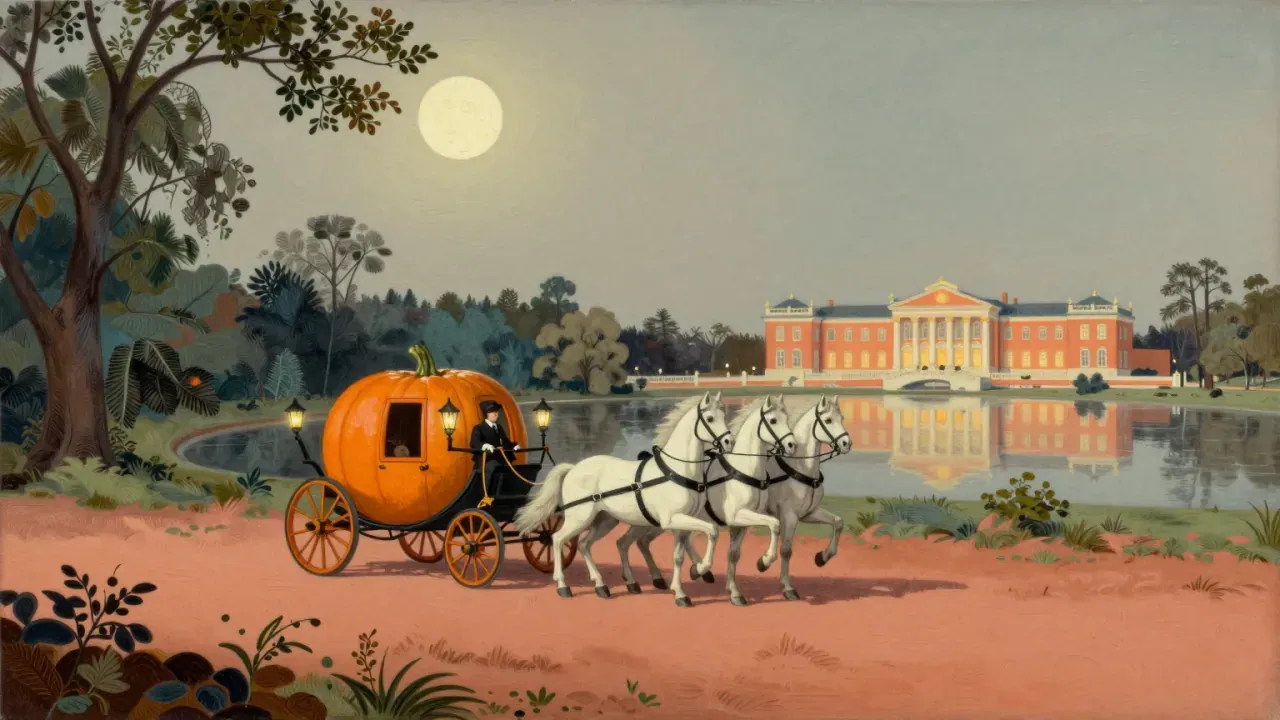
A servant in her own home waits out her stepmother's cruelty until a fairy godmother gives her one night at the palace ball, in the version of Perrault's fairy tale Disney finally completed in 1950 after years of false starts. Made for $2.2 million while the studio was roughly $4 million in debt, the film became Disney's biggest hit since Snow White and reversed a run of expensive, underperforming features — helped along by nearly 380 women auditioning for the title role before Ilene Woods got it almost by accident.

13:00

Citizen Kane

Orson Welles · 1941

Orson Welles's 1941 debut tells the life of publishing baron Charles Foster Kane through the conflicting memories of the people who knew him, filmed by Gregg Toland in deep focus that keeps whole rooms in sharp relief at once. It cost RKO under $840,000, won a single Oscar out of nine nominations, and lost money on release before critics rebuilt its reputation from the 1950s onward.

13:00

City of God

Fernando Meirelles, Kátia Lund · 2002

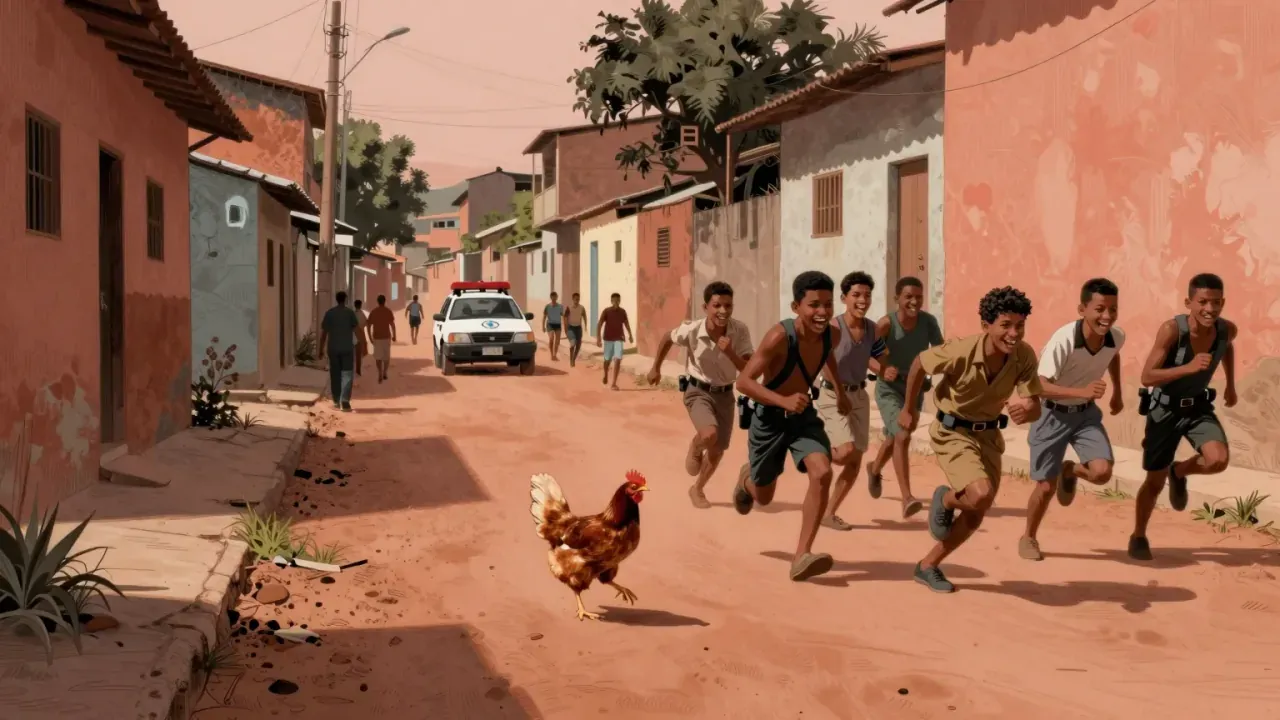
Told through the eyes of Rocket, a boy who wants to be a photographer rather than a criminal, City of God traces two decades of gang warfare in a Rio de Janeiro housing project through the rise of the ruthless drug lord Li'l Zé. Directed by Fernando Meirelles and Kátia Lund and cast almost entirely with residents of real favelas trained in an improvisation workshop, the 2002 film adapts Paulo Lins's novel and earned four Academy Award nominations.

13:00

Coco

Lee Unkrich, Adrian Molina · 2017

Twelve-year-old Miguel, banned from music by his shoemaking family, is pulled into the Land of the Dead on the Day of the Dead and has to win his deceased great-great-grandfather's blessing before sunrise or be trapped there. Lee Unkrich and Adrian Molina's Pixar feature, developed over years of research trips to Mexico and a cultural consultant group formed after a trademark controversy, builds its fantasy rules around a specific, sourced idea: that the dead persist only as long as someone living remembers them.

13:00

Come and See

Elem Klimov · 1985

Elem Klimov's 1985 account of the Nazi destruction of Belarusian villages follows a teenage partisan recruit, played by Aleksei Kravchenko, through a descent that the director shot in sequence and largely with non-actors. Built from survivor testimony and a Belarusian novel, and delayed for years by Soviet censors who found the script too raw, it remains one of the starkest war films made anywhere.

13:00

Coraline

Henry Selick · 2009

A girl finds a door to an alternate version of her home where everything, including her parents, is more attentive and colourful, until she learns the price. Henry Selick's 2009 stop-motion film, based on Neil Gaiman's novella, builds dread through craft rather than jump scares.

13:00

Corpse Bride

Tim Burton, Mike Johnson · 2005

Corpse Bride follows Victor, an anxious young man in an arranged marriage, who accidentally weds a murdered woman named Emily after placing a ring on what he thinks is a tree root, then must choose between her vivid Land of the Dead and his living fiancée. Co-directed by Tim Burton and Mike Johnson for Laika on a $40 million budget, shot on digital cameras rather than film, it grossed $118 million and drew three award nominations.

13:00

Dog Day Afternoon

Sidney Lumet · 1975

In August 1972, an amateur robbery of a Brooklyn bank branch turns into a fourteen-hour hostage standoff broadcast live to a crowd outside. Sidney Lumet's film, built from Frank Pierson's Oscar-winning script and Al Pacino's live-wire performance as Sonny Wortzik, treats the robbery as already lost from its first minute, following what happens to a small, desperate plan once it becomes public spectacle.

13:00

Dr. Strangelove

Stanley Kubrick · 1964

Stanley Kubrick's 1964 black comedy, adapted from Peter George's thriller novel Red Alert, follows a rogue American general's order for a nuclear strike on the Soviet Union and the frantic, mostly useless efforts of the President, his aides and a visiting RAF officer, all three played by Peter Sellers, to call it back. Shot entirely at Shepperton Studios on Ken Adam's cavernous War Room set for $1.8 million, it grossed $9.4 million, won three BAFTAs, and is now ranked among the American Film Institute's greatest and funniest American films.

13:00

Drive

Nicolas Winding Refn · 2011

Ryan Gosling plays an unnamed Hollywood stuntman who moonlights as a wheelman, drawn toward his neighbour Irene and her young son right as her ex-convict husband's debts pull them all into a heist that goes wrong. Adapted by Hossein Amini from James Sallis's nonlinear novel and directed by Refn after Gosling handpicked him, the film pairs a stripped-down, near-silent lead performance with Cliff Martinez's synth score and long stretches where almost nothing is said out loud.

13:00

E.T. the Extra-Terrestrial

Steven Spielberg · 1982

Steven Spielberg's 1982 film, written by Melissa Mathison from a rejected Columbia Pictures script, follows a boy named Elliott who hides and befriends a stranded alien while government agents close in. Shot in sequence over four months on a $10.5 million budget, with a Carlo Rambaldi animatronic creature voiced by a chain-smoking retiree, it overtook Star Wars to become the highest-grossing film ever made and held that record for eleven years, until Spielberg's own Jurassic Park surpassed it.

13:00

Encanto

Jared Bush, Byron Howard, Charise Castro Smith · 2021

In a hidden Colombian valley, the Madrigal family's magic house grants every grandchild a power except Mirabel, who sets out to learn why the magic is failing. Directors Jared Bush and Byron Howard built the story from a research trip through Colombia, with Lin-Manuel Miranda's songs doing the work of introducing a dozen major characters.

13:00

Eraserhead

David Lynch · 1977

David Lynch spent roughly five years shooting his AFI student project in disused stables and a soundproofed studio he built himself, financed along the way by donations from friends including Sissy Spacek. The result follows Henry Spencer, left to care for a grotesquely deformed baby in an industrial wasteland, shot in stark black and white with sound design as unsettling as anything on screen. It became a midnight-movie staple and launched Lynch's career from almost nothing.

13:00

Eternal Sunshine of the Spotless Mind

Michel Gondry · 2004

Jim Carrey and Kate Winslet play exes who each have their relationship erased from memory, in a film that plays their romance in reverse and ends with them choosing it again anyway.

13:00

Everything Everywhere All at Once

Dan Kwan, Daniel Scheinert · 2022

Michelle Yeoh plays a laundromat owner dragged into a battle across parallel universes while her actual life — a failing business, a strained daughter, a tax audit — keeps intruding on the spectacle. Written for Jackie Chan before Kwan and Scheinert rebuilt it around a mother and daughter, the film pairs handmade, in-house visual effects with a script that keeps returning to a marriage and a laundromat no matter how far the story wanders.

13:00

Fantasia

James Algar, Samuel Armstrong, Ford Beebe Jr., Norm Ferguson · 1940

Fantasia sets eight animated sequences to classical pieces conducted by Leopold Stokowski, introduced on screen by critic Deems Taylor, ranging from abstract shapes moving to Bach to dancing hippos set to Ponchielli. It began as The Sorcerer's Apprentice, a Mickey Mouse vehicle whose spiralling budget only made sense as part of something larger; Disney and RCA built a pioneering multi-speaker sound system, Fantasound, specifically to give the film's roadshow release a sound quality no cinema of 1940 otherwise offered.

13:00

Fantastic Animation Festival

Dean A. Berko, Christopher Padilla · 1977

Released theatrically in 1977, this package film strings together sixteen animated shorts by different filmmakers, including the national debut of Will Vinton's Claymation, the cult short Bambi Meets Godzilla, and a Cat Stevens-scored promo narrated by Spike Milligan. Directed by Dean A. Berko and Christopher Padilla, it helped establish the animation-anthology format later continued by Spike and Mike's Festival of Animation.

13:00

Fantastic Mr. Fox

Wes Anderson · 2009

George Clooney voices a fox whose one last heist against three farmers turns into a siege on his whole underground community. Wes Anderson's 2009 stop-motion adaptation of Roald Dahl keeps the plot but reshapes the tone into something drier and more personal.

13:00

Fantastic Planet

René Laloux · 1973

On the planet Ygam, humans called Oms are kept as pets or exterminated as vermin by the giant Draags, until an orphaned Om named Terr escapes his owner with a stolen education headset and helps organise a rebellion. René Laloux directed this 1973 French-Czechoslovak co-production, animated at Prague's Jiří Trnka Studio from designs by Roland Topor, based on Stefan Wul's 1957 novel Oms en série.

13:00

Fight Club

David Fincher · 1999

David Fincher's 1999 adaptation of Chuck Palahniuk's novel follows an unnamed, insomniac office worker who starts an underground bare-knuckle club with a charismatic soap-maker, Tyler Durden, only for the club to grow into something far more dangerous. Edward Norton and Brad Pitt lead a film built around a structural twist Fincher fought to keep, on a 63 million dollar budget that returned a modest sum before turning, on home video, into one of the decade's defining cult titles.

13:00

Finding Nemo

Andrew Stanton, Lee Unkrich · 2003

Finding Nemo follows an overprotective clownfish, Marlin, across the ocean to rescue his son Nemo after a diver captures him, aided by Dory, a fish whose short-term memory resets constantly. Directed by Andrew Stanton for Pixar from a script written before serious animation began, the film grossed $969 million against a $94 million budget, became the best-selling DVD title ever, and won the first Academy Award for Best Animated Feature.

13:00

Fitzcarraldo

Werner Herzog · 1982

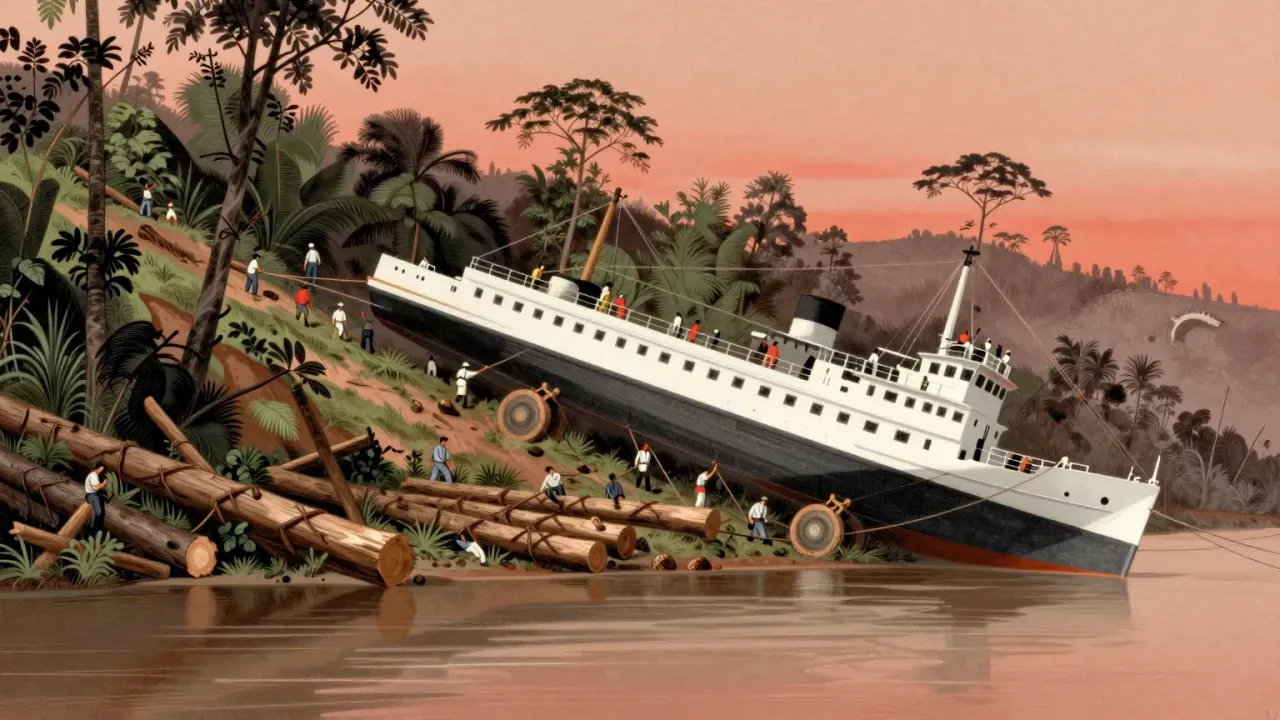
Werner Herzog's 1982 account of an Irish rubber-boom dreamer who portages a real steamship over a Peruvian hillside to fund an opera house, filmed with a real ship, a volatile Klaus Kinski, and none of the effects that would have made it easier.

13:00

Flee

Jonas Poher Rasmussen · 2021

Jonas Poher Rasmussen interviews a friend given the alias Amin Nawabi about fleeing Afghanistan as a child, animating every session so Amin can finally correct the official story he told Danish authorities for decades. Archival footage of the Soviet-Afghan war anchors the drawn reconstructions in verifiable history.

13:00

Flow

Gints Zilbalodis · 2024

A solitary cat, fleeing dogs and a sudden flood, ends up sharing a small boat with a capybara, a lemur, a secretarybird and a dog as the water keeps rising around a seemingly abandoned world. Gints Zilbalodis made the film with no storyboards and no dialogue, animating it in the free software Blender over five and a half years on a budget of 3.5 million euros.

13:00

Frozen

Chris Buck, Jennifer Lee · 2013

Two royal sisters are separated by one sister's uncontrollable ice powers, and the younger one sets out to bring her home rather than defeat her. Chris Buck and Jennifer Lee's 2013 film reworks Hans Christian Andersen's Snow Queen into a story about repair between siblings rather than romance.

13:00

Full Metal Jacket

Stanley Kubrick · 1987

Stanley Kubrick's 1987 war film, shot entirely around London, splits into a Parris Island boot-camp section under a savage drill instructor and a Tet Offensive combat section in Hue. Built from Gustav Hasford's novel with Michael Herr, and carried by R. Lee Ermey's largely self-written performance, it argues that training, not combat, is where a soldier is actually made.

13:00

Get Out

Jordan Peele · 2017

A young Black photographer visits his white girlfriend's family for a weekend that curdles from awkward hospitality into captivity, in Jordan Peele's directorial debut and Oscar-winning screenplay.

13:00

Ghost in the Shell

Mamoru Oshii · 1995

Ghost in the Shell follows Major Motoko Kusanagi, a cyborg security agent, as she pursues a mysterious hacker called the Puppet Master through a near-future city modelled on Hong Kong, a case that increasingly unsettles her sense of what makes her identity her own. Mamoru Oshii directed the adaptation of Masamune Shirow's manga for Production I.G, using a hybrid digital animation process and a score by Kenji Kawai built around classical Japanese vocals. Initially considered a box-office disappointment, it became a defining cult film, influencing The Matrix and drawing praise from James Cameron as one of animation's first truly adult works.

13:00

Goodfellas

Martin Scorsese · 1990

Martin Scorsese's 1990 account of Henry Hill's rise and fall inside the Lucchese crime family, adapted from Nicholas Pileggi's book Wiseguy. Told through overlapping narration and a compressed, accelerating style, it follows money, loyalty and violence as the daily business of a life Hill first found glamorous and eventually could not escape.

13:00

Grave of the Fireflies

Isao Takahata · 1988

Isao Takahata's 1988 adaptation of Akiyuki Nosaka's semi-autobiographical story follows siblings Seita and Setsuko trying to survive the final months of the Pacific War after the firebombing of Kobe and their mother's death. Takahata's first film for Studio Ghibli, it opens by revealing Seita is already dead and builds the rest of its account around a specific, unheroic failure rather than a rescue.

13:00

Guillermo del Toro's Pinocchio

Guillermo del Toro, Mark Gustafson · 2022

Carved by a grieving Geppetto from the tree growing over his dead son's grave, this stop-motion Pinocchio is rowdy, disobedient and impossible to control, set against the rise of Fascist Italy. Fourteen years in development before Netflix financed it, the film keeps Collodi's darkness rather than softening it into a straightforward morality tale.

13:00

Heat

Michael Mann · 1995

Michael Mann's 1995 crime epic pairs Al Pacino's LAPD detective against Robert De Niro's professional thief across a Los Angeles built from real locations and a case Mann first wrote up as a 1989 television film. Its bank-heist shootout, drilled for months with a former SAS trainer, and the single diner scene bringing its two leads together for the first time on screen remain the reasons it is still watched, even at 171 unhurried minutes.

13:00

Her

Spike Jonze · 2013

In a comfortable near-future Los Angeles, a lonely letter-writer buys an artificially intelligent operating system and falls for the voice that answers back, in Spike Jonze's Oscar-winning screenplay.

13:00

How to Train Your Dragon

Dean DeBlois, Chris Sanders · 2010

An undersized Viking teenager befriends the rare dragon he was supposed to kill, and in doing so undoes his village's entire way of understanding its enemy. Dean DeBlois and Chris Sanders's 2010 film pairs a straightforward friendship story with unusually grounded visual craft.

13:00

Howl's Moving Castle

Hayao Miyazaki · 2004

Howl's Moving Castle adapts Diana Wynne Jones's novel about a young milliner cursed into old age by a witch, who ends up living in a wizard's walking castle as a war between two kingdoms escalates around them. Hayao Miyazaki directed the film for Studio Ghibli after an earlier director departed, and it took $236 million against a $24 million budget, becoming one of the most commercially successful Japanese films ever made and winning a Nebula Award for Best Script.

13:00

In the Mood for Love

Wong Kar-wai · 2000

In 1962 Hong Kong, a newspaper editor and a secretary living next door to each other realise their spouses are having an affair, and grow close while insisting they will not repeat it. Wong Kar-wai shot for fifteen months without a finished script, switching cinematographers mid-production, and built the film around Maggie Cheung's cheongsams and Tony Leung's restraint rather than plot incident. It won Leung the Cannes best actor award and has since been ranked among the major works of Asian cinema.

13:00

Inside Out

Pete Docter, Ronnie del Carmen · 2015

Riley Andersen's move from Minnesota to San Francisco throws her mental control room into crisis when Joy and Sadness are accidentally flung from headquarters, forcing them to find their way back through the wreckage of her long-term memory. Pete Docter and Ronnie del Carmen's Pixar feature spends five personified emotions and a five-and-a-half-year production trying to dramatise, rather than explain, why a child needs to be allowed to feel bad.

13:00

Isle of Dogs

Wes Anderson · 2018

A dictatorial mayor exiles every dog in the fictional Japanese city of Megasaki to Trash Island over a manufactured flu outbreak, and his own twelve-year-old ward hijacks a plane to find his banished bodyguard dog among them. Wes Anderson's second stop-motion feature, drawing openly on Akira Kurosawa and Hayao Miyazaki, pairs meticulous handcrafted puppetry with a plot about political corruption and canine loyalty, while drawing sustained criticism for how it handles the Japanese setting and characters within it.

13:00

Jaws

Steven Spielberg · 1975

Steven Spielberg's 1975 thriller sends police chief Martin Brody, a marine biologist and a professional shark hunter after a great white attacking swimmers off a New England resort town. Adapted from Peter Benchley's novel and shot on location at Martha's Vineyard, it went over budget and schedule when its mechanical sharks repeatedly failed, forcing Spielberg toward a suggestive, Hitchcock-influenced style built around John Williams's two-note theme. It became the highest-grossing film in history at the time and established the modern summer blockbuster model.

13:00

Jeanne Dielman, 23 quai du Commerce, 1080 Bruxelles

Chantal Akerman · 1975

Chantal Akerman's 1975 film spends 201 minutes tracking a widowed Brussels housewife, played by Delphine Seyrig, through the exact domestic routine that structures her days, including the afternoon clients she sees for money while her teenage son is at school. Shot by Babette Mangolte from a fixed, eye-level camera that never enters Jeanne's private space and rarely cuts within a task, it was made on a budget of $120,000 and has since been named, in one major critics' poll, the greatest film ever made, a status built almost entirely on how literally it commits to watching unglamorous, repeated labour.

13:00

Jurassic Park

Steven Spielberg · 1993

Steven Spielberg's 1993 adaptation of Michael Crichton's novel follows a Costa Rican dinosaur park that collapses once its systems, and its owner's judgement, both fail during a single act of sabotage. Combining Stan Winston's animatronics with Industrial Light & Magic's early computer-generated dinosaurs on a budget reported as either $56 or $63 million, it grossed over $914 million on its original release, briefly the highest-grossing film ever made, and won three Academy Awards for its sound and visual effects.

13:00

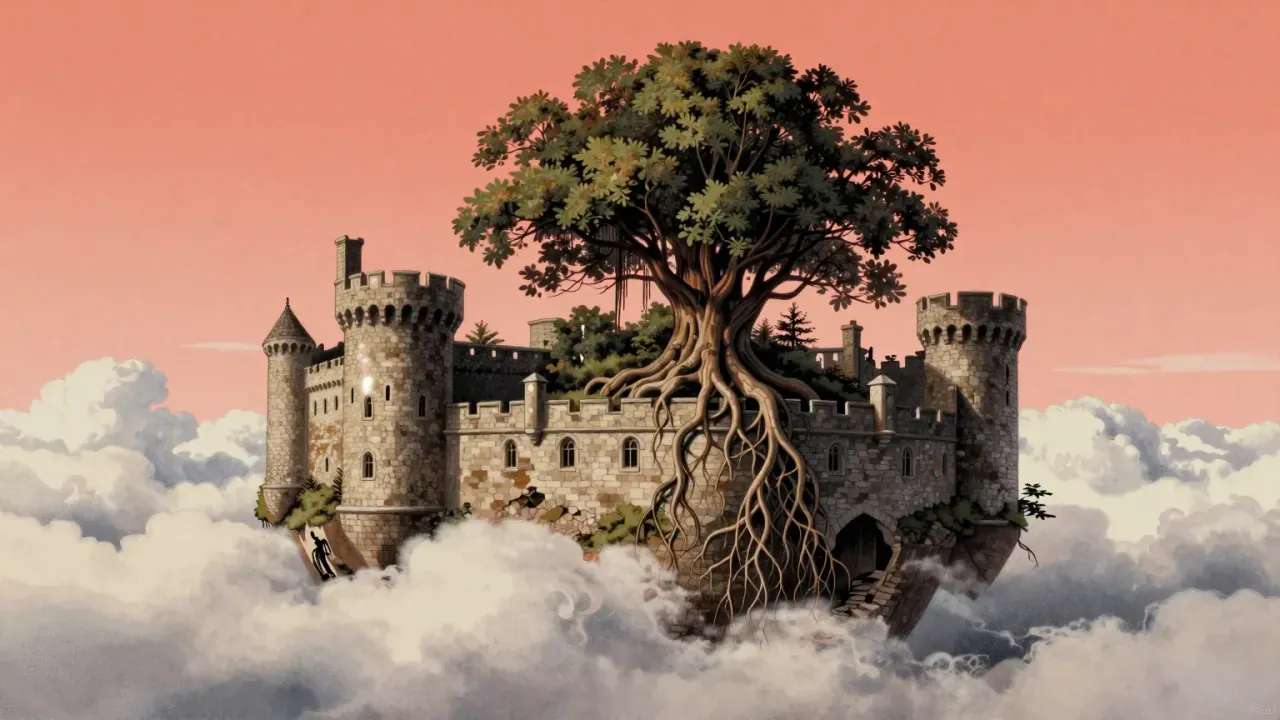
Kiki's Delivery Service

Hayao Miyazaki · 1989

Hayao Miyazaki's 1989 film follows thirteen-year-old witch Kiki as she leaves home to complete a year of independent training in a coastal city, running a flying courier service with her cat Jiji. Miyazaki rewrote Eiko Kadono's more episodic novel to centre on the strain of independence itself, and the film became the first Studio Ghibli release to succeed commercially on first release.
13:00

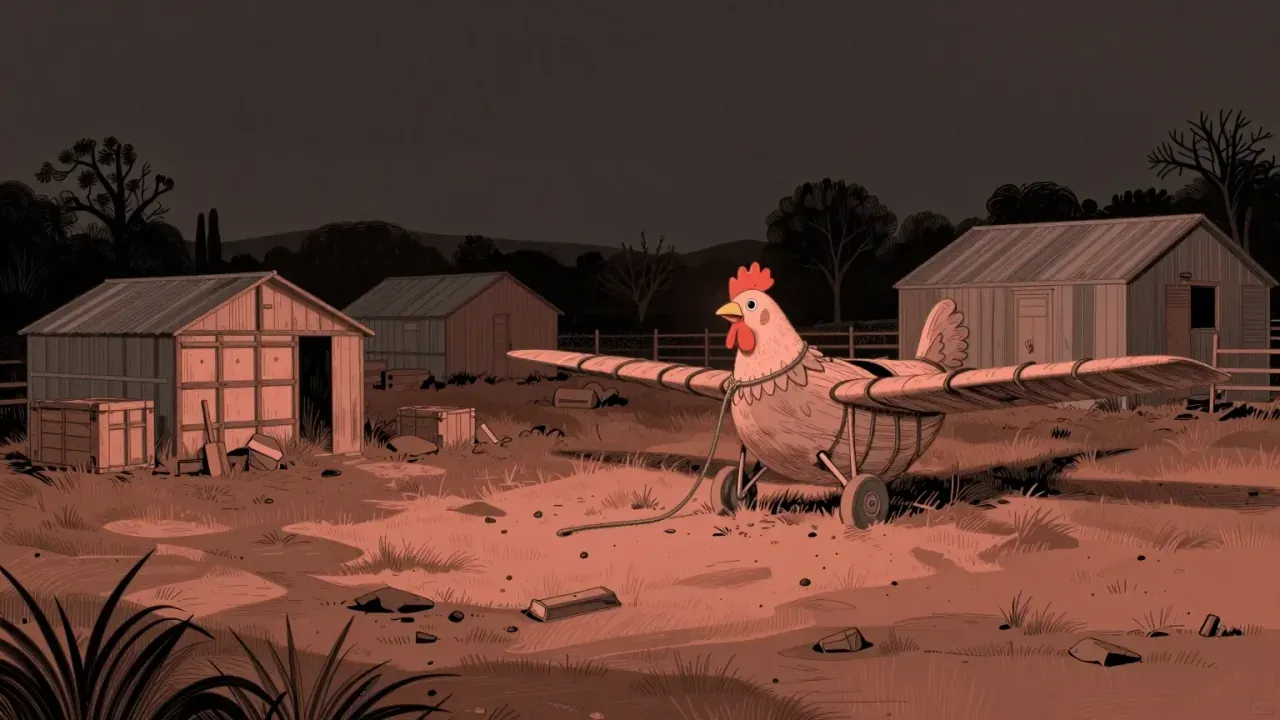
Klaus

Sergio Pablos · 2019

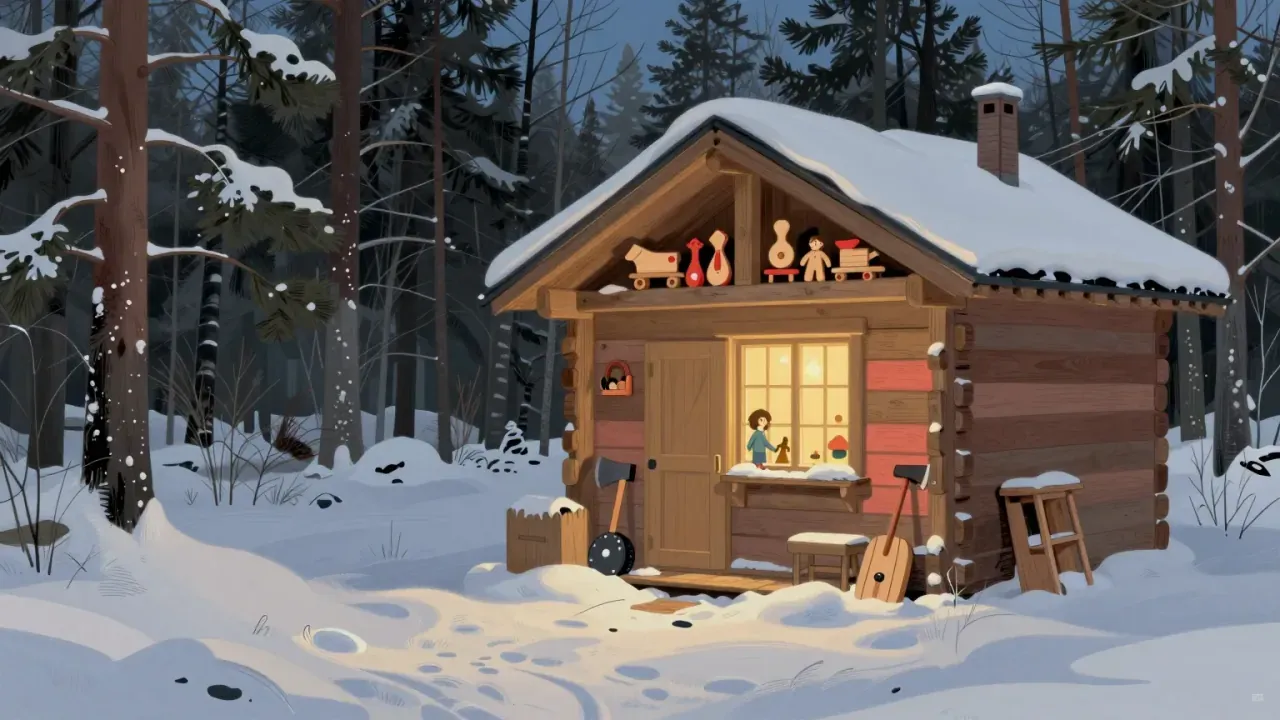
A spoiled postal cadet exiled to a feuding Arctic town discovers that a reclusive toymaker's handmade gifts can be used to bribe warring children into good behaviour, and the scheme he runs to hit his delivery quota accidentally invents Christmas as it is now understood. Sergio Pablos, directing after years animating for Disney's hand-drawn era, built Klaus specifically to argue that traditional animation, sidelined industry-wide since the 1990s, still had a commercial future.
13:00

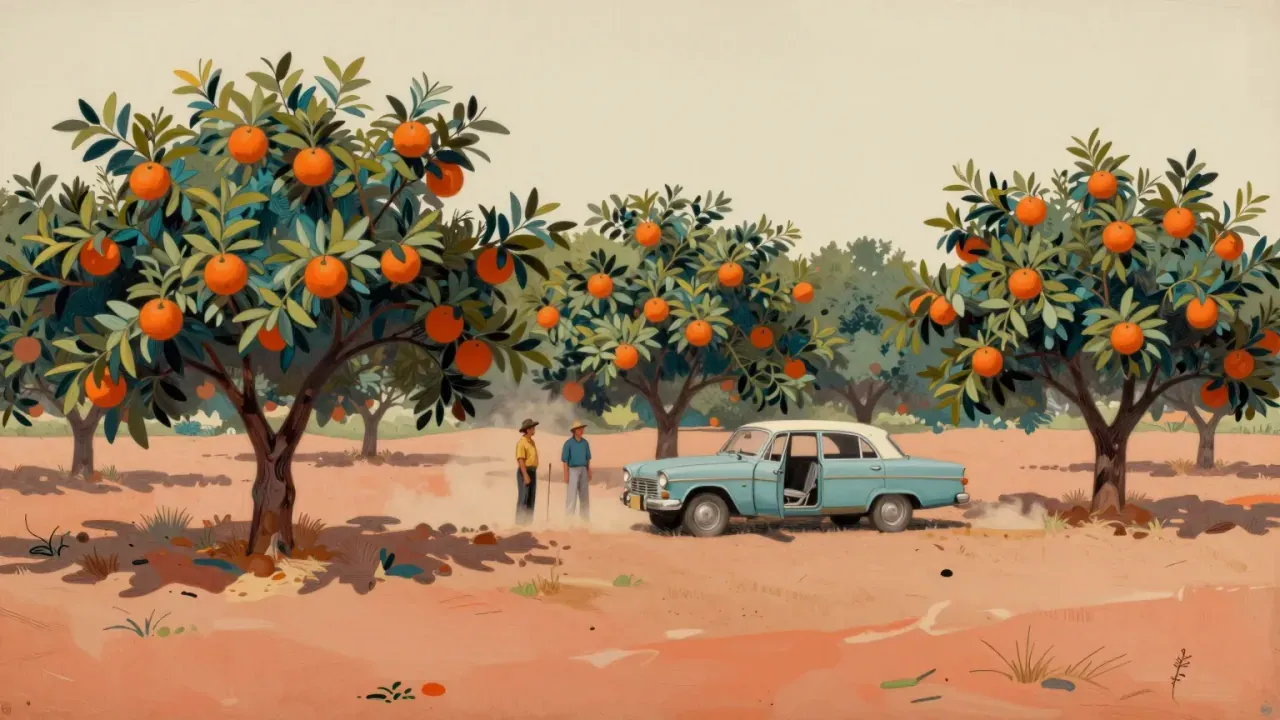
Kubo and the Two Strings

Travis Knight · 2016

In a fictionalised feudal Japan, a one-eyed boy named Kubo earns a living by animating paper figures with music, until his grandfather's ghostly aunts arrive to finish what took his eye in infancy. Travis Knight's directorial debut for Laika pairs handmade stop-motion craft, inspired by ukiyo-e woodblock printing, with a quest plot that leans harder on grief and loss than most animated adventures aimed at children.
13:00

La Dolce Vita

Federico Fellini · 1960

Federico Fellini's 1960 portrait of a tabloid journalist drifting through Rome's high society over a week of nights gave the world the word paparazzi and became both a critical landmark and a box-office hit despite censors in several countries. Marcello Mastroianni anchors an episodic structure built around parties, a starlet's arrival, and a friend's unexplained despair, shot largely at Cinecittà on Piero Gherardi's elaborate sets.

13:00

La Haine

Mathieu Kassovitz · 1995

Mathieu Kassovitz's 1995 film tracks three friends from a Paris housing estate — Vinz, Hubert and Saïd — through roughly twenty hours after a riot leaves one of their friends in a coma and a police revolver missing, one of them now carrying it and threatening to use it if the friend dies. Shot in black and white on location in Chanteloup-les-Vignes, the film became a lightning rod in France for its account of police violence and banlieue life, prompting a special screening for the French cabinet.

13:00

Le Samouraï

Jean-Pierre Melville · 1967

Alain Delon plays Jef Costello, a Parisian hitman whose meticulous alibi unravels after witnesses fail to identify him for a killing they saw him commit, forcing him to work out who hired him and who now wants him dead. Jean-Pierre Melville directs with almost no music and long stretches of silence, and the 1967 film's spare, controlled style went on to shape a generation of American and European crime cinema.

13:00

Lilo & Stitch

Chris Sanders, Dean DeBlois · 2002

Lilo & Stitch follows an orphaned Hawaiian girl who adopts what she thinks is a stray dog, not realizing he's an escaped, genetically engineered weapon being hunted across the galaxy. Directed by Chris Sanders and Dean DeBlois, the film cost $80 million, grossed $273 million worldwide, and won an Annie Award, building its story around the Hawaiian concept of extended family rather than a generic redemption arc.

13:00

Lost Highway

David Lynch · 1997

David Lynch's first film after Twin Peaks follows Bill Pullman's jazz musician, arrested for a murder he cannot account for, who inexplicably becomes a different young man midway through. Written with novelist Barry Gifford and shot by Peter Deming in near-total darkness, it was a box-office failure on release that has since built a devoted following willing to sit with a story that refuses to resolve.

13:00

Loving Vincent

Dorota Kobiela, Hugh Welchman · 2017

A postman's reluctant son delivers Vincent van Gogh's last letter a year after the painter's suicide and, meeting the people who knew him in his final weeks, starts doubting the official account of how he died. Dorota Kobiela and Hugh Welchman's Loving Vincent is the first fully painted animated feature, built from oil paintings made in Van Gogh's own technique over sixty-five thousand hand-shot frames, a six-year production that treats the investigation plot mainly as scaffolding for its visual project.

13:00

Marcel the Shell with Shoes On

Dean Fleischer Camp · 2021

A documentary filmmaker moves into an Airbnb and finds Marcel, a talking, one-inch-tall shell living there with his grandmother Connie, and starts filming his daily routines. When the resulting videos make Marcel briefly famous, he has to decide whether that attention can actually help him find the family he lost years earlier.

13:00

Memories of Murder

Bong Joon-ho · 2003

Bong Joon-ho's 2003 film follows two mismatched detectives investigating a string of rapes and murders in a small South Korean town in the late 1980s, one relying on coerced confessions and superstition, the other on procedure imported from Seoul that proves no more effective. Loosely based on Korea's real, then-unsolved hunt for a serial killer later identified in 2019 as Lee Choon-jae, and shot on a $2.8 million budget with Song Kang-ho in the lead, the film built a cult following before becoming regarded internationally as one of the finest crime films of the century.

13:00

Millennium Actress

Satoshi Kon · 2001

Millennium Actress frames a documentary crew's interview with a reclusive retired film star as the occasion for her life story, then dissolves the line between her memories and the film roles she played until the two run as one continuous narrative. Satoshi Kon's first original film after Perfect Blue, made at Madhouse on one of the lowest budgets recorded for a Japanese animated feature, it won the Animation Kobe award and holds a 93% critical score despite a tiny US theatrical release.

13:00

Mirai of the Future

Mamoru Hosoda · 2018

Kun, four years old and furious at the attention his newborn sister Mirai is getting, starts slipping into the family garden and meeting relatives out of chronological order: a teenage future version of Mirai, his mother as a scolded little girl, his great-grandfather as a young man. Mamoru Hosoda, drawing directly on watching his own son react to a new sibling, builds the film's fantasy elements not as escape from Kun's anger but as a way of walking him back through it.

13:00

Monsters, Inc.

Pete Docter, Lee Unkrich, David Silverman · 2001

Monsters, Inc. imagines child-scaring as an actual industry, converting screams into a city's power supply, until a small girl named Boo slips into the factory and forces two scarers to smuggle her home before anyone notices. Directed by Pete Docter for Pixar over a five-year production, the film cost $115 million, took $632 million worldwide, and won the Academy Award for Best Original Song.