A tower, a heron, and a dead mother
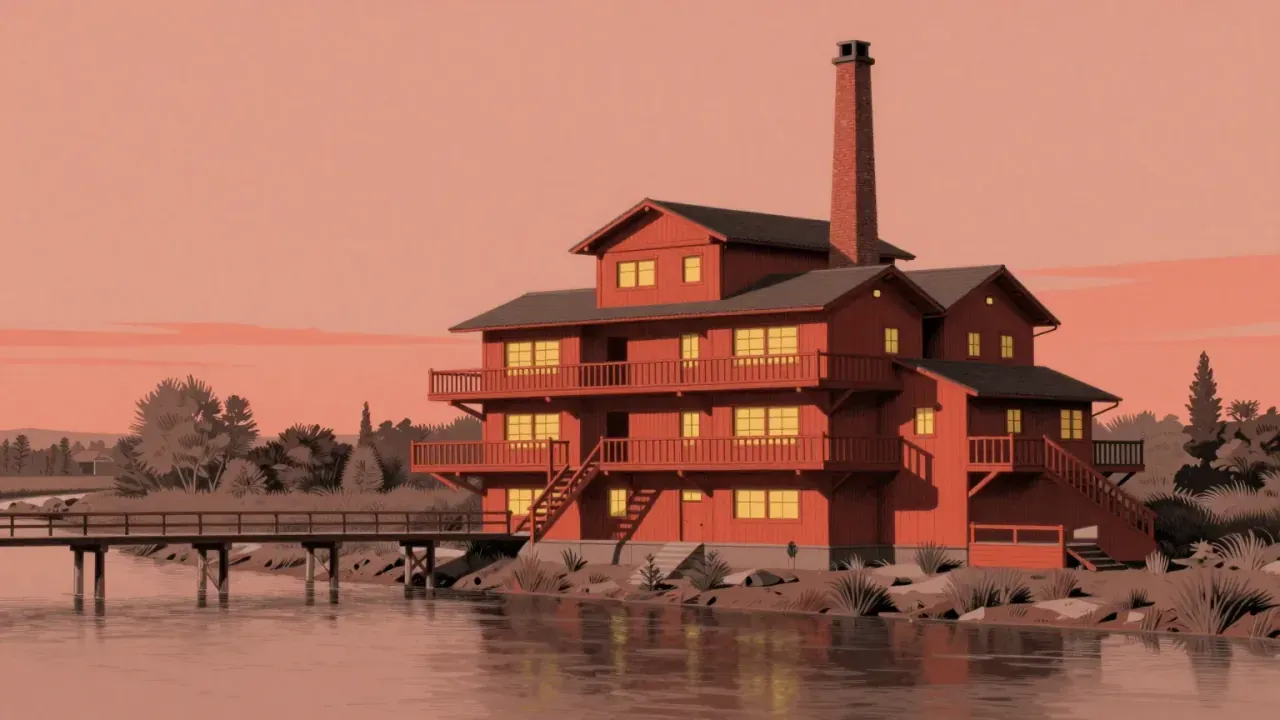
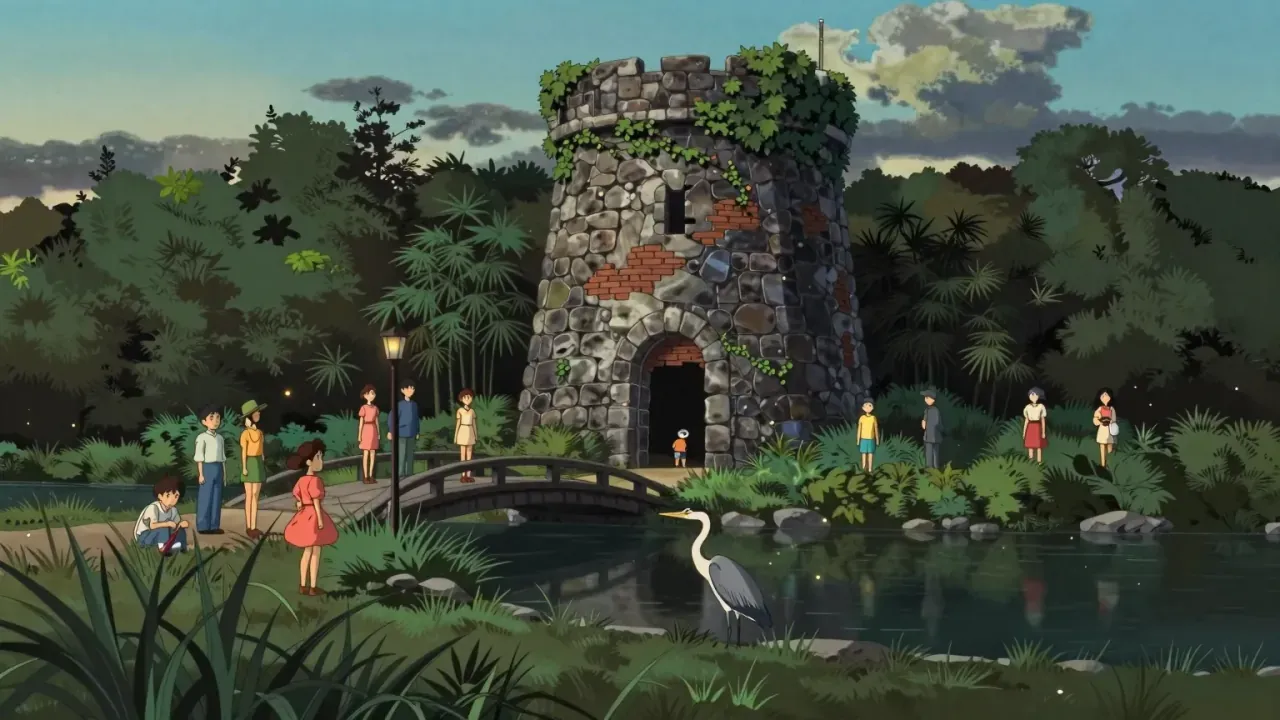
The Boy and the Heron follows Mahito Maki, a boy who loses his mother in a fire during the Second World War and is sent to live in the countryside with his father and a new stepmother, where a talking grey heron leads him toward an abandoned tower that opens onto another world. Hayao Miyazaki wrote and directed the film after reversing his own announced retirement, working from a project he began storyboarding in 2016 that took a further seven years to complete. The Japanese title references Genzaburo Yoshino’s 1937 novel How Do You Live?, though the film borrows only the title’s question rather than adapting the book, and producer Toshio Suzuki has said Miyazaki intended the film partly as a message to his own grandson.
Seven years, no trailer
Production stretched across roughly seven years, slowed by the pandemic and by Miyazaki’s animation pace, which had dropped by his own account to as little as a minute of finished footage per month by the film’s later stages. Studio Ghibli released it in Japan with no trailers, no publicity stills and no plot synopsis beyond a single poster, an unusual choice Suzuki made to keep audiences from arriving with expectations set by marketing. Joe Hisaishi’s score, alongside Kenshi Yonezu’s theme song, and Atsushi Okui’s cinematography, which pushed for Dolby Cinema’s handling of bright and dark scenes together, carry long stretches where the screenplay itself stays deliberately quiet about what is happening or why.
Where the film trusts you to keep up
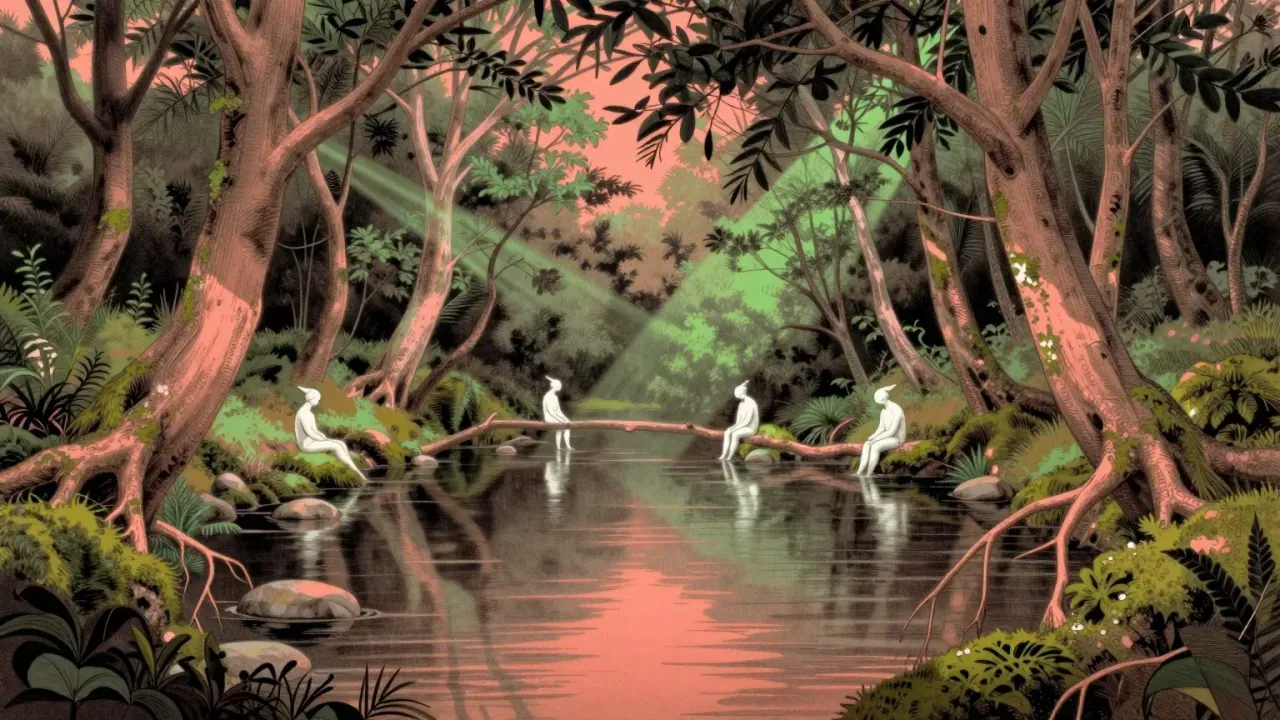
The film is most confident exactly where it refuses to explain itself, letting images and music carry weight that dialogue would otherwise flatten into exposition — the tower’s fantasy realm operates by rules the film never states outright, and Mahito’s journey through it plays more like an extended process of feeling his way through grief than solving a puzzle. Hisaishi’s score, in one of his last major collaborations with Miyazaki, does much of the emotional signposting the script leaves undone, and the hand-drawn animation retains a texture and unevenness that computer-generated alternatives would have smoothed out. Reviewers who responded to the film tended to describe that opacity as its own reward rather than as a withheld answer.
The parts that resist explanation on purpose
That same opacity will read, for some viewers, as a story that never quite justifies its stranger detours; several of the other-world’s inhabitants and rules are introduced and then left unexplained, and the plot’s internal logic is looser than Miyazaki’s more adventure-structured earlier work, such as Spirited Away. Audiences expecting the marketing-free release to signal a tightly withheld twist may instead find a film more interested in mood and memory than in payoff. At two hours and four minutes, the pacing in the middle stretch asks for real patience before its themes fully cohere.
A childhood remembered rather than invented
Miyazaki has said the film grew out of his own inability to answer the question of how to live, and the wartime setting, drawn from his childhood memories, ties Mahito’s private grief to a broader loss playing out across the country around him. The film treats coming of age not as a lesson learned but as something closer to an ongoing negotiation with loss that doesn’t resolve cleanly even once Mahito returns from the tower. That refusal to tidy the ending into a clear moral is consistent with a director working, by his own account, without a deadline and without much interest in whether the result was easy to market.
Who should see it
This is best suited to viewers already accustomed to Miyazaki’s dream logic and willing to sit with a film that explains itself sparingly, and to anyone interested in how wartime Japan’s private griefs get represented on screen. It is a harder recommendation for newcomers wanting a fantasy adventure with legible stakes and a clean resolution, since the film’s pleasures are more atmospheric than narrative. Younger viewers unfamiliar with the director’s other work may find the tonal shifts between grief and whimsy harder to follow than longtime audiences will. Anyone hoping to use it as an introduction to Studio Ghibli would do better starting elsewhere and returning to this one once the studio’s habits of pacing and ambiguity feel familiar rather than strange.
Worth the two hours
Yes. Made without the promotional apparatus that normally accompanies a film of its scale, and animated at a pace few working directors could sustain, The Boy and the Heron arrived as close to an uncompromised late statement as a major studio release gets, and it found both critical acclaim and a large audience anyway, becoming the sixth highest-grossing Japanese film ever made. The Academy Award for Best Animated Feature that followed rewarded a film that trusted its audience to sit with ambiguity rather than resolving it for them. Two hours spent inside that trust is time well used.