filmbriefs
Non-fiction

Concert & music film

50
briefs
13:00
average
650 min
in total
54
people
All briefs50
13:00

A Hard Day's Night

Richard Lester · 1964

Richard Lester’s 1964 musical comedy captures the Beatles during Beatlemania’s peak, using a fictional 36-hour sprint to concert performance as scaffolding for their music, wit, and chemistry. Shot in black-and-white with vérité energy, it prioritises rhythm over narrative, performance over psychology, and spontaneity over polish. Though thin on character depth and social critique, its influence on music video and ensemble comedy remains profound. It remains watchable not as nostalgia, but as a masterclass in tonal discipline.
13:00

A Poem Is A Naked Person

Les Blank · 1974

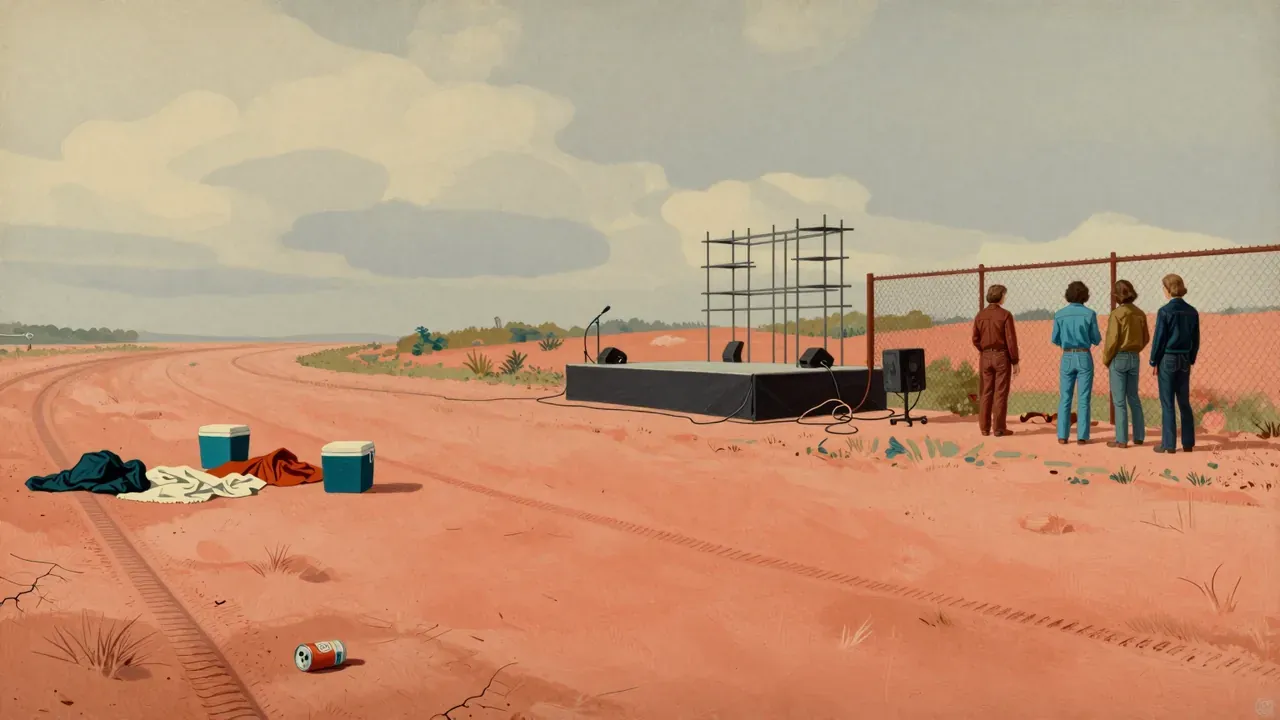
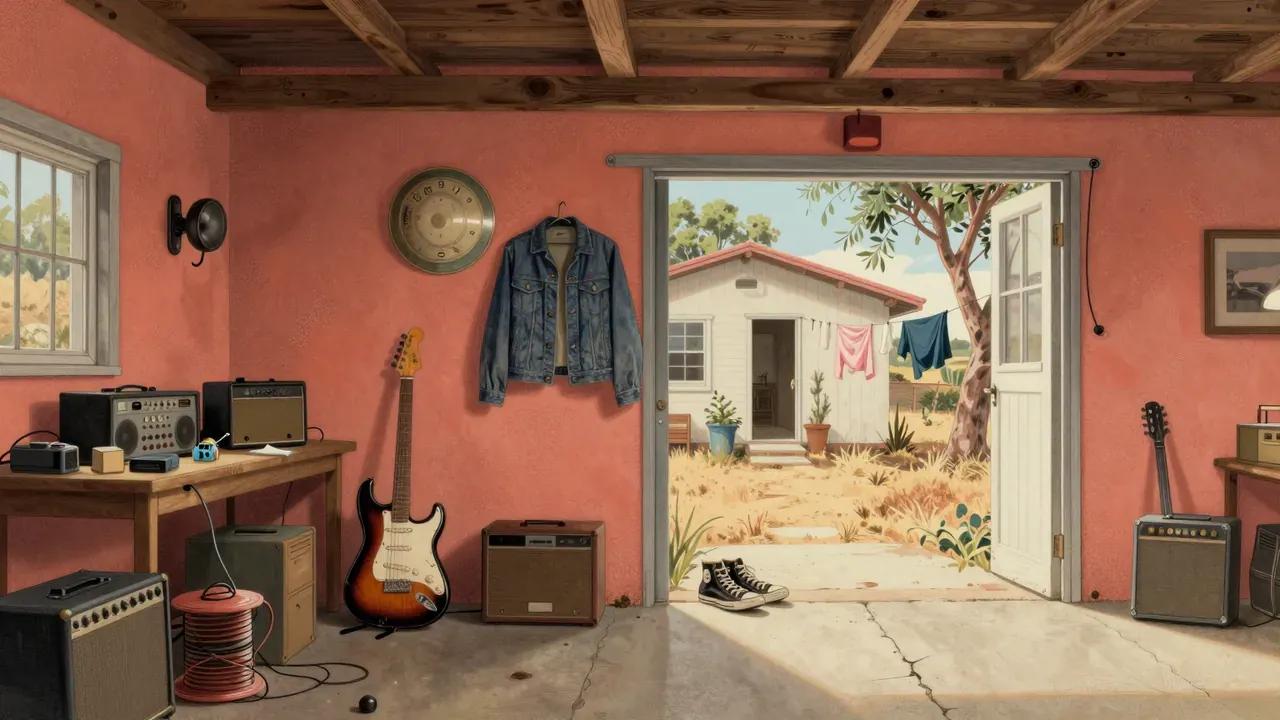
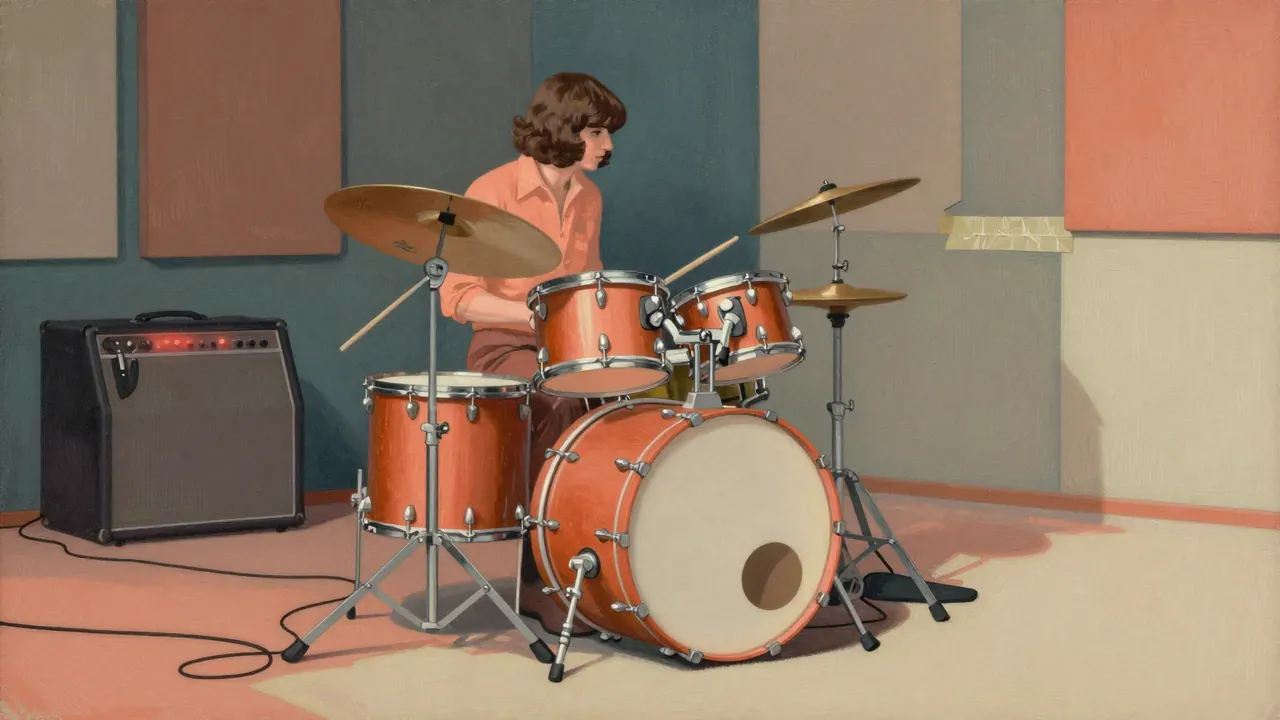
Les Blank’s 1974 documentary A Poem Is a Naked Person spent forty years unreleased, emerging only after his death. Shot over two years at Leon Russell’s Oklahoma studio, it avoids biography in favour of immersive texture: rehearsals, murals painted in drained pools, lakeside light, and unscripted encounters. Its power lies in sustained attention, not exposition — a film that treats music, place, and personality as inseparable elements of a single, breathing world.

13:00

All Night Long

Basil Dearden · 1962

Basil Dearden’s All Night Long transposes Shakespeare’s Othello to a single night at a Thames-side jazz party, starring Patrick McGoohan as a scheming drummer, Paul Harris as a bandleader, and Marti Stevens as his wife. With contributions from Dave Brubeck, Charles Mingus and John Dankworth, the film treats jazz not as ornament but as narrative grammar — its rhythms, improvisations and silences shaping character and consequence. Shot in black and white by Edward Scaife, written by blacklisted screenwriter Paul Jarrico, it is a study in mediation, mistrust and the cost of control.

13:00

American Utopia

Spike Lee · 2020

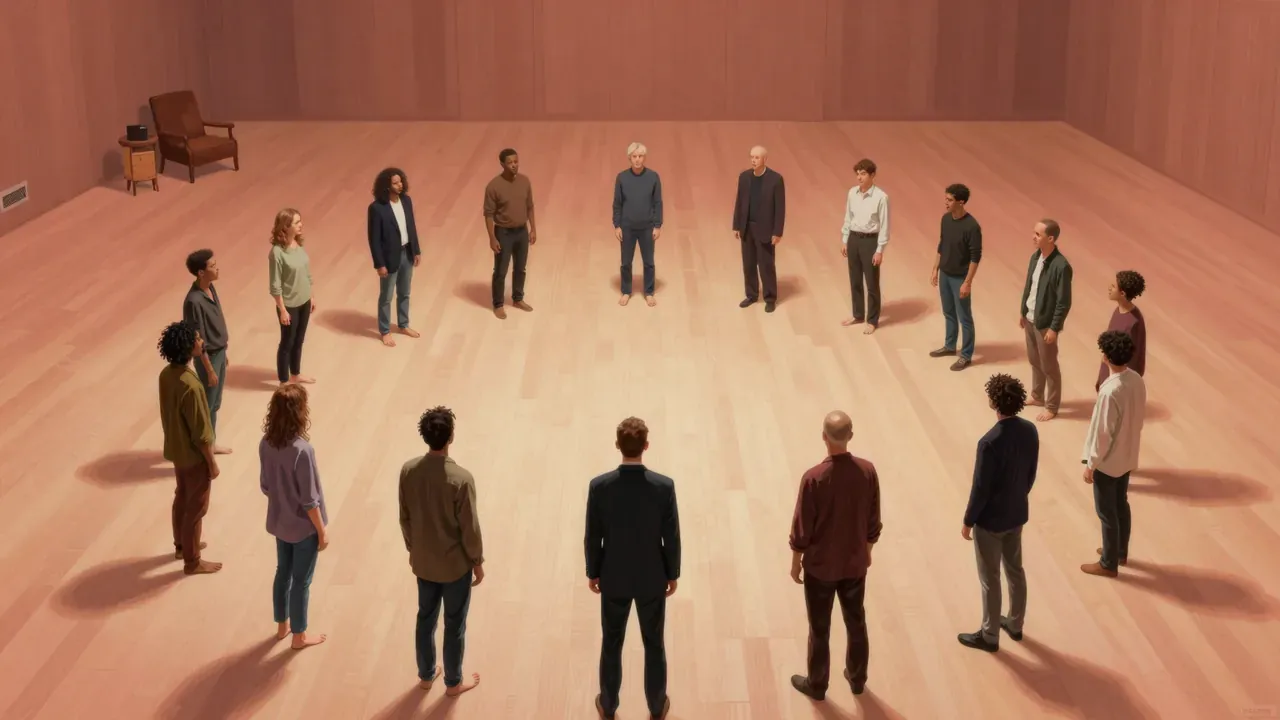
Spike Lee’s American Utopia films David Byrne’s Broadway concert as a sustained act of collective presence: twelve performers, wireless instruments, no sets, choreographed movement, and spoken interludes on connection and civic life. Shot by Ellen Kuras with formal rigour, it avoids spectacle in favour of clarity, repetition, and physical continuity — less a celebration than a rehearsal of unity.

13:00

Anthem

Marlon Riggs · 1991

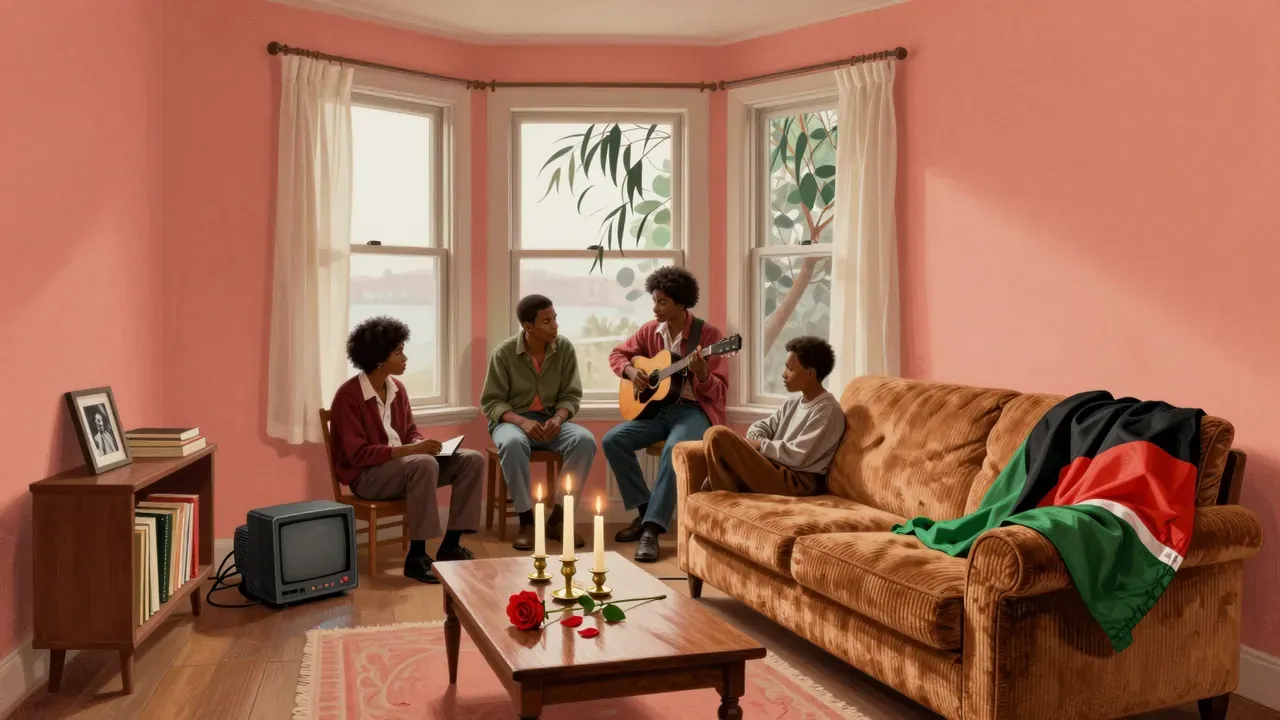
Marlon Riggs’s 1991 eight-minute music video Anthem fuses poetry, hip-hop rhythm, and political iconography to assert Black gay identity as inseparable from African heritage and American citizenship. Featuring Essex Hemphill, Colin Robinson, and others, it overlays ACT UP slogans with Pan-African symbols, memorial candles with erotic intimacy, and spoken word with drum patterns — building a declarative, non-narrative montage that refuses assimilation and rejects erasure.

13:00

Blood Wedding

Carlos Saura · 1981

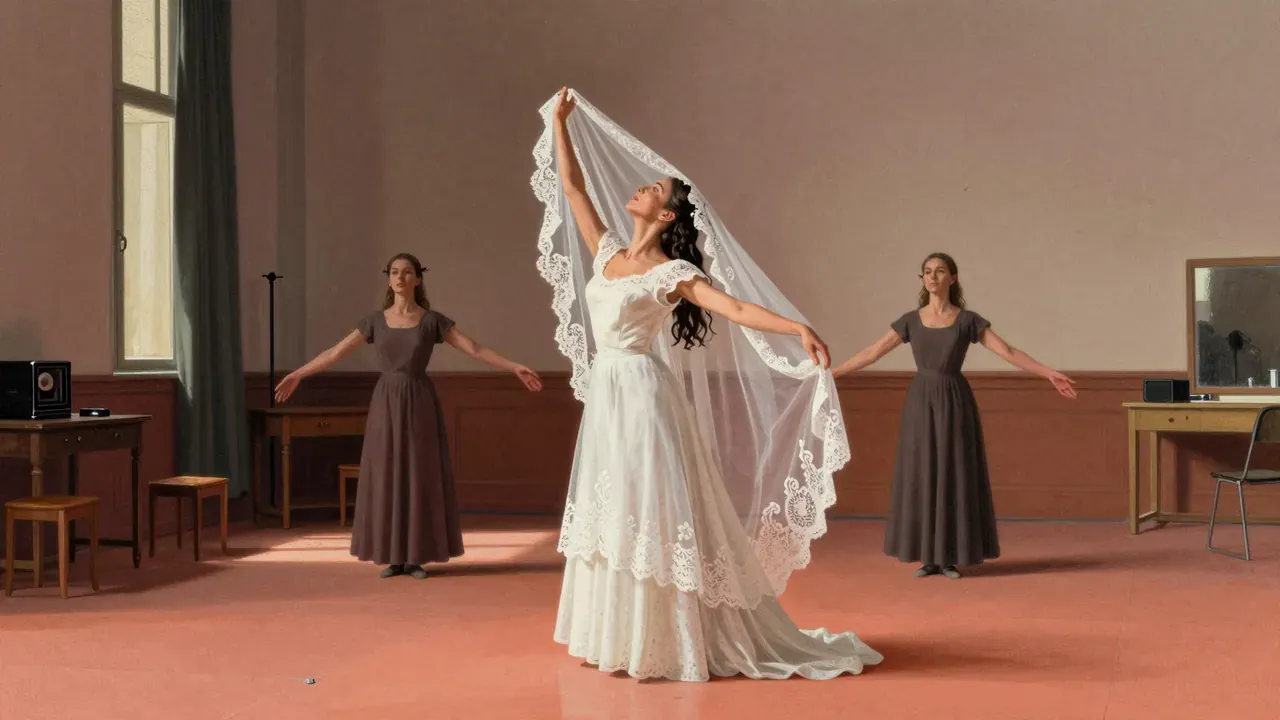
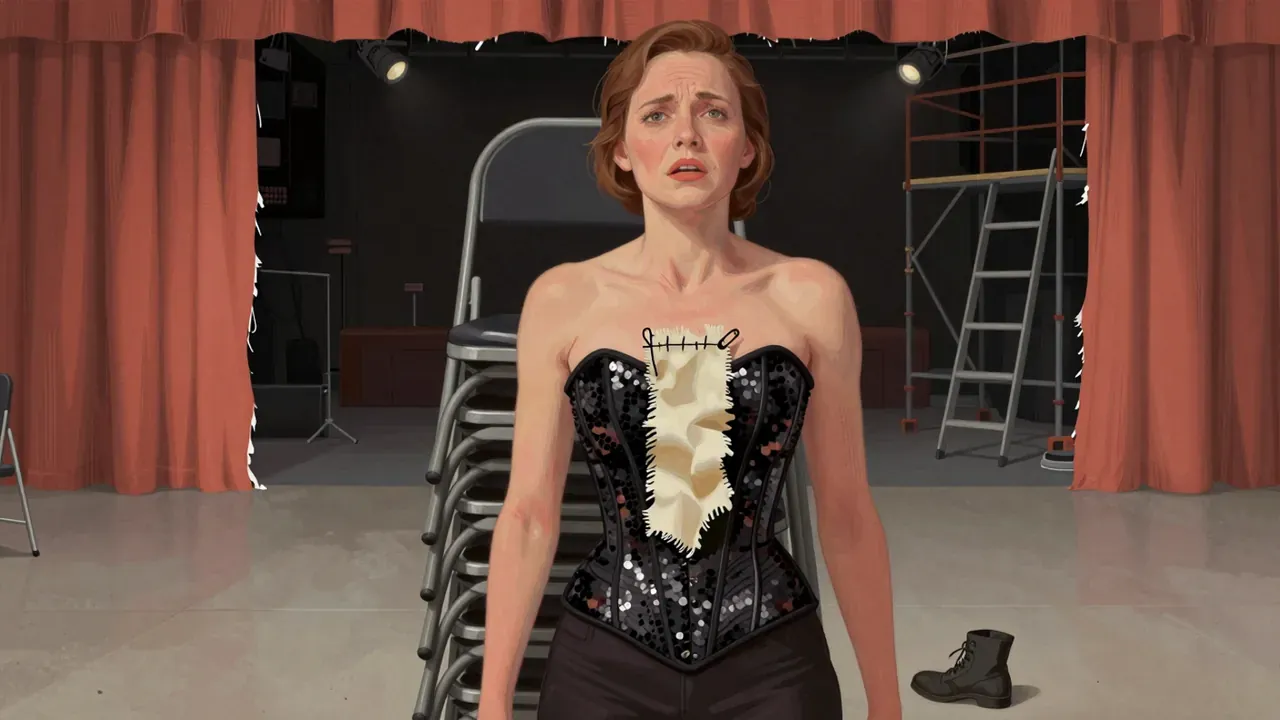
Carlos Saura’s 1981 Blood Wedding is a rigorously stripped-back flamenco staging of Federico García Lorca’s play, performed by Antonio Gades and company in a bare studio. With no sets, minimal props, and no spoken dialogue, it translates Lorca’s themes of blood, honour, and fate into choreography, percussion, and sustained physical presence. Teodoro Escamilla’s cinematography observes without embellishment; the film begins and ends with the dancers preparing — foregrounding labour, discipline, and collective authorship.

13:00

Border Radio

Allison Anders · 1987

Border Radio is a low-budget 1987 American road movie directed by Allison Anders, documenting the fraying edges of West Coast punk and cowpunk culture. Following unpaid musicians who rob a club and flee toward Mexico, the film prioritises texture over plot, using non-professional performers and diegetic music to evoke a specific time and place — not as nostalgia, but as lived, unvarnished reality.

13:00

Buena Vista Social Club

Wim Wenders · 1999

Wim Wenders’ 1999 documentary follows Cuban musicians — many in their eighties — as they record, rehearse and perform internationally. Shot in Havana, Amsterdam and New York, it relies on direct observation, unhurried interviews and full concert sequences. Jörg Widmer’s cinematography and Brian Johnson’s editing serve the music’s internal logic, not narrative urgency. The film avoids historical exposition or political critique, focusing instead on gesture, memory and ensemble discipline. It is a portrait of endurance rooted in daily practice, not myth.
13:00

Carmen

Carlos Saura · 1983

Carlos Saura’s 1983 Carmen follows a troupe of dancers rehearsing a flamenco adaptation of Bizet’s opera, as their off-stage relationships mirror the opera’s fatal arc. Shot in Spain by Teodoro Escamilla and scored by Paco de Lucía, the film blurs rehearsal and reality, using movement and music — not dialogue — to trace obsession, rivalry and violence. It won the BAFTA for Best Film Not in the English Language and was nominated for an Oscar.

13:00

Dont Look Back

D. A. Pennebaker · 1967

Dont Look Back is a 1967 vérité documentary by D. A. Pennebaker capturing Bob Dylan’s 1965 UK tour. Shot on handheld 16mm black-and-white film with direct sound, it avoids narration, exposition or chronological framing. Instead, it observes Dylan’s interactions with Joan Baez, Albert Grossman, Allen Ginsberg and others, alongside performances and unscripted encounters. Its power lies in sustained observation, rhythmic editing and deliberate ambiguity — not in decoding its subject, but in recording the conditions of his visibility.

13:00

El Amor brujo

Carlos Saura · 1986

Carlos Saura’s 1986 El Amor brujo adapts Manuel de Falla’s ballet into a tightly wound flamenco drama starring Antonio Gades and Cristina Hoyos. Set in Andalusia, it follows Candela, haunted by her dead husband’s ghost, whose release requires a ritual dance with the woman he loved in life. Shot by Teodoro Escamilla and choreographed by María Pagès, the film subordinates narrative to rhythm, dialogue to zapateado, and psychology to physical repetition — making it less a ghost story than a study in embodied memory.

13:00

French Cancan

Jean Renoir · 1955

Jean Renoir’s 1955 French Cancan follows nightclub owner Henri Danglard as he transforms a Montmartre dance hall into the Moulin Rouge, betting everything on the revival of the cancan. Starring Jean Gabin and Françoise Arnoul, it is a musical comedy-drama less concerned with plot than with the textures of creation: rehearsal, construction, rivalry, and collective euphoria. Shot in colour at Joinville Studios with art direction by Max Douy and cinematography by Michel Kelber, it evokes Impressionist painting without imitation. Though uneven in emotional payoff, it remains a singular testament to Renoir’s belief in cinema as a space for presence, not just meaning.

13:00

Gimme Shelter

Charlotte Zwerin, Albert Maysles, David Maysles · 1970

Gimme Shelter is a 1970 Direct Cinema documentary following the Rolling Stones’ 1969 US tour to its violent end at the Altamont Free Concert. Shot by Albert and David Maysles with Charlotte Zwerin’s editing, it records studio sessions, concerts, negotiations and the fatal stabbing of Meredith Hunter — without voiceover, interviews or moral framing. Its power lies in its unblinking chronology and refusal to resolve what it witnesses.

13:00

Hedwig and the Angry Inch

John Cameron Mitchell · 2001

John Cameron Mitchell’s 2001 film adapts his stage musical as a mythic, musically charged portrait of Hedwig Robinson: an East German trans woman, rock frontwoman, and reluctant philosopher. Shot with gritty immediacy by Frankie DeMarco and scored by Stephen Trask, it moves between roadside gigs and fractured memory, using Plato, punk, and botched surgery to explore origin, theft, and the violence of translation. Though its metaphysical finale falters, its performances, craft, and thematic rigour make it a durable arthouse landmark.

13:00

Kalpana

Uday Shankar · 1948

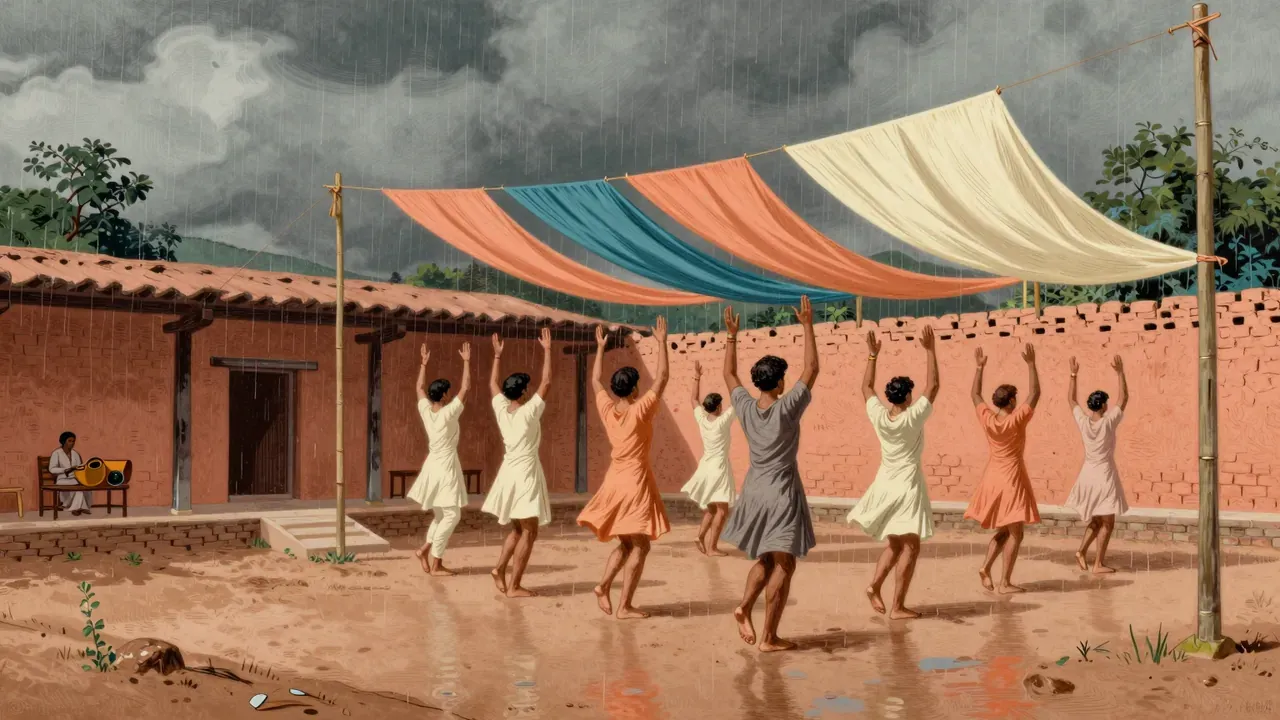
Uday Shankar’s 1948 Hindi-language film Kalpana is a pioneering dance ballet structured around a young dancer’s dream of founding an academy. Starring Shankar and his wife Amala Shankar, with music by Vishnudas Shirali and lyrics by Sumitranandan Pant and Devilal Samar, it treats choreography as primary language — rejecting conventional narrative in favour of rhythmic, symbolic, and spatial logic. Restored by NFAI and the World Cinema Foundation, it remains the first Indian feature to place classical and folk dance at its formal and philosophical core.

13:00

King of Jazz

John Murray Anderson, Paul Fejos · 1930

King of Jazz (1930) is a studio-made musical revue starring Paul Whiteman and his orchestra, filmed in early two-colour Technicolor. With no plot, it strings together musical numbers, blackout sketches, and novelty acts—including the first Technicolor animated segment, featuring Oswald the Lucky Rabbit. Though technically ambitious and historically significant (selected for the US National Film Registry in 2013), its static camerawork, dated humour, and promotional framing make it a demanding watch. Its value lies in preservation: as a record of early sound-film craft, Whiteman’s curated jazz, and the industrial logic of Hollywood’s transition to colour.

13:00

La Bamba

Luis Valdez · 1987

La Bamba (1987), directed by Luis Valdez, tells the story of Ritchie Valens’ rapid rise and early death, centred on his family in 1950s California. Lou Diamond Phillips stars, performing all vocals live; Los Lobos arranged and performed the music. The film avoids myth-making in favour of domestic texture, grounding Valens’ story in his mother’s quiet strength, his half-brother’s resentment, and his own fear of flying. It was selected for preservation in the National Film Registry in 2017.

13:00

Louie Bluie

Terry Zwigoff · 1985

Terry Zwigoff’s 1985 documentary Louie Bluie observes Howard Armstrong — fiddler, painter, linguist, raconteur — in his Detroit home. Shot with minimal equipment and no narration, it captures his music, wit, and visual artistry without contextualising his place in American musical history. The film’s power lies in its restraint: it treats Armstrong as a living, breathing person, not a historical exhibit.

13:00

Monterey Pop

D. A. Pennebaker · 1968

D. A. Pennebaker’s 1968 documentary captures select performances from the 1967 Monterey Pop Festival with minimal intervention: no narration, no crowd shots, no chronological fidelity. Shot on 16mm and mixed from live eight-track recordings, it presents Otis Redding, Ravi Shankar, Jimi Hendrix, The Who, and others as autonomous musical events — valued for physical presence, duration, and sonic fidelity rather than cultural symbolism. Its power lies in restraint, not revelation.

13:00

Nashville

Robert Altman · 1975

Robert Altman’s 1975 ensemble film follows twenty-four characters in the Nashville music industry over five days, culminating in a political rally and an unexplained assassination. Built from Joan Tewkesbury’s ethnographically grounded script and shot on location with overlapping dialogue and diegetic music, it treats fame, race, and populism as systems rather than subjects — observing more than judging, accumulating more than resolving.

13:00

Original Cast Album: Company

D. A. Pennebaker · 1970

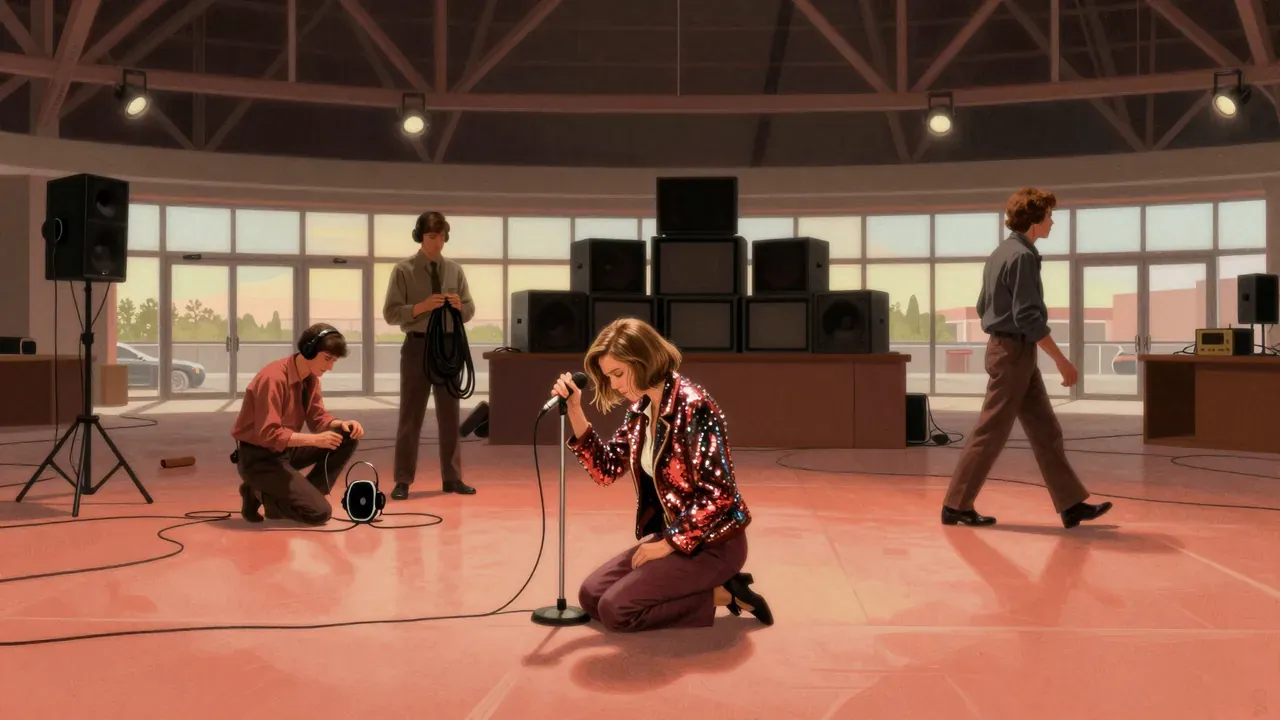
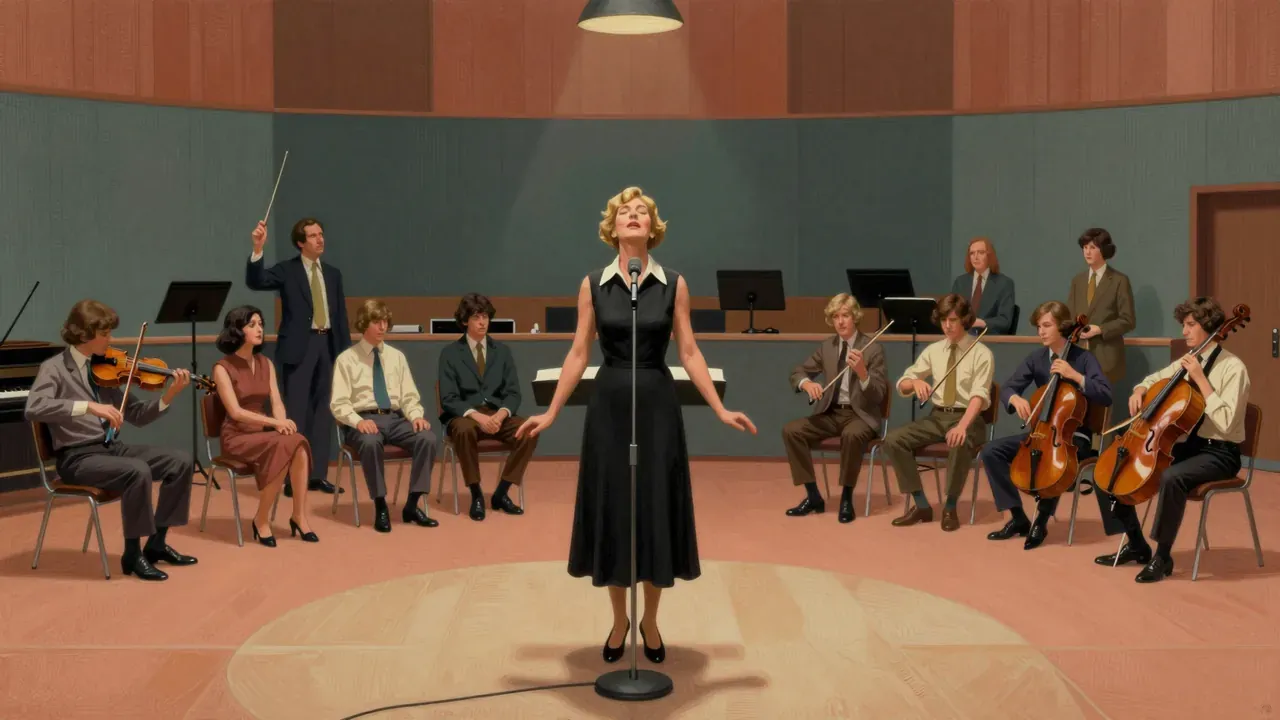
D. A. Pennebaker’s 1970 documentary observes the marathon studio session for the original cast album of Stephen Sondheim’s Company. Filmed over two days at Columbia Records’ 30th Street Studio, it captures singers, musicians, and producers wrestling with fatigue, pitch, and timing — most memorably Elaine Stritch’s repeated attempts at 'The Ladies Who Lunch'. Unvarnished, chronological, and devoid of narration or context, it treats recording as craft rather than spectacle.

13:00

Quadrophenia

Franc Roddam · 1979

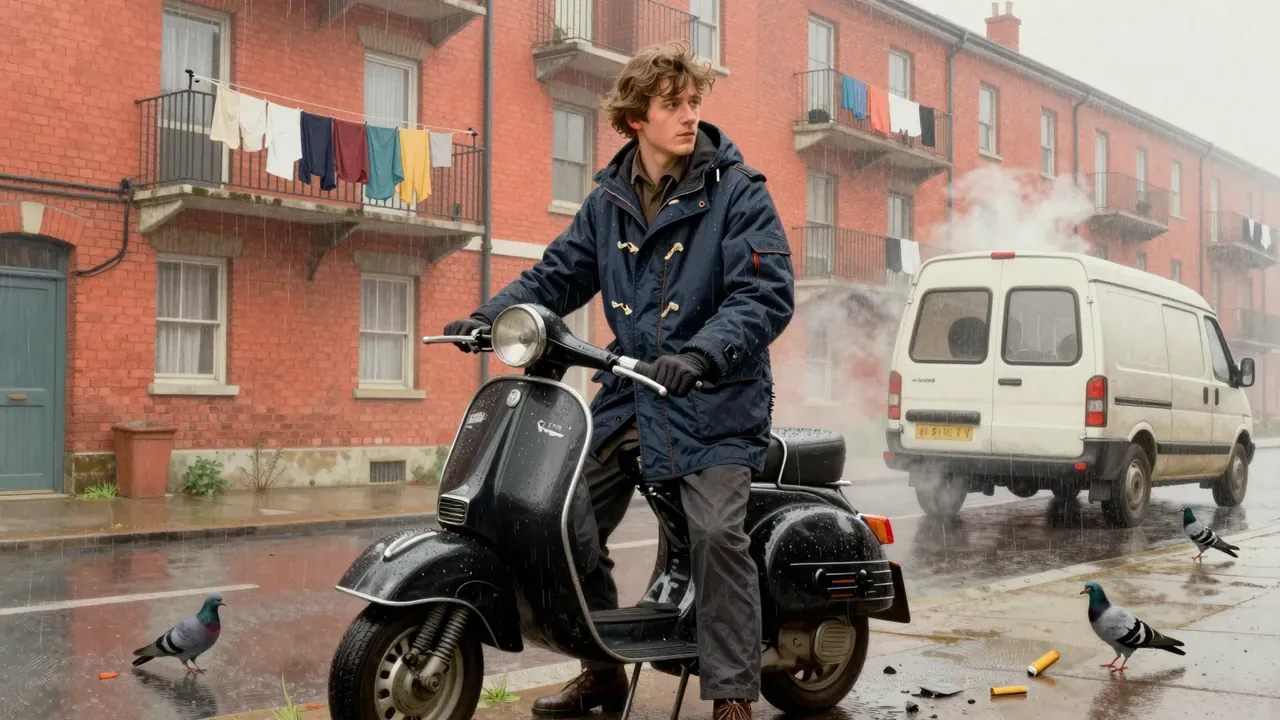
Quadrophenia (1979), directed by Franc Roddam, adapts The Who’s 1973 rock opera into a naturalistic British teen drama set in 1964–65. Starring Phil Daniels as Jimmy Cooper, a disillusioned London mod, it traces his descent through amphetamine use, scooter culture, dance-hall rivalry, and violent clashes with rockers — culminating in the Brighton bank holiday riots. Shot entirely on location except for one studio scene, it relies on physical performance, Brian Tufano’s unvarnished cinematography, and Pete Townshend’s sparingly used score. Not a musical, not nostalgic, it renders subculture as lived infrastructure — transport, stimulants, dress, and dance — all underpinned by class constraint and adolescent uncertainty.

13:00

Rolling Thunder Revue: A Bob Dylan Story by Martin Scorsese

Martin Scorsese · 2019

Rolling Thunder Revue is a hybrid concert film and constructed documentary, built from restored 1975 tour footage shot by Dylan for Renaldo and Clara, intercut with contemporary interviews — some real, some fictionalised. Directed by Martin Scorsese and produced by Jeff Rosen, it deliberately obscures the line between fact and invention, inviting the viewer to question memory, myth, and the ethics of archival storytelling. Released by Netflix in 2019, it foregrounds performance over biography and texture over testimony.

13:00

Round Midnight

Bertrand Tavernier · 1986

Bertrand Tavernier’s 1986 film follows American saxophonist Dale Turner (Dexter Gordon) as he seeks refuge from addiction in 1950s Paris, aided by a devoted French graphic designer (François Cluzet). Built around live jazz performances and anchored by Gordon’s restrained, deeply embodied performance, the film avoids biopic clichés to explore endurance, care, and the untranslatable language of music. Shot in Paris and New York, with a score by Herbie Hancock, it won the Academy Award for Best Original Score and was named one of the year’s top ten films by the National Board of Review.

13:00

Ryuichi Sakamoto | Opus

Neo Sora · 2024

Ryuichi Sakamoto | Opus documents the composer’s final solo piano concert in late 2022, filmed in real time with no interviews, narration or archival material. Directed by Neo Sora and shot by Bill Kirstein, it presents the performance with rigorous stillness—static frames, neutral light, unbroken duration. The film treats Sakamoto’s frailty and focus not as narrative elements but as acoustic and physical facts within the same field as the piano’s resonance. It is a concert film stripped of context, asking only for attention to duration, gesture and decay.

13:00

Show Boat

James Whale · 1936

James Whale’s 1936 Show Boat is a rigorously faithful adaptation of the Kern–Hammerstein musical, starring Irene Dunne and Paul Robeson. Shot by John J. Mescall and edited by Bernard W. Burton, it preserves the original’s multi-decade structure, racial themes, and theatrical grammar — even adding three new songs to deepen character rather than modernise. Though some late edits weaken its temporal arc, its integrity, restraint, and historical precision make it a singular artifact in Hollywood’s musical canon.

13:00

Sound of Metal

Darius Marder · 2019

Sound of Metal follows a metal drummer who loses his hearing and enters a deaf-run recovery community. Rejecting cure narratives, it charts his slow adaptation to silence, language, and stillness — not as loss, but as reorientation. Riz Ahmed’s performance and Nicolas Becker’s sound design anchor a film built on restraint, repetition, and tactile detail.

13:00

The Girl Can't Help It

Frank Tashlin · 1956

Frank Tashlin’s 1956 comedy stars Jayne Mansfield as a mobster’s girlfriend launched into stardom against her will. Built around performances by Little Richard, Fats Domino, Gene Vincent and others, it uses animation-derived timing and saturated DeLuxe Color to frame rock ’n’ roll as both commodity and spectacle. Though narratively thin and romantically inert, its visual confidence and musical density make it a singular artifact of mid-century media logic.

13:00

The Magic Flute

Ingmar Bergman · 1975

Ingmar Bergman’s 1975 film of Mozart’s The Magic Flute is a meticulous recreation of an eighteenth-century theatrical experience, shot in studio with a replica of the Drottningholm Palace Theatre. Using pre-recorded music and mimed performance, it foregrounds stagecraft, audience presence, and symbolic clarity over psychological realism or cinematic flourish. Its power lies in fidelity to ritual, not narrative.

13:00

The Mikado

Victor Schertzinger · 1939

The Mikado (1939) is a British Technicolor film adaptation of Gilbert and Sullivan’s 1885 comic opera, starring Martyn Green and members of the D’Oyly Carte Opera Company. Directed by Victor Schertzinger and produced by Geoffrey Toye, it preserves the original music and libretto with minimal alteration, using the London Symphony Orchestra and Marcel Vertès’s vivid art direction. Its strength lies in vocal precision and ensemble discipline; its limitation is its adherence to stage convention over cinematic language. It offers no cultural critique of its Japanese setting, treating it as decorative backdrop. A document of a performing tradition, not a reinterpretation.

13:00

The Rose

Mark Rydell · 1979

The Rose (1979), directed by Mark Rydell, stars Bette Midler as Mary Rose Foster, a self-destructive rock diva loosely inspired by Janis Joplin. Shot by Vilmos Zsigmond and scored by Paul A. Rothchild, it traces her final months amid touring, addiction, and a fraught relationship with her manager and a soldier-lover. The film avoids biographical literalism in favour of emotional precision, anchoring its drama in Midler’s live performances and the tactile realism of its late-1960s milieu. Nominated for four Academy Awards, it remains a singular entry in the musical-drama canon — unsentimental, unrelenting, and deeply embodied.

13:00

The Wiz

Sidney Lumet · 1978

Sidney Lumet’s 1978 musical The Wiz recasts The Wizard of Oz in Harlem and a decaying, stylised New York City, starring Diana Ross and Michael Jackson. Though critically panned on release for its script, pacing, and direction, its bold production design, choreography, and performances have cemented its status as a culturally vital, if uneven, cult classic.

13:00

Thelonious Monk: Straight, No Chaser

Charlotte Zwerin · 1988

Charlotte Zwerin’s 1988 documentary assembles rediscovered 1967 footage of Thelonious Monk in performance, rehearsal, and daily life, supplemented by interviews with collaborators and family. Produced by Clint Eastwood’s Malpaso Productions, it avoids narration and chronology in favour of sustained, intimate observation — capturing Monk’s physicality, discipline, and reserve with unprecedented fidelity. Selected for the National Film Registry in 2017, it remains the definitive visual record of the pianist at work.

13:00

Thirty Two Short Films About Glenn Gould

François Girard · 1993

François Girard’s 1993 Canadian film abandons linear biography for thirty-two discrete segments — documentary, re-enactment, animation, silence — each offering a distinct, unmediated angle on pianist Glenn Gould. Colm Feore performs with meticulous restraint, Alain Dostie photographs with quiet exactness, and the soundtrack uses only Gould’s own recordings. It does not seek to resolve his contradictions — his isolation, his technology use, his early retirement — but to hold them in careful, cumulative balance.

13:00

Total Balalaika Show

Aki Kaurismäki · 1994

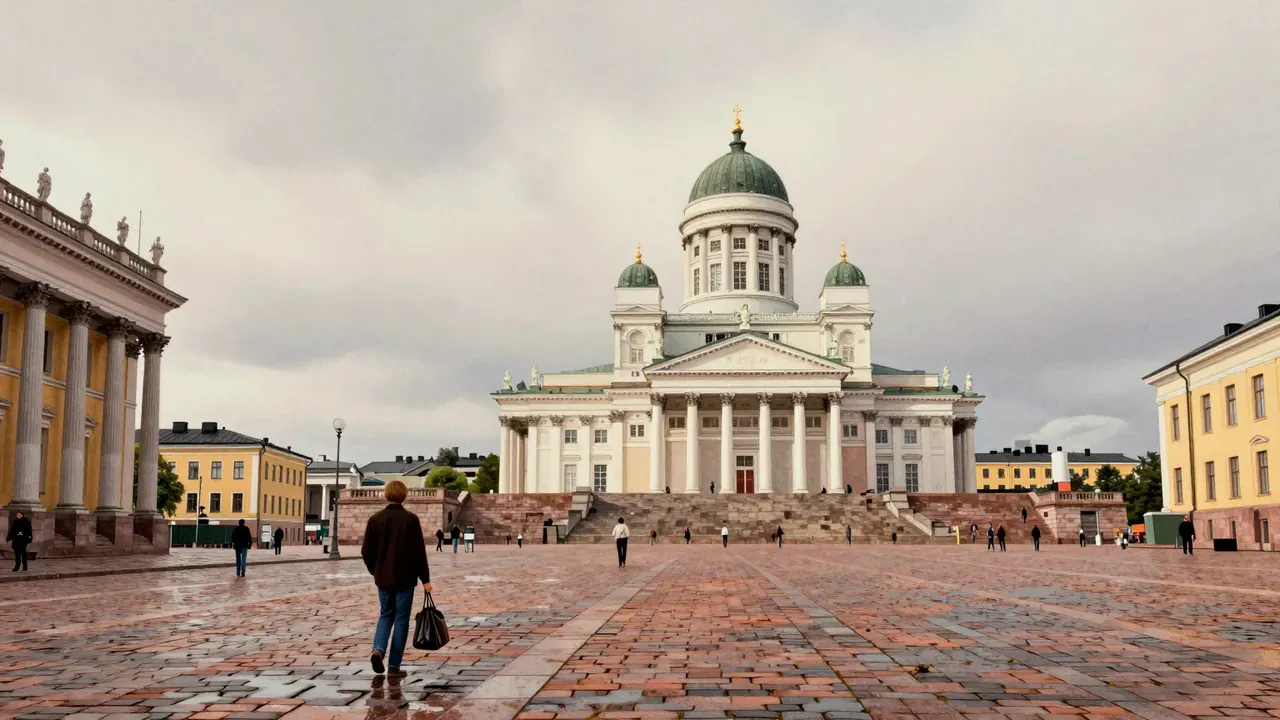
Total Balalaika Show (1994) documents a 1993 Helsinki concert pairing the Leningrad Cowboys and the Alexandrov Ensemble. Directed, written and produced by Aki Kaurismäki, it presents thirteen live songs in static, natural-light takes, avoiding commentary or context. At 57 minutes, it treats the event as self-evident: a factual, unembellished record of cultural coexistence.

13:00

Trances

Ahmed El Maanouni · 1981

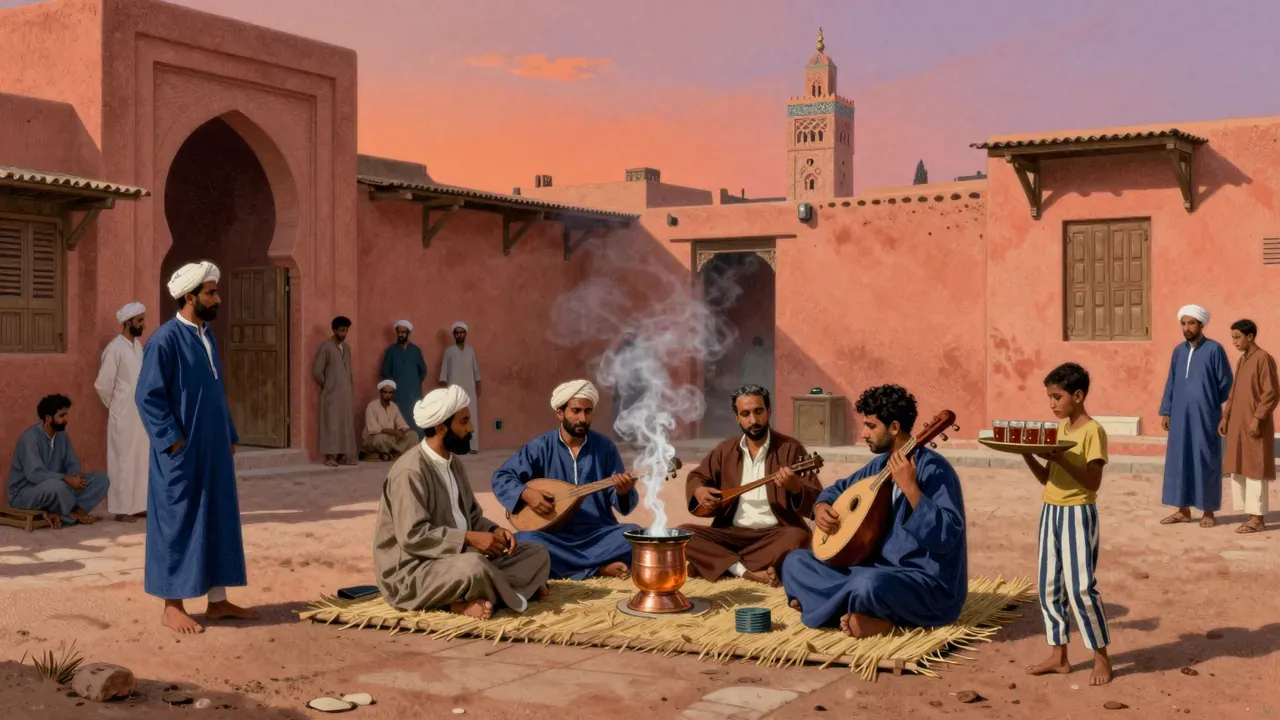
Trances (1981) is Ahmed El Maanouni’s docufiction portrait of Moroccan band Nass El Ghiwane, filmed in Morocco during live performances, interviews, and everyday moments. Blending contemporary footage with silent colonial-era archival clips, it foregrounds voice, rhythm, and communal presence over narrative or exposition. Restored in 2007 and distributed by Criterion, it remains a singular work of musical and cultural testimony.

13:00

Unfaithfully Yours

Preston Sturges · 1948

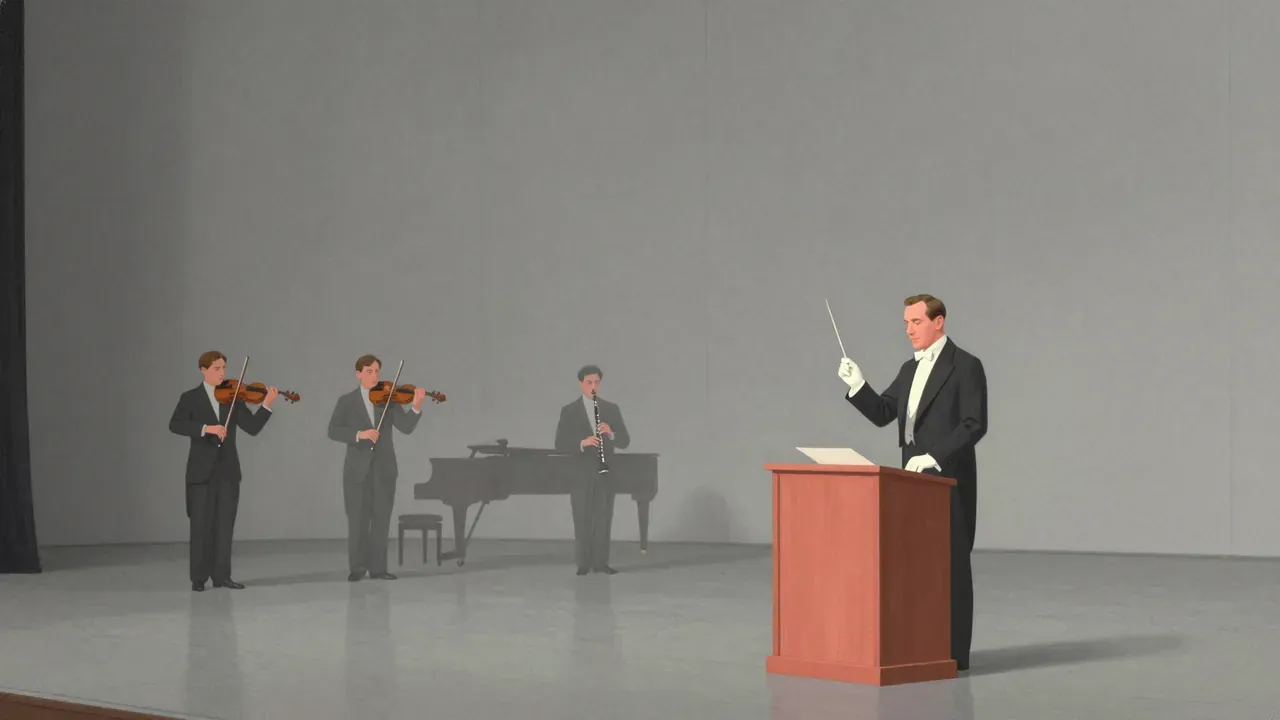
Preston Sturges’ 1948 comedy follows Sir Alfred de Carter, a world-renowned conductor who, suspecting his wife of infidelity, imagines three elaborate responses — murder, magnanimous forgiveness, and Russian roulette — each triggered by a piece of classical music he conducts in concert. Back home, his attempts to enact any of them unravel in farcical detail. With Rex Harrison, Linda Darnell and Alfred Newman, it is a formally inventive, musically anchored satire of ego, creativity and self-deception.

13:00

Víctimas del Pecado

Emilio Fernández · 1951

Emilio Fernández’s 1951 Víctimas del Pecado stars Ninón Sevilla as Violeta, a Cuban dancer who adopts an abandoned infant in Mexico City’s red-light district. Set in Churubusco Studios, the film blends mambo numbers by Pérez Prado and Pedro Vargas with a tightly wound melodrama of love, betrayal, and imprisonment. Gabriel Figueroa’s cinematography carves space into zones of glamour, austerity, and quiet domesticity. Though structurally uneven and reliant on genre convention, its physical expressiveness, moral clarity, and studio craft make it a defining work of post-war Mexican cinema.

13:00

An American in Paris

Vincente Minnelli · 1951

An American in Paris (1951) is a Metro-Goldwyn-Mayer musical directed by Vincente Minnelli, starring Gene Kelly and Leslie Caron. Built around George Gershwin’s music and Alan Jay Lerner’s screenplay, it follows an American painter in post-war Paris caught between two women — a ballerina and a patron — culminating in a seventeen-minute ballet sequence designed in homage to French painters. Its achievement lies in the integration of dance, design, and score into a single aesthetic statement, rather than in psychological depth or narrative innovation.

13:00

Jalsaghar

Satyajit Ray · 1958

Satyajit Ray’s 1958 Bengali drama follows Biswambhar Roy, a zamindar clinging to ritual and prestige as his estate crumbles. Shot at Nimtita Rajbari and a studio-built music room, it uses Chhabi Biswas’s restrained performance, Subrata Mitra’s deep-focus cinematography and Vilayat Khan’s diegetic classical score to chart decline not as crisis but as quiet, inevitable erosion. Awarded India’s National Film Award for Second Best Feature and Best Bengali Film in 1959, it has since been ranked among the greatest films ever made.

13:00

The Tales of Hoffmann

Michael Powell, Emeric Pressburger · 1951

Michael Powell and Emeric Pressburger’s 1951 Technicolor opera film transcribes Offenbach’s score into pure cinematic language—no dialogue, only sung text, stylised movement, symbolic colour and deliberately artificial sets. Framed by Hoffmann’s drunken recollection, three tales (Olympia, Giulietta, Antonia) unfold as tonal variations on obsession, each governed by a dominant hue and choreographed to Sir Thomas Beecham’s conducting. It is less a story about love than a demonstration of how film can function like music: through repetition, contrast, texture and timing.

13:00

West Side Story

Robert Wise, Jerome Robbins · 1961

West Side Story (1961) adapts the Broadway musical into a formally rigorous film where dance, editing and colour articulate racial tension and adolescent love in 1950s New York. Directed by Robert Wise and Jerome Robbins, it stars Natalie Wood and Richard Beymer, with music by Leonard Bernstein and choreography rooted in Robbins’s stage vision. Though its dramatic interludes lack the same force as its musical sequences, its sustained formal intelligence — in cinematography, editing and staging — secures its place as a benchmark for the genre.

13:00

Inside Llewyn Davis

Ethan Coen, Joel Coen · 2013

A 2013 Coen brothers film set in early-1961 New York, following folk singer Llewyn Davis over one wintry week. Oscar Isaac stars in a performance defined by vocal authenticity and physical weariness. Bruno Delbonnel’s muted cinematography and T Bone Burnett’s live-recorded folk soundtrack anchor a story that loops rather than progresses — rejecting biopic convention in favour of a precise, unsentimental study of artistic persistence without reward.

13:00

Swing Time

George Stevens · 1936

A 1936 RKO musical starring Fred Astaire and Ginger Rogers, directed by George Stevens. Built around Jerome Kern’s Oscar-winning score and Hermes Pan’s choreography, it uses a slender plot — a dancer delaying his wedding — purely to stage five major dance numbers. Its strengths lie in rhythmic invention, spatial precision, and the emotional weight carried by movement alone. Its weaknesses include narrative thinness, underdeveloped supporting characters, and the unresolved presence of blackface in ‘Bojangles of Harlem’. Widely regarded as the peak of the Astaire–Rogers partnership, it remains a benchmark for musical film craft.
13:00

Tender Mercies

Bruce Beresford · 1983

Tender Mercies (1983), directed by Bruce Beresford and written by Horton Foote, follows Mac Sledge — a washed-up country singer recovering from alcoholism — as he rebuilds a life with a young widow and her son in rural Texas. Robert Duvall’s Oscar-winning performance anchors a film defined by restraint: sparse dialogue, unvarnished performances, and a documentary-like gaze. It avoids melodrama, instead locating meaning in small, repeated acts of care — mowing the lawn, singing quietly, sharing meals. Shot on location in Waxahachie, Texas, with Russell Boyd’s naturalistic cinematography and George Dreyfus’s understated score, it is a study in endurance, presence, and the quiet persistence of mercy.
13:00

The Great Ziegfeld

Robert Z. Leonard · 1936

The Great Ziegfeld (1936) is MGM’s lavish biographical musical about Florenz Ziegfeld Jr., starring William Powell, Luise Rainer and Myrna Loy. Directed by Robert Z. Leonard and produced by Hunt Stromberg, it prioritises spectacle over accuracy — staging extravagant musical numbers, deploying hundreds of costumers and technicians, and constructing monumental sets like the 100-ton ‘Melody’ staircase. Though factually loose and dramatically thin, its unwavering commitment to scale, craft and ceremonial grandeur makes it a defining artefact of studio-era ambition.

13:00

The Sound of Music

Robert Wise · 1965

Robert Wise’s 1965 musical adapts the Broadway hit into a 174-minute cinematic fable set in Salzburg: Julie Andrews as Maria, Christopher Plummer as Captain von Trapp, and their family’s flight from Nazi annexation. Shot on location with Ted McCord’s naturalistic cinematography and Richard Rodgers’ integrated score, it prioritises emotional continuity over psychological ambiguity. While its political simplification and runtime demand patience, its craft, sincerity, and structural confidence make it a durable artefact of mid-century humanism — not as history, but as enduring emotional syntax.

13:00

Fantasia

James Algar, Samuel Armstrong, Ford Beebe Jr., Norm Ferguson · 1940

Fantasia sets eight animated sequences to classical pieces conducted by Leopold Stokowski, introduced on screen by critic Deems Taylor, ranging from abstract shapes moving to Bach to dancing hippos set to Ponchielli. It began as The Sorcerer's Apprentice, a Mickey Mouse vehicle whose spiralling budget only made sense as part of something larger; Disney and RCA built a pioneering multi-speaker sound system, Fantasound, specifically to give the film's roadshow release a sound quality no cinema of 1940 otherwise offered.

13:00

Fantastic Animation Festival

Dean A. Berko, Christopher Padilla · 1977

Released theatrically in 1977, this package film strings together sixteen animated shorts by different filmmakers, including the national debut of Will Vinton's Claymation, the cult short Bambi Meets Godzilla, and a Cat Stevens-scored promo narrated by Spike Milligan. Directed by Dean A. Berko and Christopher Padilla, it helped establish the animation-anthology format later continued by Spike and Mike's Festival of Animation.

13:00

Yellow Submarine

George Dunning · 1968

The Beatles' animated counterparts, voiced by actors rather than the band themselves, sail to Pepperland to save it from the music-hating Blue Meanies, with the story mostly serving as connective tissue between sequences built around individual songs. George Dunning directed, with art director Heinz Edelmann's psychedelic pop-art style giving the film a visual identity that outlived its plot.