A decade in production
Sleeping Beauty follows Princess Aurora, cursed at birth by the fairy Maleficent to die by pricking her finger on a spinning wheel, a curse softened by three good fairies into a deep sleep that only true love’s kiss can break. Disney had considered adapting Charles Perrault’s tale as early as 1938, but formally registered the title in 1950, following a positive test audience response to Cinderella, and wanted the film to represent the studio’s most accomplished fairy-tale work yet, distinct from Snow White and Cinderella rather than a repeat of either. That ambition meant discarding a complete storyboard in 1952 because it felt too similar to what had come before, and starting over almost from scratch.
A visual style built on medieval tapestry
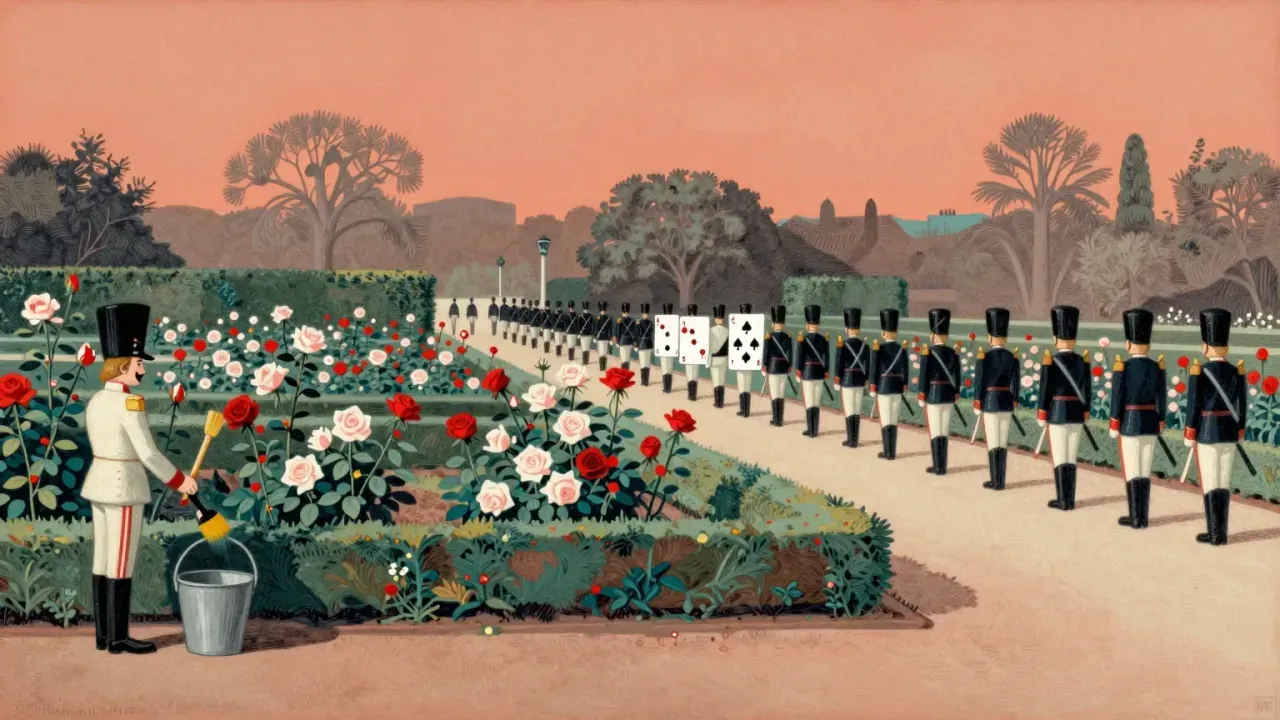
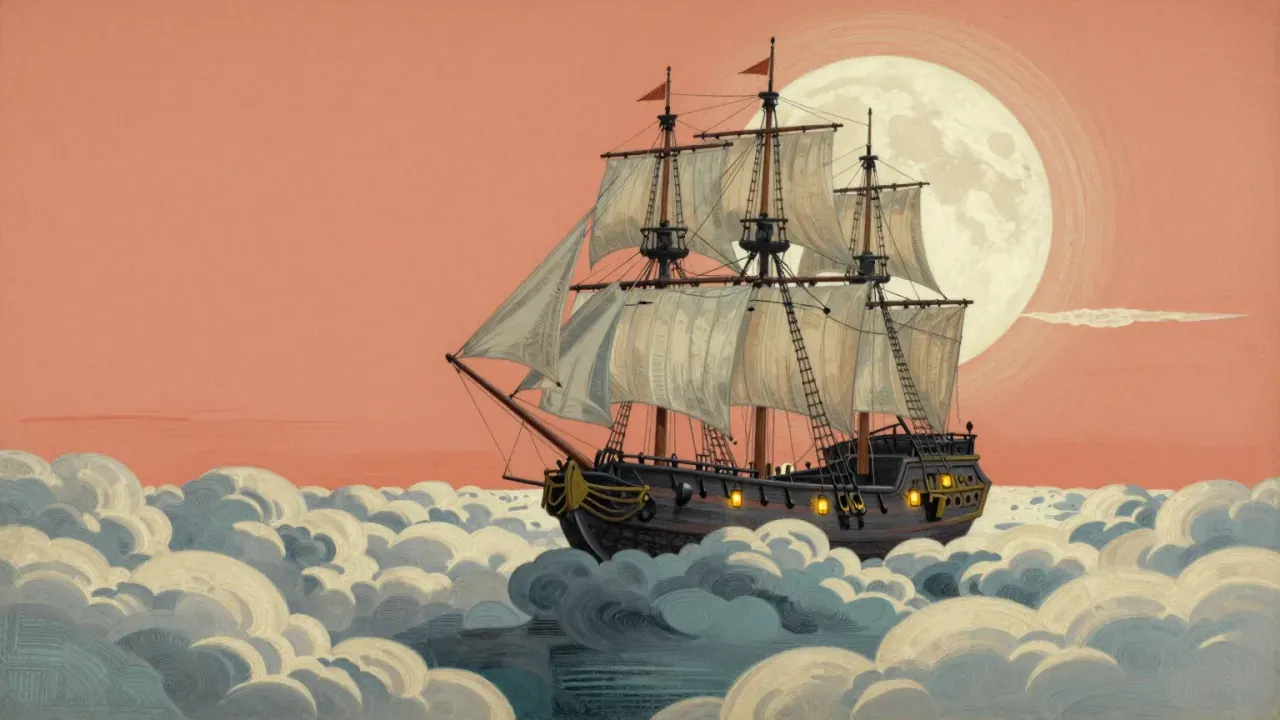
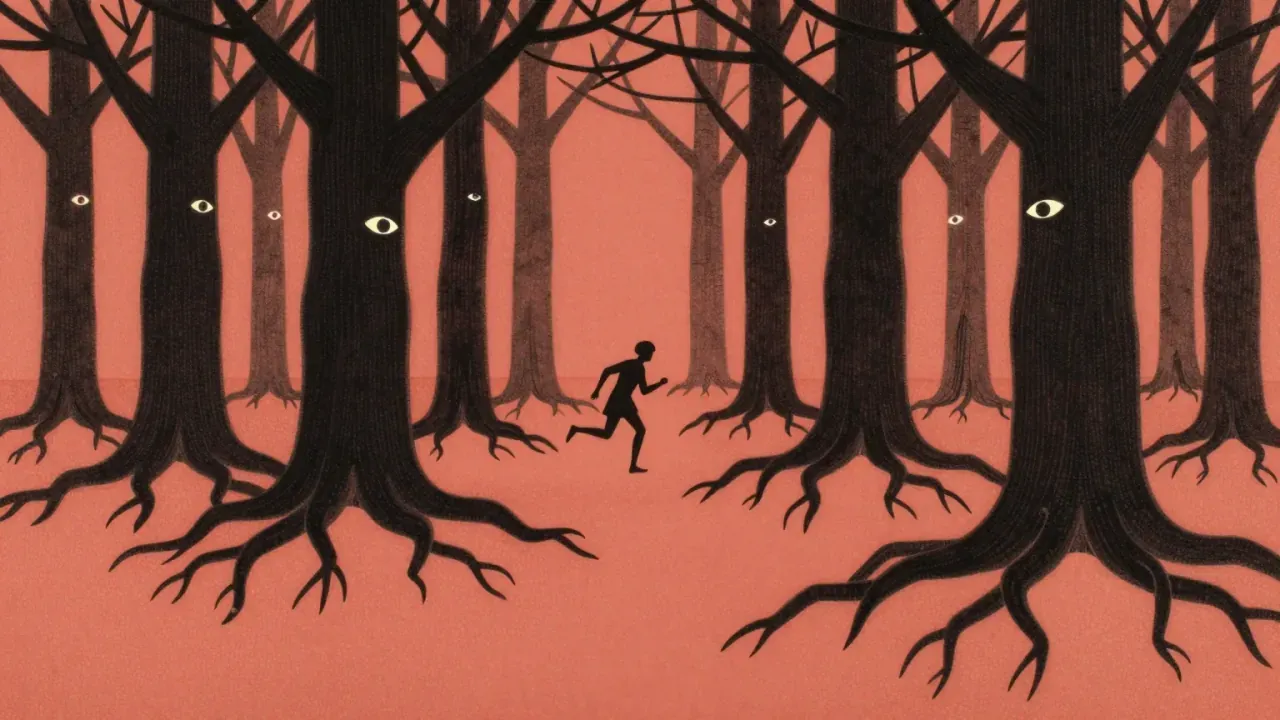
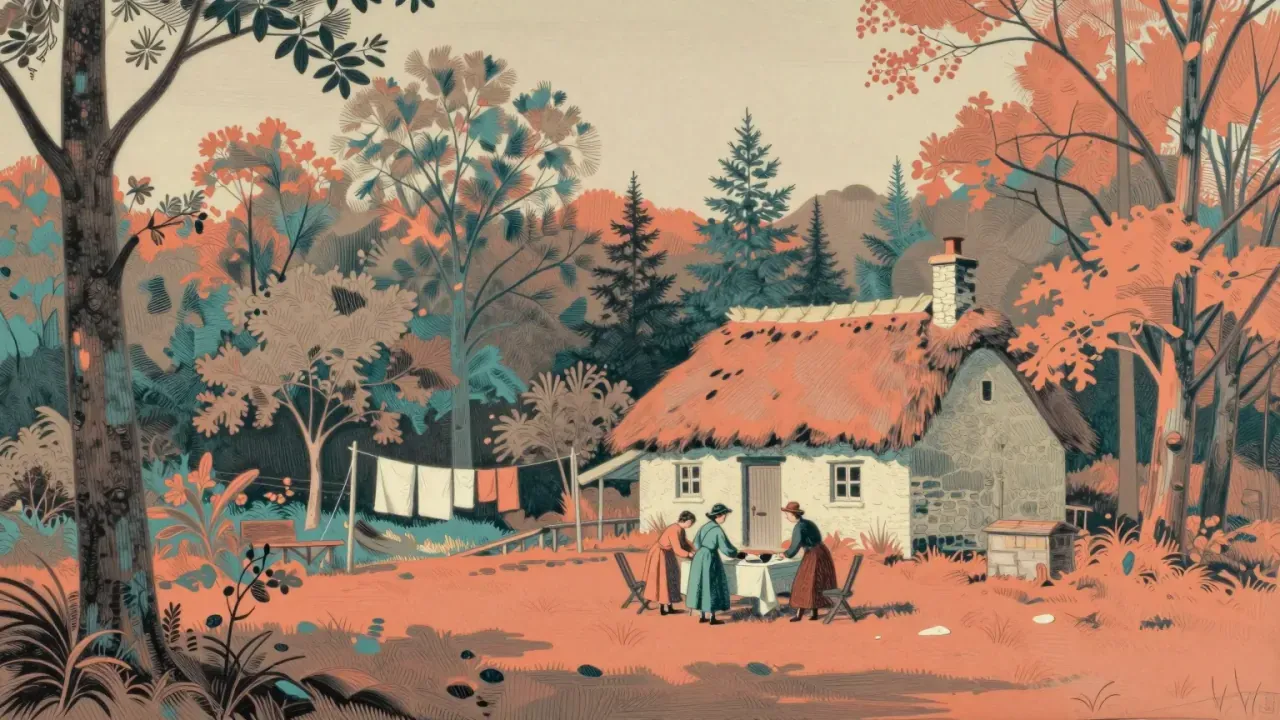
The film’s most distinctive achievement is visual: designer Eyvind Earle built a flat, decorative style drawing on pre-Renaissance European tapestry and painting, giving the backgrounds a stylised, almost heraldic quality unlike the softer naturalism of Disney’s earlier features. That style extends to how the film was shot — Sleeping Beauty was the first animated film to use the Super Technirama 70 widescreen process, a technical choice suited to Earle’s wide, composed frames. George Bruns adapted the score from Tchaikovsky’s 1889 Sleeping Beauty ballet, giving the music a classical grandeur that matches Earle’s visual ambition even where the story itself moves more simply.
A three-year search for one voice
Casting Aurora took Disney three years. Mary Costa was invited to audition after being overheard singing at an industry dinner party, but her strong Southern accent nearly disqualified her until she demonstrated she could also perform convincingly with a British inflection; she then recorded her lines intermittently over three years as the film’s story and songs were finalised. Eleanor Audley, personally requested by Disney for the role of Maleficent, initially turned the part down over health concerns before reconsidering, and her performance — cold, theatrical, entirely in control — became the film’s most memorable element, arguably more so than Aurora’s own comparatively thin characterisation.
Maleficent overshadowing the princess she curses
Aurora has strikingly little dialogue for a title character, and the film’s story artists, aware of the difficulty of differentiating her from Snow White and Cinderella, gave her a passive backstory: raised in a forest cottage by the fairies without knowledge of her royal identity, discovering her situation only once the plot requires it. That choice solves a structural problem — a third princess needed a different flavour of naivety — but it leaves Aurora more a function of the plot than a character driving it, present mainly to be endangered, cursed, and eventually kissed awake by someone else’s action.
A romance settled before it’s earned
The romance between Aurora and Prince Phillip is established in a single forest encounter before the curse takes hold, and the film asks the audience to accept it as true love on the strength of one scene and a shared song. That’s consistent with fairy-tale convention, but it means the film’s emotional stakes rest less on the central couple than on the conflict between the good fairies and Maleficent, which gets considerably more screen time and dramatic development, including a full battle sequence with a dragon transformation that outshines anything involving the romance it’s ostensibly protecting.
Who this is for
This rewards viewers who respond to visual ambition and painterly design over character depth — Earle’s backgrounds alone justify watching on a big screen if possible, and the widescreen dragon battle is a genuine set piece. It also suits anyone who finds a well-drawn villain more compelling than a well-drawn heroine, since Maleficent easily outclasses Aurora as a character. It’s a weaker fit for viewers who want their title character actively shaping the story, since Aurora spends most of the film either unaware of the plot around her or unconscious within it.
Is it worth the evening
The film lost roughly $900,000 for its distributor on a $6 million budget, an outcome serious enough that it triggered layoffs across Disney’s animation department, and it received mixed reviews on release despite the visual ambition now widely credited to it. Its reputation has grown substantially since, and it currently holds a 90% score on Rotten Tomatoes and 85 on Metacritic — numbers that better reflect the film’s visual achievement than its original commercial reception did. Worth the evening primarily as a design object as much as a story, one whose ambition outpaced what audiences in 1959 were prepared to reward.