filmbriefs
Newest

All briefs

2035 briefs · 26452 min · 1249–1344 on page 14 of 22
13:00

The Shrouds

David Cronenberg · 2024

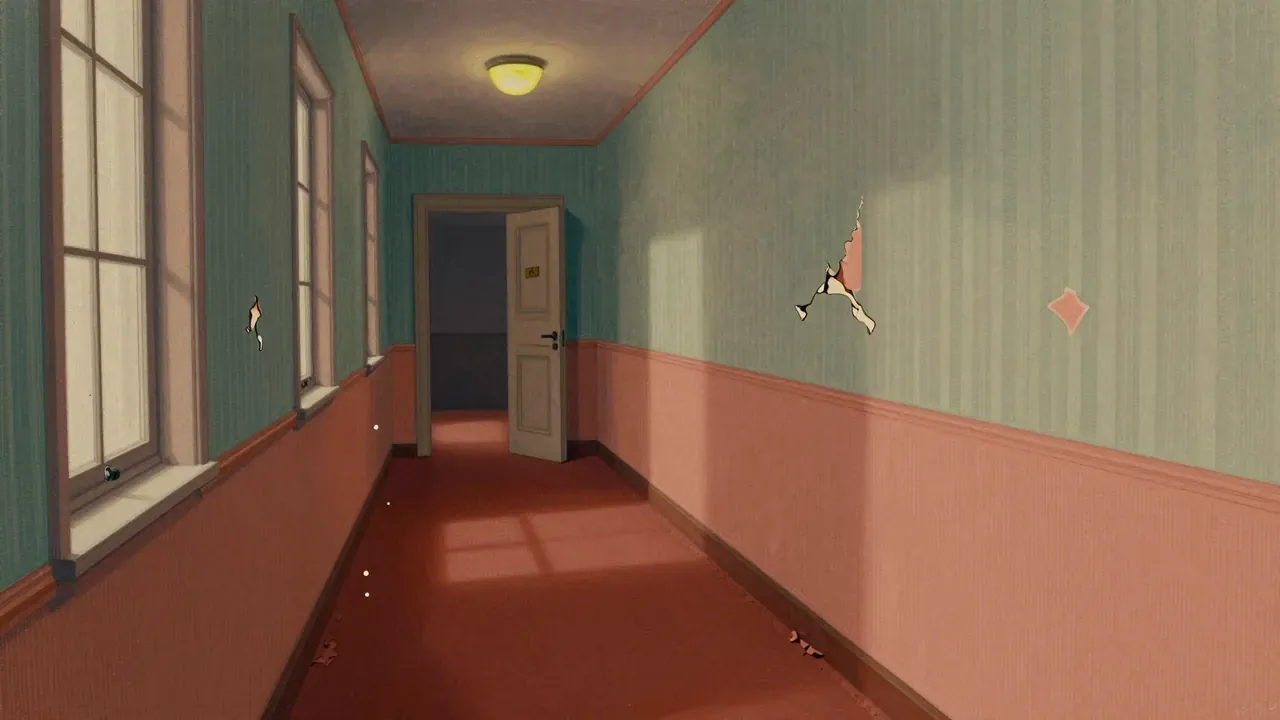
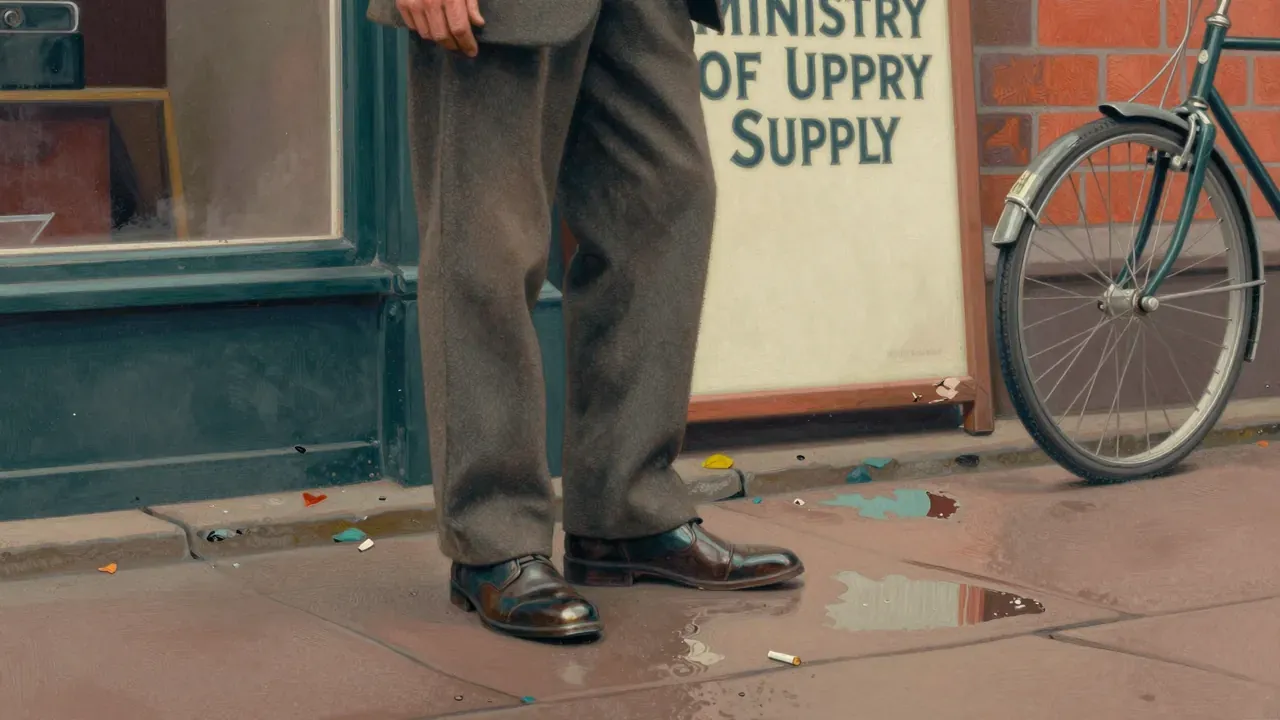
David Cronenberg’s 2024 film *The Shrouds* follows a widowed inventor who develops ‘GraveTech’, a technology that broadcasts live 3D images of decomposing corpses via modified shrouds. Set in Toronto and conceived as a response to the director’s own bereavement, the film explores grief as a physical, technological, and architectural condition — one that can be hacked, misrendered, and eroticised. With Vincent Cassel, Diane Kruger, and Guy Pearce, it sustains a tone of clinical unease, privileging conceptual rigour over narrative resolution.
13:00

The Silence

Ingmar Bergman · 1963

Ingmar Bergman’s 1963 drama follows two estranged sisters and a child stranded in a nameless, linguistically impenetrable city on the edge of war. With sparse dialogue, deliberate pacing and Sven Nykvist’s muted cinematography, it renders the collapse of communication — between people, languages, selves. Not a puzzle to solve but a space to inhabit, its power lies in what it withholds.

13:00

The Small Back Room

Michael Powell, Emeric Pressburger · 1949

Michael Powell and Emeric Pressburger’s 1949 adaptation of Nigel Balchin’s novel follows a disabled weapons scientist navigating bureaucratic inertia, chronic pain, and personal collapse during the Second World War. Shot in naturalistic style across London and Dorset, it trades spectacle for psychological texture, locating heroism in quiet mastery rather than action. David Farrar delivers a physically anchored performance, supported by Kathleen Byron and a tightly drawn ensemble. Though its middle stretches sag under procedural weight, the film’s final sequence — a harrowing, tactile disarming of a Nazi booby trap — affirms its core concern: dignity earned through endurance, not bestowed by victory.

13:00

The Smiling Lieutenant

Ernst Lubitsch · 1931

Ernst Lubitsch’s 1931 musical comedy follows an Austrian lieutenant whose ill-timed wink sparks a royal marriage, a broken engagement, and a surprisingly tender act of sabotage. Built on Oscar Straus’s operetta and sharpened by Samson Raphaelson’s script, it balances Chevalier’s charm, Colbert’s poise, and Hopkins’s vulnerability within tightly controlled studio spaces. Technically assured for its time, it privileges tonal precision over psychological realism — and ends not with reconciliation, but with a satin-clad, cigarette-puffing princess and a wink that closes the door on easy answers.

13:00

The Soft Skin

François Truffaut · 1964

François Truffaut’s 1964 drama follows Pierre Lachenay, a married writer and lecturer, as he begins an affair with a young flight attendant. Shot on location in Paris, Reims and Lisbon by Raoul Coutard, the film observes the slow, unceremonious collapse of Pierre’s double life — not through melodrama, but through accumulated silences, evasions and logistical missteps. Its power lies in its restraint: no voiceover, no score-driven emotion, no moral framing. The ending arrives with shocking abruptness, underscoring the film’s central concern — not why people fall apart, but how quietly they do so.

13:00

The South

Víctor Erice · 1983

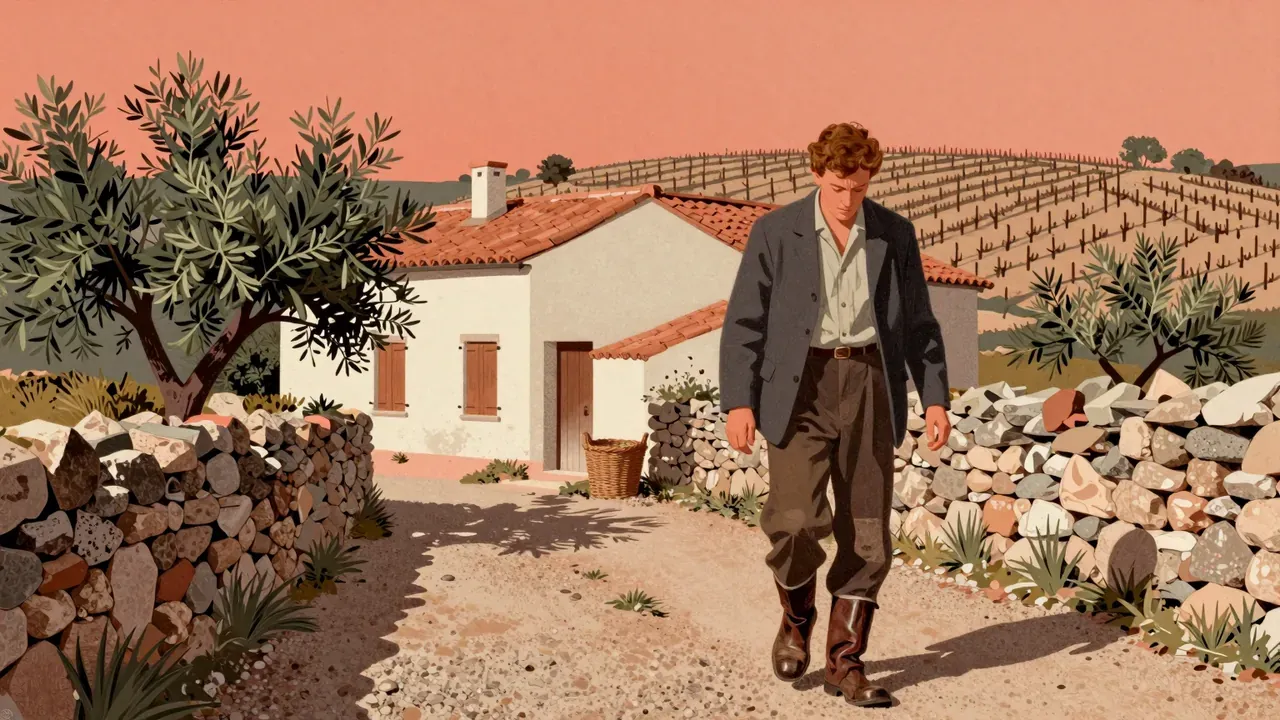
Set in northern Spain in the late 1950s, Víctor Erice’s The South traces a young girl’s quiet, persistent attempt to understand her father’s hidden past — his childhood in the south, his Republican past, his estrangement from his family, and his enduring attachment to an actress named Irene Ríos. Adapted from Adelaida García Morales’ novella and shot by José Luis Alcaine Escaño, the film proceeds through restrained, image-led episodes, treating memory as physical trace and silence as narrative agent. It was produced by Elías Querejeta and entered the 1983 Cannes Film Festival.

13:00

The Spirit of the Beehive

Víctor Erice · 1973

Víctor Erice’s 1973 debut is a quietly devastating portrait of six-year-old Ana in a remote Castilian village in 1940. With minimal dialogue and luminous, restrained cinematography by Luis Cuadrado, it traces her inner life as she navigates familial distance, the lingering trauma of civil war, and a growing fascination with Frankenstein’s monster — a figure she comes to see as a spirit she might summon. Set against barren landscapes and honey-coloured light, the film uses childhood perception to evoke repression, memory, and resilience without stating them outright.

13:00

The Spy Who Came in from the Cold

Martin Ritt, Paul Dehn, Guy Trosper · 1965

A 1965 British spy film adapted from John le Carré’s novel, following MI6 agent Alec Leamas as he stages a defection to East Germany. Directed by Martin Ritt and shot by Oswald Morris, it trades action for atmosphere, using restrained performances, deliberate pacing, and a muted palette to expose the hollowness of Cold War certainties. Richard Burton anchors a cast including Claire Bloom and Oskar Werner, while Sol Kaplan’s sparse score and Anthony Harvey’s unhurried editing deepen its sense of procedural dread.

13:00

The Squid and the Whale

Noah Baumbach · 2005

Set in 1986 Brooklyn, The Squid and the Whale follows two brothers navigating their parents’ bitter separation. Bernard, a failing novelist, clings to intellectual superiority; Joan, his wife, emerges as a writer in her own right. Their sons absorb the conflict differently: Walt mimics his father’s arrogance and dishonesty; Frank rebels in smaller, messier ways. Shot on Super 16 with tight, handheld framing, the film sustains a claustrophobic intimacy, using music, silence and overlapping dialogue to convey emotional erosion. Semi-autobiographical and formally rigorous, it offers no redemption—only recognition.

13:00

The Steel Helmet

Samuel Fuller · 1951

Samuel Fuller’s 1951 war film The Steel Helmet is the first American feature about the Korean War, made independently in ten days on a $104,000 budget. It follows a grizzled U.S. sergeant and a ragged patrol taking refuge in a Buddhist temple, confronting racism, command failure and moral compromise under fire. Ernest Miller’s cinematography and Fuller’s lean script prioritise psychological realism over spectacle. Though constrained by its production, the film remains a landmark for its immediacy, thematic rigour and refusal to flatter its subject — or its audience.

13:00

The Story of a Three-Day Pass

Melvin Van Peebles · 1967

Melvin Van Peebles’s debut feature follows Turner, a Black US soldier on a three-day pass in France, as he meets and falls for Miriam, a white French shop clerk. Shot in Paris with a small crew and budget, the film traces their brief, tender, and fraught connection against a backdrop of Cold War militarism and unspoken racial hierarchy. Its power lies in understatement: long takes, sparse dialogue, and psychologically charged silences convey more than exposition ever could.

13:00

The Story of Temple Drake

Stephen Roberts · 1933

Stephen Roberts’s 1933 adaptation of William Faulkner’s Sanctuary stars Miriam Hopkins as Temple Drake, a Southern woman whose recklessness leads to coercion, assault, and courtroom reckoning. Produced by Benjamin Glazer at Paramount, shot by Karl Struss, and adapted under strict pre-Code scrutiny, it softens the novel’s extremes but retains its moral unease — making it a key document of Hollywood’s transition into enforced restraint.

13:00

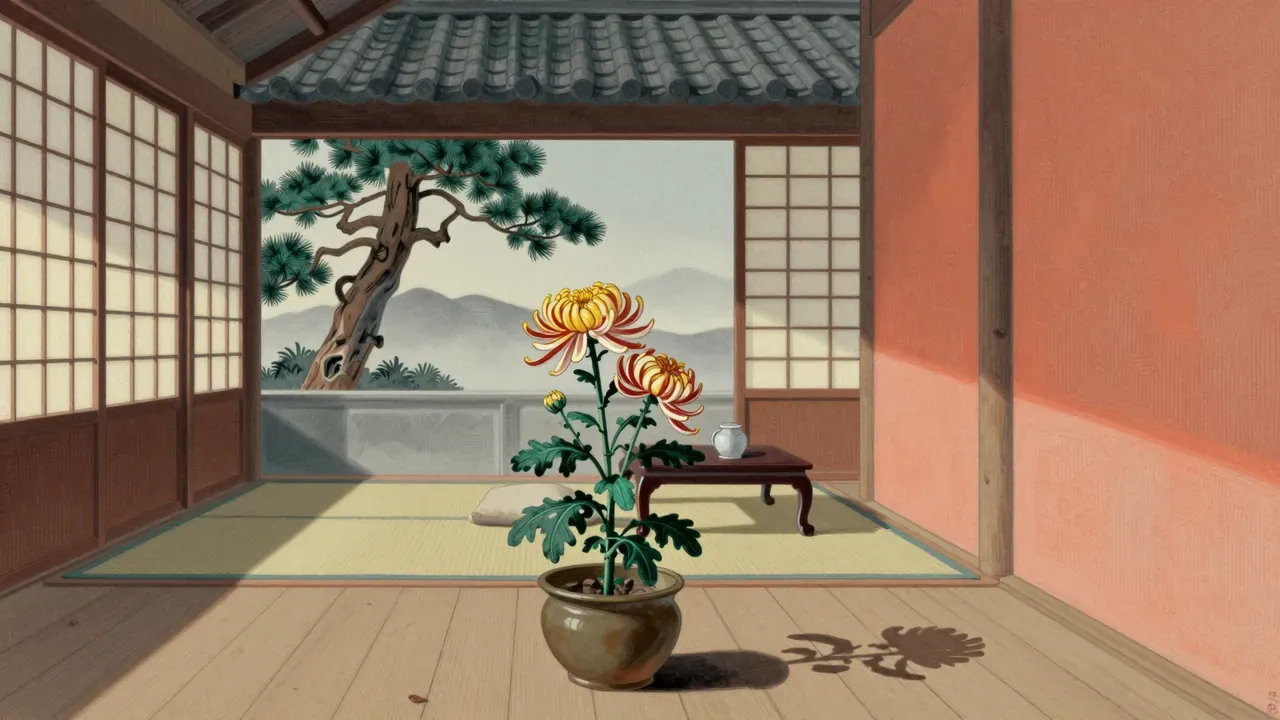
The Story of the Last Chrysanthemum

Kenji Mizoguchi · 1939

Kenji Mizoguchi’s 1939 film follows Kikunosuke Onoe, an onnagata striving to master his craft in Meiji-era Japan. His progress is inextricable from Otoku, the wet nurse who becomes his critic, partner, and eventual sacrifice. Shot in extended takes by Minoru Miki and written by Shōfū Muramatsu and Yoshikata Yoda, the film charts fourteen years of ambition, exile, and quiet endurance — culminating not in reconciliation but in belated recognition, delivered too late to alter outcome.

13:00

The Stranger

Satyajit Ray · 1991

Satyajit Ray’s last film, The Stranger (1991), follows a Calcutta family unsettled by the arrival of a man claiming to be Anila Bose’s long-lost uncle. Over three days, his presence provokes escalating suspicion, philosophical debate, and quiet self-reckoning — not about whether he is who he says he is, but about why certainty matters more than welcome. Shot in restrained natural light, driven by dialogue and performance, it is a gentle, unsentimental meditation on trust, inheritance, and the cost of vigilance in a changing India.

13:00

The Suitor

Pierre Étaix · 1963

Pierre Étaix’s 1962 debut The Suitor is a meticulously timed comedy about a man racing to marry before a deadline, modelled on Buster Keaton’s Seven Chances but filtered through Gallic irony and silent-era physical logic. With minimal dialogue, clean framing, and relentless cause-and-effect plotting, it turns courtship into bureaucratic theatre. Though its final act falters and some gags rely on period-specific codes, its control of rhythm and commitment to form make it a distinctive, demanding, and rewarding work of mid-century French comedy.

13:00

The Sword of Doom

Kihachi Okamoto · 1966

Kihachi Okamoto’s 1966 jidaigeki adapts Kaizan Nakazato’s unfinished novel as a stark, episodic descent: Tatsuya Nakadai’s Ryunosuke Tsukue, an amoral master swordsman, moves from calculated killings to haunted delusion, culminating in a freeze-frame mid-massacre. With minimal dialogue, tight compositions, and Masaru Sato’s percussive score, the film renders nihilism as physical fact — not through exposition, but posture, timing, and repetition. Its power lies in what it refuses: explanation, redemption, or release.

13:00

The Taking of Power by Louis XIV

Roberto Rossellini · 1966

Roberto Rossellini’s 1966 television film charts Louis XIV’s consolidation of power not through battle or charisma, but through administrative rigour, spatial control, and ceremonial discipline. Shot in 23 days with non-professional actors and restrained cinematography, it presents the birth of the modern French state as a slow, procedural accumulation — where tax reform, Versailles’ construction, and the arrest of Fouquet are all moments in the same system. Its power lies in its austerity: no score, no close-ups, no moralising — just the steady, unsettling logic of institutional control.

13:00

The Tale of Zatoichi

Kenji Misumi · 1962

The 1962 Japanese jidaigeki film The Tale of Zatoichi introduces Shintarō Katsu as the blind masseur-swordsman Zatoichi, hired by warring yakuza factions. Directed by Kenji Misumi and written by Kan Shimozawa, it establishes a tone of quiet gravity, where honour is enacted in small refusals and violence resolved with minimal flourish. Its strength lies in the restrained performances, Akira Ifukube’s percussive score, and its refusal to romanticise either disability or bushidō. Though some supporting characters remain underdeveloped, the central relationship between Zatoichi and the dying ronin Hirate gives the film its enduring resonance.

13:00

The Tale of Zatoichi Continues

Kazuo Mori · 1962

The Tale of Zatoichi Continues (1962), directed by Kazuo Mori and starring Shintarō Katsu, is the second entry in Daiei Film’s long-running series. Returning one year after the first film, Zatōichi visits Joshoji Temple to pay respects, crosses paths with his one-armed brother Yoshirō, and navigates threats from a mad lord’s retainers and local yakuza. With a lean 72-minute runtime, tight framing, and Ichirō Saitō’s restrained score, it prioritises gesture over exposition and recurrence over revelation — deepening the character not through backstory but through repetition, silence, and consequence.

13:00

The Tall T

Budd Boetticher · 1957

The Tall T (1957), directed by Budd Boetticher and starring Randolph Scott, is a tightly wound Western adapted from Elmore Leonard’s 'The Captives'. When ranch hand Pat Brennan is kidnapped alongside a reluctant heiress by three outlaws, the film becomes a study in constrained choice, quiet courage, and the cost of moral consistency. Shot by Charles Lawton Jr. and edited by Al Clark, it relies on stillness, silence, and precise performance over action. Its power lies in what it omits—and what it insists the viewer notice instead.

13:00

The Testament of Dr. Mabuse

Fritz Lang · 1933

Fritz Lang’s 1933 crime-thriller, made weeks before Hitler’s rise and banned by Goebbels on release, follows Inspector Lohmann as he traces a wave of violence back to the asylum-bound Dr. Mabuse — whose written plans are carried out by others who don’t know they’re obeying. Shot in German and French simultaneously, with stark lighting, deliberate pacing and Hans Erdmann’s sparse score, it treats criminal conspiracy as ideological contagion. Though weakened by a dispensable romance and a rushed finale, its formal control and political prescience make it essential viewing — not as escapism, but as diagnosis.

13:00

The Thick-Walled Room

Masaki Kobayashi · 1956

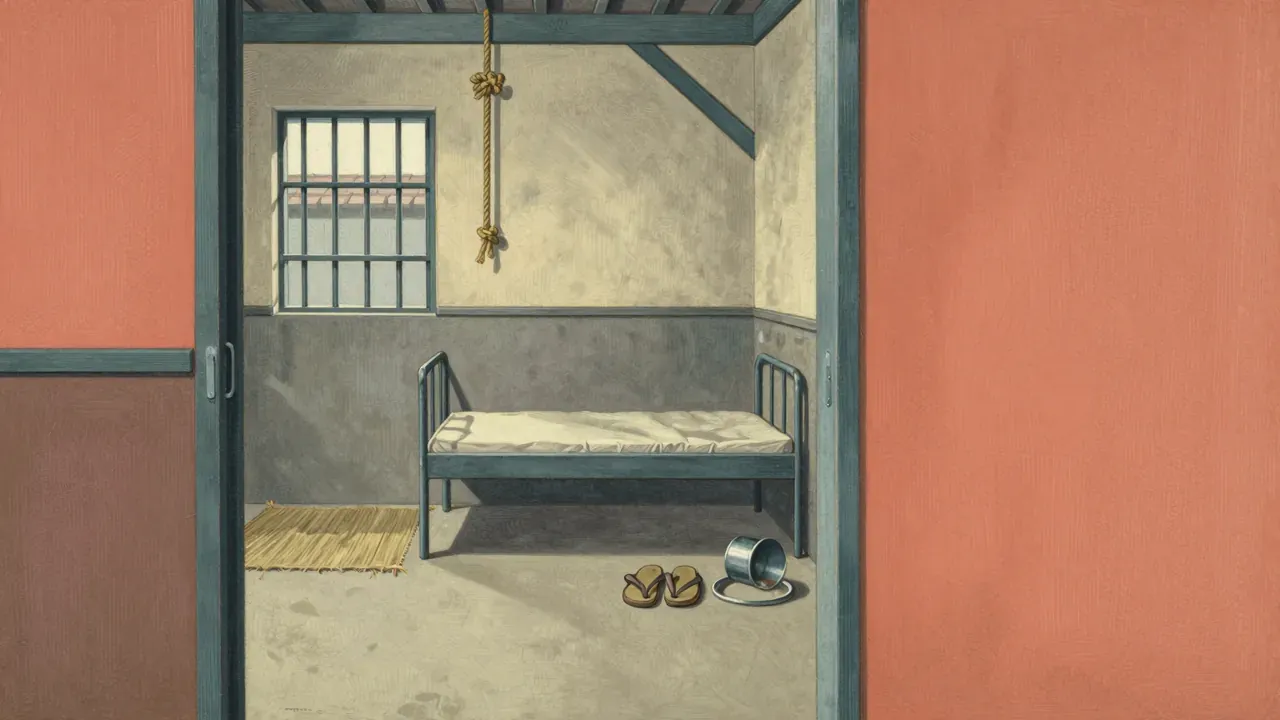
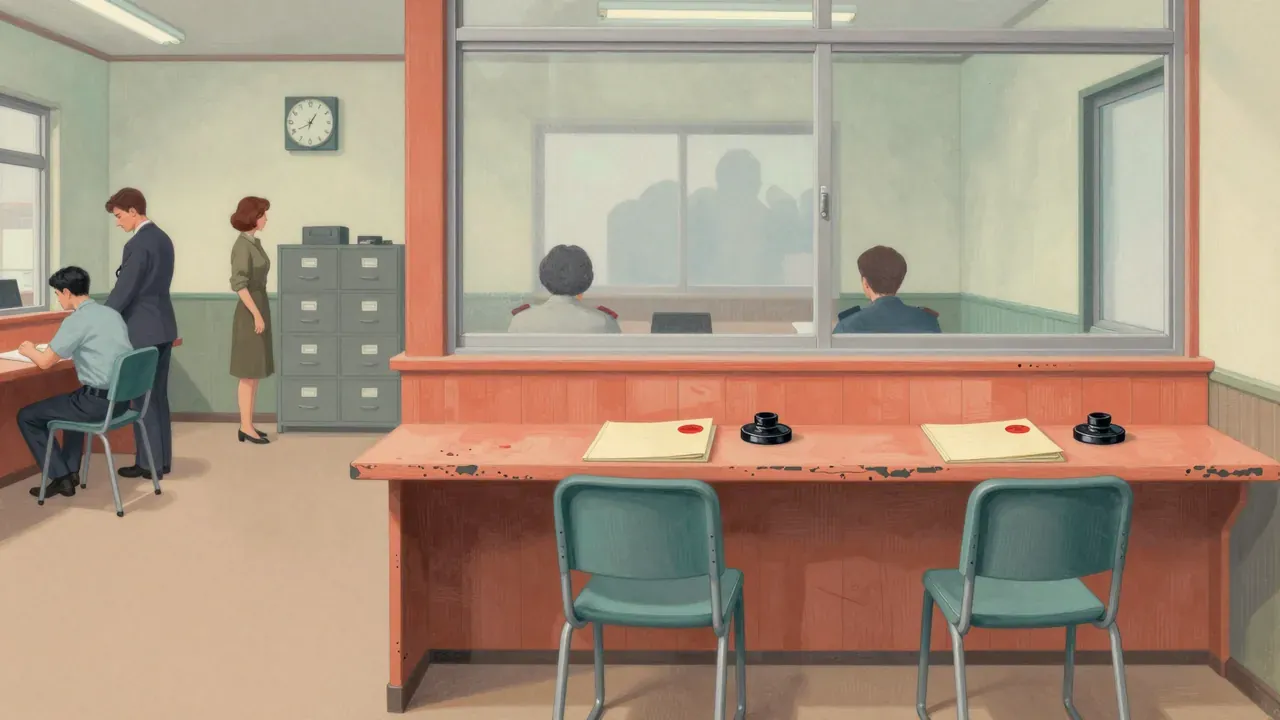
Masaki Kobayashi’s 1956 debut feature, completed in 1953 but delayed for three years due to its controversial subject, follows Japanese soldiers imprisoned in Sugamo Prison as Class B and C war criminals. Adapted by Kōbō Abe from real diaries, it avoids polemic in favour of quiet, cumulative scrutiny — of how coercion shapes action, how memory frays under confinement, and how justice functions when administered by the victor. With restrained performances, Kazuo Miyagawa’s unemphatic cinematography, and no musical score, it builds its argument through silence, repetition, and moral ambiguity.

13:00

The Thief of Bagdad

Michael Powell, Tim Whelan, Alexander Korda, Zoltan Korda · 1940

The Thief of Bagdad (1940) is a British Technicolor fantasy directed by Michael Powell, Tim Whelan, Alexander Korda and Zoltan Korda. It tells of Prince Ahmad’s exile, his alliance with the thief Abu, and their battle against the sorcerer Jaffar — all sustained by Georges Périnal’s Oscar-winning cinematography, Miklós Rózsa’s score, and a cascade of inventive special effects. Though its romance lacks spark and its cultural framing is decorative, its visual logic, tonal consistency, and sheer craft make it a durable, joyful achievement.

13:00

The Thin Blue Line

Errol Morris · 1988

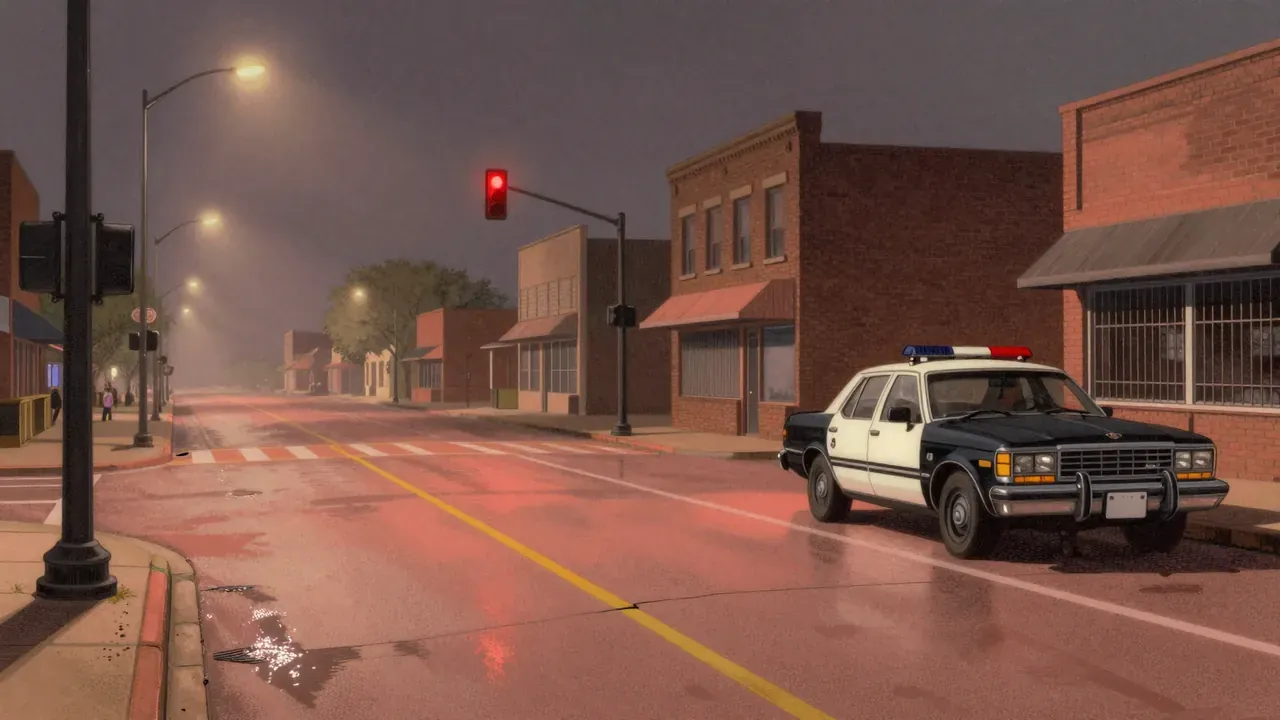
Errol Morris’s 1988 documentary reconstructs the wrongful conviction of Randall Dale Adams for the 1976 murder of Dallas police officer Robert Wood. Through stylised re-enactments, tightly framed interviews and Philip Glass’s score, it exposes inconsistencies in witness testimony and prosecutorial conduct. It helped overturn Adams’s sentence and redefined documentary form — not as observation but as active, cinematic intervention in questions of justice.

13:00

The Thin Red Line

Terrence Malick · 1998

Terrence Malick’s 1998 return to filmmaking is a philosophical war film set during the Guadalcanal campaign. Eschewing narrative drive and military exposition, it lingers on interior states, natural imagery and fragmented voiceover to ask what war does to consciousness. Shot by John Toll in Queensland and the Solomon Islands, edited to a meditative rhythm and scored by Hans Zimmer, it features a large ensemble cast led by Jim Caviezel and Sean Penn. Though nominated for seven Academy Awards and awarded the Golden Bear, its resistance to convention divides viewers.

13:00

The Three Musketeers

Richard Lester · 1973

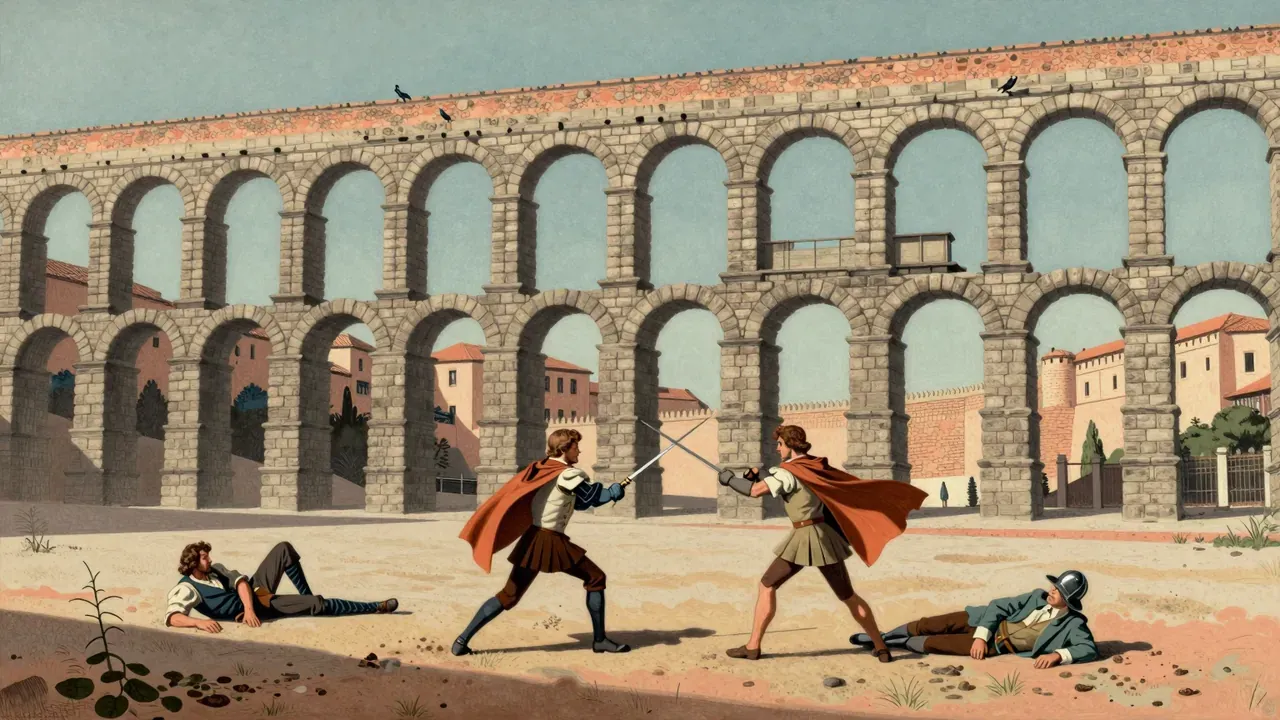
Richard Lester’s 1973 adaptation of The Three Musketeers is a brisk, precisely timed adventure that prioritises rhythm and character-in-action over exposition or psychological depth. Shot in Spain by David Watkin, with fencing choreographed by William Hobbs and music by Michel Legrand, it stars Michael York, Oliver Reed, Frank Finlay and Richard Chamberlain as the titular quartet, alongside Raquel Welch, Faye Dunaway and Charlton Heston. Faithful to Dumas’s plot but distinct in tone, it balances wit and vigour without tipping into parody—or solemnity.

13:00

The Threepenny Opera

Georg Wilhelm Pabst · 1931

Georg Wilhelm Pabst’s 1931 adaptation of The Threepenny Opera strips Brecht and Weill’s satire to its structural bones: crime, policing, charity and banking are shown as functionally identical. Shot in Berlin with Fritz Arno Wagner’s restrained cinematography and edited by Jean Oser to withhold emphasis, it replaces theatrical provocation with quiet, cumulative equivalence. Though legally contested and later banned by the Nazis, its reconstructed German version remains a precise, unsentimental study of power as routine.

13:00

The Times of Harvey Milk

Rob Epstein · 1984

Rob Epstein’s 1984 documentary assembles interviews, news footage and archival material to trace Harvey Milk’s election, advocacy and assassination in San Francisco. It avoids dramatisation, focusing instead on the mechanics of coalition-building, the texture of local politics and the public aftermath of violence. Awarded the Academy Award for Best Documentary Feature and preserved in the National Film Registry, it remains a model of factual rigour and civic empathy.

13:00

The Tin Drum

Volker Schlöndorff · 1979

Volker Schlöndorff’s 1979 adaptation of Günter Grass’s novel follows Oskar Matzerath, a boy who stops growing at age three and uses his tin drum and glass-shattering scream to navigate Danzig through Nazism and war. Shot in Italian by Jadran Film, with cinematography by Igor Luther and music by Maurice Jarre, it won the Palme d’Or and the Academy Award for Best International Feature Film. Its power lies in sustained allegory, not exposition — a rigorous, unsentimental reckoning with complicity, memory and the body as historical archive.

13:00

The Touch

Ingmar Bergman · 1971

Ingmar Bergman’s 1971 English-language debut follows Karin, a Swedish housewife whose affair with an American archaeologist unravels her assumptions about duty, desire, and selfhood. Shot on Gotland with Sven Nykvist, it privileges psychological nuance over plot, using restraint and silence to trace a woman’s slow, uncertain reclamation of agency. Though criticised at release for stiffness and imbalance, it remains a rare, transparent record of Bergman adapting his methods to new language, cast, and expectation.

13:00

The Traveller

Abbas Kiarostami · 1974

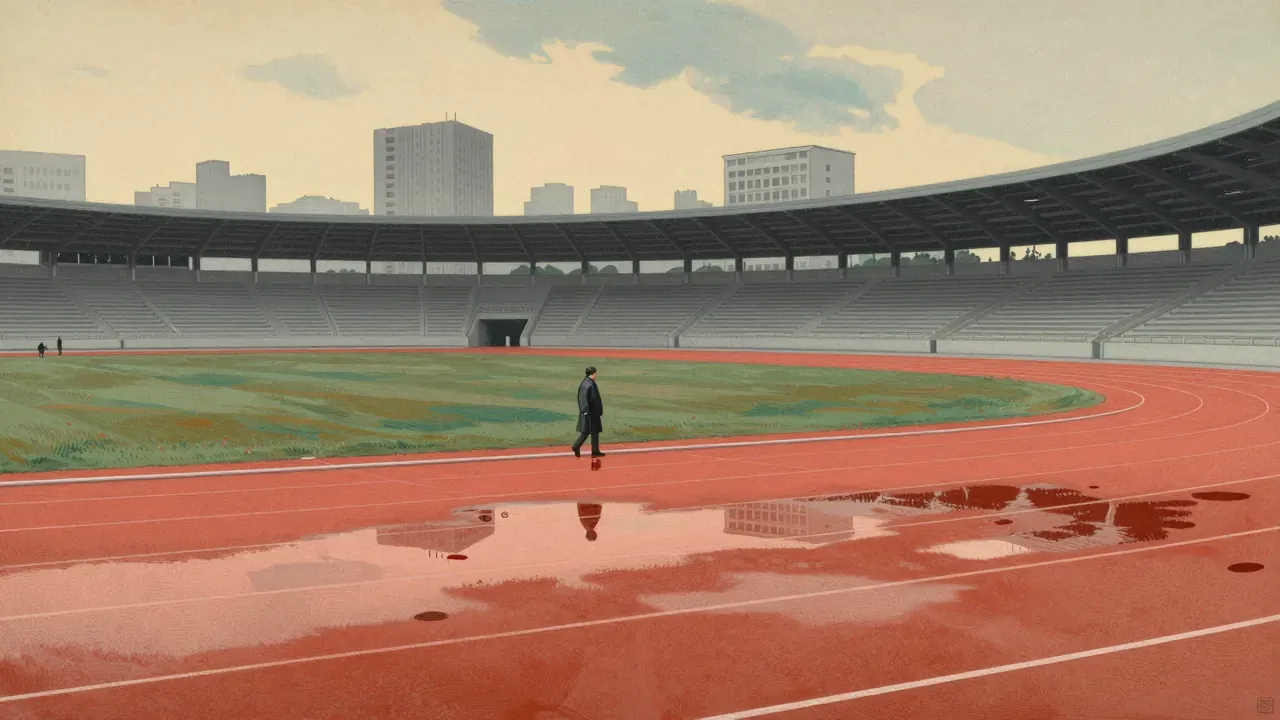
Abbas Kiarostami’s 1974 film follows Qassem, a resourceful twelve-year-old in Malayer, Iran, as he lies, steals and scams his way to a football match in Tehran. Shot with observational restraint and no musical score, the film refuses to moralise or explain his behaviour. Instead, it traces the logic of childhood desire — pragmatic, unselfconscious, and indifferent to collateral damage — until the final, empty stadium becomes its clearest statement: effort does not guarantee meaning, and arrival does not imply understanding.

13:00

The Tree of Life

Terrence Malick · 2011

Terrence Malick’s 2011 film interweaves cosmic origins, prehistoric evolution, and a 1950s Texas childhood into a single sensory continuum. Shot by Emmanuel Lubezki and edited from hundreds of hours of footage, it replaces plot with rhythm, dialogue with light, and psychology with presence. Its ambition is ontological: to treat human experience and natural process as variations on the same physical law.

13:00

The Tree of Wooden Clogs

Ermanno Olmi · 1978

Ermanno Olmi’s 1978 epic follows four peasant families in late-nineteenth-century Bergamo, filmed in Lombard dialect with non-professional actors on location. Its 186-minute runtime mirrors the unhurried rhythm of agrarian life — sowing, birth, debt, eviction — without exposition or score. It won the Palme d’Or and remains a landmark of neorealist commitment to material truth over narrative convenience.

13:00

The Trial

Orson Welles · 1962

Orson Welles’s 1962 *The Trial*, filmed in France with Anthony Perkins and Jeanne Moreau, reworks Kafka’s novel into a stark, spatially disorienting vision of systemic power. Shot in abandoned stations and exposition halls, it uses scale, sound and silence to evoke procedural dread — not as metaphor but as lived atmosphere. Its enduring force lies in its refusal of explanation, catharsis or comfort.

13:00

The Truth

Henri-Georges Clouzot · 1960

A young woman stands trial for murder in 1960s France. Through flashbacks, the film traces her descent from provincial restlessness to Parisian disillusionment, her turbulent relationship with a conductor, and her eventual breakdown — all while lawyers debate not her actions, but what they say about her character. Brigitte Bardot gives a physically exacting performance; Clouzot and his collaborators build a world where emotion is evidence, memory is contested, and justice is procedural, not redemptive.

13:00

The Two of Us

Claude Berri · 1967

Set in occupied France, The Two of Us follows an eight-year-old Jewish boy sent to live with an elderly, anti-Semitic farmer. Directed by Claude Berri and starring Michel Simon and Charles Denner, it traces the slow, unspoken evolution of their uneasy coexistence through restrained performances, muted cinematography by Jean Penzer, and a sparse score by Georges Delerue. Avoiding historical exposition or moral simplification, it locates its power in domestic detail and withheld emotion.

13:00

The Unbearable Lightness of Being

Philip Kaufman · 1988

Philip Kaufman’s 1988 adaptation of Milan Kundera’s novel follows brain surgeon Tomas, his wife Tereza, and his lover Sabina across Prague, Geneva, and rural Czechoslovakia during and after the 1968 Soviet invasion. Shot in France with Sven Nykvist’s understated cinematography and scored largely with Janáček’s piano works, it explores eroticism, political constraint, and the paradoxes of freedom—not through exposition, but through gesture, silence, and weathered surfaces.

13:00

The Uninvited

Lewis Allen · 1944

The Uninvited (1944), directed by Lewis Allen and written by Dodie Smith, follows siblings who purchase a Cornish seaside house only to encounter inexplicable phenomena rooted in grief and suppressed attachment. Shot by Charles Lang with deliberate restraint, it avoids horror tropes in favour of sustained atmosphere, ambiguous motivation, and psychological weight. Though uneven in performance and occasionally expositional, its influence on supernatural cinema is foundational — less about ghosts than about what haunts us long after we stop speaking their names.

13:00

The Unknown

Tod Browning · 1927

Tod Browning’s 1927 silent horror stars Lon Chaney as Alonzo, a carnival performer who hides his arms to win the affection of Nanon (Joan Crawford). When she develops a phobia of hands, his deception becomes essential — then unsustainable. He chooses amputation to preserve the illusion, only to discover too late that she has moved on. With stark cinematography by Merritt B. Gerstad and ruthless narrative economy, the film charts obsession as a series of irrevocable choices, not a spiral of madness.

13:00

The Vanishing

George Sluizer · 1988

George Sluizer’s 1988 French-language thriller, co-written with Tim Krabbé, follows a Dutch man’s obsessive search for his vanished girlfriend — a quest that culminates not in rescue or revenge, but in a chilling confrontation with the kidnapper’s warped moral logic. Shot in Nîmes with austere precision, it trades procedural suspense for psychological immersion, anchored by Bernard-Pierre Donnadieu’s unnervingly calm performance as a man who sees evil as a test of virtue.

13:00

The Velvet Underground

Todd Haynes · 2021

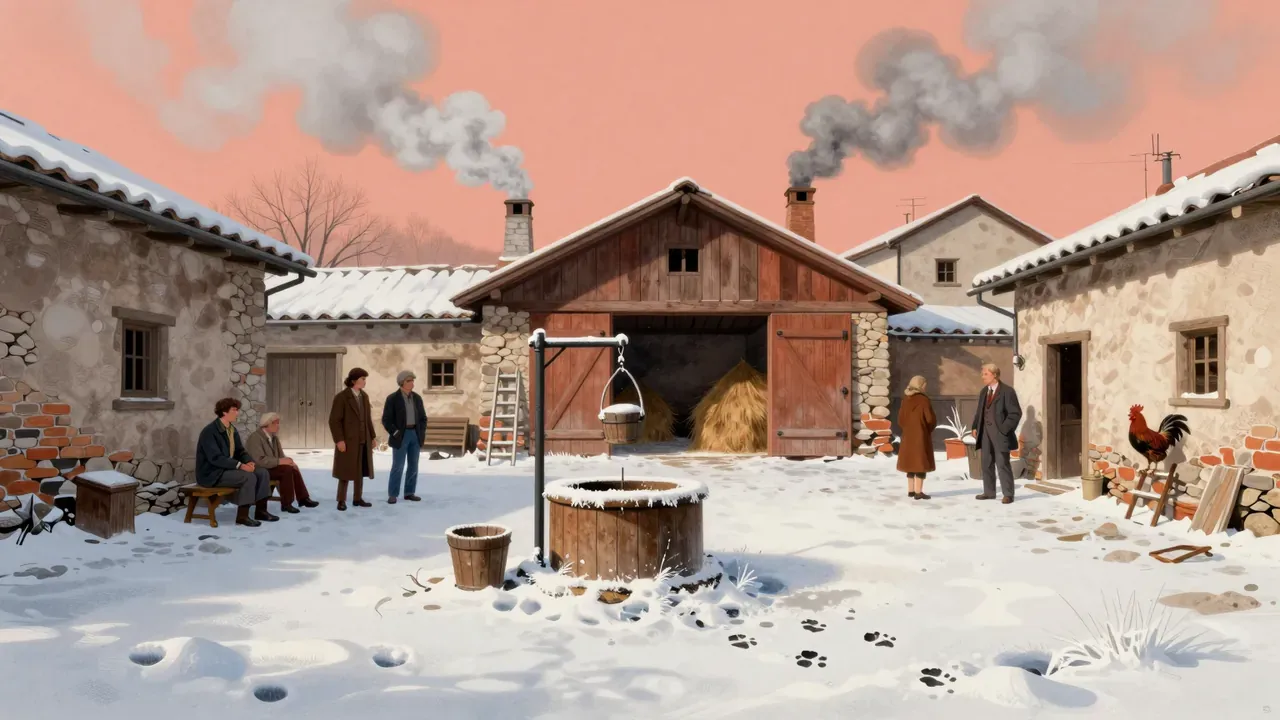
Todd Haynes’s 2021 documentary examines the Velvet Underground not as a rock band but as a convergence of avant-garde film, minimalist composition, and 1960s New York counterculture. Built from newly shot interviews and rigorously curated archival material — much of it silent, scratched, or degraded — the film privileges texture, timing, and material constraint over narrative or biography. It foregrounds the roles of Andy Warhol, Jonas Mekas, and the Factory milieu while leaving gaps around later line-up changes and musical evolution. Edward Lachman’s cinematography and Affonso Gonçalves’s editing sustain a deliberate, almost tactile pace.
13:00

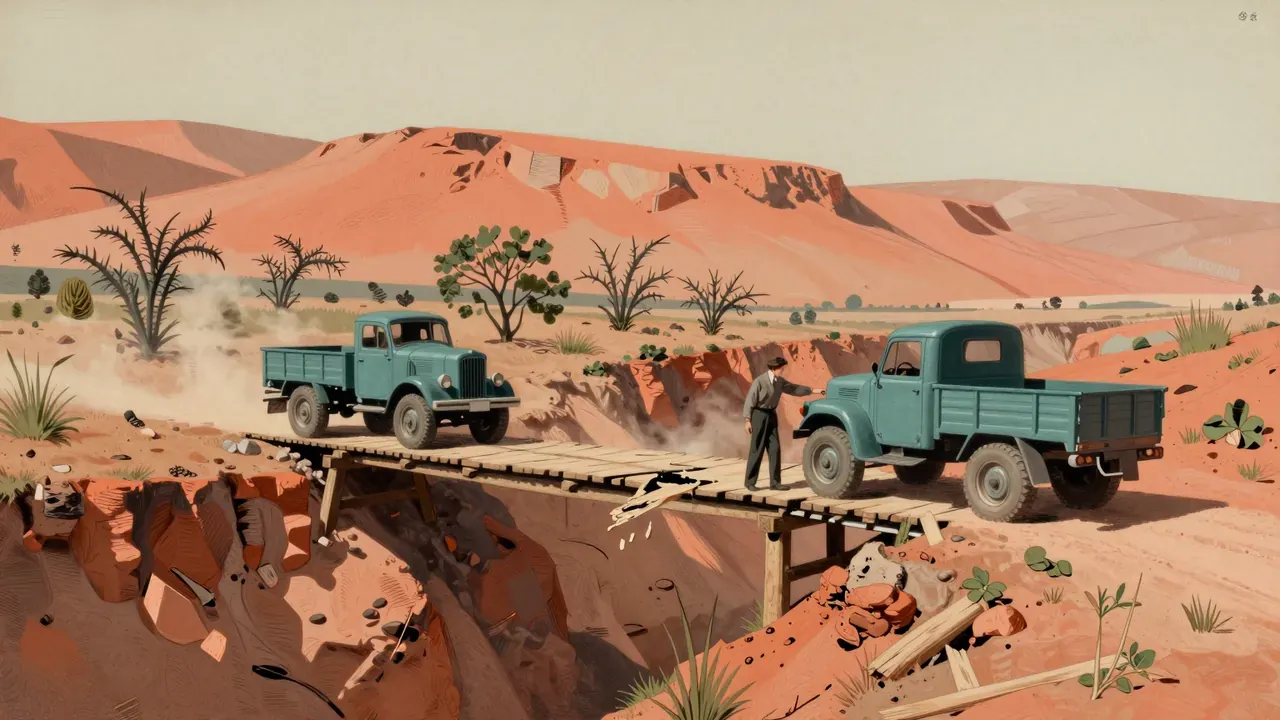
The Wages of Fear

Henri-Georges Clouzot · 1953

Henri-Georges Clouzot’s 1953 thriller follows four desperate men hired to drive nitroglycerin across treacherous South American roads. With minimal dialogue and relentless physical detail, it sustains unbearable tension through craft rather than plot — a masterclass in cinematic endurance that won both the Palme d’Or and Golden Bear.

13:00

The Wandering Princess

Kinuyo Tanaka · 1960

Kinuyo Tanaka’s 1960 film, adapted from Hiro Saga’s memoir, follows a Japanese aristocrat’s marriage into the deposed Qing imperial family in Manchukuo. Shot in CinemaScope and colour — Tanaka’s first in both formats — it prioritises stillness over spectacle, using muted palettes, precise framing, and understated performances to trace quiet endurance across political rupture. Machiko Kyō anchors the film with restrained intensity; Eiji Funakoshi’s Pujie remains enigmatic by design. The script avoids exposition and moral framing, treating history as atmosphere rather than argument.

13:00

The Warped Ones

Koreyoshi Kurahara · 1960

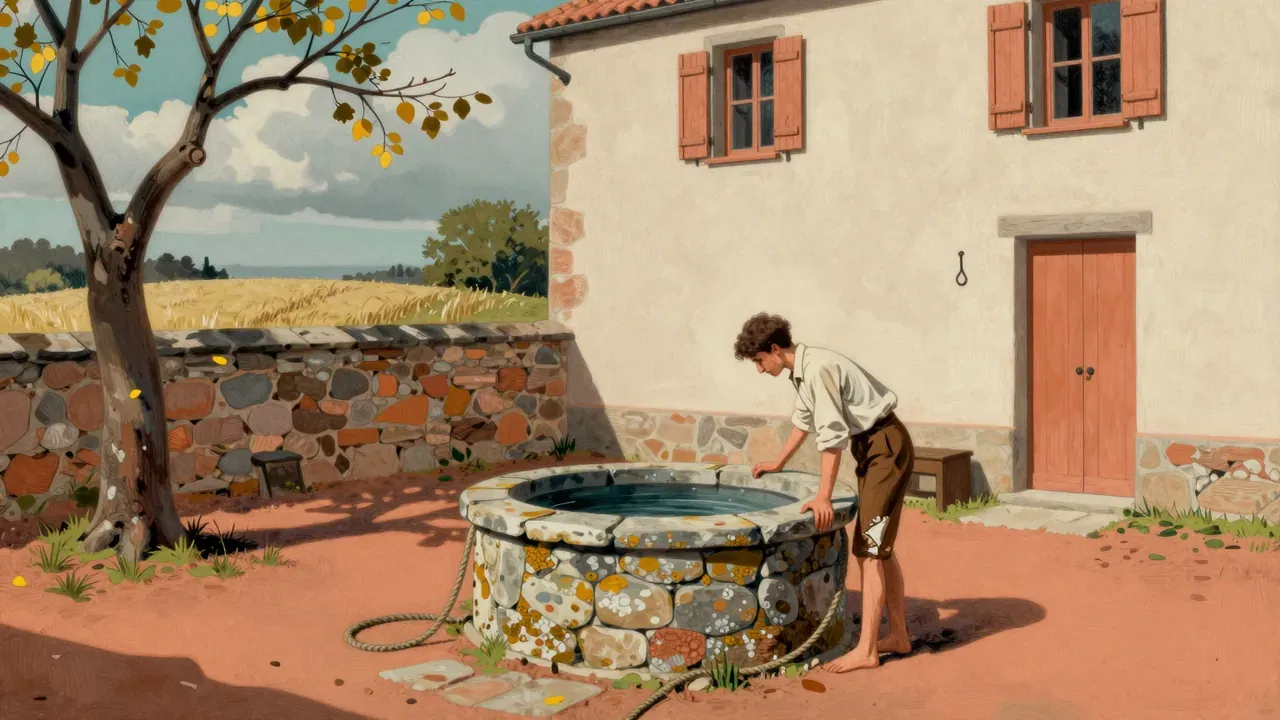
Koreyoshi Kurahara’s 1960 film follows a group of Tokyo youths — Akira, Masaru and Yuki — whose criminality, sexual recklessness and jazz obsession unfold across tenements, beaches and jazz clubs. With a frenetic editing style, Toshiro Mayuzumi’s urgent jazz score, and performances stripped of psychology, the film presents its characters as environmental effects rather than agents. It avoids moral framing, resists narrative padding, and sustains a tone of controlled volatility across its 75-minute runtime. Though often compared to Breathless and Rebel Without a Cause, it diverges by refusing empathy, explanation or resolution — offering instead a tightly wound, formally audacious document of post-war dislocation.
13:00

The Watermelon Woman

Cheryl Dunye · 1996

Cheryl Dunye’s 1996 debut is a mockumentary about a Black lesbian filmmaker researching a fictional 1930s Black actress — ‘The Watermelon Woman’ — erased from film history. Blending interviews, staged archive photos by Zoe Leonard, and autobiographical elements, it exposes how race, sexuality and institutional power shape what gets preserved — and what must be invented to survive.

13:00

The White Angel

Raffaello Matarazzo · 1955

Raffaello Matarazzo’s 1955 sequel The White Angel follows a wrongfully imprisoned woman’s return to society under a false name, her search for her lost child, and her slow reintegration into a world that punished her for motherhood. Starring Amedeo Nazzari and Yvonne Sanson, and shot by Tonino Delli Colli, it sustains emotional force through restraint — in performance, editing, and score — rather than escalation.
13:00

The Wicked Lady

Leslie Arliss · 1945

The Wicked Lady (1945) is a Gainsborough Pictures swashbuckler starring Margaret Lockwood as a bored noblewoman who becomes a highway robber. Directed and written by Leslie Arliss, it adapts Magdalen King-Hall’s novel into a tightly paced moral fable, where transgression is glamorous, consequence inevitable, and redemption absent. Shot at Gainsborough Studios and Blickling Hall, it relies on Jack E. Cox’s high-contrast cinematography, Terence Fisher’s brisk editing, and Hans May’s ironic score. Though criticised for thin supporting characters and abrupt plot turns, its enduring power lies in Lockwood’s commanding, physically assured performance and its unwavering commitment to its own logic.

13:00

The Wind Will Carry Us

Abbas Kiarostami · 1999

Abbas Kiarostami’s 1999 film follows a Tehran filmmaker who travels to a Kurdish village to document funeral rites for a dying woman. She does not die. Instead, the film unfolds in the suspended time between expectation and event — shaped by mobile signal, hilltop cemetery visits, a boy’s questions, and the quiet persistence of daily life. Shot by Mahmoud Kalari, edited and written by Kiarostami, it is a study in patience, mediation, and the weight of what remains unsaid.

13:00

The Wiz

Sidney Lumet · 1978

Sidney Lumet’s 1978 musical The Wiz recasts The Wizard of Oz in Harlem and a decaying, stylised New York City, starring Diana Ross and Michael Jackson. Though critically panned on release for its script, pacing, and direction, its bold production design, choreography, and performances have cemented its status as a culturally vital, if uneven, cult classic.

13:00

The Woman in the Dunes

Hiroshi Teshigahara · 1964

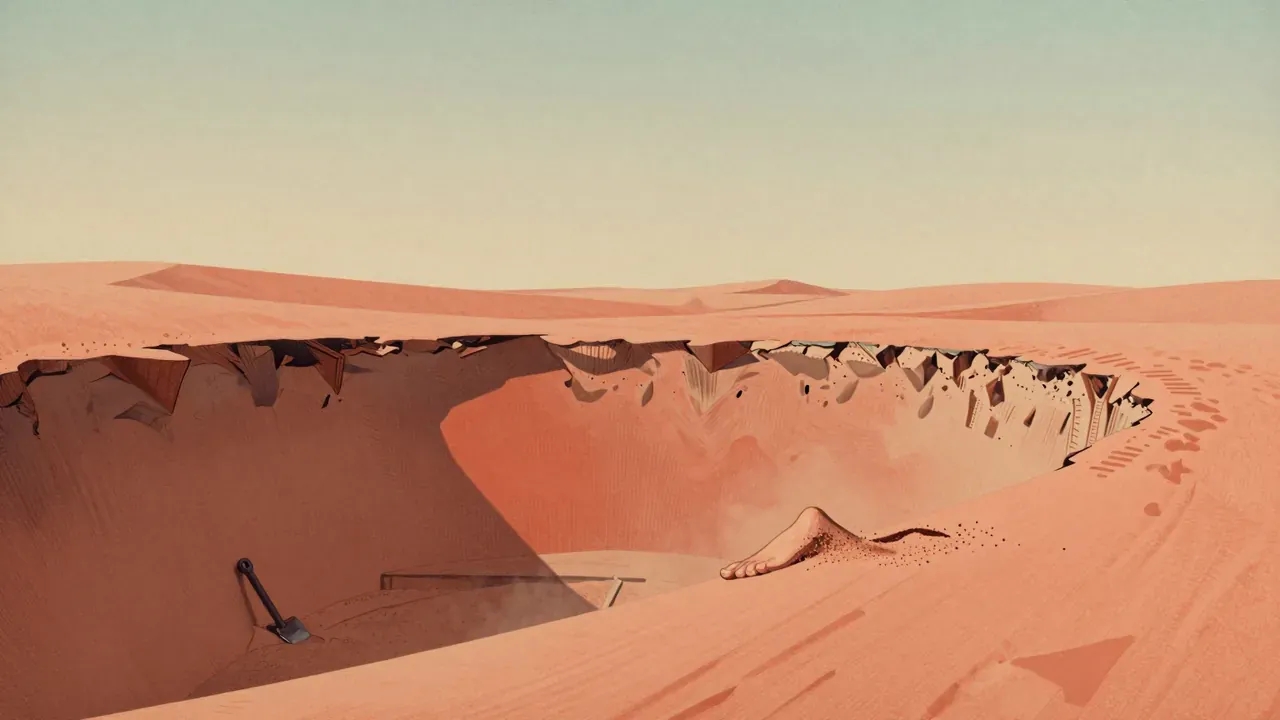
Hiroshi Teshigahara’s 1964 drama adapts Kōbō Abe’s novel into a stark, physically immersive allegory. Eiji Okada and Kyōko Kishida play a man and a woman trapped in a sand dune, bound by labour, thirst, and slow adaptation. Shot on location in Shizuoka by Hiroshi Segawa, with a dissonant score by Tōru Takemitsu, it refuses exposition and embraces repetition as both narrative and philosophical method.
13:00

The Woman Who Dared

Jean Grémillon · 1944

Jean Grémillon’s 1944 drama follows Thérèse Gauthier, a mechanic’s wife displaced by airport expansion, who gradually reclaims agency — first as a dealership manager, then as a pilot. Madeleine Renaud and Charles Vanel anchor a film that privileges procedural realism over psychological exposition, showing aspiration as re-attunement to one’s own capacities rather than rupture from circumstance.

13:00

The Worst Person in the World

Joachim Trier · 2021

Joachim Trier’s 2021 Oslo-set drama follows Julie, a woman in her late twenties drifting between careers and relationships, as she navigates love, loss, pregnancy, and grief. Anchored by Renate Reinsve’s layered performance and Kasper Andersen’s naturalistic cinematography, the film uses a chaptered structure and subtle tonal shifts to explore self-perception, time, and the weight of expectation — without moralising, resolving, or explaining.

13:00

The X from Outer Space

Kazui Nihonmatsu · 1967

The X from Outer Space (1967) is a Japanese kaiju film directed by Kazui Nihonmatsu, produced under governmental tax incentives to promote Japanese genre cinema abroad. It follows a Martian spore that mutates into Guilala — a jet-headed, feathered monster — which rampages through Tokyo before being neutralised with a fictional compound and launched into solar orbit. Made with shared effects resources and minimal narrative scaffolding, it prioritises momentum and tactile spectacle over coherence or character. Released theatrically in Japan and later on US television, it has endured as a touchstone of earnest, low-budget tokusatsu.

13:00

The Young Master

Jackie Chan · 1980

Jackie Chan’s 1980 directorial effort The Young Master marks his debut for Golden Harvest and refines his signature blend of martial arts, comedy, and stunt-driven storytelling. As Dragon, Chan navigates fraternal betrayal, mistaken identity, and a punishing final duel with criminal Kam — all staged with growing control over choreography, editing, and physical expression. Though some plot elements remain underdeveloped and tonal shifts occur, the film’s commitment to grounding action in consequence and character makes it a vital milestone in Hong Kong action cinema.

13:00

Thelma & Louise

Ridley Scott · 1991

Thelma & Louise (1991), directed by Ridley Scott and written by Callie Khouri, follows two friends whose weekend road trip unravels into a fugitive odyssey after a violent confrontation. Anchored by Susan Sarandon and Geena Davis, it uses precise craft and restrained performance to trace how systemic dismissal, economic dependence, and accumulated compromise narrow into irreversible choice. Its cultural resonance rests less on symbolism than on structural rigour: every beat follows from the last, making the final image not shocking but inevitable.

13:00

Thelonious Monk: Straight, No Chaser

Charlotte Zwerin · 1988

Charlotte Zwerin’s 1988 documentary assembles rediscovered 1967 footage of Thelonious Monk in performance, rehearsal, and daily life, supplemented by interviews with collaborators and family. Produced by Clint Eastwood’s Malpaso Productions, it avoids narration and chronology in favour of sustained, intimate observation — capturing Monk’s physicality, discipline, and reserve with unprecedented fidelity. Selected for the National Film Registry in 2017, it remains the definitive visual record of the pianist at work.

13:00

There Was a Father

Yasujirō Ozu · 1942

Yasujirō Ozu’s 1942 drama follows a widowed schoolteacher who distances himself from his son to secure his future, tracing their relationship across two decades of quiet duty, unspoken grief, and stoic endurance. Shot in restrained compositions by Yūharu Atsuta and performed with understated precision by Chishū Ryū and Shin Saburi, it treats filial obligation not as theme but as architecture — shaping movement, speech, and silence. Restored in 2023, it remains resolutely unadorned: no score, no exposition, no climax — only the slow accrual of meaning across trains, seasons, and generations.

13:00

Thieves' Highway

Jules Dassin · 1949

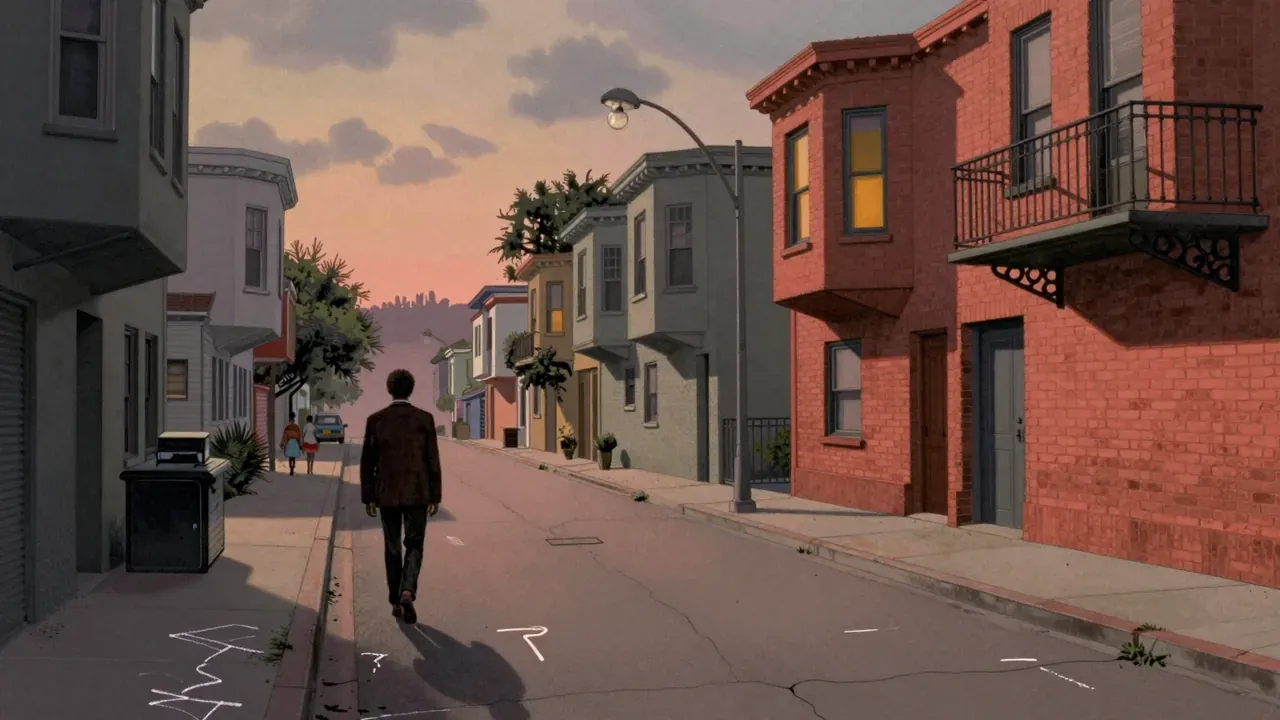
A 1949 crime drama directed by Jules Dassin, Thieves’ Highway follows a returning WWII veteran who drives apples from Fresno to San Francisco to confront the produce dealer who crippled his father. Shot on location in Oakland and San Francisco, it uses the real rhythms of the fruit trade — loading docks, freight elevators, downhill truck crashes — to ground its moral conflict in material fact. Richard Conte, Lee J. Cobb, and Valentina Cortese anchor a tightly wound narrative written by A. I. Bezzerides, with cinematography by Norbert Brodine and music by Alfred Newman.

13:00

Things to Come

William Cameron Menzies · 1936

Things to Come (1936) is a British science fiction film directed by William Cameron Menzies, produced by Alexander Korda, and scripted by H. G. Wells and Lajos Bíró. Set across three eras — 1940, 1970, and 2036 — it charts humanity’s collapse into post-war barbarism and subsequent rebirth under a global technocracy. Starring Raymond Massey and Ralph Richardson, it foregrounds Vincent Korda’s production design and Arthur Bliss’s score, treating cinema as a medium for philosophical demonstration rather than dramatic immersion. Its enduring significance lies in its uncompromising visual logic and its articulation of interwar rationalist utopianism.

13:00

Thirst for Love

Koreyoshi Kurahara · 1967

Koreyoshi Kurahara’s 1967 Thirst for Love, adapted from Yukio Mishima’s novel, follows a young widow’s entanglement with her wealthy father-in-law in a meticulously restrained Japanese domestic setting. Starring Ruriko Asaoka and Nobuo Nakamura, it uses abrupt editing, strategic colour, and near-silence to render psychological disintegration without exposition. The film prioritises atmosphere over explanation, formal control over catharsis, and inherited power over individual agency.

13:00

Thirty Two Short Films About Glenn Gould

François Girard · 1993

François Girard’s 1993 Canadian film abandons linear biography for thirty-two discrete segments — documentary, re-enactment, animation, silence — each offering a distinct, unmediated angle on pianist Glenn Gould. Colm Feore performs with meticulous restraint, Alain Dostie photographs with quiet exactness, and the soundtrack uses only Gould’s own recordings. It does not seek to resolve his contradictions — his isolation, his technology use, his early retirement — but to hold them in careful, cumulative balance.

13:00

This Happy Breed

David Lean · 1944

David Lean’s 1944 debut follows the Gibbons family across twenty years of peace and gathering storm in suburban London. Anchored by Robert Newton and Celia Johnson, it charts domestic life against national events — the General Strike, the rise of fascism, the abdication — not through speeches or spectacle, but through wallpaper, radio sets, and the weight of unspoken grief. Shot in muted Technicolor and edited with Lean’s signature temporal bleed, it is a film of accumulation: small details, repeated gestures, returning spaces. Its power lies in endurance, not revelation.

13:00

This Is Not A Burial, It's A Resurrection

Lemohang Jeremiah Mosese · 2019

This Is Not A Burial, It's A Resurrection is a 2019 Lesotho drama in Sesotho, directed and written by Lemohang Jeremiah Mosese. It follows Mantoa, an 80-year-old widow preparing for death as her village faces forced resettlement for a dam. Shot with formal restraint and deep cultural specificity, it frames grief, land, and ritual as interwoven acts of resistance. Starring Mary Twala Mhlongo, it won Best Director, Best Actress, Best Cinematography and Best Costume Design at the Africa Movie Academy Awards, and the Golden Crow-pheasant at the International Film Festival of Kerala.

13:00

This Is Spinal Tap

Rob Reiner · 1984

This Is Spinal Tap (1984) is a mockumentary following the faltering US tour of a fictional British heavy metal band. Directed by Rob Reiner and improvised by Christopher Guest, Michael McKean and Harry Shearer, it satirises rock pretension, documentary hagiography and institutional incompetence — not through parody, but through sustained, deadpan observation. Shot on 16mm in vérité style, it builds comedy from logistical failure, miscommunication and unshaken self-belief. Its influence on the mockumentary form is foundational; its cultural longevity rests on its precision, not its punchlines.

13:00

This Sporting Life

Lindsay Anderson · 1963

Lindsay Anderson’s 1963 debut, adapted by David Storey from his novel, follows Frank Machin — a rugby league player in industrial Yorkshire — whose physical dominance on the pitch contrasts with his emotional paralysis off it. Shot by Denys Coop and edited by Peter Taylor, it uses fractured chronology, restrained performance, and unvarnished locations to explore class, grief, and the limits of male expression. Though commercially unsuccessful, it was critically lauded, earning BAFTA and Cannes honours.

13:00

Three Outlaw Samurai

Hideo Gosha · 1964

Hideo Gosha’s 1964 debut follows three ronin who abandon fixed loyalties to defend starving peasants from a corrupt magistrate. Structured like a legal brief — cause, breach, consequence — it treats honour as practice, not principle, and finds moral clarity not in victory but in the repeated, costly act of choosing sides. Shot with stark economy and performed with restrained gravity, it remains a precise, unsentimental study of power, class, and the slow, dangerous work of conscience.

13:00

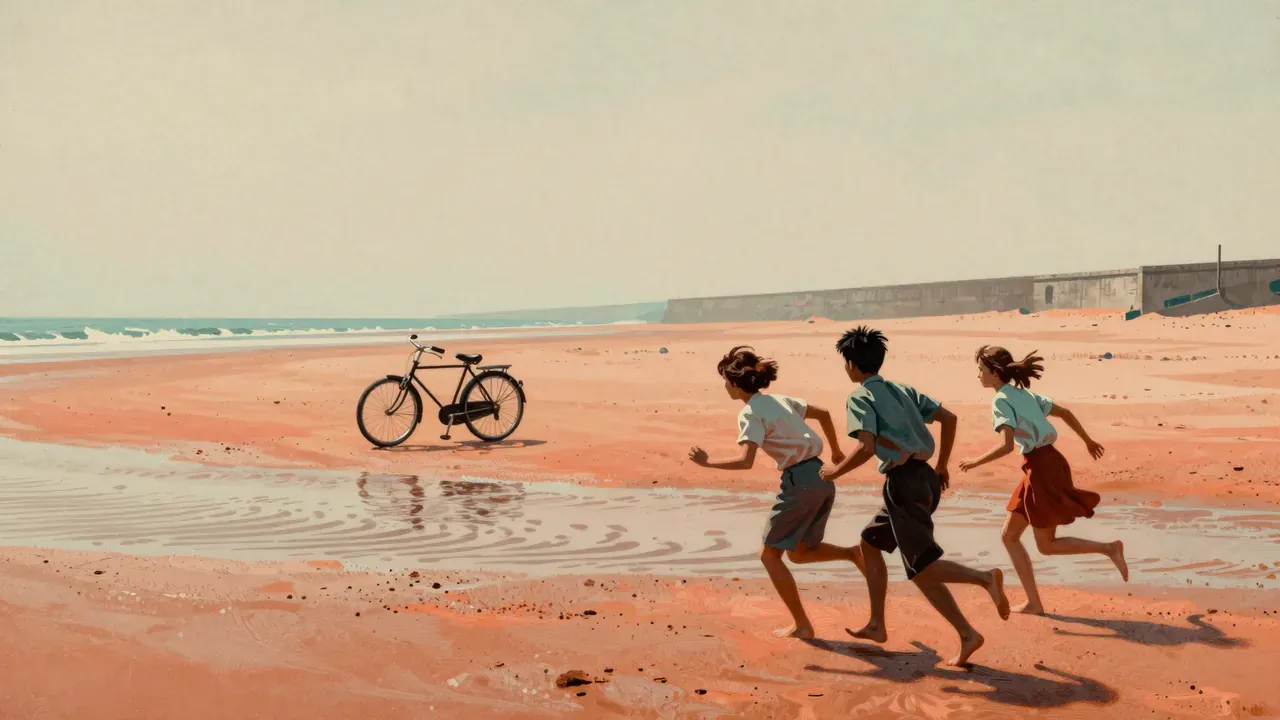
Three Resurrected Drunkards

Nagisa Ōshima · 1968

Three Resurrected Drunkards (1968), directed by Nagisa Ōshima, follows three young Japanese men who, after having their clothes stolen at the beach, are mistaken for Korean illegal immigrants and pursued by authorities. Built around a hit folk song and performed with deadpan restraint, the film uses repetition, costume and bureaucratic absurdity to critique Japan’s treatment of Zainichi Koreans — not through exposition or emotion, but through relentless, low-key ridicule of the systems that assign and police identity.

13:00

Throne of Blood

Akira Kurosawa · 1957

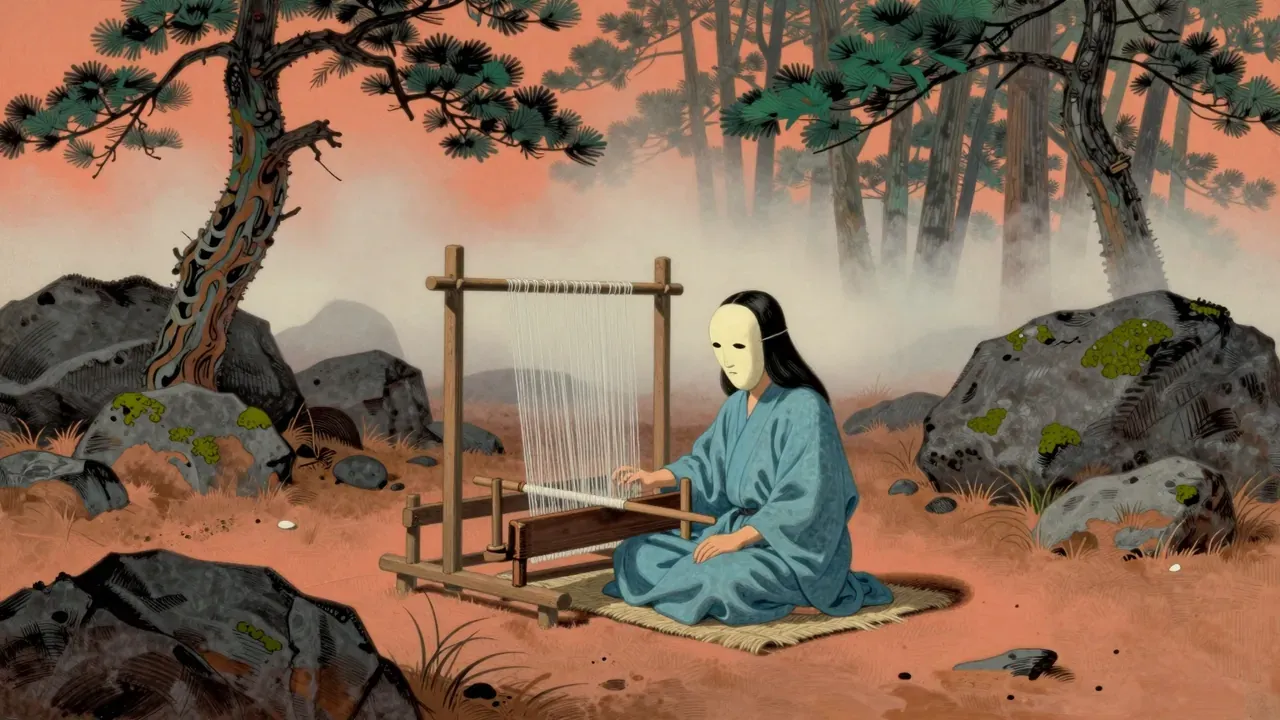
Akira Kurosawa’s 1957 Throne of Blood transposes Macbeth to feudal Japan, using Noh aesthetics, volcanic landscapes, and deliberate stillness to trace the physical and psychological narrowing of a man who kills to become lord — and finds only enclosure. Toshirō Mifune and Isuzu Yamada anchor a film where fog obscures but never excuses, and silence carries more threat than speech.

13:00

Through the Olive Trees

Abbas Kiarostami · 1994

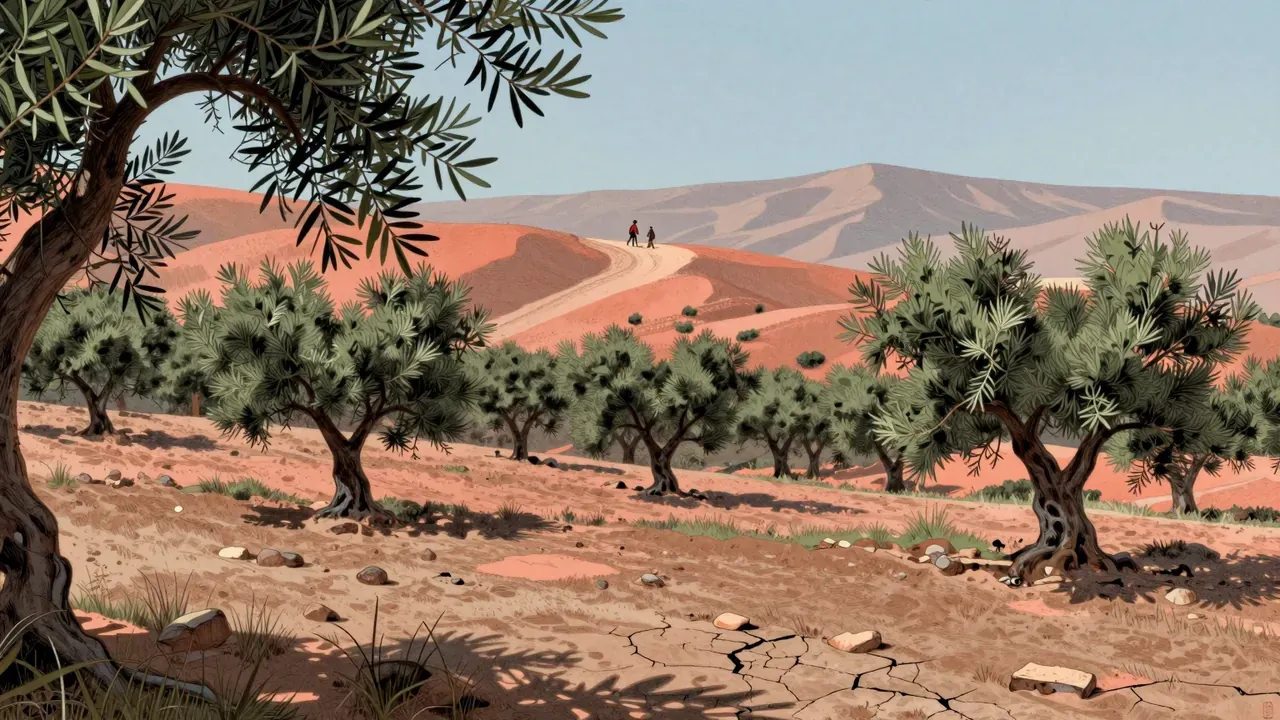
Through the Olive Trees (1994), Abbas Kiarostami’s final Koker trilogy film, observes the making of a film in post-earthquake northern Iran. A stonemason courts his co-star amid rehearsals, blurring fiction and reality. Shot in natural light with non-professional actors, it sustains ambiguity — especially in its iconic final scene — as a formal and moral choice. Neither documentary nor drama, it asks what it means to witness, represent, and persist without certainty.

13:00

Throw Down

Johnnie To · 2004

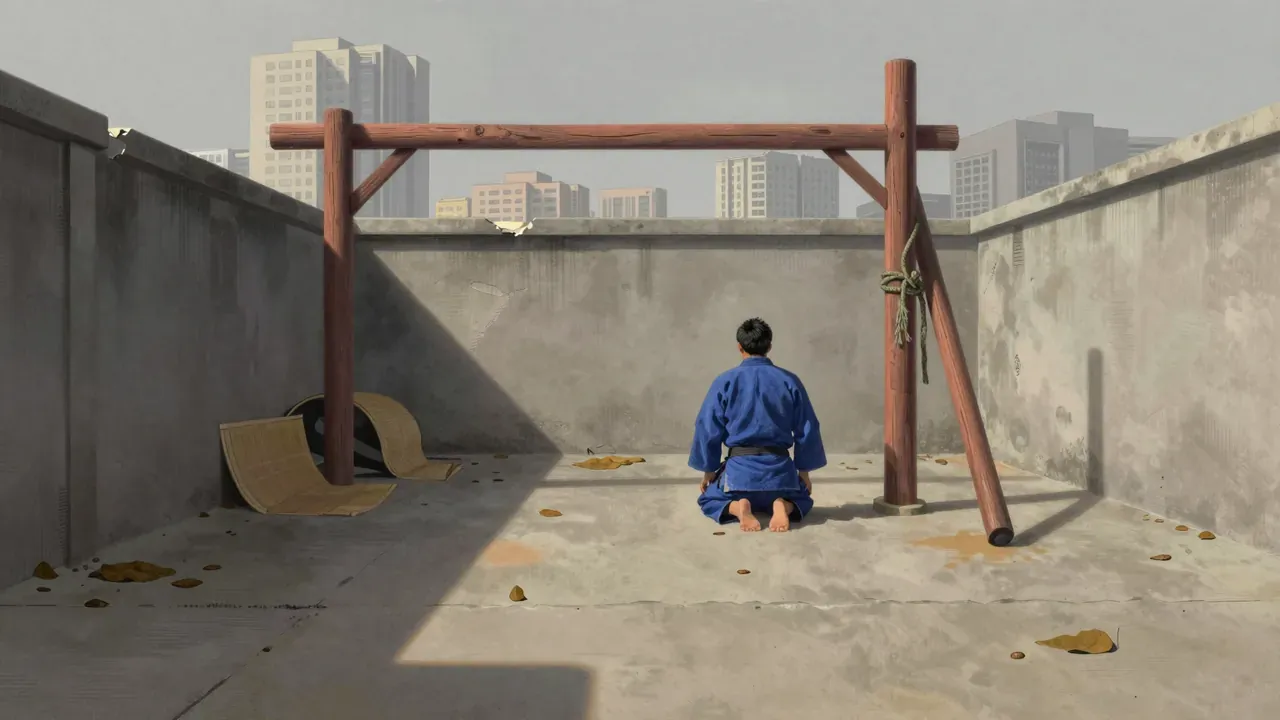
Johnnie To’s 2004 film Throw Down follows a former judo champion, Sze-to Bo, whose failing vision forces him to confront his past, his mentor, and two rivals — not for glory, but for fidelity to craft. Shot with deliberate restraint by Cheng Siu-keung and scored with quiet precision by Peter Kam, it locates tension in stillness, meaning in repetition, and dignity in limitation. Though its subplot involving a singer feels grafted, the film’s central inquiry — what it means to act when perception unravels — lands with cumulative force.

13:00

Tie Me Up! Tie Me Down!

Pedro Almodóvar · 1989

Pedro Almodóvar’s 1989 film follows a recently released psychiatric patient who kidnaps an actress to force a marriage, treating the premise as a stylised romantic fairy tale rather than psychological realism. Shot in saturated colour by José Luis Alcaine Escaño, scored by Ennio Morricone, and anchored by Victoria Abril and Antonio Banderas, it sustains a precise, unsettling tone — neither endorsing nor condemning its central act, but exploring love as effort, repetition, and recalibration.

13:00

Time

Garrett Bradley · 2020

Garrett Bradley’s 2020 documentary follows Sibil Fox Richardson’s two-decade campaign to free her husband Rob from a 60-year Louisiana prison sentence. Built from 100 hours of her home videos and new black-and-white footage, it treats time as both subject and material — showing how love, labour and resistance persist across decades of separation. It won the Sundance U.S. Directing Award and was nominated for an Academy Award.

13:00

Time Bandits

Terry Gilliam · 1981

Time Bandits (1981) is a British science fiction fantasy co-written and directed by Terry Gilliam, starring Craig Warnock as Kevin, a boy who joins six dwarfs on a time-travelling heist. Shot in England, Morocco and Wales, it moves through historical and mythic settings — Castiglione, Sherwood Forest, Mycenae, the Titanic — guided by a stolen map of spacetime rifts. The film balances absurd comedy with metaphysical stakes, culminating in a confrontation with Evil and the Supreme Being. Its visual style is tactile and deliberately artificial; its themes centre on perception, inheritance, and the instability of systems. It was financed by George Harrison’s HandMade Films and remains the first in Gilliam’s ‘Trilogy of Imagination’.

13:00

Tiny Furniture

Lena Dunham · 2010

Lena Dunham’s 2010 debut follows Aura, a film-school graduate who moves back into her mother’s Tribeca loft after graduation, adrift between plans and expectations. Shot on the Canon EOS 7D in eleven days, the film renders a summer of small humiliations, tentative connections, and quiet reckonings — with family, with ambition, and with the slow work of becoming adult without a script.

13:00

TINY: The Life of Erin Blackwell

Martin Bell · 2016

TINY: The Life of Erin Blackwell is a 2016 documentary directed by Martin Bell, following Erin from age eleven into her thirties across twenty-five years of intermittent filming in Seattle. Shot and edited by Bell with producer Mary Ellen Mark, it uses no voiceover, no score, and no external commentary — relying solely on accumulated footage to trace a life shaped by poverty, resilience, and time itself.

13:00

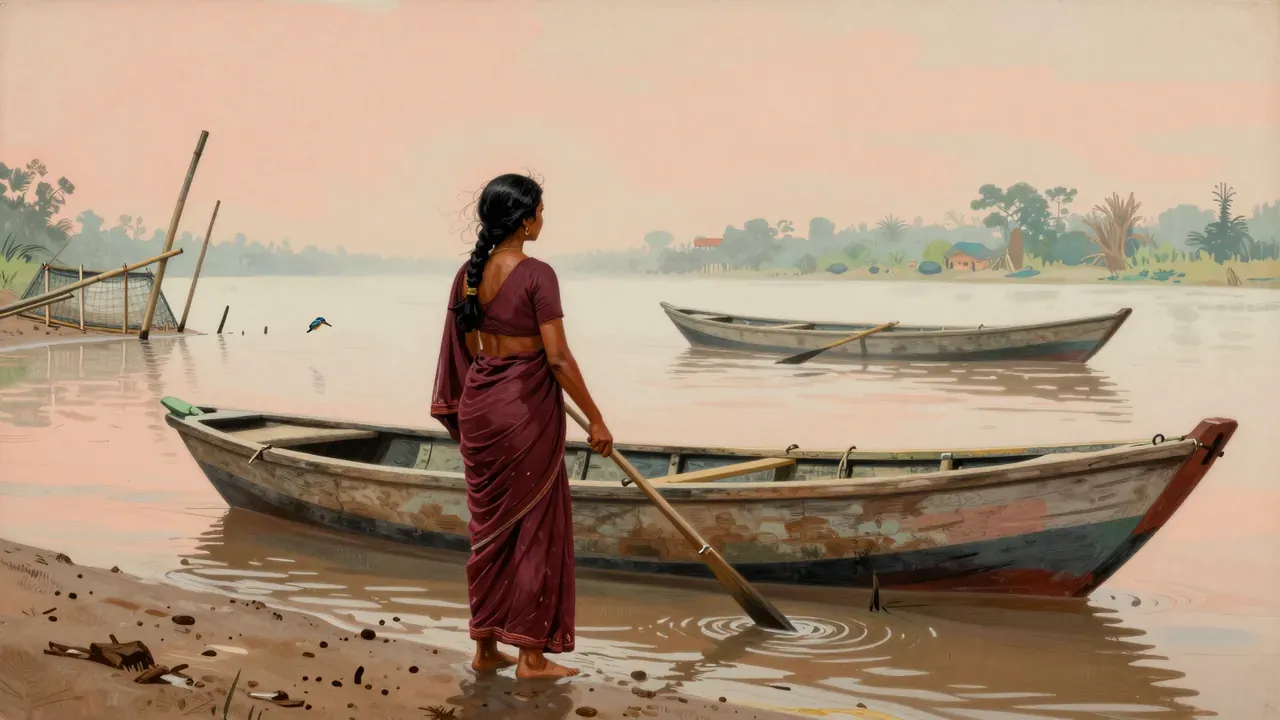
Titash Ekti Nadir Naam

Ritwik Ghatak · 1973

Ritwik Ghatak’s 1973 film adapts Adwaita Mallabarman’s novel to trace the generational unraveling of a Bengali fishing community along the Titas River. Structured as interwoven tragedies — abduction, madness, widowhood, starvation — it treats Partition not as event but as ambient pressure, dissolving kinship, ritual, and language. Baby Islam’s austere black-and-white photography and Ghatak’s fragmented, Brechtian staging resist catharsis in favour of accumulation: meaning settles like silt, not strikes like lightning.

13:00

To Be or Not to Be

Ernst Lubitsch · 1942

Ernst Lubitsch’s 1942 To Be or Not to Be follows a Warsaw theatre troupe who use disguise, timing, and theatrical cunning to deceive the Gestapo. Starring Carole Lombard and Jack Benny, it balances farce with peril, treating performance as both profession and resistance. Rudolph Maté’s cinematography and Dorothy Spencer’s editing sustain its breakneck logic, while its themes—identity as costume, authority as mimicry—remain sharply relevant. Though some tonal shifts now feel abrupt, its rigour and restraint make it a landmark of satirical craft.

13:00

To Die For

Gus Van Sant · 1995

Gus Van Sant’s 1995 black comedy follows Suzanne Stone, a New Hampshire woman who engineers her husband’s murder to advance her television career. Framed by direct-to-camera monologues and mockumentary interviews, the film dissects how media formats confer legitimacy, turning crime into content and ambition into algorithm. Nicole Kidman’s performance anchors its precise, unsentimental critique of fame’s infrastructure.

13:00

To Joy

Ingmar Bergman · 1950

Ingmar Bergman’s 1950 drama follows violinists Stig and Marta as their marriage frays under the pressure of professional compromise, unspoken resentment, and the lure of easier affections. Shot in restrained black-and-white by Gunnar Fischer, with performances rooted in physical detail rather than declamation, it is a film of accumulations — glances, silences, repeated gestures — rather than climaxes. Its power lies in its refusal to moralise or resolve.

13:00

To Sleep with Anger

Charles Burnett · 1990

Charles Burnett’s 1990 film follows a South Central Los Angeles family unsettled by the arrival of Harry, a charismatic old friend from the South. As Harry’s enigmatic presence triggers marital strain, paternal illness, and fraternal conflict, the film unfolds with deliberate slowness, anchoring its folkloric tensions in domestic detail rather than exposition. Shot by Walt Lloyd and scored by Stephen James Taylor, it sustains a mood of quiet unease, where meaning accrues through gesture, setting, and withheld information — not plot mechanics.

13:00

Tokyo Chorus

Yasujirō Ozu · 1931

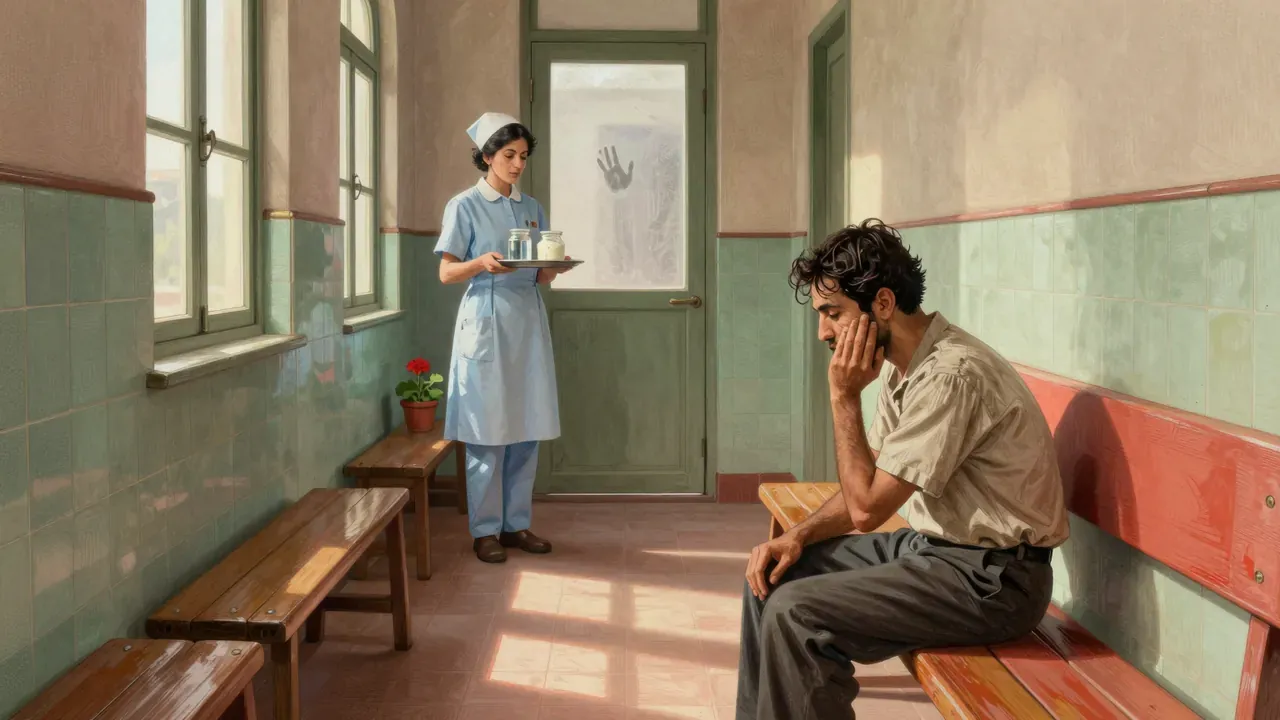
Tokyo Chorus (1931), directed by Yasujirō Ozu, follows an insurance salesman whose firing during Japan’s early Shōwa depression forces him to reassess work, family and self-worth. Shot in silence by Hideo Shigehara and written by Kōgo Noda, it traces quiet resilience across domestic and public spaces — from school drills to hospital corridors to a curry-rice restaurant — culminating in a modest, communal reprieve. Its power lies in restraint: no grand speeches, no dramatic reversals, only the accumulated weight of small choices and smaller joys.

13:00

Tokyo Olympiad

Kon Ichikawa · 1965

Kon Ichikawa’s 1965 documentary Tokyo Olympiad records the 1964 Tokyo Games not as a chronicle of results but as a sustained study of human movement, effort, and collective attention. Shot by Kazuo Miyagawa and scored by Toshiro Mayuzumi, it rejects narration and exposition in favour of immersive, unhurried observation — close-ups of muscles, wide shots of emptying stadiums, extended sequences of athletic exertion. Commissioned by the Japanese government as a national showcase, it instead became a landmark of poetic documentary, prioritising physical presence over patriotic narrative. Its 170-minute runtime demands patience, but rewards it with unparalleled intimacy and tactility.

13:00

Tokyo Twilight

Yasujirō Ozu · 1957

Tokyo Twilight (1957) is Yasujirō Ozu’s final black-and-white drama, following two sisters reunited with their estranged mother in postwar Tokyo. When Akiko discovers the truth about her parentage, the revelation unravels her fragile stability — leading to abortion, confrontation, and sudden death. Her elder sister Takako absorbs the fallout, choosing to return to her failing marriage to break the cycle of abandonment. Shot by Yūharu Atsuta with Ozu’s signature stillness, the film resists melodrama in favour of accumulated quiet, using omission and restraint to articulate grief as atmosphere rather than event.

13:00

Tom Jones

Tony Richardson · 1963

Tony Richardson’s 1963 adaptation of Henry Fielding’s novel stars Albert Finney as the roguish, good-hearted Tom, whose journey from foundling to accepted heir unfolds through slapstick, satire and fourth-wall breaks. Written by John Osborne and shot by Walter Lassally, it balances period detail with formal audacity — intertitles, a wry narrator, and abrupt edits — to embody Fielding’s moral ambiguity. Though some emotional arcs falter and its satire occasionally overshadows character, its energy, performances and stylistic confidence remain distinctive. It won four Academy Awards, including Best Picture and Best Director.

13:00

Tongues Untied

Marlon Riggs · 1989

Marlon Riggs’s 1989 experimental documentary Tongues Untied uses poetry, archive, personal testimony and radical editing to articulate the intersecting realities of Black gay life in America. Funded in part by the NEA, it provoked national controversy upon PBS broadcast for its frank depiction of Black gay desire and critique of institutional exclusion — a backlash Riggs framed as confirmation of the film’s central thesis: that silence on sexual and racial difference is systemic, not incidental.

13:00

Toni

Jean Renoir · 1935

Jean Renoir’s 1935 Toni follows an Italian migrant in Provence as he navigates work, love and displacement among a mixed group of labourers. Shot entirely on location with non-professional actors, it uses restraint — in performance, editing and sound — to observe class, language and longing without commentary. Its influence on later movements is well documented, but its power lies in its quiet, unwavering attention to the material conditions of ordinary lives.

13:00

Toothache

Abbas Kiarostami · 1980

Abbas Kiarostami’s 1980 short Toothache is a rigorously functional educational film made for Iranian schoolchildren. Shot on 16mm at Kanoon, it traces a boy’s physical and social decline due to poor dental hygiene, culminating in a thirteen-minute direct-to-camera lecture by a dentist, punctuated by animated sequences and clinical footage. Its power lies in its unwavering commitment to pedagogy over artifice — a rare, unembellished record of how cinema can serve public health.

13:00

Tootsie

Sydney Pollack · 1982

A struggling New York actor disguises himself as a woman to land a soap opera role, then finds his assumptions about gender, work, and relationships upended by the sheer effort of sustaining the performance. Directed by Sydney Pollack and starring Dustin Hoffman, Jessica Lange, and Teri Garr, it balances sharp social observation with grounded comic timing and emotional honesty.

13:00

Topsy-Turvy

Mike Leigh · 1999

Mike Leigh’s Topsy-Turvy (1999) follows W. S. Gilbert and Arthur Sullivan through the 15-month creation of The Mikado, foregrounding rehearsal, costume design, salary negotiation, and backstage friction over biographical revelation. Shot by Dick Pope, scored by Carl Davis, and performed live by the cast, it treats Victorian theatre as a site of material, social, and artistic labour — yielding an arthouse drama that values process, texture, and ensemble over plot or polish.

13:00

Tori and Lokita

Jean-Pierre Dardenne, Luc Dardenne · 2022

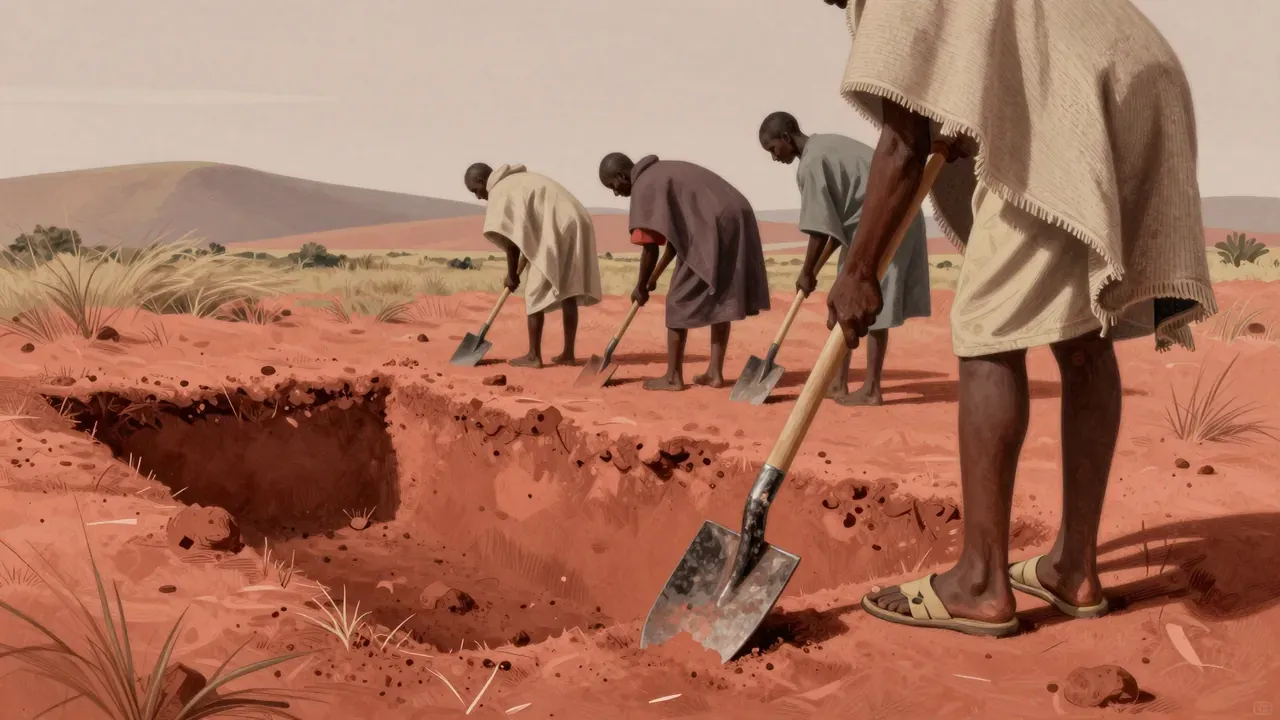
Tori and Lokita is a 2022 Belgian-French drama by Jean-Pierre and Luc Dardenne, following an eleven-year-old boy and sixteen-year-old girl posing as siblings while surviving in a Belgian city. They work for a drug dealer under the guise of musical performers, and Lokita’s repeated visa rejections lead to her being sent to tend cannabis plantations — separating her from Tori, who tracks her down. The film ends with Lokita’s death and Tori singing at her funeral. Shot in natural light with minimal score and precise editing by Marie-Hélène Dozo, it sustains unwavering focus on care as labour and dignity as practice.

13:00

Torment

Alf Sjöberg · 1944

Torment (1944), written by Ingmar Bergman and directed by Alf Sjöberg, follows a Stockholm student tormented by a sadistic Latin teacher. Shot with stark realism and minimal score, it uses the school as a closed system of power, exposing how abuse thrives in bureaucratic silence. Its restrained performances and unsentimental structure make it a foundational work of Scandinavian arthouse cinema — less concerned with individual guilt than with the architecture of complicity.

13:00

Total Balalaika Show

Aki Kaurismäki · 1994

Total Balalaika Show (1994) documents a 1993 Helsinki concert pairing the Leningrad Cowboys and the Alexandrov Ensemble. Directed, written and produced by Aki Kaurismäki, it presents thirteen live songs in static, natural-light takes, avoiding commentary or context. At 57 minutes, it treats the event as self-evident: a factual, unembellished record of cultural coexistence.

13:00

Totally F***ed Up

Gregg Araki · 1993

Totally F***ed Up (1993) is Gregg Araki’s debut in his Teenage Apocalypse trilogy: a 78-minute, 16 mm arthouse drama following six queer teenagers in Los Angeles. Made with no crew beyond Araki himself, a sound person, and the cast, it uses handheld camerawork, episodic structure, and documentary-style interviews to portray love, violence, grief, and daily life without moralising or exposition. Its power lies in its restraint, authenticity, and refusal to render queerness as either problem or spectacle.

13:00

Tótem

Lila Avilés · 2023

Set over a single day at her grandfather’s house, seven-year-old Sol attends what is presented as her father’s birthday party — though it functions as a tender, unspoken farewell before his death. Directed and written by Lila Avilés, the film observes Sol’s sensory and emotional navigation of shifting family dynamics as daylight fades and ritual gives way to raw feeling. With Naíma Sentíes in a remarkably restrained central performance and Diego Tenorio’s naturalistic cinematography, Tótem builds emotional weight through accumulation, not climax.

13:00

Touki Bouki

Djibril Diop Mambéty · 1973

Djibril Diop Mambéty’s 1973 Senegalese drama follows Mory and Anta as they dream of Paris, steal to get there, and fail at the last moment. Shot in Wolof with a $30,000 budget, it uses jump cuts, dissonant sound collage, and folk symbolism to explore postcolonial aspiration, mobility, and self-sabotage — not as ideas, but as embodied, rhythmic conditions.

13:00

Tout Va Bien

Jean-Luc Godard, Jean-Pierre Gorin · 1972

Tout Va Bien (1972) is a French-Italian essay-film directed by Jean-Luc Godard and Jean-Pierre Gorin. Starring Jane Fonda and Yves Montand, it depicts a sausage factory strike through a self-reflexive, Brechtian framework: a cross-sectioned set, flat performances, direct address, and anti-continuity editing. It interrogates class, media, and capitalism in the wake of May 1968, refusing psychological realism in favour of structural clarity.