A rat with a chef’s nose
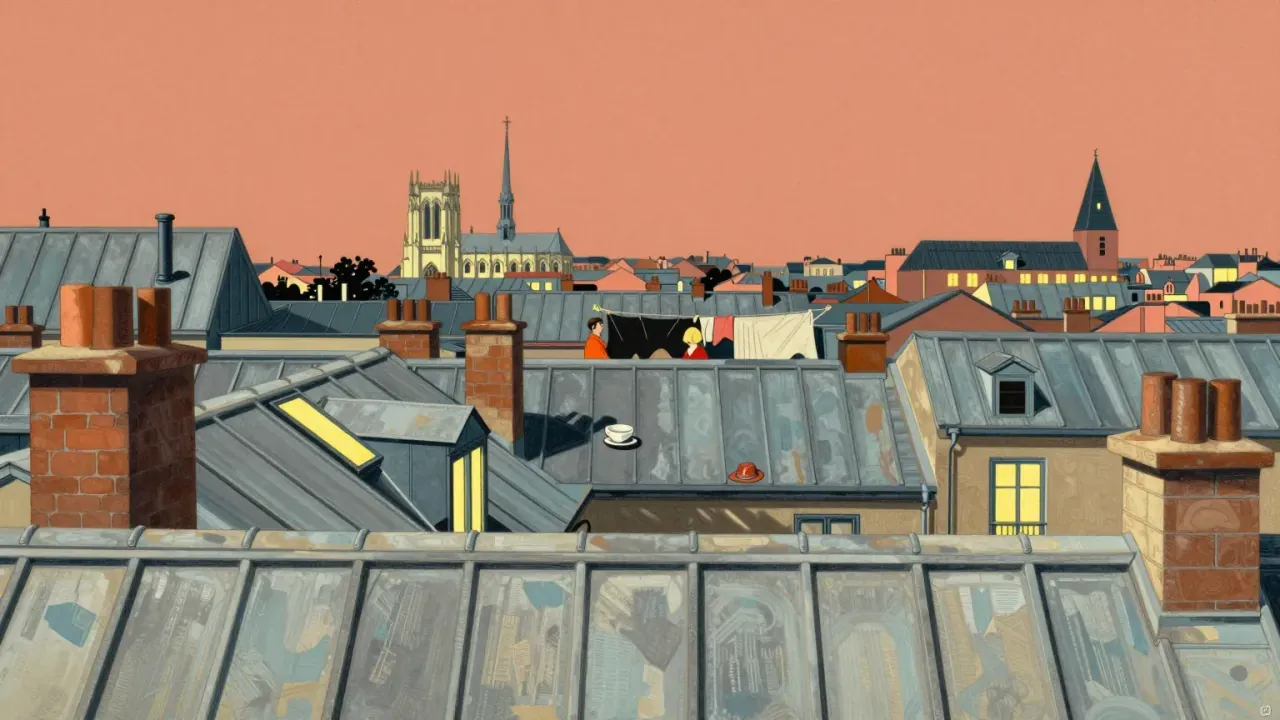
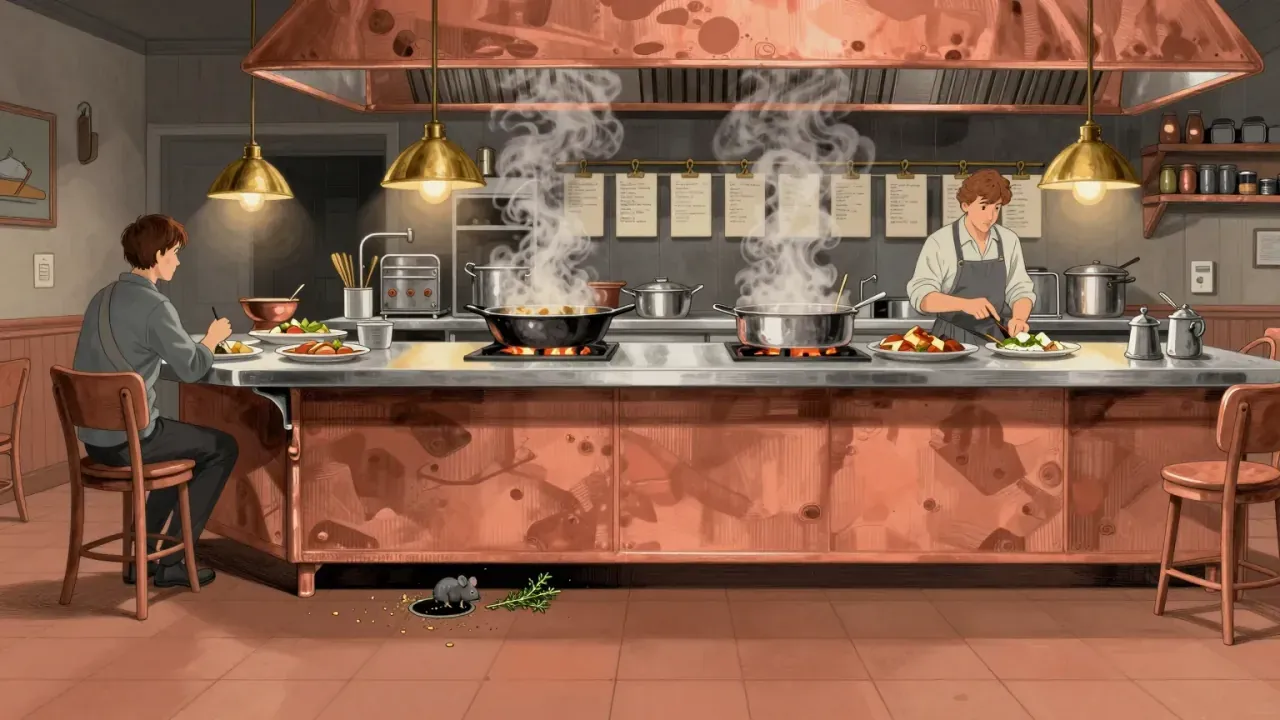
Ratatouille, released by Pixar in 2007 and directed by Brad Bird after he took over from original director Jan Pinkava, is built on a premise its own characters call absurd: a rat named Remy has the palate and instincts of a serious chef, and wants to cook in a Paris kitchen, a place that by definition cannot have rats anywhere near it. Bird’s film spends its full runtime taking that contradiction seriously rather than playing it purely for gross-out laughs, which is the choice that separates it from what could easily have been a much lesser version of the same premise about a talking rat with a hobby.
Puppeteering by hair-pull
The mechanics of the plot hinge on Remy directing garbage boy Alfredo Linguini’s actions by pulling his hair from underneath his chef’s hat, a device that gives the film a sustained physical comedy engine distinct from most kitchen-set stories built around a single competent lead. Bird, who also wrote the final script, killed off the restaurant’s founder Gusteau early in his rewrite and expanded the roles of the sous-chef Skinner and the only woman on the line, Colette, sharpening a story that had been comparatively soft and unfocused under Pinkava’s earlier direction before Bird was brought in.
Food shot to be believed
The film’s most distinctive achievement is how it renders food on screen. Pixar sent animators to San Francisco-area culinary schools, brought in a professional-chef-trained sets and layout manager to consult across departments, and had producer Brad Lewis intern in Thomas Keller’s kitchen at The French Laundry, where Keller devised the layered vegetable dish, confit byaldi, that becomes the film’s climactic plate. The result is food animation that looks handled by someone who genuinely understands what makes a dish work as cooking, not merely what makes it look appetising and glossy on a screen.
A critic given more to do than sneer
Where the film sags is in its middle stretch of restaurant politics and health-inspector plotting, which slows the momentum the Remy-Linguini partnership had built in the opening act and takes longer than it strictly needs to get the story back into the kitchen where it is strongest. It is a minor drag rather than a serious structural flaw, but it is noticeably there on a second viewing, and a slightly tighter edit could plausibly have trimmed it without losing anything essential to the plot. Skinner’s scheme to profit off Gusteau’s name and Colette’s suspicion of Linguini both need explaining before the film can return to what it does best.
Who is allowed to be good at something
The film’s real subject is who gets permission to be an artist, and it refuses easy answers on the question: Remy’s talent is never actually in doubt, but his species remains a real, unresolved practical obstacle the film does not paper over with a convenient magic fix at any point. That argument crystallises late, when the feared critic Anton Ego, having spent the entire film as a looming offscreen threat, delivers a monologue defending the value of honest criticism and the possibility that great cooking can come from anywhere at all, including, as the film’s closing narration insists, from a rat.
Who should watch it
It suits families with children old enough to sit through some dialogue-heavy stretches, adults who cook or otherwise care seriously about food, and anyone curious how a major studio solved the technical problem of making computer-generated food look like something a person would actually want to eat. Very young viewers wanting nonstop slapstick may find the restaurant-politics section slow going, since this is not a film built around large set-piece action or chase sequences to hold attention between the comedy. Viewers who already dislike rats as a matter of personal taste should know that the film does not shy away from showing large numbers of them at once.
Is it worth the evening
At 111 minutes, with Michael Giacchino’s Paris-inflected score and a screenplay willing to let its ostensible villain have the last serious word in the film, Ratatouille backs up its acclaim with results: it won the Academy Award for Best Animated Feature, took $623.7 million worldwide against a $150 million production budget, and has aged into a film critics still regularly cite as one of the strongest of its entire decade of animation. A 2016 BBC poll of international critics later placed it among the hundred greatest films of the twenty-first century, which is a rare honour for something originally sold as a family cartoon. It is worth the evening, restaurant-politics stretch and all.