filmbriefs
Fiction

Action

111
briefs
13:00
average
1443 min
in total
66
people
All briefs111
13:00

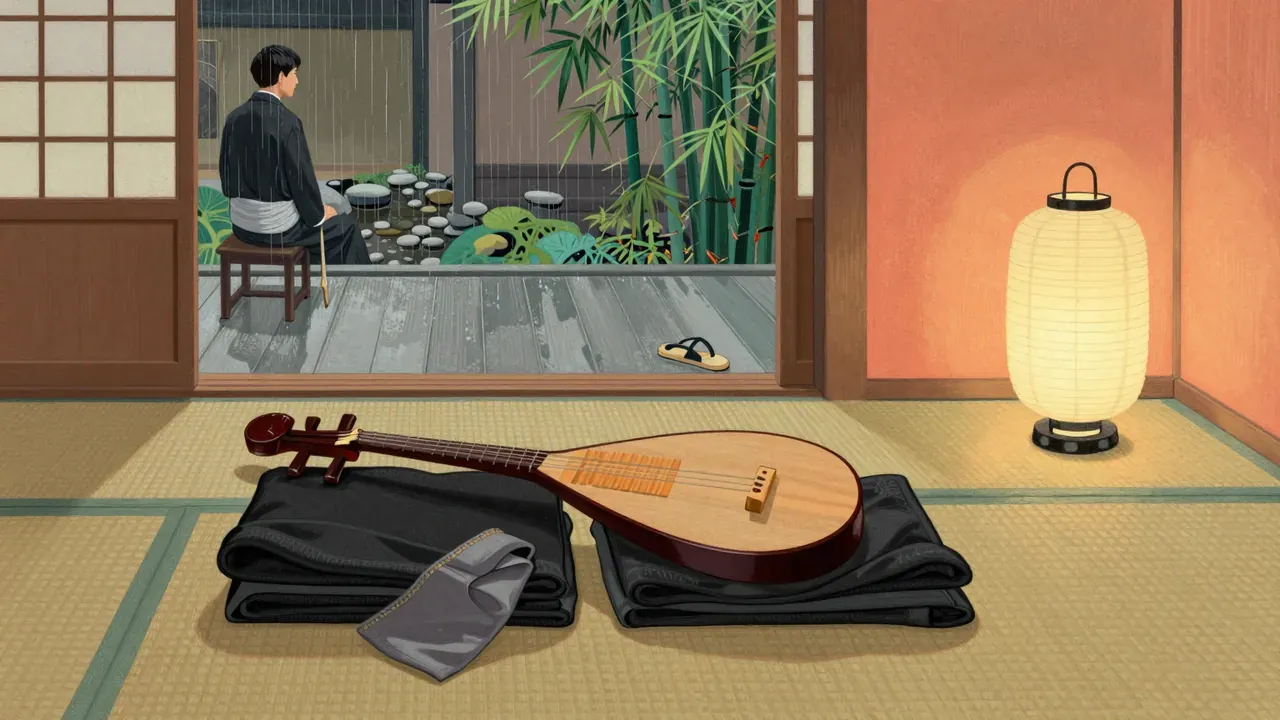
Adventures of Zatoichi

Kimiyoshi Yasuda · 1964

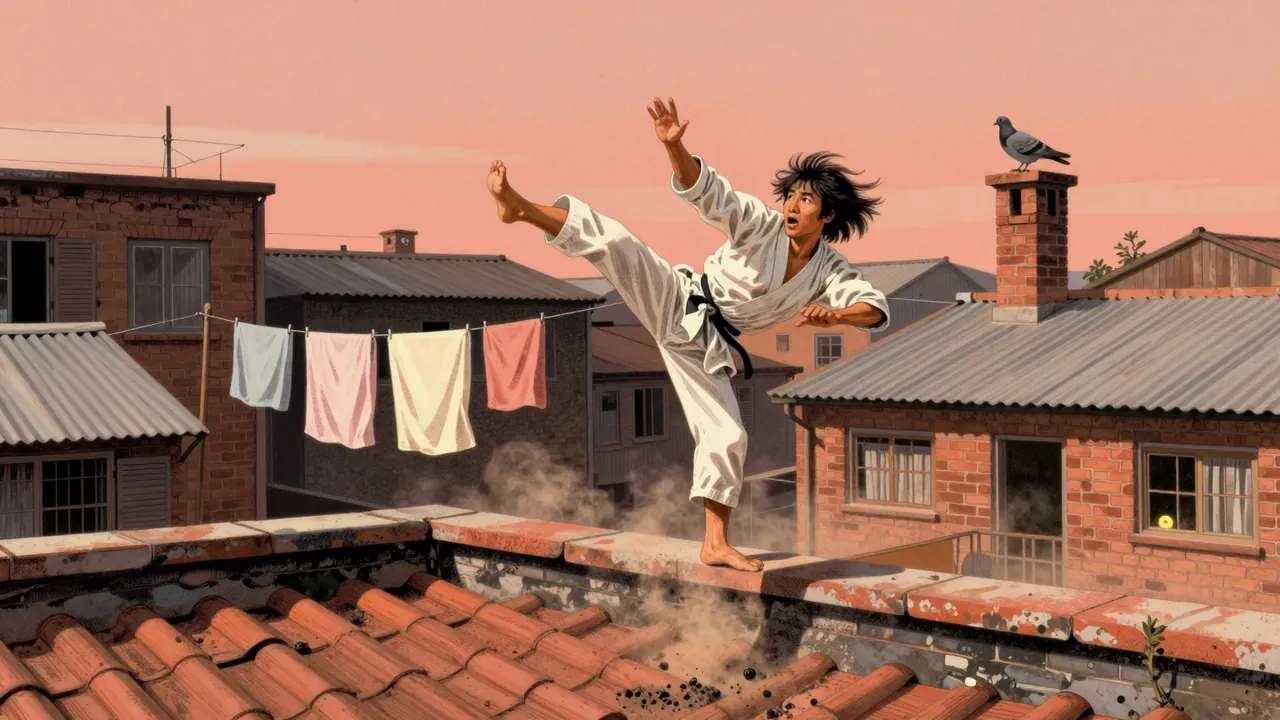
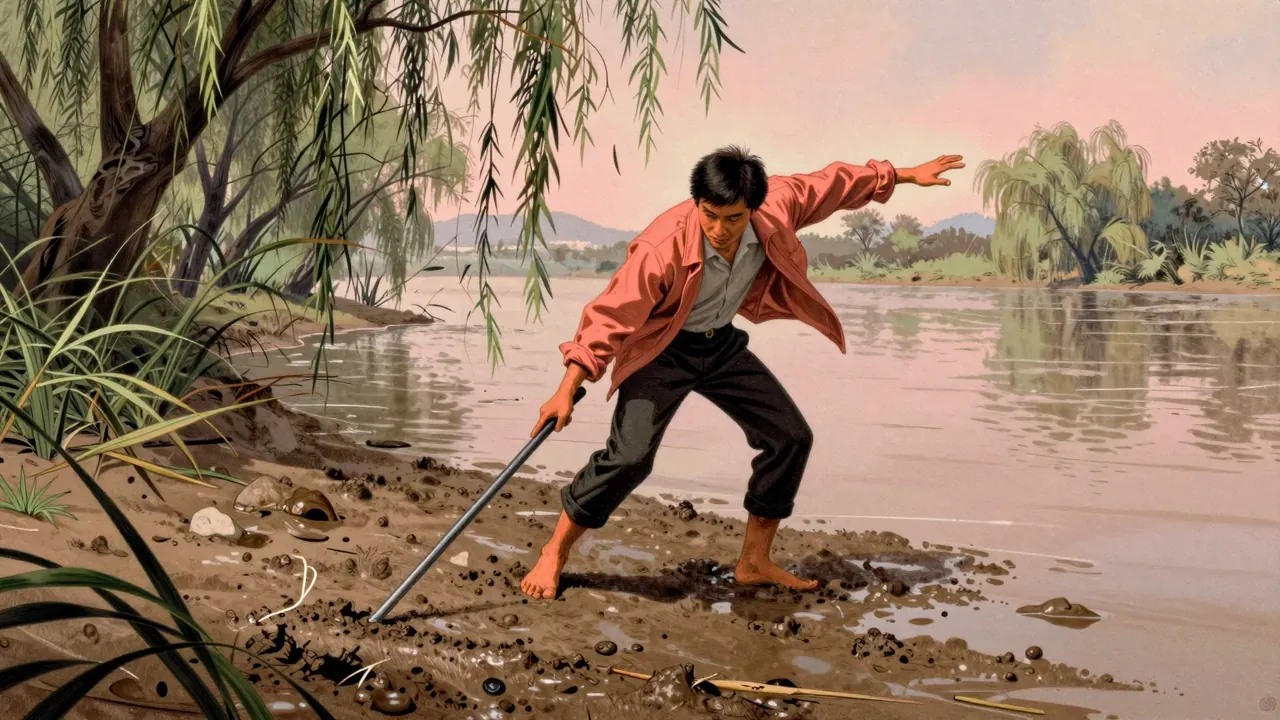
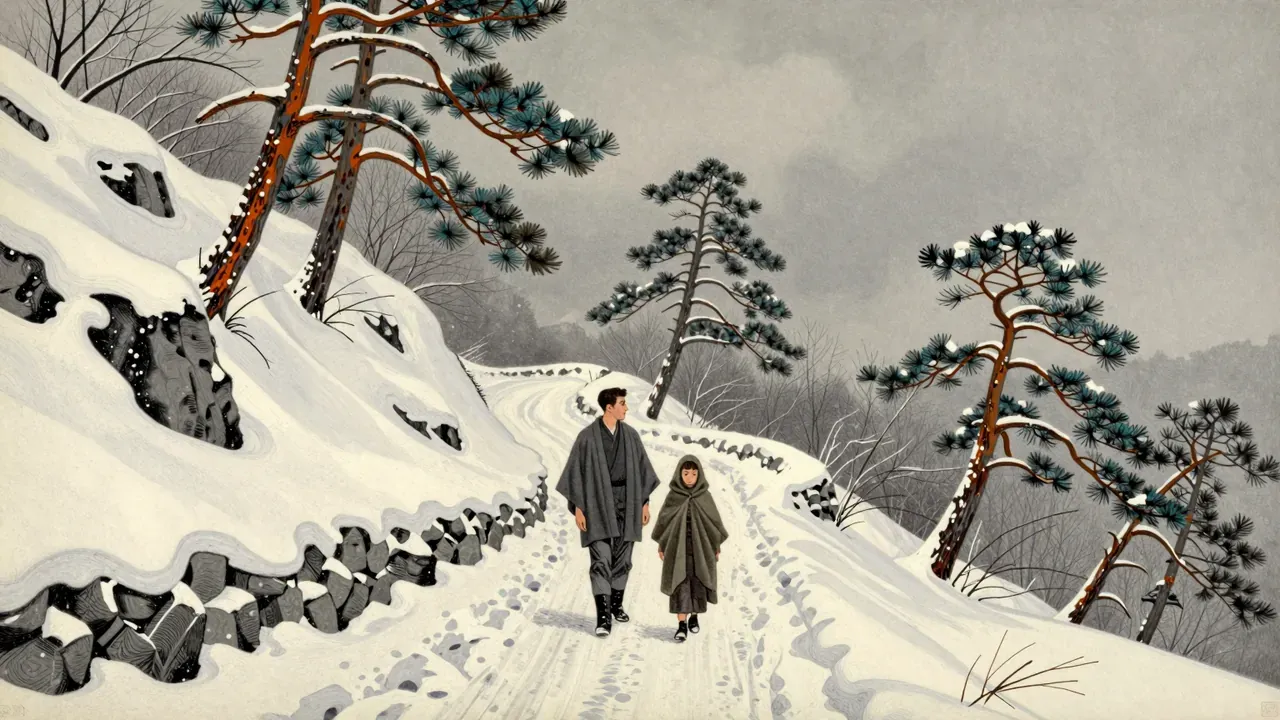
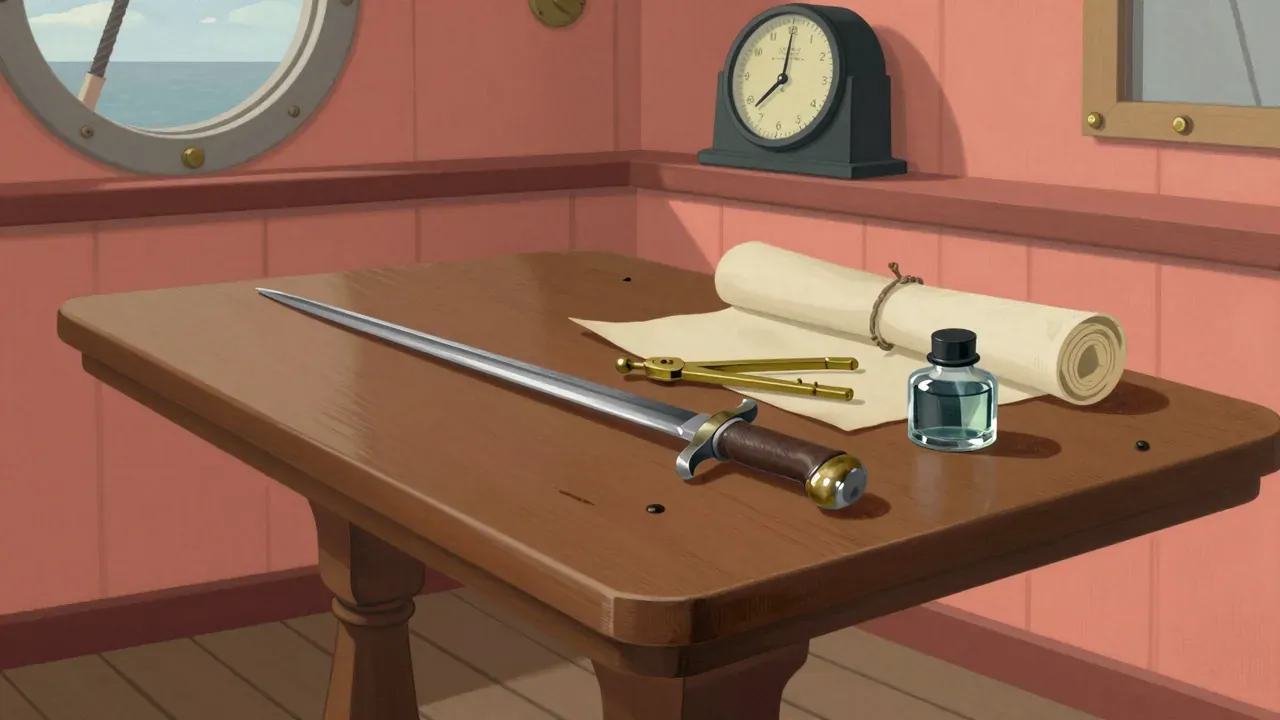
The ninth Zatoichi film finds the blind masseur stepping into a town gripped by bureaucratic corruption and quiet desperation. He does not seek conflict but cannot avoid it — and when he draws his sword, it is never to win, but to weigh. With Shintarō Katsu at peak control and Kimiyoshi Yasuda framing each scene like a scroll painting, Adventures of Zatoichi is a study in restraint: in violence, in revelation, in what a man owes the world when no one is watching.
13:00

Armageddon

Michael Bay · 1998

A 1998 American action film directed by Michael Bay, Armageddon follows a team of oil drillers recruited by NASA to destroy a Texas-sized asteroid hurtling toward Earth. With a $140 million budget and an ensemble cast including Bruce Willis, Ben Affleck and Liv Tyler, it prioritises emotional clarity, physical craft and relentless momentum over scientific plausibility or psychological nuance. Though critically divided, it became the highest-grossing film of 1998 and remains a benchmark for large-scale, character-driven spectacle.

13:00

Captain Blood

Michael Curtiz · 1935

Michael Curtiz’s 1935 swashbuckler launched Errol Flynn as a star and redefined Hollywood adventure cinema. Adapted from Rafael Sabatini’s novel by Casey Robinson, it follows Irish doctor Peter Blood, unjustly enslaved and turned pirate, whose moral rigour and tactical brilliance make him both outlaw and redeemer. Shot largely on sound stages with a symphonic Korngold score, it prioritises narrative economy, physical authenticity, and ethical coherence over historical nuance or psychological complexity. Its enduring power lies in its unwavering commitment to craft as conscience.

13:00

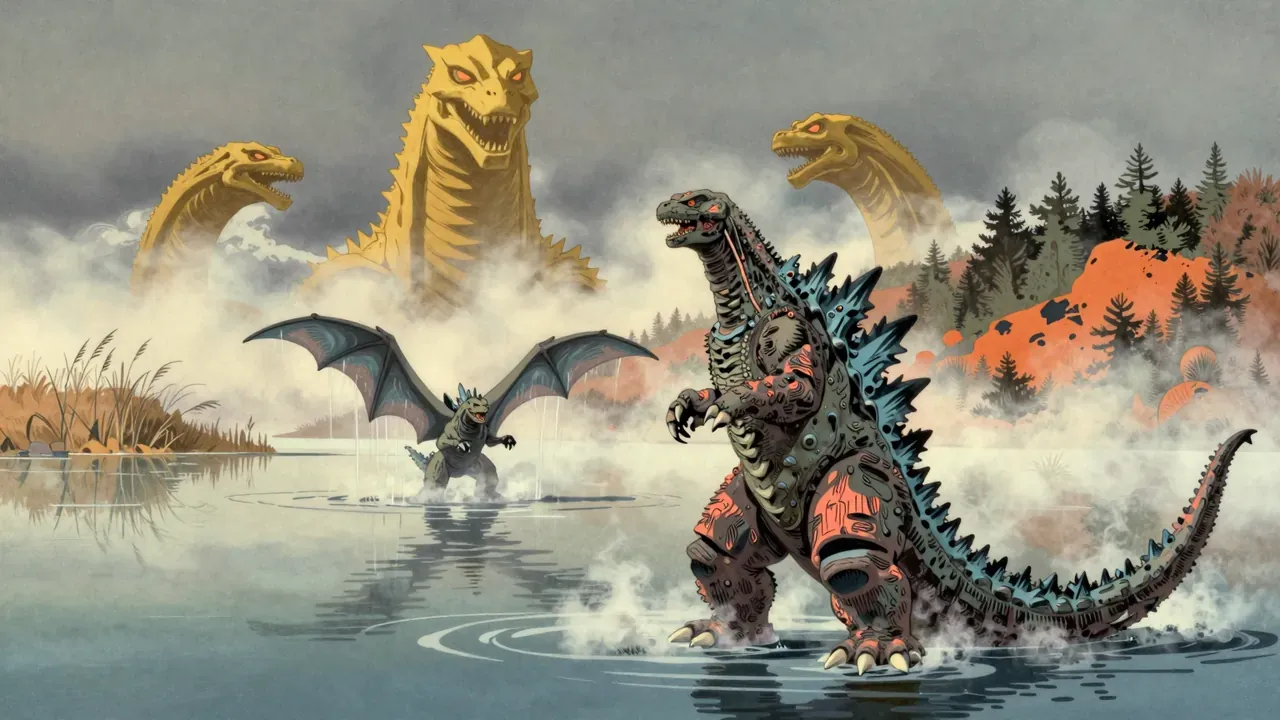
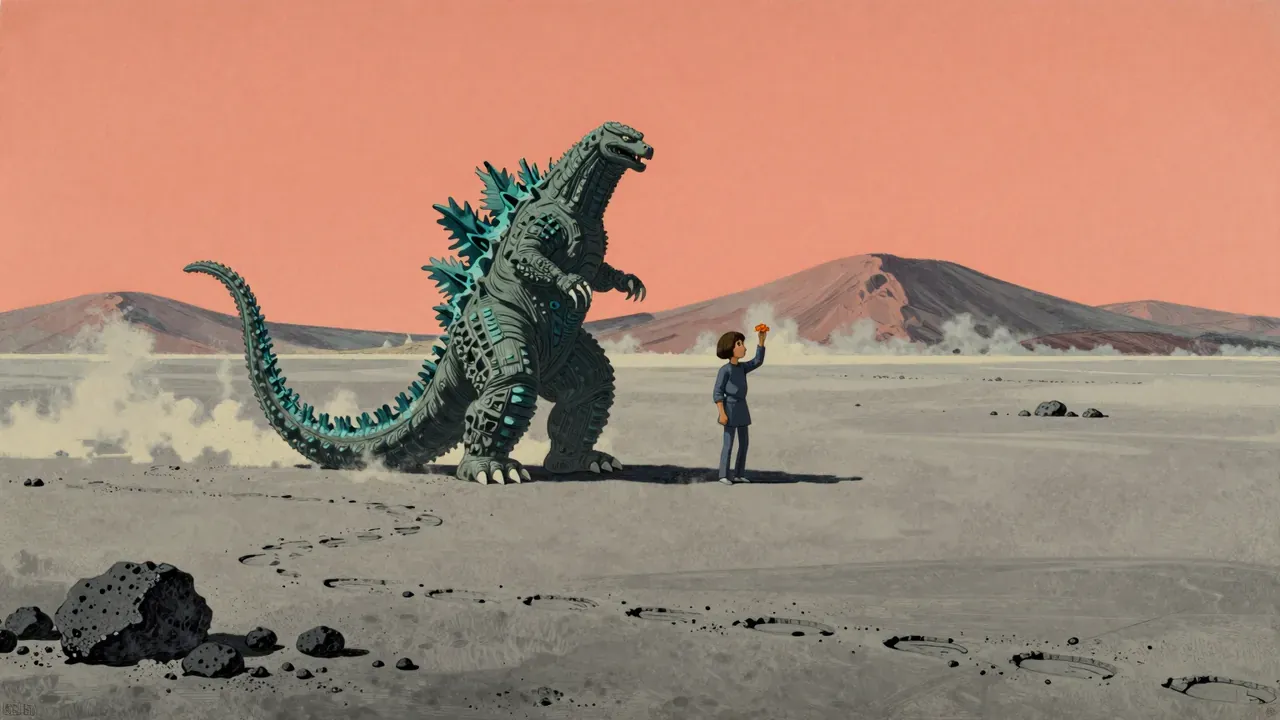
Destroy All Monsters

Ishirō Honda · 1968

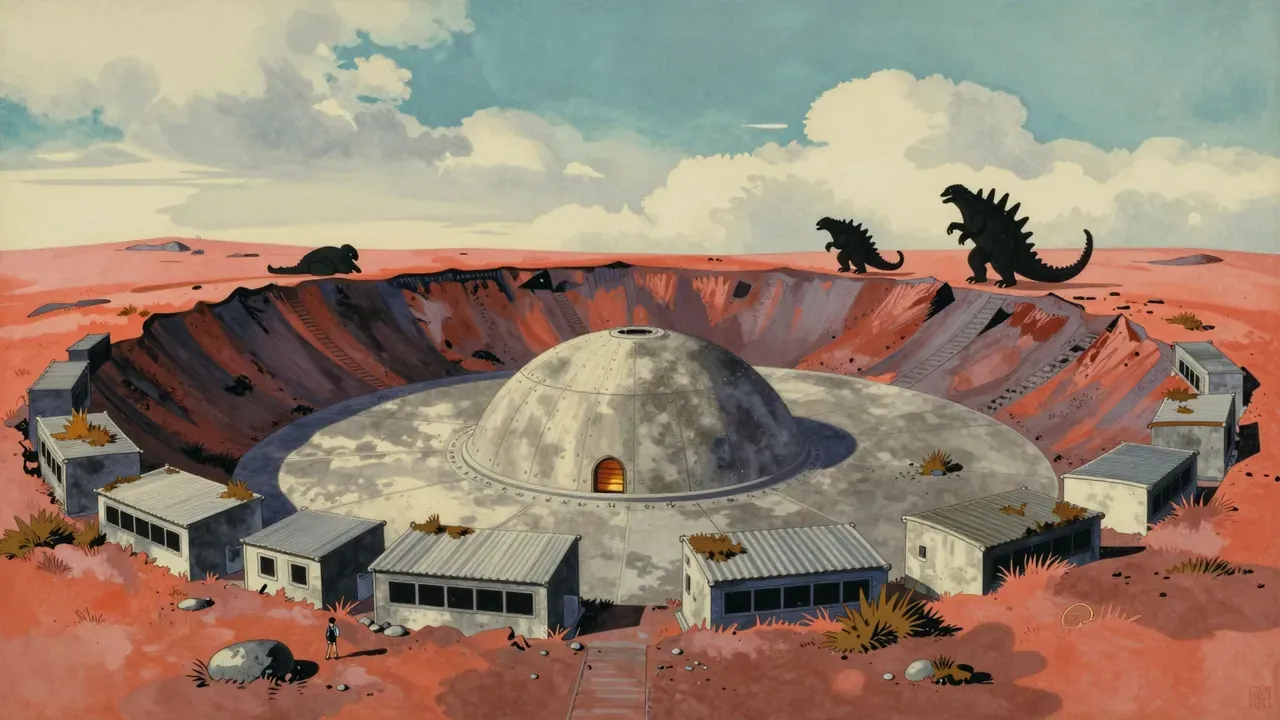
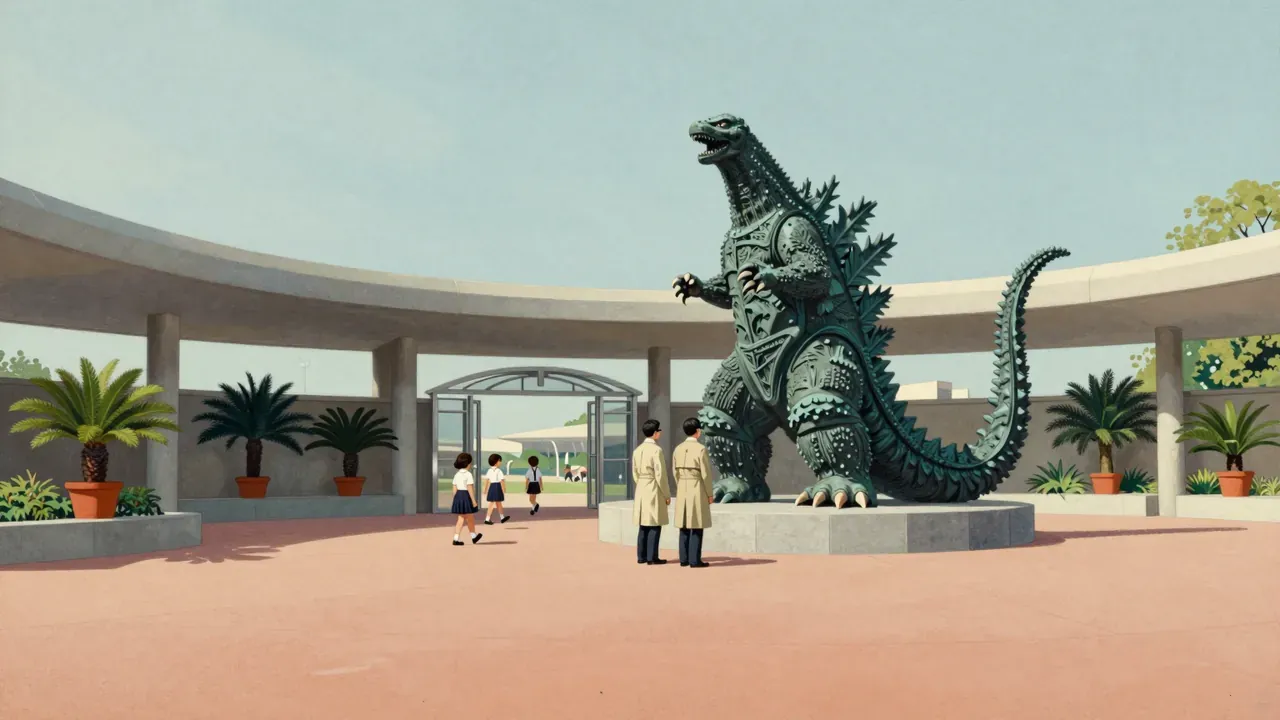
Destroy All Monsters (1968), directed by Ishirō Honda, assembles Toho’s entire kaiju roster under the control of the Kilaak aliens, using Monsterland as a narrative hub. With Akira Ifukube’s score and Sadamasa Arikawa’s practical effects, it stages a global monster mobilisation culminating in a choreographed battle at Mount Fuji. Structurally ambitious but emotionally sparse, it prioritises systemic logic over character depth — a Cold War parable rendered in rubber suits and balsa-wood spaceships.

13:00

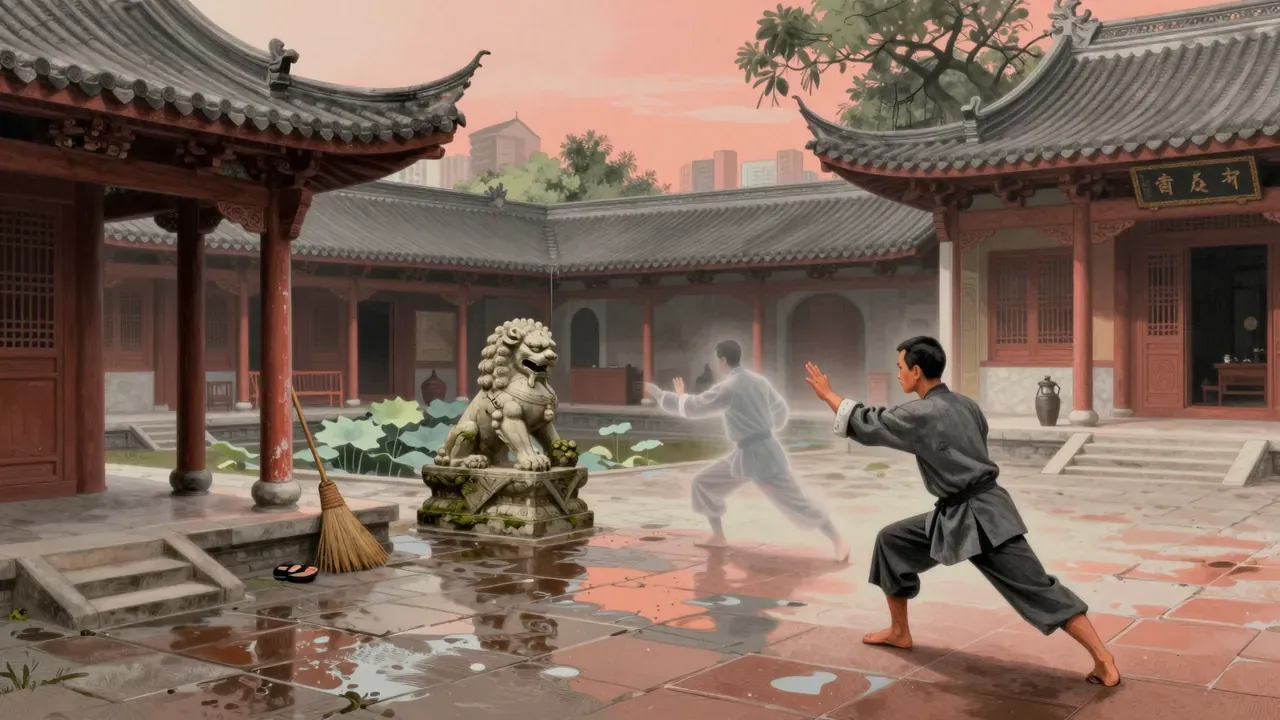
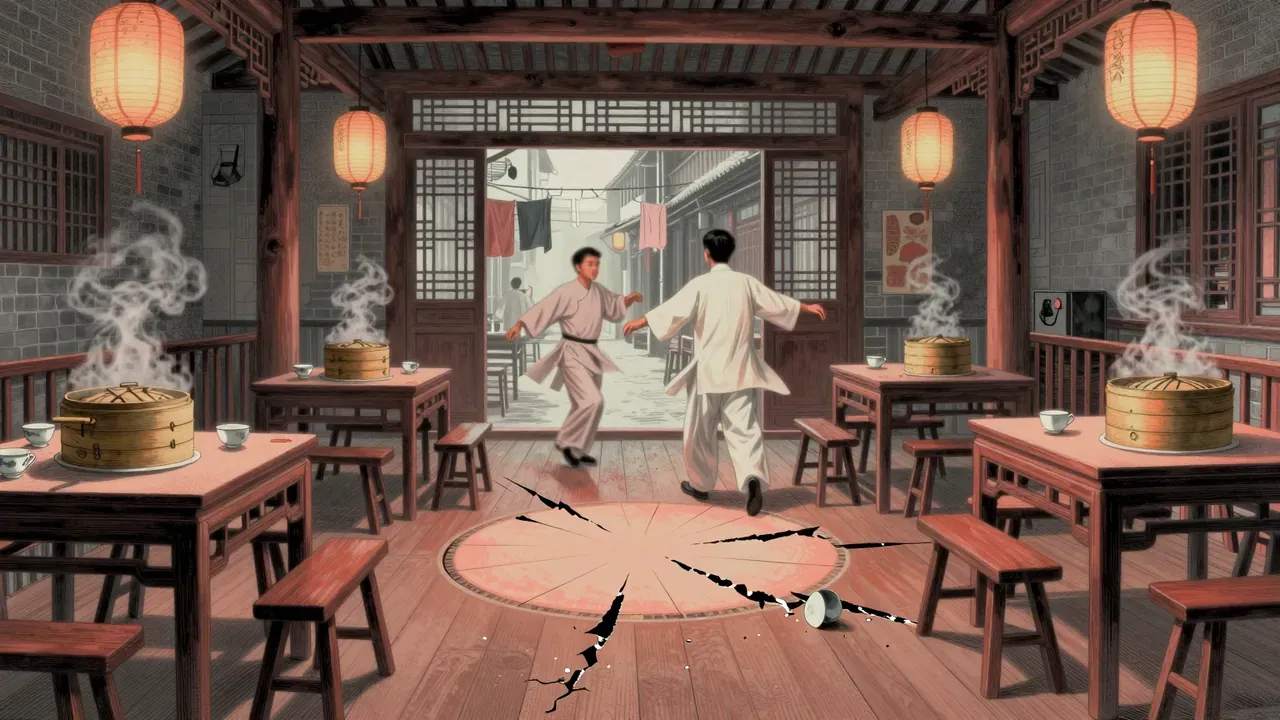
Dragon Gate Inn

King Hu · 1967

King Hu’s 1967 Dragon Gate Inn is a foundational wuxia film set in 15th-century Ming China, centred on a group of martial artists defending an exiled official’s family at a remote desert inn. Shot in Taiwan with Hua Hui-ying’s austere cinematography and edited by Chen Hung-min for rhythmic precision, it treats action as structural logic rather than flourish. Its themes—fidelity, jurisdiction, restraint—are enacted, not explained. Though lean in character depth and historical context, its formal control and spatial intelligence make it a benchmark of genre discipline.

13:00

Eastern Condors

Sammo Hung · 1987

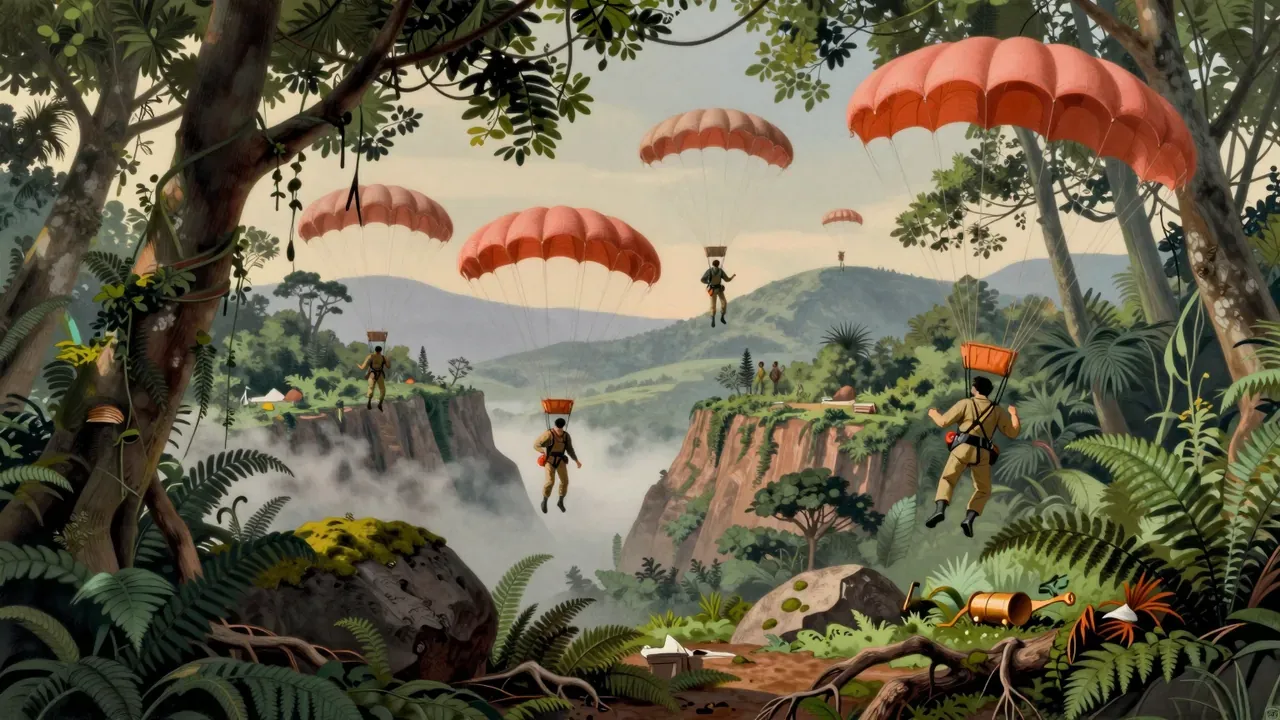
Sammo Hung’s 1987 Eastern Condors transplants the American commando-mission template into Hong Kong action cinema, following twelve convicts dropped into Vietnam to destroy a missile bunker. Directed by Hung and choreographed by him and Yuen Woo-ping, it prioritises physical storytelling over narrative nuance: stunts, timing, and ensemble coordination anchor the film, while its geopolitical framework remains functional, not interrogated. Shot in the Philippines, scored by Jonathan Lee, and released by Orange Sky Golden Harvest, it is a work of disciplined genre translation — earnest, unshowy, and built for the body before the mind.

13:00

Enter the Dragon

Robert Clouse · 1973

A 1973 martial arts action film directed by Robert Clouse, Enter the Dragon stars Bruce Lee as a Shaolin monk infiltrating a criminal island tournament. Produced by Warner Bros. and Golden Harvest on a $850,000 budget, it fused spy-thriller structure, blaxploitation casting, and Lee’s choreographed philosophy. Though its script leans on genre shorthand and its themes remain gestural, its physical grammar — in fight staging, performance, and Schifrin’s score — endures as a benchmark. It grossed $90 million worldwide and remains culturally pivotal, preserved in the US National Film Registry.

13:00

Executioners

Johnnie To, Ching Siu-tung · 1993

Executioners reunites Michelle Yeoh, Anita Mui and Maggie Cheung in a post-apocalyptic Hong Kong where water scarcity and social collapse test their evolving definitions of duty. Directed by Johnnie To and Ching Siu-tung, it prioritises ethical recalibration over martial escalation — with Yeoh tutoring a disfigured former enemy, Mui balancing motherhood and latent power, and Cheung reluctantly embracing collective responsibility. Its strengths lie in restrained performances and atmospheric world-weariness; its weaknesses in underwritten antagonists and uneven tonal discipline.

13:00

Fearless Hyena Part II

Lo Wei · 1983

Fearless Hyena Part II (1983) is a fractured Hong Kong martial arts film directed by Lo Wei, written by Jackie Chan, and released after Chan broke his contract to join Golden Harvest. With Chan absent for much of the shoot, the film relies on doubles, reused material, and disjointed editing. Its plot — two cousins avenging their slain fathers — is undercut by narrative incoherence, tonal whiplash, and visible production strain. Yet its absurdity and historical significance as a case study in studio power make it more revealing than entertaining.
13:00

Fight, Zatoichi, Fight

Kenji Misumi · 1964

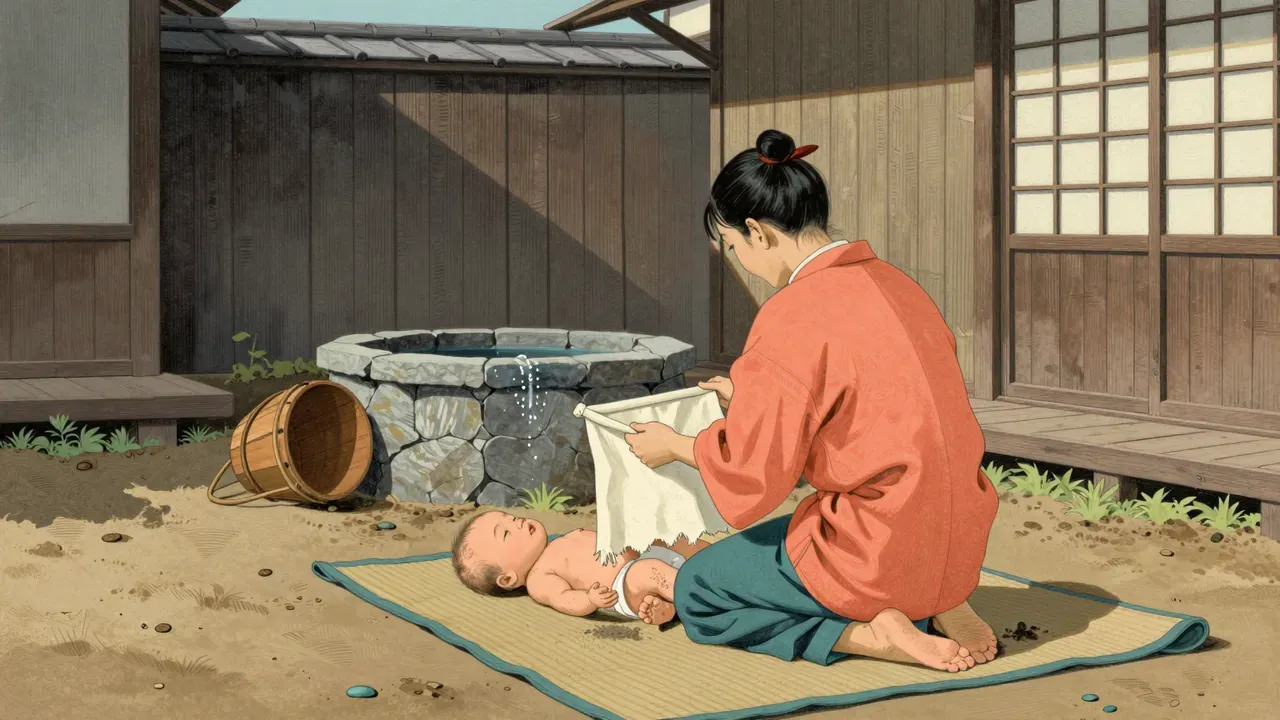
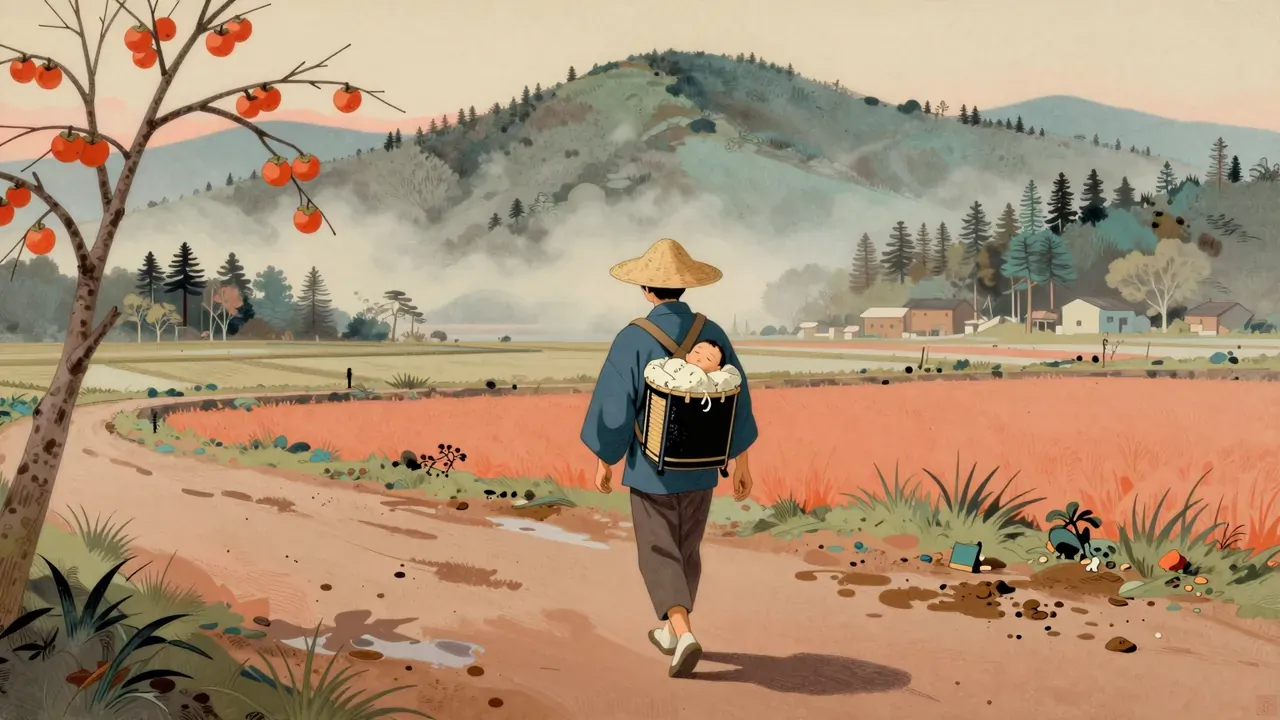
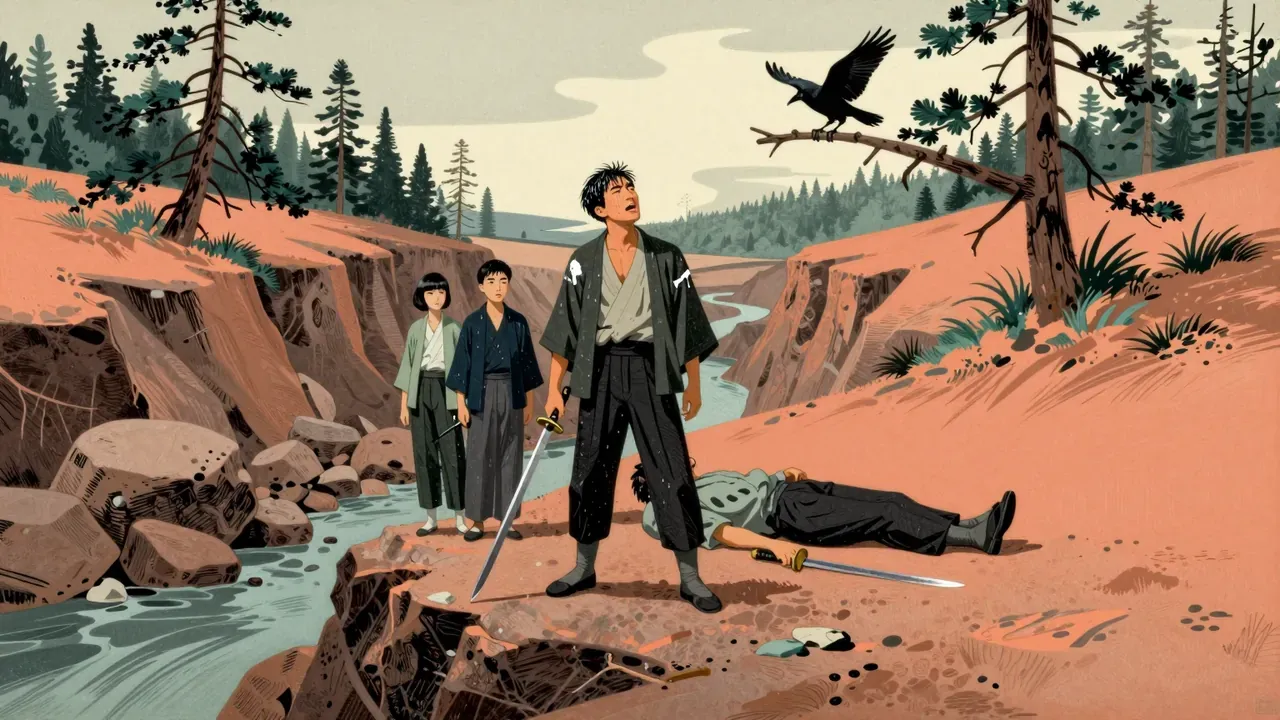
The eighth Zatoichi film follows the blind masseur as he carries a baby across sixty miles to its estranged father, pursued by assassins and accompanied by reluctant helpers. Built on repetition and restraint, it treats duty as a series of concrete actions — reading documents, changing diapers, rolling out fire — rather than abstract virtue. Directed by Kenji Misumi and starring Shintarō Katsu, it is a lean, unsentimental entry in the series, anchored by precise choreography and moral clarity.

13:00

Game of Death

Bruce Lee, Robert Clouse, Sammo Hung · 1978

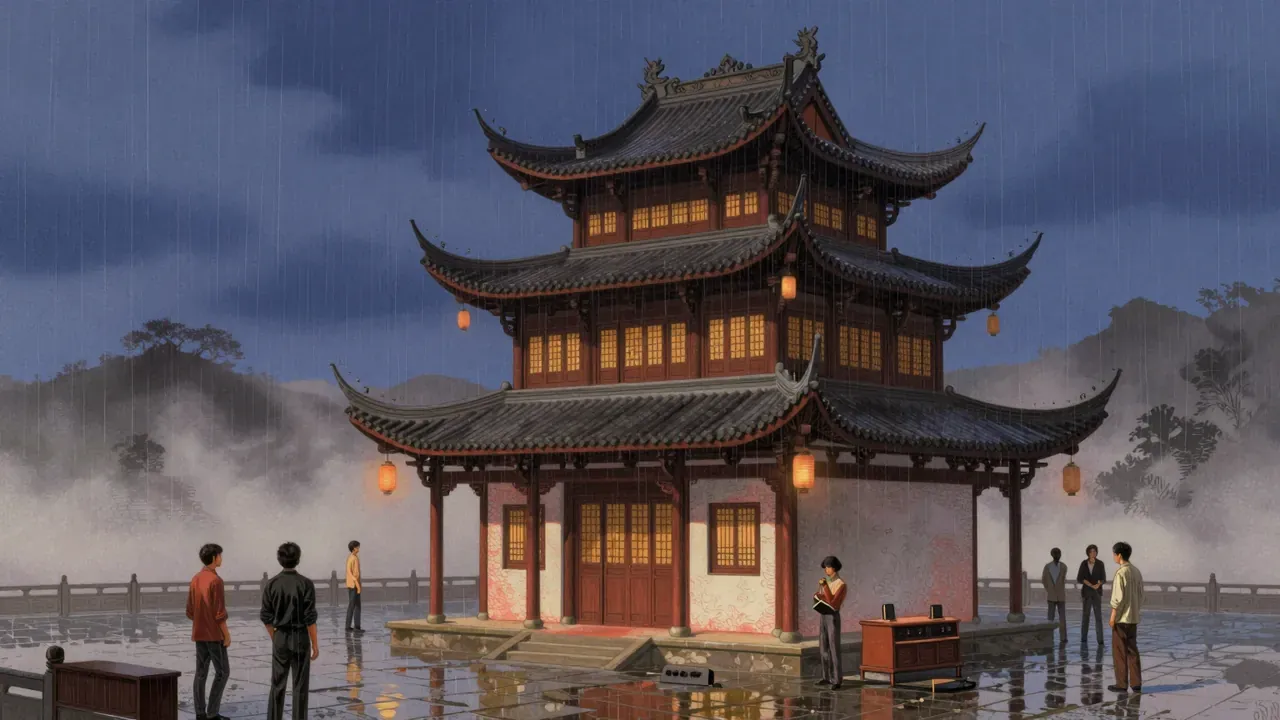
Game of Death (1978) is a re-edited, partially reshot version of Bruce Lee’s unfinished 1972 film, built around three surviving fight sequences he choreographed and filmed. Directed by Robert Clouse and Sammo Hung, it grafts a new revenge plot onto Lee’s original pagoda-ascent concept, using doubles and newly shot scenes to bridge gaps. Though commercially successful and culturally influential — especially for Lee’s yellow jumpsuit and the Abdul-Jabbar fight — it sacrifices narrative coherence and thematic depth for continuity. Its power resides entirely in Lee’s physical presence and choreographic intelligence, not in its story.

13:00

Ghidorah, the Three-Headed Monster

Ishirō Honda · 1964

Ghidorah, the Three-Headed Monster (1964) is Toho’s fifth Godzilla film and the first to stage a three-monster alliance against an extraterrestrial threat. Directed by Ishirō Honda with special effects by Eiji Tsuburaya, it follows a Venusian prophetess who warns Earth of King Ghidorah’s arrival, prompting Godzilla, Rodan, and Mothra to set aside rivalry. Built on recycled suits, hand-crafted miniatures, and Akira Ifukube’s score, it privileges ritual over exposition and collective stance over individual heroism. Though human subplots are thin and Ghidorah’s suit proved technically taxing, its vision of reluctant solidarity remains singular in the franchise.

13:00

Godzilla vs. Gigan

Jun Fukuda · 1972

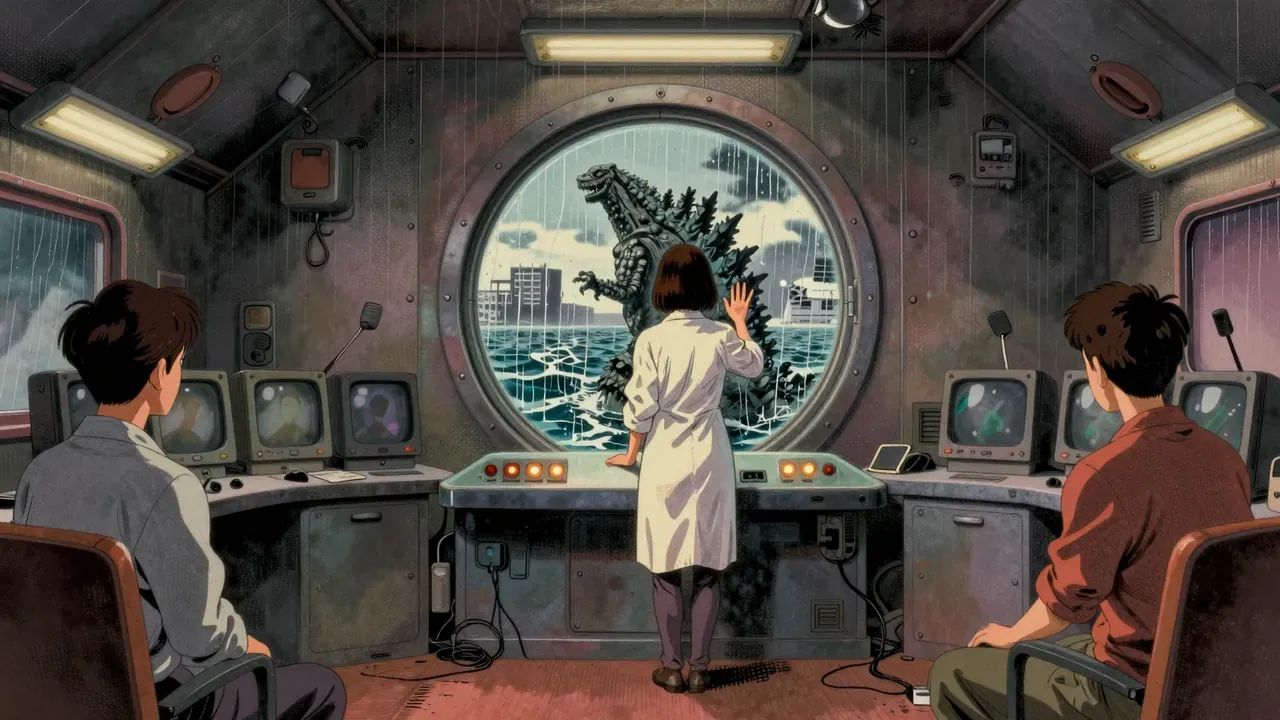
Godzilla vs. Gigan (1972) is Jun Fukuda’s brisk, brightly coloured course correction for Toho’s flagship kaiju series after the experimental Godzilla vs. Hedorah. With Haruo Nakajima’s final performance as Godzilla, the introduction of Takayoshi Mizuki’s sharply designed Gigan, and heavy use of stock footage and Ifukube’s recycled themes, the film prioritises rhythm and recognisability over novelty or depth. Its Nebulan aliens operate through a theme-park front and monster-control tapes, delivering straightforward, physically emphatic battles — including Godzilla’s first on-screen bleeding. It is a work of genre maintenance, best appreciated by those fluent in Shōwa-era kaiju grammar.
13:00

Godzilla vs. Mechagodzilla

Jun Fukuda · 1974

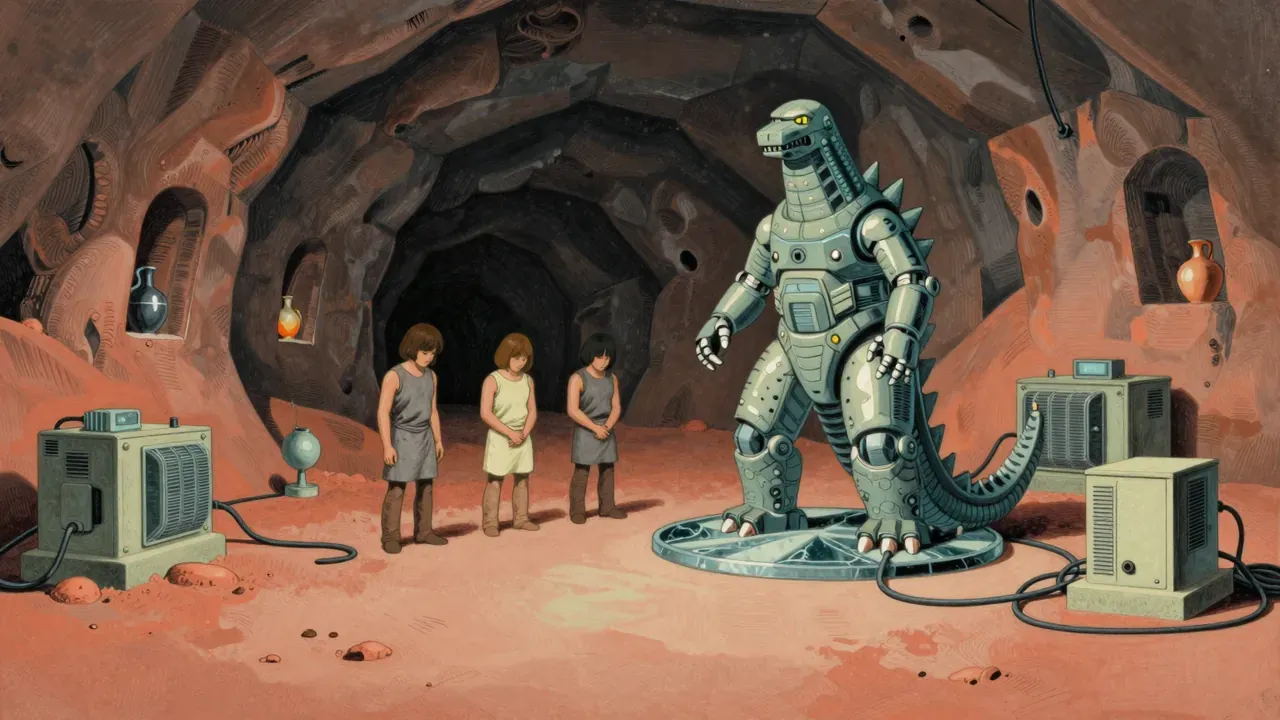
Toho’s 1974 Godzilla film pits the King of the Monsters against a space-titanium mecha controlled by ape-like aliens from the Third Planet of the Black Hole. Framed by an ancient Okinawan prophecy and centred on the ritual awakening of guardian deity King Caesar, it balances suitmation spectacle with attempts at mythic structure. Though hampered by thin character work and underdeveloped lore, its monster battles are precisely staged, Masaru Sato’s score is distinctive, and its place in the Shōwa era makes it a thoughtful pivot — less jokey than its predecessor, more invested in continuity and consequence.

13:00

Godzilla vs. the Sea Monster

Jun Fukuda · 1966

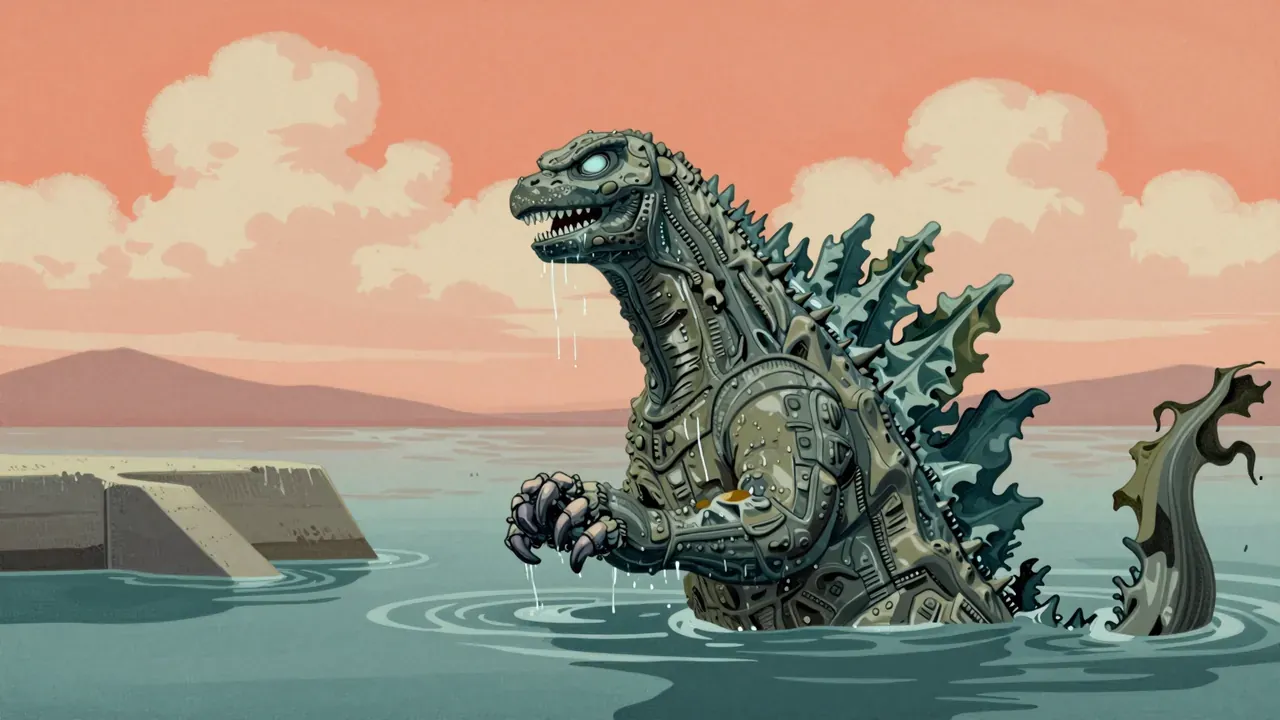
Godzilla vs. the Sea Monster (1966) is Toho’s pragmatic pivot: a South Seas island replaces Tokyo, Ebirah replaces Kong, and Masaru Sato replaces Akira Ifukube. Directed by Jun Fukuda with effects by Sadamasa Arikawa, it relies on repurposed suits, aquarium shots, and a script that never fully sheds its abandoned premise. Its strengths are tactile — Nakajima’s submerged performance, Yamada’s flat daylight, Sato’s light score — not thematic. It is a document of constraint, not conviction.

13:00

Half a Loaf of Kung Fu

Chi-Hwa Chen · 1978

Half a Loaf of Kung Fu (1978) is Jackie Chan’s early experiment in kung fu slapstick: a bumbling acrobat named Jiang stumbles through a series of misadventures — spying on a witch, collecting bounties on corpses, apprenticing to a beggar — all while trying, and mostly failing, to learn kung fu. Directed by Chi-Hwa Chen and written by Chan, it parodies the genre’s gravitas with physical comedy, episodic plotting, and a refusal to treat mastery as earned rather than stumbled upon.

13:00

Invasion of Astro-Monster

Ishirō Honda · 1965

Invasion of Astro-Monster (1965), directed by Ishirō Honda and co-produced by Toho and UPA, sends Godzilla and Rodan to Planet X to battle King Ghidorah — only for the aliens to betray Earth and unleash all three monsters. Shot under tight budget and time constraints, it relies on recycled effects, economical sets, and a streamlined script. Nick Adams joins the cast for US appeal, and Akira Ifukube’s score anchors its escalating chaos. Though criticised for tonal inconsistency and thin plotting, its craft choices — from the dug-out rocket launch to nitrogen-generated mist — reveal a studio working resourcefully within limits.

13:00

Last Hurrah for Chivalry

John Woo · 1979

Last Hurrah for Chivalry (1979), John Woo’s third feature and first solo-written film, is a morally austere wuxia set in a world where loyalty is priced, honour is negotiable, and vengeance is a contract. Starring Damian Lau and Fung Hak-On, it follows a fallen heir’s failed revenge, mediated by compromised allies and culminating in mutual annihilation. Shot in Cantonese for Golden Harvest, it bears Kurosawa’s formal influence and Chang Cheh’s fatalism, but charts its own path toward the ethical murk of Woo’s later heroic bloodshed films.

13:00

Lone Wolf and Cub: Baby Cart at the River Styx

Kenji Misumi · 1972

The second Lone Wolf and Cub film follows disgraced executioner Ogami Ittō and his young son Daigoro as they travel Japan in a weaponised baby cart, taking assassination contracts while evading rival clans. Directed by Kenji Misumi and adapted from Kazuo Koike’s manga, it prioritises formal rigour over exposition: violence is ritual, parenthood is discipline, and silence carries more weight than dialogue. Its eighty-one minutes unfold through stylised encounters — acrobats, river-washers, sand-dune duels — building a mythic logic rather than a psychological narrative.

13:00

Lone Wolf and Cub: Baby Cart in Peril

Buichi Saitō · 1972

The fourth of six 1970s samurai films adapting Kazuo Koike’s manga, Baby Cart in Peril follows disgraced executioner Ogami Ittō and his son Daigoro as they pursue a tattooed assassin while navigating renewed conflict with the Yagyū clan. Directed by Buichi Saitō and shot by Kazuo Miyagawa, it sustains the series’ stark visual language and moral economy — where violence is procedural, parenthood is tactical, and survival is measured in mud, tattoos, and the careful push of a baby cart.

13:00

Lone Wolf and Cub: Baby Cart in the Land of Demons

Kenji Misumi · 1973

The fifth Lone Wolf and Cub film follows Ogami Ittō as he completes five duels to uncover a conspiracy threatening a daimyō’s succession, while his son Daigoro endures a brief, brutal episode of his own. Directed by Kenji Misumi and starring Tomisaburō Wakayama, it sustains the series’ austere tone and procedural rigour, prioritising moral geometry over emotional exposition.

13:00

Lone Wolf and Cub: Baby Cart to Hades

Kenji Misumi · 1972

Lone Wolf and Cub: Baby Cart to Hades (1972), directed by Kenji Misumi, is the third in a six-film Japanese martial arts series following the wandering assassin Ogami Ittō and his infant son Daigoro. Set in Edo-period Japan, it weaves episodic encounters — ambushes, torture, duels, and siege — into a sustained meditation on duty, endurance, and the embodied logic of bushidō. Tomisaburō Wakayama’s restrained performance anchors a film defined by stillness, procedural violence, and moral austerity. Though formally rigorous and thematically rich, its treatment of women remains functional, and its pacing assumes fluency with chanbara conventions. It rewards patience, not passive viewing.
13:00

Lone Wolf and Cub: Sword of Vengeance

Kenji Misumi · 1972

Lone Wolf and Cub: Sword of Vengeance (1972), directed by Kenji Misumi, opens the six-film series with Tomisaburō Wakayama as Ogami Ittō, a disgraced executioner turned wandering assassin who pushes his infant son Daigoro in a baby cart while fulfilling contracts across Edo-period Japan. Built from Kazuo Koike and Goseki Kojima’s manga, it prioritises ritual, restraint and structural repetition over exposition or psychology — flashbacks clarify motive but not morality, action follows vow not impulse, and silence carries more weight than speech. Its 83-minute runtime sustains a tone of implacable resolve, using austere framing, percussive sound design and Wakayama’s physically precise performance to render vengeance as a system, not a feeling.
13:00

Lone Wolf and Cub: White Heaven in Hell

Yoshiyuki Kuroda · 1974

The sixth and final film in the Lone Wolf and Cub series, released in Japan in April 1974, follows ronin assassin Ogami Ittō and his infant son Daigoro as they flee the Yagyū clan across snowbound mountains. Directed by Yoshiyuki Kuroda and written by Kazuo Koike, it escalates the series’ violence and austerity to near-abstract extremes — culminating in a battle where Ittō defeats over a hundred men using the baby cart as a weaponised sled. It does not resolve the manga’s storyline, nor does it seek psychological depth; instead, it commits to physical logic, formal repetition, and unrelenting forward motion.

13:00

My Lucky Stars

Sammo Hung · 1985

My Lucky Stars (1985) is a Hong Kong action comedy directed by Sammo Hung, starring Hung, Jackie Chan, Yuen Biao, Eric Tsang, Stanley Fung, Richard Ng, Charlie Chin, and Sibelle Hu. Built around the 'Five Lucky Stars' troupe, it follows their reluctant deployment to Tokyo to rescue a kidnapped officer from a yakuza group operating beneath an amusement park. Though Jackie Chan’s role is brief, the film showcases tightly coordinated group choreography, broad but precise comic timing, and inventive use of Fuji-Q Highland’s architecture. It prioritises physical logic over narrative coherence and communal rhythm over individual arc.

13:00

Once Upon a Time in China II

Tsui Hark · 1992

Tsui Hark’s 1992 sequel follows Jet Li’s Wong Fei-hung through 1895 Canton, where acupuncture seminars are stormed by cultists, British consulates are breached by Qing soldiers, and revolution is passed hand-to-hand on a scrap of cloth. With Arthur Wong’s restrained cinematography and Yuen Woo-ping’s grounded choreography, it frames wuxia not as fantasy but as embodied history — urgent, unresolved, and materially precise.

13:00

Once Upon a Time in China III

Tsui Hark · 1993

Once Upon a Time in China III (1993), directed by Tsui Hark, follows Wong Fei-hung to Beijing for a state-sponsored lion dance competition meant to restore Chinese prestige amid foreign imperialism. Jet Li anchors a tightly plotted narrative where choreography, moral choice, and historical constraint converge — culminating in a scaffold battle and a rejected medal. Andrew Lau’s cinematography and Marco Mak’s editing serve clarity over flourish. The film works best when action carries meaning and falters when plot relies on underdeveloped antagonists or external conspiracies.

13:00

Once Upon a Time in China IV

Yuen Bun · 1993

Once Upon a Time in China IV (1993) replaces Jet Li with Vincent Zhao and Tsui Hark with Yuen Bun, shifting focus from moral authority to symbolic performance. Set in Beijing during the Boxer Rebellion, it pits Wong Fei-hung against a xenophobic cult and an international lion dance competition rigged by colonial powers. Arthur Wong’s functional cinematography and Yuen Bun’s weapon-focused choreography anchor a thin script, where political stakes remain vague but physical detail — rope, lantern smoke, masked formations — carries real weight.

13:00

Police Story 2

Jackie Chan · 1988

Jackie Chan’s 1988 sequel trades the first film’s procedural texture for streamlined stunt logic: Ka-kui is demoted, provoked, resigns, then re-enters a bomb plot that culminates in the mall explosion and fireworks warehouse finale. Written by Chan and Edward Tang, shot by Arthur Wong, and awarded Best Action Choreography at the 1989 Hong Kong Film Awards, it delivers physical clarity over psychological depth — a film where every punch lands because the ground beneath it was measured first.

13:00

RoboCop

Paul Verhoeven · 1987

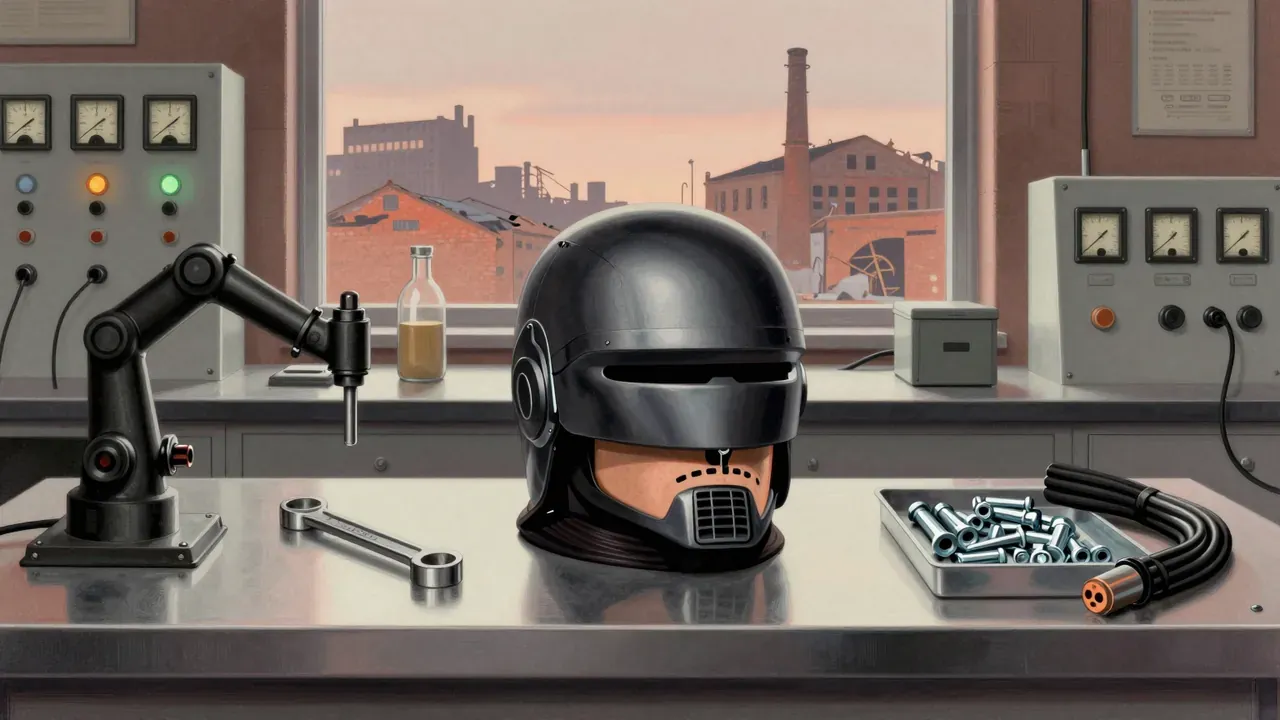
A 1987 science-fiction action film directed by Paul Verhoeven, set in a bankrupt, corporatised Detroit. After police officer Alex Murphy is killed and rebuilt as the cyborg law enforcer RoboCop, he begins to recover fragments of his past while enforcing the directives of the megacorporation Omni Consumer Products. Written by Edward Neumeier and Michael Miner, it uses stylised violence, satirical media interludes, and practical effects to interrogate identity, surveillance, and late-capitalist governance.

13:00

Samurai I: Musashi Miyamoto

Hiroshi Inagaki · 1954

Hiroshi Inagaki’s 1954 Samurai I: Musashi Miyamoto follows the transformation of the unruly Takezo into the disciplined swordsman Musashi Miyamoto. Adapted from Eiji Yoshikawa’s novel, it charts his journey through exile, imprisonment, and moral education in early Tokugawa Japan. With Toshirō Mifune in a physically commanding, psychologically restrained performance, the film privileges restraint over action, silence over exposition, and accumulation over epiphany. Shot in Eastman Color by Toho, it won a Special Academy Award in 1955 and remains a cornerstone of Japanese cinematic craft.

13:00

Samurai II: Duel at Ichijoji Temple

Hiroshi Inagaki, Jun Fukuda · 1955

Samurai II: Duel at Ichijoji Temple (1955), directed by Hiroshi Inagaki and Jun Fukuda, is the second part of Toho’s Samurai Trilogy. Starring Toshirō Mifune as Miyamoto Musashi, it follows his path from provincial fighter to disciplined swordsman through a series of duels, betrayals, and quiet reckonings in Kyoto and its surrounds. Adapted from Eiji Yoshikawa’s novel, it foregrounds ethical growth over spectacle — emphasising waiting, withdrawal, and sparing life as acts of mastery. Ikuma Dan’s score, Kisaku Itō’s production design, and Tokuho Azuma and Yoshio Sugino’s choreography support a vision of jidaigeki grounded in physical truth and moral ambiguity.

13:00

Samurai III: Duel at Ganryu Island

Hiroshi Inagaki · 1956

Hiroshi Inagaki’s 1956 Samurai III: Duel at Ganryu Island concludes his trilogy with deliberate slowness, following Miyamoto Musashi’s year-long retreat before his fateful duel with Sasaki Kojirō. Shot in Eastmancolor by Kazuo Yamada and starring Toshirō Mifune, it privileges stillness over action, moral weight over spectacle, and quiet mourning over triumph. Its strength is structural and tonal: every performance, cut, and musical phrase serves a single, unwavering register of gravity and restraint.

13:00

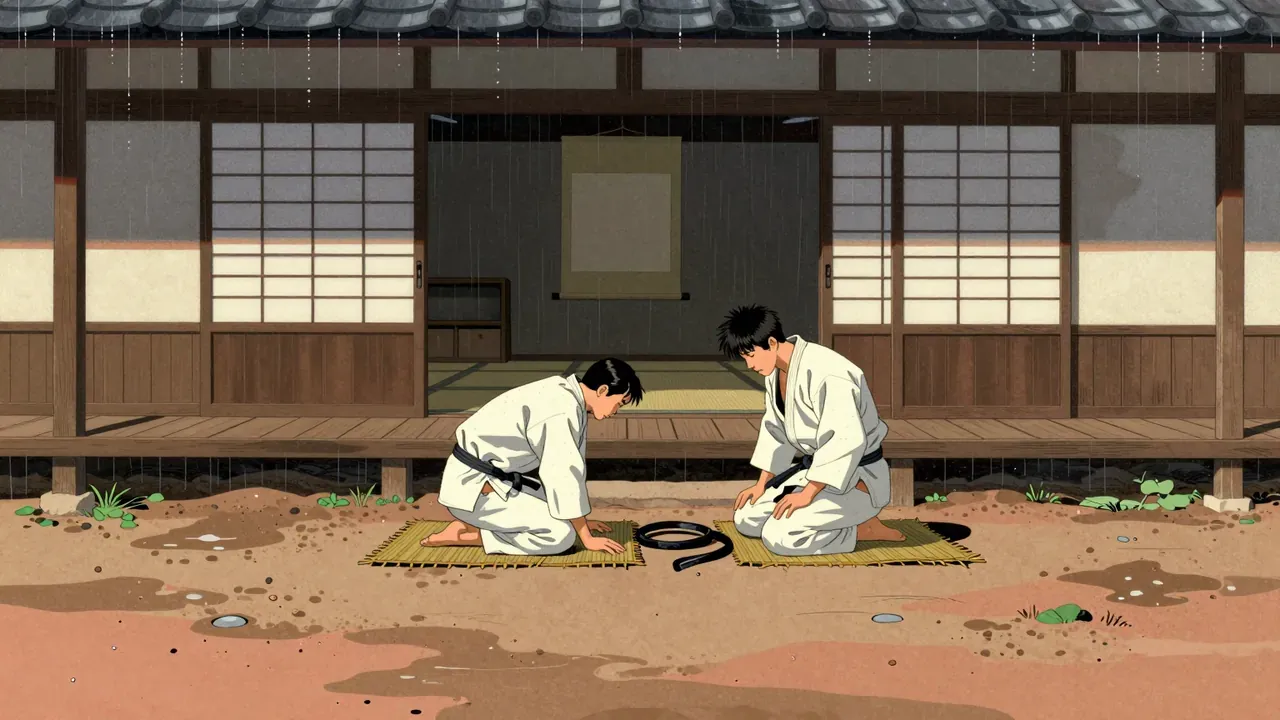
Sanshiro Sugata

Akira Kurosawa · 1943

Akira Kurosawa’s 1943 debut adapts Tsuneo Tomita’s novel about a young judo student’s moral and physical education in Meiji-era Tokyo. Made under wartime censorship, it foregrounds cinematic control — wipes, weather, slow motion — over didacticism. Its power lies in quiet accumulation: the pond vigil, the measured matches, the unspoken parting. Though some characters remain schematic and its politics underdeveloped, its focus on discipline as self-erasure remains potent. Restored footage has deepened, but not altered, its austere coherence.
13:00

Son of Godzilla

Jun Fukuda · 1967

Son of Godzilla (1967) is Toho’s eighth kaiju film and the first to introduce Minilla, Godzilla’s infant son. Directed by Jun Fukuda on a reduced budget, it shifts focus from nuclear anxiety to familial bonding and juvenile spectacle. Filmed in Guam and Japan, it features marionette Kamacuras, a giant spider named Kumonga, and a deliberately oversized Godzilla suit to convey paternal stature. Marchan the Dwarf performs Minilla, whose design draws from contemporary manga. Though critics were divided and the film underperformed in the US, it remains a distinctive artefact of Shōwa-era genre filmmaking — tactile, economical, and quietly committed to its own small-scale logic.

13:00

Spiritual Kung Fu

Lo Wei · 1978

Spiritual Kung Fu (1978) is a Lo Wei-directed Hong Kong martial arts comedy starring Jackie Chan as Yi-lang, a quick-witted Shaolin student who learns the Five Style Fists from five spectral masters. Made early in 1978 but shelved due to budget constraints, it was released late that year after Chan’s breakout success in Snake in the Eagle’s Shadow. The film blends slapstick, modest special effects, and clear, varied fight choreography — with Yuen Biao uncredited as one of the ghostly instructors. Its strengths lie in Chan’s timing and the functional integration of animal-style kung fu; its weaknesses are thin motivation and underdeveloped lore. It is a transitional work — technically assured, thematically light, and structurally coherent.

13:00

Sweet Sweetback's Baadasssss Song

Melvin Van Peebles · 1971

Melvin Van Peebles’ 1971 independent film follows a Black performer fleeing police after intervening in an act of brutality. Made outside studio systems, with Van Peebles writing, directing, editing, scoring, producing, and starring, it uses rapid montage, percussive music by Earth, Wind & Fire, and raw physical performance to assert Black autonomy. Its influence on blaxploitation and independent Black cinema is widely acknowledged, and it was added to the US National Film Registry in 2020.

13:00

Sword of the Beast

Hideo Gosha · 1965

Set in 1857 Japan, Sword of the Beast follows Gennosuke, a samurai fugitive manipulated into killing his clan’s counsellor. On the run, he joins a farmer poaching gold from the shōgun’s mountain, where he encounters another samurai and his wife — also stealing gold, also doomed by their clan. As loyalties fracture and betrayals mirror one another, Gennosuke chooses solidarity over survival, culminating in a terse, consequential battle. Directed by Hideo Gosha, the film is spare, morally exacting, and resolutely unromantic about honour, duty, or redemption.

13:00

Take Aim at the Police Van

Seijun Suzuki · 1960

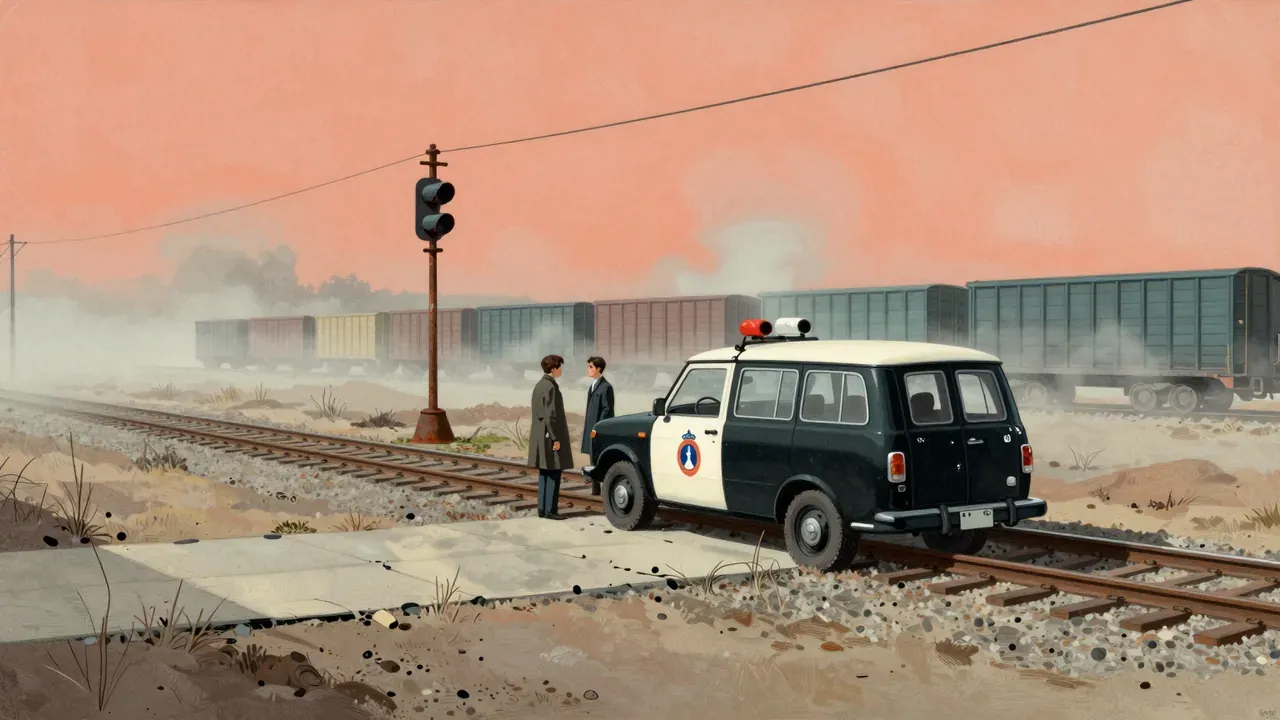
Take Aim at the Police Van is a 1960 Japanese action thriller directed by Seijun Suzuki for Nikkatsu. Built around the ambush of a police van transporting a prisoner, it deploys tight framing, high-contrast monochrome cinematography by Kazuo Miyagawa, and a lean script by Shinichi Sekizawa to sustain relentless forward motion. Starring Michitaro Mizushima, Misako Watanabe, and Shinsuke Ashida, it exemplifies Nikkatsu’s ‘borderless’ studio strategy — genre stripped of local specificity, yet anchored in Tokyo’s post-war textures. Its strength lies in formal discipline, not character depth or thematic elaboration.

13:00

Terror of Mechagodzilla

Ishirō Honda · 1975

Terror of Mechagodzilla (1975), directed by Ishirō Honda and written by Yukiko Takayama, is the fifteenth Godzilla film and the last of the Shōwa era. It follows Interpol agents confronting a reclusive scientist, his cyborg daughter Katsura, and the rebuilt Mechagodzilla 2 — all converging in a Tokyo battle with Godzilla and the newly awakened Titanosaurus. With a tight 83-minute runtime, functional performances, and Teruyoshi Nakano’s tactile special effects, it trades spectacle for narrative compression and bodily stakes. Akira Ifukube’s score and Yoshitami Kuroiwa’s editing sustain urgency, while themes of technological possession and paternal control anchor its modest ambitions. Released by Toho, it remains the franchise’s least financially successful entry.

13:00

The Big Boss

Lo Wei · 1971

Bruce Lee’s 1971 debut for Golden Harvest, filmed in rural Thailand, establishes his screen persona through disciplined physicality rather than dialogue or psychology. Directed by Lo Wei with functional clarity, it tells a simple revenge story among Chinese migrant workers, using sparse settings and extended fight sequences to foreground Lee’s stamina, timing and presence. Its strengths lie in authenticity of effort and historical significance as the catalyst for Hong Kong’s martial arts boom — not in narrative depth or thematic elaboration.

13:00

The Blade

Tsui Hark · 1995

Tsui Hark’s 1995 The Blade is a deliberately abrasive, tactile reworking of the one-armed swordsman trope. Vincent Zhao plays a blacksmith who loses his arm seeking vengeance, then remakes himself — and his broken sword — through embodied trial rather than tradition. Shot with frenetic close-ups and saturated gels, edited with jagged urgency, and scored with percussive austerity, it prioritises physical truth over narrative clarity. Though structurally loose in places and narratively opaque at times, its power lies in its insistence on weight, friction, and the quiet dignity of walking away.

13:00

The Drum

Zoltan Korda · 1938

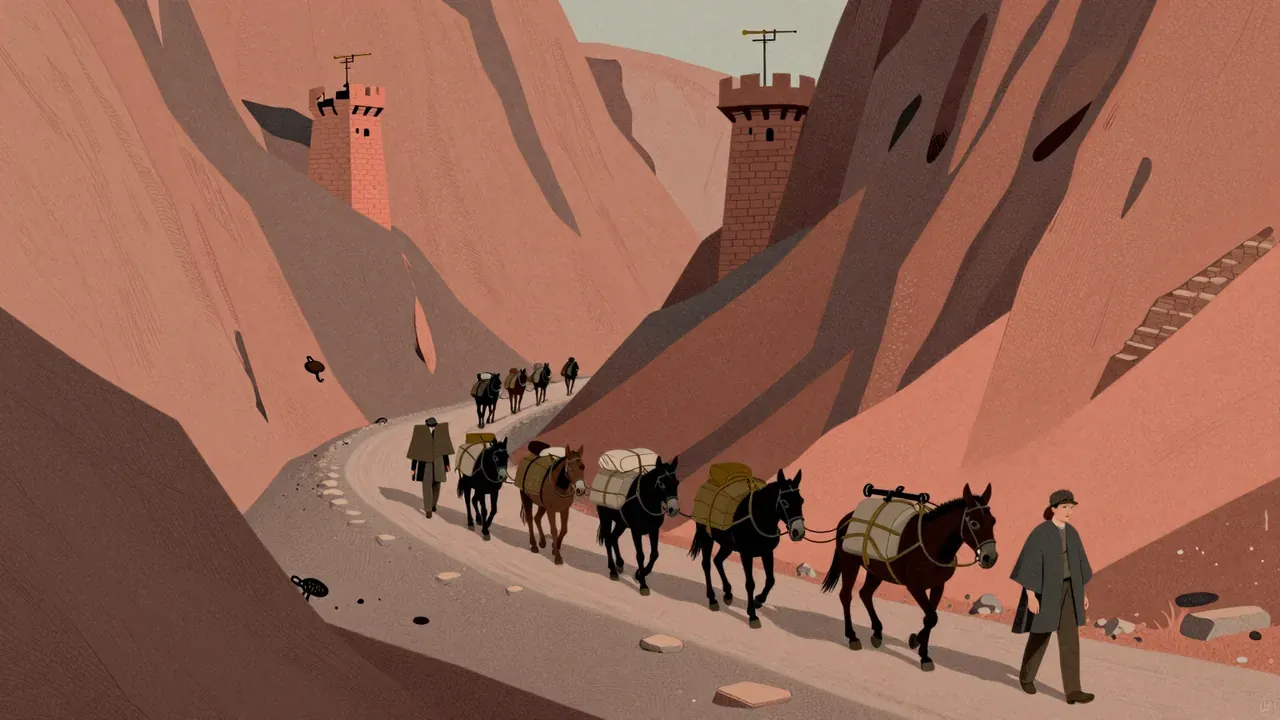
The Drum (1938), directed by Zoltan Korda, is a British Technicolor adventure set on the North-West Frontier during the Raj. It follows Prince Azim’s flight after his uncle’s coup, his alliance with British officer Carruthers, and his climactic warning on the Sacred Drum. Filmed partly on location in Chitral and North Wales, it foregrounds military detail and imperial certainty — making it a revealing artefact of pre-war British cinema, not a neutral period piece.

13:00

The Fearless Hyena

Jackie Chan · 1979

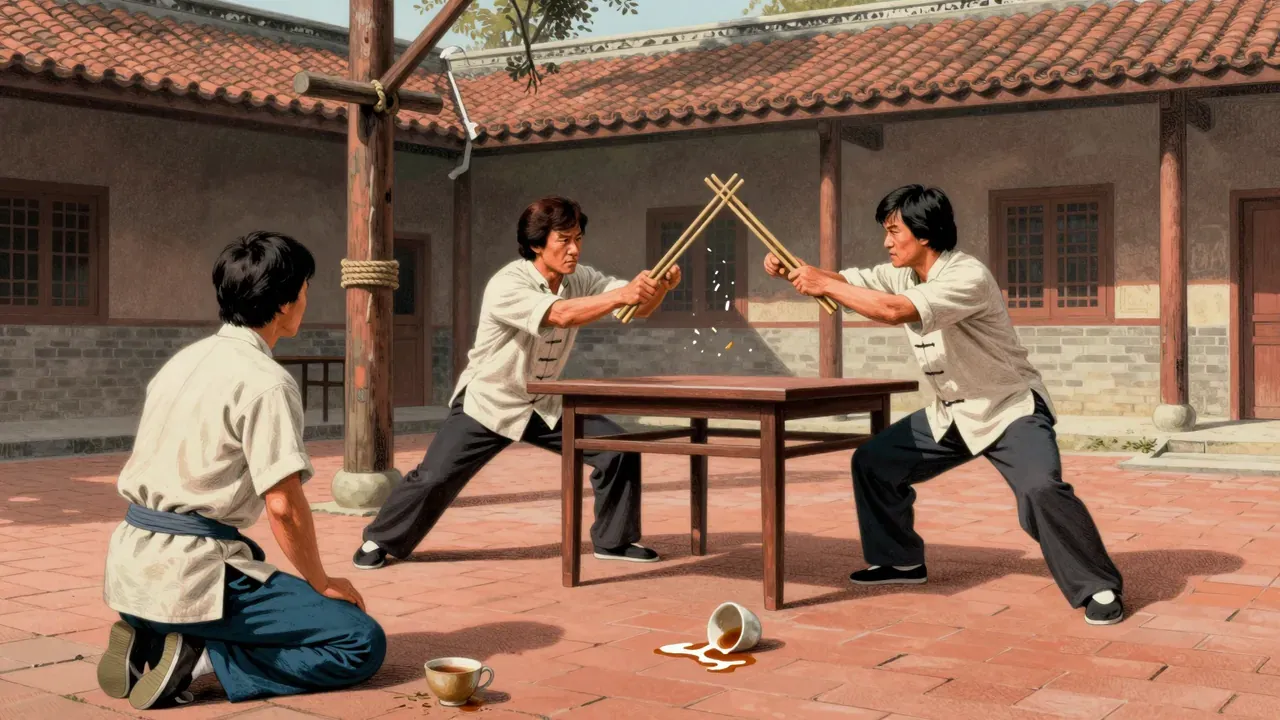
Jackie Chan’s 1979 directorial debut is a Hong Kong action comedy built around his own body as instrument, prop, and punchline. It follows a reckless martial arts student whose flaws drive both plot and fight design — gambling, disobedience, and emotional volatility become narrative engines. Though its revenge arc feels tacked-on and its supporting characters thinly drawn, its slapstick-infused choreography (chopsticks duels, cross-dressing, ‘Emotional Kung-Fu’) remains inventive and influential. Shot with functional clarity by Jung-Shu Chen and scored with brassy levity by Frankie Chan, it is a pragmatic, performer-first film — uneven, urgent, and foundational.

13:00

The Flight of the Phoenix

Robert Aldrich · 1965

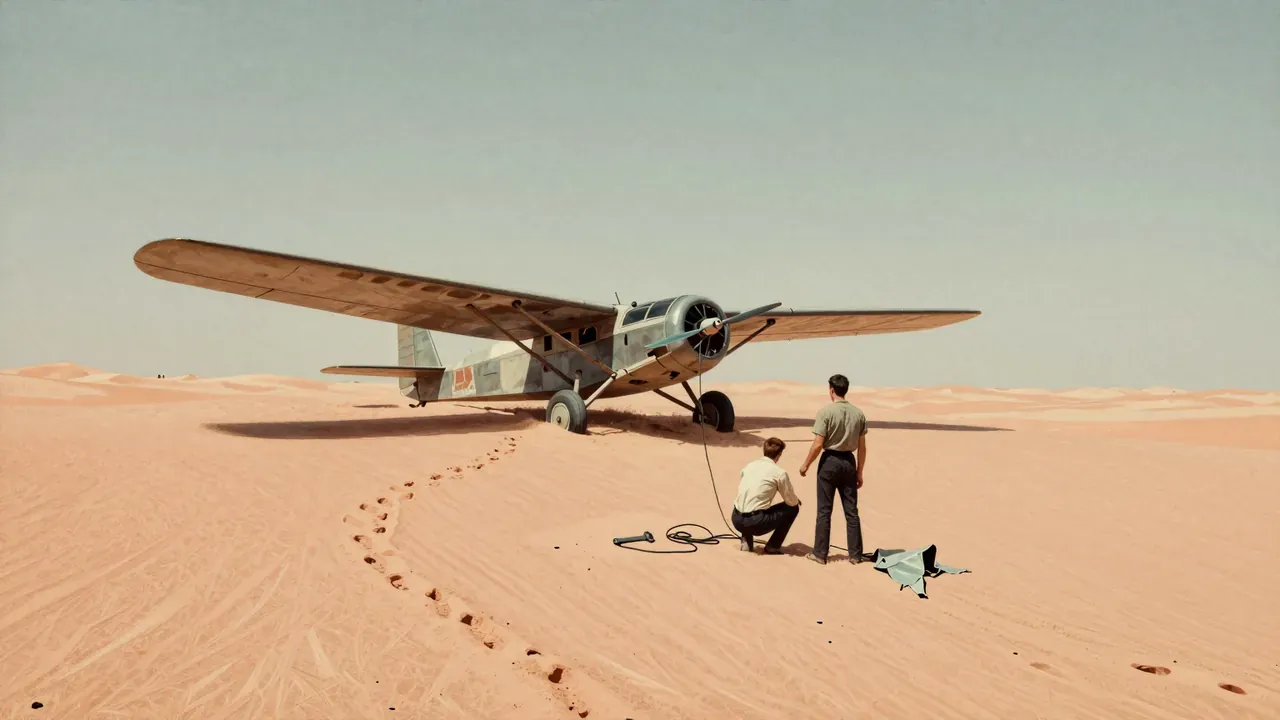
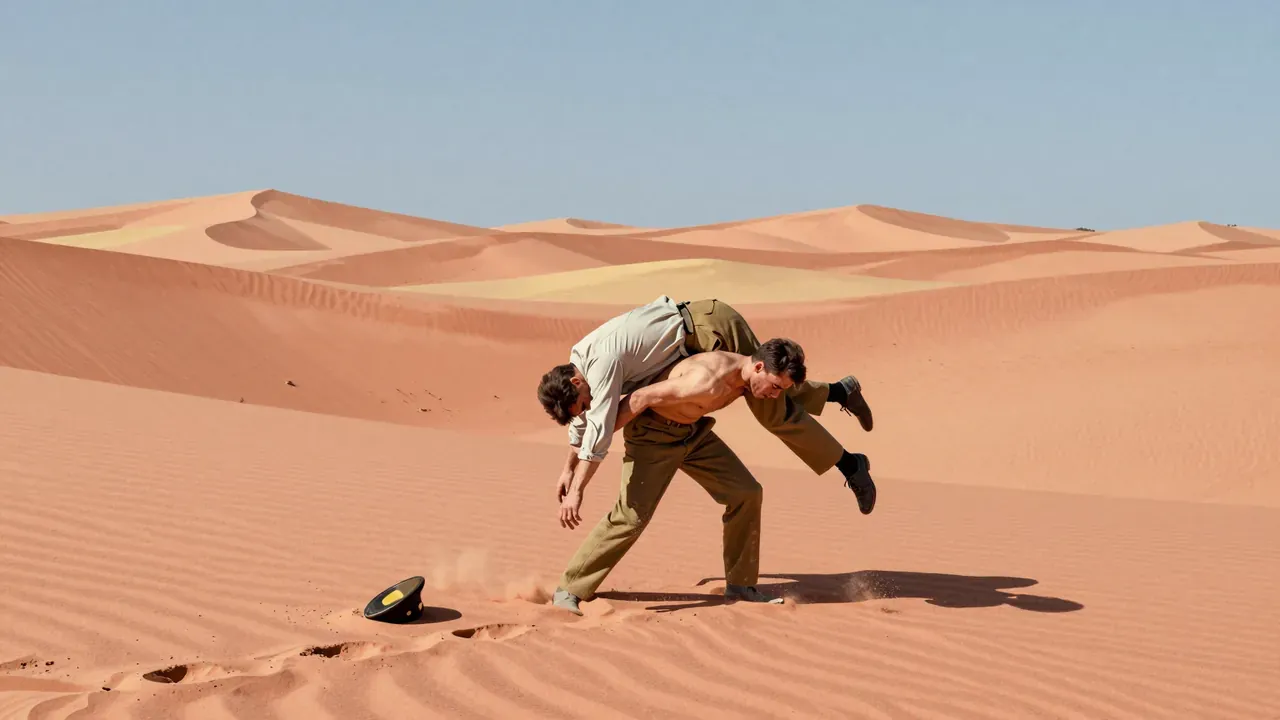
Robert Aldrich’s 1965 disaster drama follows a group of men stranded in the Sahara after a cargo plane crash. With no rescue expected, a German engineer proposes building a new aircraft from the wreckage. What follows is a rigorous, unsentimental depiction of collective labour, rationed hope, and the fragile consensus required to turn desperation into flight.

13:00

The Four Feathers

Zoltan Korda · 1939

Zoltan Korda’s 1939 Technicolor adaptation of A. E. W. Mason’s novel follows a disgraced British officer who journeys to Sudan to redeem himself through acts of courage during the Mahdist War. Shot on location with meticulous craft, it balances physical spectacle with psychological restraint — though its treatment of Sudanese characters remains strictly functional and its imperial framework unquestioned.

13:00

The Four Musketeers

Richard Lester · 1974

Richard Lester’s 1974 The Four Musketeers completes his adaptation of Dumas’s novel, picking up where The Three Musketeers left off. Shot back-to-back with the first film, it follows d’Artagnan and the musketeers through Milady de Winter’s revenge plot and the siege of La Rochelle, culminating in her execution and d’Artagnan’s promotion. With David Watkin’s crisp cinematography, Lalo Schifrin’s sardonic score, and George MacDonald Fraser’s streamlined script, it prioritises clarity, pace and physical storytelling over psychological depth or historical elaboration.

13:00

The Heroic Trio

Johnnie To · 1993

Johnnie To’s 1993 action film stars Michelle Yeoh, Anita Mui, and Maggie Cheung as a trio of heroines confronting a subterranean tyrant who kidnaps imperial infants. Stylised rather than schematic, it prioritises choreographic precision, costume-as-character, and tonal volatility over psychological realism or narrative tidiness. Its strengths lie in physical presence and visual density; its weaknesses in underdeveloped motivation and unresolved thematic ambition. It remains a singular artefact of early-90s Hong Kong genre reinvention.

13:00

The Hidden Fortress

Akira Kurosawa · 1958

Akira Kurosawa’s 1958 adventure follows two self-interested peasants who agree to smuggle a mysterious man and woman across hostile territory for gold, unaware the man is a famed general and the woman a deposed princess. Shot in Tohoscope widescreen, with Ichio Yamazaki’s naturalistic cinematography and Masaru Sato’s taut score, the film grounds epic stakes in petty motives, using the peasants’ limited perspective to explore class, loyalty and survival. Toshirō Mifune delivers restrained authority as General Rokurōta; Minoru Chiaki and Kamatari Fujiwara embody craven humanity as Tahei and Matashichi. Though structurally inventive and morally precise, the princess’s interiority remains deliberately obscured — a choice that sharpens some tensions and blunts others.

13:00

The Naked Prey

Cornel Wilde · 1966

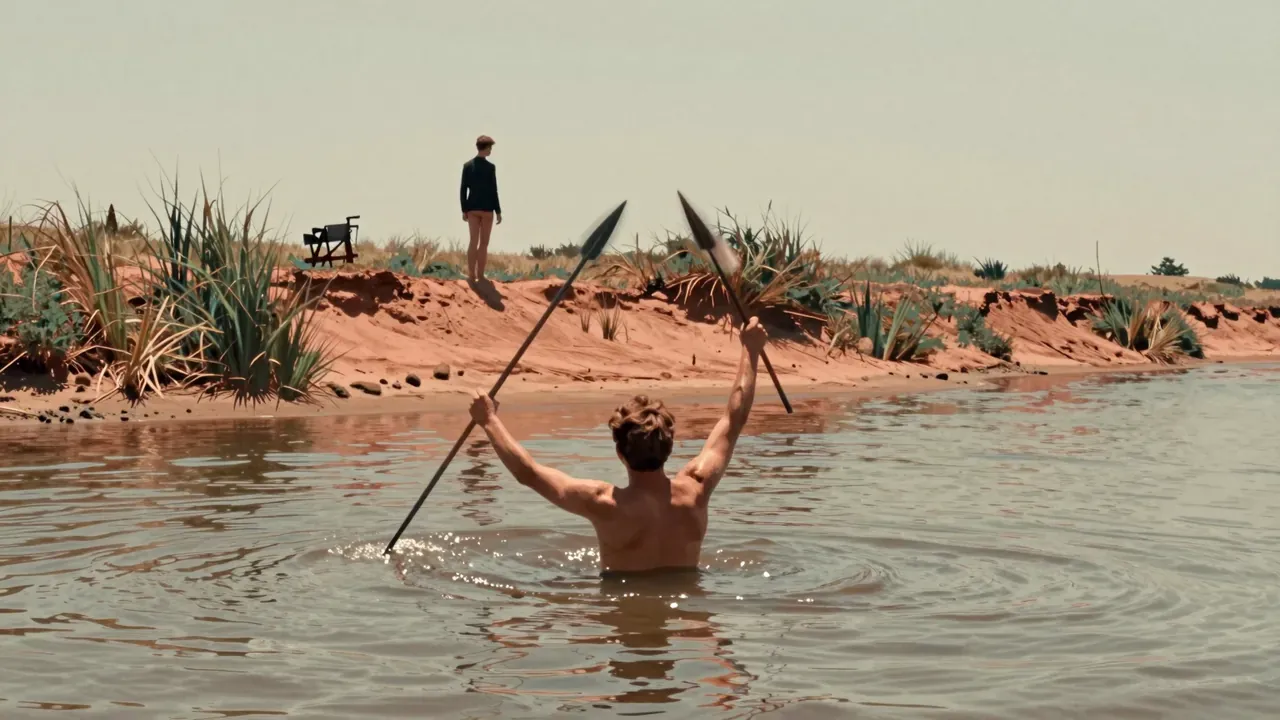
Cornel Wilde’s 1966 survival film follows a safari guide stripped naked and hunted across the South African veldt after his expedition offends a local tribe. Shot on location with minimal dialogue and a documentary sensibility, it sustains tension through rhythm, terrain, and endurance rather than character or exposition. Its reputation has grown for formal rigour and visceral immediacy, though its colonial framing remains contested.

13:00

The Right Stuff

Philip Kaufman · 1983

Philip Kaufman’s 1983 film adapts Tom Wolfe’s book into a sprawling, visually precise account of American test pilots and Mercury astronauts. Shot across California locations including Edwards Air Force Base and Hamilton AFB, it contrasts Chuck Yeager’s solitary mastery with the seven astronauts’ managed ascent into orbit. Caleb Deschanel’s cinematography, Bill Conti’s score, and Glenn Farr’s editing sustain its 184-minute runtime through texture and rhythm rather than plot velocity. Though criticised for historical compressions — particularly around Gus Grissom — it endures as a meditation on visibility, endurance, and the cost of turning courage into spectacle.

13:00

The Rock

Michael Bay · 1996

The Rock is a 1996 action thriller directed by Michael Bay, set on Alcatraz Island, where a rogue Marine general threatens San Francisco with VX gas. An FBI chemist and a retired SAS operative must infiltrate the prison to disarm the rockets. Anchored by Sean Connery and Nicolas Cage, it prioritises spatial logic, procedural detail and moral calibration over political complexity or stylistic experimentation.

13:00

The Tale of Zatoichi Continues

Kazuo Mori · 1962

The Tale of Zatoichi Continues (1962), directed by Kazuo Mori and starring Shintarō Katsu, is the second entry in Daiei Film’s long-running series. Returning one year after the first film, Zatōichi visits Joshoji Temple to pay respects, crosses paths with his one-armed brother Yoshirō, and navigates threats from a mad lord’s retainers and local yakuza. With a lean 72-minute runtime, tight framing, and Ichirō Saitō’s restrained score, it prioritises gesture over exposition and recurrence over revelation — deepening the character not through backstory but through repetition, silence, and consequence.

13:00

The Three Musketeers

Richard Lester · 1973

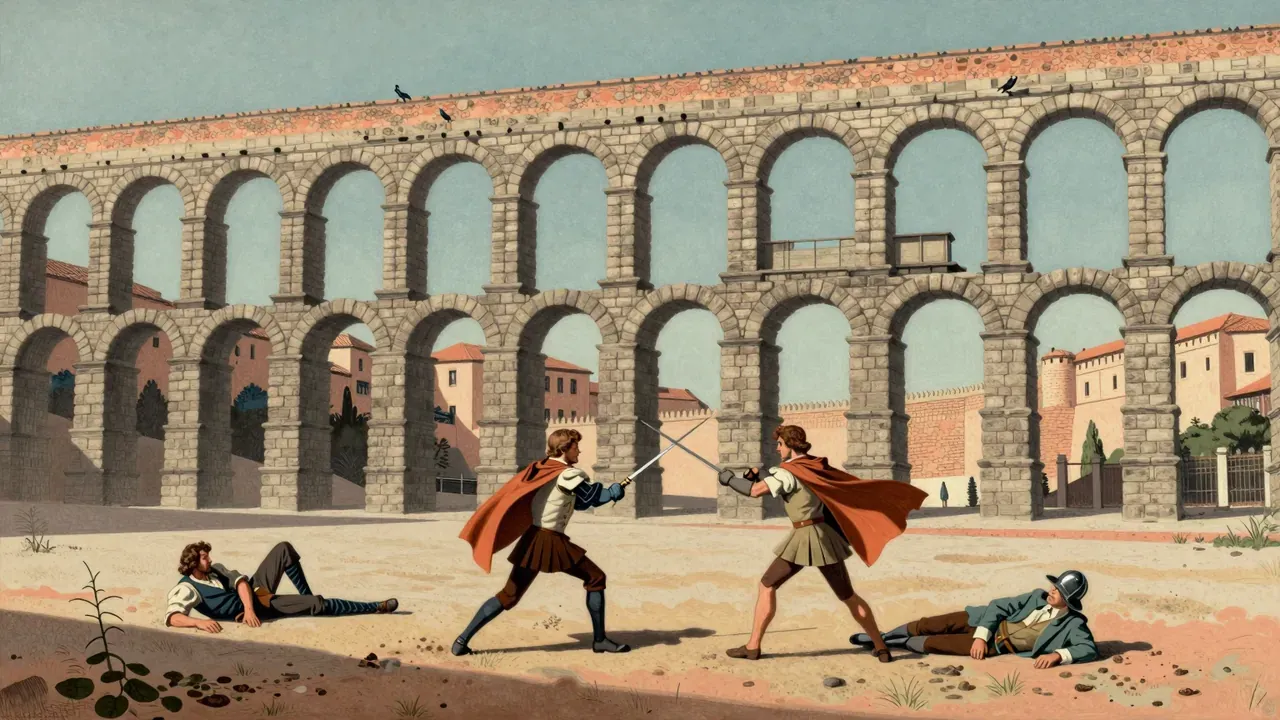
Richard Lester’s 1973 adaptation of The Three Musketeers is a brisk, precisely timed adventure that prioritises rhythm and character-in-action over exposition or psychological depth. Shot in Spain by David Watkin, with fencing choreographed by William Hobbs and music by Michel Legrand, it stars Michael York, Oliver Reed, Frank Finlay and Richard Chamberlain as the titular quartet, alongside Raquel Welch, Faye Dunaway and Charlton Heston. Faithful to Dumas’s plot but distinct in tone, it balances wit and vigour without tipping into parody—or solemnity.

13:00

The Young Master

Jackie Chan · 1980

Jackie Chan’s 1980 directorial effort The Young Master marks his debut for Golden Harvest and refines his signature blend of martial arts, comedy, and stunt-driven storytelling. As Dragon, Chan navigates fraternal betrayal, mistaken identity, and a punishing final duel with criminal Kam — all staged with growing control over choreography, editing, and physical expression. Though some plot elements remain underdeveloped and tonal shifts occur, the film’s commitment to grounding action in consequence and character makes it a vital milestone in Hong Kong action cinema.

13:00

Three Outlaw Samurai

Hideo Gosha · 1964

Hideo Gosha’s 1964 debut follows three ronin who abandon fixed loyalties to defend starving peasants from a corrupt magistrate. Structured like a legal brief — cause, breach, consequence — it treats honour as practice, not principle, and finds moral clarity not in victory but in the repeated, costly act of choosing sides. Shot with stark economy and performed with restrained gravity, it remains a precise, unsentimental study of power, class, and the slow, dangerous work of conscience.

13:00

Way of the Dragon

Bruce Lee · 1972

Bruce Lee’s 1972 directorial debut Way of the Dragon is a Hong Kong–produced action film set in Rome, built around extended, uncut fight sequences — most famously the Colosseum duel with Chuck Norris. Written and co-produced by Lee, it follows a martial artist who defends a Chinese restaurant from local gangsters. Economical in plot and restrained in performance, it prioritises physical clarity over psychological exposition. Though its emotional scaffolding is thin and its character arcs minimal, its formal control and choreographic authority remain unmatched in Lee’s filmography.

13:00

Zatoichi and the Chess Expert

Kenji Misumi · 1965

The twelfth Zatoichi film follows the blind masseur as he travels with a shogi master, a grieving aunt, and her injured niece. Suspicion mounts as murders occur, each clue pointing toward the master—yet Zatoichi delays judgment, reading intent through games and gesture rather than proof. Directed by Kenji Misumi with austere control, it is a study in withheld certainty, where every pause and every move matters more than the final strike.

13:00

Zatoichi and the Chest of Gold

Kazuo Ikehiro · 1964

In Japan, 1964, Zatoichi travels to a drought-stricken village to pay respects at a grave — only to become entangled in the theft of 1,000 ryo raised for taxes. As corrupt officials, rogue samurai, and desperate bandits converge, he navigates a web of complicity without recourse to vengeance. Directed by Kazuo Ikehiro and shot by Kazuo Miyagawa, this sixth Zatoichi film marks a formal and ethical shift: quieter, more politically attentive, and anchored in the material reality of feudal obligation.

13:00

Zatoichi and the Doomed Man

Kazuo Mori · 1965

The eleventh Zatoichi film, released in 1965 and directed by Kazuo Mori, follows Shintarō Katsu’s blind masseur as he pledges to clear a wrongly jailed man’s name. Built on procedural restraint and moral economy, it delivers quiet intensity in its best moments but stumbles in narrative follow-through and character depth. Its strengths are cumulative, not climactic.

13:00

Zatoichi and the Fugitives

Kimiyoshi Yasuda · 1968

The eighteenth Zatoichi film finds Shintarō Katsu’s blind swordsman confronting a silk-weaving magnate who enforces debt bondage and shelters vicious fugitives. Directed by Kimiyoshi Yasuda with stark cinematography by Kazuo Miyagawa, it strips away mythic flourishes to focus on procedural cruelty and physical consequence — Zatoichi is wounded, outmatched, and morally unrelieved. The film’s rigour lies in its refusal to flinch, to explain, or to console.

13:00

Zatoichi and the One-Armed Swordsman

Kimiyoshi Yasuda · 1971

A Japanese–Hong Kong co-production starring Shintarō Katsu and Jimmy Wang Yu, this 1971 chambara-wuxia crossover stages a deliberate, unresolved encounter between two iconic swordsmen from separate cinematic traditions. Set in rural Japan, it follows Zatoichi and Wang Kang as they misread, clash, and briefly align against corrupt yakuza and a predatory priest — all without shared language or cultural framework. Its strength lies in physical storytelling and choreographic contrast; its limitation is its refusal to bridge the conceptual gap it so carefully constructs.

13:00

Zatoichi at Large

Kazuo Mori · 1972

The twenty-third Zatoichi film, released in 1972 under Toho after two decades with Daiei, follows the blind swordsman as he delivers a newborn to its kin after its mother’s death. Directed by Kazuo Mori and starring Shintarō Katsu and Rentarō Mikuni, it tightens narrative cause-and-effect but retains the series’ unadorned style and ritualised structure. While its central act of care gains quiet power, the climactic duel feels tacked-on, and thematic development remains incremental. It is a film of maintenance, not transformation.

13:00

Zatoichi Challenged

Kenji Misumi · 1967

The seventeenth Zatoichi film sees Shintarō Katsu’s blind swordsman escort a boy to his imprisoned father in Maebara, confronting corrupt officials, a yakuza boss, and finally his old friend Akazuka in a snowbound duel. Directed by Kenji Misumi with disciplined framing and Akira Ifukube’s sparse score, it sustains the series’ formal rigour while exposing the limits of its formula — rewarding deep familiarity more than first-time engagement.

13:00

Zatoichi Meets Yojimbo

Kihachi Okamoto · 1970

Kihachi Okamoto’s 1970 jidaigeki brings together Shintarō Katsu’s blind swordsman Zatoichi and Toshirō Mifune’s sardonic rōnin Daisaku Sasa in a tightly wound, rain-drenched confrontation. Neither man yields his nature; their duel ends in mutual injury, not revelation. The film privileges physical storytelling over exposition, with Akira Ifukube’s restrained score and Yoshinobu Nishioka’s weathered production design reinforcing its unsentimental tone. While some subplots falter, the central performances — grounded, economical, deeply embodied — make it a singular exercise in genre contrast.

13:00

Zatoichi the Fugitive

Tokuzō Tanaka · 1963

Zatoichi the Fugitive (1963), the fourth film in Daiei’s long-running chambara series, follows the blind swordsman as he enters a yakuza-controlled town, wins a sumo match, kills a bounty hunter, confronts a grieving matriarch, and becomes entangled in a succession crisis. Directed by Tokuzō Tanaka and starring Shintarō Katsu, it relies on precise staging, sparse music by Akira Ifukube, and performances rooted in implication rather than declaration. Its strength lies in economy: every scene advances moral or social logic, not just plot. It assumes familiarity with the character’s ethos and rewards attention to gesture, silence, and recurring motifs — making it essential viewing within the series, but less accessible in isolation.

13:00

Zatoichi the Outlaw

Satsuo Yamamoto · 1967

Zatoichi the Outlaw (1967), directed by Satsuo Yamamoto and starring Shintarō Katsu, is the sixteenth film in the Zatoichi series and the first produced by Katsu’s own company. Set in a rural village, it pits the blind swordsman against a sword-less rōnin leading a peasant movement for moral reform. With Kazuo Miyagawa’s restrained cinematography and Sei Ikeno’s contemplative score, the film foregrounds ideological tension over action—but stumbles in its handling of secondary characters and pacing. It is a thoughtful, uneven entry that rewards patience and familiarity with Edo-period social thought.

13:00

Zatoichi's Cane Sword

Kimiyoshi Yasuda · 1967

The fifteenth Zatoichi film, released in 1967, follows the blind masseur-swordsman as he intervenes in a provincial town overrun by rival gangs and a corrupt official. Built around Shintarō Katsu’s unflustered central performance and Ryōzō Kasahara’s lean script, it foregrounds craft, quiet agency and procedural justice over spectacle or ideology. Directed by Kimiyoshi Yasuda with functional precision, it offers a self-contained, tonally consistent episode — modest in scope, confident in execution.

13:00

Zatoichi's Flashing Sword

Kazuo Ikehiro · 1964

The seventh Zatoichi film finds Shintarō Katsu’s blind swordsman recovering from an ambush, taking refuge in a riverside town, and becoming entangled in a feud between rival bosses over control of a river crossing. Directed with unshowy precision by Kazuo Ikehiro and written by Minoru Inuzuka, it leans on the series’ established grammar — terse dialogue, tactile action, moral economy — rather than expanding its scope. The fireworks promised early on become both deadline and motif, framing a climax that is less about vengeance than restoration of balance. It is a work of continuity, not rupture.

13:00

Zatoichi's Pilgrimage

Kazuo Ikehiro · 1966

The fourteenth Zatoichi film sees Shintarō Katsu’s blind swordsman undertake the Shikoku pilgrimage, seeking quiet reckoning rather than redemption. Directed by Kazuo Ikehiro with script by Kaneto Shindō, it trades action set-pieces for sustained atmosphere, subtle performance, and restrained craft. Violence is brief and consequential; stillness is prolonged and meaningful. The film’s strength lies in its commitment to rhythm over revelation, repetition over resolution.

13:00

Zatoichi's Revenge

Akira Inoue · 1965

Zatoichi’s Revenge (1965), directed by Akira Inoue, is the tenth film in Daiei’s chambara series starring Shintarō Katsu. Returning to his master’s village, Zatoichi uncovers a web of debt and coercion run by local officials and merchants. With minimal score by Akira Ifukube and unshowy cinematography by Fujio Morita, the film builds tension through stillness and precise action, culminating in two duels and a quiet redistribution of power. It is a study in procedural justice, not catharsis.

13:00

Zatoichi's Vengeance

Tokuzō Tanaka · 1966

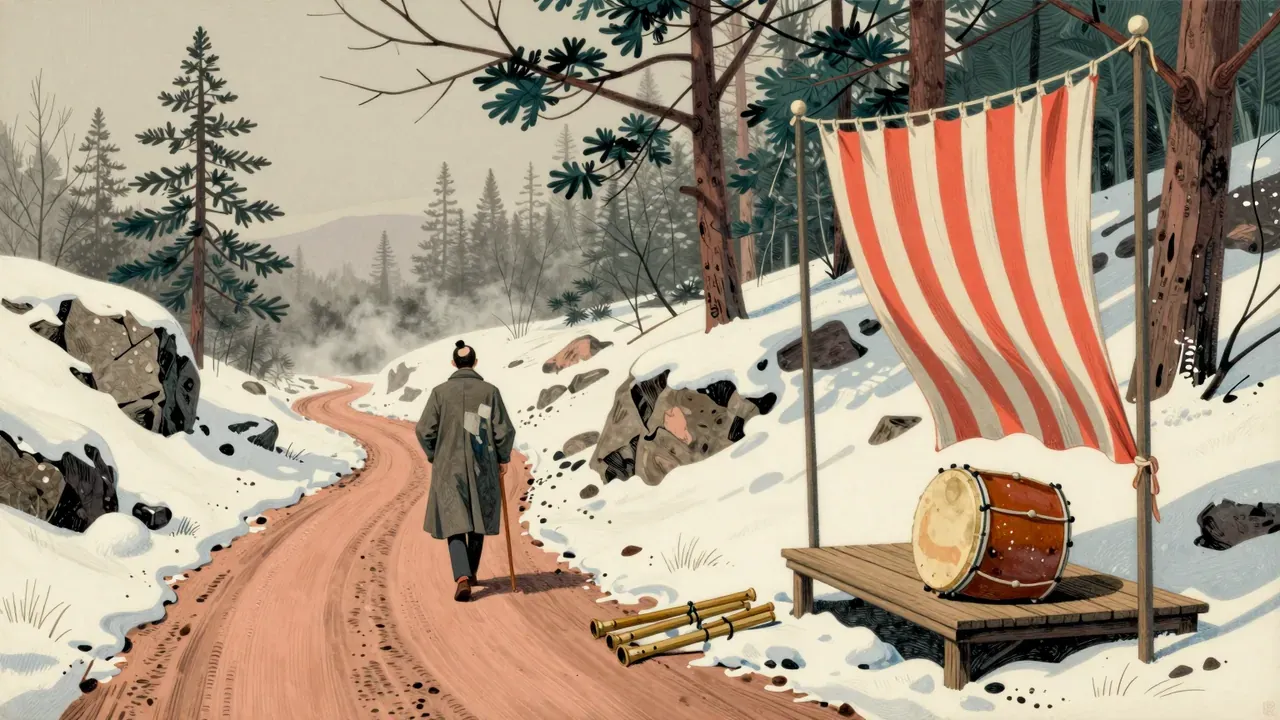
The thirteenth Zatoichi film, released in 1966 by Daiei Film, follows the blind masseur as he carries a dying man’s burden into a yakuza-controlled town preparing for its thunder drum festival. Directed by Tokuzō Tanaka and starring Shintarō Katsu, it relies on Kazuo Miyagawa’s understated cinematography and Akira Ifukube’s percussive score to sustain its episodic, morally calibrated chambara rhythm.

13:00

Drunken Master II

Lau Kar-leung · 1994

Drunken Master II is a 1994 Hong Kong martial arts film directed by Lau Kar-leung and starring Jackie Chan as Wong Fei-hung. Set in early 20th-century Canton, it follows Wong’s moral and physical trial after accidentally acquiring an Imperial Seal targeted by British colonial agents. Built around formally distinct fight scenes — Hung Ga, Shaolin, Drunken Boxing, Taekwondo — the film anchors comedy in consequence and action in lineage. Its unflinching final image of Wong’s disability remains controversial, but its choreographic rigour and ethical structure mark it as a high point of the genre.

13:00

A Better Tomorrow

John Woo · 1986

John Woo’s 1986 crime film redefined Hong Kong action cinema by fusing wuxia ethics with urban fatalism. Ti Lung, Leslie Cheung, and Chow Yun-fat play three men bound by blood, betrayal, and bullets. Its influence on 'heroic bloodshed' is foundational; its emotional logic remains uncompromising.

13:00

Come Drink with Me

King Hu · 1966

King Hu’s 1966 wuxia classic Come Drink with Me redefined martial arts cinema through disciplined choreography, spatial economy, and restrained storytelling. Starring Cheng Pei-pei as Golden Swallow, it follows her rescue of a kidnapped magistrate’s son amid Buddhist temples, inns, and coded songs — all staged with balletic precision and shot by Tadashi Nishimoto for Shaw Brothers Studio. Its influence is foundational, but its power lies in what it refuses: exposition, sentimentality, and speed.

13:00

Drunken Master

Yuen Woo-ping · 1978

Drunken Master (1978) is a Hong Kong action comedy directed by Yuen Woo-ping and starring Jackie Chan as the young Wong Fei-hung. Forced into brutal tutelage under the eccentric Beggar So (Yuen Siu-tien), Wong endures punishing training in a fictionalised 'Drunken Boxing' style before facing a lethal rival. The film’s enduring power lies in its choreographic intelligence, its commitment to physical cause-and-effect, and its depiction of skill as something metabolised through repetition, failure, and synthesis — not bestowed or discovered.

13:00

Face/Off

John Woo · 1997

John Woo’s 1997 action thriller Face/Off stars John Travolta and Nicolas Cage as an FBI agent and terrorist who swap faces via experimental surgery. Built on operatic violence, precise choreography, and dual performances of startling commitment, it uses identity exchange as narrative engine rather than philosophical probe. Shot by Oliver Wood and scored by John Powell, it balances absurd premise with rigorous craft — delivering coherent, emotionally charged set pieces across 133 minutes. Though thin on thematic depth and scientific rigour, its confidence, control, and clarity make it a durable artefact of late-20th-century studio action cinema.

13:00

Hard Boiled

John Woo · 1992

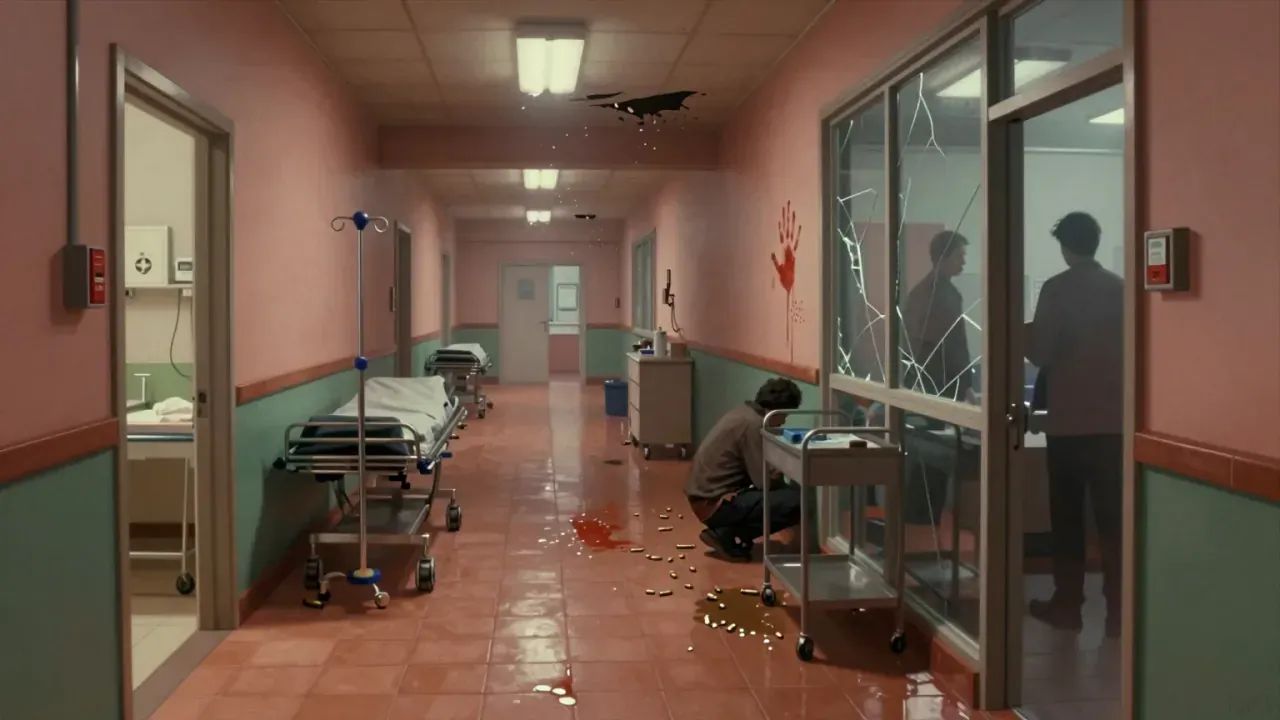
John Woo’s 1992 Hong Kong action film stars Chow Yun-fat as Inspector Tequila, a jazz-playing cop pursuing a Triad syndicate alongside undercover officer Alan (Tony Leung). Shot over 123 days, its defining sequence — a five-minute hospital shootout — exemplifies its commitment to spatial coherence and physical storytelling. Though conceived as a ‘Dirty Harry’-style police centrepiece, its improvisational production left thematic threads unresolved. Still, its influence on action cinema remains foundational.

13:00

Hero

Zhang Yimou · 2002

Zhang Yimou’s 2002 Hero uses competing narratives and strict chromatic divisions — red, blue, white, green, black — to explore how truth is shaped by perspective and authority. Starring Jet Li, Tony Leung and Maggie Cheung, and shot by Christopher Doyle with a score by Tan Dun, it reframes the wuxia genre as a formal investigation into storytelling itself: who tells, who believes, and what gets erased in the name of peace.

13:00

Police Story

Jackie Chan · 1985

Jackie Chan’s 1985 Police Story is a Hong Kong action comedy structured around large-scale, practical stunts — a shantytown chase, a bus stop, and a shopping mall fight culminating in a pole slide through exploding lights. Written by Chan and Edward Tang, it follows Sergeant Chan Ka-Kui as he clears his name after being framed, using physical endurance rather than procedural logic. Yiu-Tsou Cheung’s cinematography and Peter Cheung’s editing prioritise legibility over flair, grounding each stunt in cause and consequence. It won Best Film at the 1986 Hong Kong Film Awards and remains influential for its commitment to tangible risk.

13:00

The Killer

John Woo · 1989

John Woo’s 1989 Hong Kong action film follows a professional assassin who, after accidentally blinding a nightclub singer, pledges to fund her corneal transplant — a promise that draws him into lethal conflict with both triads and police. Stylised, morally austere, and formally rigorous, it treats violence as ritual and loyalty as sacred debt. Shot by Peter Pau and scored by Lowell Lo, it stars Chow Yun-fat, Sally Yeh, and Danny Lee.

13:00

Top Gun

Tony Scott · 1986

A 1986 Paramount action film directed by Tony Scott, Top Gun follows naval aviator Pete ‘Maverick’ Mitchell through the Navy’s elite fighter weapons school. Built around real F-14 flight footage and a synth-heavy score, it prioritises kinetic clarity and visual rhythm over psychological depth or political nuance. Though critically mixed on release, its formal coherence and cultural resonance have secured its status as a defining artefact of 1980s studio filmmaking.

13:00

Ali

Michael Mann · 2001

Michael Mann’s Ali traces ten years in Muhammad Ali’s life, from his 1964 title win over Sonny Liston to the 1974 Rumble in the Jungle. Will Smith performs Ali as physical and vocal presence rather than psychological portrait; Emmanuel Lubezki’s cinematography and Pieter Bourke and Lisa Gerrard’s score reinforce texture over exposition. The film prioritises endurance, visibility, and voice over narrative clarity or emotional exposition — landing hardest in its sensory fidelity, faltering where it attempts thematic breadth or relational depth.

13:00

Ashes of Time

Wong Kar-wai · 1994

Wong Kar-wai’s 1994 Ashes of Time reimagines Jin Yong’s wuxia universe as a landscape of regret and deferred feeling. Starring Leslie Cheung as the brooding Ouyang Feng, it follows fragmented encounters across a bleached desert, where martial skill matters less than the weight of unspoken words. Shot by Christopher Doyle and Kwan Pun Leung in muted, atmospheric tones, and scored with sparse, resonant instrumentation, the film privileges mood over momentum. Though its elliptical structure divides opinion, its central performances and visual discipline make it a defining arthouse wuxia — less about heroes and villains, more about the quiet violence of remembering.

13:00

Chak De! India

Shimit Amin · 2007

Chak De! India (2007) follows disgraced hockey captain Kabir Khan as he coaches India’s women’s national team to World Cup victory. Directed by Shimit Amin and written by Jaideep Sahni, it departs from Bollywood convention with no romantic subplot, no lip-synced songs, and an ensemble cast of sixteen actresses trained in hockey over six months. Its strength lies in procedural realism, distributed character focus, and a feminist structure that treats athletic labour as serious, collective work. Though Khan’s personal arc remains underdeveloped, the film’s rigour, restraint, and respect for process make it a rare mainstream Hindi film anchored in effort rather than elevation.

13:00

Days of Thunder

Tony Scott · 1990

Tony Scott’s 1990 NASCAR romance stars Tom Cruise as a sprint-car prodigy thrust into Winston Cup racing, mentored by Robert Duvall and drawn into rivalry and romance. Shot on location with real drivers and cars, its strengths lie in visceral racing sequences, Hans Zimmer’s propulsive score, and Duvall’s grounded authority. Its weaknesses include underdeveloped relationships, thin thematic scaffolding, and a script that favours momentum over meaning. It remains a coherent, craft-led studio artefact — best appreciated as sensory experience rather than narrative inquiry.

13:00

Enemy of the State

Tony Scott · 1998

Enemy of the State (1998) is a Tony Scott-directed action thriller in which labour lawyer Robert Clayton Dean is targeted by rogue NSA agents after unwittingly acquiring evidence of a political assassination. With Gene Hackman as a reclusive ex-intelligence operative, the film charts Dean’s rapid erasure from normal life and his fight to expose the conspiracy. Though its plot leans on convenience and its politics remain broad, its execution — in pacing, performance, and sensory detail — delivers sustained tension and a potent, embodied sense of vulnerability to systemic power.

13:00

House of Flying Daggers

Zhang Yimou · 2004

Zhang Yimou’s 2004 wuxia fantasy House of Flying Daggers uses Tang dynasty rebellion as a framework for choreographed spectacle. Shot across Ukraine and China, it foregrounds Zhao Xiaoding’s saturated cinematography, Zhang Ziyi’s physically precise performance as a blind dancer, and Shigeru Umebayashi’s textural score. Its strengths lie in rhythmic editing, deliberate colour symbolism and the physical grammar of its fight sequences — not in narrative coherence or psychological depth. Though nominated for Best Cinematography at the Academy Awards, it prioritises sensory immersion over storytelling resolution.

13:00

Once Upon a Time in China

Tsui Hark · 1991

Tsui Hark’s 1991 Hong Kong action-drama stars Jet Li as Wong Fei-hung, a physician and martial artist navigating colonial pressure, legal collapse and local corruption in late-19th-century Foshan. Built around his Po-chi-lam clinic, the film treats kung fu as inseparable from ethics, education and civic responsibility — with fights that serve character, not spectacle, and a climax resolved through perception, not firepower.

13:00

Planet of the Apes

Tim Burton · 2001

Tim Burton’s 2001 Planet of the Apes is a visually rich, commercially successful remake that prioritises creature design, production scale, and tonal consistency over narrative coherence or thematic depth. Starring Mark Wahlberg and Helena Bonham Carter, it recasts the ape-dominated world as a tactile, myth-saturated empire — impressive in execution, thin in conception. Critics noted its craft and score but faulted its script and ending. It earned $362 million worldwide but was not followed by a sequel.

13:00

Sanjuro

Akira Kurosawa · 1962

Akira Kurosawa’s 1962 jidaigeki Sanjuro reunites Toshirō Mifune’s ronin in a tightly coiled feudal intrigue, where tactical wit outweighs swordplay and social comedy emerges from the chasm between idealism and perception. Less violent and more structurally austere than its predecessor Yojimbo, it traces a masterless samurai’s reluctant intervention among nine inept young retainers, culminating not in triumph but in a disillusioned walk away. Shot by Takao Saitō, edited by Kurosawa, and scored by Masaru Sato, it is a film of precision, restraint, and dry, cumulative irony.

13:00

Sholay

Ramesh Sippy · 1975

A 1975 Hindi-language dacoit western directed by Ramesh Sippy, Sholay follows two outlaws hired to eliminate a ruthless bandit in a rural Indian village. Built on Salim-Javed’s tightly wound script, Dwarka Divecha’s stark cinematography, and R. D. Burman’s iconic score, it synthesises Spaghetti Western pacing, samurai film gravitas, and Indian folk idioms into a mythic, 204-minute epic. Its enduring power lies in formal discipline — in gesture, silence, and repetition — rather than psychological realism or moral ambiguity.

13:00

The Assassin

Hou Hsiao-Hsien · 2015

Hou Hsiao-Hsien’s 2015 wuxia film, set in the Tang dynasty, follows an assassin ordered to kill her cousin and former betrothed. Loosely based on a ninth-century story, it replaces genre conventions with austere composition, elliptical storytelling and profound stillness. Shot by Mark Lee Ping Bin and scored by Lim Giong, it won the Golden Horse Award for Best Feature Film and Best Director at Cannes.

13:00

The Fifth Element

Luc Besson · 1997

Luc Besson’s 1997 science-fiction film is a French-produced, English-language spectacle built on maximalist design, constructed language, and daylight-driven futurism. Starring Bruce Willis, Milla Jovovich, and Gary Oldman, it follows a taxi driver and a resurrected super-being racing to save Earth using four mystical stones. Shot in London and Mauritania, it won BAFTA and César awards for visual effects, cinematography, direction, and production design. Though divisive in its emotional restraint and mythic opacity, it remains a landmark of tactile, stylised worldbuilding.

13:00

The Last Boy Scout

Tony Scott · 1991

Tony Scott’s 1991 crime film, written by Shane Black, pairs a disgraced ex-Secret Service agent and a sacked quarterback in a Los Angeles soaked in neon and cynicism. Built on rapid-fire dialogue, saturated visuals and a conspiracy that stays deliberately hazy, it prioritises rhythm and voice over narrative rigour. Its cult status rests on stylistic confidence, not structural soundness.

13:00

The Man Who Would Be King

John Huston · 1975

John Huston’s 1975 film adapts Kipling’s novella into a morally austere, visually grounded account of two British ex-soldiers who impersonate gods in Kafiristan. Michael Caine and Sean Connery anchor a story about ritual, sovereignty, and the material conditions of belief — shot in Morocco and France, scored by Maurice Jarre, and edited with deliberate restraint. It avoids moralising, instead tracing the slow, logical erosion of a lie until only consequence remains.

13:00

Top Gun: Maverick

Joseph Kosinski · 2022

Top Gun: Maverick is a 2022 action film directed by Joseph Kosinski, starring Tom Cruise as Pete 'Maverick' Mitchell, now a test pilot tasked with training a new generation of naval aviators for a high-risk mission. Built around real-flight cinematography, disciplined editing, and a tightly structured narrative, it prioritises physical storytelling and emotional legibility over thematic ambiguity. It earned widespread critical praise, five major awards including an Oscar for Best Sound, and $1.44bn at the global box office.

13:00

Unstoppable

Tony Scott · 2010

Tony Scott’s 2010 action thriller Unstoppable follows veteran engineer Frank Barnes and rookie conductor Will Colson as they attempt to couple to and slow a runaway freight train carrying toxic chemicals. Based loosely on the 2001 CSX 8888 incident, it prioritises procedural realism, mechanical stakes and spatial clarity over character depth or thematic expansion. Shot across Western Pennsylvania and Ohio, it uses real rail infrastructure and practical effects to ground its escalating tension. With Chris Pine and Denzel Washington leading a functional ensemble, and Ben Seresin’s cinematography anchoring every beat in tangible geography, the film delivers a tightly wound, 98-minute exercise in cause, consequence and controlled velocity.

13:00

Aliens

James Cameron · 1986

James Cameron's 1986 sequel to Alien sends Sigourney Weaver's Ripley back to the colonised moon where the first creature was found, this time with a unit of Colonial Marines whose confidence collapses fast once the aliens appear. Greenlit only after Brandywine settled a profit-sharing lawsuit with Fox, and made after two separate standoffs over Weaver's return, the film swept effects and sound awards, earned Weaver a rare Best Actress nomination for a science-fiction role, and returned more than seven times its 18.5 million dollar budget.

13:00

Jurassic Park

Steven Spielberg · 1993

Steven Spielberg's 1993 adaptation of Michael Crichton's novel follows a Costa Rican dinosaur park that collapses once its systems, and its owner's judgement, both fail during a single act of sabotage. Combining Stan Winston's animatronics with Industrial Light & Magic's early computer-generated dinosaurs on a budget reported as either $56 or $63 million, it grossed over $914 million on its original release, briefly the highest-grossing film ever made, and won three Academy Awards for its sound and visual effects.

13:00

Mulan

Barry Cook, Tony Bancroft · 1998

Mulan follows a young woman who takes her ailing father's place in an Imperial army conscription by posing as a man, running that story through the machinery of a late-90s Disney musical. Directed by Barry Cook and Tony Bancroft and produced largely at Disney's Florida studio, it paired a $90 million budget with $304 million in worldwide takings and the Annie Award for Best Animated Feature.

13:00

North by Northwest

Alfred Hitchcock · 1959

An advertising executive mistaken for a nonexistent spy is chased across the United States toward a crop-duster in an empty field and a climax on the carved faces of Mount Rushmore. Built by Hitchcock and Ernest Lehman around set pieces conceived before the plot that justifies them, it is Cary Grant at his most physically tested and Hitchcock's biggest production to date.

13:00

Raiders of the Lost Ark

Steven Spielberg · 1981

Steven Spielberg's 1981 adventure sends archaeologist Indiana Jones after the Ark of the Covenant, racing Nazi treasure hunters across three continents. Financed by Lucasfilm rather than a studio, built from a George Lucas story and a Lawrence Kasdan script, it swept the technical Academy Awards and became the year's biggest earner despite tracking that predicted it would be overshadowed.

13:00

Seven Samurai

Akira Kurosawa · 1954

Akira Kurosawa's 1954 film follows a poor farming village that recruits seven masterless samurai, offering only food and shelter, to defend it against a bandit gang planning to return once the barley ripens. Shot by Asakazu Nakai across a punishing production that ran well over schedule, scored by Fumio Hayasaka and led by Toshiro Mifune and Takashi Shimura, the film ran to 207 minutes and cost 210 million yen, a large outlay for the period, before shaping the template that countless action and heist films have followed since.

13:00

Spider-Man: Across the Spider-Verse

Joaquim Dos Santos, Kemp Powers, Justin K. Thompson · 2022

Miles Morales crosses into a multiverse-spanning Spider-Society alongside Gwen Stacy, only to find that the group's leader believes certain tragedies must happen exactly on schedule to hold reality together. Built with roughly a thousand crew members and six visually distinct animated universes, it became the highest-grossing film Sony Pictures Animation has released.

13:00

Spider-Man: Into the Spider-Verse

Peter Ramsey, Rodney Rothman, Bob Persichetti · 2018

After a radioactive spider bite and Peter Parker's death at the hands of Kingpin, Brooklyn teenager Miles Morales is thrown together with five other Spider-People pulled in from parallel universes to stop a machine that threatens to destroy them all. Phil Lord and Christopher Miller's screenplay, directed by Bob Persichetti, Peter Ramsey and Rodney Rothman, pairs a six-Spider-Man ensemble with a hand-drawn comic-book visual technique built specifically to make computer animation look like it was inked and printed.

13:00

Star Wars: Episode IV – A New Hope

George Lucas · 1977

George Lucas's 1977 space opera sends farm boy Luke Skywalker into a rebellion against the Galactic Empire after he acquires stolen plans for a planet-destroying superweapon, teaming with smuggler Han Solo, Princess Leia and Jedi master Obi-Wan Kenobi. Made for $11 million after multiple studios turned the project down, it became a surprise blockbuster, grossing $775 million across its releases, winning six Academy Awards, and establishing the modern template for franchise filmmaking.

13:00

Star Wars: Episode V – The Empire Strikes Back

Irvin Kershner · 1980

Irvin Kershner's 1980 sequel sends the Rebel Alliance into retreat as the Galactic Empire hunts them down, splitting Luke Skywalker's training under Jedi master Yoda from Han Solo and Princess Leia's flight from Darth Vader's forces. Written by Leigh Brackett and Lawrence Kasdan from George Lucas's story outline, it went well over its original $8 million budget to a reported $30.5 million, became the year's highest-grossing film, and is now widely regarded as the strongest entry in the Star Wars series.

13:00

The Good, the Bad and the Ugly

Sergio Leone · 1966

Sergio Leone's 1966 close to the Dollars Trilogy follows a bounty hunter, an outlaw and a hired gun across the American Civil War as they hunt buried Confederate gold, shot in Techniscope across Spain on a $1.2 million budget that returned nearly $39 million, built around Eli Wallach's performance and Ennio Morricone's score.

13:00

The Incredibles

Brad Bird · 2004

The Incredibles follows a superhero family forced into hiding by government mandate, focusing on a father stuck in a soul-crushing insurance job until a secret assignment pulls him back into hero work and endangers his family. Written and directed solely by Brad Bird for Pixar, with an all-human cast the studio had never animated before, the film grossed $631 million against a $92 million budget and won two competitive Academy Awards plus the first Hugo Award given to an entirely animated film.

13:00

The Matrix Revolutions

Lilly Wachowski · 2003

The Wachowskis' 2003 conclusion to the Matrix trilogy sends Neo into the machine city to end humanity's war with the machines while Zion faces a final assault and Agent Smith threatens to overwrite both worlds. Shot back to back with The Matrix Reloaded and released the same year, it opened to the widest simultaneous release of its time and grossed $427.3 million, but drew a marked drop in critical reception, with reviewers praising the visual effects while faulting the film's characterisation and climax.