filmbriefs
Newest

All briefs

2035 briefs · 26452 min · 1057–1152 on page 12 of 22
13:00

The Claws of Light

Lino Brocka · 1975

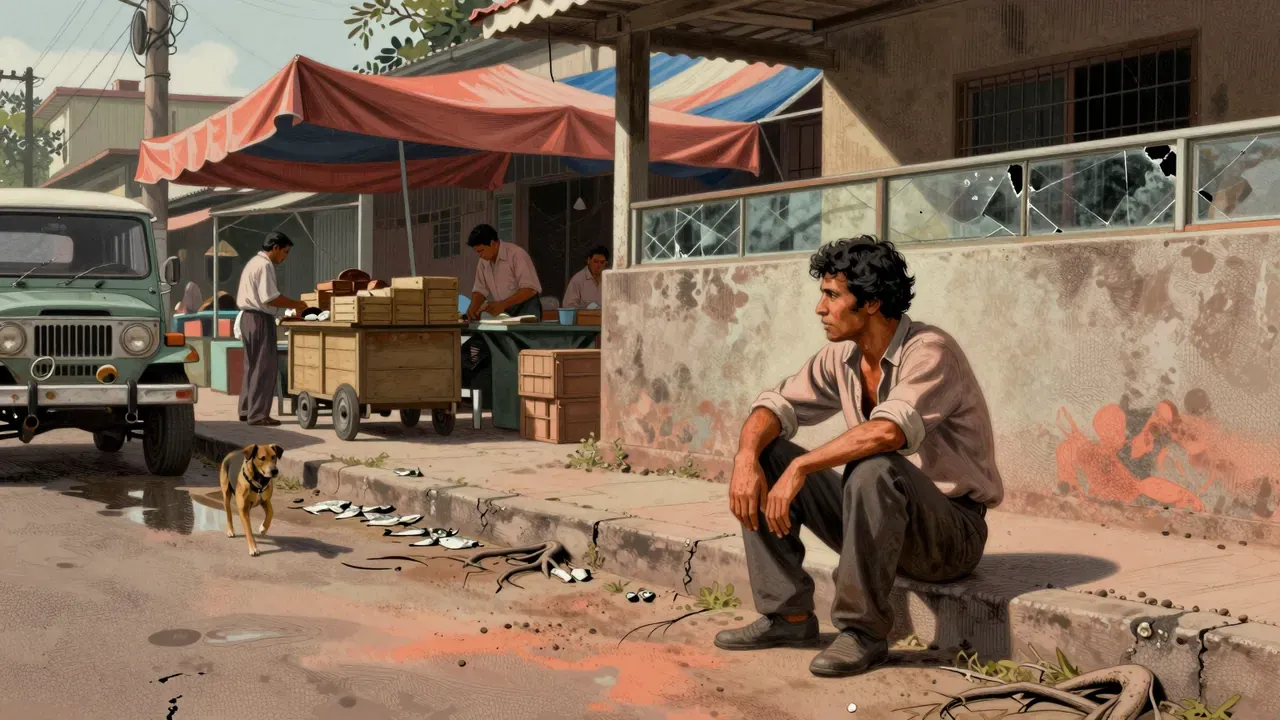
Lino Brocka’s 1975 drama follows Julio Madiaga, a young man from Marinduque, as he searches Manila for his missing lover Ligaya — only to uncover her entrapment in sexual slavery. Shot on location with non-professional and stage actors, the film avoids exposition and musical scoring, relying instead on duration, texture, and precise spatial composition to convey systemic violence under the Marcos dictatorship.
13:00

The Color of Pomegranates

Sergei Parajanov · 1969

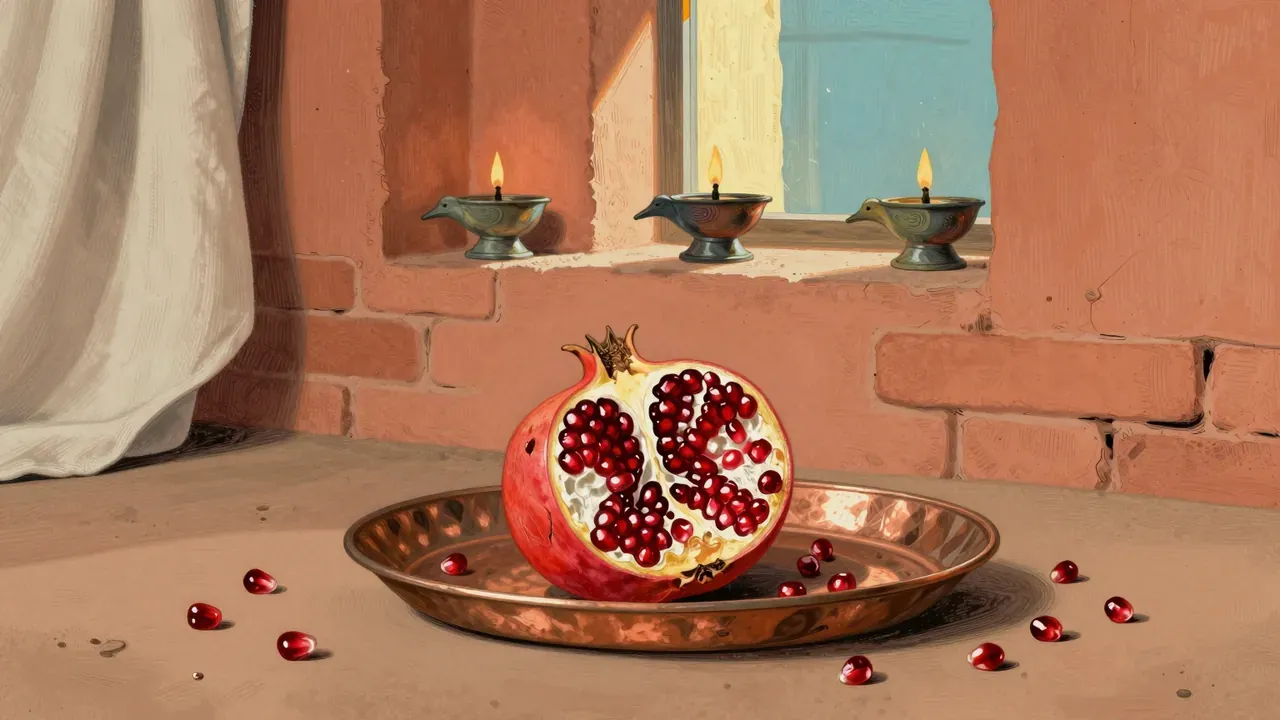
Sergei Parajanov’s 1969 Armenian-language film is a non-narrative, tableau-based meditation on the 18th-century poet Sayat-Nova. Shot across medieval monasteries in Armenia, Georgia, and Azerbaijan, it replaces dialogue with symbolic imagery, ritual gesture, and saturated colour. Restored in 2014 to align with Parajanov’s original vision, it remains deliberately opaque — a work of visual poetry rooted in Armenian manuscript tradition, queer sensibility, and resistance to Soviet cultural suppression.

13:00

The Comfort of Strangers

Paul Schrader · 1990

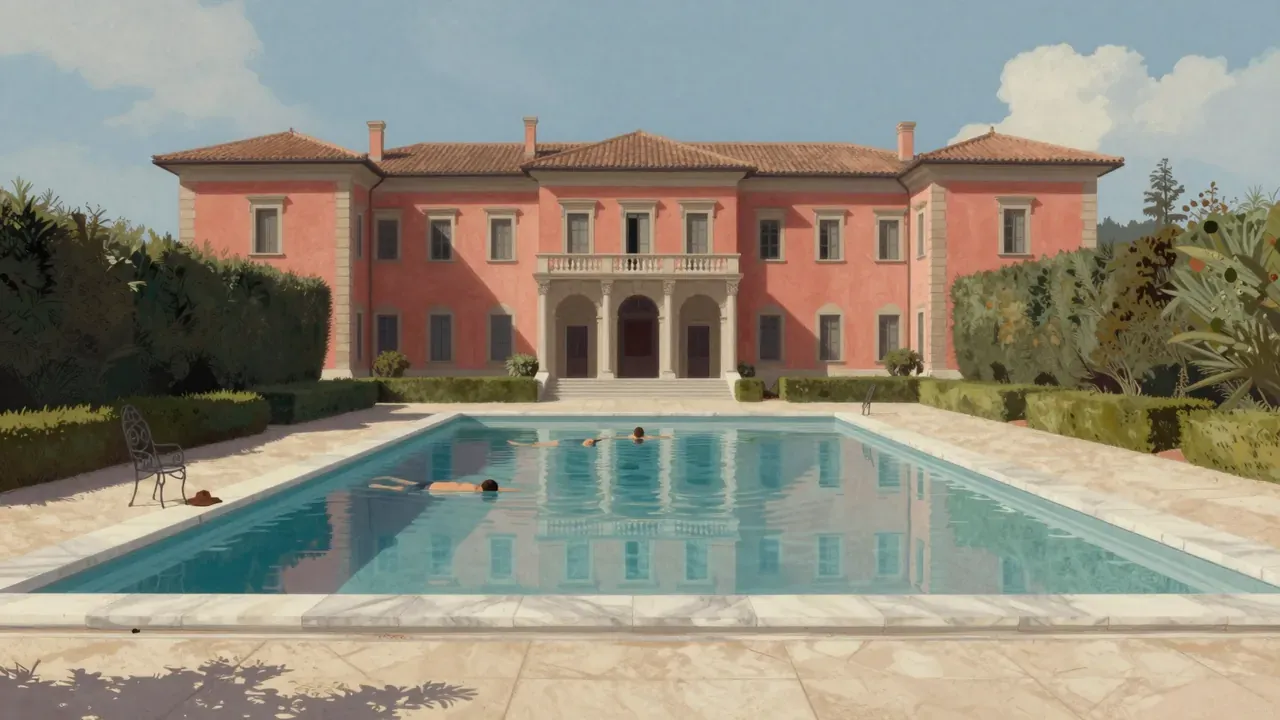
Paul Schrader’s 1990 adaptation of Ian McEwan’s novel, scripted by Harold Pinter, follows an English couple drawn into the unsettling hospitality of a Venetian couple. With Natasha Richardson, Christopher Walken, and Rupert Everett, it builds dread through restraint: sparse dialogue, controlled framing, and the gradual erosion of autonomy. Not a thriller of action but of atmosphere, it asks the viewer to sit with ambiguity, not solve a mystery.

13:00

The Confession

Costa-Gavras · 1970

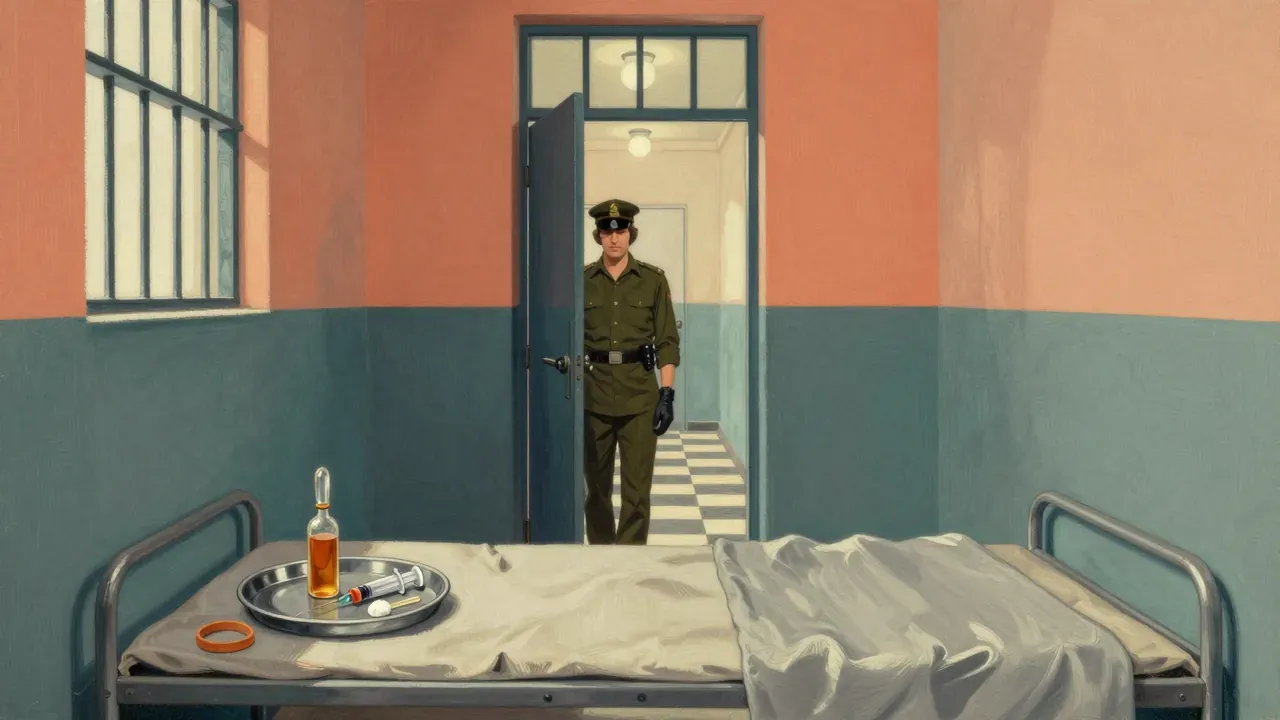
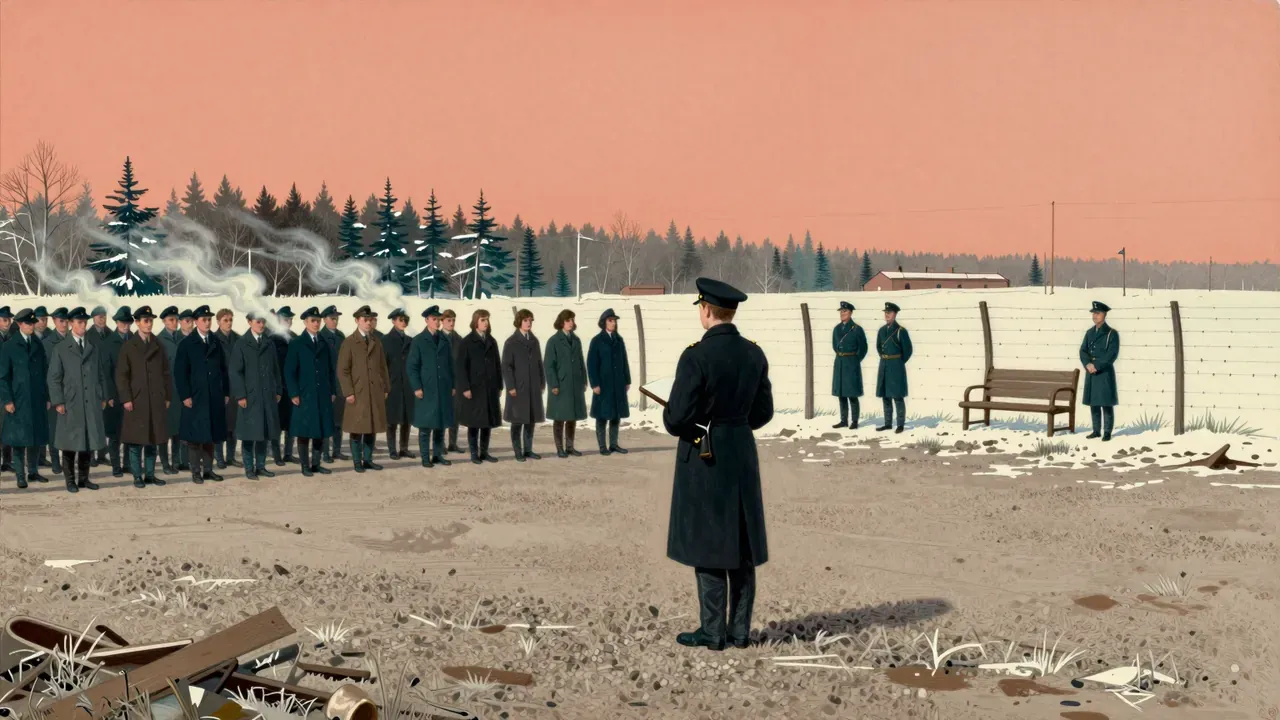
Costa-Gavras’s 1970 film The Confession adapts Artur London’s memoir of imprisonment and coerced confession during the 1952 Slánský trial in Prague. Starring Yves Montand and Simone Signoret, it traces the systematic dismantling of a loyal communist official—not through brutality, but through isolation, sleep deprivation, scripted rehearsals, and bureaucratic theatre. Shot in northern France with Raoul Coutard’s restrained cinematography and edited with deliberate duration, it avoids melodrama in favour of procedural realism. Though its final act falters in integration, and its density tests attention, it remains a rigorous, unsentimental study of how power hollows out personhood from within.

13:00

The Count of the Old Town

Sigurd Wallén, Edvin Adolphson · 1935

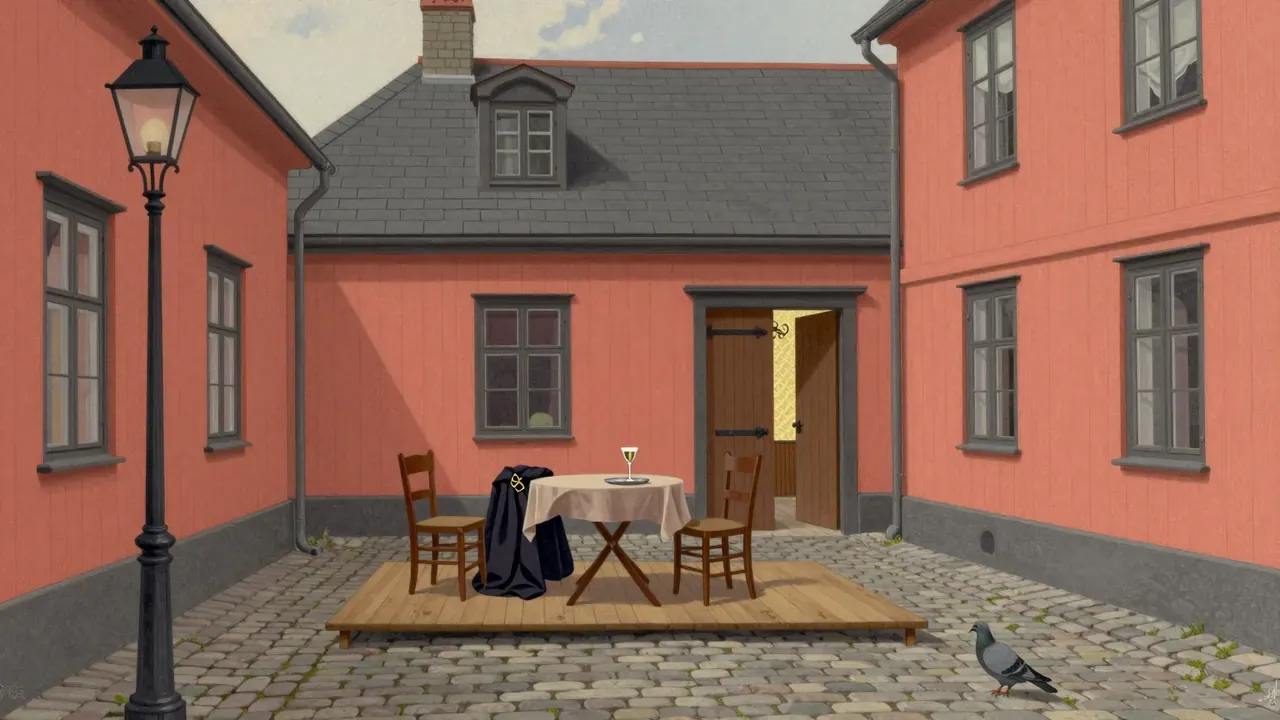
The Count of the Old Town (1935) is a Swedish studio comedy directed by Sigurd Wallén and Edvin Adolphson, adapted by Arthur Natorp from his stage play. Starring Valdemar Dalquist as a penniless artist mistaken for nobility, it unfolds in Stockholm’s Gamla Stan with light farce, ensemble timing, and Jules Sylvain’s waltz-led score. Ingrid Bergman appears in her first speaking film role, though her part is brief and underdeveloped. The film prioritises rhythm and social observation over plot or psychology.

13:00

The Cousins

Claude Chabrol · 1959

Claude Chabrol’s 1959 drama follows two law students — the idealistic Charles and the jaded Paul — sharing an apartment in Paris. As Charles’s convictions erode under Paul’s effortless cynicism, the film traces the quiet transfer of worldview through proximity, culminating in an act of unintended violence. Shot by Henri Decaë and written with Paul Gégauff, it is a precisely observed, morally ambiguous study of bourgeois inertia and inherited disillusionment.

13:00

The Cremator

Juraj Herz · 1969

Juraj Herz’s 1969 film follows Karel Kopfrkingl, a Prague cremator whose devotion to ritual, Tibetan Buddhism, and Nazi ideology converges into murderous certainty. Shot in stark black and white by Stanislav Milota, edited with jarring precision by Jaromír Janáček, and anchored by Rudolf Hrušínský’s unnervingly calm performance, it charts the banal mechanics of moral collapse. Banned after release, it resurfaced as a landmark of the Czechoslovak New Wave — less a thriller than a forensic study of how language, architecture, and routine conspire to normalise atrocity.

13:00

The Crucified Lovers

Kenji Mizoguchi · 1954

Kenji Mizoguchi’s 1954 drama adapts Chikamatsu’s 1715 play into a precise, unsentimental study of love and law in feudal Kyoto. Mohei, an apprentice scroll-maker, and Osan, his employer’s wife, flee after a forgery and alleged adultery, pursued not by passion but by property, debt and collective punishment. Shot by Kazuo Miyagawa in long, unbroken takes, the film treats morality as infrastructure — not belief, but rent, reputation and ritual.

13:00

The Crying Game

Neil Jordan · 1992

Neil Jordan’s 1992 drama follows an IRA volunteer who, after a killing he cannot undo, flees to London and falls for the lover of the man he failed to save. Its famous revelation reshapes everything that comes before—not as twist, but as recalibration. Shot with restraint by Ian Wilson and performed with quiet precision by Stephen Rea and Jaye Davidson, it remains a study in how ethics emerge from proximity, not principle.

13:00

The Curious Case of Benjamin Button

David Fincher · 2008

David Fincher’s 2008 romance follows Brad Pitt’s Benjamin Button, a man who ages in reverse, across eighty years of American history. Adapted from F. Scott Fitzgerald’s 1922 short story by Eric Roth and Robin Swicord, it anchors its fantastical premise in tactile realism — weathered interiors, precise period detail, and restrained performances. Though praised for its production design, makeup, and visual effects — all Oscar-winning — its emotional core rests in the quiet, asymmetrical love between Benjamin and Cate Blanchett’s Daisy. The film’s 166-minute runtime demands patience, rewarding it with sustained mood and material honesty rather than narrative surprise.

13:00

The Damned

Luchino Visconti · 1969

Luchino Visconti’s 1969 film traces the Essenbeck family’s moral dissolution as they align with the Nazi Party in early 1933. Shot across Italy, West Germany and Austria, it uses lavish production, deliberate pacing and psychologically precise performances to chart how privilege, desire and fear enable authoritarianism from within. Though acclaimed, it has drawn criticism for its handling of Jewish characters and its reliance on Helmut Berger’s volatile charisma over Dirk Bogarde’s restrained gravitas.

13:00

The Darjeeling Limited

Wes Anderson · 2007

Three estranged brothers travel across Rajasthan aboard a luxury train one year after their father’s death, attempting a spiritual journey that unravels into confrontation, failure, and quiet reconnection. Directed by Wes Anderson and shot by Robert Yeoman, the film employs symmetrical framing, a muted palette, and carefully curated music to explore inherited mourning, cultural distance, and the slow dissolution of control. It premiered at Venice in 2007, grossed $35.3m on a $17.5m budget, and received generally favourable reviews.

13:00

The Daytrippers

Greg Mottola · 1996

The Daytrippers (1996) follows Eliza and her family on a single-day drive from Long Island to Manhattan after she finds evidence her husband may be having an affair. Written and directed by Greg Mottola, it unfolds through tightly observed interactions, subtle performances, and a refusal to resolve its tensions neatly. With a strong ensemble cast and a focus on emotional authenticity over plot mechanics, it captures the friction and tenderness of family life under uncertainty.

13:00

The Dead

John Huston · 1987

John Huston’s final film adapts James Joyce’s 'The Dead' with restrained fidelity: a Dublin Epiphany party in 1904 becomes the vessel for Gabriel Conroy’s quiet epiphany about love, memory and mortality. Shot largely on a CalArts soundstage due to Huston’s failing health, Fred Murphy’s cinematography and Tony Huston’s screenplay preserve the story’s hushed intensity. Anjelica Huston and Donal McCann anchor an ensemble cast in performances defined by subtlety, not declaration. The film’s strength is its unwavering commitment to emotional realism — no flashbacks, no exposition, no catharsis, only the slow, snow-laden fall into understanding.

13:00

The Decameron

Pier Paolo Pasolini · 1971

Pier Paolo Pasolini’s 1971 film adapts Boccaccio’s Decameron into a dialect-rich, episodic satire shot across southern Italy and France. Rejecting historical fidelity, it transplants medieval tales to Naples and Caserta to critique regional inequality, clerical hypocrisy, and the commodification of desire. Tonino Delli Colli’s naturalistic cinematography, Ennio Morricone’s curated folk-and-liturgical score, and performances rooted in physical truth anchor its polemical energy. Though structurally loose and tonally relentless, it remains a rigorous, unsentimental assertion of vernacular culture as resistance.

13:00

The Delta

Ira Sachs · 1996

Ira Sachs’s 1996 debut The Delta follows 18-year-old Lincoln Bloom as he drifts from his straight-laced life in Memphis into queer spaces and a relationship with Vietnamese immigrant Minh Nguyen. Shot on grainy 16 mm, the film avoids exposition and psychology in favour of texture, silence, and place. Its strengths lie in atmosphere and restraint; its weaknesses in underdeveloped relationships and structural thinness after the river journey begins. A quiet, unsentimental portrait of emergent desire — not as revelation, but as recalibration.

13:00

The Devil Is a Woman

Josef von Sternberg · 1935

Josef von Sternberg’s 1935 final collaboration with Marlene Dietrich is a formally rigorous, emotionally detached fable set during Seville’s Carnival. Adapted from Pierre Louÿs’s novel, it follows the destructive allure of Concha Pérez, whose indifference to devotion becomes a structural principle. With deliberate artifice, stylised lighting, and rhythmic austerity, it examines self-deception as inevitable, not tragic. Not a romance but a parable of asymmetry—cold, precise, and unforgettable.

13:00

The Devil's Backbone

Guillermo del Toro · 2001

Set in a remote Spanish orphanage during the final months of the Civil War, The Devil's Backbone follows a newly arrived boy who encounters the ghost of a murdered peer. Directed by Guillermo del Toro and shot by Guillermo Navarro, the film uses gothic horror conventions to explore inheritance, trauma, and moral accountability. Its restrained performances, muted palette, and deliberate pacing build tension not through shocks but through accumulated silence and implication. Though some narrative devices feel functional rather than felt, its emotional and historical precision makes it a singular entry in both Spanish cinema and the ghost-story tradition.

13:00

The Devil's Eye

Ingmar Bergman · 1960

Ingmar Bergman’s 1960 fantasy comedy The Devil’s Eye follows Satan’s attempt to cure a metaphysical stye by sending Don Juan to seduce a Swedish vicar’s chaste daughter. Shot by Gunnar Fischer and scored by Erik Nordgren, it treats heaven, hell, and bourgeois domesticity as adjacent departments in the same administrative system — dry, precise, and quietly subversive.

13:00

The Docks of New York

Josef von Sternberg · 1928

Josef von Sternberg’s 1928 romance, set on the New York waterfront, follows a stoker and a prostitute whose brief, impulsive marriage unfolds in a saloon, a flophouse, and a night court. Made at the end of the silent era, it relies on Harold Rosson’s chiaroscuro cinematography, Hans Dreier’s evocative sets, and Jules Furthman’s pared-down script to convey emotional complexity without exposition. Its power lies in restraint: in what is withheld, what is implied, and what is felt in the space between gestures.

13:00

The Doom Generation

Gregg Araki · 1995

Gregg Araki’s 1995 film follows three teenagers — Jordan, Amy and X — as they flee after a convenience-store killing, descending into surreal violence across Los Angeles. Shot on a $800,000 budget, it merges teen drama, black comedy and thriller tropes with deadpan delivery, saturated night photography, and a synth-heavy score. Though critically divided and commercially unsuccessful, it endures as a defining artefact of 1990s American indie cinema — less for its plot than for its uncompromising tonal architecture.

13:00

The Drum

Zoltan Korda · 1938

The Drum (1938), directed by Zoltan Korda, is a British Technicolor adventure set on the North-West Frontier during the Raj. It follows Prince Azim’s flight after his uncle’s coup, his alliance with British officer Carruthers, and his climactic warning on the Sacred Drum. Filmed partly on location in Chitral and North Wales, it foregrounds military detail and imperial certainty — making it a revealing artefact of pre-war British cinema, not a neutral period piece.

13:00

The Earrings of Madame de...

Max Ophüls · 1953

Max Ophüls’ 1953 French drama traces a pair of diamond earrings through the hands of an aristocratic couple and an Italian diplomat in Belle Époque Paris. Structured as a precise, repeating circuit rather than a linear narrative, it uses gliding camerawork, restrained performances, and ornate production design to explore desire, concealment, and social ritual—without psychological exposition or moral framing.

13:00

The Eight Mountains

Felix van Groeningen, Charlotte Vandermeersch · 2022

Co-directed by Felix van Groeningen and Charlotte Vandermeersch, The Eight Mountains follows Pietro and Bruno across thirty years as their childhood bond in the Italian Alps fractures, endures, and reshapes itself through distance, grief, and divergent choices. Shot by Ruben Impens and scored by Daniel Norgren, it treats landscape as character and time as weather — a slow, tactile drama about inheritance, solitude, and the quiet persistence of place.

13:00

The Elephant Man

David Lynch · 1980

David Lynch’s 1980 film tells the story of John Merrick, a severely deformed man in Victorian London, not as tragedy or curiosity but as a sustained inquiry into perception, care, and the quiet violence of being perpetually seen. Shot in stark black-and-white by Freddie Francis, with John Hurt delivering a performance of extraordinary stillness and vocal control, the film resists sentimentality, avoids exposition, and trusts the audience to sit with ambiguity. Its power lies in restraint: in what it shows, how long it holds it, and what it refuses to explain.

13:00

The Emigrants

Jan Troell · 1971

Jan Troell’s 1971 Swedish drama adapts Vilhelm Moberg’s novels about 1840s emigrants from Småland to Minnesota. Shot, written, and edited by Troell, it follows Karl Oskar and Kristina Nilsson through hardship, loss, and arduous journey, anchoring grand historical movement in physical detail: blistered hands, frozen laundry, carved names on trees. With Max von Sydow and Liv Ullmann, it avoids sentimentality, favouring duration, restraint, and environmental realism. Though occasionally pictorial, its power lies in cumulative, unsentimental fidelity to endurance.

13:00

The Emperor Jones

Dudley Murphy · 1933

Dudley Murphy’s 1933 adaptation of Eugene O’Neill’s play stars Paul Robeson as Brutus Jones, a charismatic Black man whose self-made empire on a Caribbean island collapses under guilt, fear and colonial myth. Made independently in New York with a Black-led creative core, it attempts avant-garde cinematic translation — using music, rhythm and stylised performance — but is hampered by Hays Office censorship, budget limits and narrative additions. Though structurally uneven, Robeson’s performance and the film’s formal ambition secure its place as a culturally significant, aesthetically urgent work.

13:00

The Emperor's Naked Army Marches On

Kazuo Hara · 1987

Kazuo Hara’s 1987 documentary follows Kenzō Okuzaki, a 62-year-old Japanese veteran, as he confronts former comrades over the unexplained deaths of two soldiers in New Guinea during the Second World War. Using unobtrusive, long-take observation, the film records Okuzaki’s aggressive, often physically coercive interviews, his indictment of the Shōwa Emperor, and fragmented, contradictory testimonies about starvation, execution, and cannibalism. It ends with an epilogue detailing Okuzaki’s imprisonment for attempted murder—a stark contrast to the impunity of those he pursued.

13:00

The End of Summer

Hélène Angel · 2019

Hélène Angel’s 2019 French drama The End of Summer observes a small group across a few days in a provincial house. With no score, minimal dialogue, and restrained performances from Talid Ariss, Christiane Millet, Bernard Le Coq and Maël Rouin Berrandou, it builds meaning through duration, silence and physical detail — not plot or revelation.

13:00

The English Patient

Anthony Minghella · 1996

Anthony Minghella’s 1996 adaptation of Michael Ondaatje’s novel follows a severely burned man in postwar Italy whose fragmented memories reveal a pre-war love affair in the Sahara. Built on Walter Murch’s groundbreaking editing, John Seale’s restrained cinematography, and Gabriel Yared’s evocative score, it explores desire, guilt and the collapse of imperial certainties across three interwoven timelines. Though criticised for its length and narrative opacity, its formal unity and emotional precision have secured its place as a defining romance-war hybrid of the 1990s.

13:00

The Eternal Breasts

Kinuyo Tanaka · 1955

Kinuyo Tanaka’s 1955 film follows Fumiko Nakajō, a tanka poet diagnosed with late-stage breast cancer, as she navigates divorce, motherhood, literary ambition, and mortality. Shot on location in Hokkaidō, it avoids biopic conventions, favouring quiet observation over exposition. Yumeji Tsukioka anchors a restrained ensemble; Kumenobu Fujioka’s naturalistic cinematography and Takanobu Saitō’s sparse score support a film that values duration, physical detail, and unspoken tension over narrative closure or thematic pronouncement.

13:00

The Experience

Abbas Kiarostami · 1973

Abbas Kiarostami’s 1973 debut is a spare, fifty-three-minute drama following Mamad, an orphaned teenager working and sleeping in a Tehran photographic studio. After developing a quiet, unreciprocated attachment to a girl from a wealthier background, he visits her home to ask for work — and is met with silent refusal. Shot with minimal intervention and performed with understated precision by Mostafa Tari, the film observes social hierarchy not as theme but as atmosphere: embedded in gesture, architecture, and silence.

13:00

The Fabulous Baron Munchausen

Karel Zeman · 1962

Karel Zeman’s 1962 The Fabulous Baron Munchausen reimagines the legendary raconteur as a conductor of visual worlds, not a teller of lies. Using live-action actors layered into hand-drawn, animated, and lithographic backdrops inspired by Gustave Doré, the film follows a cosmonaut who lands on the Moon and is escorted by Baron Munchausen through a fantastical, anachronistic Ottoman Empire. With music by Zdeněk Liška and cinematography by Jiří Tarantík, it privileges texture, rhythm, and stylistic unity over psychological realism or narrative drive — a meticulously crafted, gently satirical celebration of storytelling as craft.

13:00

The Face of Another

Hiroshi Teshigahara · 1966

Hiroshi Teshigahara’s 1966 adaptation of Kōbō Abe’s novel follows an engineer who, disfigured by industrial accident, receives a lifelike prosthetic mask. As he lives a double life — one masked, one bandaged — his sense of self fractures. Interwoven is a parallel story of a woman scarred by war. With Tōru Takemitsu’s sparse score, Hiroshi Segawa’s austere cinematography, and Arata Isozaki’s glass-walled sets, the film explores identity as social contract, not essence. It is a rigorous, unsettling inquiry into visibility, recognition, and the violence of normalcy.

13:00

The Fall of Otrar

Ardak Amirkulov · 1991

The Fall of Otrar (1991) is a Kazakh historical war film directed by Ardak Amirkulov, depicting the political and military collapse of the Central Asian city-state of Otrar before Genghis Khan’s invasion. Shot on location in Kazakhstan over four turbulent years amid Soviet dissolution and chronic underfunding, it prioritises architectural and procedural realism over psychological drama. Restored in 4K in 2024, it offers a stark, unsentimental vision of empire as erosion — not conquest — and history as accumulated weight rather than turning points.

13:00

The Fallen Idol

Carol Reed · 1948

Carol Reed’s 1948 drama follows seven-year-old Philippe, who lives alone in a London embassy while his diplomat father is away and his mother lies ill in hospital. He idolises the butler Baines—until he witnesses a struggle that ends with Baines’s wife falling to her death. Convinced Baines pushed her, Philippe flees, lies, and unravels under police questioning. Adapted by Graham Greene from his own story, the film renders childhood not as innocence but as radical epistemic limitation—where truth is assembled from fragments, and every object in the frame carries the weight of what cannot yet be named.

13:00

The Fearless Hyena

Jackie Chan · 1979

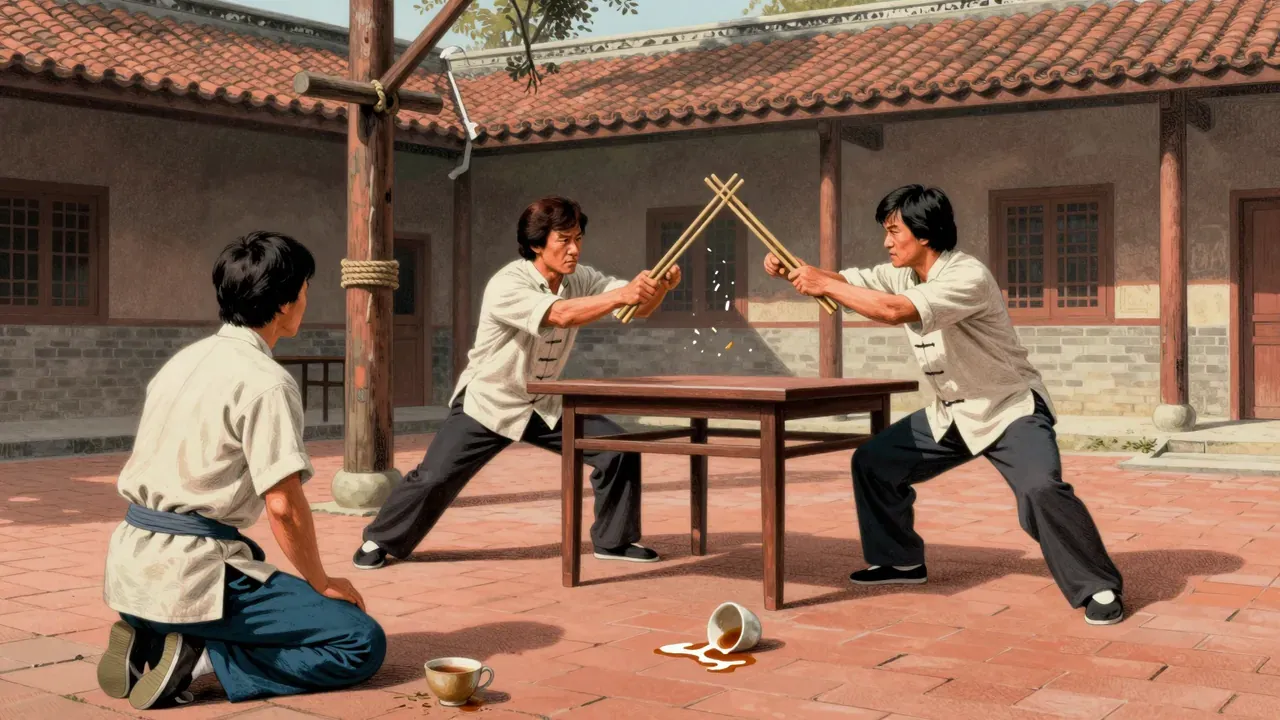
Jackie Chan’s 1979 directorial debut is a Hong Kong action comedy built around his own body as instrument, prop, and punchline. It follows a reckless martial arts student whose flaws drive both plot and fight design — gambling, disobedience, and emotional volatility become narrative engines. Though its revenge arc feels tacked-on and its supporting characters thinly drawn, its slapstick-infused choreography (chopsticks duels, cross-dressing, ‘Emotional Kung-Fu’) remains inventive and influential. Shot with functional clarity by Jung-Shu Chen and scored with brassy levity by Frankie Chan, it is a pragmatic, performer-first film — uneven, urgent, and foundational.

13:00

The Fiances

Ermanno Olmi · 1963

Ermanno Olmi’s 1963 drama follows Giovanni, a Milanese welder relocated to Sicily for work, and his fiancée Liliana, left behind in the north. Through sparse dialogue, restrained performances, and Lamberto Caimi’s understated black-and-white cinematography, the film charts the quiet recalibration of their relationship across letters, phone calls, and solitary routines. It is a study in endurance, not crisis — love as continuity rather than climax.

13:00

The Fire Within

Louis Malle · 1963

Louis Malle’s 1963 drama follows a recovering alcoholic over his final day in Paris, as he revisits old friends and tests whether any connection might hold him to life. With Maurice Ronet in a performance of profound stillness, and Ghislain Cloquet’s muted cinematography, the film registers despair not as explosion but as slow attrition — a portrait of desire’s disappearance.

13:00

The Fisher King

Terry Gilliam · 1991

Terry Gilliam’s 1991 film follows a disgraced radio host who seeks redemption by helping a delusional homeless man haunted by visions of the Red Knight. Built around Robin Williams’s layered performance as Parry and Jeff Bridges’s restrained turn as Jack, it blends New York realism with Arthurian myth to explore grief, class, and the slow, non-linear work of healing. Though uneven in its framing devices, its emotional honesty and commitment to psychological fidelity make it a singular, unsentimental portrait of care.

13:00

The Flavor of Green Tea over Rice

Yasujirō Ozu · 1952

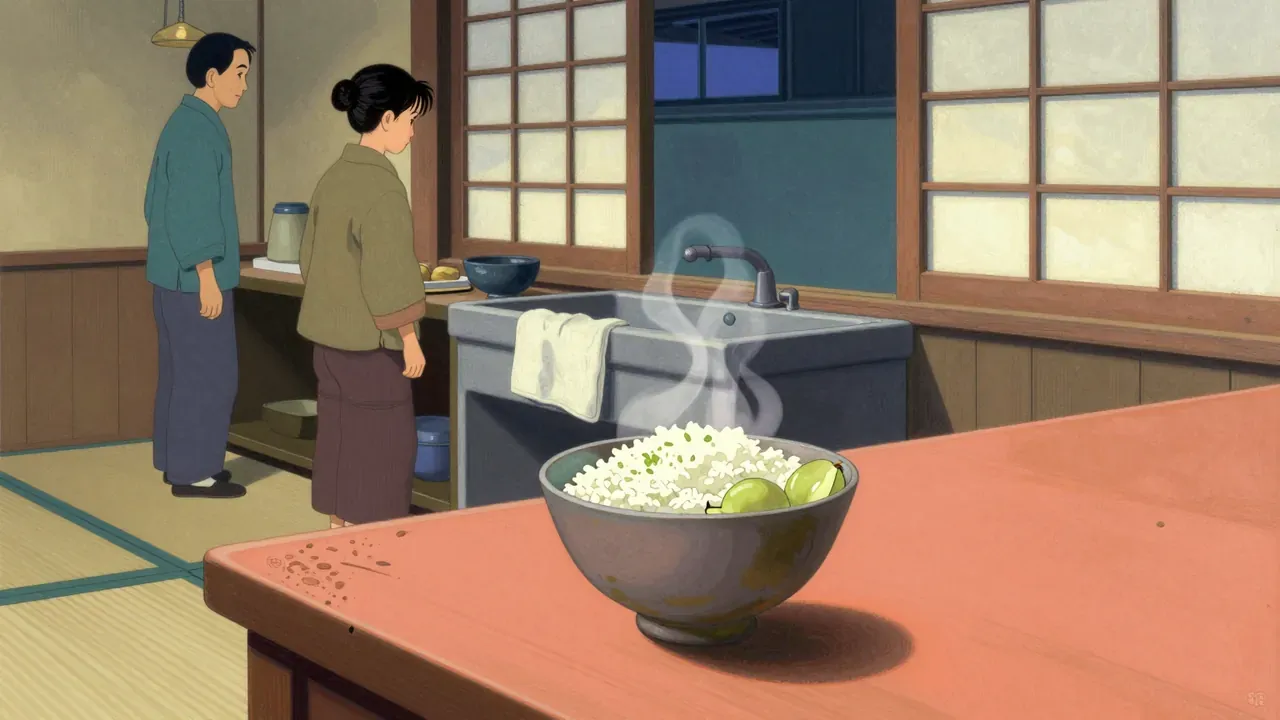
Yasujirō Ozu’s 1952 drama follows a Tokyo couple drifting apart amid family obligations and their niece’s resistance to arranged marriage. With still compositions, restrained performances, and deliberate pacing, it traces how small, shared acts—like making green-tea rice late at night—can quietly restore connection without resolving deeper tensions.

13:00

The Flight of the Phoenix

Robert Aldrich · 1965

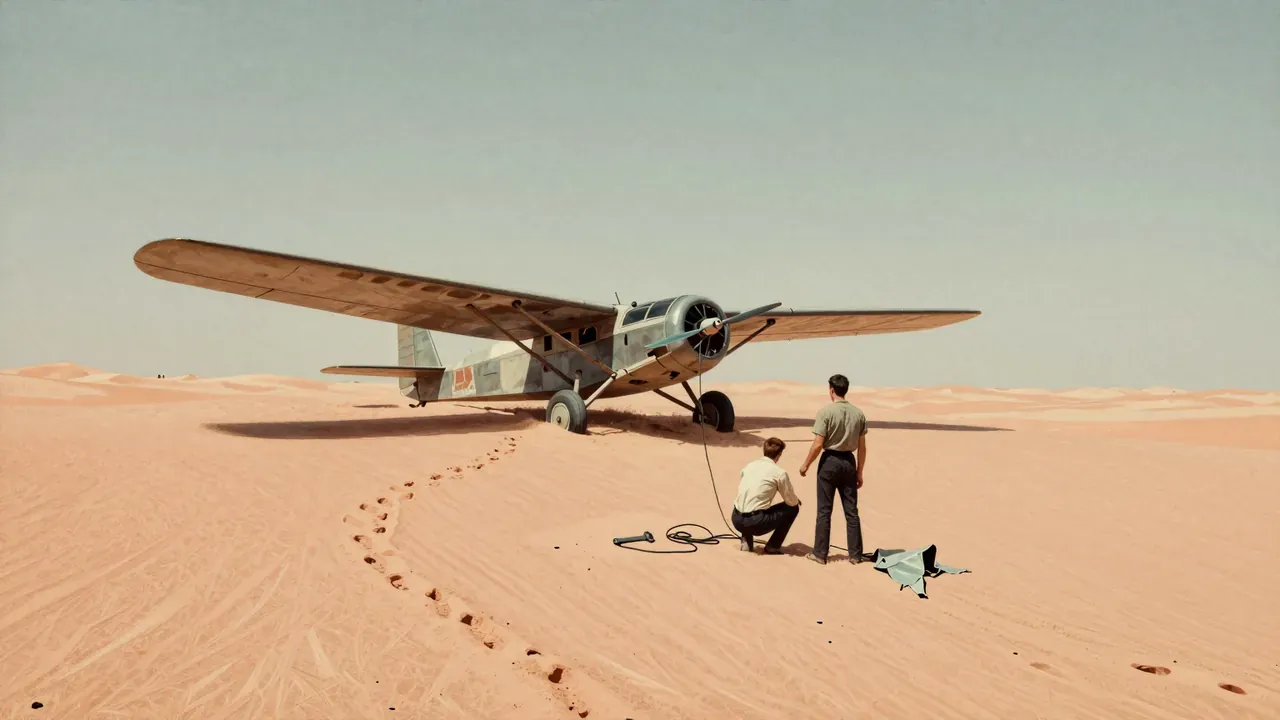
Robert Aldrich’s 1965 disaster drama follows a group of men stranded in the Sahara after a cargo plane crash. With no rescue expected, a German engineer proposes building a new aircraft from the wreckage. What follows is a rigorous, unsentimental depiction of collective labour, rationed hope, and the fragile consensus required to turn desperation into flight.

13:00

The Flowers of St. Francis

Roberto Rossellini · 1950

Roberto Rossellini’s 1950 film adapts nine parables from medieval Franciscan texts into a series of quiet, unadorned episodes. Shot in rural Italy with monks and one professional actor, it forgoes narrative for ritual, psychology for posture, and explanation for repetition. Its power lies in stillness, humility, and the radical simplicity of its vision.

13:00

The Forgiveness of Blood

Joshua Marston · 2011

Set in rural Albania, The Forgiveness of Blood follows a brother and sister whose lives fracture after their father kills a neighbour in a land dispute governed by the Kanun, a customary code that demands revenge and confines men to their homes. Seventeen-year-old Nik is trapped indoors; fourteen-year-old Rudina quits school to run the family bread route. Shot in natural light with restrained performances and minimal dialogue, the film observes how ancient law interfaces with mobile phones, internet dreams, and adolescent longing — not as clash, but as quiet, daily recalibration.

13:00

The Four Feathers

Zoltan Korda · 1939

Zoltan Korda’s 1939 Technicolor adaptation of A. E. W. Mason’s novel follows a disgraced British officer who journeys to Sudan to redeem himself through acts of courage during the Mahdist War. Shot on location with meticulous craft, it balances physical spectacle with psychological restraint — though its treatment of Sudanese characters remains strictly functional and its imperial framework unquestioned.

13:00

The Four Musketeers

Richard Lester · 1974

Richard Lester’s 1974 The Four Musketeers completes his adaptation of Dumas’s novel, picking up where The Three Musketeers left off. Shot back-to-back with the first film, it follows d’Artagnan and the musketeers through Milady de Winter’s revenge plot and the siege of La Rochelle, culminating in her execution and d’Artagnan’s promotion. With David Watkin’s crisp cinematography, Lalo Schifrin’s sardonic score, and George MacDonald Fraser’s streamlined script, it prioritises clarity, pace and physical storytelling over psychological depth or historical elaboration.

13:00

The French Dispatch

Wes Anderson · 2021

Wes Anderson’s 2021 anthology film presents the final issue of a fictional American newspaper’s Paris bureau as a series of formally exact, stylistically distinct journalistic features. Shot in 1.37:1 on 35 mm in Angoulême, it honours mid-century magazine aesthetics, French New Wave syntax, and the physical texture of print — treating journalism as craft, not just content.

13:00

The French Lieutenant's Woman

Karel Reisz · 1981

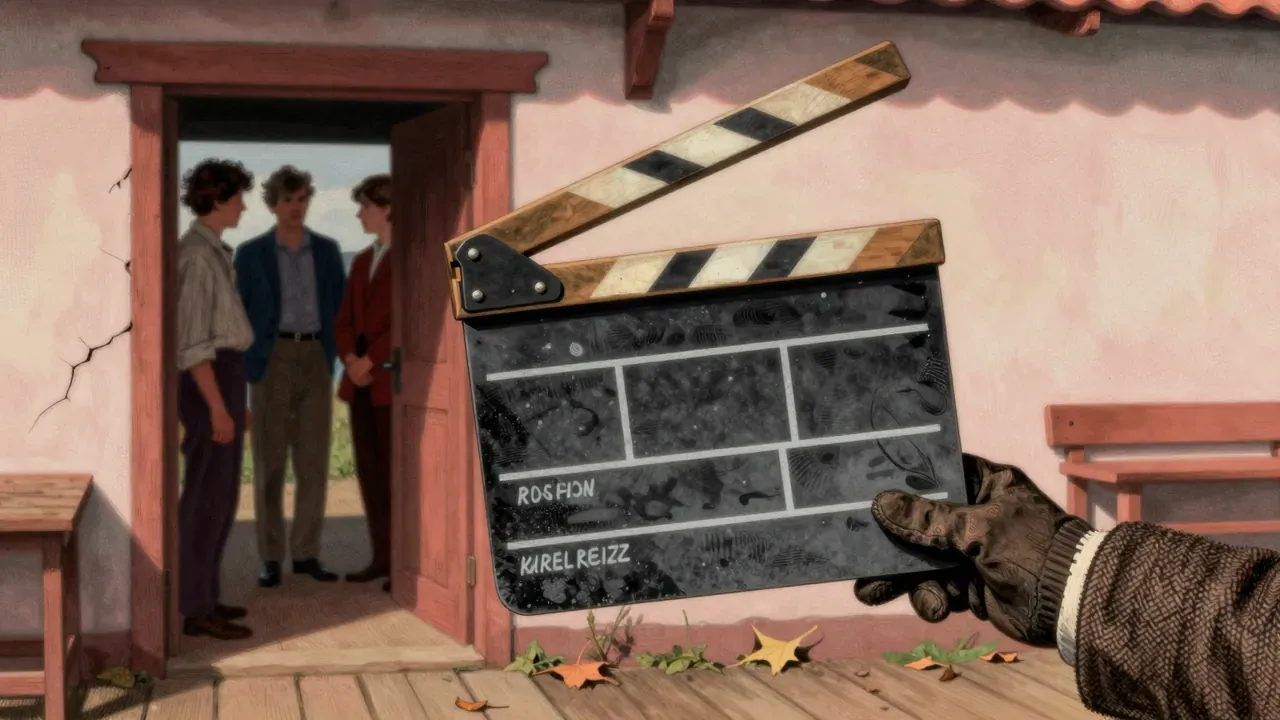
Karel Reisz’s 1981 adaptation of John Fowles’s novel intercuts a Victorian romance between palaeontologist Charles Smithson and enigmatic Sarah Woodruff with the modern affair between actors Mike and Anna, who play them. Written by Harold Pinter, it uses formal devices — visible crew, clapperboards, contrasting cinematography — to sustain tension between historical constraint and contemporary freedom. Freddie Francis’s photography, Assheton Gorton’s production design and Carl Davis’s score anchor both timelines in tangible detail, while Jeremy Irons and Meryl Streep deliver layered, restrained performances. It is a film about how desire is shaped by context, not character.

13:00

The Freshman

Fred C. Newmeyer, Sam Taylor · 1925

Harold Lloyd stars in this 1925 Pathé silent comedy as a freshman who tries to win popularity by imitating a movie hero, only to become the campus joke. His journey from delusion to self-acceptance unfolds through tightly constructed set-pieces — a falling-apart suit, a disastrous dance, and a climactic football game shot on real stadium fields — all anchored by Lloyd’s precise physical performance and Walter Lundin’s unshowy cinematography.

13:00

The Friends of Eddie Coyle

Peter Yates · 1973

Peter Yates’s 1973 neo-noir adapts George V. Higgins’s novel with unsentimental rigour, following small-time Boston gunrunner Eddie Coyle (Robert Mitchum) as he navigates a web of informants, robbers, and indifferent lawmen. Shot on location across Greater Boston by Victor J. Kemper, with a muted Dave Grusin score and Paul Monash’s terse script, it privileges behavioural realism over plot mechanics. Though commercially unsuccessful on release, it is now regarded as a landmark of 1970s crime cinema — lean, credible, and morally flat.

13:00

The Fugitive Kind

Sidney Lumet · 1959

Sidney Lumet’s 1960 adaptation of Tennessee Williams’s Orpheus Descending stars Marlon Brando and Anna Magnani as doomed lovers in a repressive Southern town. Shot in upstate New York, it struggles to translate theatrical heat into cinematic coherence — undermined by dubbing, miscasting, and unresolved thematic tensions — yet endures for its atmosphere, Boris Kaufman’s photography, and Kenyon Hopkins’s evocative score.

13:00

The Funeral

Jūzō Itami · 1984

Jūzō Itami’s 1984 debut follows a Tokyo family preparing for a traditional Japanese funeral over three days. With Tsutomu Yamazaki and Nobuko Miyamoto, it observes ritual, grief and social performance with quiet precision — finding comedy not in mockery but in the stubborn persistence of form amid loss.

13:00

The Furies

Anthony Mann · 1950

Anthony Mann’s 1950 Western *The Furies*, adapted from Niven Busch’s novel, follows Vance Jeffords (Barbara Stanwyck) and her tyrannical father T. C. (Walter Huston) in a battle of wills over a New Mexico ranch. With Victor Milner’s restrained cinematography and Franz Waxman’s tense score, the film prioritises psychological architecture over action, building a mythic, morally austere portrait of inheritance as compulsion. Though commercially unsuccessful on release, it has since been reappraised as a key work in Mann’s filmography and a defining ‘Freudian Western’.

13:00

The Game

David Fincher · 1997

David Fincher’s 1997 neo-noir stars Michael Douglas as Nicholas Van Orton, a wealthy San Francisco banker whose life unravels after accepting a mysterious birthday gift: participation in a game run by Consumer Recreation Services. As reality blurs and surveillance becomes ambient, the film sustains psychological pressure through precise craft — Haris Savides’s cinematography, Howard Shore’s score, and James Haygood’s withholding edits — rather than plot mechanics. Its power lies in sustained ambiguity, its limitation in the late pivot toward explanation. It is a study in control lost, not regained.

13:00

The Girl Can't Help It

Frank Tashlin · 1956

Frank Tashlin’s 1956 comedy stars Jayne Mansfield as a mobster’s girlfriend launched into stardom against her will. Built around performances by Little Richard, Fats Domino, Gene Vincent and others, it uses animation-derived timing and saturated DeLuxe Color to frame rock ’n’ roll as both commodity and spectacle. Though narratively thin and romantically inert, its visual confidence and musical density make it a singular artifact of mid-century media logic.

13:00

The Girls

Mai Zetterling · 1968

Mai Zetterling’s 1968 film follows three actresses touring a production of Lysistrata while managing motherhood, marital strain, and professional precarity. Shot with quiet precision by Rune Ericson and performed with restrained intensity by Bibi, Harriet and Gunnel Andersson, it locates feminist consciousness in accumulated small choices rather than grand declarations. Though its theatrical framing remains inert and its men underdeveloped, its enduring power lies in its unsentimental attention to the cost of being seen — and unseen.

13:00

The Gleaners and I

Agnès Varda · 2000

Made in 2000, Agnès Varda’s The Gleaners and I is a self-reflexive French documentary shot on early digital video. Travelling across rural and suburban France, Varda observes people who glean—collecting leftover crops, discarded food, or abandoned objects—for reasons ranging from need to artistry. She includes chefs, lawyers, artists, and farmers, and inserts herself as both filmmaker and subject, filming her ageing hands, her grey hair, and even her lens cap swinging at her side. The film avoids thesis or resolution, favouring accumulation, texture, and quiet observation. It won the European Film Award for Best Documentary and has since been ranked among the greatest documentaries and 21st-century films by multiple critics’ polls.

13:00

The Golden Coach

Jean Renoir · 1952

Jean Renoir’s 1952 film follows an Italian commedia troupe arriving in colonial Peru, where their performances intersect with the Viceroy’s court, local bullfighting culture, and a magnificent golden coach. Shot in Technicolor at Cinecittà, it uses Vivaldi’s music, Claude Renoir’s cinematography, and Anna Magnani’s precise performance to explore the porous boundary between acting and living — not as a critique of illusion, but as an affirmation of its necessity.

13:00

The Gospel According to St. Matthew

Pier Paolo Pasolini · 1964

Pier Paolo Pasolini’s 1964 film adapts the Gospel of Matthew with near-verbatim fidelity, shot in southern Italy with non-professional actors and stark black-and-white cinematography. Rejecting psychological realism, it treats scripture as sacred text first and cinematic material second — a deliberate act of remythologisation that absorbs two millennia of Christian storytelling into image and gesture. Tonino Delli Colli’s photography, Luis Bacalov’s choral-folk score and Nino Baragli’s restrained editing reinforce its liturgical gravity. Though awarded the Venice Grand Jury Prize and hailed by L’Osservatore Romano as the best Christ film ever made, it remains demanding: slow, silent, unexplained, and resolutely uninterested in making faith easy.

13:00

The Great Beauty

Paolo Sorrentino · 2013

Paolo Sorrentino’s 2013 film follows Jep Gambardella, a 65-year-old Roman journalist who has spent decades observing high society without participating. After learning of the death of his first love, he begins a slow, wordless reckoning with time, memory, and creative silence. Shot by Luca Bigazzi and scored by Lele Marchitelli, it is a formally precise, emotionally restrained portrait of spiritual inertia set against Rome’s layered history.

13:00

The Great Escape

John Sturges · 1963

John Sturges’ 1963 epic adapts the real 1944 Stalag Luft III escape with deliberate fictionalisation, centring invented American characters amid a meticulously rendered ensemble of POWs. Shot in Bavaria, it foregrounds collective craft — tunnelling, forging, scouting — over individual heroics, building tension through repetition and restraint. Though its motorcycle stunt and US framing depart from history, its commitment to procedural authenticity and moral clarity gives it enduring weight.

13:00

The Grifters

Stephen Frears · 1990

Stephen Frears’ 1990 adaptation of Jim Thompson’s novel follows three grifters—Lilly, her son Roy, and his girlfriend Myra—as their competing deceptions collapse into mutual ruin. Anchored by Anjelica Huston, John Cusack, and Annette Bening, it trades noir stylisation for psychological austerity, rendering betrayal as routine and survival as hollow victory.

13:00

The Gunfighter

Henry King · 1950

The Gunfighter (1950) follows Jimmy Ringo, a legendary gunfighter seeking reconciliation with his estranged wife and son in a small Western town. His reputation precedes him, drawing vengeful challengers and forcing old friends to confront shared pasts. Directed by Henry King and starring Gregory Peck, it rejects genre spectacle in favour of psychological compression, using precise framing, restrained performance, and tightly wound structure to explore fame, fatigue, and the impossibility of escape.

13:00

The Harder They Come

Perry Henzell · 1972

Perry Henzell’s 1972 debut follows Ivan, a rural Jamaican who moves to Kingston seeking work, only to be ground down by exploitation, then mythologised after turning to crime. Starring Jimmy Cliff and scored entirely with foundational reggae tracks, it pioneered Caribbean cinematic self-representation — raw, Patois-speaking, and rooted in real locations. Its influence far outstrips its modest production, reshaping how global audiences heard reggae and saw Black Caribbean life.

13:00

The Haunted Strangler

Robert Day · 1958

The Haunted Strangler (1958) is a British horror film directed by Robert Day and starring Boris Karloff. Set in Victorian London, it follows novelist James Rankin as he re-examines the conviction of Edward Styles, the so-called Haymarket Strangler. His investigation leads him to uncover his own forgotten identity as Dr. Tennant, the real murderer — a revelation triggered by handling the Strangler’s knife. Shot at Walton Studios, with music by Buxton Orr and editing by Peter Mayhew, the film blends procedural detail with psychological horror, prioritising atmosphere and physical transformation over shock or gore.

13:00

The Hawks and the Sparrows

Pier Paolo Pasolini · 1966

Pier Paolo Pasolini’s 1966 film follows Totò and Ninetto Davoli on a rambling journey through rural and suburban Italy, punctuated by encounters with a talking crow, impoverished families, landowners, mourners and performers. Framed by a Franciscan parable about hawks and sparrows, the film tests whether love or reason can overcome structural inequality — and concludes it cannot. Shot on location with non-professionals and icons alike, it is rigorous, unsentimental and deliberately unresolved.

13:00

The Heiress

William Wyler · 1949

William Wyler’s 1949 adaptation of Henry James’s Washington Square follows Catherine Sloper’s quiet, decades-long transformation from a cowed daughter into an unassailable heiress. Olivia de Havilland’s precisely calibrated performance, Leo Tover’s under-lit interiors, and Aaron Copland’s sparse score coalesce into a film that treats emotional deprivation as structural fact — not melodrama. It is austere, deliberate, and unsentimental, earning its acclaim through cumulative psychological precision rather than dramatic flourish.

13:00

The Heroic Trio

Johnnie To · 1993

Johnnie To’s 1993 action film stars Michelle Yeoh, Anita Mui, and Maggie Cheung as a trio of heroines confronting a subterranean tyrant who kidnaps imperial infants. Stylised rather than schematic, it prioritises choreographic precision, costume-as-character, and tonal volatility over psychological realism or narrative tidiness. Its strengths lie in physical presence and visual density; its weaknesses in underdeveloped motivation and unresolved thematic ambition. It remains a singular artefact of early-90s Hong Kong genre reinvention.

13:00

The Hidden Fortress

Akira Kurosawa · 1958

Akira Kurosawa’s 1958 adventure follows two self-interested peasants who agree to smuggle a mysterious man and woman across hostile territory for gold, unaware the man is a famed general and the woman a deposed princess. Shot in Tohoscope widescreen, with Ichio Yamazaki’s naturalistic cinematography and Masaru Sato’s taut score, the film grounds epic stakes in petty motives, using the peasants’ limited perspective to explore class, loyalty and survival. Toshirō Mifune delivers restrained authority as General Rokurōta; Minoru Chiaki and Kamatari Fujiwara embody craven humanity as Tahei and Matashichi. Though structurally inventive and morally precise, the princess’s interiority remains deliberately obscured — a choice that sharpens some tensions and blunts others.

13:00

The Hit

Stephen Frears · 1984

Stephen Frears’ 1984 British crime film follows a retired informant, a world-weary hit man, and his volatile apprentice on a slow, sun-bleached drive across Spain toward an unseen reckoning. With Terence Stamp, John Hurt, and Tim Roth in career-defining roles, and Paco de Lucía’s flamenco-inflected score, it replaces thriller mechanics with existential weight — finding dread not in danger, but in duration.

13:00

The Hole

Jacques Becker · 1960

Jacques Becker’s 1960 film The Hole reconstructs a real 1947 escape attempt at Paris’s La Santé Prison with forensic calm. Five inmates — played largely by non-actors, including one actual participant — dig a tunnel beneath their cell floor using scavenged tools and stolen time. The film avoids drama in favour of procedure, silence over score, and group rhythm over individual arc. Its power lies in accumulated detail, moral ambiguity, and the quiet collapse of trust when freedom arrives — not as rescue, but as a choice no one can fully explain.

13:00

The Home and the World

Satyajit Ray · 1984

Satyajit Ray’s 1984 adaptation of Rabindranath Tagore’s Ghare Baire follows Bimala, a sheltered Bengali wife whose worldview fractures when her husband’s charismatic friend Sandip draws her into the Swadeshi movement. Set in 1907 Bengal, the film charts her slow, painful awakening amid rising communal tension, culminating in personal and political rupture. With restrained performances, Soumendu Roy’s luminous cinematography, and Ray’s own spare score, it prioritises interiority over incident — a quiet, demanding portrait of conscience in crisis.

13:00

The Honeymoon Killers

Leonard Kastle · 1970

Leonard Kastle’s 1970 debut is a stark, black-and-white docudrama about Martha Beck and Raymond Fernandez, two real-life killers whose relationship curdles into murder. Made on a $200,000 budget with non-star actors, rough cinematography and Mahler on the soundtrack, it rejects glamour, psychology and historical fidelity in favour of sustained moral unease. Shirley Stoler’s performance as Martha remains one of cinema’s most unsettling studies in embodied desperation.

13:00

The Horse's Mouth

Ronald Neame · 1958

Ronald Neame’s 1958 adaptation of Joyce Cary’s novel stars Alec Guinness as Gulley Jimson, a chaotic, indomitable painter who treats London as his canvas and everyone in it as raw material. Written by Guinness, shot in Technicolor by Arthur Ibbetson, and edited with restless precision by Anne V. Coates, it is a performance-driven, physically urgent portrait of creation as compulsion — flawed in its simplifications, but unforgettable in its energy.

13:00

The Housemaid

Kim Ki-young · 1960

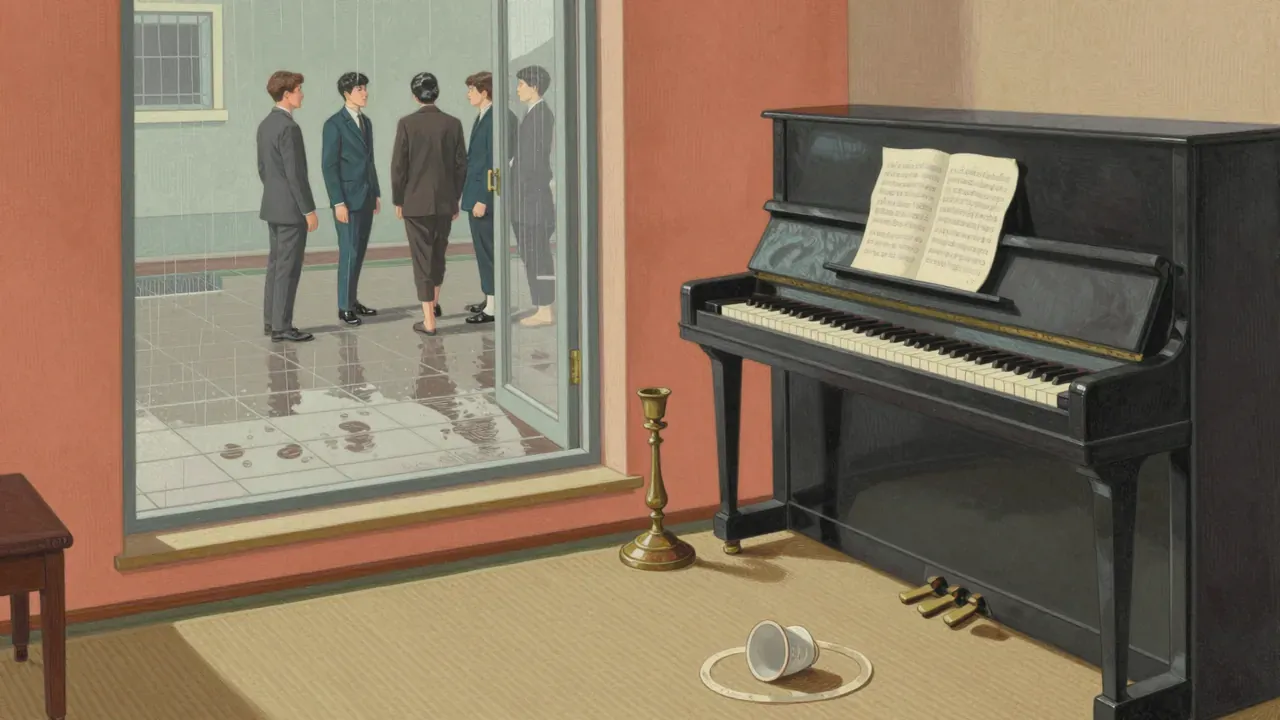
Kim Ki-young’s 1960 The Housemaid is a tightly controlled psychological horror set in a Seoul two-storey house. When a piano teacher hires a factory cleaner as maid, her quiet observation and escalating demands expose fault lines in his marriage, class position and moral authority. The film builds dread through restraint — no score, minimal exposition, unflinching framing — and ends where it began, suggesting its tragedy is cyclical, not exceptional.

13:00

The Human Condition I: No Greater Love

Masaki Kobayashi · 1959

Masaki Kobayashi’s 1959 epic opens The Human Condition trilogy with Tatsuya Nakadai as Kaji, a Japanese idealist who moves to Manchuria to avoid conscription, only to confront the moral rot of colonial labour management. Shot by Yoshio Miyajima and edited by Keiichi Uraoka, it uses duration and restraint to show how systems degrade conscience — not through sudden violence, but through paperwork, silence, and incremental surrender.

13:00

The Ice Storm

Ang Lee · 1997

Set over a single Thanksgiving weekend in 1973, The Ice Storm follows two Connecticut families adrift in marital and generational disaffection. Directed by Ang Lee from James Schamus’s screenplay, it renders suburban ennui through restrained performances, muted cinematography, and a structure built on accumulation rather than escalation. A fatal accident during an ice storm forces a reckoning — not with morality, but with the cost of emotional drift.

13:00

The Idiot

Akira Kurosawa · 1951

Akira Kurosawa’s 1951 The Idiot transposes Dostoevsky’s novel to post-war Hokkaido, following Kameda — a gentle, epileptic man returning home — as he becomes entangled with Taeko, a woman discarded by her wealthy patron, and Akama, a volatile heir. Shot in stark black-and-white and severely cut by Shochiku from its original 265-minute form, the film relies on restraint: minimal music, extended silences, performances built on micro-gestures. Its moral force lies in what it refuses — explanation, catharsis, resolution — making it a demanding but deeply resonant portrait of integrity in a compromised world.

13:00

The Immortal Story

Orson Welles · 1968

Orson Welles’ 1968 French-language drama adapts Karen Blixen’s short story into a tightly wound fable set in nineteenth-century Macao. A dying merchant forces a sailor and a young woman to enact a seafaring legend, testing whether myth can survive embodiment. Shot in Spain with a small cast and sparse design, it foregrounds stillness, silence, and the instability of narrative authority — not as flaws, but as principles.

13:00

The Importance of Being Earnest

Anthony Asquith · 1952

Anthony Asquith’s 1952 adaptation of The Importance of Being Earnest is a faithful, studio-bound rendering of Wilde’s comedy, anchored by Edith Evans’s legendary Lady Bracknell and performed with linguistic rigour. It privileges dialogue, timing and textual fidelity over cinematic expansion, making it a benchmark for literary adaptation — austere, intelligent, and increasingly rewarding on repeat viewings.

13:00

The In-Laws

Arthur Hiller · 1979

The In-Laws (1979) pairs Alan Arkin and Peter Falk as fathers-in-law drawn into international intrigue when a mild-mannered dentist is swept up by his future son-in-law’s seemingly unhinged CIA operative father. Written by Andrew Bergman and directed by Arthur Hiller, it sustains a high-wire act of farcical escalation grounded entirely in character logic — not plot mechanics — and remains a benchmark for odd-couple comedy built on timing, contrast, and unwavering commitment to its central conceit.

13:00

The Incredible Shrinking Man

Jack Arnold · 1957

Jack Arnold’s 1957 adaptation of Richard Matheson’s novel follows Scott Carey’s gradual, irreversible shrinking — not as allegory or adventure, but as a precise, physical recalibration of self, space, and significance. Shot on Universal’s backlot with meticulous forced perspective and restrained performances, it builds tension through scale, silence, and spatial logic rather than plot twists or moralising. Its power lies in accumulation: each inch lost reshapes the terms of survival.

13:00

The Inheritance

Masaki Kobayashi · 1962

Masaki Kobayashi’s 1962 drama follows the ruthless scramble among associates of a dying businessman to locate and manipulate his three illegitimate children before he divides his fortune. With Keiko Kishi, Sō Yamamura and Tatsuya Nakadai, and cinematography by Takashi Kawamata and music by Tōru Takemitsu, the film rejects sentiment in favour of procedural rigour — exposing how legality, kinship and mortality become instruments of financial gain.

13:00

The Inland Sea

Lucille Carra · 1991

Lucille Carra’s 1991 documentary follows Donald Richie’s 1971 journey across Japan’s Seto Inland Sea islands. Shot by Hiro Narita and narrated by Richie, it observes daily life on depopulating islands with deliberate slowness and minimal intervention. There are no interviews, no score, no explanatory text — only light, sound, and a voice reflecting on continuity and quiet change.

13:00

The Innocent

Louis Garrel · 2022

Louis Garrel’s 2022 comedy follows Abel, a timid aquarium guide whose mother Sylvie marries an ex-con, Michel. Suspicious and guilt-ridden, Abel agrees to help Michel steal caviar — not out of greed, but as a way to re-enter his mother’s orbit. What begins as surveillance becomes participation, then genuine connection, then consequence. Shot in Lyon with quiet precision, the film avoids moralising, favouring rhythm and restraint over revelation.

13:00

The Innocents

Jack Clayton · 1961

Jack Clayton’s 1961 adaptation of Henry James’s The Turn of the Screw sustains a rigorous ambiguity: are the ghosts real, or projections of the governess’s repressed psyche? Shot by Freddie Francis in stark CinemaScope, scored by Georges Auric with early electronic textures, and carried almost entirely by Deborah Kerr’s tightly coiled performance, the film refuses resolution. Its power lies in what it withholds — no confirmation, no diagnosis, no moral anchor — making it a landmark of psychological horror and arthouse restraint.

13:00

The Insect Woman

Shohei Imamura · 1963

Shohei Imamura’s 1963 drama follows Tome Matsuki from rural childhood to post-war Tokyo madam across thirty-two episodic chapters. Sachiko Hidari’s unsentimental performance, Shinsaku Himeda’s unadorned cinematography, and Toshiro Mayuzumi’s sparse score serve a vision of class and gender as material forces — not backdrops, but shaping pressures. Entered in Berlin, where Hidari won Best Actress, it remains a benchmark of socially grounded Japanese cinema.

13:00

The Irishman

Martin Scorsese · 2019

Martin Scorsese’s 2019 crime drama follows Frank Sheeran (Robert De Niro), a truck driver turned alleged hitman, across five decades of mob and union entanglement. Adapted from Charles Brandt’s contested book, it uses de-ageing effects and deliberate pacing to explore memory, complicity, and the quiet dissolution of identity. With Al Pacino as Jimmy Hoffa and Joe Pesci as Russell Bufalino, it prioritises restraint over revelation—and duration over drama.

13:00

The Joke

Jaromil Jireš · 1969

Jaromil Jireš’s 1969 film adapts Milan Kundera’s novel about Ludvík Jahn, expelled from the Communist Party for a sardonic postcard, then seeking revenge two decades later. Shot during the Prague Spring and banned for twenty years, it traces how political dogma reshapes love, memory, and moral choice — not through grand pronouncements but through glances, silences, and bureaucratic routines.

13:00

The Kid

Charlie Chaplin · 1921

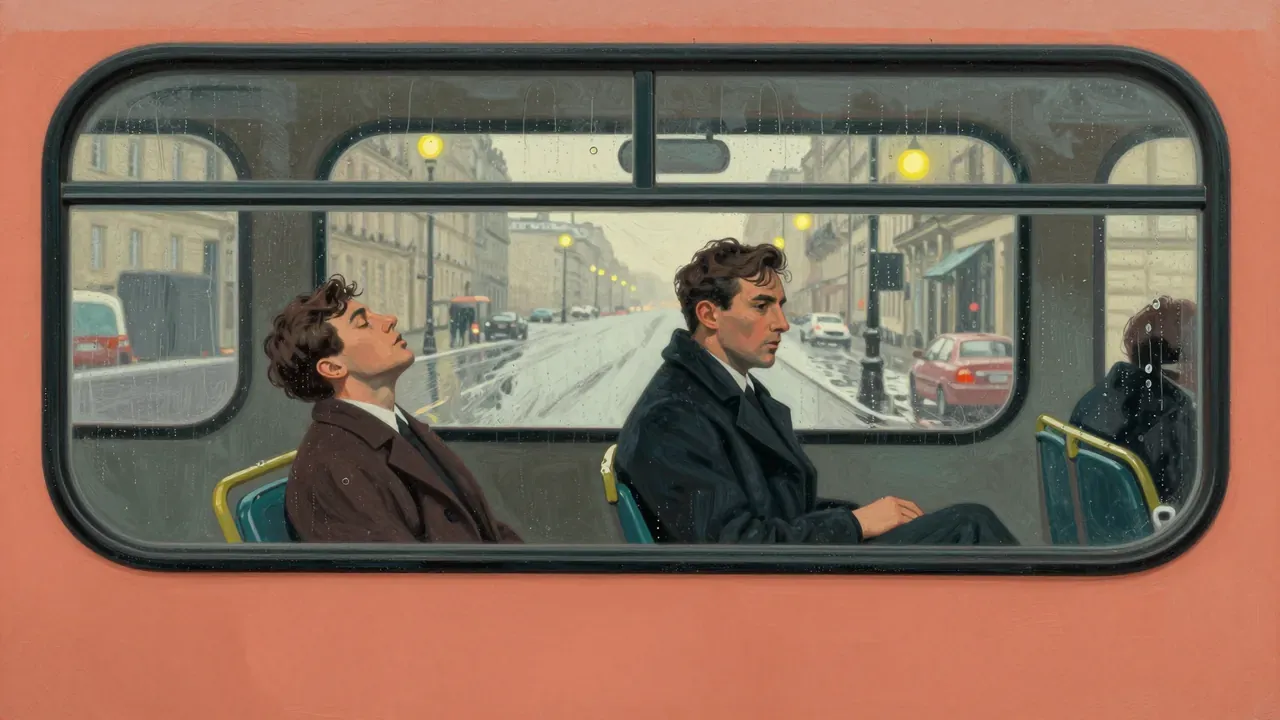
Charlie Chaplin’s 1921 feature The Kid pairs him with six-year-old Jackie Coogan in a comedy-drama about an abandoned infant raised by the Tramp. Built on tight physical performances, economical editing and unforced pathos, it balances street-level pragmatism with quiet tenderness — making care visible as routine, not revelation.
13:00

The Kid Brother

Harold Lloyd, Lewis Milestone, Ted Wilde · 1927

The Kid Brother (1927) is Harold Lloyd’s deliberate departure from urban thrills into rural character comedy. As Harold Hickory — the bookish, overlooked son of a respected sheriff — he must prove himself not through strength but wit, navigating a travelling medicine show, a stolen dam fund, and a beached ship full of thieves. Directed partly by Lewis Milestone and shot by Walter Lundin, it balances dense physical gags with emotional continuity and thematic weight. Restored in 4K for Criterion, it remains a masterclass in silent-era storytelling where every laugh serves the man behind the glasses.

13:00

The Kid with a Bike

Luc Dardenne, Jean-Pierre Dardenne · 2011

The Kid with a Bike follows twelve-year-old Cyril as he navigates abandonment, foster care, and fragile trust in working-class Seraing. Directed by Jean-Pierre and Luc Dardenne, it uses restrained naturalism, precise performances, and a subtle fairy-tale structure to explore how belonging is built — not declared — through small, repeated acts of presence. Shot by Alain Marcoen and edited by Marie-Hélène Dozo, it won the Grand Prix at Cannes and the European Film Award for Best Screenplay.

13:00

The Killing of a Chinese Bookie

John Cassavetes · 1976

John Cassavetes’s 1976 crime film follows strip club owner Cosmo Vittelli as he navigates a mob debt, a botched hit, and the slow collapse of his carefully curated persona. Shot by Al Ruban and scored by Bo Harwood, it privileges duration, physicality, and ambiguity over narrative payoff. The 108-minute 1978 re-edit is the standard version, though both cuts exist in Criterion’s box set. Ben Gazzara’s performance anchors a film less about crime than about the labour of sustaining identity under pressure.

13:00

The King of Kings

Cecil B. DeMille, Arthur Rosson, Frank Urson · 1927

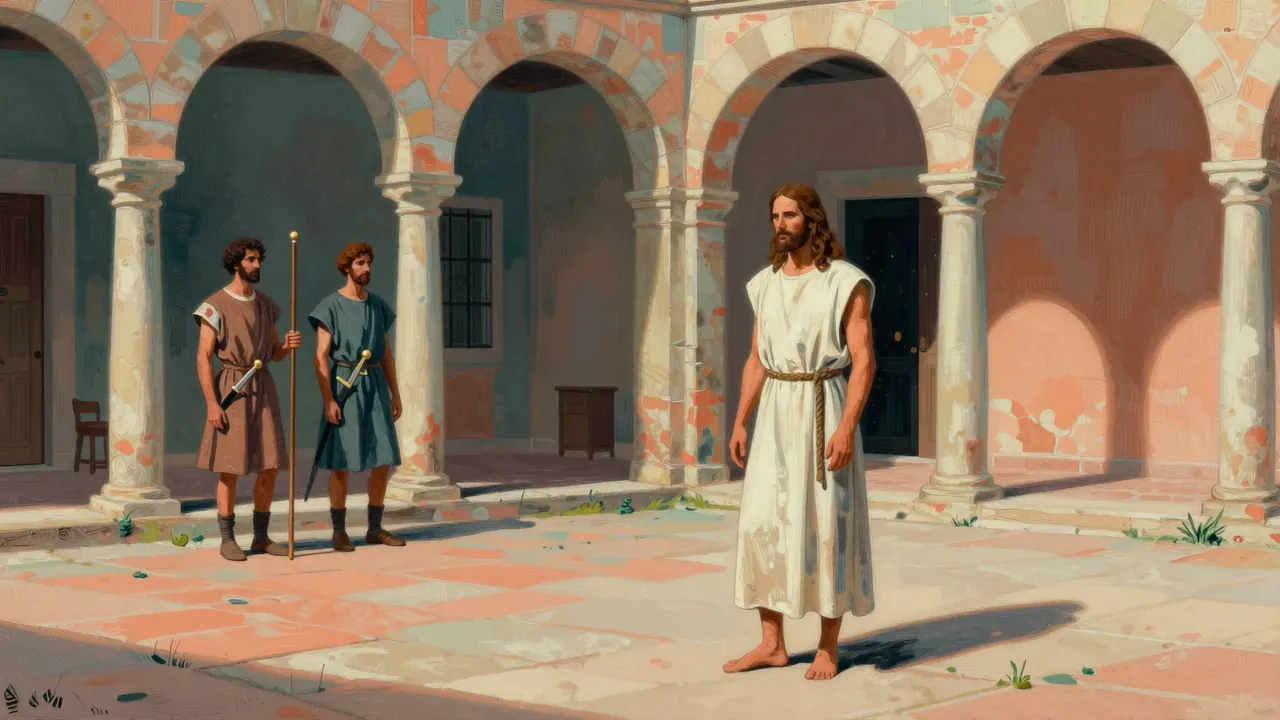
Cecil B. DeMille’s 1927 silent film The King of Kings depicts the life of Jesus with deliberate spectacle—Technicolor halos, sepia-tinted sermons, hand-coloured torchlight—and a script that blends Gospel texts with invented moments designed to jolt contemporary audiences. H. B. Warner stars as a calm, physically present Christ; Jacqueline Logan plays a vividly secular Mary Magdalene. Though structurally episodic and occasionally blunt in its symbolism, the film remains a landmark of studio-era craft, theological address, and early colour technology.

13:00

The King of Marvin Gardens

Bob Rafelson · 1972

The King of Marvin Gardens (1972) follows depressive Philadelphia radio host David Staebler as he visits his charismatic, scheming brother Jason in a decaying Atlantic City. Against the backdrop of soon-to-be-demolished hotels, Jason pitches a Hawaiian casino venture while tensions mount among the four adults sharing his suite. László Kovács’ muted cinematography and Bob Rafelson’s unhurried direction treat delusion as routine, not crisis — making this a film less about plot than about the weight of unfulfilled promise, both personal and architectural.

13:00

The Lady Eve

Preston Sturges · 1941

Preston Sturges’ 1941 screwball comedy follows con artist Jean Harrington as she targets naive ale heir Charles Pike aboard an ocean liner, falls for him, is rejected, then returns disguised as English aristocrat ‘Lady Eve’ to exact revenge — only to fall again. With Barbara Stanwyck and Henry Fonda delivering career-defining performances, the film uses repetition, linguistic precision, and structural symmetry to explore identity, performance, and the porous line between deception and devotion.