filmbriefs
Newest

All briefs

2035 briefs · 26452 min · 577–672 on page 7 of 22
13:00

La commare secca

Bernardo Bertolucci · 1962

La commare secca (1962) is Bernardo Bertolucci’s first feature, a formally rigorous Italian drama based on a Pier Paolo Pasolini story. Structured around seven contradictory police testimonies concerning the murder of a Rome prostitute, it uses repetition, weather and setting—not psychology or suspense—to expose class, gender and aspiration in post-war marginality. Shot by Giovanni Narzisi, edited by Nino Baragli and scored by Piero Piccioni, it is a debut marked by discipline, austerity and social observation.
13:00

La Grande Illusion

Jean Renoir · 1937

La Grande Illusion (1937), directed by Jean Renoir, follows French officers imprisoned in German camps during the First World War. Through restrained performances, unadorned cinematography, and a structure built on observation rather than action, it explores how class, nationality, and personal dignity persist — and sometimes collapse — under pressure. Its enduring power lies not in grand statements but in quiet, specific moments: a shared meal, a sung anthem, a winter refuge, a final, reluctant shot.

13:00

La Jetée

Chris Marker · 1962

A 28-minute French photomontage from 1962, La Jetée tells a post-nuclear time-travel story almost entirely through still black-and-white photographs, linked by voice-over narration and a sparse orchestral score. Its protagonist is sent from a ruined Paris to the past and future, bound by a childhood memory of a woman on an airport jetty — a memory that proves to be his own death. Built as a photo novel, not a film, it treats time as recursive, memory as architectural, and perception as the only continuous medium across stillness.

13:00

La Llorona

Jayro Bustamante · 2019

La Llorona (2019) is a Guatemalan thriller directed by Jayro Bustamante, set in the home of a former dictator convicted then exonerated for genocide against Mayan communities. As protests rage outside, a young Kaqchikel maid named Alma arrives, and supernatural disturbances — centred on water and weeping — begin to unsettle the household. The film blends political allegory with folklore, using restraint and precision to explore impunity, memory and intergenerational accountability.

13:00

La Notte

Michelangelo Antonioni · 1961

Michelangelo Antonioni’s 1961 drama follows a novelist and his wife across one day and night in Milan, observing their emotional detachment without exposition or resolution. Shot by Gianni Di Venanzo and scored by Giorgio Gaslini, it relies on composition, silence, and sustained takes to render modern isolation as a physical condition. Winner of the Golden Bear at Berlin, it forms the central film of Antonioni’s 'Trilogy of Incommunicability'.

13:00

La Piscine

Jacques Deray · 1969

La Piscine (1969), directed by Jacques Deray, follows a couple’s holiday on the French Riviera that unravels when an old lover and his teenage daughter arrive. What begins as languid erotic tension escalates into jealousy, violence, and concealment. With Alain Delon, Romy Schneider, Maurice Ronet and Jane Birkin, it uses restrained performances, deliberate pacing and Jean-Jacques Tarbès’ cool, sun-drenched cinematography to explore possession, memory and the fragility of control. Not a thriller in the conventional sense, it is a slow-burn study in psychological erosion, anchored by real-life tensions between its stars.

13:00

La Pointe Courte

Agnès Varda · 1955

Agnès Varda’s 1955 debut interweaves a Parisian couple’s marital crisis with the daily resistance of Sète’s fishing quarter against a shellfish ban. Shot on location with locals and two professional actors, it blends fiction and documentary without hierarchy, trusting observation over exposition. Its quiet power lies in duration, texture, and the unforced coexistence of private and collective life.

13:00

La Poison

Sacha Guitry · 1951

Sacha Guitry’s 1951 French film follows a married couple in provincial France who independently decide to kill each other. Using black-and-white cinematography on colour-built sets, tight framing and uninflected performances — especially from Michel Simon and Germaine Reuver — the film treats homicide as a procedural puzzle, not a moral crisis. Written and directed by Guitry, with music by Louiguy and editing by Raymond Lamy, it unfolds with clockwork symmetry, offering irony without sentiment and structure without spectacle.

13:00

La Promesse

Luc Dardenne, Jean-Pierre Dardenne · 1996

A teenage mechanic in Seraing, Belgium, becomes entangled in his father’s exploitation of undocumented migrants. After witnessing a fatal accident and helping conceal it, he begins a slow, quiet rebellion — not through protest or speech, but through small, irreversible acts of care and refusal. Shot chronologically in natural light, with no score or exposition, the film traces ethical awakening as physical labour, not intellectual choice.

13:00

La Ronde

Max Ophüls · 1950

Max Ophüls’ 1950 French adaptation of Schnitzler’s Reigen traces ten linked amorous encounters across Viennese society, using recurring characters, circular structure and fluid camerawork to treat desire as a social system rather than a private emotion. Christian Matras’ cinematography and Oscar Straus’ waltz score reinforce its formal logic, while performances by Simone Signoret, Danielle Darrieux and Gérard Philipe anchor its irony in physical precision.

13:00

La Strada

Federico Fellini · 1954

Federico Fellini’s 1954 drama follows Gelsomina, a young woman bought by strongman Zampanò and taken on the road, where she encounters brutality, absurdity and fleeting grace. Shot in rural Italy by Otello Martelli, scored by Nino Rota and anchored by Giulietta Masina’s restrained performance, it rejects narrative resolution in favour of sustained, tactile presence. It won the first Academy Award for Best International Feature Film.

13:00

La Tête d'un homme

Julien Duvivier · 1933

Julien Duvivier’s 1933 adaptation of Simenon’s A Battle of Nerves follows Inspector Maigret (Harry Baur) as he untangles a murder set in motion by a gambler’s careless remark, a desperate burglar’s stumble, and a dying émigré’s bitter calculation. Shot in subdued tones by Thirard and Pierre, with a sparse score by Belasco and editing by Poncin, it trades thrills for psychological weight — building tension through silence, spatial constraint, and moral ambiguity. Its power lies in what it withholds: no grand confessions, no triumphant deductions, only the quiet, cumulative force of cause and effect in interwar Paris.

13:00

La Vie de Jésus

Bruno Dumont · 1997

Bruno Dumont’s 1997 debut, set in northern France, follows Freddy — an unemployed, epileptic teenager with learning difficulties — as he drifts through band rehearsals, hospital visits and a relationship with Marie. When his peer group commits rape and later murders a North African youth, the film refuses psychological exposition or moral framing. Shot with austere precision by Philippe Van Leeuw and performed by non-professionals, it treats provincial inertia as both setting and subject. Awarded European Discovery of the Year and a special mention at Cannes, it remains a demanding, uncompromising portrait of agency eroded by circumstance.

13:00

Lacombe, Lucien

Louis Malle · 1974

Set in occupied France in June 1944, Lacombe, Lucien follows a disaffected 17-year-old farm boy who, after being rejected by the Resistance, is recruited by the Carlingue — French auxiliaries of the Gestapo. With no psychological exposition or moral framing, the film observes his gradual immersion in violence, his uneasy relationship with a Jewish family in hiding, and his eventual flight. Directed by Louis Malle and co-written with Patrick Modiano, it uses restrained performances, naturalistic cinematography, and deliberate pacing to explore how moral emptiness becomes operational in times of crisis.

13:00

Lady Snowblood

Toshiya Fujita · 1973

Lady Snowblood (1973), directed by Toshiya Fujita and starring Meiko Kaji, is a tightly constructed jidaigeki thriller adapted from Kazuo Kamimura’s manga. It follows Yuki, raised in prison and trained as an assassin to avenge her mother’s rape and her brother’s murder. Structured in fractured chronology, the film uses stark cinematography, minimal dialogue, and deliberate pacing to render vengeance as inherited obligation rather than personal release. Its influence on later works — notably Kill Bill — is undeniable, but its own power lies in austerity, not homage.

13:00

Lady Snowblood: Love Song of Vengeance

Toshiya Fujita · 1974

Lady Snowblood: Love Song of Vengeance (1974), directed by Toshiya Fujita, is the second film in the Lady Snowblood series — but a deliberate departure from its manga source and predecessor. Set in late-Meiji Japan, it follows Yuki Kashima (Meiko Kaji) as she infiltrates the household of anarchist Ransui Tokunaga (Jūzō Itami) under orders from the Secret Police. With restrained performances, muted cinematography by Tatsuo Suzuki and Masaki Tamura, and a script that favours implication over exposition, the film explores coercion, ideological uncertainty, and the quiet violence of bureaucratic control. Though structurally uneven and thematically opaque in places, it remains a precise, unsentimental study in moral suspension.

13:00

Land of Milk and Honey

Pierre Étaix · 1970

Land of Milk and Honey (1971) is Pierre Étaix’s documentary portrait of French society after May 1968. Shot in contrasting colour and black-and-white, it observes summer holidays, amateur song contests, and street interviews to trace anxieties around advertising, gender, media, and identity. Étaix appears both as filmmaker and subject in a reflexive closing sequence. Though poorly received on release and withdrawn quickly, it has since been reassessed as a subtle, structurally daring essay-film.

13:00

L'Argent

Robert Bresson · 1983

Robert Bresson’s 1983 drama L'Argent follows a forged 500-franc note as it passes through increasingly desperate hands, culminating in murder and confession. Shot with austere precision by Pasqualino De Santis and Emmanuel Machuel, edited by Jean-François Naudon, and scored with two diegetic Bach recordings, it is a rigorously unsentimental study of moral erosion — not as personal failure, but as systemic inevitability.

13:00

Last Holiday

Henry Cass · 1950

Last Holiday (1950), directed by Henry Cass and written by J. B. Priestley, follows George Bird, a salesman misdiagnosed with a fatal illness, who spends his supposed final days posing as an aristocrat at a seaside hotel. Alec Guinness anchors a restrained, observant comedy-drama about identity, class performance, and the dignity of ordinary life — though its abrupt, fatalist ending remains contested.

13:00

Last Hurrah for Chivalry

John Woo · 1979

Last Hurrah for Chivalry (1979), John Woo’s third feature and first solo-written film, is a morally austere wuxia set in a world where loyalty is priced, honour is negotiable, and vengeance is a contract. Starring Damian Lau and Fung Hak-On, it follows a fallen heir’s failed revenge, mediated by compromised allies and culminating in mutual annihilation. Shot in Cantonese for Golden Harvest, it bears Kurosawa’s formal influence and Chang Cheh’s fatalism, but charts its own path toward the ethical murk of Woo’s later heroic bloodshed films.

13:00

Last Summer

Catherine Breillat · 2023

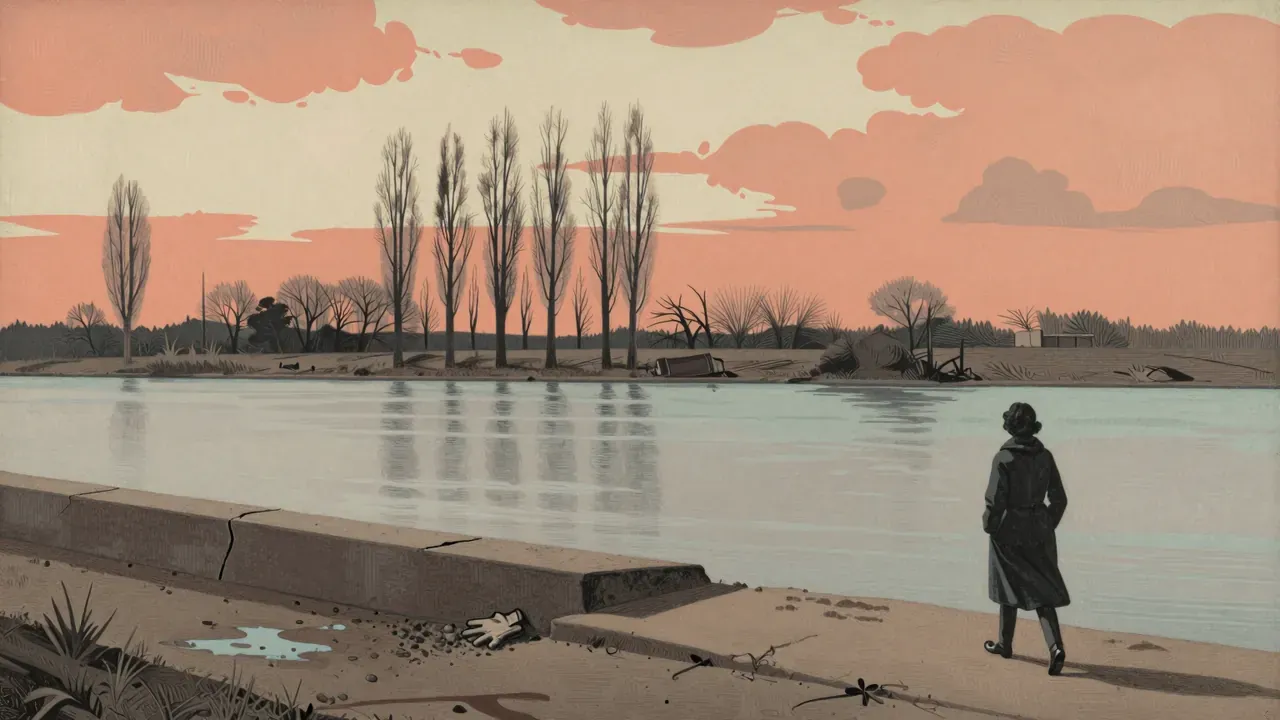
Catherine Breillat’s 2023 drama Last Summer, a French remake of Queen of Hearts, follows a Parisian lawyer who enters a destructive relationship with her teenage stepson. Shot by Jeanne Lapoirie and starring Léa Drucker and debutant Samuel Kircher, it unfolds with clinical restraint, avoiding moral framing in favour of behavioural observation. Premiered at Cannes, it divides critics — some praising its formal control and thematic rigour, others finding it emotionally muted and narratively unconvincing in its final stretch.
13:00

L'Atalante

Jean Vigo · 1934

Jean Vigo’s 1934 French drama follows a newlywed couple living aboard the barge L’Atalante as it navigates France’s canals. With Dita Parlo, Jean Dasté, and Michel Simon, and shot by Boris Kaufman, it builds emotion through texture, silence, and precise observation rather than exposition. Though incomplete at Vigo’s death from tuberculosis, its poetic realism and commitment to sensory truth have secured its place as a landmark of arthouse cinema.

13:00

Late Autumn

Yasujirō Ozu · 1960

Yasujirō Ozu’s 1960 drama follows a widow and her daughter in Tokyo as three friends attempt to arrange marriages for both. With quiet precision, the film traces the unspoken tensions of filial duty, ageing, and companionship — not through crisis but through accumulation: of glances, silences, and small, repeated gestures. Setsuko Hara and Yōko Tsukasa anchor a cast that treats emotion as behaviour, not exposition. Shot by Yūharu Atsuta and edited by Yoshiyasu Hamamura, it is a masterclass in compositional restraint.

13:00

Late Spring

Yasujirō Ozu · 1949

Yasujirō Ozu’s 1949 drama follows Noriko and her father in the weeks before her arranged marriage. Set in occupied Japan, it unfolds through quiet rituals — tea ceremonies, temple visits, train rides — with minimal dialogue and fixed, low-angle compositions. Chishū Ryū and Setsuko Hara perform with restrained precision; Yūharu Atsuta’s cinematography treats space as emotional architecture. The film’s power lies in accumulation, not climax: in repetition, omission, and the weight of what remains unsaid.

13:00

Le 15/8

Chantal Akerman · 1973

Le 15/8 is a 1973 Belgian essay-film by Chantal Akerman, shot in black-and-white on 16mm in a Brussels apartment. Over thirty-two minutes and seven static takes, it observes a young woman’s uneventful afternoon — eating, reading, gazing — with no dialogue, music, or narrative. Its power lies in duration, silence, and rigorous attention to light, space, and repetition. A foundational work of structural and feminist avant-garde cinema, it asks the viewer to inhabit time rather than consume it.

13:00

Le Amiche

Michelangelo Antonioni · 1955

Michelangelo Antonioni’s 1955 drama follows Clelia, a Rome-based fashion executive returning to Turin, where she becomes entangled with a circle of upper-class women — including the fragile Rosetta, whose suicide attempt sets in motion a series of restrained, unresolved encounters. Shot on location in Turin by Gianni Di Venanzo and adapted from Cesare Pavese’s novella, the film observes emotional distance, class performance, and the hollowness beneath social ritual — all without exposition, climax, or catharsis.

13:00

Le Beau Serge

Claude Chabrol, Philippe de Broca, Claude de Givray · 1958

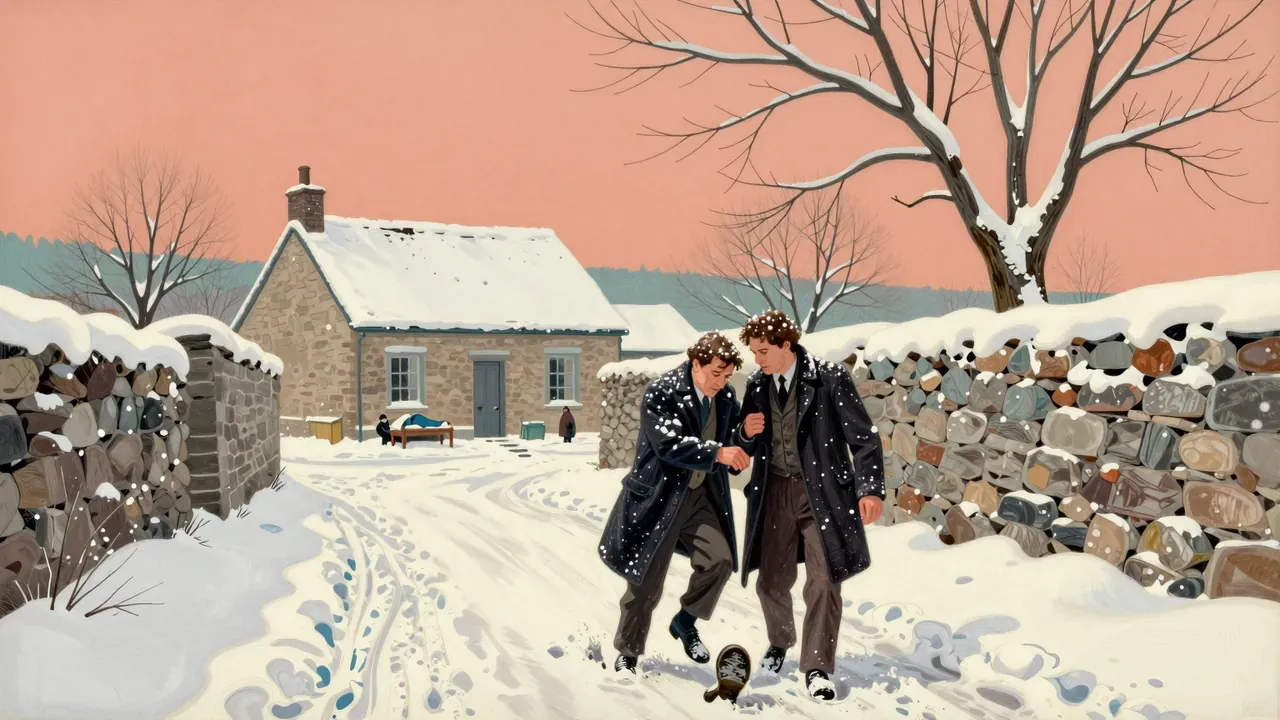
Claude Chabrol’s 1958 debut follows François, a Parisian recovering from illness, as he returns to his rural hometown and tries—and fails—to rescue his alcoholic childhood friend Serge. Shot in winter in Sardent with documentary restraint, the film observes provincial life without sentiment or judgment, building its moral weight through silence, duration, and understated performances. It is less a story of redemption than of endurance, where care and harm blur, and salvation looks like dragging someone home through snow.

13:00

Le Cercle rouge

Jean-Pierre Melville · 1970

Jean-Pierre Melville’s 1970 heist film follows three men — a released convict, an escaped prisoner, and a disgraced marksman — whose paths converge to rob a Paris jeweller. Shot by Henri Decaë and scored sparsely by Éric Demarsan, it sustains tension through restraint: long takes, minimal dialogue, and a thirty-minute heist sequence that prioritises procedure over panic. Its themes — professionalism as ritual, silence as language, fate as convergence — are embedded in structure, not exposition.

13:00

Le Corbeau

Henri-Georges Clouzot · 1943

Henri-Georges Clouzot’s 1943 thriller Le Corbeau follows the disintegration of a provincial French town under a campaign of anonymous poison-pen letters. Produced by German-owned Continental Films during the Occupation, it was banned by both Vichy and post-war authorities for its unflinching portrayal of collective malice. With Pierre Fresnay and Ginette Leclerc, it uses stark cinematography and procedural pacing to examine how rumour corrodes trust — less a whodunnit than a study in moral contagion.

13:00

Le deuxième souffle

Jean-Pierre Melville · 1966

Jean-Pierre Melville’s 1966 crime film follows Gustave Minda, a respected gangster who escapes prison only to find his code of silence and loyalty increasingly incompatible with a world that no longer observes the same rules. Adapted from José Giovanni’s novel, it charts Gu’s final days with austere precision — from a botched extortion to a platinum heist, a police trap, and a fatal confrontation in a Paris stairwell. Lino Ventura anchors the film with restrained physicality; Marcel Combes’ flat, naturalistic cinematography and Bernard Gérard’s sparse score reinforce its unblinking tone.

13:00

Le Doulos

Jean-Pierre Melville · 1962

Jean-Pierre Melville’s 1962 crime film Le Doulos follows Maurice Faugel and Silien through a web of murder, deception, and mistaken identity. Adapted from Pierre Lesou’s novel, it uses stark cinematography, elliptical editing, and functional dialogue to construct a closed system of cause and effect — where truth is assigned, not revealed, and loyalty is procedural, not emotional.

13:00

Le Havre

Aki Kaurismäki · 2011

Aki Kaurismäki’s 2011 French-language drama follows Marcel Marx, a shoeshiner in the port city of Le Havre, who shelters Idrissa, an unaccompanied African boy evading immigration authorities. Shot in Kaurismäki’s signature deadpan style — flat lighting, sparse dialogue, deliberate pacing — the film frames solidarity as ordinary, not heroic. Timo Salminen’s cinematography and The Renegades’ restrained score reinforce its calm moral architecture. Though its thematic clarity and formal control earn widespread acclaim, its avoidance of psychological depth, particularly around Idrissa, leaves some relationships unresolved. Winner of the Louis Delluc Prize and the FIPRESCI Award at Cannes, it is a work of quiet conviction, not easy comfort.

13:00

Le Jour Se Lève

Marcel Carné · 1939

Marcel Carné’s 1939 French drama Le Jour Se Lève follows François, a foundry worker who kills a rival and barricades himself in his apartment, besieged by police. Through a sustained flashback, the film traces his doomed love for Françoise, manipulation by Valentin, and fraught relationship with Clara — all leading inevitably to his suicide. Built on Jacques Prévert’s script and Alexandre Trauner’s claustrophobic set, it is a landmark of poetic realism: restrained, atmospheric, and structurally audacious.

13:00

Le mariage de Chiffon

Claude Autant-Lara · 1942

Le mariage de Chiffon (1942), directed by Claude Autant-Lara and adapted by Jean Aurenche from Sibylle Riqueti de Mirabeau’s 1894 novel, is a restrained historical comedy set in the Bourbon Restoration. Odette Joyeux stars as Chiffon, a young woman navigating an arranged marriage to the ageing Duc d’Aubières (André Luguet) while drawn to the more compatible Marc de Bray (Jacques Dumesnil). Shot in occupied Paris, the film avoids overt politics, instead focusing on social nuance, verbal precision, and the quiet assertion of self within rigid convention. Jacques Krauss designed the deliberately theatrical sets. With no credited score and a measured 103-minute runtime, it relies on performance, timing, and textual fidelity rather than spectacle or sentiment.

13:00

Le Million

René Clair · 1931

René Clair’s 1931 French musical comedy Le Million follows an artist racing to recover a lottery ticket sewn into a jacket that has passed through criminals, opera singers and dancers. With Georges Périnal’s crisp cinematography, Armand Bernard’s recurring score and René Le Hénaff’s precise editing, it treats sound, movement and narrative as interlocking rhythms — not as storytelling tools, but as the film’s governing logic.

13:00

Le Petit Soldat

Jean-Luc Godard · 1963

Made in 1960 but banned until 1963, Le Petit Soldat follows a French deserter in Geneva drawn into political violence on both sides of the Algerian War. Directed by Jean-Luc Godard and shot by Raoul Coutard, it is a formally restrained, morally ambiguous study of coercion, silence, and the instability of truth — both cinematic and political.

13:00

Le Plaisir

Max Ophüls · 1952

Max Ophüls’ 1952 French anthology film adapts three Guy de Maupassant short stories — 'Le Masque', 'La Maison Tellier', and 'Le Modèle' — into a restrained, tonally coherent study of illusion, dignity, and social performance. Shot by Philippe Agostini with quiet formal discipline, it features performances by Madeleine Renaud, Jean Gabin, Daniel Gélin, and Simone Simon. Though structurally episodic and occasionally uneven in rhythm, its power lies in its refusal to moralise or explain, trusting the audience to sit with ambiguity, irony, and the quiet weight of everyday compromise.

13:00

Leave Her to Heaven

John M. Stahl · 1945

Leave Her to Heaven (1945), directed by John M. Stahl, is a Technicolor psychological drama starring Gene Tierney as Ellen Berent, a woman whose obsessive love curdles into calculated violence. Adapted by Jo Swerling from Ben Ames Williams’s novel, it uses Leon Shamroy’s precise cinematography and Tierney’s controlled performance to map the internal architecture of possession. Though some narrative threads remain underdeveloped and its protagonist’s passivity tests credulity, the film endures as a formally rigorous study of zero-sum love — selected for preservation by the Library of Congress in 2018.

13:00

Leningrad Cowboys Go America

Aki Kaurismäki · 1989

Leningrad Cowboys Go America (1989) is a 78-minute Finnish comedy directed by Aki Kaurismäki, following a fictional Soviet band’s deadpan journey from the tundra to a Mexican wedding via New York and the American South. Starring Matti Pellonpää and Kari Väänänen, with cameos by Jim Jarmusch and Duke Robillard, it deploys rigid framing, monotone delivery and metronomic editing to sustain a tone of bureaucratic absurdity. There are no arcs, no explanations, no emotional payoffs — only forward motion, repeated gestures, and the quiet insistence that this is all perfectly reasonable.

13:00

Leningrad Cowboys Meet Moses

Aki Kaurismäki · 1994

Leningrad Cowboys Meet Moses follows the Finnish rock band’s absurd trek from Mexico to Siberia, guided by a rebranded ex-manager who calls himself Moses and carries the Statue of Liberty’s nose. Along the way, a CIA agent becomes a convert, borders are crossed via distraction, and scripture and the Communist Manifesto are quoted with equal solemnity and vacancy. Directed by Aki Kaurismäki, the film sustains a rigorously flat tone — no exposition, no emotion, no explanation — treating pilgrimage, espionage, and faith as interchangeable administrative tasks.

13:00

Lenny

Bob Fosse · 1974

Bob Fosse’s 1974 biographical drama follows Lenny Bruce across fractured timelines — nightclub triumphs, obscenity trials, domestic fraying — using tight framing, jarring edits, and Dustin Hoffman’s physically exacting performance to render comedy as forensic speech. Adapted from Julian Barry’s play, it avoids explanation in favour of accumulation: of legal pressure, vocal fatigue, and linguistic risk. Its black-and-white austerity refuses nostalgia, its structure refuses closure.

13:00

Léon Morin, Priest

Jean-Pierre Melville · 1961

Set in German-occupied France, Léon Morin, Priest follows Barny, a widowed atheist and communist, as she enters a theological dialogue with a young priest. Their conversations—calm, rigorous, unresolved—unfold against a backdrop of scarcity and danger. Directed by Jean-Pierre Melville and adapted from Béatrix Beck’s novel, the film resists melodrama, preferring quiet precision in performance, cinematography, and structure. It is less about conversion than continuity: how people maintain moral shape when the world collapses around them.

13:00

Les Amants du Pont-Neuf

Leos Carax · 1991

Leos Carax’s 1991 film follows two vagrants, Alex and Michèle, living on a meticulously built replica of Paris’s Pont Neuf. Shot over three years amid financial chaos and physical hardship, it treats love as physical cohabitation — not dialogue or backstory — with Juliette Binoche and Denis Lavant performing with unflinching bodily commitment. Jean-Yves Escoffier’s cinematography and Arvo Pärt’s score reinforce its austere, tactile logic. Though criticised for emotional opacity, its power lies in duration, texture, and the sheer material reality of its world.

13:00

Les Créatures

Agnès Varda · 1966

Agnès Varda’s 1966 Les Créatures follows a writer recovering from a car crash on the island of Noirmoutier, as his real-life experiences blur with the science-fiction novel he is drafting about mind control and communal collapse. Shot by Willy Kurant and edited by Janine Verneau, the film uses red tints, abrupt cuts, and layered performance to sustain ambiguity between fiction and reality. Though commercially unsuccessful and critically divided on release, it remains a rigorous, unsettling study of authorship, perception, and the messy birth of narrative.

13:00

Les Dames du Bois de Boulogne

Robert Bresson · 1945

Robert Bresson’s 1945 adaptation of Diderot follows Hélène’s coldly calculated revenge on Jean, whom she tricks into marrying Agnès — a cabaret dancer she presents as aristocratic. Shot under German occupation with limited resources, the film deploys stillness, sparse scoring, and precise editing to dramatise moral collapse without melodrama. Though Bresson later disowned it, its influence on the French New Wave and its formal rigour make it a pivotal, unsettling work of postwar French cinema.

13:00

Les Enfants Terribles

Jean-Pierre Melville · 1950

Jean-Pierre Melville’s 1950 debut adaptation of Jean Cocteau’s novel traces the slow implosion of a brother and sister’s insular world. Shot in Paris with stark, precise compositions and scored almost entirely with Vivaldi concertos, it treats adolescence as a self-sustaining system — one that collapses only when forced to admit outsiders. Nicole Stéphane and Hélène Rémy deliver restrained, physically articulate performances in a film that prioritises structure over psychology and silence over exposition.

13:00

Les glaneurs et la glaneuse... deux ans après

Agnès Varda · 2002

Two years after her acclaimed documentary about gleaning, Agnès Varda revisits its subjects and settings, filming herself as much as others. With handheld camerawork, unvarnished sound, and a gently recursive structure, the film measures time’s passage not in events but in textures — wrinkled skin, sprouting potatoes, reused objects, remembered conversations. It is a modest, self-aware extension of her earlier work, rooted in attention rather than argument.

13:00

Les Misérables

Raymond Bernard · 1933

Raymond Bernard’s 1933 French adaptation of Les Misérables runs 281 minutes across three parts. Starring Harry Baur as Jean Valjean and Charles Vanel as Javert, it treats Victor Hugo’s novel as a civic document rather than literary property — emphasising systemic injustice, material poverty and the slow, unglamorous work of moral repair. Shot on location in Biot and at Victorine Studios, with sets by Lucien Carré and Jean Perrier and music by Arthur Honegger, it sacrifices romantic shorthand for ethical density. Though faithful in spirit, it omits key episodes involving Cosette and the sewers, flattening some arcs. Restored by Pathé in 2013 and Criterion in 2007, it remains the most structurally ambitious screen version of the novel.

13:00

Les Vacances de Monsieur Hulot

Jacques Tati · 1953

Jacques Tati’s 1953 comedy observes a French seaside resort through the quiet chaos introduced by Monsieur Hulot — a tall, pipe-smoking man whose well-meaning clumsiness exposes the fragility of middle-class ritual. Shot in black and white in Saint-Marc-sur-Mer, it builds humour from choreographed movement, layered sound, and precise framing rather than dialogue or plot. With minimal spoken words and a jazz score by Alain Romans, the film treats human behaviour as pattern, not psychology — finding comedy in repetition, timing, and the gap between intention and outcome.

13:00

Les Visiteurs du Soir

Marcel Carné · 1942

Marcel Carné’s 1942 Les Visiteurs du Soir, written by Jacques Prévert, is a French fantasy set in 15th-century France. Two devilish emissaries infiltrate a noble castle to sabotage a wedding, but one falls in love — triggering divine intervention, mortal defiance, and a final metamorphosis into statues whose hearts keep beating. Shot in Vichy France under occupation, it uses allegory without direct reference, prioritising mood, restraint, and embodied emotion over plot mechanics or exposition.

13:00

Let the Sunshine In

Claire Denis · 2017

Claire Denis’s 2017 drama follows Isabelle, a Parisian painter in her late forties, as she moves through a series of unsatisfying relationships. Built from fragments rather than plot points, it draws on Roland Barthes’s A Lover’s Discourse to explore desire, self-deception and the quiet persistence of hope. Juliette Binoche anchors the film with a performance of restrained intensity, supported by Agnès Godard’s unadorned cinematography and Stuart A. Staples’ spare score. It premiered at Cannes, where it won the SACD Award.

13:00

Letter Never Sent

Mikhail Kalatozov · 1960

Set in the Siberian wilderness, Mikhail Kalatozov’s 1960 drama follows four geologists whose diamond discovery triggers a cascade of disasters: fire, injury, abandonment, and snowbound collapse. Shot in stark black-and-white by Sergey Urusevsky, it prioritises physical presence over exposition, using long takes, immersive sound, and unflinching attention to bodily limits. The unsent letter of the title remains unseen, emblematic of the film’s broader refusal to explain — or redeem — its characters’ suffering.

13:00

Lewat Djam Malam

Usmar Ismail · 1954

Lewat Djam Malam (1954), directed by Usmar Ismail and written by Asrul Sani, follows ex-soldier Iskandar’s rapid unraveling in post-independence Bandung. Haunted by wartime violence and alienated by peacetime hypocrisy, he moves through a landscape of compromised comrades — a contractor, a pimp, a former commander — before killing the man he once followed. Shot by Max Tera in restrained, atmospheric black-and-white, the film avoids spectacle in favour of psychological accumulation. Restored in 2012 after decades of deterioration, it remains a landmark of Indonesian arthouse realism.

13:00

Life, and Nothing More...

Abbas Kiarostami · 1992

Abbas Kiarostami’s 1992 drama follows a director and his son driving through post-earthquake northern Iran, seeking the child star of his earlier film. Shot in a spare, observational style, it blends documentary immediacy with fictional framing to explore how life persists amid loss — not through grand statements, but through detours, conversations, and quiet acts of endurance.

13:00

Life During Wartime

Todd Solondz · 2009

Todd Solondz’s 2009 film revisits the Jordan family from Happiness and Welcome to the Dollhouse with new actors and a bleaker, more metaphysical tone. Trish raises her children while hiding her imprisoned ex-husband Bill’s crime; Bill returns seeking absolution he won’t receive; Joy drifts between visions of dead men. Edward Lachman’s restrained cinematography and Solondz’s unsparing script refuse catharsis, treating trauma, accountability, and time as layered, unresolved conditions rather than narrative problems to solve.

13:00

Life Is Sweet

Mike Leigh · 1990

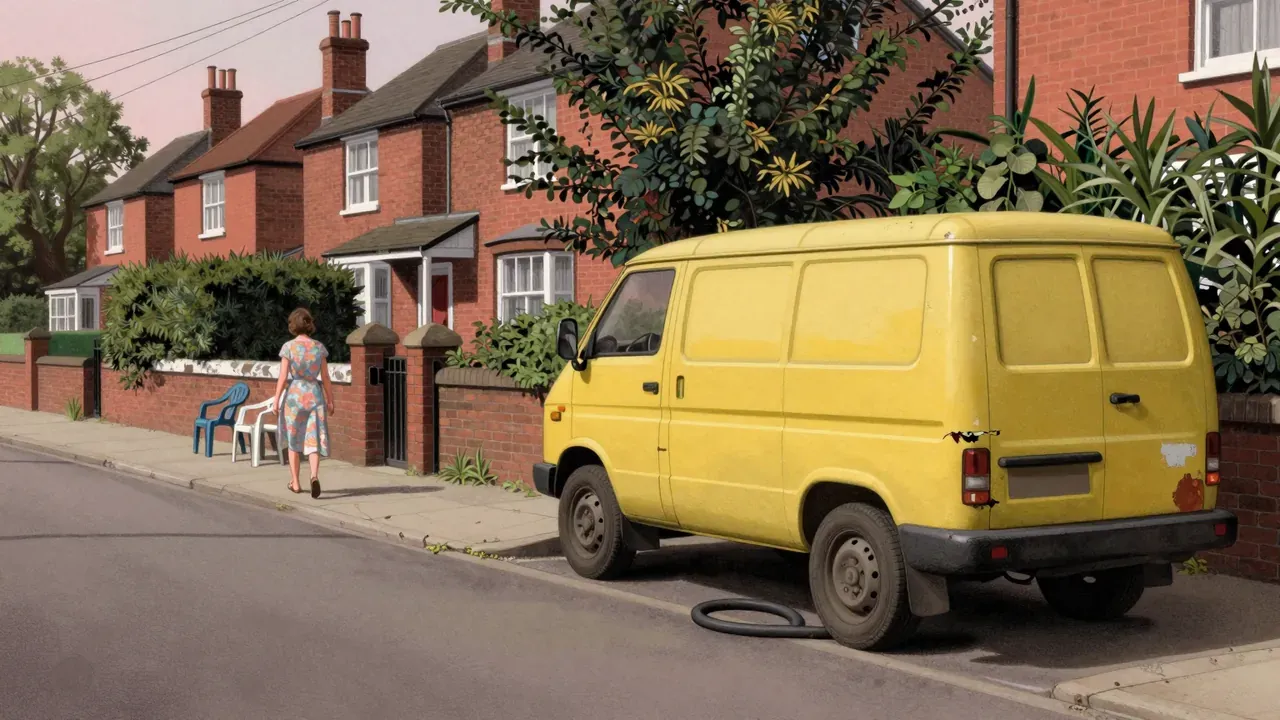
Mike Leigh’s 1990 domestic tragi-comedy follows a North London family over a summer: chef Andy buys a broken fast-food van; his wife Wendy holds things together; their daughters Natalie and Nicola navigate adulthood in opposite directions; and their friend Aubrey opens a doomed Parisian restaurant. Shot on location in Enfield with a cast developed through improvisation, it treats working-class life with unsentimental warmth, finding emotional weight in small gestures, quiet failures, and unspoken care.

13:00

Like Someone in Love

Abbas Kiarostami · 2012

Abbas Kiarostami’s 2012 Japanese-language drama follows a sociology student who moonlights as a high-end escort and the elderly professor she meets through her work. Set over two days in Tokyo and Yokohama, the film builds tension through withheld information, sustained misrecognition and quiet, precise observation — not plot twists or emotional outbursts. Its power lies in what remains unsaid and unseen.

13:00

Limelight

Charlie Chaplin · 1952

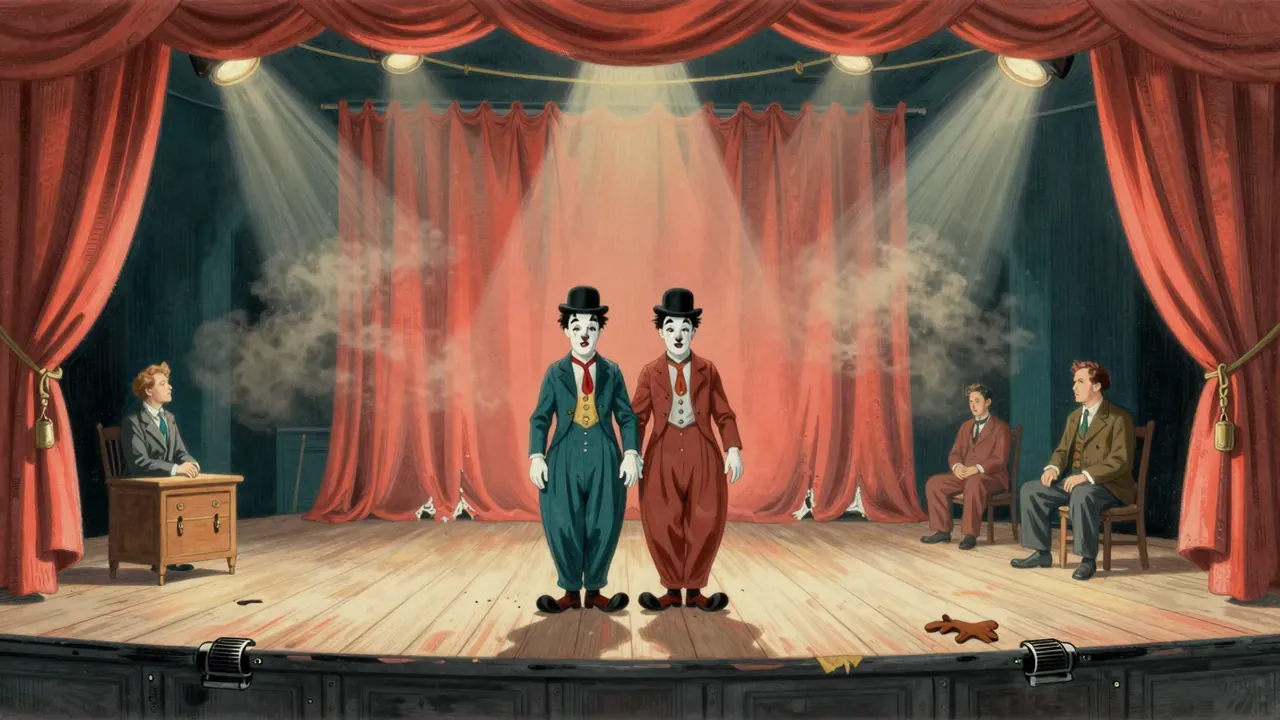
Limelight (1952), written, directed, and starring Charlie Chaplin, follows a faded music-hall comedian who saves a suicidal dancer and helps her rebuild her career — while confronting his own obsolescence. Shot in Hollywood but set in Edwardian London, it blends pathos and physical comedy, features Buster Keaton in their only joint screen appearance, and won Chaplin an Oscar for its score two decades after release. Though commercially stymied in the US by political boycott, it has since been reassessed as Chaplin’s most personal and introspective work.

13:00

Limite

Mário Peixoto · 1931

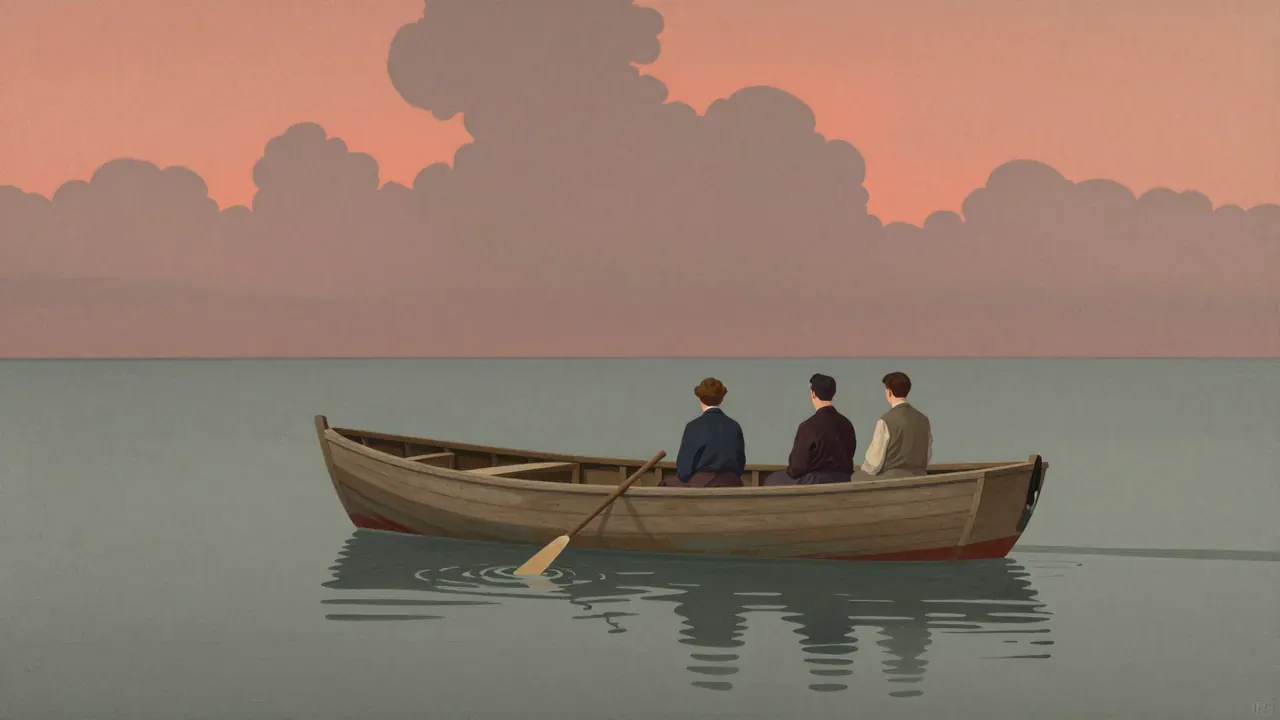
A 1931 Brazilian silent experimental drama directed, written, and produced by Mário Peixoto, Limite follows three unnamed figures adrift in a rowboat while fragmented flashbacks reveal their fractured pasts. Shot on the coast near Rio de Janeiro by cinematographer Edgar Brasil and edited by Peixoto himself, the film uses rhythm, high-contrast imagery, and associative montage to evoke psychological stasis rather than narrative progression. Long considered lost, it was restored from a single deteriorating nitrate print between 1966 and 1978. Though it had minimal contemporary reception, it is now widely regarded as the greatest Brazilian film — a landmark of avant-garde cinema and a singular meditation on limit, memory, and endurance.

13:00

Lions Love

Agnès Varda · 1969

Lions Love (1969), directed by Agnès Varda, is an English-language French arthouse comedy filmed in Los Angeles. It follows a fictional throuple — played by Viva, Gerome Ragni, and James Rado — hosting filmmaker Shirley Clarke in their Beverly Hills home. Blending scripted scenes, documentary insertions, and meta-cinematic interventions, the film interrogates authorship, countercultural commodification, and the gendered labour of collaboration. With a score by Joseph Byrd and editing by Robert Dalva, it sustains a deliberate tonal ambiguity, refusing satire or nostalgia in favour of structural scrutiny. Though demanding and referential, it rewards attentive viewing as a precise, unsentimental portrait of a pivotal cultural moment.

13:00

Little Odessa

James Gray · 1994

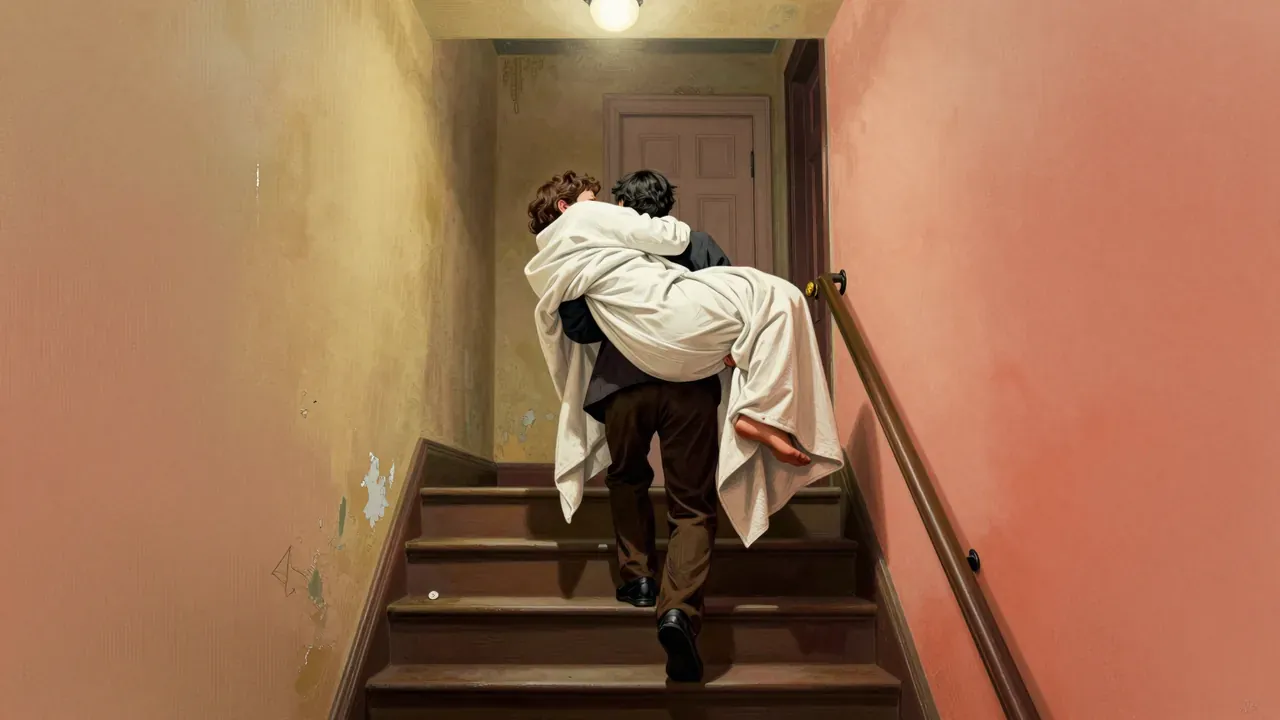
James Gray’s 1994 debut Little Odessa follows a Russian-Jewish hitman who returns to his estranged family in Brooklyn’s Brighton Beach — a neighbourhood nicknamed 'Little Odessa' for its Soviet immigrant population. Shot by Tom Richmond in muted, low-light tones, the film traces Joshua Shapira’s slow re-immersion in a world of inherited trauma, terminal illness, and unspoken loyalties. Its power lies not in action but in accumulation: glances held too long, doors left ajar, bodies carried in sheets. It is a film of restraint, where violence is routine and grief is domestic.

13:00

Local Hero

Bill Forsyth · 1983

Local Hero (1983), written and directed by Bill Forsyth, follows an American oil executive sent to buy a remote Scottish village for a refinery. As he spends time in Ferness, his assumptions about progress, ownership and value quietly erode. With performances from Peter Riegert and Burt Lancaster, Chris Menges’ naturalistic cinematography and Mark Knopfler’s evocative score, the film traces a subtle transformation — not through drama or debate, but through stillness, repetition and quiet observation.

13:00

Lola

Rainer Werner Fassbinder · 1981

Rainer Werner Fassbinder’s 1981 drama Lola, the second film in his BRD Trilogy, relocates Heinrich Mann’s Professor Unrat to 1957 Coburg. It follows building commissioner von Bohm’s doomed attempt to impose integrity on a town whose elite — mayor, banker, police chief — all profit from property developer Schuckert’s brothel, run by singer Lola. As von Bohm falls for her, uncovers systemic corruption, and ultimately marries her with Schuckert’s blessing, the film anatomises how moral authority is staged, delegated, and sold. Stylised, unsentimental, and rigorously structured, it treats reconstruction not as renewal but as rebranding.

13:00

Lola Montès

Max Ophüls · 1955

Max Ophüls’s 1955 film frames the life of courtesan Lola Montez as a circus spectacle, using CinemaScope, tri-lingual production, and systemic colour to examine how memory, gender, and power shape reputation. Martine Carol stars in a formally rigorous, emotionally restrained portrait that prioritises structure over psychology and spectacle over sentiment.

13:00

Lone Star

John Sayles · 1996

Set in a South Texas border town, Lone Star follows Sheriff Sam Deeds as he investigates the decades-old murder of his corrupt predecessor — and uncovers uncomfortable truths about his revered father, his estranged lover, and the town’s foundational myths. Written, directed and edited by John Sayles, the film layers past and present through seamless camera movements, treating crime not as genre but as entry point into questions of race, memory, and inherited guilt.

13:00

Lone Wolf and Cub: Baby Cart at the River Styx

Kenji Misumi · 1972

The second Lone Wolf and Cub film follows disgraced executioner Ogami Ittō and his young son Daigoro as they travel Japan in a weaponised baby cart, taking assassination contracts while evading rival clans. Directed by Kenji Misumi and adapted from Kazuo Koike’s manga, it prioritises formal rigour over exposition: violence is ritual, parenthood is discipline, and silence carries more weight than dialogue. Its eighty-one minutes unfold through stylised encounters — acrobats, river-washers, sand-dune duels — building a mythic logic rather than a psychological narrative.

13:00

Lone Wolf and Cub: Baby Cart in Peril

Buichi Saitō · 1972

The fourth of six 1970s samurai films adapting Kazuo Koike’s manga, Baby Cart in Peril follows disgraced executioner Ogami Ittō and his son Daigoro as they pursue a tattooed assassin while navigating renewed conflict with the Yagyū clan. Directed by Buichi Saitō and shot by Kazuo Miyagawa, it sustains the series’ stark visual language and moral economy — where violence is procedural, parenthood is tactical, and survival is measured in mud, tattoos, and the careful push of a baby cart.

13:00

Lone Wolf and Cub: Baby Cart in the Land of Demons

Kenji Misumi · 1973

The fifth Lone Wolf and Cub film follows Ogami Ittō as he completes five duels to uncover a conspiracy threatening a daimyō’s succession, while his son Daigoro endures a brief, brutal episode of his own. Directed by Kenji Misumi and starring Tomisaburō Wakayama, it sustains the series’ austere tone and procedural rigour, prioritising moral geometry over emotional exposition.

13:00

Lone Wolf and Cub: Baby Cart to Hades

Kenji Misumi · 1972

Lone Wolf and Cub: Baby Cart to Hades (1972), directed by Kenji Misumi, is the third in a six-film Japanese martial arts series following the wandering assassin Ogami Ittō and his infant son Daigoro. Set in Edo-period Japan, it weaves episodic encounters — ambushes, torture, duels, and siege — into a sustained meditation on duty, endurance, and the embodied logic of bushidō. Tomisaburō Wakayama’s restrained performance anchors a film defined by stillness, procedural violence, and moral austerity. Though formally rigorous and thematically rich, its treatment of women remains functional, and its pacing assumes fluency with chanbara conventions. It rewards patience, not passive viewing.

13:00

Lone Wolf and Cub: Sword of Vengeance

Kenji Misumi · 1972

Lone Wolf and Cub: Sword of Vengeance (1972), directed by Kenji Misumi, opens the six-film series with Tomisaburō Wakayama as Ogami Ittō, a disgraced executioner turned wandering assassin who pushes his infant son Daigoro in a baby cart while fulfilling contracts across Edo-period Japan. Built from Kazuo Koike and Goseki Kojima’s manga, it prioritises ritual, restraint and structural repetition over exposition or psychology — flashbacks clarify motive but not morality, action follows vow not impulse, and silence carries more weight than speech. Its 83-minute runtime sustains a tone of implacable resolve, using austere framing, percussive sound design and Wakayama’s physically precise performance to render vengeance as a system, not a feeling.

13:00

Lone Wolf and Cub: White Heaven in Hell

Yoshiyuki Kuroda · 1974

The sixth and final film in the Lone Wolf and Cub series, released in Japan in April 1974, follows ronin assassin Ogami Ittō and his infant son Daigoro as they flee the Yagyū clan across snowbound mountains. Directed by Yoshiyuki Kuroda and written by Kazuo Koike, it escalates the series’ violence and austerity to near-abstract extremes — culminating in a battle where Ittō defeats over a hundred men using the baby cart as a weaponised sled. It does not resolve the manga’s storyline, nor does it seek psychological depth; instead, it commits to physical logic, formal repetition, and unrelenting forward motion.

13:00

Lonesome

Paul Fejos · 1928

Paul Fejos’s 1928 Lonesome follows two New York workers who meet by chance at Coney Island and spend a day falling in love — only to be separated by chaos and rain. Shot in fluid, inventive silent style with three awkward sound inserts, it treats the city as both barrier and bridge. Its emotional force comes from restraint: precise camerawork, minimal intertitles, and a finale rooted in shared geography, not fate.

13:00

Lord of the Flies

Peter Brook · 1963

Peter Brook’s 1963 Lord of the Flies adapts William Golding’s novel with stark formal discipline: non-professional actors, location shooting in Puerto Rico, minimal scripting, and editing that prioritises rhythm over exposition. It charts the slow dissolution of order among schoolboys stranded on an island, avoiding psychology for observation, symbolism for consequence. Thomas Hollyman’s black-and-white photography and Raymond Leppard’s sparse choral score reinforce its austerity. Though structurally uneven in the middle stretch and compromised by post-production dubbing, its power lies in its unwavering commitment to showing — not telling — how easily consensus unravels when no one is watching.

13:00

Lost in America

Albert Brooks · 1985

Albert Brooks’s 1985 road comedy follows a Los Angeles couple who quit their jobs, sell their house, and set off in a Winnebago to 'drop out' — only to lose their savings in Las Vegas and end up working dead-end jobs in rural Arizona. With dry precision, the film charts the collapse of their countercultural fantasy under the weight of real-world logistics, language, and class structure. It is a satire of self-deception disguised as liberation, built on understated performances, unshowy craft, and a script that treats ideology as infrastructure.

13:00

Louie Bluie

Terry Zwigoff · 1985

Terry Zwigoff’s 1985 documentary Louie Bluie observes Howard Armstrong — fiddler, painter, linguist, raconteur — in his Detroit home. Shot with minimal equipment and no narration, it captures his music, wit, and visual artistry without contextualising his place in American musical history. The film’s power lies in its restraint: it treats Armstrong as a living, breathing person, not a historical exhibit.

13:00

Love Affair

Leo McCarey · 1939

Leo McCarey’s 1939 Love Affair follows French painter Michel Marnet and American singer Terry McKay, who meet aboard an ocean liner, acknowledge mutual attraction, and part with a promise to reunite in six months — only for accident and silence to intervene. Starring Charles Boyer and Irene Dunne, it is a studio-era drama of quiet precision: restrained performances, unhurried pacing, and a structure that treats time, obligation and visibility as central concerns. Though hampered by Production Code compromises and occasional narrative convenience, its emotional weight resides in what is withheld, not spoken.

13:00

Love Affair, or the Case of the Missing Switchboard Operator

Dušan Makavejev · 1967

Dušan Makavejev’s 1967 Yugoslav film uses the relationship between a Hungarian switchboard operator and a Sandžak Muslim sanitation inspector to examine how desire, ethnicity, and state authority operate in everyday life. Shot in Belgrade by Avala Film, it intercuts domestic scenes with clinical monologues and a parallel murder investigation, refusing psychological explanation in favour of structural observation. Its power lies in restraint: flat cinematography, sparse sound, and an ending that repeats rather than resolves.
13:00

Love & Basketball

Gina Prince-Bythewood · 2000

Gina Prince-Bythewood’s 2000 debut follows Monica Wright and Quincy McCall from childhood in South Central Los Angeles through parallel basketball careers and a decades-long, on-off relationship. Structured in four chronological 'quarters', the film grounds its romance in physical detail, domestic texture and the gendered pressures of athletic ambition — all rendered with unhurried specificity and restrained craft.

13:00

Love in the Afternoon

Éric Rohmer · 1972

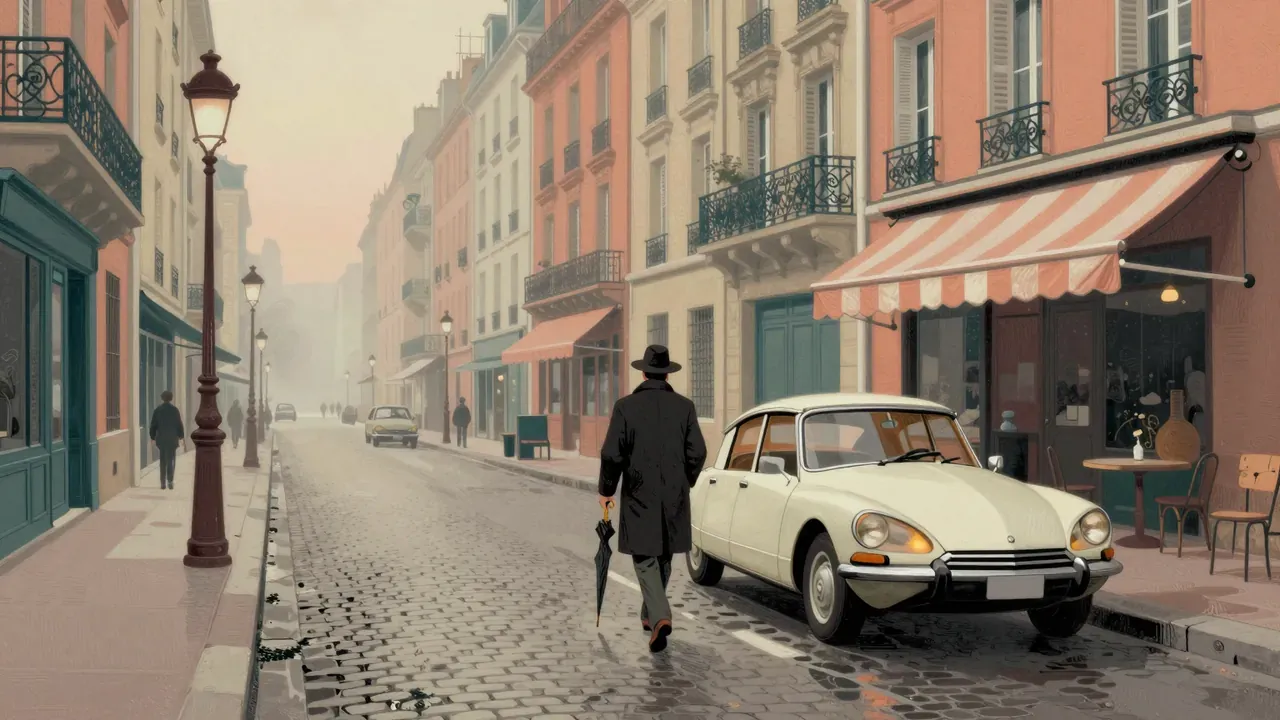
Éric Rohmer’s 1972 film closes his Six Moral Tales series with a study of marital fidelity tested not by betrayal but by imagination. Frédéric, a contented Parisian husband and father, begins spending afternoons with Chloé, a woman from his past — a relationship built on talk, not sex, until a single moment of near-surrender forces him home. Shot by Néstor Almendros and written and directed by Rohmer, it is a film of restraint, quiet tension, and precise observation.
13:00

Love Is Colder Than Death

Rainer Werner Fassbinder · 1969

Rainer Werner Fassbinder’s 1969 debut is a stark, low-budget crime drama shot in Munich with his Anti-Theater ensemble. It follows a pimp, a sex worker, and a syndicate enforcer caught in a cycle of betrayal and violence. With flat cinematography by Dietrich Lohmann, sparse music by Peer Raben, and editing by Fassbinder himself, it prioritises structure over sentiment — a rigorous, unsentimental examination of transactional relationships in post-war West Germany.

13:00

Love Jones

Theodore Witcher · 1997

A 1997 Chicago-set romance following poet Darius Lovehall and photographer Nina Mosley as they navigate attraction, miscommunication, and distance without relying on genre clichés. Directed by Theodore Witcher as his debut, it foregrounds Black intellectual and artistic life, uses spoken word as emotional grammar, and resists tidy closure in favour of bittersweet realism.

13:00

Love Letter

Kinuyo Tanaka · 1953

Kinuyo Tanaka’s 1953 directorial debut — adapted by Keisuke Kinoshita from Fumio Niwa’s novel — follows a returning veteran navigating family expectation, unspoken grief, and tentative reconnection in postwar Tokyo. Shot by Hiroshi Suzuki and scored by Ichirō Saitō, it trades plot for psychological texture, building meaning through restraint, repetition, and the weight of unsaid things.

13:00

Love Letters

Claude Autant-Lara · 1942

Made in occupied Paris in 1942, Love Letters is a comedy-drama set in Napoleon III’s France, centring on romantic confusion caused by intercepted correspondence. Directed by Claude Autant-Lara and scripted by Jean Aurenche, it features Odette Joyeux, François Périer, and Julien Carette in performances calibrated to polite farce. Shot at Boulogne Studios, its art direction (Robert Dumesnil, Jacques Krauss) and costumes (Christian Dior) reinforce its theatrical, surface-conscious world. The film avoids historical engagement or emotional extremity, sustaining instead a steady, wry tone rooted in manners and miscommunication.

13:00

Love Meetings

Pier Paolo Pasolini, Vincenzo Cerami · 1964

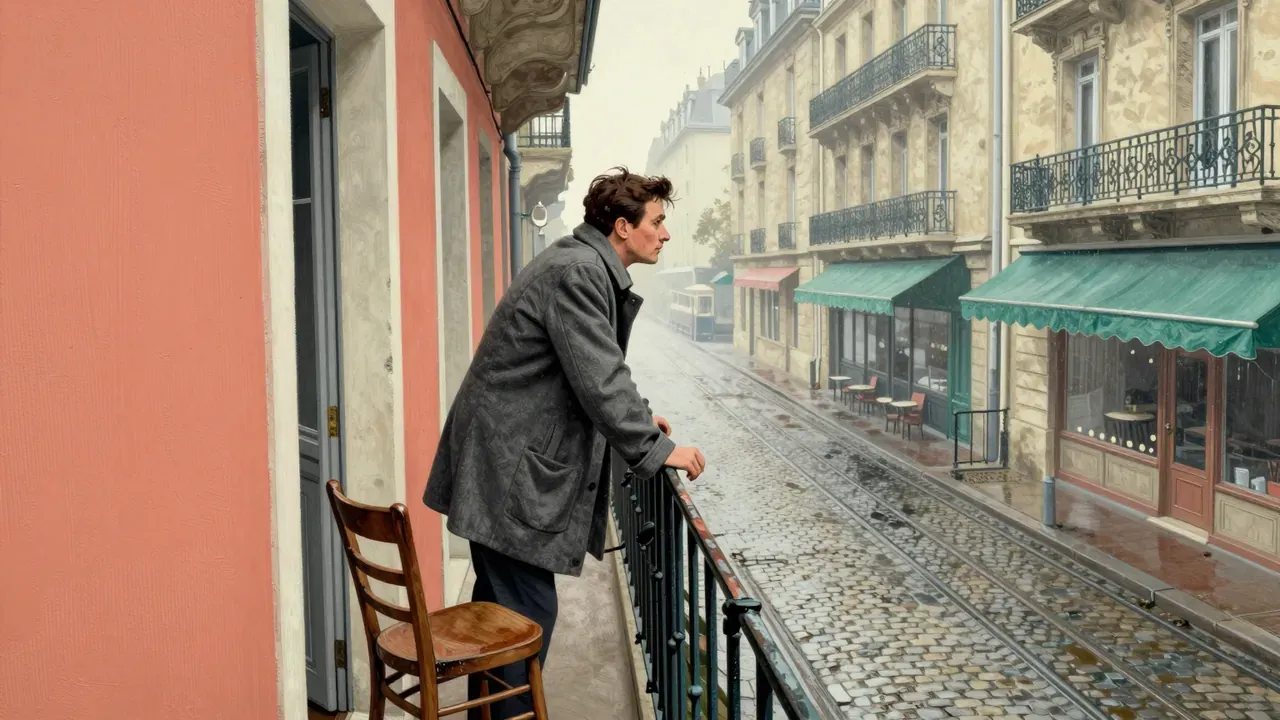
A 1964 Italian documentary in which Pier Paolo Pasolini interviews citizens across the country on virginity, prostitution, homosexuality and sex education. Shot in black and white by Tonino Delli Colli and edited by Nino Baragli, it presents unvarnished, often contradictory testimony without commentary or resolution — treating speech itself as historical evidence.
13:00

Love on the Run

François Truffaut · 1979

François Truffaut’s 1979 drama Love on the Run concludes the Antoine Doinel cycle with quiet rigour. Mid-divorce and mid-romance, Antoine (Jean-Pierre Léaud) boards a train with ex-girlfriend Colette (Marie-France Pisier), revisiting his past self-mythologising while navigating present entanglements with wife Christine (Claude Jade) and new partner Sabine (Dani). Néstor Almendros’s cinematography and Martine Barraqué’s editing sustain a delicate balance between memory and immediacy. The film resists catharsis, favouring precision over propulsion — a restrained, intelligent farewell to a character who never quite grows up, but learns, faintly, to stop lying to himself.

13:00

Love Story

Claude Autant-Lara · 1943

Set in late-nineteenth-century France, Claude Autant-Lara’s Love Story (Douce) follows Douce de Bonafé, a sheltered heiress whose quiet affection for the estate manager Fabien collides with her governess Irène’s ambition. When Irène pursues Fabien — and then Douce’s widowed father — the household’s fragile equilibrium fractures. With restrained performances, Philippe Agostini’s subdued cinematography, and a script that trusts silence over exposition, the film traces how inherited structures of class and gender compress desire into inevitability. Its tragedy is understated, its pacing unhurried, its moral landscape deliberately unresolved.
13:00

Love Streams

John Cassavetes · 1984

John Cassavetes’s 1984 drama follows brother and sister Robert and Sarah as they navigate divorce, addiction, and estrangement in a series of intimate, unvarnished encounters. Shot mostly in Cassavetes’s home with static camerawork and minimal score, the film prioritises duration and emotional exposure over plot. Gena Rowlands and Cassavetes deliver raw, physically committed performances that treat love as labour, not feeling. It won the Golden Bear at Berlin and remains a defining work of American independent cinema — demanding, unresolved, and deeply humane.

13:00

Love under the Crucifix

Kinuyo Tanaka · 1962

Kinuyo Tanaka’s 1962 drama follows Ogin, daughter of tea master Sen no Rikyū, whose childhood bond with Christian daimyō Takayama Ukon becomes untenable amid rising anti-Christian persecution and feudal obligation. Married off to a merchant, she navigates loyalty, faith, and desire under constant political scrutiny — culminating in a quiet, self-determined exit from a world that permits her no legitimate place. Shot by Yoshio Miyajima and scored by Hikaru Hayashi, it is a restrained, historically grounded portrait of constrained agency.
13:00

Loving Couples

Mai Zetterling · 1964

A 1964 Swedish drama following three women — a maid, a tenant’s wife, and an heiress — whose intersecting lives converge at a maternity hospital in August 1914. Structured through restrained flashbacks and anchored by Sven Nykvist’s precise cinematography, it examines class, consent, and bodily autonomy in the shadow of impending war and modernisation.
13:00

Lucía

Humberto Solás · 1968

Humberto Solás’s 1968 Cuban triptych follows three women named Lucía across 1895, 1932, and 1961—each navigating love, violence, and constraint under radically different political orders. Shot in black-and-white by Jorge Herrero, with a sparse score by Leo Brouwer, it builds meaning through repetition, restraint, and precise spatial storytelling—not exposition or uplift. Its power lies in what it refuses: resolution, explanation, and the comfort of progress narratives.
13:00

Lumière d'été

Jean Grémillon · 1943

Made in 1943 under German occupation, Jean Grémillon’s Lumière d’été is a restrained French drama set in a rural Limousin house over a summer. Written by Jacques Prévert and starring Madeleine Renaud, Pierre Brasseur and Madeleine Robinson, it observes quiet tensions among a group of relatives and guests. Shot at Victorine Studios and on location in Soursac, with sets by André Barsacq and cinematography by Louis Page, the film relies on subtlety of gesture, layered sound design and deliberate pacing to explore inheritance, memory and unspoken desire.

13:00

Lynch/Oz

Alexandre O. Philippe · 2022

Lynch/Oz (2022) is a documentary by Alexandre O. Philippe examining the enduring formal and psychological resonance between The Wizard of Oz (1939) and David Lynch’s filmography. Structured in six chapters narrated by filmmakers and critics, it uses rapid, precise editing to draw visual and thematic parallels across Lynch’s career — from The Alphabet to Twin Peaks: The Return — without claiming direct causation. Shot partly on drone in Colorado’s Central City Opera House, it favours atmosphere over argument, pattern over proof.
13:00

M

Fritz Lang · 1931

Fritz Lang’s 1931 German thriller M follows the parallel manhunts for a child murderer by Berlin’s police and criminal underworld. Using sound innovatively — especially Edvard Grieg’s 'In the Hall of the Mountain King' as a leitmotif — and avoiding on-screen violence, it treats crime as a systemic rupture. Peter Lorre stars as Hans Beckert; Fritz Arno Wagner shot it for Nero-Film. Widely regarded as a landmark of procedural and sound cinema, it remains austere, precise, and morally unresolved.

13:00

Macbeth

Roman Polanski · 1971

Roman Polanski’s 1971 Macbeth, co-written with Kenneth Tynan and produced by Hugh Hefner, grounds Shakespeare’s tragedy in mud, rain, and psychological realism. Shot across Wales and Northumberland with a young cast — Jon Finch and Francesca Annis as Macbeth and Lady Macbeth — it trades verse for voiceover, spectacle for stamina, and myth for material consequence. Gilbert Taylor’s cinematography and the Third Ear Band’s aleatoric score reinforce its unflinching tone. Though controversial on release for its violence and nudity, it has since been recognised for its formal rigour and thematic severity.

13:00

Madadayo

Akira Kurosawa · 1993

Madadayo (1993), Akira Kurosawa’s thirtieth and final film, is a quiet Japanese drama based on the life of academic Hyakken Uchida. Structured as a series of vignettes across decades, it follows Uchida’s retirement, wartime displacement, post-war rebuilding, and gradual ageing — all anchored by the recurring ‘Not Yet Banquet’. With restrained performances, even lighting by Takao Saito, and minimal music by Shinichiro Ikebe, it affirms endurance through repetition rather than resolution.
13:00

Made in U.S.A

Jean-Luc Godard · 1966

Made in U.S.A (1966) is Jean-Luc Godard’s fractured, politically charged crime film starring Anna Karina as journalist Paula Nelson, investigating her ex-boyfriend’s death in a fictional French coastal town. Loosely adapted without permission from Richard Stark’s The Jugger, it deploys genre tropes—murder, conspiracy, double-cross—as scaffolding for linguistic play, political satire, and formal experimentation. Shot by Raoul Coutard and edited by Agnès Guillemot, it favours graphic colour, abrupt cuts, and disembodied voices over narrative coherence. Its themes pivot on naming, ideological exhaustion, and the impossibility of clean political action in a mediated world.