filmbriefs
Newest

All briefs

2035 briefs · 26452 min · 1633–1728 on page 18 of 22
13:00

Fritz Lang

Gordian Maugg · 2016

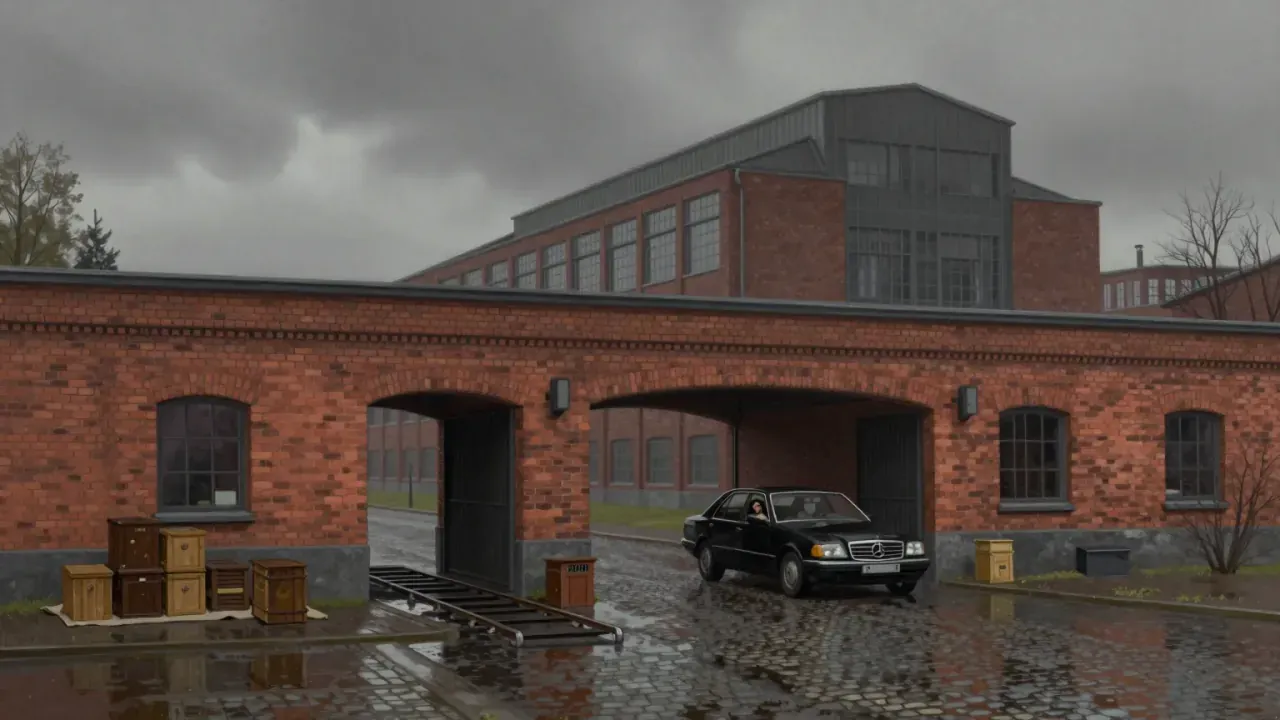
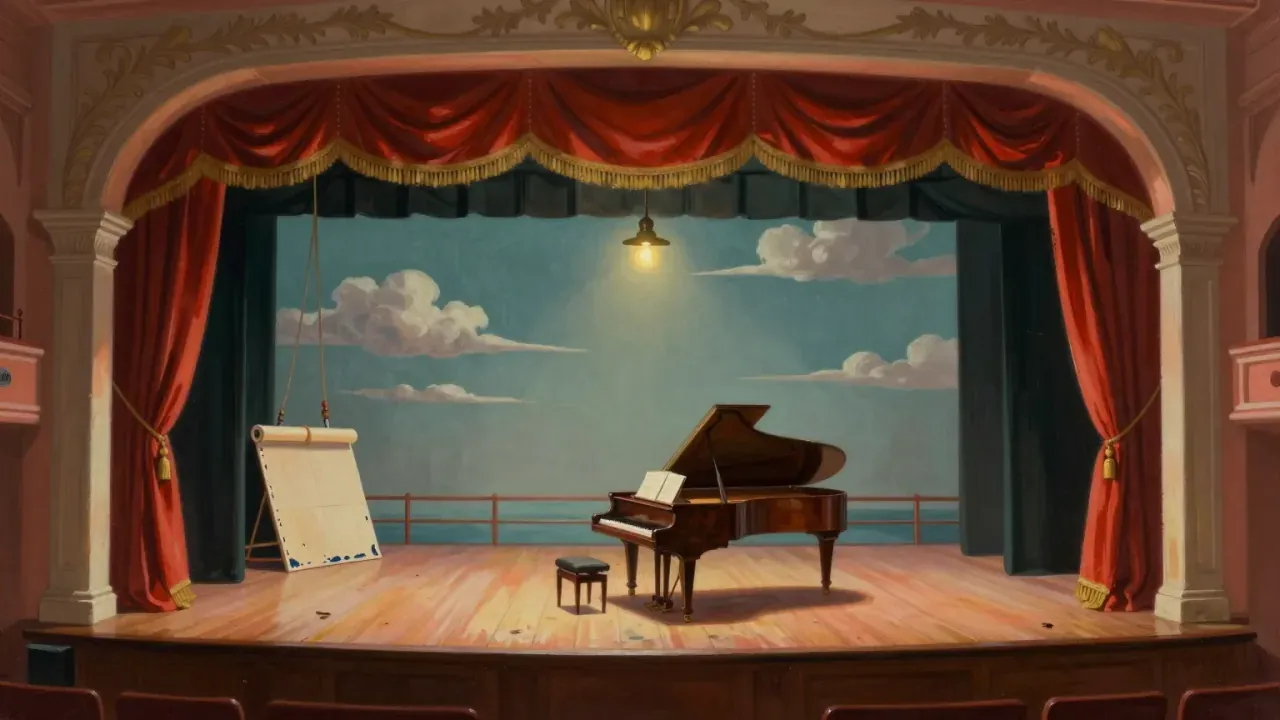
Gordian Maugg’s 2016 biographical film Fritz Lang follows the director in the months before and after his 1933 departure from Weimar Germany. Starring Heino Ferch, it avoids hagiography or melodrama, instead focusing on procedural tensions — studio politics, bureaucratic pressure, and unspoken allegiances — with deliberate pacing and muted visuals. The film presumes familiarity with Lang’s work and the historical context, offering ambiguity where others might supply certainty.
13:00

Funny Girl

William Wyler · 1968

Funny Girl (1968), directed by William Wyler, adapts the Fanny Brice story into a romantic musical drama starring Barbra Streisand in her film debut. It charts her rise from Brooklyn vaudeville to Ziegfeld stardom and her turbulent marriage to Nicky Arnstein (Omar Sharif). With music by Jule Styne and a script by Isobel Lennart, the film privileges psychological realism over musical convention — its camerawork is tight and unshowy, its performances grounded, its emotional arcs unresolved. Though commercially huge and critically lauded — winning Streisand the Best Actress Oscar — it remains a singular, deliberate work: more portrait than pageant, more rehearsal than revue.

13:00

Gate of Hell

Teinosuke Kinugasa · 1953

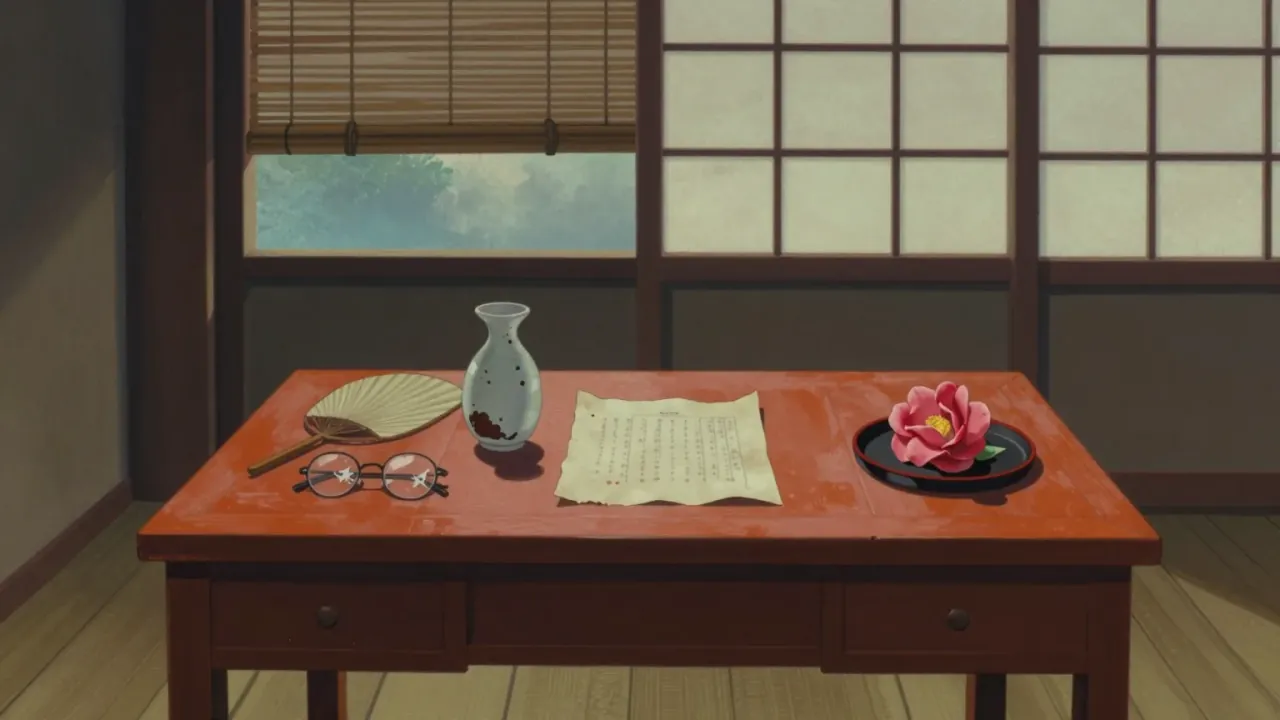
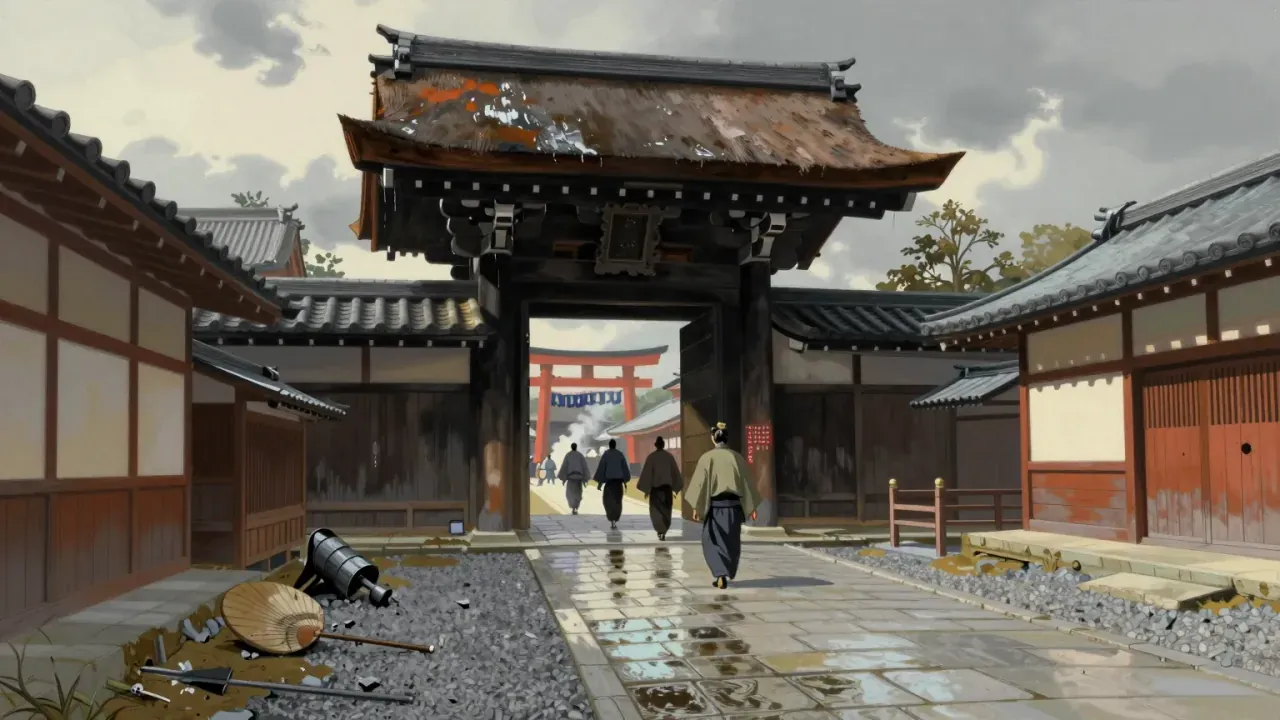
Teinosuke Kinugasa’s Gate of Hell (1953) is a Japanese period drama set during the Heiji Rebellion, following a samurai’s fatal obsession with a married woman he rescues. Filmed in Eastmancolor — Daiei’s first colour production — it uses extreme formal control to dramatise the collapse of honour, duty and self-restraint. With performances of studied stillness and a visual language rooted in lacquer, silk and shadow, it builds dread through repetition and omission rather than exposition or climax. It won the Grand Prize at Cannes, an Academy Honorary Award for Best Foreign Language Film, and the Oscar for Best Costume Design, Color.

13:00

Gigi

Vincente Minnelli, Charles Walters · 1958

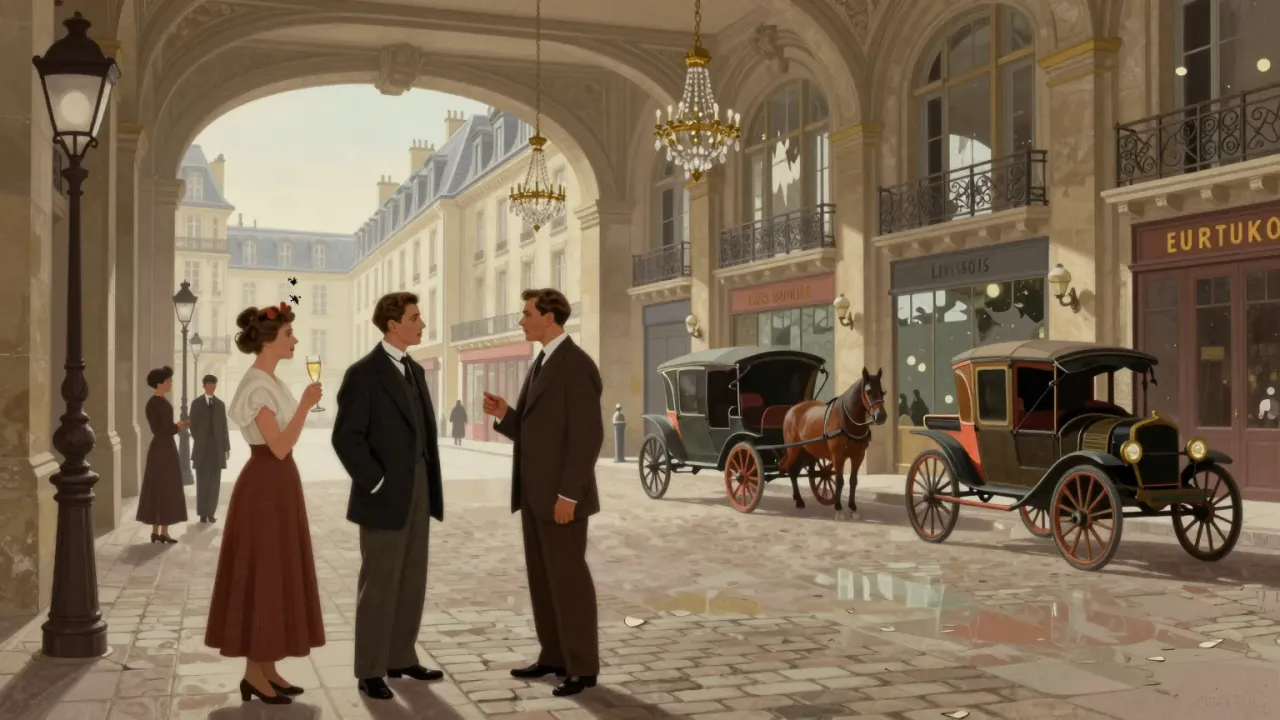
Gigi (1958) is a Metro-Goldwyn-Mayer romantic musical set in Belle Époque Paris, adapted by Alan Jay Lerner from Colette’s novella. Leslie Caron stars as a young woman raised to be a courtesan who instead chooses love on her own terms. Directed by Vincente Minnelli and Charles Walters, it features music by Frederick Loewe, cinematography by Joseph Ruttenberg and Ray June, and costumes by Cecil Beaton. It won nine Academy Awards, including Best Picture and Best Director.

13:00

Good Men, Good Women

Hou Hsiao-Hsien · 1995

Hou Hsiao-hsien’s 1995 drama interweaves the true story of resistance activist Chiang Bi-yu with the contemporary rehearsal process of an actress playing her. Shot in Taiwanese Hokkien with restrained cinematography and elliptical editing, it explores memory, gender, and political erasure across three temporal layers — not to resolve history, but to inhabit its lingering weight.

13:00

Grease

Randal Kleiser · 1978

A 1978 musical romantic comedy directed by Randal Kleiser, Grease adapts the stage show into a brightly lit, rhythm-driven portrait of high-school identity as performance. Starring John Travolta and Olivia Newton-John, it trades realism for theatrical consistency, using song and choreography to advance both plot and mood. Its enduring appeal lies in its unwavering commitment to surface — costume, cadence, charisma — rather than depth.

13:00

Great Expectations

David Lean · 1946

David Lean’s 1946 adaptation of Great Expectations condenses Dickens’s novel into a tightly composed black-and-white drama. Shot by Guy Green and designed by John Bryan and Wilfred Shingleton, it uses setting, light and restraint to convey Pip’s moral education and the corrosive legacy of class and abandonment. Though some psychological nuance is lost in compression, its formal discipline and emotional precision have secured its status as a landmark of British cinema.

13:00

Gregory's Girl

Bill Forsyth · 1981

A 1981 Scottish romantic comedy written and directed by Bill Forsyth, set in a Cumbernauld secondary school. Gregory Underwood, a teenage footballer, develops a quiet crush on Dorothy, a new player who replaces him on the pitch. His attempts to connect with her unfold through miscommunications, interventions by friends and family, and small, unremarkable moments of connection. Shot on a £200,000 budget, it favours observational realism over plot mechanics, and remains notable for its gentle, unsentimental portrayal of teenage vulnerability.
13:00

Grizzly Man

Werner Herzog · 2005

Werner Herzog’s 2005 documentary assembles Timothy Treadwell’s own footage, interviews with friends and experts, and his own narration to examine the bear enthusiast’s thirteen years in Alaska and his 2003 death alongside Amie Huguenard. It does not seek to vindicate or condemn, but to trace the logic of a man who believed he had transcended the boundary between human and wild—and what that belief cost.

13:00

Guess Who's Coming to Dinner

Stanley Kramer · 1967

Guess Who’s Coming to Dinner is a 1967 Columbia Pictures drama directed by Stanley Kramer, written by William Rose, and starring Katharine Hepburn, Spencer Tracy (in his final role), Sidney Poitier, and Katharine Houghton. Set over one day in San Francisco, it follows a liberal white couple as they confront their daughter’s engagement to a Black doctor. Structured as a moral argument rather than a psychological portrait, the film isolates race as the sole obstacle to acceptance, using tightly controlled dialogue, restrained cinematography by Sam Leavitt, and a functional score by Frank De Vol. It won three Academy Awards, including Best Actress and Best Original Screenplay, and was added to the National Film Registry in 2017.

13:00

Guide

Vijay Anand · 1965

Guide (1965), directed by Vijay Anand and adapted from R. K. Narayan’s novel, follows Raju — a tour guide whose entanglement with dancer Rosie leads to scandal, imprisonment, and accidental deification in a drought-hit village. With Dev Anand and Waheeda Rehman in career-defining roles, and music by S. D. Burman, it is a slow, unsentimental study of identity, performance, and the social mechanics of belief. Its 183-minute runtime demands patience, but its structural rigour and moral ambiguity reward sustained attention.

13:00

Gun Crazy

Joseph H. Lewis · 1950

A lean, unsentimental 1950 crime film tracing the steady collapse of moral choice in a young couple drawn into robbery and murder. Directed by Joseph H. Lewis with stark visual economy and anchored by Peggy Cummins and John Dall, it treats violence as consequence, not climax — and remains potent precisely because it refuses to explain itself.

13:00

Hail, Caesar!

Ethan Coen, Joel Coen · 2016

Hail, Caesar! (2016) is a Coen brothers comedy set in 1951 Hollywood, following studio fixer Eddie Mannix (Josh Brolin) as he manages crises across five concurrent film productions. Shot on film by Roger Deakins and costumed with meticulous period detail, it treats the studio system as a functioning bureaucracy — not a golden age to mourn, but a machine to map. Its strength lies in structural fidelity, not character depth.

13:00

Happiness

Todd Solondz · 1998

Todd Solondz’s 1998 ensemble film follows three sisters and their circle across intersecting stories of loneliness, repression and violation. Shot by Maryse Alberti and scored by Robbie Kondor, it treats pedophilia, obscene phone calls, marital drift and suicidal despair with unblinking, tonally level observation. Its power lies in accumulation, not climax — in the weight of unspoken things, the silence after a confession, the banality of moral collapse. It won the FIPRESCI Prize at Cannes and the National Board of Review’s Top Ten Films award, and was released unrated after surrendering its NC-17 classification.

13:00

Heartbeats

Xavier Dolan · 2010

Xavier Dolan’s 2010 French-language drama Heartbeats follows two Montreal friends who fall for the same man, charting their rivalry, self-deception, and shared performance of longing. Shot by Stéphanie Weber Biron and edited by Dolan, it favours composition, gesture, and repetition over exposition, treating romance as a site of identity construction rather than emotional resolution.

13:00

Heat and Dust

James Ivory · 1983

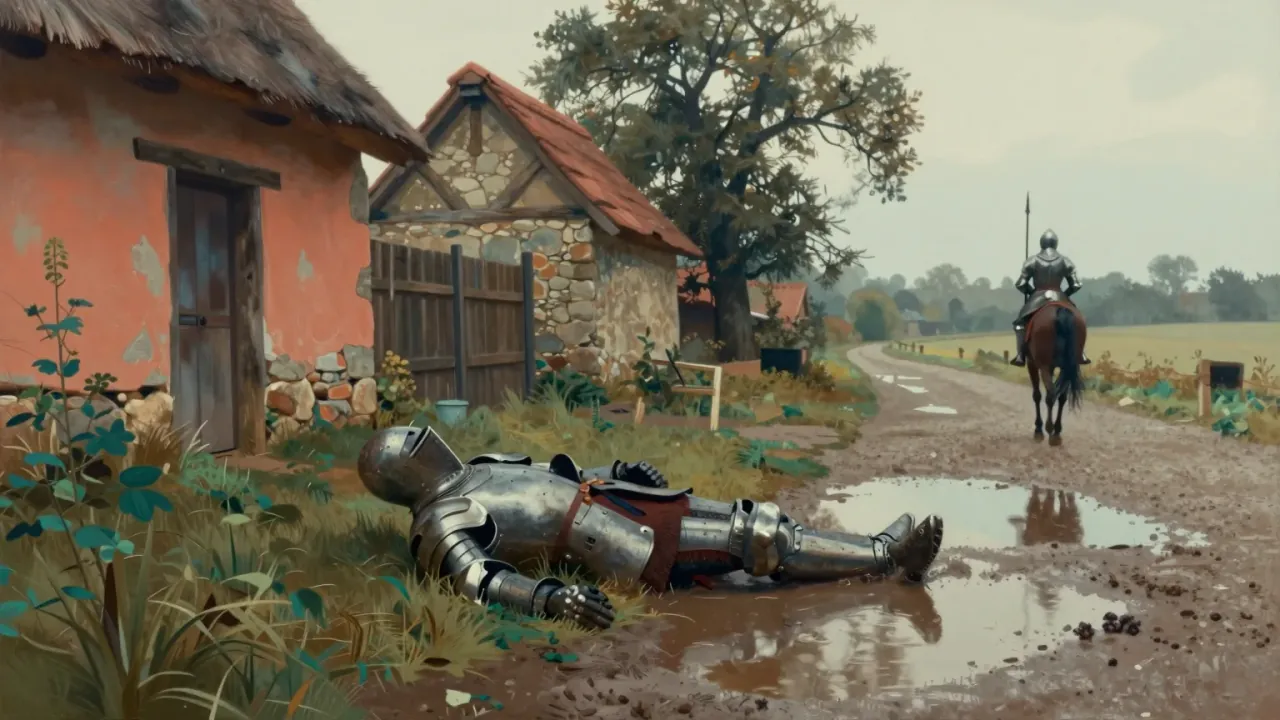
Heat and Dust (1983), directed by James Ivory from Ruth Prawer Jhabvala’s adapted screenplay, interweaves two women’s lives across 1920s and 1982 India. Greta Scacchi and Julie Christie play Olivia and Anne, whose parallel affairs with Indian men expose enduring structures of power, desire and silence. Walter Lassally’s restrained cinematography and Humphrey Dixon’s measured editing sustain a mood of quiet inevitability. It is less a romance than a forensic study of inheritance — of privilege, of trauma, of the unspeakable things passed down with letters and land.
13:00

High and Low

Akira Kurosawa · 1963

Akira Kurosawa’s 1963 film High and Low adapts Evan Hunter’s King’s Ransom into a stark, vertically structured drama about a businessman’s moral crisis after a kidnapping goes wrong. Shot in black and white by Asakazu Nakai and Takao Saito, it divides cleanly between Gondō’s elevated Yokohama home and the city’s slums, using space, lens, and editing to interrogate inequality, policing, and accountability. With Toshirō Mifune and Tsutomu Yamazaki in career-defining roles, it remains a benchmark of socially engaged genre filmmaking.

13:00

Hiroshima mon amour

Alain Resnais · 1959

Alain Resnais’ 1959 debut, written by Marguerite Duras, traces a fleeting encounter between a French actress and a Japanese architect in Hiroshima. Through tightly composed images, fragmented flashbacks, and restrained performances, it explores how personal and historical trauma intertwine — not as metaphor, but as embodied experience. Shot in France and Japan, edited with surgical precision, and scored with near-silence, it treats love, memory, and forgetting as inseparable forces.

13:00

House of Flying Daggers

Zhang Yimou · 2004

Zhang Yimou’s 2004 wuxia fantasy House of Flying Daggers uses Tang dynasty rebellion as a framework for choreographed spectacle. Shot across Ukraine and China, it foregrounds Zhao Xiaoding’s saturated cinematography, Zhang Ziyi’s physically precise performance as a blind dancer, and Shigeru Umebayashi’s textural score. Its strengths lie in rhythmic editing, deliberate colour symbolism and the physical grammar of its fight sequences — not in narrative coherence or psychological depth. Though nominated for Best Cinematography at the Academy Awards, it prioritises sensory immersion over storytelling resolution.

13:00

Housekeeping

Bill Forsyth · 1987

Bill Forsyth’s 1987 adaptation of Marilynne Robinson’s novel follows two sisters raised by their eccentric aunt in 1950s Idaho. Shot in British Columbia, it trades plot for atmosphere, using restrained performances, muted cinematography, and sparse music to explore inheritance, belonging, and the quiet persistence of absence. Though critically admired, it received little studio support and has remained scarce on home media.

13:00

Husbands

John Cassavetes · 1970

John Cassavetes’s 1970 drama follows three middle-aged friends—Gus, Harry, and Archie—after the sudden death of their closest companion. Unmoored, they flee suburban New York for London, where their attempts at distraction collapse under the weight of unspoken grief, ageing, and mutual dependence. Shot in loose, handheld style with extensive improvisation, the film prioritises duration and behavioural realism over plot. Its reception was polarised: hailed by some as radical and deeply sincere, dismissed by others as self-indulgent and misogynistic. Restored in 2020 by Criterion, it remains a demanding, uncompromising portrait of masculinity in suspension.

13:00

I Killed My Mother

Xavier Dolan · 2009

Xavier Dolan’s 2009 debut is a French-language Canadian drama about Hubert, a 16-year-old Québécois whose fierce, fractured relationship with his mother Chantale drives a tightly wound narrative of flight, confrontation, and unspoken loyalty. Written when Dolan was sixteen and shot when he was nineteen, the film uses stylised dialogue, intimate framing, and rhythmic editing to render adolescent interiority as both claustrophobic and theatrical. Anne Dorval gives a grounded, unsentimental performance as Chantale, anchoring the film’s emotional volatility. Though occasionally mannered, its power lies in its refusal to resolve — treating family not as problem or refuge, but as the first and most persistent language.

13:00

I Saw the Devil

Kim Ji-woon · 2010

Kim Ji-woon’s 2010 South Korean psychological thriller follows an NIS agent who hunts his fiancée’s murderer not to kill him, but to prolong his suffering. With surgical precision in writing, performance, and cinematography, it charts a descent where revenge becomes indistinguishable from dependency. Its power lies in restraint, not excess—and its conclusion offers no absolution, only exhaustion.

13:00

I'm Thinking of Ending Things

Charlie Kaufman · 2020

Charlie Kaufman’s 2020 adaptation of Iain Reid’s novel follows a woman whose identity unravels during a visit to her boyfriend’s parents’ remote farm. Intercut with scenes of a school janitor’s routine, the film builds a recursive, psychologically dense world where time bends, memory mutates, and reality frays. Shot in tight 4:3 by Łukasz Żal and anchored by restrained performances from Jessie Buckley and Jesse Plemons, it sustains a tone of quiet dread and existential fatigue across 134 minutes. Its final moments offer not answers but a saturated blue field—and the sound of an approaching snowplough.

13:00

In a Lonely Place

Nicholas Ray · 1950

Nicholas Ray’s 1950 drama stars Humphrey Bogart as a volatile screenwriter suspected of murder and Gloria Grahame as the neighbour who falls for him — only to realise his charm and rage are two sides of the same coin. Shot by Burnett Guffey and edited by Viola Lawrence, it trades noir thrills for psychological precision, treating Hollywood as a pressure chamber for intimacy. Its reputation has grown steadily since release, now ranked among the greatest film noirs ever made.

13:00

In the Cut

Jane Campion · 2003

Jane Campion’s 2003 adaptation of Susanna Moore’s novel is a psychologically dense, formally restless thriller set in Manhattan. Meg Ryan plays Frannie, an English professor drawn into a murder investigation—and into a volatile relationship with detective Mark Ruffalo. Shot by Dion Beebe and scored by Hilmar Örn Hilmarsson, the film prioritises sensory disorientation over narrative clarity, building tension through gaze, gesture, and urban texture. Though divisive on release, it has since been reassessed as a landmark feminist deconstruction of the erotic thriller.

13:00

Inherent Vice

Paul Thomas Anderson · 2014

Paul Thomas Anderson’s Inherent Vice (2014) adapts Thomas Pynchon’s labyrinthine 2009 novel into a sun-bleached, jazz-scored neo-noir set in 1970 Los Angeles. Joaquin Phoenix plays Doc Sportello, a stoner PI drawn into overlapping conspiracies involving real estate, organised crime, and institutional rot. Anchored by Phoenix’s understated performance and Robert Elswit’s hazy cinematography, the film favours mood and texture over narrative resolution — a deliberate, affectionate surrender to ambiguity.

13:00

Inside Llewyn Davis

Ethan Coen, Joel Coen · 2013

A 2013 Coen brothers film set in early-1961 New York, following folk singer Llewyn Davis over one wintry week. Oscar Isaac stars in a performance defined by vocal authenticity and physical weariness. Bruno Delbonnel’s muted cinematography and T Bone Burnett’s live-recorded folk soundtrack anchor a story that loops rather than progresses — rejecting biopic convention in favour of a precise, unsentimental study of artistic persistence without reward.

13:00

Jackie

Pablo Larraín · 2016

Jackie (2016) follows Jacqueline Kennedy in the week after John F. Kennedy’s assassination, framed by a Life magazine interview at Hyannis Port. Directed by Pablo Larraín and starring Natalie Portman, it focuses on her psychological navigation of grief, legacy, and public performance — not as a biographical survey, but as a study in containment. Stéphane Fontaine’s cinematography, Mica Levi’s score, and Sebastián Sepúlveda’s editing sustain a tense, intimate atmosphere. The film received three Academy Award nominations, including Best Actress for Portman.

13:00

Jodhaa Akbar

Ashutosh Gowariker · 2008

A 2008 Hindi-language biographical epic directed by Ashutosh Gowariker, Jodhaa Akbar dramatises the 16th-century political marriage between Mughal emperor Akbar and Rajput princess Jodhaa Bai. Starring Hrithik Roshan and Aishwarya Rai, it uses spectacle, music by A. R. Rahman, and Neeta Lulla’s award-winning costume design to explore tolerance as daily practice — shared meals, translated texts, adjusted postures — rather than abstract ideal. Though criticised for compressing historical complexity and underdeveloping its female lead’s interiority, it remains notable for its visual coherence, disciplined pacing, and commitment to craft over concision.

13:00

Juliet of the Spirits

Federico Fellini · 1965

Federico Fellini’s 1965 Juliet of the Spirits is his first feature-length colour film, starring Giulietta Masina as a Roman housewife whose repressed inner life erupts in visions, memories and surreal encounters. Shot at Safa Palatino and Cinecittà Studios, it uses colour, costume and set design as primary tools to map a woman’s slow, non-linear path toward self-perception. Though nominated for two Academy Awards and widely acclaimed abroad, its reception in Italy was divided — some critics finding its baroque surfaces overwhelming its human core.

13:00

Kagemusha

Akira Kurosawa · 1980

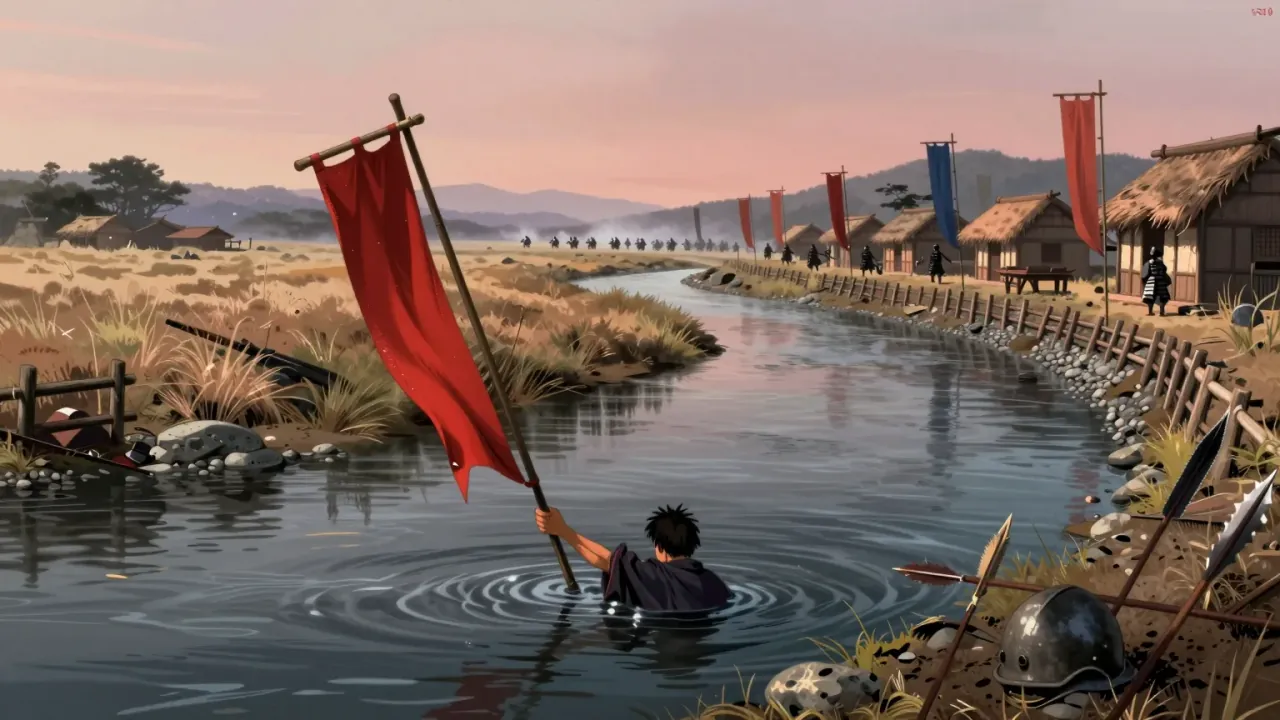
Akira Kurosawa’s 1980 epic follows a thief forced to impersonate the dying warlord Takeda Shingen to preserve clan stability. Shot in vivid colour and composed with rigorous symmetry, it traces the slow, fragile construction — and inevitable collapse — of political belief through gesture, silence, and shared illusion. Tatsuya Nakadai plays both men, distinguishing them not by voice or mannerism but by weight, stillness, and the space he occupies. The film ends at the Battle of Nagashino, where symbolism gives way to slaughter, and the kagemusha dies trying to retrieve a fallen banner.

13:00

Killer's Kiss

Stanley Kubrick · 1955

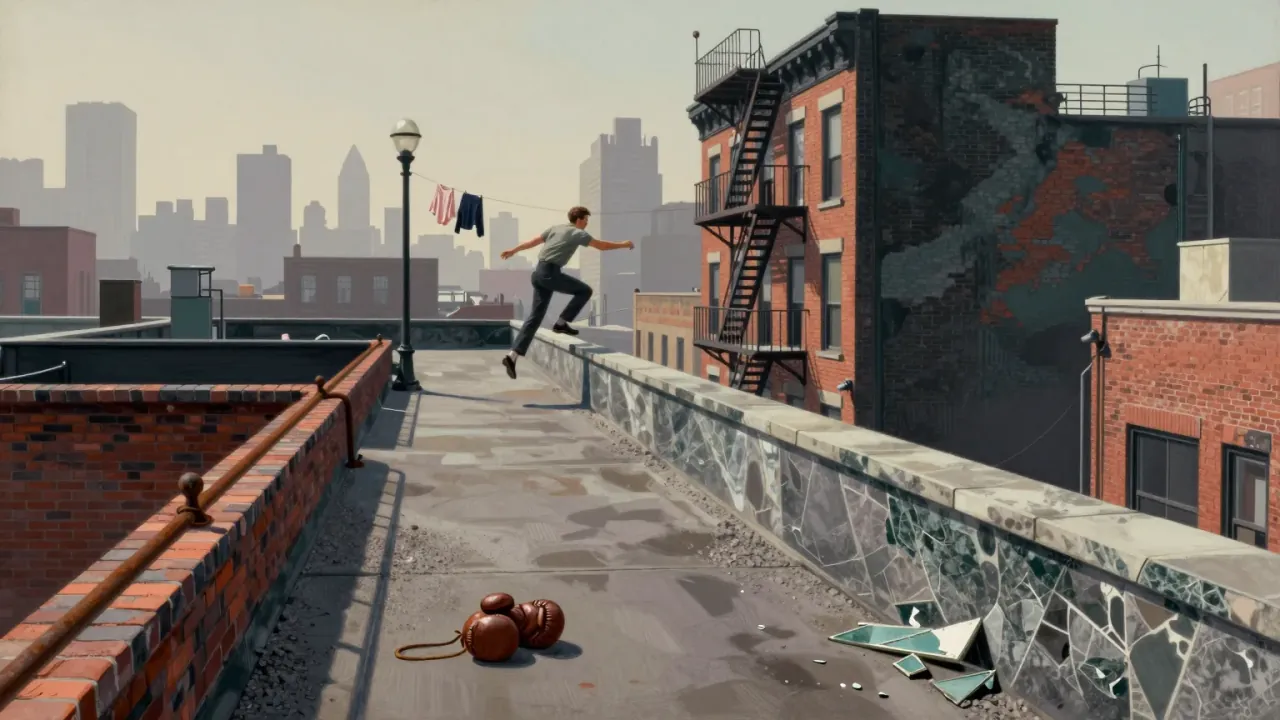
Stanley Kubrick’s 1955 second feature is a lean, black-and-white film noir shot on real New York streets — Penn Station, Times Square, SoHo lofts — with a shoestring budget and no studio oversight. It follows a fading boxer and a taxi dancer caught in the orbit of a violent dance-hall boss. Kubrick wrote, produced, directed, photographed and edited it himself, using post-dubbed sound and stark, high-contrast cinematography. Though structurally thin and acted with restraint rather than flourish, its physical authenticity, spatial intelligence and unblinking urban gaze make it a singular early document of a major filmmaker’s method.

13:00

King Kong

Peter Jackson · 2005

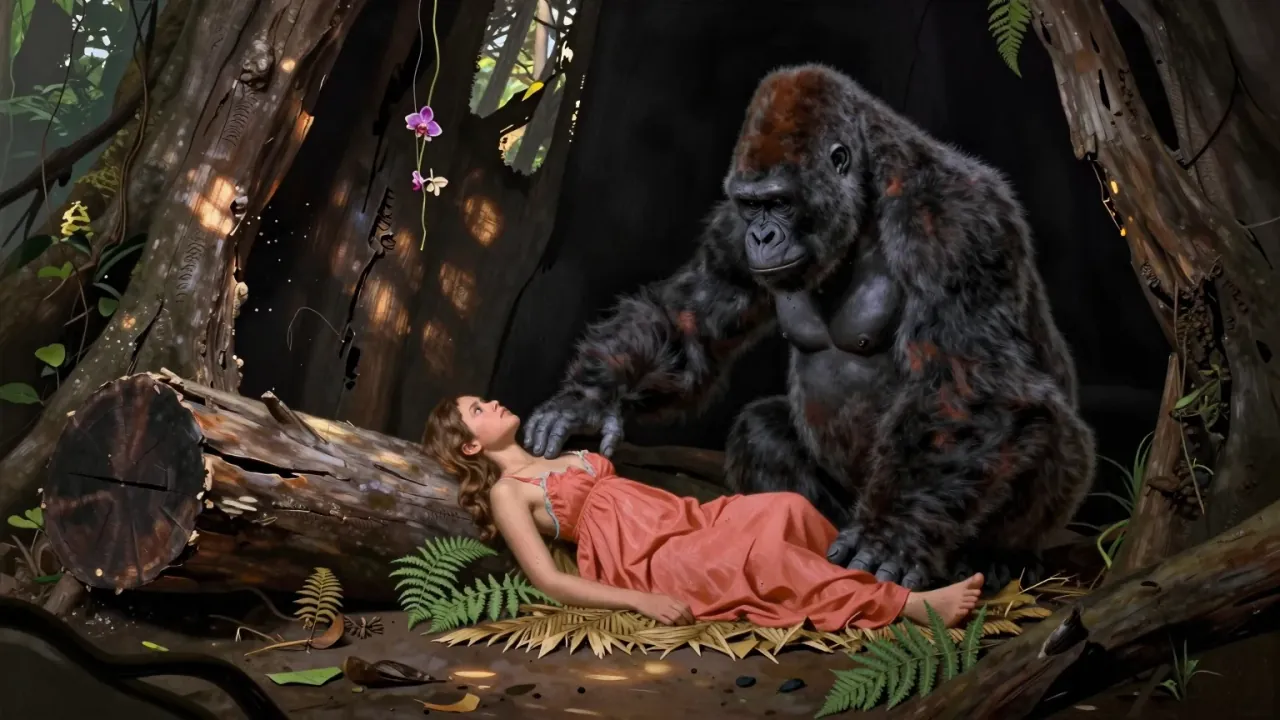
Peter Jackson’s 2005 King Kong is a 187-minute expansion of the 1933 original, set in 1933 and starring Naomi Watts, Jack Black and Andy Serkis as Kong. It balances spectacle with emotional precision, grounding its giant gorilla in behavioural realism and its human drama in period texture. Though criticised for length and uneven character development, it succeeds in making Kong feel alive, vulnerable and irreplaceable — a feat of performance, sound design and sustained vision.

13:00

Kiss Me Deadly

Robert Aldrich · 1955

Robert Aldrich’s 1955 Kiss Me Deadly recasts Mickey Spillane’s Mike Hammer as a morally adrift private investigator drawn into a conspiracy centred on a mysterious, glowing suitcase. Shot on location in a decaying Los Angeles, with stark cinematography by Ernest Laszlo and a percussive score by Frank De Vol, the film rejects noir conventions of resolution and moral clarity. Its power lies in accumulation — of dread, ambiguity, and physical consequence — culminating in an ending that offers no salvation, only exposure.

13:00

Kuch Kuch Hota Hai

Karan Johar · 1998

Kuch Kuch Hota Hai (1998) is Karan Johar’s directorial debut: a Hindi-language romantic drama starring Shah Rukh Khan, Kajol, and Salman Khan. Structured across two timeframes, it follows a widower and his daughter as she reunites him with his college best friend. Shot in India, Mauritius, and Scotland, it blends aspirational visuals with classical storytelling—letters, songs, and delayed confessions—to explore inheritance, grief, and second chances. Its emotional logic is unwavering, its craft precise, and its cultural impact enduring.

13:00

Lagaan

Ashutosh Gowariker · 2001

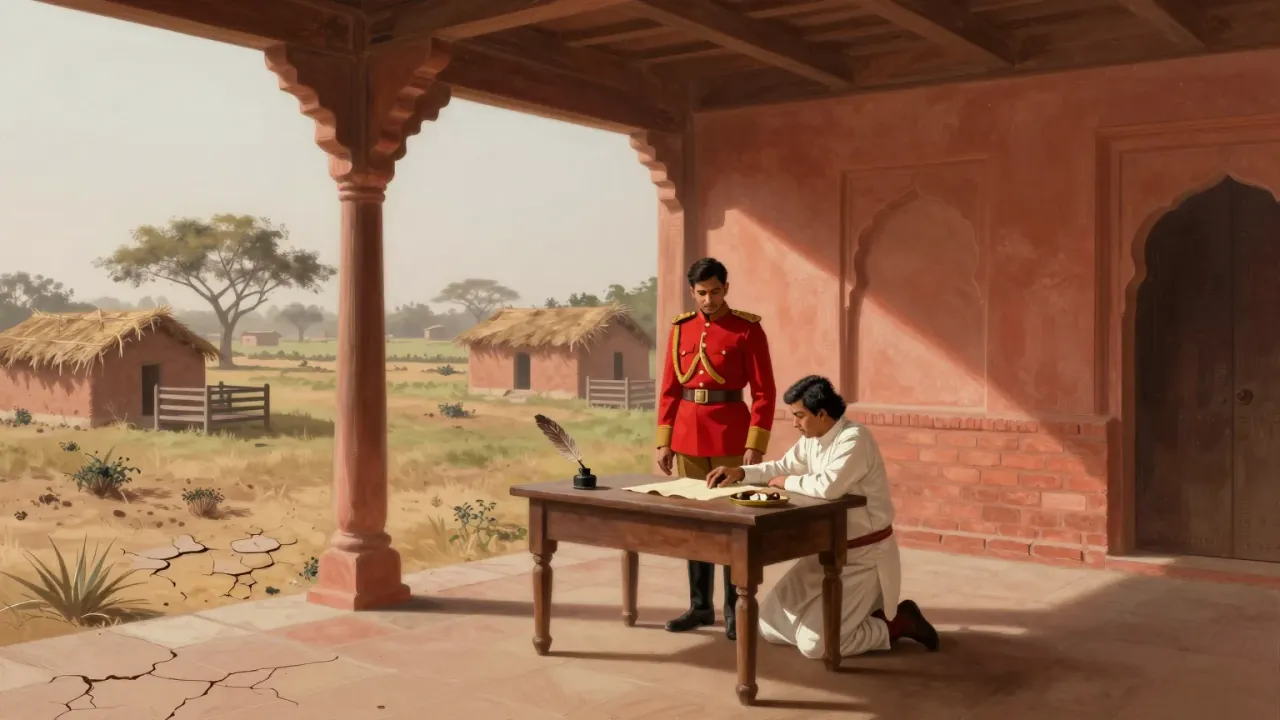
A 2001 Hindi-language epic set in 1893 colonial India, where villagers challenged to a cricket match against British officers wager their land tax. Directed by Ashutosh Gowariker and starring Aamir Khan, it blends musical form with historical allegory, foregrounding collective discipline over individual heroism. Shot over months in Gujarat’s Kutch district, its 224-minute runtime sustains drought, training, and match with patient craft — Anil Mehta’s cinematography, A. R. Rahman’s score, Bhanu Athaiya’s costumes. Critically acclaimed, it was India’s third Oscar submission for Best Foreign Language Film.

13:00

L’Age d’Or

Luis Buñuel · 1930

L’Age d’Or (1930) is a foundational surrealist film by Luis Buñuel and Salvador Dalí, financed by aristocratic patrons and banned within weeks of its Paris premiere. Composed of jarring, non-sequential vignettes, it charts a couple’s thwarted passion amid scenes of institutional absurdity — religious ceremony, high society, and de Sadean fantasy. Its power lies in rhythmic disruption, not narrative logic; in visual provocation, not psychological depth. Though historically significant and formally audacious, its hostility to coherence and empathy makes it demanding, not diverting.

13:00

Lancelot of the Lake

Robert Bresson · 1974

Robert Bresson’s 1974 Lancelot of the Lake strips the Arthurian legend of romance, mysticism, and psychological exposition, rendering it as a stark, ritualistic study of loyalty’s failure. Shot in Noirmoutier-en-l’Île with amateur actors and austere cinematography by Pasqualino De Santis, the film follows Lancelot’s return from the Grail quest, his doomed love for Guinevere, and the violent unravelling of Camelot. Its power lies in restraint: flat performances, abrupt editing, sparse music, and unflinching, unsentimental violence. It is arthouse cinema at its most uncompromising — demanding attention not to story, but to form.

13:00

Laura

Otto Preminger · 1944

A New York detective investigates the apparent murder of advertising executive Laura Hunt, only to discover she is alive — and that his obsession with her portrait has reshaped both the case and himself. Directed by Otto Preminger and shot by Joseph LaShelle, the 1944 crime drama uses stillness, sound, and surface to explore projection, class, and the fragility of identity.

13:00

Laurence Anyways

Xavier Dolan · 2012

Laurence Anyways (2012) is Xavier Dolan’s 168-minute French-language drama following Laurence Alia’s gender transition and her enduring, turbulent bond with Fred Bellair across twelve years in Montreal. Shot by Yves Bélanger and edited by Dolan, it balances intimate performance — Melvil Poupaud and Suzanne Clément anchor the film — with formal rigour and emotional restraint. It won Best Canadian Film at TIFF and the Queer Palm at Cannes.

13:00

Lawrence of Arabia

David Lean · 1962

David Lean’s 1962 epic follows T. E. Lawrence’s immersion in the Arab Revolt during the First World War. Peter O'Toole stars in a performance defined by restraint and volatility, supported by Freddie Young’s monumental Super Panavision 70 cinematography and Maurice Jarre’s evocative score. The film prioritises atmosphere over exposition, using vast, still landscapes to chart internal collapse and reinvention. Though rooted in history, it functions as a psychological portrait — of identity, allegiance and the cost of translation between worlds.

13:00

Léon: The Professional

Luc Besson · 1994

Léon: The Professional is a 1994 French English-language crime thriller written and directed by Luc Besson. Jean Reno plays Léon, a solitary hitman in New York who shelters twelve-year-old Mathilda (Natalie Portman) after her family is murdered by a corrupt DEA agent (Gary Oldman). Their uneasy bond forms the core of a tightly constructed, visually controlled film that balances domestic intimacy with sudden violence. Shot largely in France and New York, it was produced by Patrice Ledoux for Gaumont, with cinematography by Thierry Arbogast and music by Éric Serra. Though commercially successful and critically divisive, its enduring interest lies in its formal discipline and the unresolved tension between its moral premise and its stylistic execution.

13:00

Letter from an Unknown Woman

Max Ophüls · 1948

Max Ophüls’ 1948 adaptation of Stefan Zweig’s novella follows Lisa Berndle’s lifelong devotion to concert pianist Stefan Brand, rendered in flashback through her final letter. Joan Fontaine’s restrained performance and Franz Planer’s under-lit cinematography sustain a mood of quiet accumulation, where emotional weight gathers not in climaxes but in silences, glances, and withheld names.

13:00

Life of Pi

Ang Lee · 2012

Ang Lee’s 2012 adaptation of Yann Martel’s novel follows a teenage Indian boy stranded at sea with a Bengal tiger. Shot across India, Taiwan and Montreal, it uses meticulous visual effects, Claudio Miranda’s cinematography and Mychael Danna’s score to render philosophy tangible. Though its Pondicherry prologue feels expository and its dual-ending pivot risks imbalance, the film’s sustained attention to sensation — water, light, breath, weight — makes its central ambiguity feel earned, not evasive.

13:00

Light of My Life

Casey Affleck · 2019

Casey Affleck’s Light of My Life is a restrained, low-key post-apocalyptic drama set in British Columbia, following a father and his daughter as they evade male raiders in a world where most women have died. Shot by Adam Arkapaw and scored by Daniel Hart, it prioritises behavioural realism over exposition or action, building emotional resonance through gesture, routine and withheld information.

13:00

Lolita

Stanley Kubrick · 1962

Stanley Kubrick’s 1962 Lolita is a black-and-white arthouse drama adapted from Vladimir Nabokov’s novel under strict Hays Code restrictions. Starring James Mason as Humbert Humbert and Sue Lyon as Dolores Haze, it reframes the story as a tragicomic romance, avoiding explicit content through irony, voice-over, and visual indirection. Filmed largely in England despite its American setting, it features Peter Sellers in multiple roles and a jazz-inflected score by Nelson Riddle. Though commercially successful and critically well-received, it sacrifices the novel’s psychological and linguistic complexity for viability — making it less a faithful adaptation than a record of constraint.

13:00

Lost in Translation

Sofia Coppola · 2003

Sofia Coppola’s 2003 film follows an ageing actor and a young woman forming a fragile bond while adrift in Tokyo. Shot with quiet restraint by Lance Acord and scored by Kevin Shields, it sustains a mood of melancholic intimacy without narrative resolution. Though widely acclaimed for its writing and performances, its depiction of Japan has drawn sustained criticism for cultural flattening and Orientalist framing.

13:00

Louisiana Story

Robert J. Flaherty · 1948

Louisiana Story (1948) is a scripted 'documentary' commissioned by Standard Oil to portray oil drilling in the Louisiana bayous as peaceful and mutually beneficial. Directed by Robert J. Flaherty, it follows a Cajun boy whose life intersects with a drilling crew — a narrative built on visual lyricism, Virgil Thomson’s Pulitzer-winning score, and deliberate omissions. Though celebrated for its aesthetic control and historical significance, it sidesteps industrial impact, corporate identity, and social complexity. It is a masterclass in mediated realism — and a cautionary artefact of documentary ethics.

13:00

Loves of a Blonde

Miloš Forman · 1965

Loves of a Blonde (1965), Miloš Forman’s second feature, follows Andula, an 18-year-old shoe-factory worker in provincial Czechoslovakia, as she navigates romance, loneliness and social expectation. Shot on location with mostly non-professional performers and extensive improvisation, it uses documentary-style techniques to build a restrained, unsentimental portrait of young adulthood under late socialism. Its power lies in duration, texture and behavioural authenticity rather than plot or exposition.

13:00

Lust, Caution

Ang Lee · 2007

Ang Lee’s 2007 adaptation of Eileen Chang’s novella follows a Chinese student who infiltrates the inner circle of a collaborator in Japanese-occupied Shanghai. Her mission blurs into intimacy, culminating in a choice that fractures loyalty, desire and selfhood. Shot by Rodrigo Prieto and scored by Alexandre Desplat, it is a slow, tactile study in moral erosion — less thriller than forensic portrait of how power reshapes the body and mind.

13:00

Man of Aran

Robert J. Flaherty · 1934

Robert J. Flaherty’s 1934 documentary Man of Aran stages life on Ireland’s Aran Islands as a timeless struggle against sea and stone. Though marketed as ethnography, it fabricates customs — notably basking shark hunting — and assembles non-related islanders as a symbolic family. Shot silently with radical long-lens cinematography and edited for rhythmic intensity, it prioritises visual myth over social reality. Its enduring power lies in formal discipline, not fidelity.

13:00

Man on Fire

Tony Scott · 2004

Tony Scott’s 2004 crime thriller relocates A. J. Quinnell’s novel to Mexico City, following a broken ex-agent (Denzel Washington) who hunts kidnappers after his charge (Dakota Fanning) is abducted. Anchored by restrained performances and Paul Cameron’s urgent cinematography, it sustains emotional intimacy amid escalating violence — less cathartic thriller than austere study in accountability, endurance, and institutional decay.

13:00

Manhunter

Michael Mann · 1986

Michael Mann’s 1986 adaptation of Thomas Harris’s Red Dragon stars William Petersen as FBI profiler Will Graham, drawn from retirement to hunt serial killer Francis Dollarhyde (Tom Noonan), with Brian Cox as the imprisoned Hannibal Lecktor. Shot by Dante Spinotti and scored by Michel Rubini, it uses stylised colour, ambient sound, and deliberate pacing to explore the psychological cost of seeing through a killer’s eyes. Though a box-office disappointment on release, it has since been reassessed as a landmark neo-noir thriller and foundational text in the forensic crime genre.

13:00

Marie Antoinette

Sofia Coppola · 2006

Sofia Coppola’s 2006 Marie Antoinette reimagines the queen’s early life as a study in isolation and performance, using Kirsten Dunst’s restrained presence, Milena Canonero’s Oscar-winning costumes, and a daring anachronistic soundtrack to evoke emotional rather than historical truth. Shot with deliberate softness and edited for rhythm over exposition, it omits political context to focus on interiority — making Versailles feel less like a palace and more like a gilded institution for girls.

13:00

Melancholia

Lars von Trier · 2011

Lars von Trier’s 2011 science fiction drama Melancholia uses an inevitable planetary collision to examine how two sisters—one depressive, one anxious—respond when all future is cancelled. Kirsten Dunst and Charlotte Gainsbourg anchor its two-part structure, supported by Manuel Alberto Claro’s restrained cinematography and Richard Wagner’s Tristan und Isolde prelude, which dictates the film’s rhythm. Made by Zentropa with co-producers across Europe, it premiered at Cannes, where Dunst won Best Actress. Its power lies in tonal certainty, not plot mechanics: it asks how consciousness persists when meaning has no horizon.

13:00

Metropolis

Fritz Lang · 1927

Fritz Lang’s 1927 silent science-fiction film Metropolis stages class division as vertical geography — elites above, workers below — using expressionist design, pioneering special effects, and gruelling physical production. Its moral is stated plainly: 'The Mediator Between the Head and the Hands Must Be the Heart.' Though criticised then and since for schematic politics and narrative naivety, its formal authority, spatial imagination, and material intensity make it foundational. The 2010 restoration recovers nearly all of Lang’s original cut.

13:00

Midnight in Paris

Woody Allen · 2011

Woody Allen’s 2011 romantic comedy follows a screenwriter who, while visiting Paris, begins nightly journeys to the 1920s — not to change history, but to confront his own dissatisfaction with the present. Shot on location with Darius Khondji’s amber-toned cinematography and anchored by Owen Wilson’s understated performance, it uses time travel as emotional shorthand rather than speculative premise. It won the Academy Award for Best Original Screenplay.

13:00

Millennium Mambo

Hou Hsiao-Hsien · 2001

Millennium Mambo is a 2001 Taiwanese arthouse romance directed by Hou Hsiao-Hsien, following Vicky (Shu Qi) as she reflects on her early twenties in Taipei at the turn of the millennium. Structured as a hazy, non-linear recollection, it prioritises atmosphere over exposition — lingering on neon-lit bars, subway platforms, and quiet apartments — with Shu Qi’s restrained performance and Mark Lee Ping Bin’s soft-focus cinematography anchoring its meditative pace. Awarded the Technical Grand Prize at Cannes for sound design, it is a study in temporal drift, where romance serves less as plot than as ambient pressure.

13:00

Mishima: A Life in Four Chapters

Paul Schrader · 1985

Paul Schrader’s 1985 film interweaves Yukio Mishima’s final day with biographical flashbacks and dramatisations of three of his novels, organised into four colour-coded chapters. Shot in Japan with a rigorous visual syntax, it privileges form over exposition, using John Bailey’s cinematography, Philip Glass’s score and Eiko Ishioka’s production design to render Mishima’s aesthetic absolutism as cinematic grammar. It was banned in Japan until 2025.

13:00

Modern Times

Charlie Chaplin · 1936

Charlie Chaplin’s 1936 Modern Times is his final silent film and last appearance as the Little Tramp. Set against the Great Depression, it follows the Tramp and a young woman, Ellen, through unemployment, mistaken arrests, factory work, and fleeting shelter — all rendered through tightly choreographed slapstick and sparse, stylised sound. Though episodic, its gags target automation, surveillance, and class with surgical precision. Composed and directed by Chaplin, it remains a landmark of cinematic satire and humanist comedy.

13:00

Mother!

Darren Aronofsky · 2017

Darren Aronofsky’s Mother! is a psychological horror film structured as a closed-loop parable: a woman’s domestic peace unravels under successive invasions, culminating in annihilation and cyclical rebirth. Shot in tight proximity to Jennifer Lawrence’s performance, scored with near-total silence, and driven by escalating symbolic violation, it functions less as story than as sustained sensory provocation. Its themes—ecological violation, artistic narcissism, theological recursion—are delivered without irony or ambiguity. Critical reception was divided: many admired its formal rigour and intensity; others found its allegory reductive and its relentlessness exhausting. It grossed $44.5m on a $30m budget.

13:00

Mother and Son

Alexander Sokurov · 1997

Alexander Sokurov’s 1997 Mother and Son is a 73-minute Russian arthouse drama following a son’s silent, tender care for his dying mother across a dreamlike Baltic landscape. Shot through distorted glass and mirrors, with minimal dialogue and painterly, Friedrich-inspired compositions, it frames dependency and mortality as reciprocal, cyclical acts. Written by Yuriy Arabov and shot by Aleksey Fyodorov, it avoids exposition and psychology in favour of tactile, durational presence.

13:00

Mother India

Mehboob Khan · 1957

Mother India (1957), directed by Mehboob Khan, is a Hindi-language drama starring Nargis as Radha, a woman who withstands drought, debt, and betrayal to uphold dignity in a newly independent India. Adapted from Khan’s 1940 film Aurat and written by S. Ali Raza, it counters Katherine Mayo’s polemical 1927 book of the same name by casting rural motherhood as the ethical core of the nation. Shot across villages in Maharashtra, Gujarat, and Uttar Pradesh, with music by Naushad and cinematography by Faredoon Irani, it blends vernacular realism and Hindu mythic framing. At 172 minutes, it moves deliberately, anchoring its vision of resilience in agricultural labour, moral choice, and communal endurance.

13:00

Moulin Rouge!

Baz Luhrmann · 2001

A hyper-stylised 2001 romantic musical set in 1899 Paris, Moulin Rouge! uses anachronistic pop songs, saturated visuals and theatrical storytelling to explore love, artifice and sacrifice. Directed by Baz Luhrmann, it stars Nicole Kidman and Ewan McGregor as a poet and a courtesan whose affair unfolds amid the glittering chaos of the Moulin Rouge cabaret. Its craft — cinematography, editing, production design and costume — won multiple awards, including two Oscars. Though divisive in its relentlessness, it remains a defining example of early-21st-century cinematic maximalism.

13:00

Mughal-e-Azam

K. Asif · 1960

K. Asif’s 1960 epic retells the legend of Prince Salim and Anarkali as a monumental study in authority, desire, and sacrifice. Shot over years with unprecedented scale and linguistic care, it uses Urdu poetry, classical music, and handcrafted sets to construct a vision of Mughal grandeur that feels less like recreation than revelation.

13:00

Murder, My Sweet

Edward Dmytryk · 1944

RKO’s 1944 adaptation of Raymond Chandler’s Farewell, My Lovely, directed by Edward Dmytryk, stars Dick Powell as private detective Philip Marlowe in his first screen appearance. Told as a flashback from Marlowe’s bandaged-eye interrogation, the film follows his search for a vanished singer, entanglement with two women named Grayle, and descent into a web of blackmail, murder, and deception. With Harry J. Wild’s chiaroscuro cinematography and Roy Webb’s brooding score, it helped define film noir’s visual and psychological grammar — less a whodunit than a study in compromised perception.

13:00

My Blueberry Nights

Wong Kar-wai · 2007

My Blueberry Nights is Wong Kar-wai’s 2007 English-language debut, following Norah Jones as Elizabeth, a woman drifting across New York, Memphis, and Nevada after a breakup. Shot by Darius Khondji and edited by William Chang, it prioritises atmosphere over plot, using diners, motels, and bars as emotional landscapes. Though praised for its visual texture and restraint, its episodic structure and underdeveloped arcs drew mixed reviews. It remains a distinctive, if slender, entry in Wong’s filmography.

13:00

Nanook of the North

Robert J. Flaherty · 1922

A 1922 silent film directed by Robert J. Flaherty, Nanook of the North follows an Inuk man named Nanook (Allakariallak) and his family in northern Quebec. Shot over fourteen months with one camera and no artificial light, it stages key sequences — including igloo-building and walrus hunting — to render Inuit life visible to southern audiences. Though celebrated as the first commercially successful feature-length documentary, it has been widely critiqued for misrepresenting relationships, omitting colonial context, and romanticising timelessness. Preserved by the Library of Congress in 1989, it remains essential not as ethnography but as a landmark in the ethics and aesthetics of non-fiction cinema.

13:00

Near Dark

Kathryn Bigelow · 1987

Near Dark (1987) is Kathryn Bigelow’s solo directorial debut: a neo-Western horror film about a young Oklahoma man drawn into a nomadic family of vampires. Shot by Adam Greenberg and scored by Tangerine Dream, it fuses frontier iconography with bodily horror, treating vampirism as irreversible social adoption rather than supernatural affliction. Though it underperformed commercially, its atmospheric precision, committed performances — particularly from Lance Henriksen and Bill Paxton — and genre-blending ambition have secured its status as a cult landmark.

13:00

No Regrets for Our Youth

Akira Kurosawa · 1946

Akira Kurosawa’s 1946 drama follows Yukie Yagihara from Kyoto university protests through Tokyo survival to rural rice-field labour after her husband’s execution for anti-militarist activity. Made under Occupation guidelines, it avoids polemic in favour of embodied consequence: conviction is measured in calloused hands, not declarations. Setsuko Hara’s restrained performance, Asakazu Nakai’s flat naturalistic lighting, and Kurosawa’s unhurried editing build weight through duration. Though some early scenes feel schematic and its politics simplify historical fractures, its power lies in treating democracy as daily practice — silence, stamina, shared meals — not doctrine.

13:00

Nosferatu

F. W. Murnau · 1922

F. W. Murnau’s 1922 silent film is an unauthorized adaptation of Dracula, recast as a German Expressionist study in dread. Max Schreck plays Count Orlok, a rodent-like vampire whose arrival in the port town of Wisburg brings plague and paralysis. Shot across northern Germany and Slovakia, with sets and costumes designed by occultist Albin Grau, the film builds horror through composition, texture and pacing — not dialogue or psychology. Though its human drama is thin and its intertitles often compromised by translation, its visual logic remains uncompromising and deeply influential.

13:00

Notre musique

Jean-Luc Godard · 2004

Jean-Luc Godard’s 2004 essay-film Notre musique uses Dante’s tripartite structure — Hell, Purgatory, Heaven — to examine how violence, language, and image condition moral perception. Set around a Sarajevo arts conference, it stages encounters between Israeli and Palestinian voices, philosophers and poets, while critiquing cinematic conventions like shot/reverse shot. Julien Hirsch’s restrained cinematography and Godard’s elliptical editing foreground ethics over exposition. Though formally demanding and emotionally austere, it rewards sustained attention with a rare rigour in thinking through representation itself.

13:00

October: Ten Days That Shook the World

Grigori Aleksandrov, Sergei Eisenstein · 1927

October: Ten Days That Shook the World (1927) is a Soviet silent film commissioned for the tenth anniversary of the Bolshevik Revolution. Directed by Sergei Eisenstein and Grigori Aleksandrov, it dramatises the uprising through intellectual montage — juxtaposing images to generate ideas rather than narrative. Eduard Tisse’s stark cinematography and Eisenstein’s rigorous editing construct revolution as rhythm, mass, and inevitability. Though criticised at the time for opacity and formalism, it remains a foundational work of avant-garde cinema and political filmmaking.

13:00

Once Upon a Time in China

Tsui Hark · 1991

Tsui Hark’s 1991 Hong Kong action-drama stars Jet Li as Wong Fei-hung, a physician and martial artist navigating colonial pressure, legal collapse and local corruption in late-19th-century Foshan. Built around his Po-chi-lam clinic, the film treats kung fu as inseparable from ethics, education and civic responsibility — with fights that serve character, not spectacle, and a climax resolved through perception, not firepower.

13:00

Out of the Past

Jacques Tourneur · 1947

A former private eye living quietly in rural California is drawn back into his violent past when a gambling kingpin summons him to Lake Tahoe. What follows is a tightly wound descent through memory, betrayal, and double-crosses, anchored by Robert Mitchum’s weary performance and Nicholas Musuraca’s shadow-drenched cinematography. Adapted from Daniel Mainwaring’s novel and directed by Jacques Tourneur, the film sustains a mood of inescapable consequence across its 97-minute runtime.

13:00

Pather Panchali

Satyajit Ray · 1955

Satyajit Ray’s 1955 debut, adapted from Bibhutibhushan Bandyopadhyay’s novel, follows Apu’s childhood in rural Bengal. Shot on location with amateur actors and a minimal budget, it renders poverty, joy and loss through unhurried observation — no score to cue feeling, no edits to underline meaning. Its influence on global cinema is vast, but its power remains local, specific, and deeply human.

13:00

Pee-wee's Big Adventure

Tim Burton · 1985

Tim Burton’s 1985 debut, written by Paul Reubens and Phil Hartman, follows Pee-wee Herman’s cross-state quest to recover his beloved Schwinn bicycle. Shot in California and Texas, it merges Reubens’ stage persona with Burton’s emerging visual style, anchored by Danny Elfman’s first film score. Structured like a children’s fable but executed with adult precision, it treats American landmarks as literal stages and childhood logic as a valid operating system. Its cult status rests on consistency of tone, not thematic complexity.

13:00

Peeping Tom

Michael Powell · 1960

Michael Powell’s 1960 Peeping Tom follows Mark Lewis, a shy focus puller and amateur filmmaker who murders women while recording their final expressions of terror. Written by cryptographer Leo Marks and shot by Otto Heller, it treats voyeurism as method, not motive — embedding the camera in the narrative as limb, lens, and legacy. Its clinical precision, psychological rigour, and formal restraint shocked contemporary critics but now mark it as a foundational work of British arthouse horror.

13:00

Pelle the Conqueror

Bille August · 1987

Bille August’s 1987 adaptation of Martin Andersen Nexø’s Boyhood follows an elderly Swedish migrant and his young son as they seek work on a Danish farm in the 1850s. Shot with austere precision by Jörgen Persson and anchored by Max von Sydow and debutant Pelle Hvenegaard, it renders poverty, language acquisition, and generational transition with unsentimental rigour. Winner of the Palme d’Or and the Academy Award for Best International Feature Film, it is a landmark of Scandinavian social realism—quiet, exacting, and deeply humane.

13:00

Phantom Thread

Paul Thomas Anderson · 2017

Set in 1950s London, Phantom Thread follows Reynolds Woodcock, a revered but rigid haute couture designer, and Alma Elson, the waitress he takes as muse and wife. Their relationship unfolds through quiet power shifts, two deliberate poisonings, and the slow, unstitching and restitching of domestic and creative boundaries. Directed, written, and shot by Paul Thomas Anderson, it stars Daniel Day-Lewis, Vicky Krieps, and Lesley Manville, with a score by Jonny Greenwood and Oscar-winning costume design.

13:00

Pickpocket

Robert Bresson · 1959

Robert Bresson’s 1959 drama follows Michel, a Parisian who turns to pickpocketing not out of need but as an assertion of will. Shot with austere precision by Léonce-Henri Burel and performed with deliberate restraint by Martin LaSalle, the film treats theft as ritual, silence as substance, and moral choice as physical habit. Influenced by Dostoyevsky and shaped by real pickpocket Henri Kassagi, it builds tension through gesture and repetition rather than exposition or score. Its power lies in what it omits — psychology, motive, catharsis — and what it insists upon: attention, consequence, and the quiet persistence of human connection.

13:00

Pickup on South Street

Samuel Fuller · 1953

Samuel Fuller’s 1953 thriller follows a pickpocket who steals microfilm containing state secrets, dragging a disillusioned courier, a cynical informant, and weary detectives into a collision of Cold War paranoia and New York street logic. Shot with documentary restraint by Joseph MacDonald and driven by terse, unsentimental performances — especially Thelma Ritter’s Oscar-nominated turn — it treats ideology as incidental to survival, and patriotism as a negotiable commodity.

13:00

Pierrot le Fou

Jean-Luc Godard · 1965

Jean-Luc Godard’s 1965 Pierrot le Fou stars Jean-Paul Belmondo and Anna Karina as a couple fleeing Paris for the Mediterranean, pursued by gangsters and their own unraveling ideals. Shot by Raoul Coutard in vivid primary colours and edited with jarring, associative cuts, it abandons its source novel’s noir framework to become a pop-art-inflected meditation on love, language, and political fatigue. Its power lies in sensation over sense: the weight of a glance, the shock of blue paint, the silence after a firework.

13:00

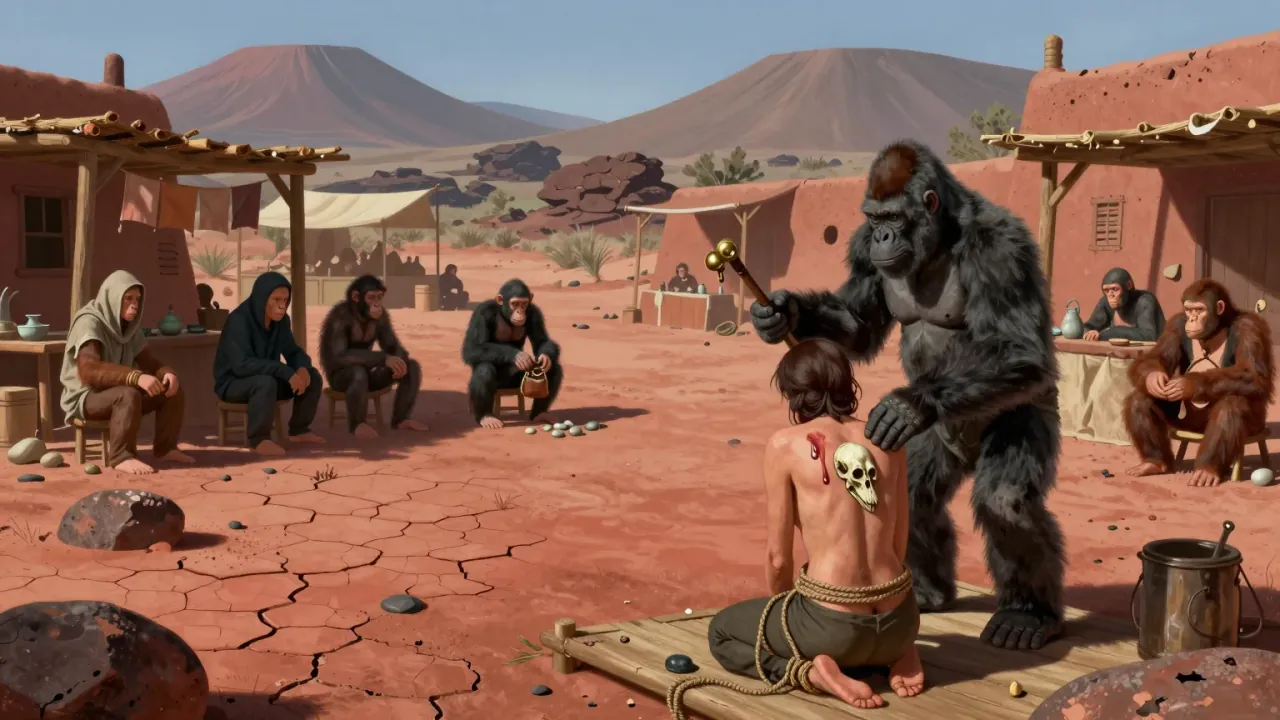
Planet of the Apes

Tim Burton · 2001

Tim Burton’s 2001 Planet of the Apes is a visually rich, commercially successful remake that prioritises creature design, production scale, and tonal consistency over narrative coherence or thematic depth. Starring Mark Wahlberg and Helena Bonham Carter, it recasts the ape-dominated world as a tactile, myth-saturated empire — impressive in execution, thin in conception. Critics noted its craft and score but faulted its script and ending. It earned $362 million worldwide but was not followed by a sequel.

13:00

Postcards from the Edge

Mike Nichols · 1990

Postcards from the Edge (1990), directed by Mike Nichols and adapted by Carrie Fisher from her semi-autobiographical novel, follows actress Suzanne Vale’s return to work after a drug overdose, contingent on living with her formidable mother Doris. Anchored by Meryl Streep and Shirley MacLaine, it uses Hollywood’s machinery — insurance riders, on-set critiques, studio politics — as the frame for a sharp, unsentimental study of intergenerational inheritance, performance as survival, and the quiet labour of staying sober without mythologising it.

13:00

Public Enemies

Michael Mann · 2009

Michael Mann’s 2009 biographical crime film adapts Bryan Burrough’s non-fiction account of John Dillinger’s final year and the FBI’s pursuit under Melvin Purvis. Shot digitally on location across Wisconsin and Illinois, it prioritises procedural detail, institutional logic, and tactile authenticity over psychological exposition or romantic myth. With Johnny Depp, Christian Bale, and Marion Cotillard, it charts the convergence of Depression-era desperation, federal ambition, and emerging surveillance infrastructure.

13:00

Raising Arizona

Joel Coen, Ethan Coen · 1987

A 1987 Coen brothers comedy starring Nicolas Cage and Holly Hunter as an ex-con and ex-cop who kidnap a baby to start a family. Shot in Arizona with Barry Sonnenfeld’s vivid cinematography and Carter Burwell’s folk-inflected score, it balances surreal farce with emotional sincerity. Though divisive on release, it has since become a cult classic praised for its originality, dialogue, and tonal audacity.

13:00

Rebecca

Alfred Hitchcock · 1940

Alfred Hitchcock’s 1940 adaptation of Daphne du Maurier’s novel is a black-and-white psychological thriller about a young woman who marries a widowed aristocrat and moves into his Cornwall estate, Manderley — a house saturated with the memory of his first wife, Rebecca, who died under ambiguous circumstances. Though unseen, Rebecca dominates every room, every conversation, every glance. The film’s power lies in its restraint: its suspense is atmospheric, its horror psychological, its resolution earned not by revelation but by erosion of illusion.

13:00

Red Cliff

John Woo · 2008

John Woo’s 2008–09 two-part epic Red Cliff adapts the Battle of Red Cliffs with deliberate historical latitude, prioritising psychological texture and tactical realism over strict fidelity. Shot across reservoirs and studios in China, it follows the fragile Sun–Liu alliance against Cao Cao’s imperial army, using wide compositions, restrained performances, and weather-driven strategy to ground myth in physical reality. The full 288-minute version demands—and rewards—attention to rhythm, gesture, and consequence.

13:00

Red Desert

Michelangelo Antonioni · 1964

Michelangelo Antonioni’s 1964 colour debut follows Giuliana, a woman adrift in the industrial landscape of post-war Ravenna. Shot by Carlo Di Palma and starring Monica Vitti, it renders her disorientation not through exposition but through manipulated hues, flattened perspectives and layered industrial sound. A Golden Lion winner, it resists diagnosis, preferring to make perception itself the subject.

13:00

Requiem for a Dream

Darren Aronofsky · 2000

Requiem for a Dream (2000), directed by Darren Aronofsky and adapted from Hubert Selby Jr.’s novel, traces four Brooklyn lives unravelling under addiction — to drugs, television, validation, and fantasy. Shot by Matthew Libatique and edited by Jay Rabinowitz with over 2,000 cuts, its visual and rhythmic intensity mirrors psychological disintegration. Ellen Burstyn, Jared Leto, Jennifer Connelly, and Marlon Wayans perform with physical and emotional extremity. Clint Mansell’s score reinforces the film’s oppressive momentum. Though lauded for its craft and emotional force, its schematic structure limits sociological depth. It remains a landmark of arthouse intensity — demanding, unrelenting, and formally singular.

13:00

Rocco and His Brothers

Luchino Visconti · 1960

Luchino Visconti’s 1960 epic follows the Parondi family—mother and four sons—as they migrate from rural Lucania to industrial Milan. Their attempts to adapt fracture along lines of class, labour, and desire: Simone turns to boxing and self-destruction, Rocco clings to quiet decency, Ciro embraces union politics, and Luca walks away. Shot by Giuseppe Rotunno in Milan’s housing projects and factories, scored by Nino Rota, and performed with restrained intensity by Alain Delon, Renato Salvatori and Annie Girardot, the film treats disintegration as process, not event.

13:00

Rope

Alfred Hitchcock · 1948

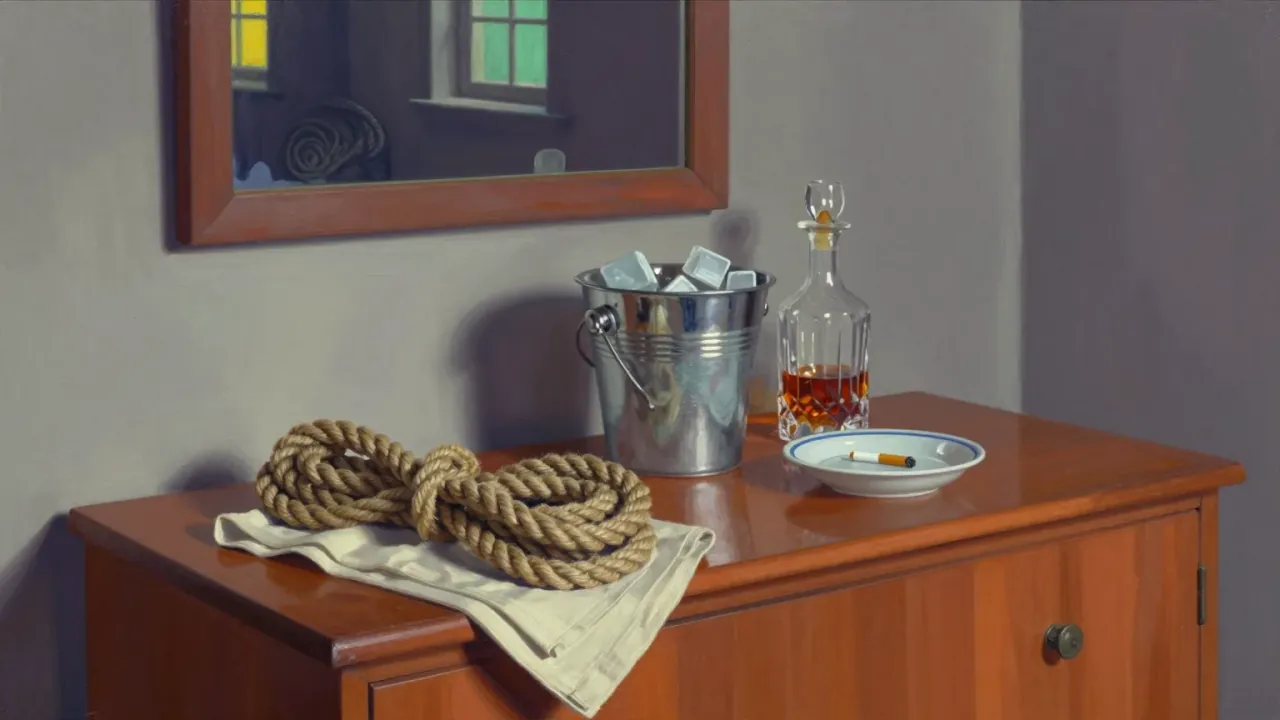
Alfred Hitchcock’s 1948 thriller Rope presents a murder and its aftermath in a single Manhattan apartment, shot to appear as four unbroken takes. Starring James Stewart, John Dall, and Farley Granger, it adapts Patrick Hamilton’s play about two men who kill to prove intellectual superiority — and then host a dinner party atop the corpse. Its formal rigour — movable sets, concealed cuts, shifting Technicolor light — makes it a landmark of studio-era experimentation, though its emotional reserve and constrained subtext remain divisive.

13:00

Ryan's Daughter

David Lean · 1970

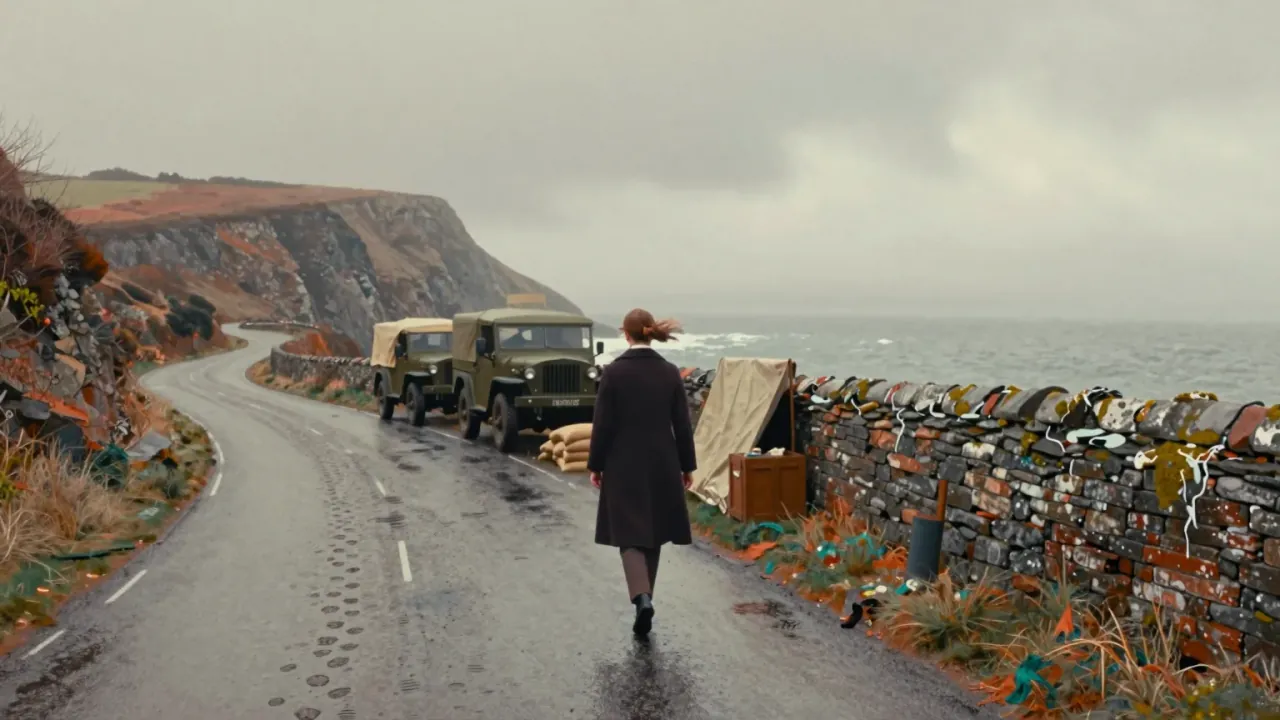
David Lean’s 1970 film transposes Madame Bovary to wartime Ireland, following Rosy Ryan’s affair with a British officer amid nationalist suspicion and coastal isolation. At 189 minutes, it leans into duration, weather, and visual texture over psychological exposition. Freddie Young’s cinematography and Maurice Jarre’s score anchor its scale, while Robert Mitchum and John Mills deliver its most grounded performances. Critically divisive on release, it remains a demanding, atmospheric study of visibility, consequence, and containment — best approached as a work of sustained mood, not narrative drive.

13:00

Sanjuro

Akira Kurosawa · 1962

Akira Kurosawa’s 1962 jidaigeki Sanjuro reunites Toshirō Mifune’s ronin in a tightly coiled feudal intrigue, where tactical wit outweighs swordplay and social comedy emerges from the chasm between idealism and perception. Less violent and more structurally austere than its predecessor Yojimbo, it traces a masterless samurai’s reluctant intervention among nine inept young retainers, culminating not in triumph but in a disillusioned walk away. Shot by Takao Saitō, edited by Kurosawa, and scored by Masaru Sato, it is a film of precision, restraint, and dry, cumulative irony.