filmbriefs
Newest

All briefs

2035 briefs · 26452 min · 1537–1632 on page 17 of 22
13:00

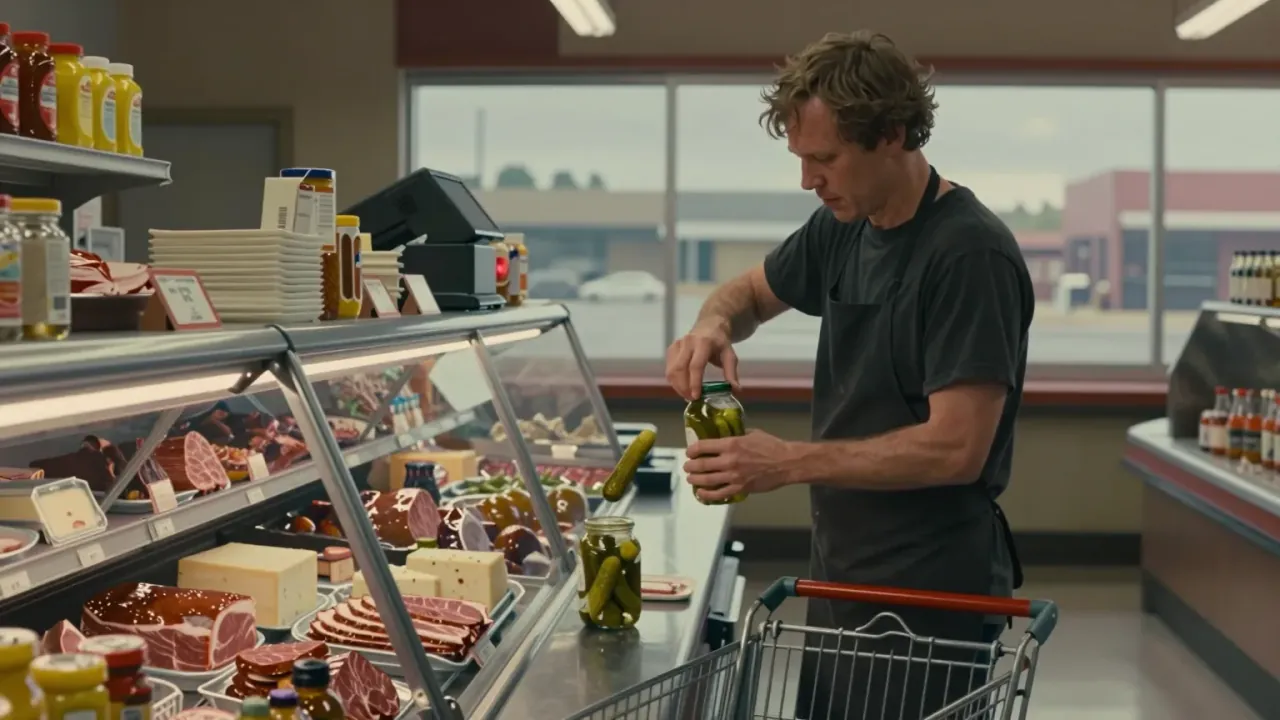
The Wrestler

Darren Aronofsky · 2008

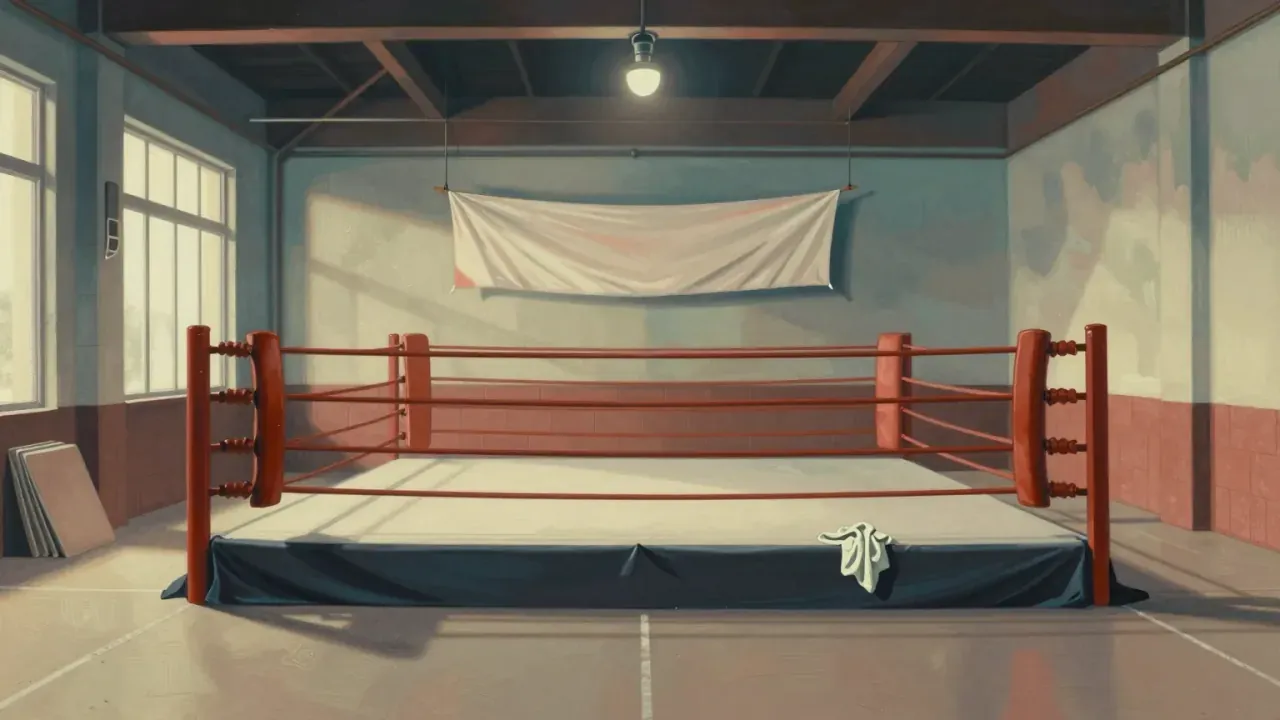
Darren Aronofsky’s 2008 drama follows Randy 'The Ram' Robinson, an ageing professional wrestler clinging to identity through performance as his body fails and his relationships fray. Shot on 16mm by Maryse Alberti and scored by Clint Mansell, it stars Mickey Rourke in a physically exacting performance that revitalised his career. The film won the Golden Lion at Venice and received critical acclaim for its restraint, realism, and unsentimental treatment of ageing, labour, and obsolescence.
13:00

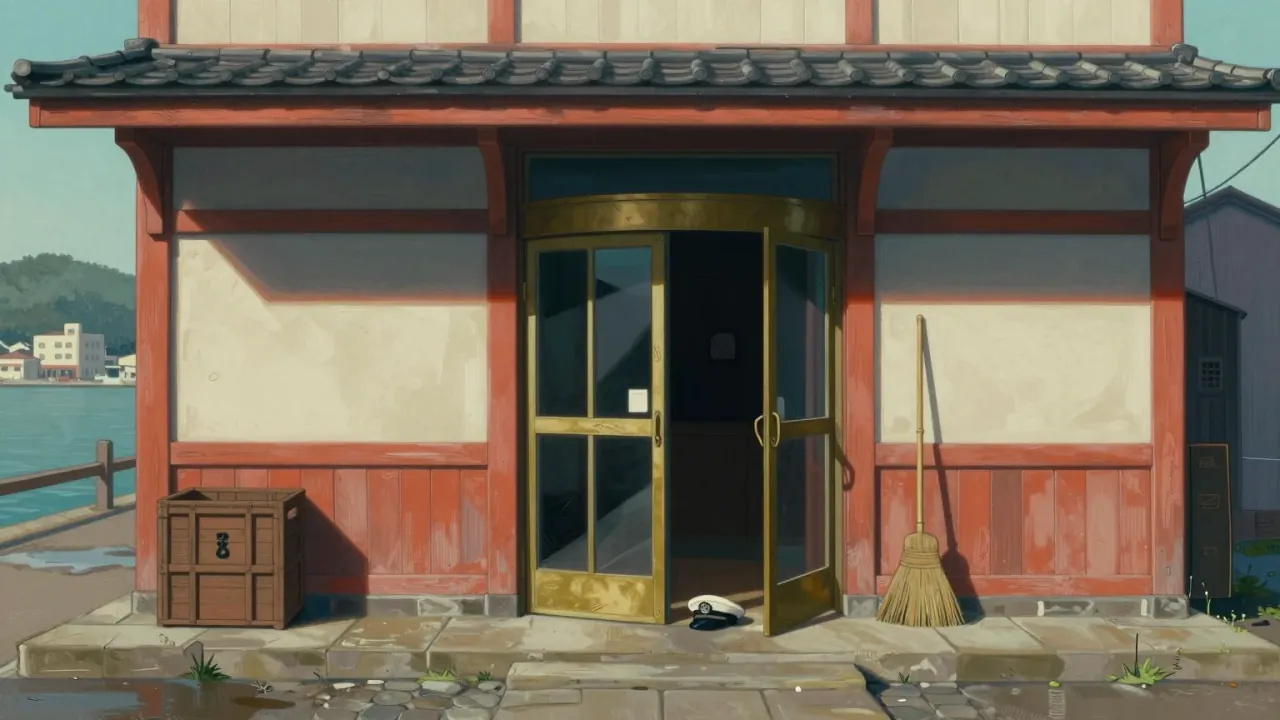
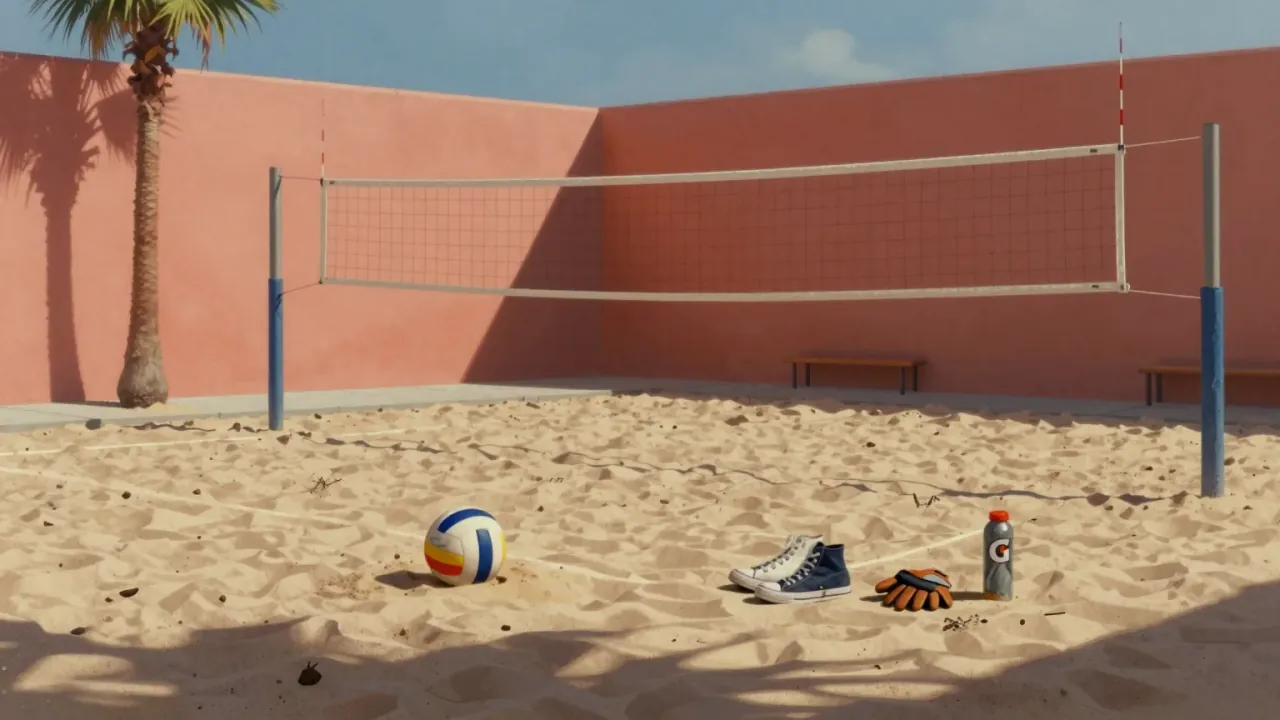
Tokyo Drifter

Seijun Suzuki · 1966

Tokyo Drifter (1966) is Seijun Suzuki’s formally audacious crime film for Nikkatsu, starring Tetsuya Watari as a drifting hitman navigating shifting loyalties and surreal cityscapes. Made under tight budget constraints, it responds with heightened artifice: pop-art colour, abrupt editing, musical interludes, and stylised violence. Rather than a conventional underworld drama, it functions as a parody and deconstruction of the ninkyo eiga tradition — using genre tropes as raw material for visual and rhythmic experimentation. Its themes centre on performative identity, the fragility of allegiance, and the constructed nature of place. Though narratively elliptical, its consistency of tone and design makes it a landmark of Japanese arthouse cinema.
13:00

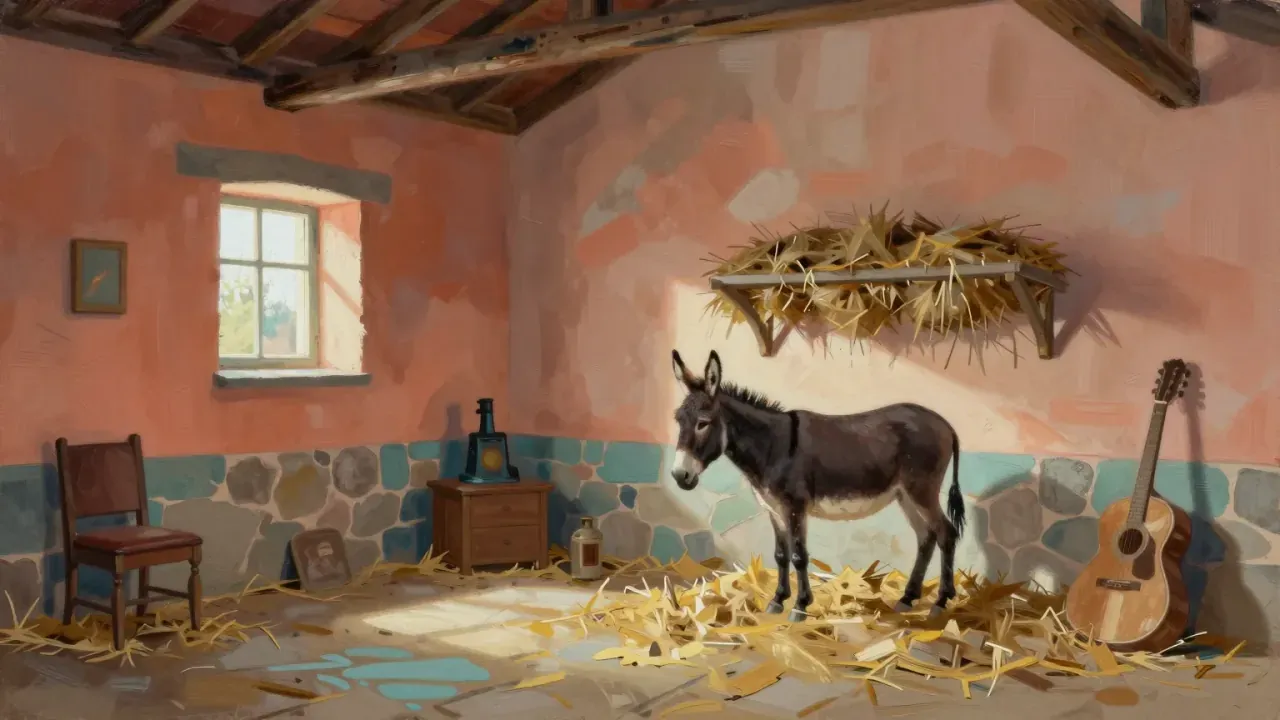
Top Gun

Tony Scott · 1986

A 1986 Paramount action film directed by Tony Scott, Top Gun follows naval aviator Pete ‘Maverick’ Mitchell through the Navy’s elite fighter weapons school. Built around real F-14 flight footage and a synth-heavy score, it prioritises kinetic clarity and visual rhythm over psychological depth or political nuance. Though critically mixed on release, its formal coherence and cultural resonance have secured its status as a defining artefact of 1980s studio filmmaking.
13:00

Touch of Evil

Orson Welles · 1958

Orson Welles’s 1958 *Touch of Evil*, shot by Russell Metty and scored by Henry Mancini, follows Mexican narcotics officer Miguel Vargas as he investigates a cross-border bombing amid institutional obstruction and moral decay. Though compromised by studio edits, its formal rigour, layered performances, and unsentimental treatment of power make it a cornerstone of American crime cinema.

13:00

True Romance

Tony Scott · 1993

Tony Scott’s 1993 True Romance, written by Quentin Tarantino, follows newlyweds Clarence and Alabama as they flee Detroit with stolen cocaine, pursued by the Mafia and compromised by police informants. Anchored by Christian Slater and Patricia Arquette’s intimate, physically committed performances, the film balances stylised violence, pop-cultural wit, and genuine romantic urgency. Jeffrey L. Kimball’s saturated cinematography and Hans Zimmer’s looping Orff-based score reinforce its fable-like intensity. Though structurally uneven — strongest in its Detroit origins, thinner in its LA climax — it sustains tone and emotional logic across 120 minutes. A cult favourite, it rewards viewers attuned to its specific blend of pulp sincerity and visual bravado.

13:00

Two or Three Things I Know About Her

Jean-Luc Godard · 1967

Jean-Luc Godard’s 1967 essay-film follows a Parisian housewife who prostitutes herself by day, using her routine as a lens to examine consumerism, advertising, the Vietnam War, and the banlieue as ideological infrastructure. Built from fragmented scenes, whispered narration, and deliberate interruptions, it rejects narrative for inquiry — asking not what happens next, but how meaning is produced, circulated, and dissolved in modern life.

13:00

Viridiana

Luis Buñuel · 1961

Luis Buñuel’s 1961 Palme d’Or winner adapts Pérez Galdós into a stark Mexican drama about a novice nun whose vow of poverty unravels when she tries to run an almshouse for beggars. Shot in flat, frontal compositions by José Fernández Aguayo and edited with deliberate stillness by Pedro del Rey, it uses silence, repetition, and ritual mimicry to expose the fragility of moral systems. The film’s power lies in its refusal to explain, judge, or resolve — making it essential arthouse viewing, though demanding for those who seek narrative clarity or psychological warmth.

13:00

West Side Story

Robert Wise, Jerome Robbins · 1961

West Side Story (1961) adapts the Broadway musical into a formally rigorous film where dance, editing and colour articulate racial tension and adolescent love in 1950s New York. Directed by Robert Wise and Jerome Robbins, it stars Natalie Wood and Richard Beymer, with music by Leonard Bernstein and choreography rooted in Robbins’s stage vision. Though its dramatic interludes lack the same force as its musical sequences, its sustained formal intelligence — in cinematography, editing and staging — secures its place as a benchmark for the genre.

13:00

Wings of Desire

Wim Wenders · 1987

Wings of Desire (1987) is a West German–French arthouse fantasy set in Cold War Berlin, following an angel who abandons immortality to experience human sensation. Shot in black-and-white for the angels’ perspective and colour for human life, it uses poetic narration, restrained performances, and location-based realism to explore silence, memory, and embodiment. Directed by Wim Wenders with cinematography by Henri Alekan and music by Jürgen Knieper, it won European Film Awards and critical acclaim, though its deliberate pace and abstract structure divide viewers.

13:00

Working Girl

Mike Nichols · 1988

Working Girl (1988), directed by Mike Nichols, follows Tess McGill, a Staten Island secretary with a night-school business degree, as she navigates corporate Manhattan. After being fired from one brokerage, she lands a job with Katharine Parker at Petty Marsh — only to discover her boss intends to steal her idea for a radio-network acquisition. When Katharine breaks her leg, Tess steps in, borrows her wardrobe, and executes the deal herself. Melanie Griffith, Harrison Ford, and Sigourney Weaver anchor a tightly written, visually controlled film that treats ambition as procedural, not mythical — and success as earned, narrow, and reversible.

13:00

2046

Wong Kar-wai · 2004

Wong Kar-wai’s 2004 romantic drama follows writer Chow Mo-wan as he drifts through 1960s Hong Kong, entangled with several women while haunted by an unconsummated past. Structured non-chronologically and interwoven with sci-fi fragments, it uses repetition, texture and sound to explore memory, longing and emotional stasis — not as narrative problems to solve, but as perceptual conditions to inhabit.

13:00

3 Idiots

Rajkumar Hirani · 2009

3 Idiots (2009) is a 164-minute Hindi-language comedy-drama directed by Rajkumar Hirani and produced by Vidhu Vinod Chopra. Starring Aamir Khan, R. Madhavan and Sharman Joshi as engineering students navigating pressure, friendship and self-definition, it uses parallel timelines to contrast institutional conformity with individual integrity. Adapted loosely from Chetan Bhagat’s Five Point Someone, it balances satire with sentiment, favouring emotional clarity over formal experiment. It won the Filmfare Award for Best Film and became a landmark commercial and cultural success across Asia.

13:00

A Bittersweet Life

Kim Ji-woon · 2005

Kim Ji-woon’s 2005 neo-noir follows Sun-woo, a high-ranking enforcer whose life unravels after he spares his boss’s mistress — not out of compassion, but from a failure of nerve. Shot with controlled austerity by Kim Ji-yong and scored with sparse, metallic textures by Dalpalan, the film charts Sun-woo’s descent not into chaos but into increasing clarity: that his obedience has hollowed him out, and his revenge is merely the final act of a man who has nothing left to lose. Lee Byung-hun anchors it with a performance built on restraint, not revelation.

13:00

A Brighter Summer Day

Edward Yang · 1991

Edward Yang’s 1991 epic follows a Taipei teenager’s slow drift into violence against the backdrop of 1950s–60s Taiwan: a society shaped by the 1949 Nationalist retreat, political suspicion, and the hollow echo of American pop culture. At 237 minutes, it unfolds with patient, unsentimental precision — observing family life, school routines, gang rituals and state surveillance not as separate domains but as layers of the same suffocating reality. Chang Chen stars in his debut as Si’r, a boy whose fatal act feels less like choice than conclusion.

13:00

A City of Sadness

Hou Hsiao-Hsien · 1989

Hou Hsiao-hsien’s 1989 Golden Lion winner follows a Taiwanese family in Jiufen during the turbulent years after Japan’s surrender, the February 28 Incident, and the onset of the White Terror. Using long takes, multilingual dialogue, and a muted, observational style, it renders political trauma through domestic detail — photographs, trains, staircases, silences — rather than exposition or polemic. Starring Tony Leung, Li Tian-lu, and Jack Kao, it is the first Taiwanese film to confront state violence openly, and remains a landmark of the New Taiwanese Cinema movement.

13:00

A Ghost Story

David Lowery · 2017

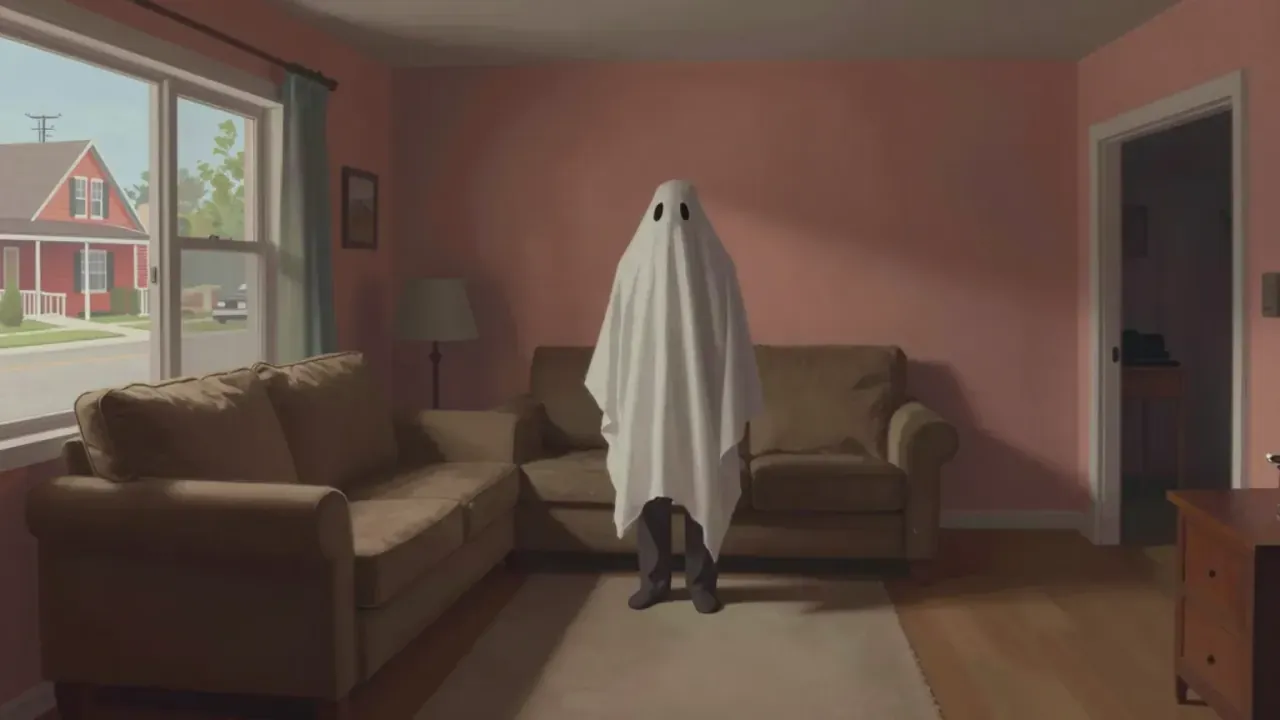
David Lowery’s A Ghost Story (2017) follows a sheet-draped ghost — played by Casey Affleck — who remains in the house he shared with his wife (Rooney Mara) after his death. Shot in 1.33:1, with minimal dialogue and long, static takes, the film observes decades of human life, loss and renewal within a single domestic space. It is a formally precise, emotionally resonant meditation on memory, materiality and deep time — not a supernatural story, but a structural poem about what endures when people do not.
13:00

A Man Escaped

Robert Bresson · 1956

Robert Bresson’s 1956 docudrama follows a French Resistance fighter’s meticulous, solitary planning of an escape from Montluc prison in Lyon. Using non-professional actors, austere framing, and a rigorously controlled soundscape, it renders willpower as physical labour and time as accumulated effort — not as drama, but as form.

13:00

A Married Woman

Jean-Luc Godard · 1964

Jean-Luc Godard’s 1964 film follows Charlotte, a married woman navigating infidelity, pregnancy, and consumer culture in early-1960s Paris. Shot by Raoul Coutard in stark black-and-white, it uses fragmentation, repetition, and deliberate juxtaposition — of Holocaust testimony and fashion ads, Beethoven and pop songs — to examine how identity is shaped by advertising, memory, and political history. Censored on release for its title and sexual content, it remains a rigorous, unsentimental inquiry into the infrastructure of everyday life.
13:00

A Matter of Life and Death

Michael Powell, Emeric Pressburger · 1946

A Matter of Life and Death (1946) is a British fantasy romance in which an RAF pilot, saved from certain death by a bureaucratic error in the afterlife, must argue for his right to remain on Earth — not on technicality, but on the strength of his love for a woman he met moments after surviving. Directed by Michael Powell and Emeric Pressburger, it uses Technicolor for Earth and a custom 'Dye-Monochrome' process for the celestial realm, staging its metaphysical trial with procedural rigour and emotional precision.
13:00

A Prophet

Jacques Audiard · 2009

Jacques Audiard’s 2009 French prison drama follows Malik El Djebena, a young Maghrebi man who rises from illiterate inmate to de facto leader of the prison’s Maghrebi faction. Shot by Stéphane Fontaine and edited by Juliette Welfling, the film charts Malik’s calculated ascent through fluency, observation, and strategic violence — not redemption or revelation. Tahar Rahim’s restrained performance anchors a world defined by procedural realism, not symbolism.

13:00

A Raisin in the Sun

Daniel Petrie · 1961

Daniel Petrie’s 1961 film adapts Lorraine Hansberry’s landmark play about the Younger family’s struggle to claim dignity, space, and self-determination in 1950s Chicago. Anchored by Sidney Poitier and Claudia McNeil, it unfolds almost entirely within their cramped apartment, using dialogue, gesture, and quiet moral reckoning to explore race, class, generational conflict, and the meaning of home. Its power lies in specificity, restraint, and unwavering attention to how systemic forces shape daily life.

13:00

A Room with a View

James Ivory · 1986

James Ivory’s 1986 adaptation of E. M. Forster’s novel follows Lucy Honeychurch’s awakening to desire and selfhood amid the rigid codes of Edwardian England and Italy. Starring Helena Bonham Carter and Julian Sands, it is a restrained, visually precise romance that trusts subtlety over exposition and behaviour over backstory.

13:00

A Tale of Two Sisters

Kim Ji-woon · 2003

A teenage girl returns home from a mental institution to her father’s secluded country house, where her younger sister and new stepmother await. As tensions mount and strange events unfold, the line between haunting and hallucination blurs — until the film reveals that the horror resides not in the house, but in the mind’s desperate, self-preserving fictions.

13:00

A Touch of Zen

King Hu · 1971

King Hu’s 1971 wuxia epic, adapted from Pu Songling’s 'Xia Nü', uses Ming-dynasty politics, Chan Buddhist philosophy, and classical Chinese aesthetics to reimagine action cinema as meditative discipline. Shot over three years in Taiwan, its fragmented editing, operatic sound design, and painterly compositions construct a world where scholarship and swordplay, silence and percussion, ghost stories and state terror coexist as interdependent forces. Though structurally demanding and thematically dense, its formal rigour and ethical precision make it a landmark of arthouse fantasy.

13:00

A Very Long Engagement

Jean-Pierre Jeunet · 2004

Jean-Pierre Jeunet’s 2004 film follows Mathilde, a young Breton woman who refuses to accept her fiancé’s death in the First World War. Using letters, archives, and dogged interviews, she reconstructs the fate of five soldiers condemned to no man’s land. Shot by Bruno Delbonnel and scored by Angelo Badalamenti, it balances tactile realism with poetic restraint, anchoring its wartime narrative in the quiet persistence of civilian life in 1920s France.

13:00

After Yang

Kogonada · 2021

A quietly devastating science fiction drama in which a family attempts to repair their malfunctioning android son, uncovering layers of memory, loss, and care. Set in a calm, unspecified future, it avoids genre spectacle in favour of domestic intimacy, using restraint as both aesthetic and ethical principle.

13:00

Ain't Them Bodies Saints

David Lowery · 2013

David Lowery’s 2013 drama follows a convict’s slow return to the woman and child he left behind, using restrained performances, atmospheric cinematography by Bradford Young, and a hushed score by Daniel Hart to evoke longing as a physical condition. Set against a mythic Texas landscape, it trades genre mechanics for emotional resonance, prioritising mood over momentum and silence over exposition.

13:00

Ali

Michael Mann · 2001

Michael Mann’s Ali traces ten years in Muhammad Ali’s life, from his 1964 title win over Sonny Liston to the 1974 Rumble in the Jungle. Will Smith performs Ali as physical and vocal presence rather than psychological portrait; Emmanuel Lubezki’s cinematography and Pieter Bourke and Lisa Gerrard’s score reinforce texture over exposition. The film prioritises endurance, visibility, and voice over narrative clarity or emotional exposition — landing hardest in its sensory fidelity, faltering where it attempts thematic breadth or relational depth.

13:00

Amarcord

Federico Fellini · 1973

Federico Fellini’s 1973 Amarcord is a semi-autobiographical art film set in a fictionalised 1930s Rimini, structured as a year-long seasonal cycle through the life of a coastal village under Fascism. Starring Bruno Zanin and featuring a large ensemble of professional and non-professional actors, it uses exaggerated, theatrical imagery and episodic storytelling to evoke memory as associative, contradictory, and deeply sensual. Giuseppe Rotunno’s cinematography, Nino Rota’s score, and Ruggero Mastroianni’s editing cohere around a central irony: that collective remembrance often obscures moral accountability. Winner of the 1975 Academy Award for Best International Feature Film, it remains a defining work of Italian arthouse cinema.

13:00

Andrei Rublev

Andrei Tarkovsky · 1966

Andrei Rublev (1966) is a Soviet arthouse film directed by Andrei Tarkovsky, loosely based on the life of a 15th-century Russian icon painter. Shot in black and white by Vadim Yusov, with a sparse score by Vyacheslav Ovchinnikov, it unfolds across seven episodic chapters set against the chaos of medieval Rus’. Anatoly Solonitsyn plays Rublev as a man whose vocation is tested by violence, doubt, and self-imposed silence. The film culminates in a colour epilogue showing Rublev’s surviving icons — most notably The Trinity — affirming art’s endurance beyond its maker. Censored on release, it is now regarded as a landmark of cinematic philosophy.
13:00

Anomalisa

Charlie Kaufman, Duke Johnson · 2015

A middle-aged man perceives everyone as identical—same face, same voice—except one woman he meets in a Cincinnati hotel. Adapted from Charlie Kaufman’s 2005 audio play, this stop-motion feature renders alienation as tactile, acoustic and temporal experience, using painstaking puppetry and vocal repetition to explore perception, loneliness and the fragile mechanics of connection.

13:00

Aparajito

Satyajit Ray · 1956

Satyajit Ray’s 1956 Bengali drama Aparajito, the second film of The Apu Trilogy, follows Apu from childhood to young adulthood across Varanasi, rural Bengal, and Kolkata. It charts his intellectual ascent alongside his emotional withdrawal from his mother Sarbajaya, culminating in her death and his muted, complex response. Shot by Subrata Mitra with diffused lighting and scored by Ravi Shankar, the film relies on stillness, silence, and precise gesture rather than exposition or climax. Though less immediately accessible than its predecessor Pather Panchali, it deepens the trilogy’s inquiry into time, memory, and filial love—winning the Golden Lion at Venice and cementing Ray’s international reputation.

13:00

Arsenal

Oleksandr Dovzhenko · 1929

Oleksandr Dovzhenko’s 1929 silent film Arsenal reimagines the 1918 Kiev Arsenal Uprising as a mythic struggle, using expressionist imagery, non-linear editing, and stark physical performance. Shot by Danylo Demutskyi and edited by Dovzhenko himself, it privileges gesture over exposition and symbol over summary. Though demanding and historically dense, it remains a landmark of Ukrainian avant-garde cinema — less a history lesson than a visceral, rhythmic invocation of collective will.

13:00

Ashes of Time

Wong Kar-wai · 1994

Wong Kar-wai’s 1994 Ashes of Time reimagines Jin Yong’s wuxia universe as a landscape of regret and deferred feeling. Starring Leslie Cheung as the brooding Ouyang Feng, it follows fragmented encounters across a bleached desert, where martial skill matters less than the weight of unspoken words. Shot by Christopher Doyle and Kwan Pun Leung in muted, atmospheric tones, and scored with sparse, resonant instrumentation, the film privileges mood over momentum. Though its elliptical structure divides opinion, its central performances and visual discipline make it a defining arthouse wuxia — less about heroes and villains, more about the quiet violence of remembering.

13:00

At Land

Maya Deren · 1944

Maya Deren’s 1944 silent short At Land is a fifteen-minute experimental film in which Deren, playing a solitary woman, traverses a series of uncanny locations — beach, dining room, forest, covered interior — encountering doubles and shifting figures. Shot on Long Island, it uses precise editing, physical performance and repetition to explore identity not as essence but as embodied action. There is no dialogue, no score, no exposition — only movement, recurrence and resistance.

13:00

Au Hasard Balthazar

Robert Bresson · 1966

Robert Bresson’s 1966 film follows Balthazar, a donkey, through successive owners in rural France. Told with austere precision, it uses non-professional actors, restrained cinematography by Ghislain Cloquet, and near-silent observation to trace endurance, indifference, and quiet violation. Marie, played by Anne Wiazemsky, ages alongside Balthazar, her decline mirroring his — though neither is granted interiority. The film’s power lies in accumulation, not exposition; its final image — Balthazar dying among sheep — lands not as tragedy but as quiet, inevitable fact.

13:00

Babette's Feast

Gabriel Axel · 1987

Gabriel Axel’s 1987 Danish drama adapts Isak Dinesen’s story of Babette, a Parisian refugee who spends fourteen years as a silent housekeeper to two pious sisters in rural Jutland, then spends her lottery winnings on a lavish French feast for their austere congregation. With minimal dialogue, restrained performances and unadorned cinematography, it traces how abundance, offered without condition, reshapes decades of self-denial — not through conversion, but through quiet, collective recognition.

13:00

Bande à part

Jean-Luc Godard · 1964

Jean-Luc Godard’s 1964 Bande à part follows three young people who plan a robbery but spend more time dancing in cafés and racing through the Louvre. Adapted from Dolores Hitchens’s novel, it foregrounds gesture over plot, mood over motive, and physical presence over psychological depth. Raoul Coutard’s cinematography and Michel Legrand’s score reinforce its light-footed melancholy. Though often called Godard’s most accessible film, its pleasures are formal and fleeting — a dance, a pause, a run — rather than dramatic or conclusive.

13:00

Barry Lyndon

Stanley Kubrick · 1975

Stanley Kubrick’s 1975 adaptation of Thackeray’s novel follows an Irish opportunist’s calculated ascent and collapse in 18th-century Europe. Shot in candlelight, built around painterly compositions and governed by an impassive narrator, it treats social hierarchy as an inescapable physical law — not a theme to explore, but a structure to inhabit.

13:00

Batman Returns

Tim Burton · 1992

Tim Burton’s 1992 sequel discards superhero convention to explore abandonment and performance through Gotham’s grotesque, snowbound winter. With Michael Keaton, Danny DeVito, and Michelle Pfeiffer delivering career-defining turns, it leans on Stefan Czapsky’s shadow-heavy cinematography, Bo Welch’s layered production design, and Danny Elfman’s jagged score to sustain a tone both festive and funereal. Structurally loose but thematically tight, it remains a landmark of auteur-driven genre filmmaking.

13:00

Battleship Potemkin

Sergei Eisenstein · 1925

Battleship Potemkin (1925) is Sergei Eisenstein’s landmark Soviet silent film dramatising the 1905 mutiny aboard the battleship Potemkin. Made as political art rather than historical record, it uses radical montage—especially in the iconic Odessa Steps sequence—to generate collective emotion and ideological conviction. Shot by Eduard Tisse and Vladimir Uralsky, edited by Eisenstein and Grigori Aleksandrov, it relies on non-professional actors, symbolic types, and rhythmic editing over psychology or narrative. Though its revolutionary certainty feels schematic today, its formal mastery remains potent and instructive.

13:00

Bed and Sofa

Abram Room · 1927

A 1927 Soviet silent film set in cramped Moscow housing during the NEP, Bed and Sofa follows three people — two men and a woman — sharing one room, one bed, and one sofa. Directed by Abram Room with script by Viktor Shklovsky, it observes, without comment, how scarcity, gendered labour, and unspoken desire reshape intimacy. Its realism is architectural, psychological, and unsentimental.

13:00

Beetlejuice

Tim Burton · 1988

Beetlejuice (1988) is Tim Burton’s gothic comedy horror about a recently deceased couple who hire a chaotic bio-exorcist to scare away their home’s new occupants. With Michael Keaton, Alec Baldwin, Geena Davis, and Winona Ryder, it builds its world from deliberate artifice — stop-motion, saturated colour, Elfman’s calypso-infused score — and treats the afterlife as a malfunctioning bureaucracy. Its strength lies in tonal consistency and visual wit, not psychological realism or causal clarity.

13:00

Belle de Jour

Luis Buñuel · 1967

Luis Buñuel’s 1967 film follows Séverine Serizy, a Parisian housewife who spends weekday afternoons working as a high-class prostitute. Catherine Deneuve’s performance anchors a film defined by restraint: Sacha Vierny’s cool cinematography, Michel Magne’s sparse score, and a script that refuses psychological exposition. It treats fantasy not as illusion but as a parallel system of order — one that structures time, desire, and selfhood. The ending is deliberately ambiguous, looping back into uncertainty rather than resolution.

13:00

Bianca

Nanni Moretti · 1984

Nanni Moretti’s 1984 comedy Bianca follows Michele Apicella, a Rome-based maths teacher whose obsessive need for rationality collapses as neighbours die, relationships falter, and a new lover enters his life. Shot with clinical precision by Luciano Tovoli and scored with restrained repetition by Franco Piersanti, the film treats emotional breakdown as a slow arithmetic error — accumulating, irreversible, and quietly devastating.

13:00

Big Fish

Tim Burton · 2003

Tim Burton’s 2003 fantasy drama Big Fish adapts Daniel Wallace’s novel into a tripartite portrait of a father’s tall tales and his son’s reluctant reckoning with them. Shot in Alabama with Philippe Rousselot’s sun-bleached cinematography and scored by Danny Elfman, it balances Southern Gothic texture with mythic whimsy. Though its tonal shifts and narrative looseness divided critics, its central theme — that stories are how we hold people close after they’re gone — remains its quiet, steady pulse.

13:00

Black Narcissus

Emeric Pressburger, Michael Powell · 1947

Black Narcissus (1947) is a British psychological drama directed by Michael Powell and Emeric Pressburger, adapted from Rumer Godden’s novel. Set in a remote Himalayan palace converted from a harem, it follows a group of Anglican nuns whose mission unravels under isolation, climate and unspoken desire. Shot almost entirely at Pinewood Studios using matte paintings and expressive Technicolor, it prioritises mood and interiority over realism or cultural specificity. Jack Cardiff’s cinematography won an Academy Award, as did Alfred Junge’s production design. The film remains a landmark of studio craft — formally rigorous, emotionally precise, ethically circumscribed.

13:00

Black Orpheus

Marcel Camus · 1959

Black Orpheus (1959) transplants the Orpheus and Eurydice myth to Rio de Janeiro’s Carnaval, filmed on location in Morro da Babilônia with non-professional actors. Directed by Marcel Camus and scored by Luiz Bonfá and Antônio Carlos Jobim, it won the Palme d’Or and the Academy Award for Best International Feature Film. Though celebrated for its visual and musical vitality, it has been criticised—especially in Brazil—for reducing Afro-Brazilian life to aestheticised spectacle, sidelining social reality for mythic form.

13:00

Blood Simple

Joel Coen, Ethan Coen · 1984

Blood Simple is the Coen brothers’ 1984 crime debut: a Texas bartender and his boss’s wife conspire, then unravel, under the scrutiny of a corrupt private detective. Shot in Austin on a $1.5 million budget, it uses precise cinematography, sparse music, and rigorous editing to trace how small mistakes compound into irreversible consequences. It won Sundance’s Grand Jury Prize and remains a landmark of neo-noir austerity.

13:00

Bombay

Mani Ratnam · 1995

Mani Ratnam’s 1995 Tamil drama Bombay follows a Hindu journalist and a Muslim schoolteacher who marry, raise twin sons, and build a life in Bombay — until the 1992–93 communal riots tear their world apart. Shot by Rajiv Menon and scored by A. R. Rahman, it anchors large-scale tragedy in small, tactile details: shared meals, childhood routines, the weight of names. Though criticised for narrative simplifications and political abstraction, its enduring power lies in its unwavering focus on love as labour, harmony as habit, and survival as quiet persistence.

13:00

Boy

Taika Waititi · 2010

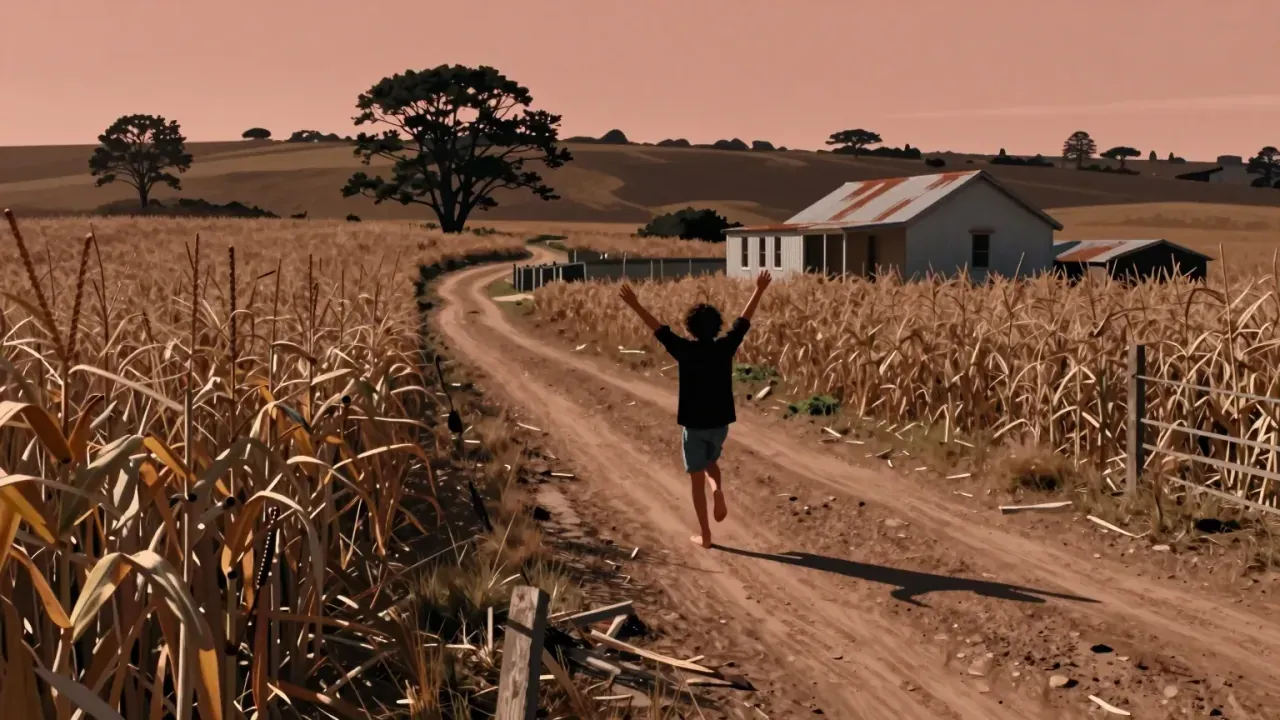
Set in rural New Zealand in 1984, Boy follows eleven-year-old Alamein — known as Boy — as he navigates childhood with imagination as his primary tool. When his absent father Alamein returns, Boy’s carefully constructed myths about him begin to fray. Taika Waititi’s film balances gentle comedy and quiet pathos, anchored by James Rolleston’s understated performance and Adam Clark’s sun-bleached cinematography. It is a story about inheritance, storytelling as survival, and the slow, unceremonious work of growing up without models.

13:00

Branded to Kill

Seijun Suzuki · 1967

Seijun Suzuki’s 1967 Nikkatsu production is a formally audacious, narratively defiant yakuza film starring Joe Shishido as Goro Hanada, a contract killer whose professional collapse triggers a descent into absurdity. Written collectively as Hachiro Guru and shot in 25 days, it replaces genre conventions with visual non-sequiturs, tonal whiplash and structural sabotage — rice-sniffing fetishes, butterfly interruptions and projected film loops all serve its core project: to make coherence feel like the illusion.

13:00

Bride of Frankenstein

James Whale · 1935

James Whale’s 1935 Bride of Frankenstein refines the gothic horror of its predecessor into something stranger and more enduring: a stylised, ironic, deeply humane meditation on autonomy and complicity. With Boris Karloff, Elsa Lanchester and Ernest Thesiger at their most expressive, and John J. Mescall’s chiaroscuro cinematography and Franz Waxman’s unresolved score lending it formal rigour, the film sustains a unique tonal balance — part fable, part farce, part tragedy. Its reputation as a masterpiece rests not on scares, but on its precision, its patience and its refusal to resolve what it sets in motion.

13:00

Bright Star

Jane Campion · 2009

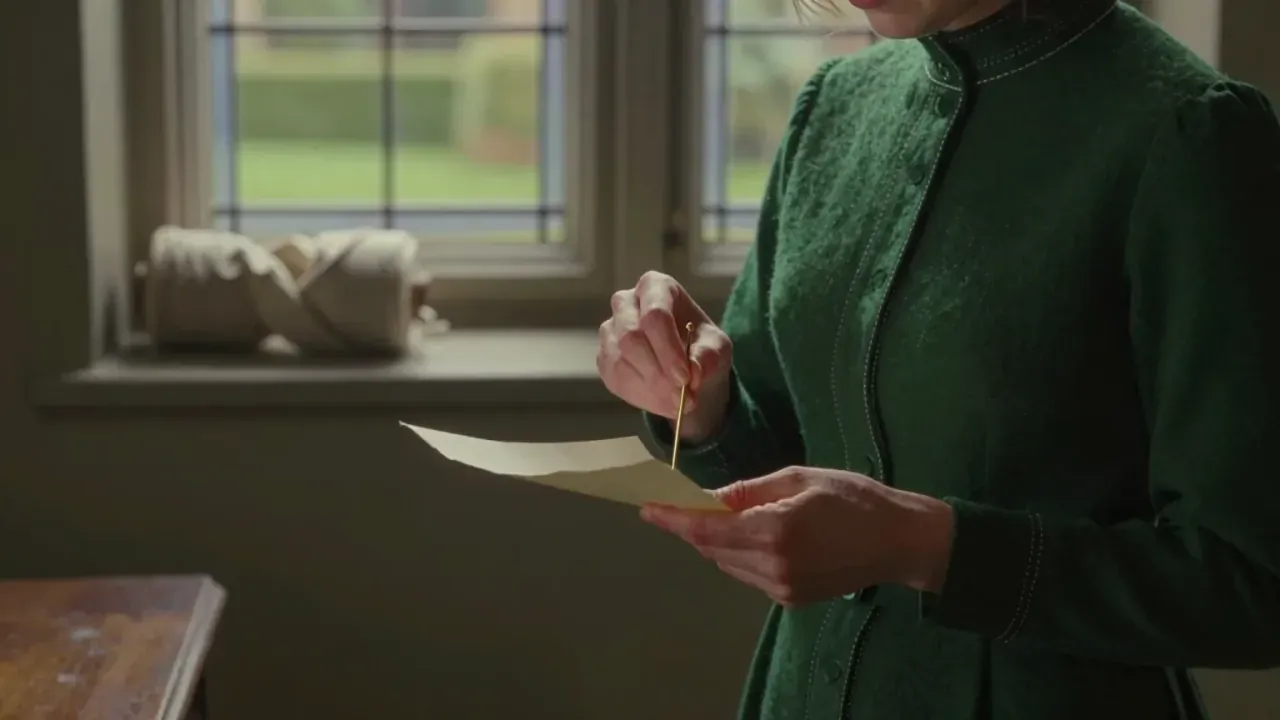
Jane Campion’s Bright Star follows the final years of John Keats and his relationship with Fanny Brawne, drawing directly from his letters and poems. Set in Hampstead and Italy between 1818 and 1821, it renders their love with quiet precision — in shared walks, handwritten notes, stitched garments and unspoken grief. Ben Whishaw and Abbie Cornish anchor a restrained, visually tactile film shaped by Greig Fraser’s naturalistic cinematography and Janet Patterson’s lived-in production and costume design. It is less a biographical survey than an intimate study of endurance within limitation: of health, income, time and language itself.

13:00

Brokeback Mountain

Ang Lee · 2005

Ang Lee’s 2005 film adapts Annie Proulx’s short story into a restrained, deeply felt portrait of two cowboys whose secret relationship spans twenty years. Heath Ledger and Jake Gyllenhaal anchor a film that finds emotional power in what is unsaid, unseen, and unkept — using landscape, gesture, and silence to convey longing, repression, and endurance. Shot in Alberta and scored by Gustavo Santaolalla, it avoids sentimentality while sustaining profound melancholy.

13:00

Café Lumière

Hou Hsiao-Hsien · 2004

Café Lumière is Hou Hsiao-Hsien’s 2004 Japanese-language drama, commissioned by Shochiku as an Ozu homage. Shot in Tokyo with an all-Japanese cast, it follows Yoko Inoue’s quiet research into composer Jiang Wen-Ye. Mark Lee Ping Bin’s cinematography and Yōsui Inoue’s score support a film built on long takes, architectural framing, and ambient observation — not plot, but presence. It values duration, texture, and understatement over exposition or emotional climax.

13:00

Carnal Knowledge

Mike Nichols · 1971

Mike Nichols’ 1971 Carnal Knowledge follows two men across twenty-five years as their relationships with women deteriorate not through crisis but through repetition, habit, and emotional default. Adapted from Jules Feiffer’s play, it uses flat lighting, restrained performances, and unadorned editing to chart how language, routine and performance replace intimacy. Starring Jack Nicholson, Art Garfunkel, Ann-Margret and Candice Bergen, it remains a cold, structurally rigorous study of masculinity and desire — admired for its honesty, challenged for its austerity.

13:00

Caro diario

Nanni Moretti · 1993

Caro diario (1993) is Nanni Moretti’s semi-autobiographical essay film in three chapters: riding a Vespa through Rome, seeking quiet on the Aeolian Islands, and navigating misdiagnosis and treatment for Hodgkin’s lymphoma. Shot with quiet precision by Giuseppe Lanci and edited by Mirco Garrone, it uses personal experience to examine failures of attention in politics, culture, and medicine. Moretti appears as himself throughout, his dry, self-aware tone holding the film’s fragments together.

13:00

Casablanca

Michael Curtiz · 1942

A 1942 Warner Bros. romantic drama set in Vichy-controlled Casablanca, where American expatriate Rick Blaine must choose between rekindling a wartime romance with Ilsa Lund and helping her husband, resistance leader Victor Laszlo, escape to continue fighting the Nazis. Directed by Michael Curtiz, written by Julius and Philip Epstein, Howard Koch and Casey Robinson, and starring Humphrey Bogart and Ingrid Bergman, it is a tightly constructed studio picture whose enduring power lies in its moral economy, disciplined craft and refusal to separate personal longing from political consequence.

13:00

Cave of Forgotten Dreams

Werner Herzog · 2010

Werner Herzog’s 2010 documentary enters France’s Chauvet Cave — home to the oldest known figurative paintings — under strict access conditions. Shot in 3D by Peter Zeitlinger, the film foregrounds the physical relationship between the Palaeolithic artists and the cave’s contours, with minimal narration and quiet interviews. It avoids archaeological exposition in favour of sensory immersion, treating deep time as atmosphere rather than epoch.

13:00

Certified Copy

Abbas Kiarostami · 2010

Abbas Kiarostami’s 2010 film follows a British writer and a French antiques dealer through a single day in Tuscany. Their conversation begins as polite intellectual exchange, then slips — without announcement — into the rhythms of a long-married couple. Shot in natural light with minimal intervention, the film tests how identity, memory and intimacy are sustained not by fact but by repetition, gesture and shared silence.

13:00

Chak De! India

Shimit Amin · 2007

Chak De! India (2007) follows disgraced hockey captain Kabir Khan as he coaches India’s women’s national team to World Cup victory. Directed by Shimit Amin and written by Jaideep Sahni, it departs from Bollywood convention with no romantic subplot, no lip-synced songs, and an ensemble cast of sixteen actresses trained in hockey over six months. Its strength lies in procedural realism, distributed character focus, and a feminist structure that treats athletic labour as serious, collective work. Though Khan’s personal arc remains underdeveloped, the film’s rigour, restraint, and respect for process make it a rare mainstream Hindi film anchored in effort rather than elevation.

13:00

Charlie and the Chocolate Factory

Tim Burton · 2005

Tim Burton’s 2005 Charlie and the Chocolate Factory is a deliberate departure from the 1971 adaptation: darker, more textured, and psychologically expanded. With Johnny Depp as a tightly wound Willy Wonka and Freddie Highmore as a quietly observant Charlie Bucket, it restores elements from Roald Dahl’s novel while adding Wonka’s estranged dentist father as a key to his pathology. Shot on practical sets at Pinewood Studios, the film privileges tactile realism over digital spectacle. Though praised for its design and tone, its emotional resolution remains thin — Charlie’s virtue is passive, Wonka’s healing unearned. It is a family film that trusts its audience to sit with discomfort.

13:00

Charlie Chaplin

Sakthi Chidambaram · 2002

Charlie Chaplin (2002) is a Tamil-language comedy directed by Sakthi Chidambaram, starring Prabhu Ganesan and Prabhu Deva as a wealthy businessman and his loyal photographer assistant in Ooty. When the husband briefly hires a call girl to appease his suspicious wife, the assistant covers for him by pretending the woman is his own lover — triggering a chain of deceptions that tests loyalty, reputation, and truth itself. Shot by Siva with functional clarity and scored by Bharani, the film balances farcical escalation with grounded performances. Though commercially successful and widely remade, it avoids moral scrutiny of its central transaction, resolving instead through courtroom confession and collective forgiveness.

13:00

Charulata

Satyajit Ray · 1964

Satyajit Ray’s 1964 adaptation of Tagore’s Nastanirh follows Charu, an intelligent Bengali wife in 1879 Calcutta, whose intellectual isolation deepens when her husband invites his cousin Amal into their home. As Charu and Amal bond over literature and writing, unspoken feelings grow — but Ray refuses melodrama, resolving nothing. Shot by Subrata Mitra, scored by Ray, and performed with meticulous restraint, it is a film built on stillness, composition, and the weight of what goes unsaid.

13:00

Chicago

Rob Marshall · 2002

Rob Marshall’s 2002 musical adapts the Broadway hit into a sleek, satirical portrait of fame and justice in 1920s Chicago. Framing songs as Roxie Hart’s internal fantasies, it contrasts vaudeville stylisation with gritty realism to expose how spectacle displaces truth. Starring Renée Zellweger, Catherine Zeta-Jones, and Richard Gere, it won six Oscars including Best Picture—the first musical to do so since 1968.

13:00

Closely Watched Trains

Jiří Menzel · 1966

Jiří Menzel’s 1966 debut follows Miloš Hrma, a teenage train dispatcher in German-occupied Bohemia, as he navigates sexual anxiety, bureaucratic absurdity and a small act of resistance. Adapted from Bohumil Hrabal’s novella, it treats war as ambient pressure rather than spectacle, finding gravity in hesitation, humour in proportion, and dignity in failure. Shot by Jaromír Šofr at Barrandov Studios and released the same year, it won the 1968 Academy Award for Best International Feature Film.

13:00

Collateral

Michael Mann · 2004

Michael Mann’s 2004 thriller follows LA cab driver Max Durocher (Jamie Foxx) over one night as he shuttles contract killer Vincent (Tom Cruise) between hits. Shot digitally on the streets of Los Angeles, it uses tight framing, low-light cinematography, and precise editing to sustain tension without exposition. The film explores detachment, routine, and the quiet cost of competence—more interested in how its characters move through the city than in why they do.

13:00

Cries and Whispers

Ingmar Bergman · 1972

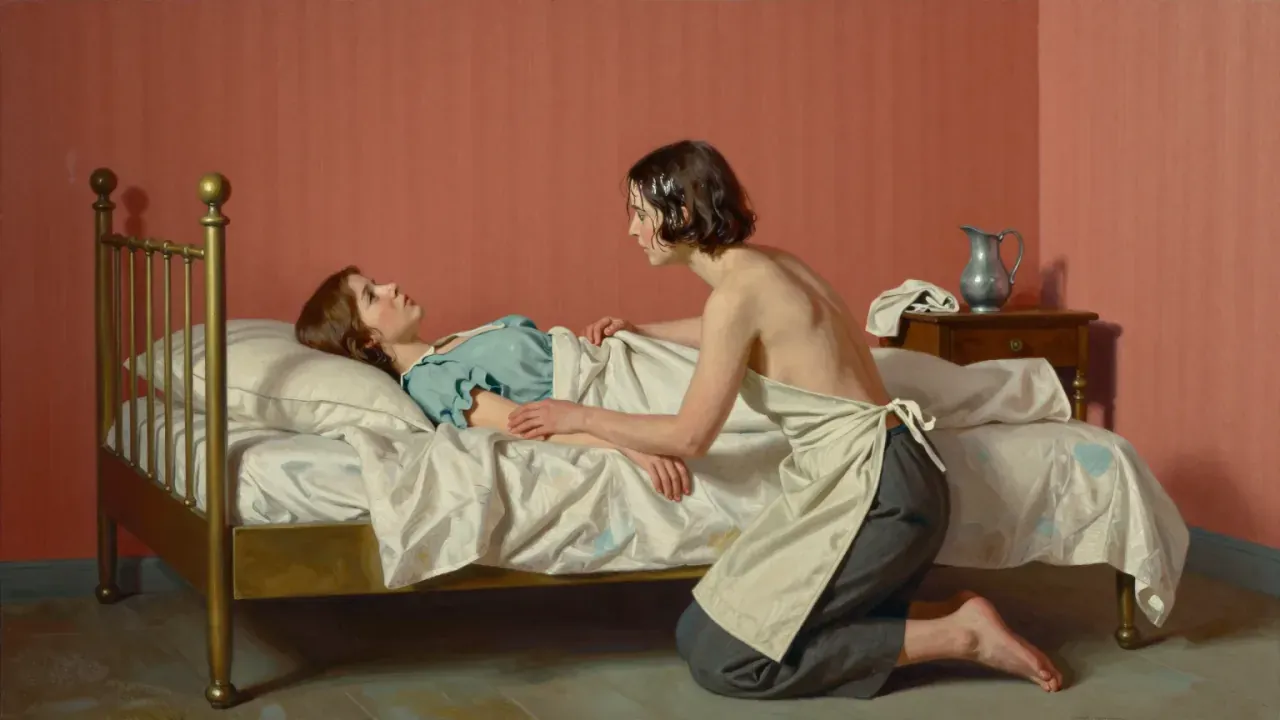
Ingmar Bergman’s 1972 Cries and Whispers is a formally rigorous Swedish drama set in a red-walled 19th-century mansion, where three sisters and a maid attend to Agnes as she dies of cancer. Shot by Sven Nykvist in saturated colour, it prioritises gesture, texture and duration over exposition or psychology, treating grief, faith and intimacy as bodily, not verbal, conditions. It won the Academy Award for Best Cinematography and remains a benchmark of arthouse restraint.

13:00

Crimson Tide

Tony Scott · 1995

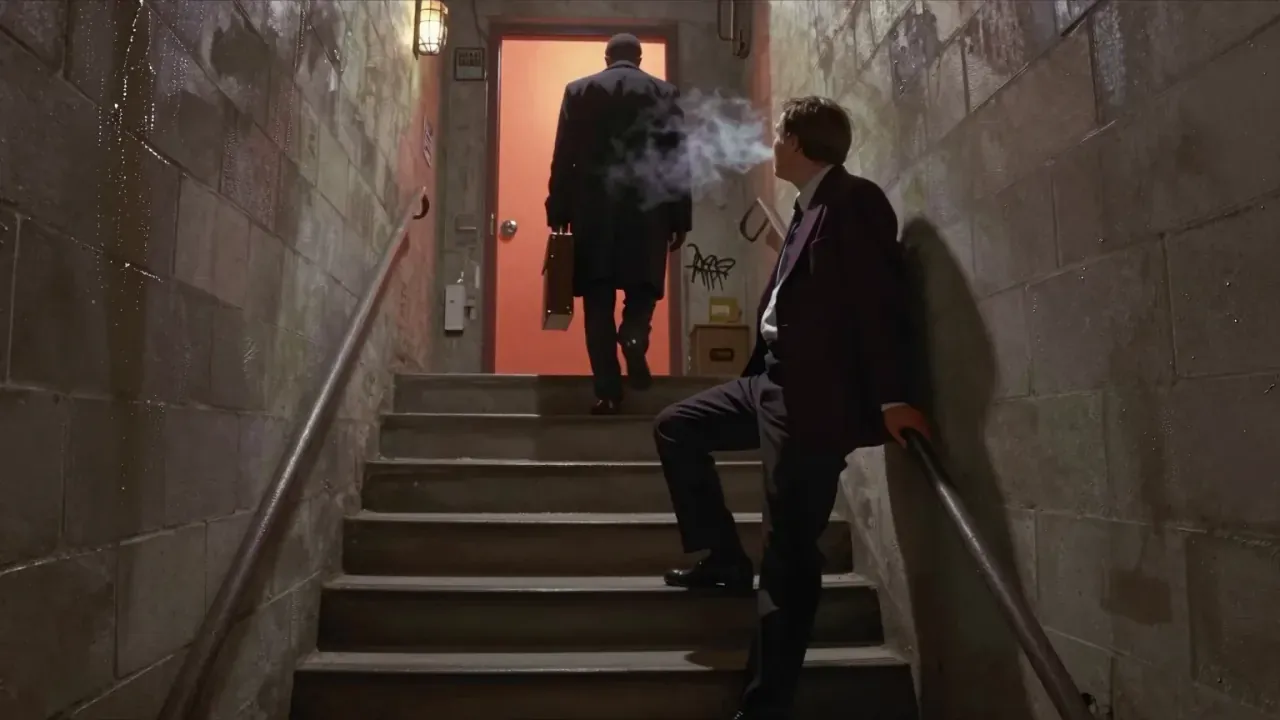
Crimson Tide is a 1995 action thriller directed by Tony Scott, starring Gene Hackman and Denzel Washington as rival officers aboard a U.S. nuclear submarine facing an ambiguous order to launch missiles. Set during a fictional Russian crisis, the film focuses on the ethical and procedural collision between experience and doctrine, played out in real time within the claustrophobic confines of the USS Alabama. With tight direction, restrained performances, and a score that pulses like a failing reactor, it sustains tension through dialogue, silence, and system failure — not spectacle.

13:00

Days and Nights in the Forest

Satyajit Ray · 1970

Satyajit Ray’s 1970 drama follows four Calcutta friends on a brief forest retreat in Jharkhand, where their assumptions about class, gender, and civility quietly erode. Adapted from Sunil Gangopadhyay’s novel, it unfolds with unhurried precision: gestures matter more than speeches, silences carry more weight than declarations, and dignity resides in small, unperformed acts. Soumendu Roy’s restrained cinematography and Ray’s subtle score support performances that favour nuance over exposition. Though some Western critics found it inert, its power lies in its refusal to explain — trusting the viewer to feel the tremor beneath composure.

13:00

Days of Thunder

Tony Scott · 1990

Tony Scott’s 1990 NASCAR romance stars Tom Cruise as a sprint-car prodigy thrust into Winston Cup racing, mentored by Robert Duvall and drawn into rivalry and romance. Shot on location with real drivers and cars, its strengths lie in visceral racing sequences, Hans Zimmer’s propulsive score, and Duvall’s grounded authority. Its weaknesses include underdeveloped relationships, thin thematic scaffolding, and a script that favours momentum over meaning. It remains a coherent, craft-led studio artefact — best appreciated as sensory experience rather than narrative inquiry.

13:00

Death in Venice

Luchino Visconti · 1971

Luchino Visconti’s 1971 adaptation of Thomas Mann’s novella recasts its author protagonist as a composer and uses Mahler’s music, Pasqualino De Santis’s Technicolor cinematography, and Dirk Bogarde’s restrained performance to enact a slow, physical dissolution in Venice. Faithful in tone but not literal in detail, it prioritises mood, texture, and duration over narrative or psychology.

13:00

Delicatessen

Marc Caro, Jean-Pierre Jeunet · 1991

Delicatessen (1991) is a French fantasy film set in a dilapidated Parisian apartment block where food is scarce and the ground-floor butcher doubles as landlord and killer. Unemployed clown Louison takes a job at the shop, falls for the butcher’s daughter Julie, and unwittingly becomes the object of both affection and appetite among the tenants. With production design that won a European Film Award and a visual style rooted in Brassaï’s monochrome grit, the film sustains a precise, tactile dystopia — one where resistance grows in sewers and romance blooms over shared chores. Directed by Marc Caro and Jean-Pierre Jeunet, it is a debut of uncommon control and dark invention.

13:00

Detroit

Kathryn Bigelow · 2017

Kathryn Bigelow’s Detroit dramatises the 1967 Algiers Motel incident with forensic restraint: tight framing, minimal score, and performances rooted in silence and hesitation. It focuses not on the wider riot but on how unchecked authority operates in a single night — and how institutions protect themselves through omission, delay, and procedural evasion. The film’s power lies in its refusal to resolve what history left open.

13:00

Devdas

Bimal Roy · 1955

Bimal Roy’s 1955 Devdas adapts Sarat Chandra Chattopadhyay’s novel with austere precision. Set in early-1900s Bengal, it follows Dilip Kumar’s Devdas as he fails — repeatedly, quietly — to claim his love for Suchitra Sen’s Paro, retreating instead into alcohol and Vyjayanthimala’s Chandramukhi. Kamal Bose’s underlit cinematography and S. D. Burman’s Baul-inflected score deepen its fatalism. The film resists catharsis, treating caste, gender and indecision as interlocking constraints rather than dramatic obstacles.

13:00

Devi

Satyajit Ray · 1960

Satyajit Ray’s 1960 Bengali drama Devi follows Doyamoyee, a young wife declared a goddess incarnate by her father-in-law after a dream. Set in 19th-century rural Bengal, the film charts her slow erasure as ritual replaces relationship, silence replaces speech, and worship replaces care. With restrained performances, Subrata Mitra’s understated cinematography, and Ali Akbar Khan’s sparse score, it builds tension through stillness and accumulation — not spectacle. The result is a precise, unsentimental anatomy of how social certainty can extinguish personhood.

13:00

Dilwale Dulhania Le Jayenge

Aditya Chopra · 1995

Dilwale Dulhania Le Jayenge (1995) is a 245-minute Hindi romantic drama directed by Aditya Chopra, starring Shah Rukh Khan and Kajol as NRIs whose courtship centres on winning parental consent rather than eloping. Shot across Switzerland, London and Punjab, it uses song, gesture and sustained tone to affirm family values without rejecting individual desire. Its enduring theatrical run — still screening daily in Mumbai since 1995 — reflects its design as ritual, not narrative.

13:00

Distant Voices, Still Lives

Terence Davies · 1988

Terence Davies’s 1988 autobiographical drama reconstructs his Liverpool childhood in two parts: the oppressive 1940s under a violent father, and the tentative early 1950s of young adulthood. Shot with rigorous formal control, it uses recurring songs, precise framing, and restrained performances to evoke working-class Catholic life without exposition or psychology. Music is both soundtrack and lifeline; domestic spaces are stages of endurance; time is cyclical, not linear. Though its second half lacks the first’s density, its cumulative power remains undimmed. Widely ranked among the greatest British films, it rewards attention, not explanation.

13:00

Doctor Zhivago

David Lean · 1965

David Lean’s 1965 adaptation of Pasternak’s novel follows physician-poet Yuri Zhivago across Russia’s collapse, centring his love for Lara amid revolution and war. Filmed mostly in Spain with Freddie Young’s wintry cinematography and Maurice Jarre’s iconic score, it prioritises atmosphere and endurance over exposition or ideology. Though criticised for length and historical vagueness, its tactile realism and emotional restraint have secured its place as a benchmark of romantic epic filmmaking.

13:00

Driving Miss Daisy

Bruce Beresford · 1989

Driving Miss Daisy (1989) follows twenty-five years in the relationship between Daisy Werthan, a Jewish widow in Atlanta, and Hoke Colburn, the Black chauffeur her son hires after she can no longer drive. Adapted by Alfred Uhry from his play and directed by Bruce Beresford, it relies on understated performances by Jessica Tandy and Morgan Freeman, restrained cinematography by Peter James, and a patient, episodic structure. Though commercially successful and awarded Best Picture, it has drawn criticism for its gentle treatment of systemic racism. Its strength lies in cumulative intimacy, not exposition.

13:00

Dust in the Wind

Hou Hsiao-Hsien · 1986

Dust in the Wind (1986), directed by Hou Hsiao-Hsien, follows Ah Yuan and Ah Yun, childhood sweethearts from Jiufen, Taiwan, as they move separately to Taipei in the early 1970s. Their relationship unravels not through conflict but through the quiet pressures of urban life, military service, and unspoken expectations. Shot in Taiwanese Hokkien with restrained performances and patient cinematography by Mark Lee Ping Bin, the film observes migration, labour, and memory as embodied, everyday facts — not dramatic events.

13:00

Earth

Oleksandr Dovzhenko · 1930

Oleksandr Dovzhenko’s 1930 silent film Earth observes collectivisation in rural Ukraine through image, not argument. Shot by Danylo Demutskyi in Poltava Oblast, it traces cycles of life and death — an old man dying beneath an apple tree, a young man dancing before being killed, a woman grieving then embracing anew — all bound by soil, season and silence. Its power resides in physical presence: dust, light, hands, rain. Though politically controversial on release and later banned, it endures as a lyrical, unsentimental vision of continuity amid upheaval.

13:00

Eat Drink Man Woman

Ang Lee · 1994

Set in 1990s Taipei, Eat Drink Man Woman follows Zhu, a retired chef and widower, and his three daughters as their weekly Sunday meals become the stage for shifting desires, unspoken tensions, and gradual reinvention. Directed by Ang Lee, the film treats food, faith, career, and love as interwoven strands of daily life — not symbols, but substances. Its strength lies in specificity: Mandarin dialogue, Taipei locations, culinary detail, and performances that resist caricature. While Jia-Ning’s storyline feels underdeveloped, the film’s emotional logic remains coherent and deeply humane.

13:00

Edward Scissorhands

Tim Burton · 1990

Edward Scissorhands (1990), directed by Tim Burton and written by Caroline Thompson, tells of an unfinished humanoid with scissor hands adopted by a suburban family. Johnny Depp stars opposite Winona Ryder, with Danny Elfman scoring and Bo Welch designing the iconic pastel suburb and Gothic mansion. It is a visually unified, deliberately paced fable about difference, empathy, and the quiet violence of assimilation — more mood piece than narrative engine.

13:00

Enemy of the State

Tony Scott · 1998

Enemy of the State (1998) is a Tony Scott-directed action thriller in which labour lawyer Robert Clayton Dean is targeted by rogue NSA agents after unwittingly acquiring evidence of a political assassination. With Gene Hackman as a reclusive ex-intelligence operative, the film charts Dean’s rapid erasure from normal life and his fight to expose the conspiracy. Though its plot leans on convenience and its politics remain broad, its execution — in pacing, performance, and sensory detail — delivers sustained tension and a potent, embodied sense of vulnerability to systemic power.

13:00

Entr'acte

René Clair · 1924

A 1924 French Dada short directed by René Clair, made as a prologue and entr’acte for the Ballets Suédois production of Relâche. Twenty-two minutes of silent, non-narrative experimentation: reverse motion, tilted frames, rooftop absurdities, and Erik Satie’s score. Cameos by Duchamp, Man Ray, Satie, and Picabia. It treats cinema as a site of playful sabotage — not storytelling, but syntax-breaking.

13:00

Europa

Lars von Trier · 1991

Lars von Trier’s 1991 arthouse drama Europa uses stark black-and-white cinematography, surreal superimpositions, and second-person narration to tell the story of an American railway conductor drawn into the moral quicksand of occupied Germany. Set against a fictional railway network named Zentropa, the film explores complicity, betrayal, and the impossibility of neutrality in a compromised world. Its formal rigour is uncompromising; its emotional register, deliberately austere.

13:00

Eyes Wide Shut

Stanley Kubrick · 1999

Stanley Kubrick’s final film adapts Arthur Schnitzler’s Dream Story into a slow-burning psychological mystery set in 1990s New York. Dr. Bill Harford’s night-long descent, triggered by his wife’s confession of fantasy, exposes the rituals of power, secrecy, and male fragility beneath the surface of privilege. Shot by Larry Smith and scored by Jocelyn Pook, it sustains a single, unwavering tone — neither erotic nor thrilling, but rigorously observed and formally controlled.

13:00

Faces

John Cassavetes · 1968

John Cassavetes’ 1968 drama Faces tracks the quiet implosion of a middle-class marriage across two fractured nights in Los Angeles. Shot on stark black-and-white 16mm, it relies on durational realism, unvarnished performances — including debutant Lynn Carlin — and a refusal of narrative resolution. Its power lies in accumulation: hesitation, repetition, silence, and the physical weight of unspoken tension.

13:00

Fanny and Alexander

Ingmar Bergman · 1982

Fanny and Alexander is Ingmar Bergman’s semi-autobiographical 1982 drama, set in early-1900s Uppsala. It follows siblings Fanny and Alexander as their family fractures after their father’s death and their mother’s remarriage to a rigid bishop. Shot by Sven Nykvist and designed with meticulous period detail, the film contrasts the warmth of the theatrical Ekdahl household with the austerity of ecclesiastical authority. Though conceived as Bergman’s final feature, its generosity of attention, layered performances, and tactile realism make it a defining work of Swedish cinema — and a rare film where domestic life feels mythic without losing its weight.

13:00

Faraway, So Close!

Wim Wenders · 1993

Wim Wenders’ 1993 fantasy sequel Faraway, So Close! follows the angel Cassiel as he becomes human in reunified Berlin, navigating bureaucracy, addiction, and criminal enterprise. Shot by Jürgen Jürges and scored by Laurent Petitgand, it trades the poetic stillness of Wings of Desire for a grittier, more fragmented register — one that reflects the city’s uncertain new reality. Though it won the Grand Prix at Cannes, its loose structure and tonal shifts divided critics. It is a film of texture over trajectory, best approached as a sustained meditation on presence, not a story with stakes.

13:00

Fargo

Joel Coen, Ethan Coen · 1996

Fargo (1996) is a black comedy crime film written and directed by Joel and Ethan Coen. Set in Minnesota during a harsh winter, it follows a bungled kidnapping scheme orchestrated by car salesman Jerry Lundegaard, and the subsequent investigation led by pregnant police chief Marge Gunderson. Shot by Roger Deakins and scored by Carter Burwell, the film balances deadpan humour with sudden violence, sustained by precise dialogue, regional dialect coaching and an unblinking visual style. Though framed as 'based on a true story', it is entirely fictional — a fable about incompetence, complicity and quiet integrity.

13:00

First Reformed

Paul Schrader · 2017

Paul Schrader’s First Reformed follows Reverend Ernst Toller, a pastor of a dwindling Dutch Reformed church in upstate New York, as he confronts alcoholism, grief over his son’s death in Iraq, and escalating despair over climate catastrophe. When a pregnant parishioner seeks counsel for her radical-environmentalist husband, Toller is drawn into a crisis of faith, vocation, and bodily integrity. Shot in strict 1.33:1 aspect ratio with austere compositions and near-silent sound design, the film unfolds with liturgical slowness, building toward a climax that rejects catharsis in favour of raw, unresolved human contact.

13:00

Floating Clouds

Mikio Naruse · 1955

Mikio Naruse’s 1955 drama Floating Clouds follows Yukiko (Hideko Takamine) as she navigates love, poverty, and disillusionment in post-war Japan. Returning from French Indochina, she renews an affair with married engineer Kengo (Masayuki Mori), only to find his promises hollowed by circumstance. With no grand speeches or dramatic turns, the film traces her slow attrition through walks, waits, and silences—anchored by Takamine’s physically precise performance and Naruse’s unwavering restraint.

13:00

Frankenweenie

Tim Burton · 2012

Tim Burton’s 2012 stop-motion Frankenweenie expands his 1984 short into a black-and-white feature about Victor Frankenstein, a lonely boy who reanimates his dead dog Sparky — then contends with chaos when classmates follow suit. Built with meticulous puppetry and Danny Elfman’s score, it balances gothic parody with emotional sincerity, landing most strongly in its tactile detail and restrained treatment of loss. Though some subplots feel schematic and its satire stays broad, its commitment to mood, materiality, and moral ambiguity makes it a distinctive, unhurried piece of animation.