A rebellion in retreat, and a hero sent to train
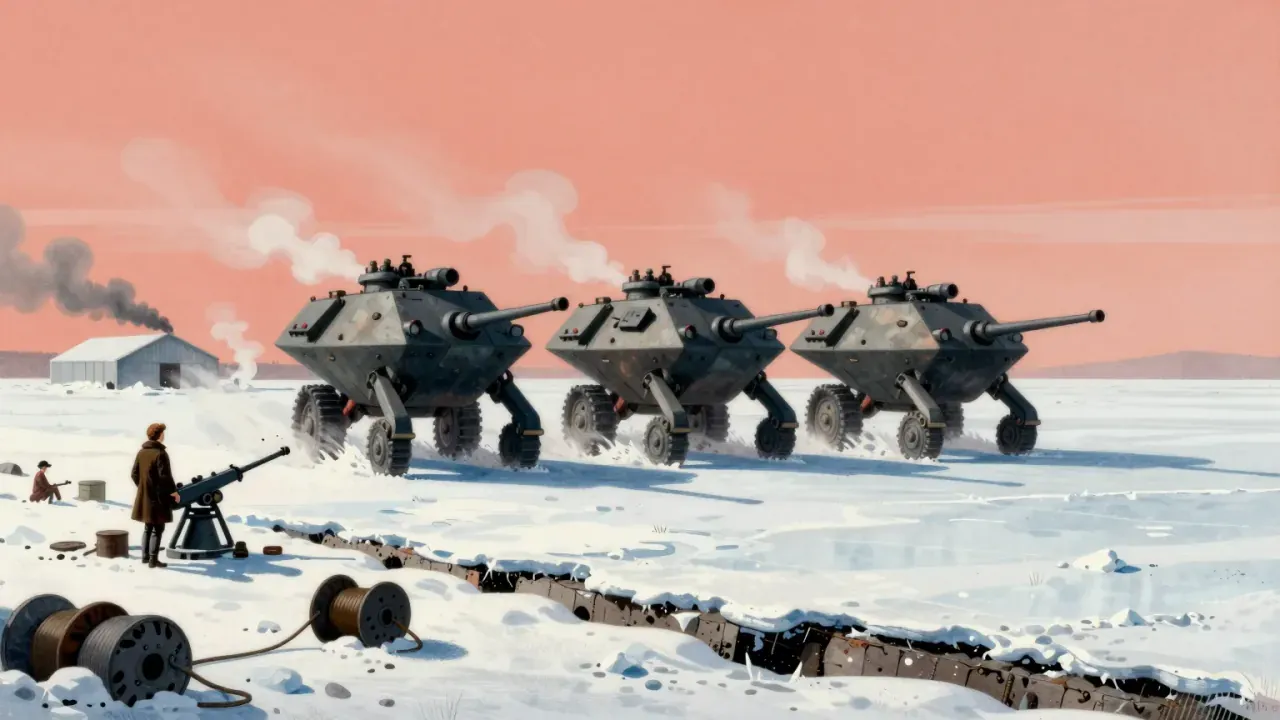
The Empire Strikes Back is a 1980 American space opera, directed by Irvin Kershner from a screenplay by Leigh Brackett and Lawrence Kasdan based on George Lucas’s story, and it picks up three years after the events of the first Star Wars film. With the Rebel Alliance in retreat after an Imperial assault on their base on the ice planet Hoth, the story splits into two threads: Luke Skywalker travelling to the swamp planet Dagobah to train under the Jedi master Yoda, and Han Solo and Princess Leia fleeing Darth Vader’s forces while their relationship develops under pressure. The film trades the first instalment’s more straightforward victory structure for one built around loss, retreat and a climax that reframes the entire series’ central conflict.
A writer hired knowing she was already dying
Lucas hired Leigh Brackett, a veteran science-fiction writer, to draft the screenplay while aware that she had cancer; she completed her first draft in February 1978 and died shortly afterward, leaving Lucas to write the next draft himself before hiring Lawrence Kasdan, fresh off writing Raiders of the Lost Ark, to refine the material further. Lucas, reluctant to direct again after the stress the first film had placed on his health, considered around 100 directors before settling on Irvin Kershner, an old acquaintance he trusted enough to promise creative latitude rather than simple execution of instructions. Kershner was warned by friends against taking the job, fearing he would be blamed if a sequel to such a successful film failed to measure up.
A director chosen because he wouldn’t just take orders
Costs escalated substantially during production: the film was initially budgeted at $8 million, financed independently through Lucas’s own Star Wars profits and a Bank of America loan, but rose to a reported $30.5 million by completion, driven by location shoots in Finse, Norway and at Elstree Studios in England alongside a string of production difficulties including actor injuries, illnesses and fires. Lucas had structured the deal so that Twentieth Century-Fox would distribute the film without creative input in exchange for a declining share of profits as the film’s earnings grew, a contract that left Lucas personally exposed to significant financial risk had the sequel underperformed.
A budget that nearly quadrupled during production
The film’s climactic reveal, that Darth Vader is Luke’s father, remains among the most frequently cited plot twists in film history, and it lands with particular force because the film otherwise refuses the audience the reassurance of victory: Han Solo is captured and frozen, the Rebel base is lost, and Luke’s confrontation with Vader ends in defeat and injury rather than triumph. That willingness to end a middle chapter on loss rather than resolution unsettled some contemporary critics and divided fans on release, with mixed reviews at the time reflecting genuine uncertainty about whether a franchise built on the earlier film’s more straightforward adventure could sustain a darker, more morally complicated turn.
A twist built to be denied for years afterward
Power, and who is fit to wield it, runs through both halves of the film’s structure: Luke’s Dagobah training scenes with Yoda are concerned specifically with patience, restraint and the temptation of using the Force out of fear or anger, while Vader’s pursuit of the Rebels demonstrates exactly what unchecked power looks like once yielded to. The Vader-Luke revelation recasts the entire series’ central conflict as one of family rather than simple good against evil, a shift the story never fully resolves within this film’s own runtime, leaving it for the next instalment to address instead.
Who this suits
This is the strongest recommendation on this list for existing fans of the franchise, since critical and fan consensus has settled firmly on this as the series’ best entry, and for viewers who prefer their blockbuster storytelling willing to end on loss rather than easy victory. It is not the ideal starting point for someone entirely new to the series, since its structure and character relationships depend heavily on context established in the first film. Viewers wanting a complete, self-contained story in one sitting should know going in that this is explicitly a middle chapter, built to leave things unresolved.
One hundred twenty-four minutes now ranked above the original
At 124 minutes and a final cost of roughly $30.5 million against an original $8 million budget, The Empire Strikes Back became the highest-grossing film of 1980, earning approximately $401.5 million worldwide on its initial run and roughly $549 to $550 million across subsequent releases. It won two Academy Awards, two Grammy Awards and a BAFTA, and the US Library of Congress selected it for preservation in the National Film Registry in 2010. Few franchise sequels have been so thoroughly reassessed upward over time, and that alone makes it worth an evening even for viewers who feel they already know the series.