A control room for a growing mind
Inside Out imagines the inside of an eleven-year-old’s head as a staffed control room, with Joy, Sadness, Fear, Anger and Disgust taking turns at the console after Riley Andersen’s family moves from Minnesota to San Francisco. Pete Docter, who co-directed with Ronnie del Carmen, began the project after noticing his own daughter growing quieter as she aged, and spent five and a half years with Pixar’s writers and outside psychologists working out how to stage that change rather than narrate it. The film’s ambition is specific: not a film about a girl who is sad, but one that tries to show why sadness has a job to do.
Two emotions lost in the archive
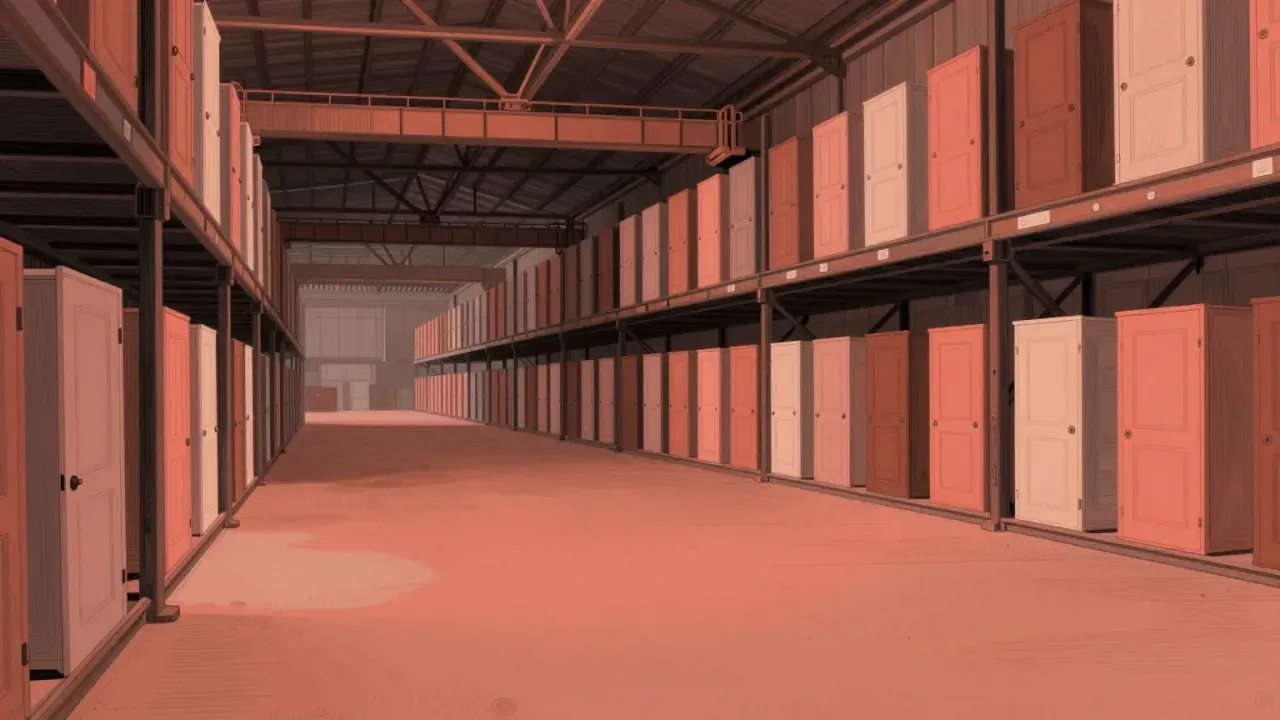
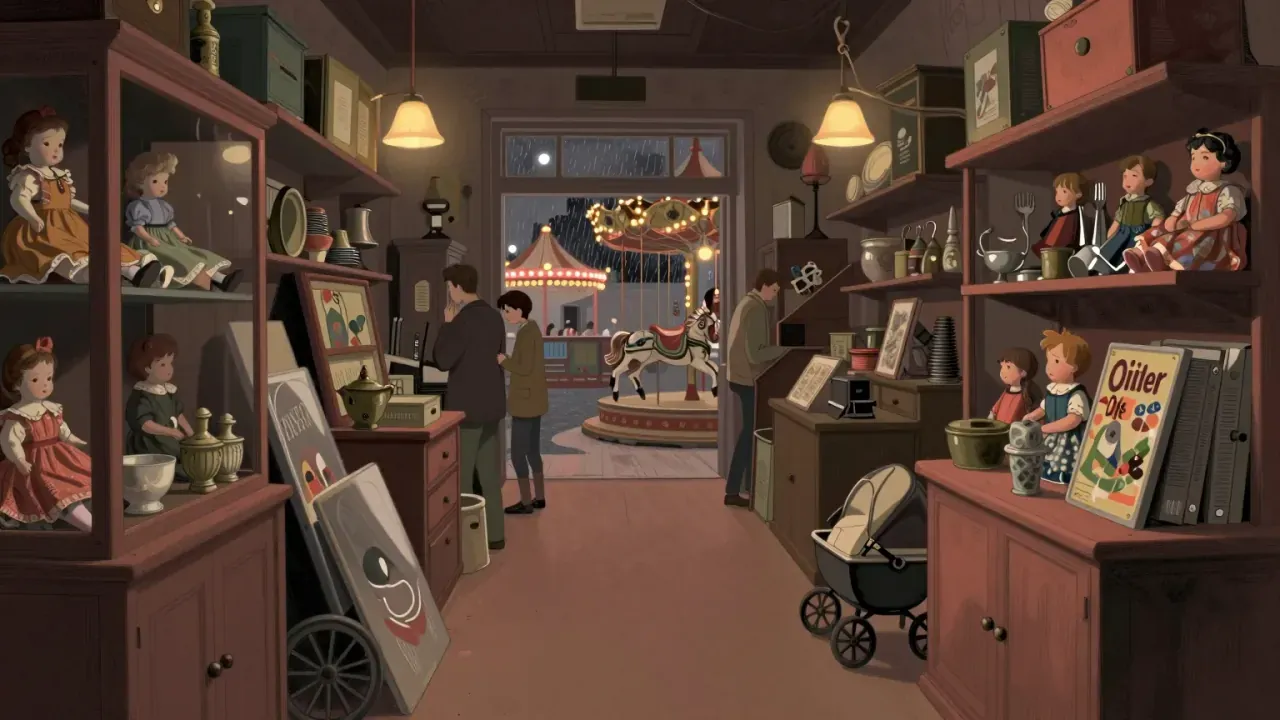
The plot turns on a mechanical premise. Joy has spent Riley’s life keeping Sadness from touching her memories, until an accident during the move flings both of them out of headquarters into the sprawl of long-term memory, leaving Fear, Anger and Disgust to run an eleven-year-old alone. Joy and Sadness’s journey back takes them through Riley’s Islands of Personality and into the company of Bing Bong, an imaginary friend fading out of use, voiced by Richard Kind. Amy Poehler and Phyllis Smith carry the two leads, and the film asks a lot of vocal specificity to keep an abstract idea feeling like a story with stakes rather than a diagram with dialogue.
A structure built to argue a thesis
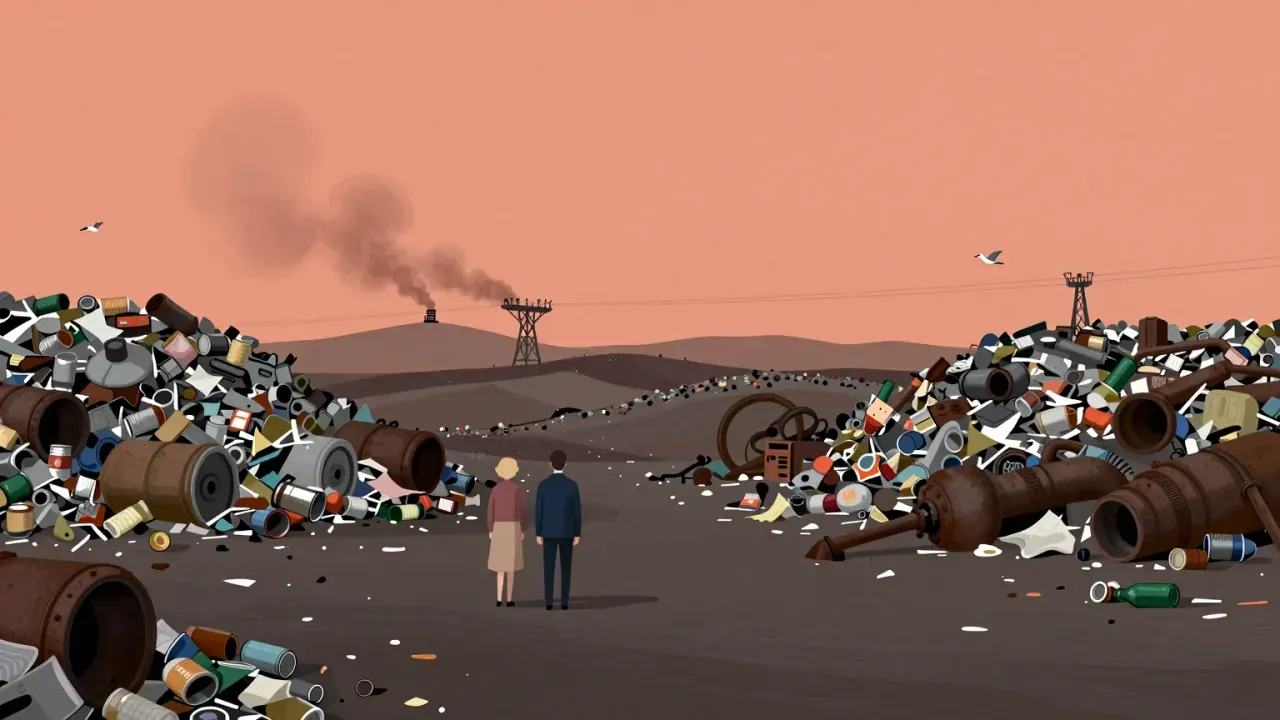
The dinnertime scene, reportedly worked over for roughly three years according to editor Kevin Nolting, earns that time: five emotions across two households firing at cross purposes, all trying to steer the same short conversation toward different outcomes, produces the film’s sharpest comic timing without ever breaking the internal logic the film has set up for itself. Bing Bong’s disappearance into the memory dump is the other high point, and it lands the loss on child and adult viewers by two different routes at once, one reading it as a friend leaving and the other as a stage of childhood ending. The premise itself is the strongest asset the film has: not decoration wrapped around a plot but the actual engine driving it, so that structure and feeling move together rather than one illustrating the other from a distance.
Where the metaphor strains
Five emotions is a teaching aid, not a psychology, and the film occasionally shows the seams of that choice. Contempt and surprise were dropped during development for resembling other feelings too closely, according to the production history, which means the model on screen was already simplified for clarity before a frame was animated, and some of what makes an eleven-year-old’s inner life complicated gets left off the console entirely. Several of the second-half sequences, built to keep Joy and Sadness physically moving through one set-piece location after another on their way back to headquarters, lean on chase mechanics that feel more like plot furniture than the character work surrounding them, and the pace occasionally outruns the emotional beats it is supposed to be serving.
Joy learning to step back
The film’s real argument is about Joy rather than Sadness: a personality that has spent years keeping one emotion out of the control room is not healthy for having excluded it, whatever that emotion’s reputation. Joy’s arc across the film is learning to hand over the console rather than defend it, and Sadness’s function turns out to be social rather than merely internal, drawing other people toward Riley at the moment she most needs them. That case is carried by the mechanics of the plot rather than by anything a character says out loud, which is a more persuasive way to make an argument about feelings to an audience that includes children too young to sit through a lecture on the subject.
Who the control room is for
Children can follow the danger to Riley and the chase back to headquarters without needing the underlying argument about emotional regulation spelled out to them, and the film gives them a real story rather than a moral appended to one. Adults get more: the dinnertime scene, the islands of personality collapsing one by one, and Bing Bong’s fate, all of which land harder the more of one’s own adolescence, or a child’s, a viewer brings into the room. It suits a family evening more than a solo watch on a quiet night, since a good deal of what the film is doing depends on two generations having noticeably different reactions to the same scene at the same time.
A ninety-four minutes that earns its ending
At ninety-four minutes it does not overstay a premise that could easily have curdled into gimmick over a longer running time, and it resolves the Joy-Sadness conflict without pretending Riley’s mind stays this tidy afterward, which is more honest than the format usually allows itself to be. Critics’ aggregate scores were high on release, and the film went on to win the Academy Award for Best Animated Feature, though neither is the reason to watch it. What earns the evening is rarer than a good score: a film built to explain an idea that keeps character in front of the idea throughout, so the explaining never quite feels like homework.