Deer that don’t move like flour sacks
Bambi tells the life of a white-tailed deer from birth to his eventual position as the forest’s next Great Prince, with almost none of the plot mechanics — villains, quests, deadlines — that structure Disney’s other early features. The rights to Felix Salten’s 1923 novel had already passed through one abandoned live-action production before Disney bought them in 1937, and the studio initially struggled with a source book aimed at adults and considered too grim for a family film. Production, delayed further by the difficulty of animating deer convincingly, didn’t begin in earnest until August 1939, by which point Pinocchio had already taken Bambi’s originally planned slot as the studio’s second feature.
A grim novel made gentler, but not soft
Salten’s novel is a European roe deer’s story, but Disney’s animators based Bambi’s design on a mule deer from Arrowhead, California, before artist Jake Day argued for the larger, more recognisable ears of an eastern white-tailed deer instead. To get the movement right, Disney brought in animal painter Rico LeBrun to lecture the team and had animators visit the Los Angeles Zoo and study an in-house menagerie that included two live fawns named Bambi and Faline. Marc Davis’s final character design kept LeBrun’s anatomical realism while exaggerating the fawn’s proportions — bigger eyes, shorter snout — enough to read as a character rather than a study.
A death kept off screen
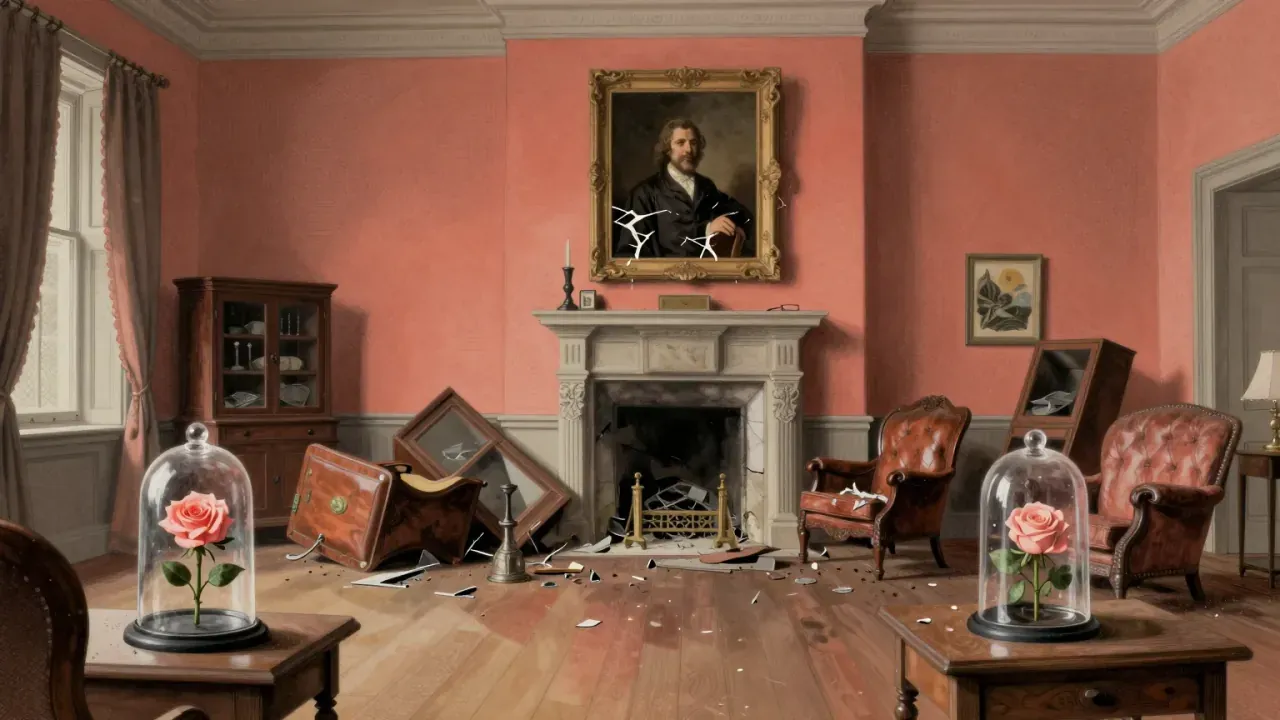
The mother’s death, one of the most discussed scenes in American animation, happens entirely off screen: writer Larry Morey argued the moment carried more weight left to the audience’s imagination than shown directly, cutting from Bambi in the snow to the sound of a gunshot and silence. Disney reportedly wanted to go further and show the hunter responsible burned in a fire he’d started, but that was dropped as well — the film never shows a human being at all, keeping the danger anonymous and environmental rather than personified. That restraint runs through the whole production: ideas the writers found too cute or too digressive, including an entire subplot involving an ant colony, were cut once they threatened to pull focus from Bambi himself.
Backgrounds doing what dialogue doesn’t
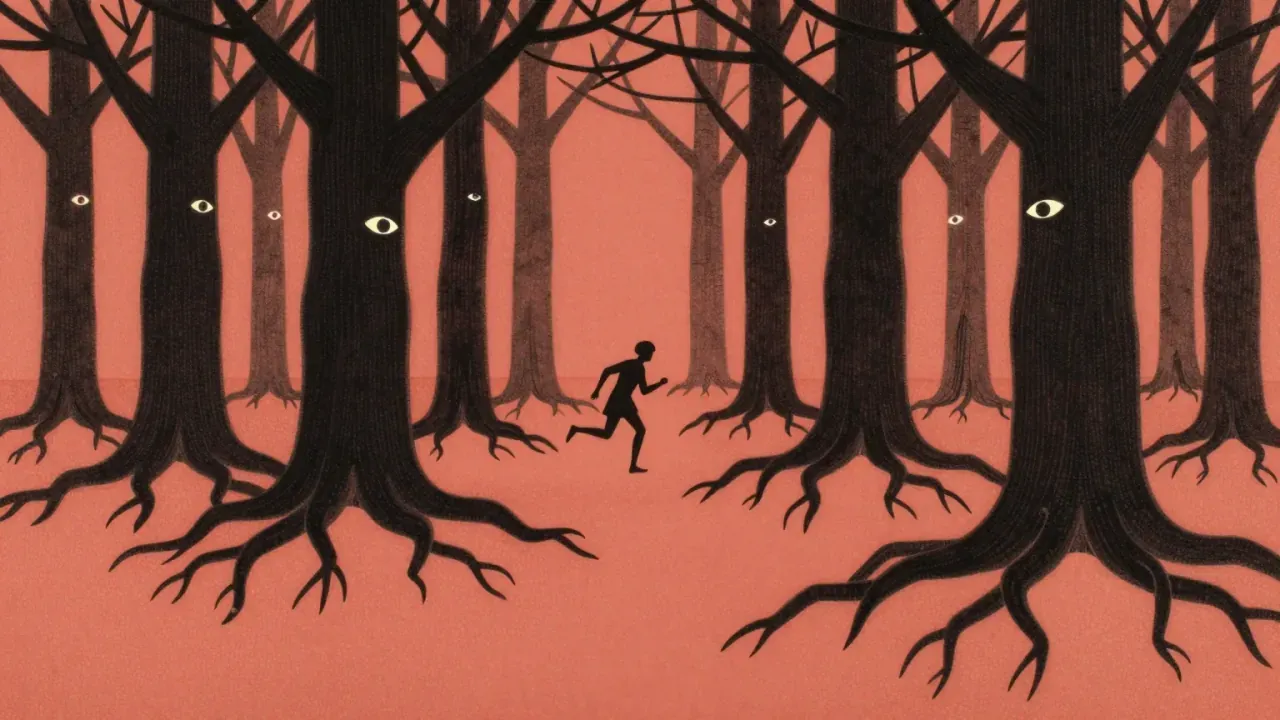
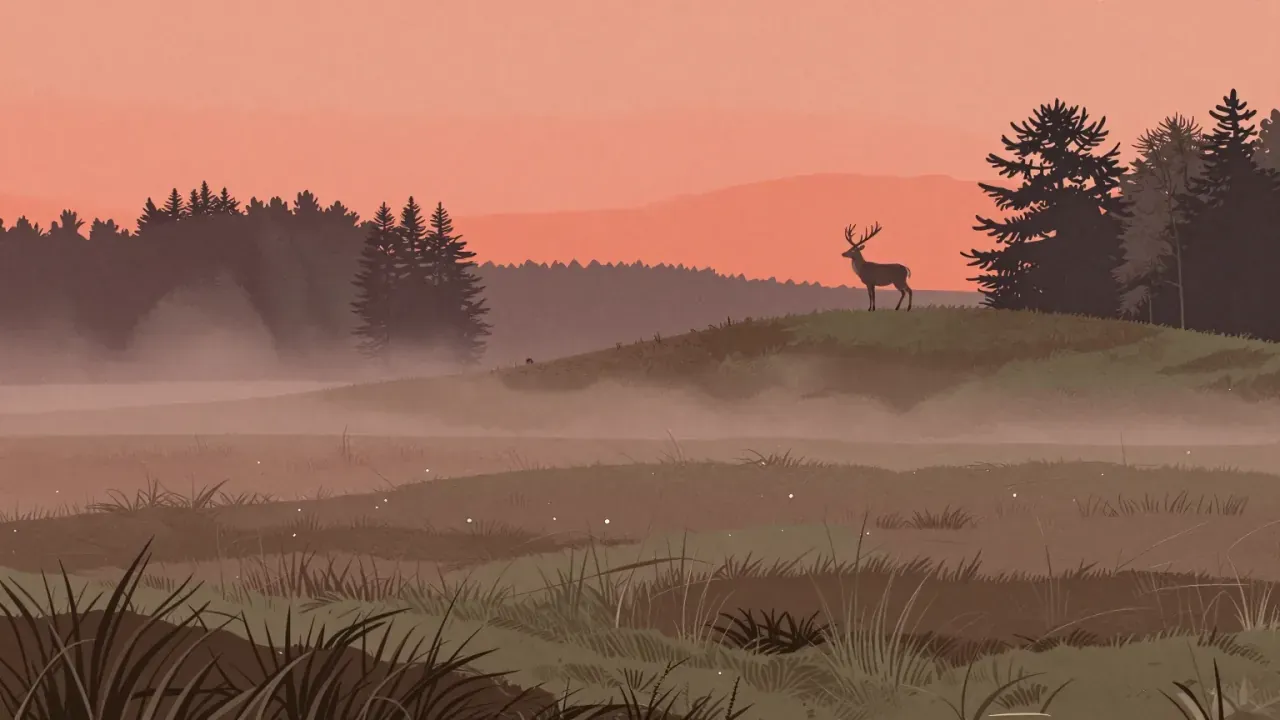
Tyrus Wong’s backgrounds, built from sketches he made in the Vermont and Maine woods, use an impressionistic style with detail concentrated near the centre of frame and fading toward the edges — a technique meant to guide a viewer’s eye toward the characters without needing dialogue to do it. Given how sparse the film’s spoken content is, the backgrounds are carrying a disproportionate share of the storytelling, marking season, danger and safety through colour and light rather than exposition. That visual approach was unusual enough at the time that it shaped the studio’s background painting for years afterward.
Growing up as loss, not adventure
Read as a whole, the film is less a story with a plot than a sequence of losses that prepare Bambi for the role he eventually inherits: his mother, his childhood freedom, and later his own naivety about danger all get taken from him in turn, each loss followed by an adjustment rather than a resolution. Thumper and Flower supply comic relief, but the film’s real subject is growing up as something that happens to a character rather than something a character achieves — Bambi doesn’t scheme or strive, he simply survives one loss after another until he’s the forest’s next protector.
Who this is for
This suits older children ready to sit with a story about a parent’s death handled seriously rather than glossed over, and adults who appreciate a slower, more observational film than most animated features attempt. Wartime budget cuts trimmed twelve minutes before the final animation was locked, which may explain why some transitions feel abrupt, but the film’s patience with quiet is otherwise a deliberate choice worth respecting. It’s a harder recommendation for very young children, for whom the mother’s death — however tastefully handled — can be genuinely distressing without the surrounding context to process it.
Is it worth the evening
Bambi won a Genesis Award and later entered the National Film Registry, and currently sits at 91% on Rotten Tomatoes and 91 on Metacritic, both fair reflections of a film whose reputation has only grown since its underwhelming wartime opening, when Roy Disney reported disappointing early numbers to his brother by telegram. At 69 minutes, it’s the shortest of Disney’s early features and arguably the most emotionally direct, asking very little of its plot and a great deal of its animation and restraint. Worth the evening, particularly for anyone who only remembers the film as a lesson about a mother’s death rather than as the patient, visually confident work surrounding that scene.