A rights deal signed before the book was even in stores
Jurassic Park is Steven Spielberg’s 1993 adaptation of Michael Crichton’s novel, following a Costa Rican island park stocked with cloned dinosaurs that collapses once an act of industrial sabotage knocks out its power and security systems. Universal bought the rights for $1.5 million within a week of the manuscript going out, ahead of rival bids built around Tim Burton, Richard Donner and Joe Dante; Crichton personally endorsed Spielberg as the director most capable of finishing the project at all. David Koepp wrote the final script, working from an earlier draft by Crichton himself, and stripped out much of the novel’s technical exposition and violence in favour of a tighter cast: a paleontologist, a paleobotanist, a mathematician, two children and the park’s increasingly desperate owner.
Animatronics and CGI built side by side
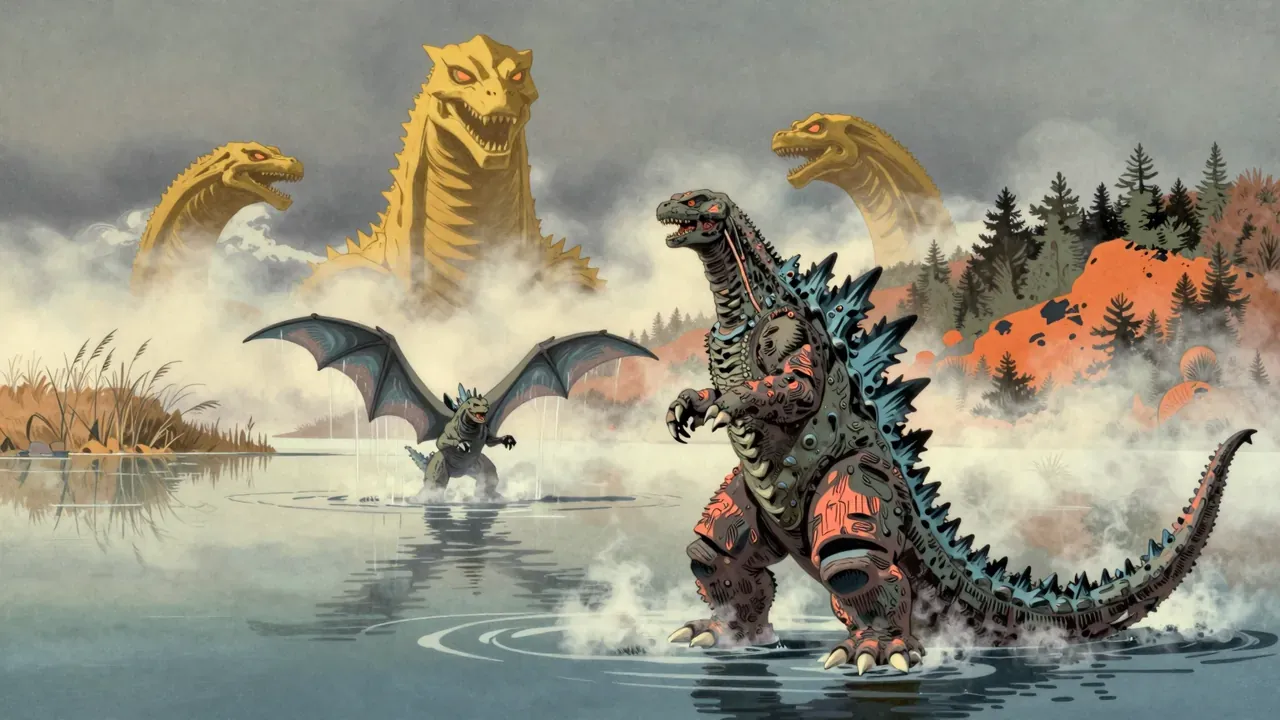
Spielberg treated the project as, in his own description, a land-bound sequel to Jaws, and shot it in California and Hawaii between August and November 1992 on a budget reported as either $56 or $63 million depending on the source. Stan Winston built life-sized animatronic dinosaurs for close contact with the actors, while Industrial Light & Magic supplied computer-generated shots for the wider and more mobile sequences, a division worked out scene by scene rather than by any fixed rule. Dean Cundey shot the film in what he called a heightened, saturated realism, without diffusion or filters, and Spielberg had the DTS surround-sound format developed specifically so the dinosaur audio, built from a blend of real animal recordings, would land with full force in cinemas.
A rain-soaked entrance that still works
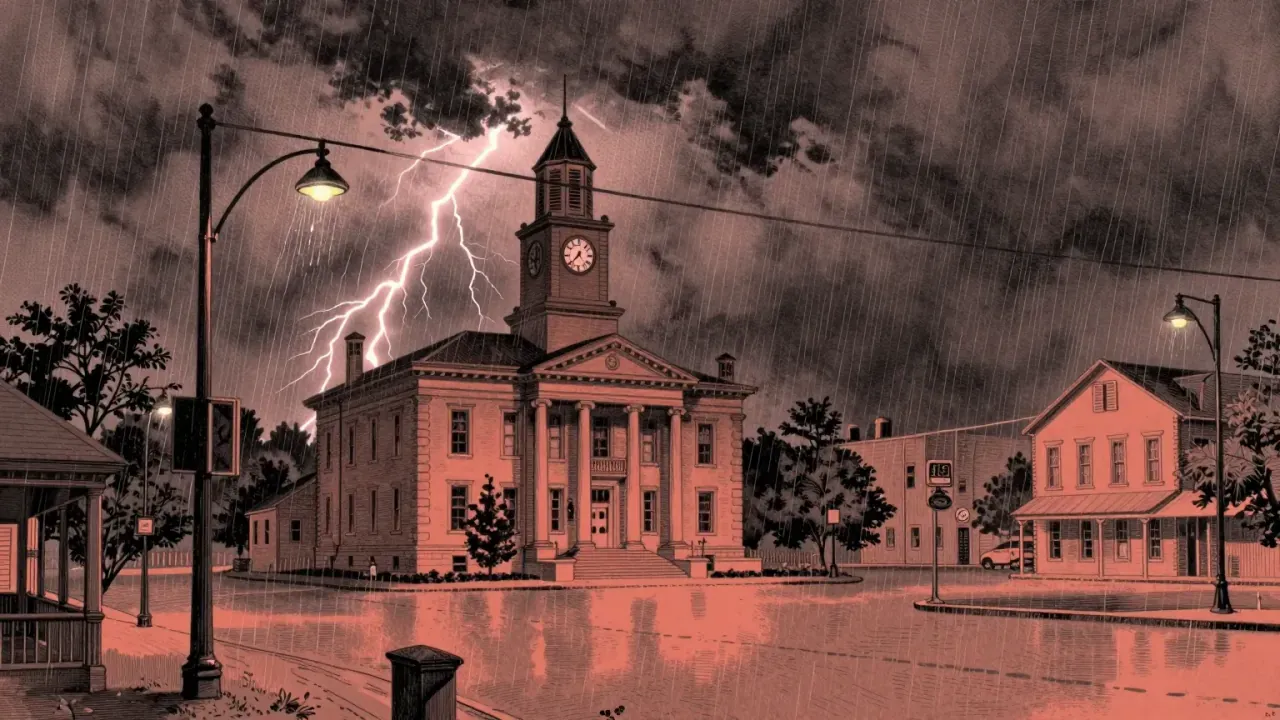
The animatronics and the CGI do their best work in combination rather than separately: the film cuts between Winston’s practical creatures and ILM’s digital ones so seamlessly that the technique behind any given shot is rarely obvious, which is what let 1993 audiences accept dinosaurs as characters rather than as effects on display. The Tyrannosaurus’s first appearance, staged in rain and darkness with the animatronic head doing most of the work, still carries more tension than the film’s fully digital set pieces. John Williams’s score does the opposite job to the effects, announcing wonder before the visuals have earned it, and the pairing of the two is what gives the park’s early tour its now-famous lift.
A moral argument left mostly to one character’s lines
The moral argument Spielberg wants the film to carry, that scientific ambition without restraint invites disaster, is compressed into a handful of Jeff Goldblum’s lines as Ian Malcolm and never develops beyond them; the park’s collapse plays out as survival adventure rather than as the consequence of an argument the film has actually built. John Hammond, sharpened from the novel’s more culpable version into something closer to a well-meaning grandfather, absorbs almost none of the blame the plot assigns to unchecked commercial appetite, which softens the story’s edges more than the effects work suggests it should. The middle stretch, once the group splits up, also slows considerably between action sequences.
Family, not science, at the emotional centre
Family sits at the emotional centre more than science does: the children’s growing trust in Sam Neill’s Alan Grant, a character rewritten from the novel specifically to make him warmer toward kids, is the throughline the plot keeps returning to whenever the dinosaurs are offscreen. Ambition, in Hammond’s insistence that the park must open regardless of what his own engineers are telling him, is the mechanism that sets the disaster moving, though the film is more interested in showing its consequences than in interrogating the impulse itself. The special effects are themselves a kind of theme: the film’s confidence that its dinosaurs will hold up under scrutiny is inseparable from its confidence that audiences will accept spectacle as truth.
Who the effects still work for
This suits families looking for an adventure film that still frightens without turning graphic, viewers curious how 1993’s blended practical and digital effects compare with modern CGI, and anyone tracing the technical history that runs from this film through to the visual-effects industry it helped establish. It is less suited to viewers wanting the underlying ideas about genetic science or corporate ambition developed with any depth, since the film consistently chooses spectacle and momentum over argument whenever the two compete. Younger children may still find the raptor kitchen sequence and the Tyrannosaurus attack more intense than the PG rating implies.
A technical landmark that has aged better than expected
Critics have settled on a Tomatometer score of 92 percent and an average rating of 8.4 out of 10, well above the more measured Metascore of 68, and three decades on that split still describes the film fairly: a technical landmark critics have grown to admire more than they originally reviewed it for its story. At 123 minutes it rarely drags, and the dinosaur sequences remain persuasive enough that the film’s thinner characterisation barely registers while they’re on screen. It is worth an evening for the effects and the tour-bus wonder alone, and remains a rare blockbuster a family can watch together without much editing required.