A town that won’t close its beaches
Jaws is a 1975 American thriller, directed by Steven Spielberg and adapted from Peter Benchley’s 1974 novel, about a great white shark attacking swimmers off the fictional New England resort town of Amity Island. Police chief Martin Brody wants the beaches closed, but the town’s mayor overrules him, worried about the tourist revenue a closure would cost during the summer season. Brody eventually joins a marine biologist, played by Richard Dreyfuss, and a professional shark hunter, played by Robert Shaw, in a boat hunt for the animal once the attacks continue and the town’s denial becomes untenable.
A young director talked out of quitting his own film
Producers Richard Zanuck and David Brown bought the film rights to Benchley’s novel before it was even published, and Spielberg, then 26 and fresh off his first theatrical feature, actively pursued the director’s job after spotting the manuscript in the producers’ office. He grew reluctant to continue once pre-production began, wanting instead to direct 20th Century Fox’s Lucky Lady, but Universal exercised its contractual right to block his departure, and Brown persuaded him to stay by promising that after Jaws he could make any film he wanted. Peter Benchley wrote the first drafts as agreed when the studio bought the rights, but his version was judged to lack character warmth; playwright Howard Sackler did an uncredited rewrite, and comedy writer Carl Gottlieb, brought in for what was meant to be a one-week dialogue polish, ended up rewriting nearly the entire script during the nine-week shoot.
A script rewritten through dinner conversations on set
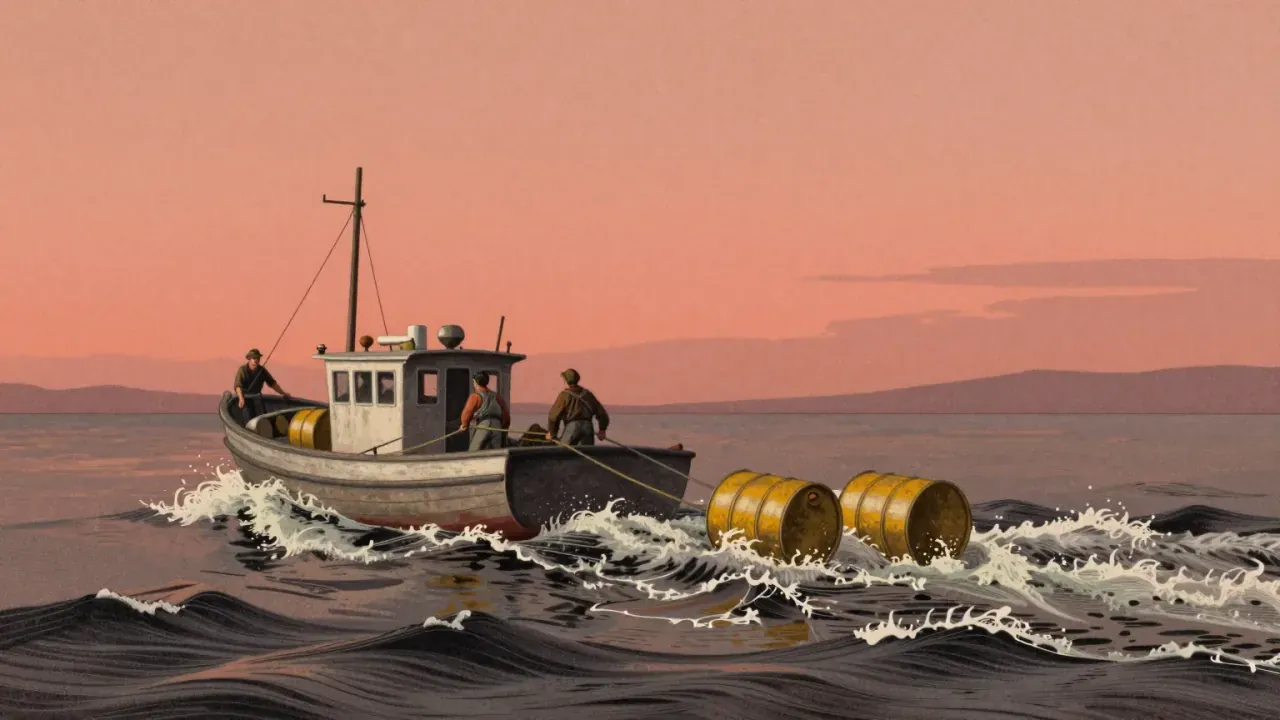
Filming at Martha’s Vineyard was the first major production shot extensively on the ocean, and it proved troubled from the start: the mechanical sharks built for the production, nicknamed Bruce, malfunctioned constantly in salt water, repeatedly forcing delays and pushing the shoot well over its original 55-day schedule and $3.5 million budget. Rather than abandon the production, Spielberg adapted by suggesting the shark’s presence through underwater point-of-view shots, floating barrels and John Williams’s ominous two-note theme instead of showing the animal directly, an approach Spielberg and others have compared explicitly to Alfred Hitchcock’s method of implying threat rather than displaying it outright.
A mechanical shark that mostly didn’t work
Much of the film’s dialogue was finalised the night before shooting, developed over dinners between Spielberg, Gottlieb and cast members, with several memorable lines originating from actor improvisation during those meals rather than from any written draft. Howard Sackler’s uncredited contribution included inventing Quint’s backstory as a survivor of the USS Indianapolis, the real Second World War cruiser whose sinking left survivors adrift among shark attacks for days, a detail that gives Robert Shaw’s late monologue a weight and specificity the novel itself never provided. Spielberg also changed the shark’s cause of death from the novel’s account of accumulated wounds to a scuba tank explosion, judging that audiences would respond better to what he called a big, rousing ending.
A backstory invented for a supporting character
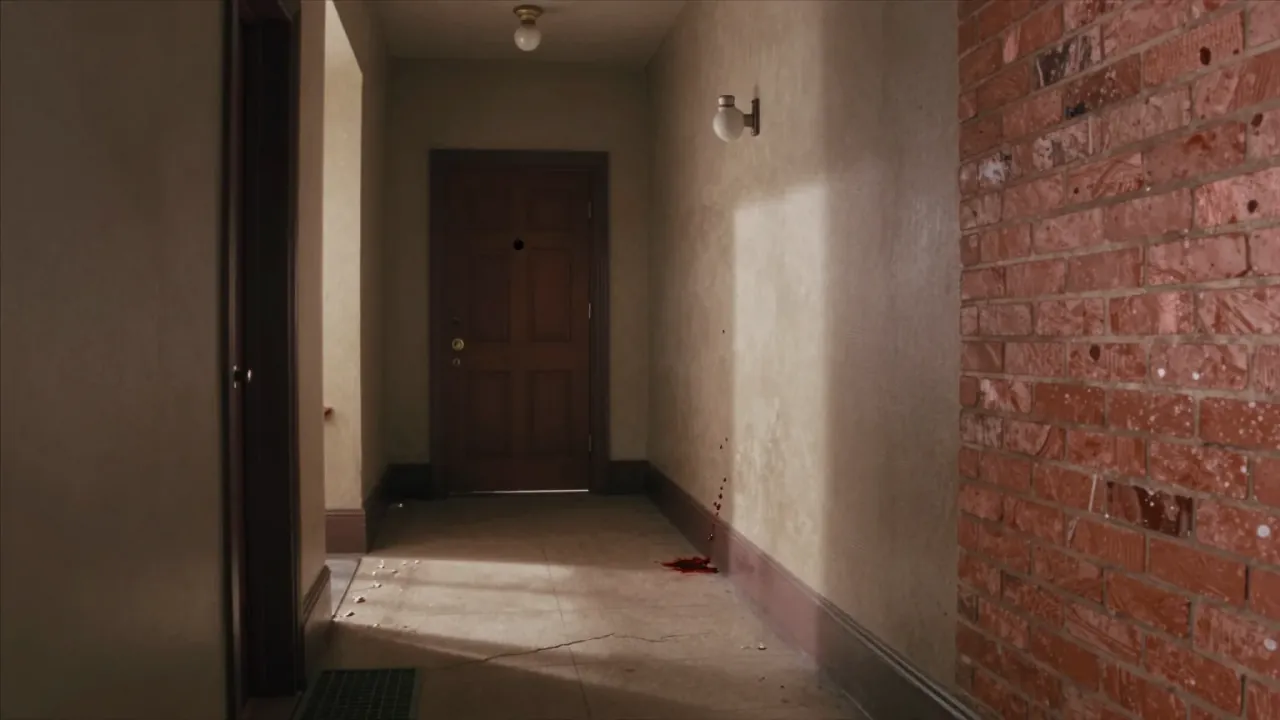
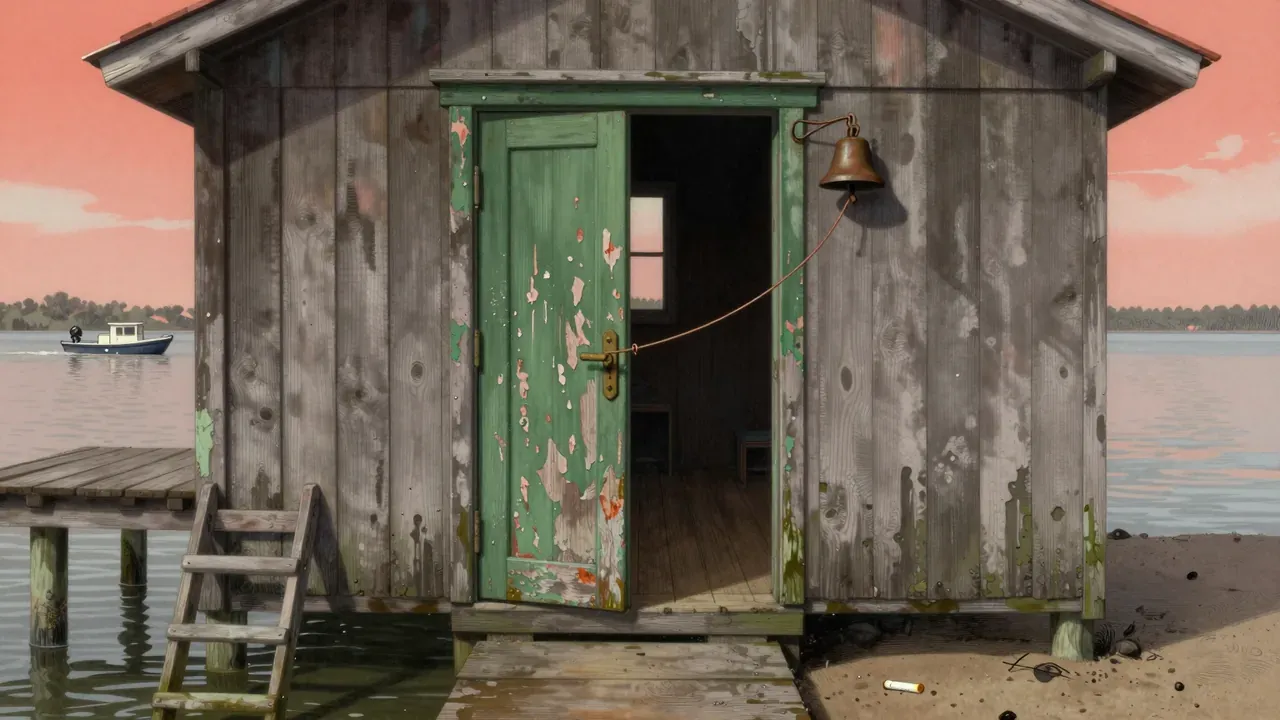
The film’s underlying tension sits less in the shark itself than in institutional denial: the mayor’s refusal to act, driven by economic self-interest rather than malice, delays the response to a genuine threat in a way that will read familiarly to anyone who has watched an official body prioritise short-term revenue over stated public safety. Fear, in the film’s structure, is generated more by anticipation and suggestion, empty water, a floating dock, an unseen presence beneath calm surface, than by direct confrontation, a choice forced initially by mechanical failure but sustained deliberately once its effectiveness became clear during shooting.
Who this suits
This is essential viewing for anyone interested in how suspense can be built through withholding rather than showing, and for viewers curious about the specific production history behind the modern blockbuster’s release strategy, wide theatrical distribution paired with heavy television marketing, that Jaws helped establish. It also suits fans of Spielberg’s early, more classically constructed work before his effects budgets grew considerably larger. It is a slightly less satisfying watch for viewers who want their monster on screen consistently throughout, since the film’s most acclaimed choice is precisely how little of the shark you actually see.
One hundred twenty-four minutes that invented a business model
At 124 minutes and a final budget around $9 million, Jaws grossed $497.2 million worldwide, briefly becoming the highest-grossing film in history until Star Wars overtook it two years later, and it won Academy Awards for Best Film Editing, Best Original Dramatic Score and Best Sound. Its release strategy, wide distribution paired with an unusually heavy television advertising campaign, is now credited with establishing the modern summer blockbuster business model the industry has followed since. Worth the evening both as a still-effective thriller and as the origin point for how studios release their biggest films.