A cop pulled back in to hunt his own kind of quarry
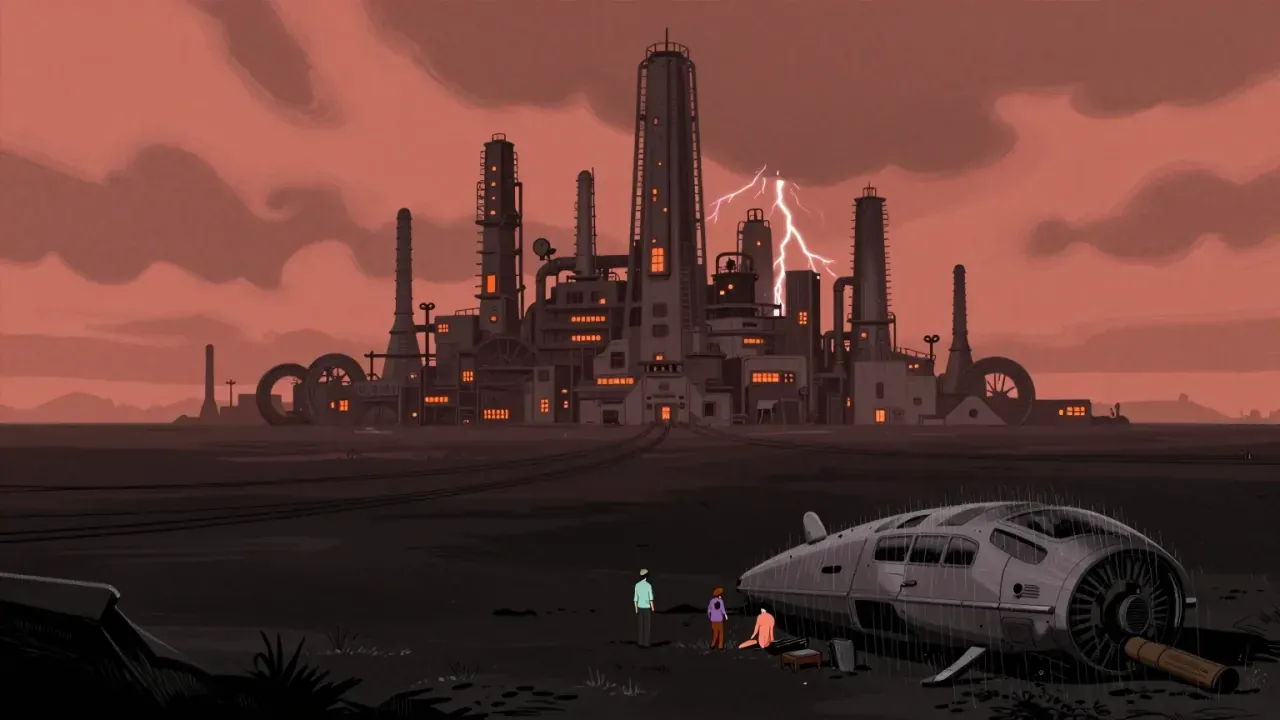
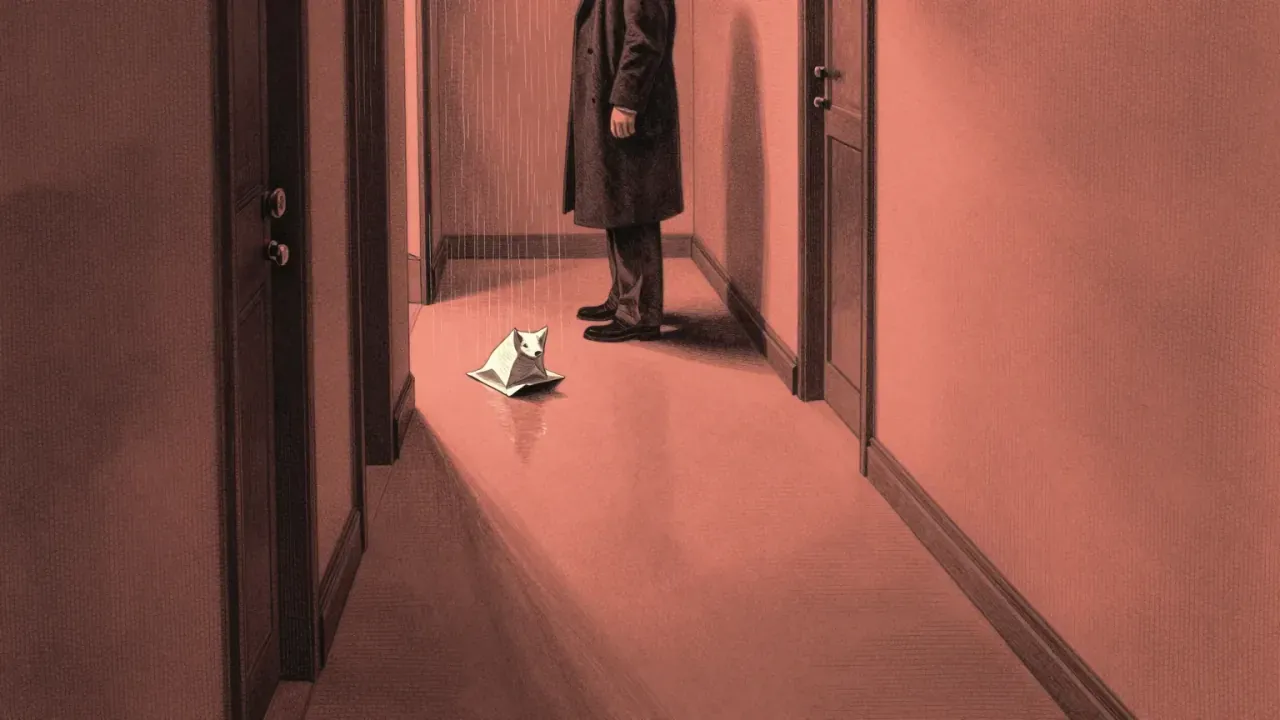
Blade Runner is a 1982 American science fiction film, directed by Ridley Scott from a screenplay by Hampton Fancher and David Peoples, adapting Philip K. Dick’s 1968 novel Do Androids Dream of Electric Sheep? Rick Deckard, a former police officer, is recalled to hunt down a small group of advanced synthetic humans called replicants, led by Roy Batty, who have escaped a Tyrell Corporation off-world colony and returned illegally to a rain-soaked, neon-lit Los Angeles of 2019. The film treats the hunt itself as secondary to the questions it keeps raising about what separates Deckard from the replicants he’s chasing, questions it never fully answers.
A script rewritten until Philip K. Dick approved it
The path to production ran through multiple failed adaptations and screenplay drafts: Philip K. Dick publicly criticised Hampton Fancher’s early script as corny and overly reliant on hard-boiled detective cliches, calling it a betrayal of the novel’s more complex themes. David Peoples was brought in to rewrite it, softening the story’s human-versus-android framing and introducing the idea that replicants age prematurely, changes Dick read in a February 1981 draft and praised without reservation, saying all his previous objections had been resolved. Financing also proved unstable; original backer Filmways withdrew late in pre-production, forcing producer Michael Deeley to secure $21.5 million through a three-way deal in just ten days.
A cast assembled after months of near-misses
Casting Deckard took months of negotiation: Dustin Hoffman spent an extended period discussing the role with Scott before departing over differing visions, and a long list of major stars, including Gene Hackman, Clint Eastwood and Al Pacino, were considered before Harrison Ford was cast, helped by Steven Spielberg’s enthusiastic praise of Ford’s work while the two were finishing Raiders of the Lost Ark. Rutger Hauer was cast as Roy Batty without Scott ever meeting him first, based purely on his performances in earlier Paul Verhoeven films, and Hauer later called Blade Runner his favourite of all the films he made.
A death speech Hauer wrote himself
The film’s most quoted passage, Roy Batty’s closing monologue as he dies in the rain, was substantially rewritten by Hauer himself, who brought his revised version to Scott on set rather than performing the scripted lines as written. It’s an unusual credit for an actor to claim on a film’s most memorable scene, and it lands as the moment the film’s abstract themes about mortality and memory become concrete and personal rather than conceptual. Dick himself, before his death, called Hauer’s casting the perfect realisation of Batty as he had imagined him: cold, blond and flawless.
A production and reception both a step ahead of its time
On release, Blade Runner grossed $27.6 million against a $28 million budget, essentially breaking even, and contemporary critics split sharply, some praising its thematic complexity and visual design while others found it slow-paced and light on action for a film sold as science fiction adventure. Seven different versions exist as a result of studio-mandated changes, including a voiceover added against Scott’s wishes for the theatrical cut; a 1992 director’s cut removed it after strong test-screening reactions to a workprint, and Scott achieved full creative control only with 2007’s Final Cut. That the film needed twenty-five years to reach a version its director considered complete says something about how far ahead of the studio’s comfort it originally sat.
Who this suits
This suits viewers who value atmosphere, world-building and unresolved philosophical questions over pace, and anyone with an interest in how a single film’s production design shaped decades of subsequent science fiction, from Cityspeak’s invented multilingual slang to the film’s rain-soaked neon skyline. It rewards patience rather than punishing it, and it suits anyone curious about Philip K. Dick’s fiction who wants to see how faithfully a difficult, philosophical novel can be reshaped into a working genre film. It is a poor fit for viewers who want brisk plotting or a definitive answer to the question of Deckard’s own nature, since the film is constructed specifically to leave that open across every one of its seven versions.
One hundred twelve minutes that grew into a genre
At 112 minutes, Blade Runner effectively broke even in its original theatrical run but went on to shape neo-noir and cyberpunk as visual and narrative modes across film, television, anime and video games, and it brought Philip K. Dick’s work to Hollywood’s attention in a way that led to numerous later adaptations. It won BAFTAs for cinematography and production design and a Hugo Award, and was preserved in the National Film Registry in 1993. Whichever cut you find first, it remains one of the clearer cases of a film whose commercial numbers on release say nothing about its eventual importance.