A spoiled cadet exiled for underperforming on purpose
Klaus opens with Jesper, a spoiled postal cadet, deliberately underperforming at the Royal Postal Academy on the assumption he will be sent home to his comfortable life, only for his father to give him an ultimatum instead: post six thousand letters within a year from Smeerensburg, a remote northern town, or be cut off from the family fortune entirely. Sergio Pablos, making his directorial debut after years animating on Disney’s hand-drawn films including The Hunchback of Notre Dame and Hercules, built the project specifically to test whether traditional animation, largely abandoned by Western studios since the 1990s in favour of computer animation, could still find an audience and a distributor.
A scheme built on a woodsman’s leftover toys
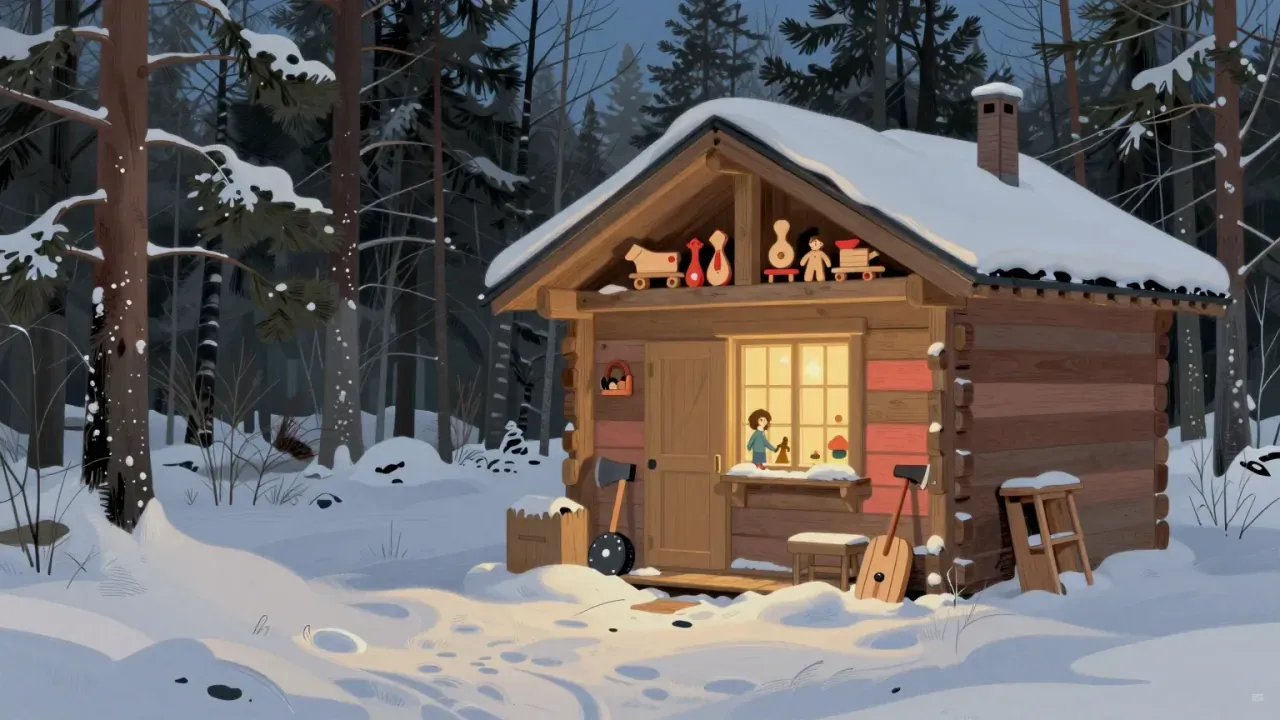
Finding Smeerensburg’s population split into two feuding families with no interest in writing letters, Jesper stumbles on Klaus, a reclusive woodsman with a house full of handmade toys, and turns delivering those toys into an incentive scheme: children who write to Klaus get gifts, and Jesper gets his quota filled letter by letter. What starts as a self-serving con gradually becomes the origin story the film is actually telling, with the specifics of good behaviour, secrecy, and yearly deliveries all falling into place as unintended consequences of Jesper’s scheme rather than as a plan either character set out to build.
Animation built to prove a point about technique
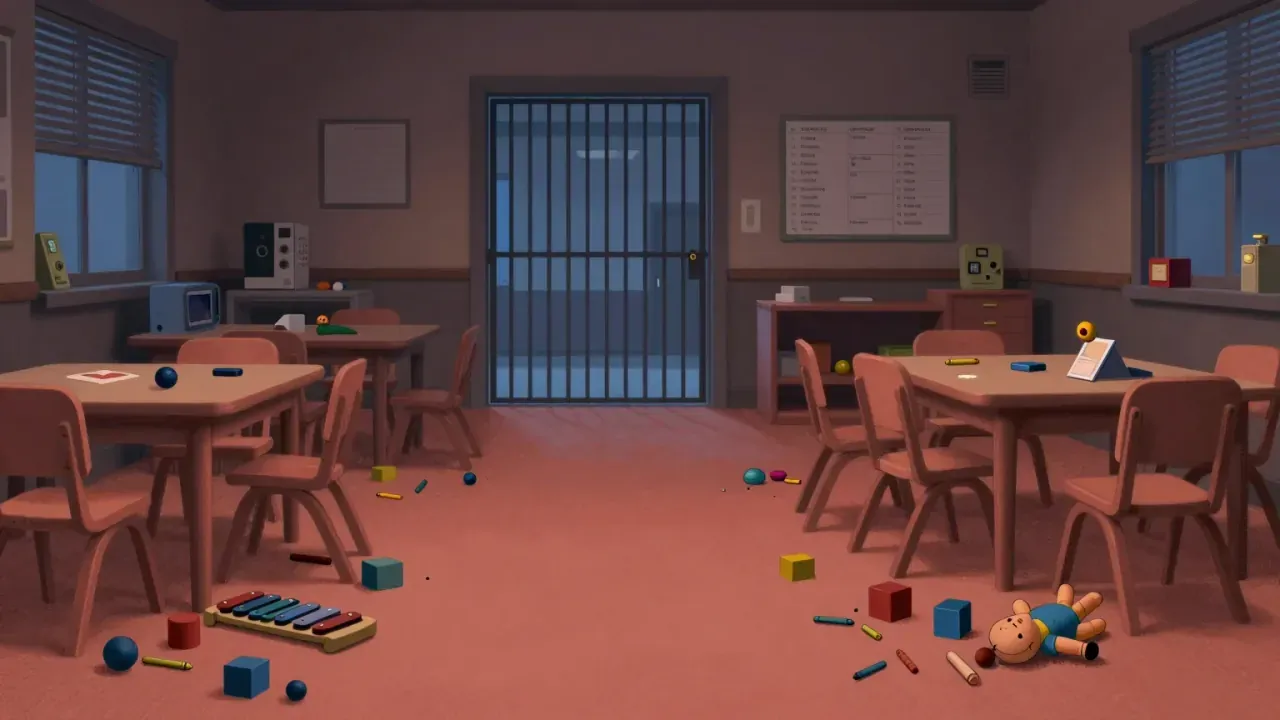
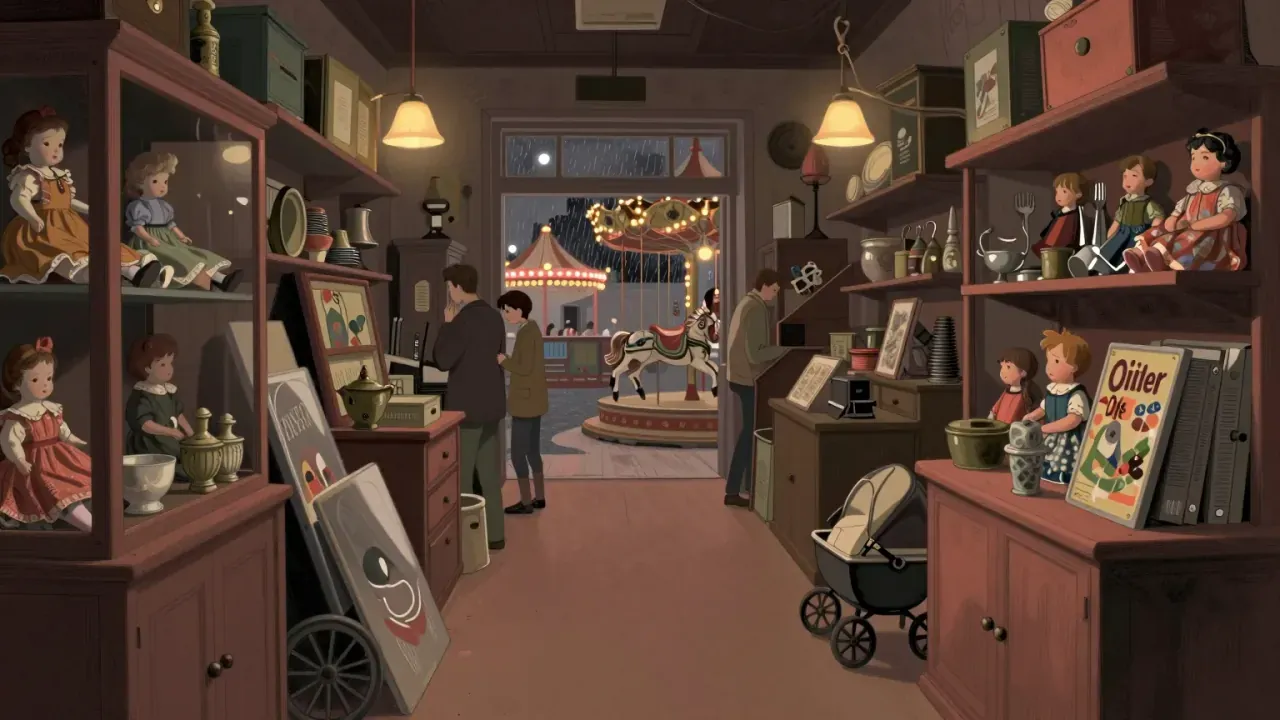
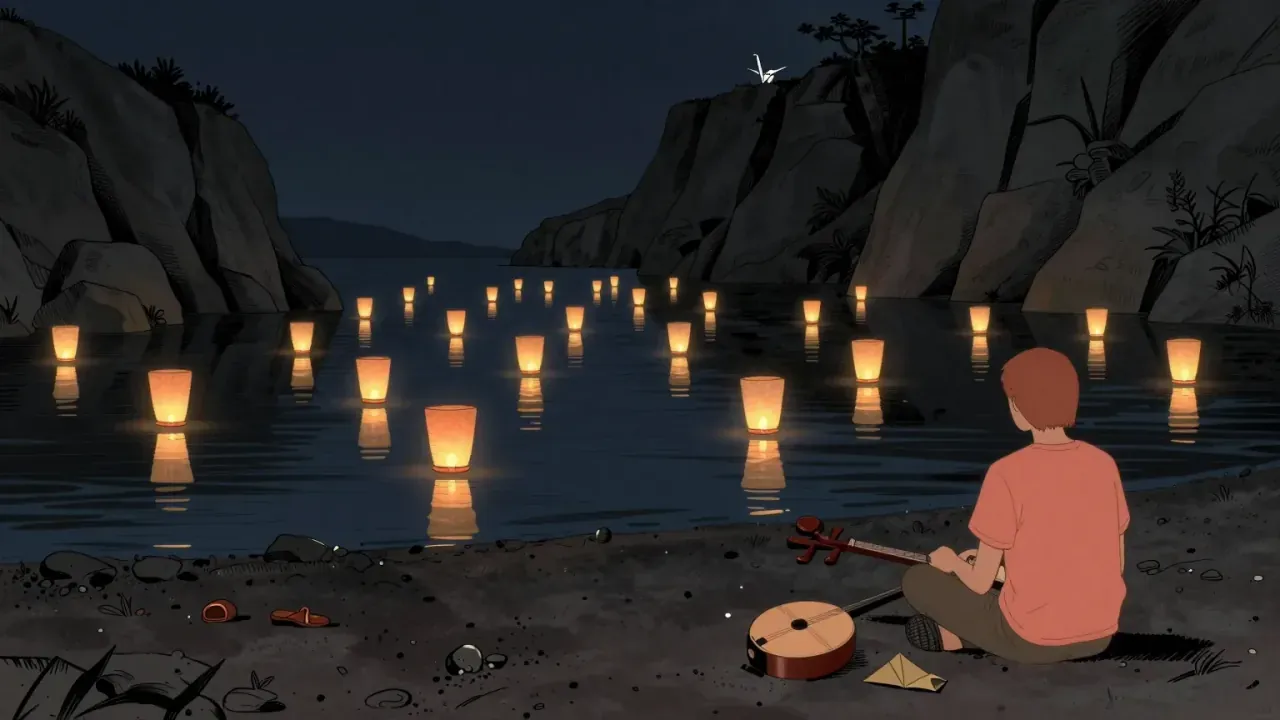
The film spent roughly seven years being shopped to studios who rejected it as commercially risky before Netflix acquired it, and the resulting animation was built to prove a specific technical point: Pablos and his team focused on organic, volumetric lighting and texturing to give traditionally drawn characters a dimensionality that avoided what he described as the flat, sticker-on-painted-background look associated with the format’s decline. Fellow Disney veterans James Baxter and Andrew Chesworth contributed to that effort, and the resulting visual texture is distinct enough from typical hand-drawn animation that it functions as an argument for the technique’s continued viability, not just a nostalgic throwback.
A feud plot doing more work than the toy-delivery premise needs
Running alongside the toymaking plot is a feud between the Ellingboe and Krum families, which the film needs to resolve for its ending to land, and this subplot occasionally competes for space with the more central relationship between Jesper and Klaus. The mechanics of ending a generations-long feud, mostly through children’s toys prompting good behaviour and eventually a fallen-in-love pair of feuding-family children, are serviceable rather than especially inventive, and the film’s stronger material remains the toymaking relationship rather than the town politics surrounding it, which occasionally feels bolted on to give the third act somewhere bigger to go.
Grief given to Klaus rather than glossed over
Klaus’s generosity is given a specific, sad origin rather than presented as an unexplained trait: he made his toys for children he and his late wife, Lydia, hoped to have but could not conceive, and the reveal reframes his reclusiveness and his reluctance to keep making toys as grief rather than simple misanthropy. Pablos has said he workshopped several origin-story candidates, including historical figures, before settling on Santa Claus specifically because no single canonical origin story already existed to contradict, giving the film room to invent this backstory without needing to reconcile it against prior tradition.
A genre film that rewards adults for the craft, children for the story
Children watching get a straightforward redemption arc with a reliable comic rhythm built around Jesper’s initial selfishness curdling into real care, delivered with enough visual gags and character work to hold attention on its own terms. Adults are more likely to notice and appreciate the animation technique itself, the choice of a Sami character and setting drawn from Pablos’s own travels in Norway, and the quieter emotional mechanics of Klaus’s grief, all of which sit a layer beneath the surface plot that children are following without needing to register any of that texture consciously.
Ninety-six minutes that reopened a door the industry had shut
Klaus received the first Academy Award nomination for a Netflix animated feature and was reportedly watched by forty million member households in its first four weeks on the service, alongside a limited theatrical run. At ninety-six minutes, it does not overstay its central premise, and the craft evident in its lighting and texturing justifies the years Pablos spent getting it funded against an industry that had largely written off the format. It earns a place in a Christmas evening on the strength of the toymaking relationship at its centre, feud subplot notwithstanding.