A death announced, then explained
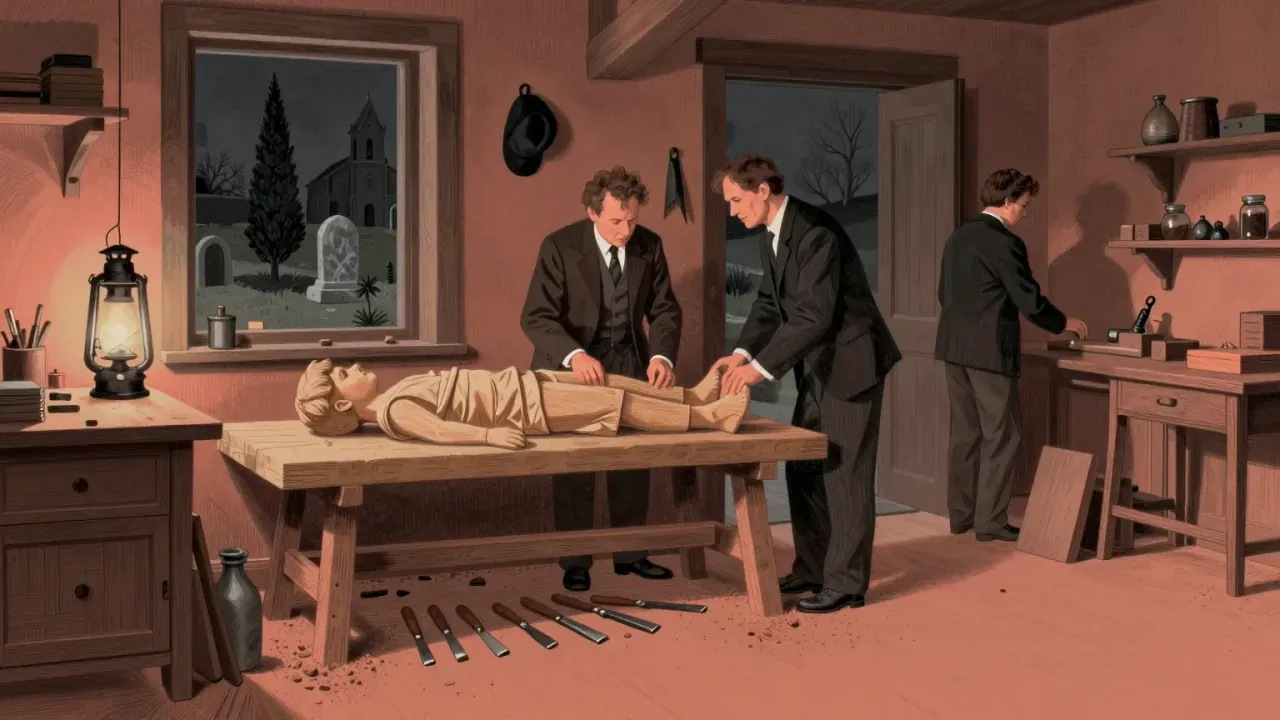
Grave of the Fireflies is Isao Takahata’s 1988 adaptation of Akiyuki Nosaka’s semi-autobiographical short story, following siblings Seita and Setsuko as they try to survive the final months of the Pacific War after Kobe is firebombed and their mother dies. Takahata’s first film for Studio Ghibli, it opens by telling the audience Seita is already dead, then spends the rest of its running time showing how he and his four-year-old sister arrived there. Takahata resisted calling it an anti-war film, insisting instead that it is about a specific, unheroic fourteen-year-old failing to manage an impossible situation.
Brown lines and a five-year-old’s real voice
Colour coordinator Michiyo Yasuda drew most outlines in brown rather than the customary black, softening the image against material that could easily tip into melodrama. Nosaka, sceptical that animation could capture the scorched landscape of wartime Kobe, was won over by the storyboards’ accuracy, and art director Nizo Yamamoto, who had not lived through the war, was recruited by Takahata specifically because his outsider’s research would be more careful than assumed familiarity. Setsuko’s voice actress, five-year-old Ayano Shiraishi, recorded her lines before animation began, so her natural, unrehearsed delivery could shape the drawn performance rather than the other way round.
Setsuko as a real child, not a symbol
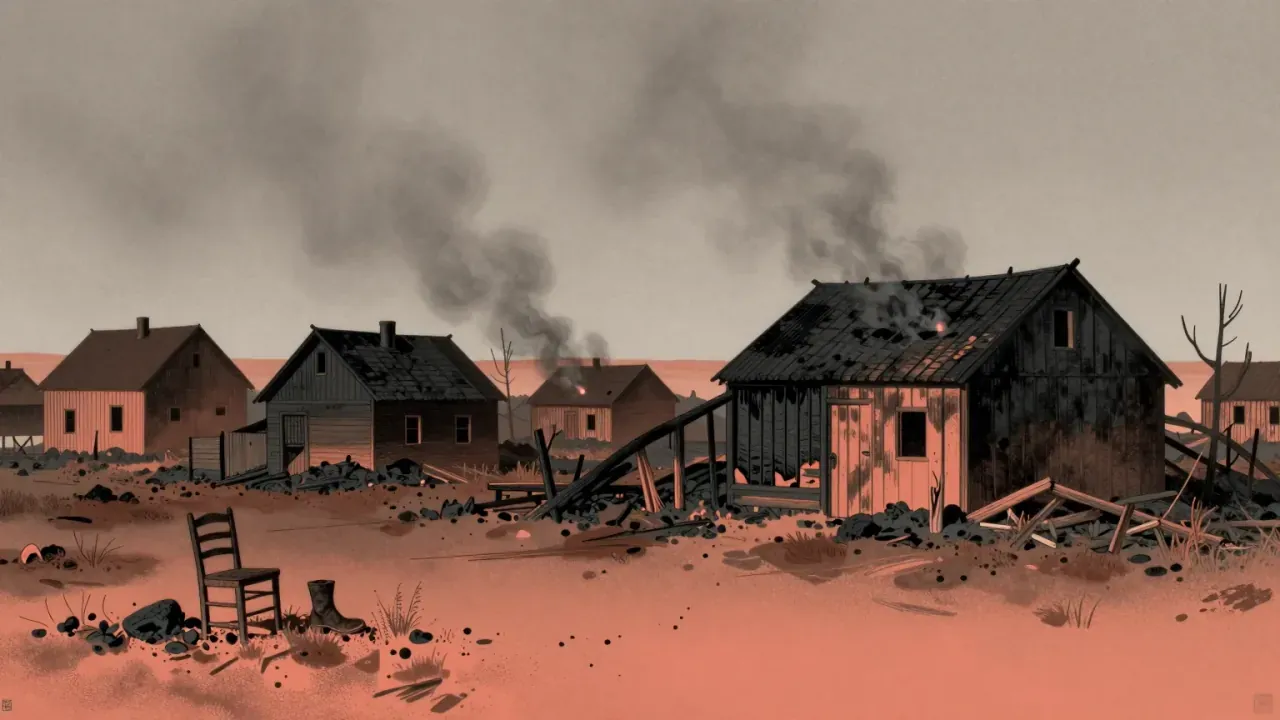
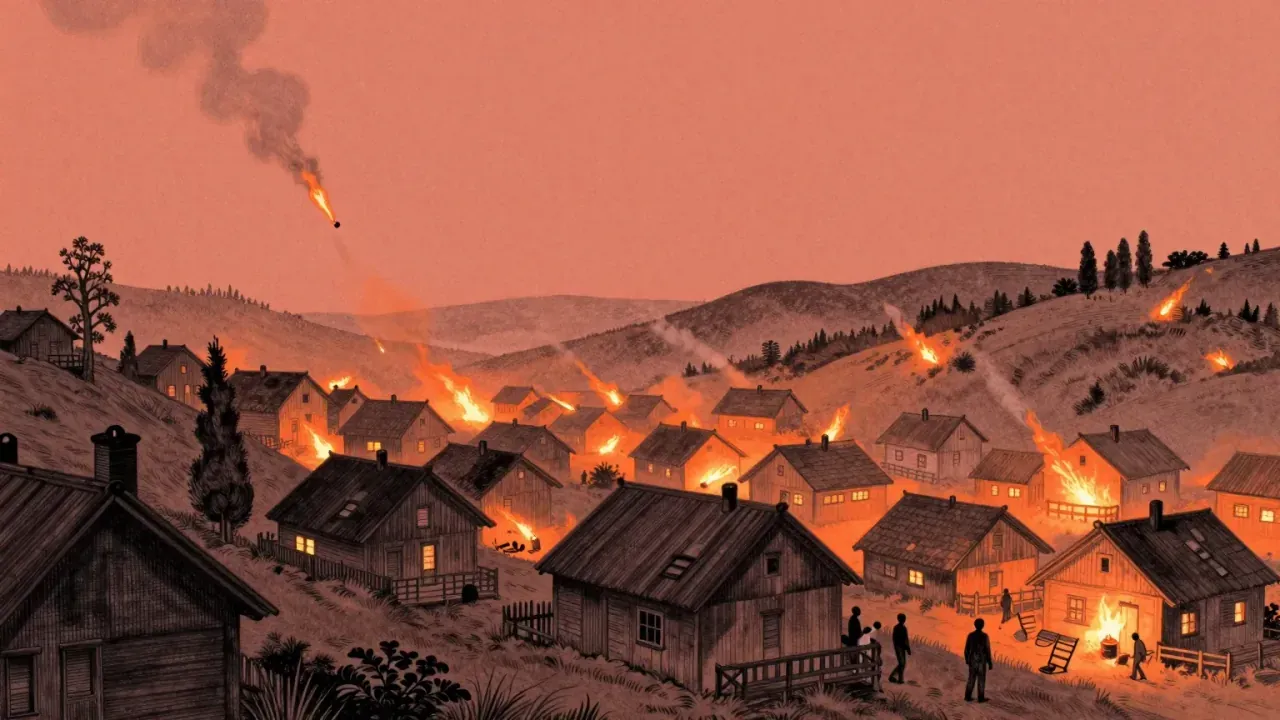
Setsuko’s animation is the film’s clearest achievement: her tantrums, her games with a tin of fruit drops, her small cruelties toward Seita when he cannot provide for her, read as an actual four-year-old rather than a symbol of innocence. The firebombing sequence itself is staged with a controlled, unglamorous horror, Takahata drew on memories of an air raid he lived through and specifically avoided the sparks-and-explosions style he criticised in other productions. The brown-line technique keeps the visual register gentle even as the story does not soften anything else, a deliberate mismatch between softness of image and harshness of event that the film sustains all the way through.
A pride the film never judges
The film’s insistence on Seita’s private pride, his refusal to ask his aunt for real help once she starts resenting the children’s presence, can read to some viewers as withheld information rather than characterisation, since the film never editorialises about whether his choices are right. Structuring the story around a foretold death removes suspense about outcome, which works for the film’s meditative tone but means some of the tension has to come from smaller, quieter dreads, a dwindling rice supply, an aunt’s growing coldness, rather than the larger one, already settled from the opening scene onward.
A code inherited, not chosen
Nationalism and its costs run underneath the survival story: Seita’s wish to be near his naval-officer father, and his instinct to hold onto pride rather than accept charity, are shown as a kind of inherited patriotic reflex that actively worsens the children’s situation rather than protecting it. The film is less interested in blaming the American firebombing directly than in showing how a society’s wartime values, self-reliance, deference to hierarchy, shame at need, continue operating on children even once the adults meant to enforce them are dead or absent, leaving Seita to enact a code that was never built to be carried by a boy alone.
Not a casual watch
This is not a film for casual viewing or for children too young to process a sustained, unresolved account of two young siblings dying slowly of starvation and illness. It suits viewers prepared for one of the more emotionally demanding films in any medium, and anyone interested in a war film told entirely from a child’s-eye view of the home front rather than combat. It is not for anyone seeking historical distance from its violence; the closeness is the entire method, and knowing from the opening minutes how it ends does nothing to soften how directly the film puts the audience beside the two children.
Modest returns, enduring acclaim
Grave of the Fireflies made a modest ¥1.7 billion at the Japanese box office on release, well below blockbuster returns, but has since accumulated close to universal critical acclaim, a 100 percent Tomatometer score and a 9.3 average from rated reviews, and is regularly cited among the saddest films made in any format. Roger Ebert placed it among the greatest war films regardless of medium. It rewards the evening it demands, but that demand is real, and worth naming plainly before pressing play: this is a film to be ready for, not one to stumble into expecting a typical Ghibli evening.