A ring placed on the wrong finger
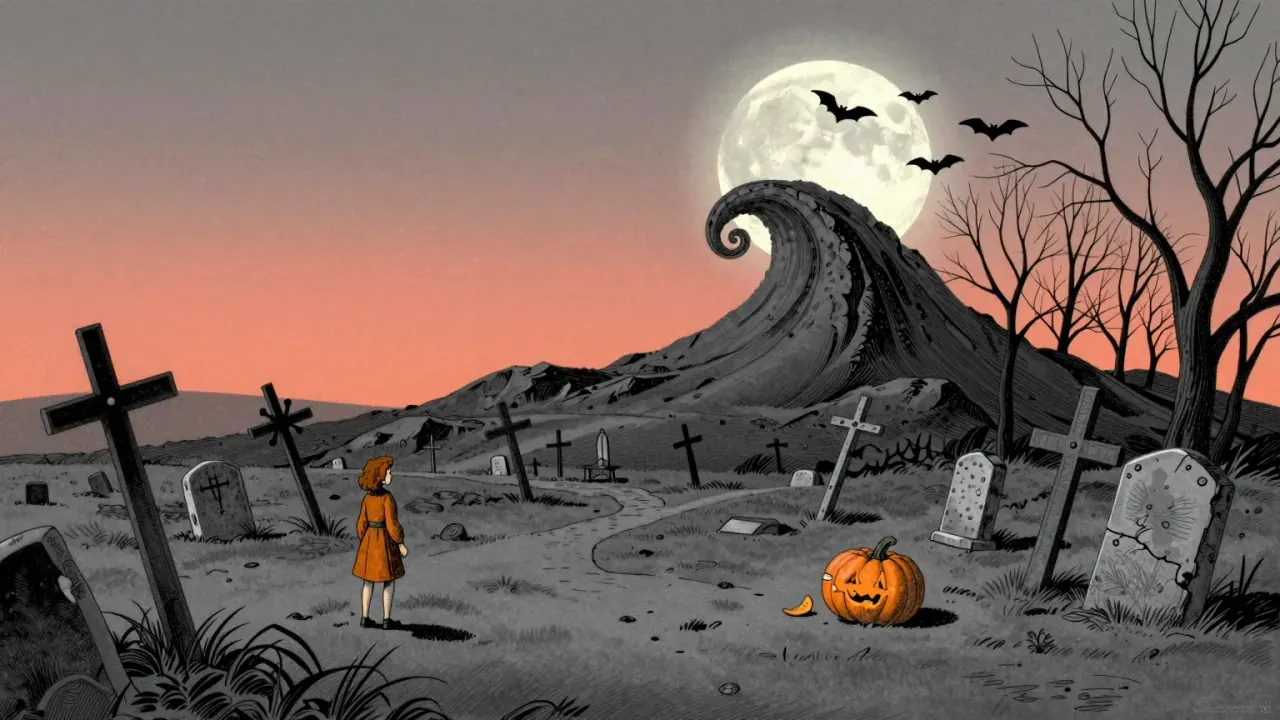
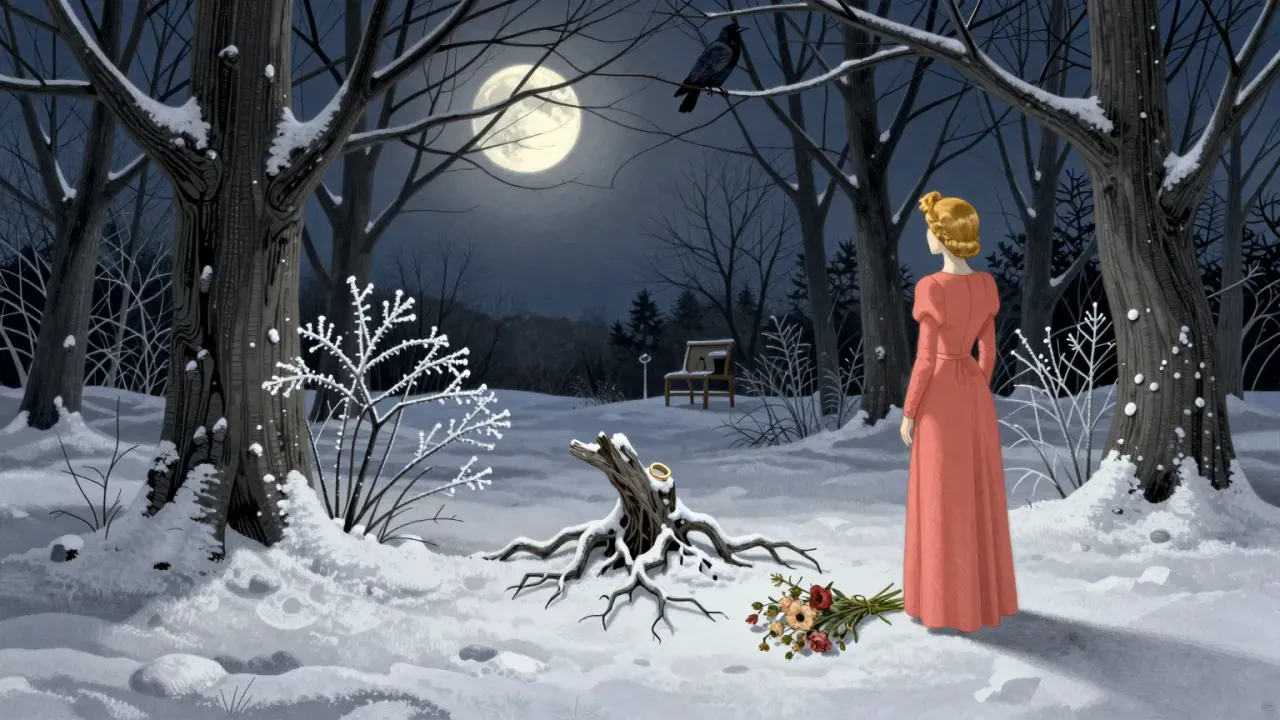
Corpse Bride follows Victor Van Dort, an anxious young man in an arranged marriage to restore his family’s status, who accidentally marries a murdered woman named Emily after placing his practice wedding ring on what he thinks is a tree root in a nearby forest. Drawn into the vividly colored Land of the Dead while his actual fiancée Victoria waits, unaware, in the grey Land of the Living, Victor has to navigate a bureaucratic afterlife and Emily’s own unresolved grief while deciding where his loyalty actually belongs. Tim Burton and Mike Johnson co-direct from a story sourced from a seventeenth-century Jewish folktale that Joe Ranft, the film’s eventual executive producer, introduced to Burton while they were finishing The Nightmare Before Christmas years earlier.
A co-directed shoot on digital cameras, live-action running in parallel
Production ran through 2003 and 2004 at 3 Mills Studios in London while Burton was simultaneously directing the live-action Charlie and the Chocolate Factory, and the crew shot the stop-motion animation on Canon digital SLR cameras rather than the 35mm film used for The Nightmare Before Christmas, a technical shift that sped up the workflow considerably. Johnson described their co-directing arrangement as more integrated than the usual split-by-sequence approach, with Burton setting the emotional target for scenes and Johnson working daily with the crew to get the footage there. The cast, including Johnny Depp and Helena Bonham Carter as Victor and Emily, recorded almost all of their dialogue in isolation from each other, with Albert Finney and Joanna Lumley among the rare pairs who shared a booth.
The underworld painted warmer than the world of the living
The Land of the Dead is animated with more color, music and genuine warmth than the muted, class-anxious Land of the Living, which reverses the expected gothic logic and makes Victoria’s world, not Emily’s, feel like the more oppressive place to be trapped. Emily’s musical number recounting her murder, staged as a wedding-day betrayal by a fortune-hunting fiancé, gives her more narrative interiority than the film’s nominal heroine Victoria receives for most of the runtime. Danny Elfman’s score, blending mournful waltzes with livelier dance numbers for the underworld sequences, tracks the film’s actual emotional sympathies more clearly than the plot’s stated resolution does.
Where Victoria stays underwritten
Victoria remains underwritten relative to Emily for most of the film, existing mainly as the option Victor is supposed to want rather than as a character with comparable interiority until a late scene gives her some agency against her own arranged marriage. At 76 minutes, several of the Land of the Dead’s supporting skeleton characters are introduced with visual flair but limited follow-through, functioning as scenery for musical numbers rather than figures who affect the plot. Lord Barkis Bittern, the fortune-hunter maneuvering to marry Victoria once Victor is presumed gone, is dispatched in a single exposing moment near the end, which resolves his threat efficiently but leaves him thinner than the film’s earlier setup implies he might become.
Duty versus being genuinely chosen
The film’s real tension is between duty and feeling: both of Victor’s potential marriages are initially arranged for reasons that have nothing to do with love — his to restore his family’s social standing, Emily’s original marriage to enrich a fiancé who then murdered her for her dowry — and the story’s sympathy consistently lies with whichever woman is being used rather than chosen. Emily’s arc, from vengeful ghost to someone capable of releasing Victor once she understands what genuine choice looks like, gives the film’s treatment of death an unusual generosity: the dead aren’t monstrous, they’re simply further along in figuring out what actually matters. The ending’s insistence that Emily’s freedom, not her defeat, is the resolution keeps the film from being a simple story about a living man escaping an underworld threat.
Who the gothic romance and musical numbers suit
This suits viewers drawn to gothic romance that isn’t interested in easy answers about which world, living or dead, is actually more alive, and anyone who appreciates Danny Elfman’s musical numbers doing real narrative work rather than serving as interludes. It also rewards fans of stop-motion’s specific texture and of Burton’s recurring interest in outsiders more sympathetic than the society excluding them. It’s a less satisfying choice for viewers wanting a conventionally weighted love triangle, since Victoria’s underdevelopment makes the ending’s choice feel less balanced than the plot presents it as being.
Why 76 minutes leans toward the dead bride
At 76 minutes, Corpse Bride moves briskly through its setup, underworld detour and resolution, and a 3x return on its $40 million budget reflects a modest but real commercial success for a stop-motion film aimed at a gothic sensibility rather than mass-market comedy. Dedicated to Joe Ranft, who died a month before release, the film carries that loss visibly in its focus on grief and unfinished business. Worth the evening for the Land of the Dead’s musical numbers and Emily’s arc alone, even if the ending’s balance between its two women never quite matches where the film’s own sympathies have been all along.