A weekend with the girlfriend’s family turns into something else
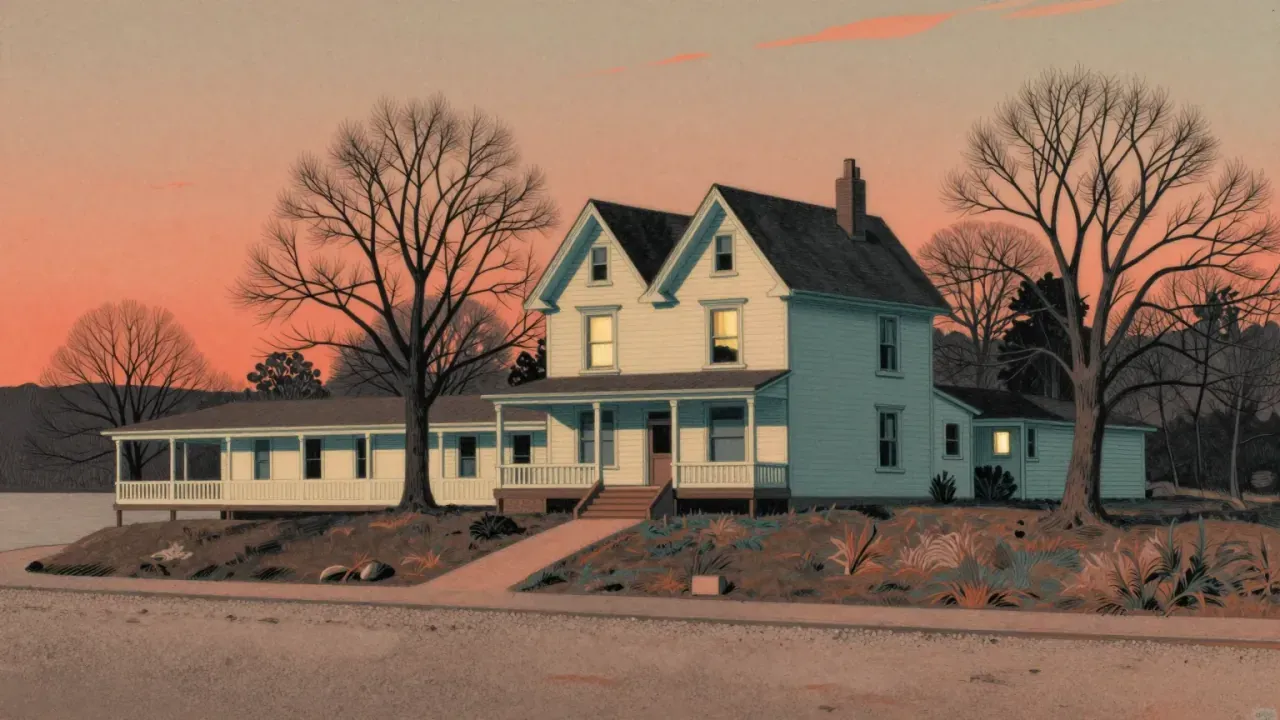
Get Out follows Chris Washington, a Black photographer, on a weekend visit to the family of his white girlfriend Rose Armitage, where politeness curdles gradually into something closer to captivity. Jordan Peele, previously known for the sketch show Key & Peele, wrote and directed the film as his feature debut, working with Blumhouse Productions on a $4.5 million budget. Peele has cited The Stepford Wives as an influence on how the film’s satire operates through domestic normalcy rather than overt menace. The film went on to gross $255.4 million worldwide, an outcome that made it one of the most profitable original screenplays in recent studio history relative to its cost.
Hypnosis, a teacup, and a directing debut built on control
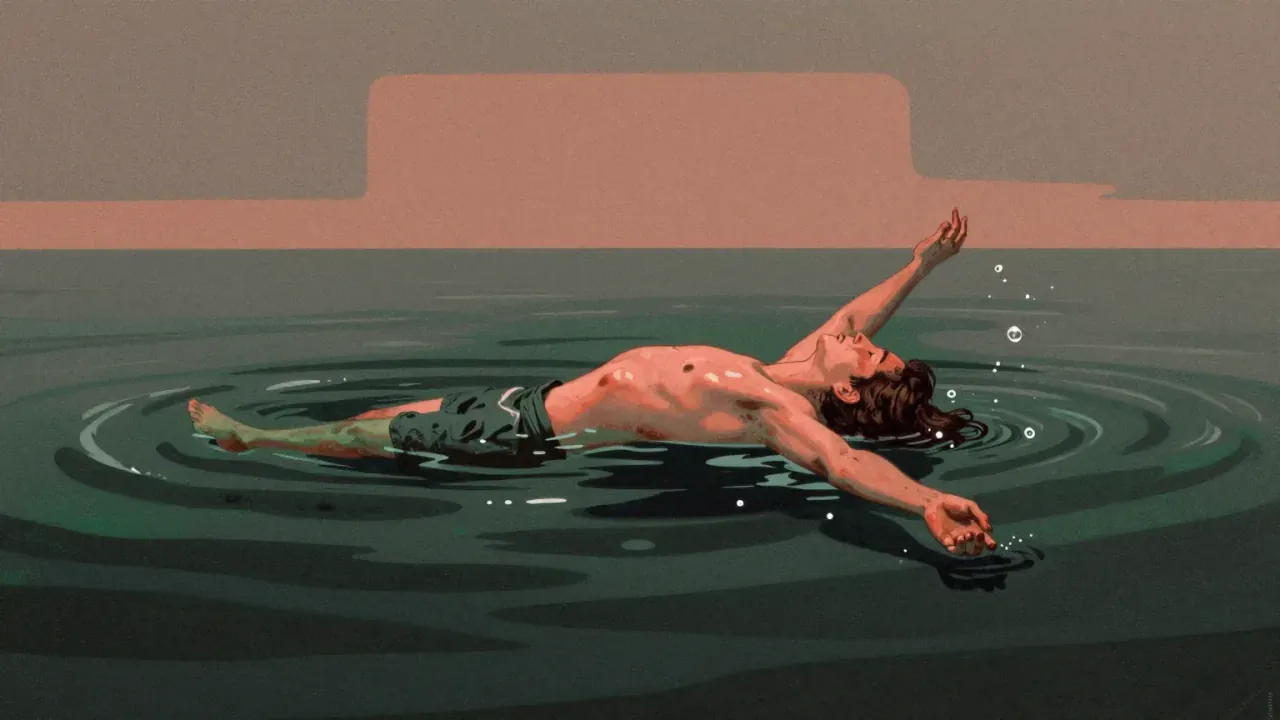
Peele cast Daniel Kaluuya after seeing him in the Black Mirror episode about a dystopian talent show, and cast Allison Williams specifically to play against the trustworthy persona audiences already associated with her from other roles, so that Rose reads as safe for as long as possible. Catherine Keener’s Missy hypnotises Chris using the sound of a spoon stirring in a teacup, sending him into what Peele calls the sunken place, an idea he developed from the sensation of falling asleep and from wanting to depict being trapped as a passive observer inside one’s own body. Michael Abels’s score folds in Swahili vocals and blues phrasing at Peele’s request, avoiding what Peele considered generic horror-scoring shorthand for depicting Black characters. The film was shot in Fairhope and Mobile, Alabama, though Peele deliberately avoided coding the story as Southern, wanting the racism on display to read as liberal and ostensibly progressive instead.
What the horror actually indicts
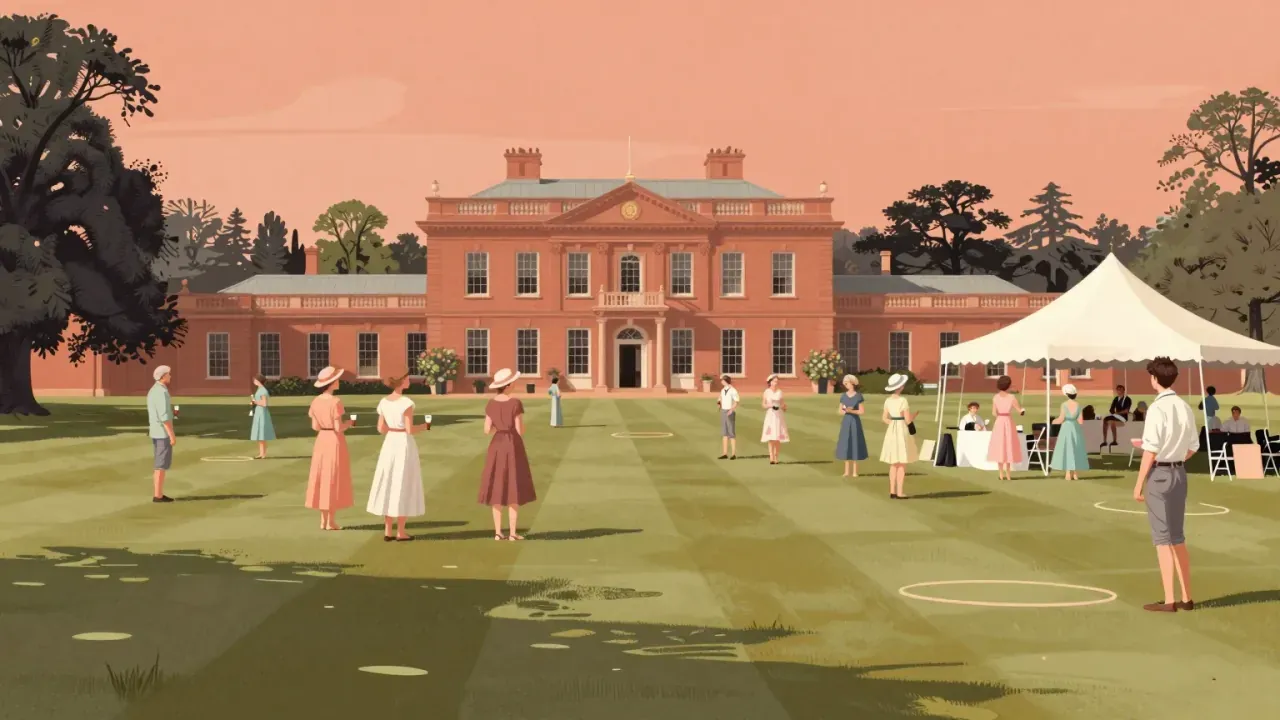
The film’s satire lands hardest in its smallest social details, the party guests who compliment Chris’s physique or golf swing without any apparent awareness of what they’re doing, because Peele lets the horror grow directly out of behaviour many viewers will recognise from real gatherings rather than from genre convention. Betty Gabriel, as the Armitages’ housekeeper Georgina, delivers a scene in which her hypnotised smile cracks into tears while she insists nothing is wrong, a moment built almost entirely on her face rather than dialogue. Peele won the Academy Award for Best Original Screenplay, and in 2021 the Writers Guild of America West named the script the best written so far this century. Kaluuya’s performance, largely reactive and internal for much of the film, carries the tonal balance between comedy and dread that Peele’s background in sketch work had prepared him for.
Where genre mechanics take over
Once the Armitages’ actual scheme, transplanting wealthy white buyers’ consciousness into Black bodies via brain surgery, is explained outright, the film shifts from slow-building social horror into a more conventional home-invasion climax, and some of the mechanics behind the auction and surgery don’t bear close scrutiny. Peele originally wrote an ending in which Chris kills Rose and is then arrested, intending to reflect the realism of how such a scene would likely play out for a Black man in America; he replaced it with a more hopeful ending after gauging test audiences’ reactions, a change that softens the film’s final note in a way some viewers have found at odds with everything preceding it.
Racism dressed as liberal hospitality
Peele has connected the sunken place directly to the prison-industrial complex, a metaphor for a body controlled while its consciousness is rendered powerless to intervene, and Lil Rel Howery, who plays Chris’s friend Rod, has linked the film’s underlying dread to specific historical fears, citing the murder of Emmett Till as part of the cultural memory the story draws on. Peele has said he worried before release both that white audiences might resist being cast as the story’s villains and that Black audiences might resist watching a Black protagonist placed in danger yet again, a tension the film addresses partly by giving Chris agency and eventual survival rather than victimhood.
Who this is built for, and who it will unsettle
This suits horror audiences who want their scares built on social observation rather than jump-scare mechanics, and viewers interested in a directing debut that treats comedy and dread as compatible instruments rather than opposites. Kaluuya’s performance and the screenplay’s density of small, resonant details reward a second viewing once you know where the plot is headed. It is a less comfortable fit for horror viewers who want pure atmosphere over social commentary, since the film’s satire is explicit rather than incidental, and anyone squeamish about surgical body horror should be aware the final act turns considerably more graphic than the slow-building first two thirds.
A tight 104 minutes worth the unease
At 104 minutes, Get Out doesn’t overstay its premise, and it holds up on rewatch better than most horror films of its scale because so much of what makes it work is dialogue and behaviour rather than shock. Rotten Tomatoes lists a 98% Tomatometer score with an 8.4 out of 10 average rating, and Metacritic scores it 85 out of 100, both consistent with a film critics have treated as a genuine turning point for horror as social commentary rather than a passing hit. Whether or not horror is usually your genre, this is worth an evening, and the ending’s shift toward hope is worth knowing was a considered choice rather than an easy one.