An interview that becomes a life story
Millennium Actress frames a documentary crew’s interview with a reclusive, retired film star, Chiyoko Fujiwara, as the occasion for her life story, then dissolves the boundary between her memories and the roles she played on screen until the two run as one continuous narrative. Satoshi Kon directs his first original project, after Perfect Blue, from a premise producer Taro Maki pitched as wanting a film that felt like an optical illusion. The character is loosely modelled on real actresses Setsuko Hara and Hideko Takamine, and the plot follows Chiyoko’s decades-long, unresolved search for a political dissident painter she sheltered as a teenager and never stopped trying to find.
A low budget built around one animator’s eye
The production ran roughly two years with around 250 staff on one of the lowest budgets recorded for a Japanese animated feature at the time, and Kon worked from layouts he drew himself for most scenes, with character design handled by Takeshi Honda rather than Perfect Blue’s Hisashi Eguchi, chosen specifically for a more elegant line that Kon felt would read outside dedicated animation audiences as well as within them. Susumu Hirasawa’s score, requested by Kon because he’d long admired the composer, threads through scene transitions that jump between decades and film genres without a cut to signal the change, forcing the music to carry continuity the editing deliberately withholds. This is also Kon’s last film made with traditional cel animation before he moved to digital methods.
Memory sliding into film role without a cut
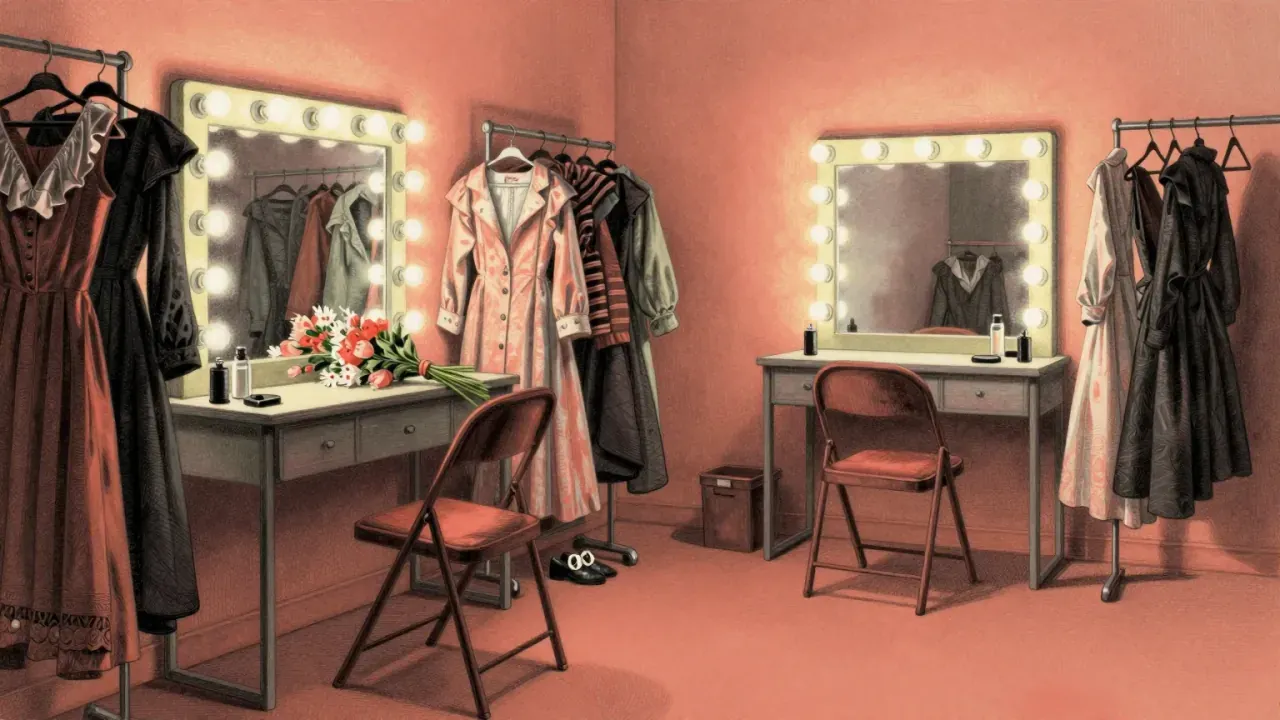
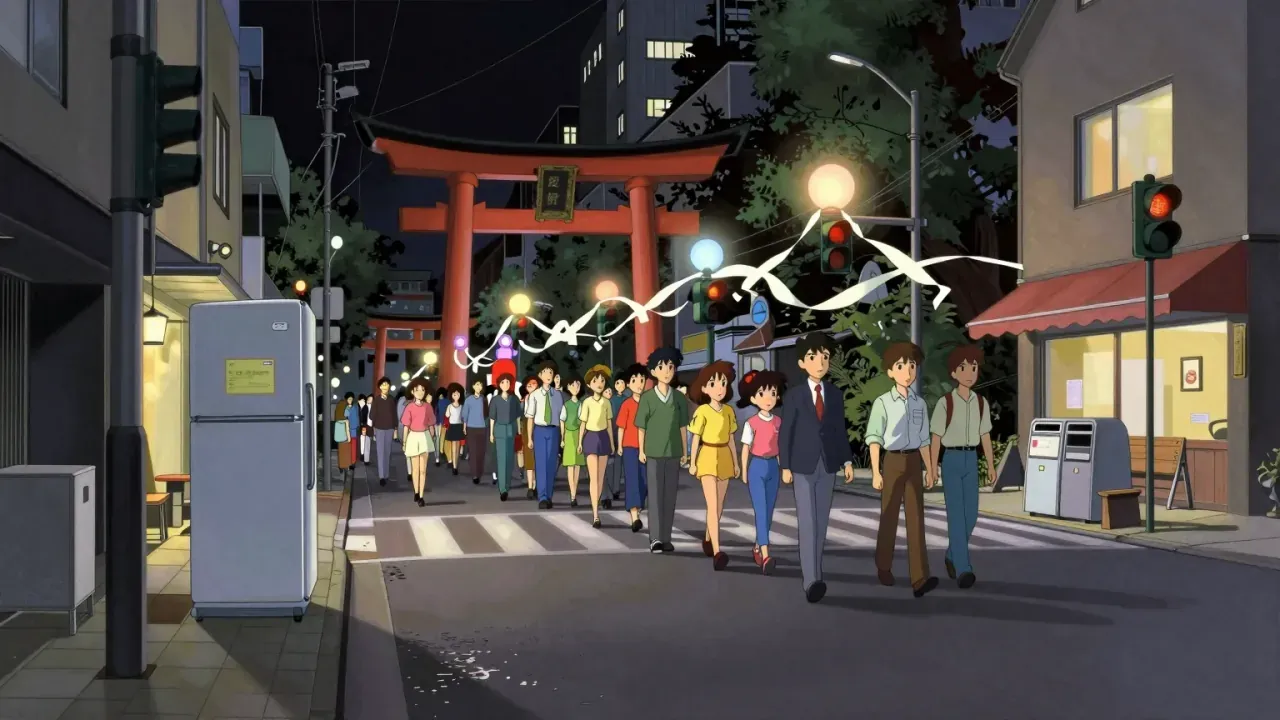
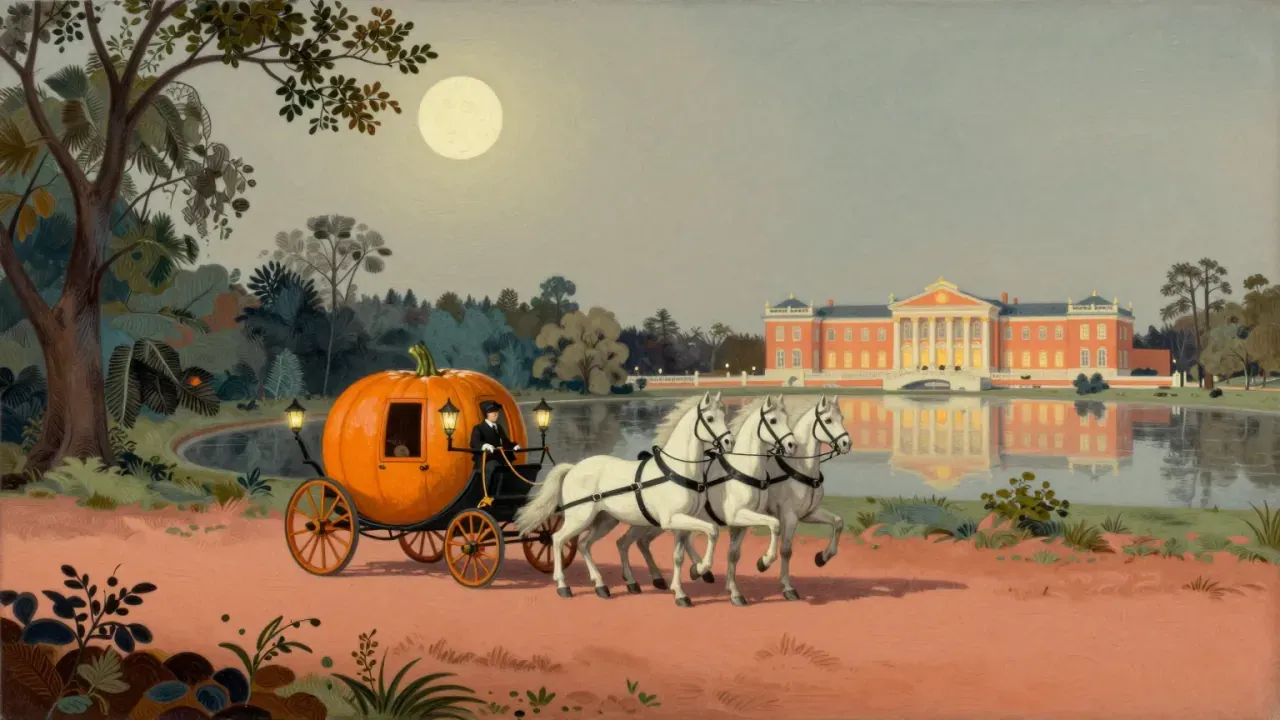
The film’s device of sliding from a real memory directly into whichever genre of period film Chiyoko happened to be making at the time — a Manchurian war picture, a Sengoku castle drama, an Edo-period courtesan story — works because the transitions never announce themselves; a runaway train from her actual life becomes a getaway in one of her films without a visible edit marking the shift. The documentary crew, especially Genya Tachibana, function as stand-ins for an audience that already knows it’s watching constructed memory and stays invested anyway, letting the film comment on fandom without condescending to it. Chiyoko’s closing insistence that the search itself, not the reunion, was what she loved reframes the entire chase retroactively.
Where the ambiguity outpaces the plot
The device that makes the film distinctive — never marking where memory ends and film role begins — occasionally makes individual sequences hard to place chronologically on a first viewing, and viewers unfamiliar with mid-century Japanese cinema may miss some of the specific genre references folded into Chiyoko’s filmography. The wraith figure that recurs through her roles as a symbol of a curse is introduced with enough ambiguity that its rules, and what exactly breaks its hold at the end, remain vaguer than the rest of the plotting. Eiko, the rival actress whose jealousy drives several key betrayals, is drawn thinly enough that her motivations read as plot mechanics more than as a fully worked-out character in her own right.
A career spent performing someone else’s search
The film’s real subject is what a career built entirely on performing other lives does to a person’s sense of her own — Chiyoko’s search for the painter becomes indistinguishable from the plots she was cast in precisely because acting was the only vocabulary she had left for processing an unresolved loss. Her closing realization, that the pursuit mattered more than ever actually finding him, reframes the film’s entire structure as being about the discipline of hope rather than romantic completion. Weaving Japan’s twentieth-century upheavals — the Kantō earthquake, war with China, the Second World War — into a single woman’s personal chronology also argues that public history and private memory were never really separable for someone whose job was embodying both.
Who the blurred structure rewards
This suits viewers with patience for structural ambiguity and an interest in classic Japanese cinema, since much of the pleasure comes from recognizing the genres Chiyoko’s filmography is built from. It also rewards anyone interested in Satoshi Kon’s broader work, since the blurring of memory and performance recurs across his filmography in more aggressive form. It’s a poor fit for viewers wanting a straightforward biographical drama or a clearly signposted timeline, since the film asks you to accept confusion about what’s real as the point rather than a flaw to be resolved.
Why 83 minutes deserves a second watch
At 83 minutes, Millennium Actress moves through decades of Japanese film history at a clip that rewards a second viewing more than most films this length, though its US theatrical run — a handful of screens and under $40,000 total takings — meant most audiences met it on home video rather than in a cinema. A 93% critical score and an Animation Kobe award suggest the film’s reputation has held up better than its initial commercial footprint. Worth the evening, and worth a second one shortly after, since the seams between memory and film role are easier to spot once you already know they’re there.