A boy banned from the one thing he loves
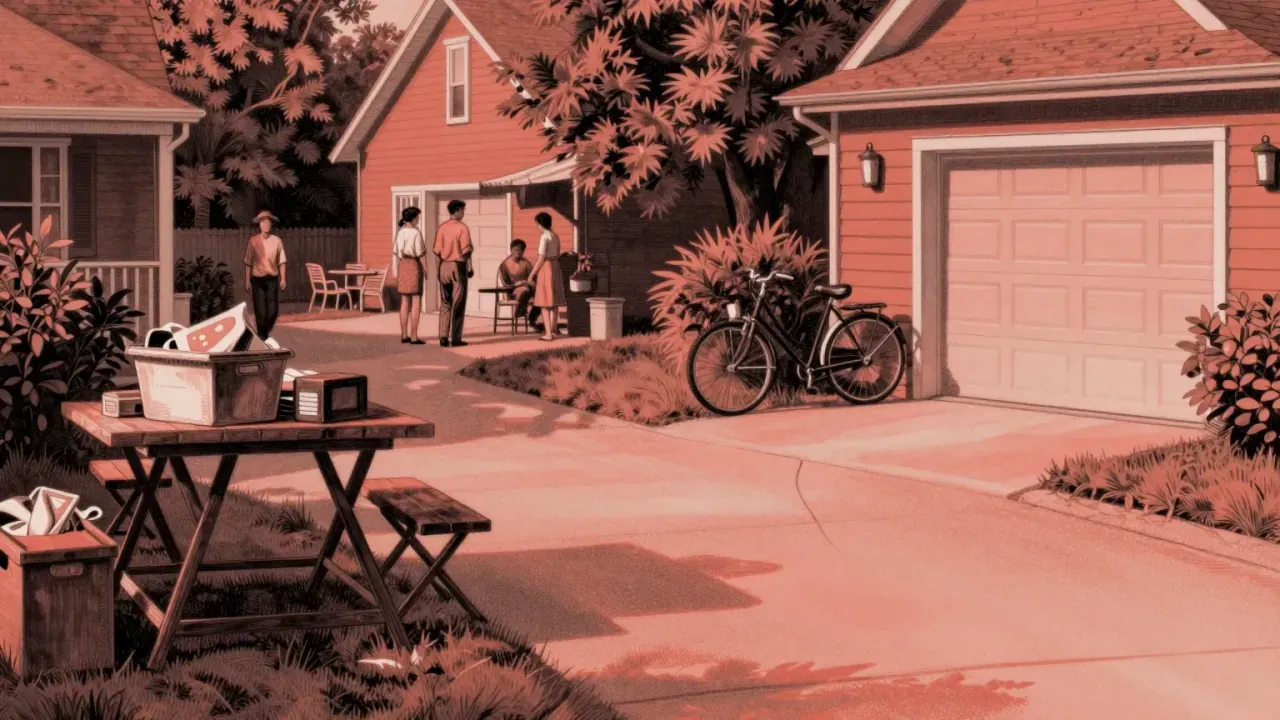
Coco opens with a family curse explained through cut-paper animation: generations ago, a great-great-grandfather left his wife and daughter to pursue music, and the family has banned music from the household ever since. Miguel, twelve years old and secretly devoted to guitar and to his idol Ernesto de la Cruz, is caught between that ban and his own ambition, and Lee Unkrich’s original pitch, an American child learning about Mexican heritage, was scrapped early once the team recognised, in Unkrich’s own words, that none of them were from Mexico and the story needed a Mexican child at its centre instead. That shift shaped years of subsequent research trips and consultation before a script was locked.
A Day of the Dead accident with a deadline attached
Stealing a guitar from what he believes is his great-great-grandfather’s grave on the Day of the Dead pulls Miguel into the Land of the Dead itself, where he learns he has until sunrise to receive a deceased family member’s blessing or be trapped there permanently, unable to return to the living. That deadline structure gives the film’s back half a heist-adventure shape, as Miguel and the down-on-his-luck skeleton Hector, voiced by Gael García Bernal, race through the Land of the Dead’s own bureaucracy and geography looking for Ernesto de la Cruz, voiced by Benjamin Bratt, believing him to be the ancestor who can free Miguel from the curse.
A city imagined down to its rule of forgetting
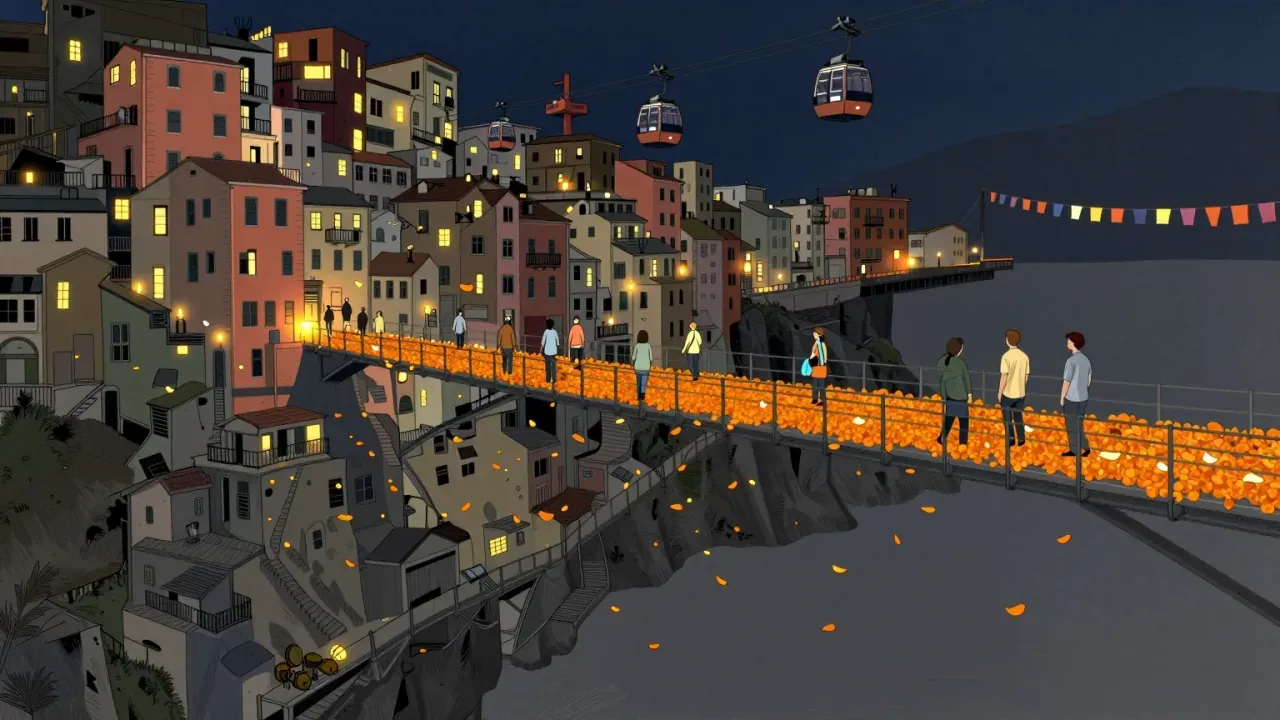
The Land of the Dead is built around a single, consistently enforced rule: a soul persists there only as long as someone living still remembers them, and vanishes entirely, a second and final death, once the last photograph or memory of them fades. The film does not treat this as background lore; it is the actual mechanism the plot’s mystery runs on, since the question of who deserves to be remembered, and who has been erased from the family’s story on purpose, turns out to be the real engine behind Miguel’s quest, not simply an obstacle standing between him and a blessing.
A twist that recasts the family’s founding myth
The late reveal, about who genuinely abandoned the family generations ago and who has been wrongly blamed for it, rewrites the moral of the entire film retroactively. What looked like a story about a boy fighting his family for the right to pursue music becomes a story about correcting a specific injustice done to a specific person, which is a sharper and more particular idea than the generic family-versus-dreams framing the film’s marketing led with. It is the strongest piece of plotting in the film, and it recontextualises scenes from the first act once it lands.
Where the plotting leans on convenient timing
The dawn deadline that structures the plot occasionally forces the story into convenient timing, characters arriving just as needed, obstacles resolving through last-minute rescue, particularly during the chase sequences through the Land of the Dead’s transit system and talent competition. None of it derails the film, but a viewer tracking the plot’s internal logic closely will notice the mechanics of the ticking clock doing some of the heavy lifting that character choice might otherwise have carried, especially compared to the tighter, more deliberate causal chain running through the film’s central mystery about the family’s true history.
A film built for a specific culture, watchable well beyond it
Pixar’s research trips to Mexico, and the cultural consultant group brought on after a 2013 attempt to trademark the phrase Día de los Muertos drew public backlash and was withdrawn, give the film’s design and detail a specificity that reads as considered rather than decorative, down to Santa Cecilia’s architecture and Miguel’s guitar technique, filmed from real musicians and used as animation reference. That specificity is exactly what makes the film travel well beyond the culture it depicts, since a story this precisely rooted in a particular place and tradition ends up more universal than a vaguer, more generic family story would have been.
A hundred and nine minutes that closes on Coco herself
Coco holds its title character, Miguel’s great-grandmother, largely silent for most of its hundred and nine minutes, only for the final stretch to reveal why she has been positioned at the emotional centre of the story all along rather than at its margins. That structural patience, building an entire film toward a character who barely speaks, is what makes the ending land with more weight than the premise alone promises. It grossed over eight hundred million dollars worldwide and won two Academy Awards, and the reception holds up: it is a film worth an evening for the mechanism of its plot as much as for the sentiment at its close.