What it is
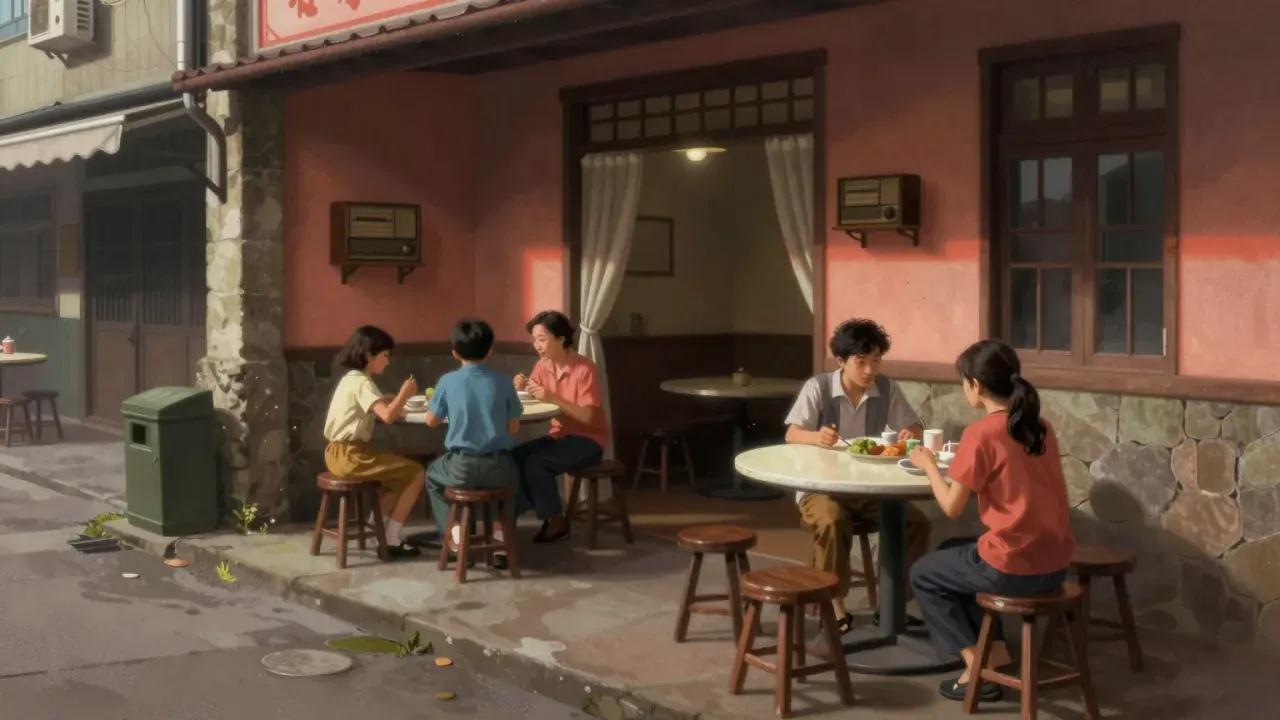
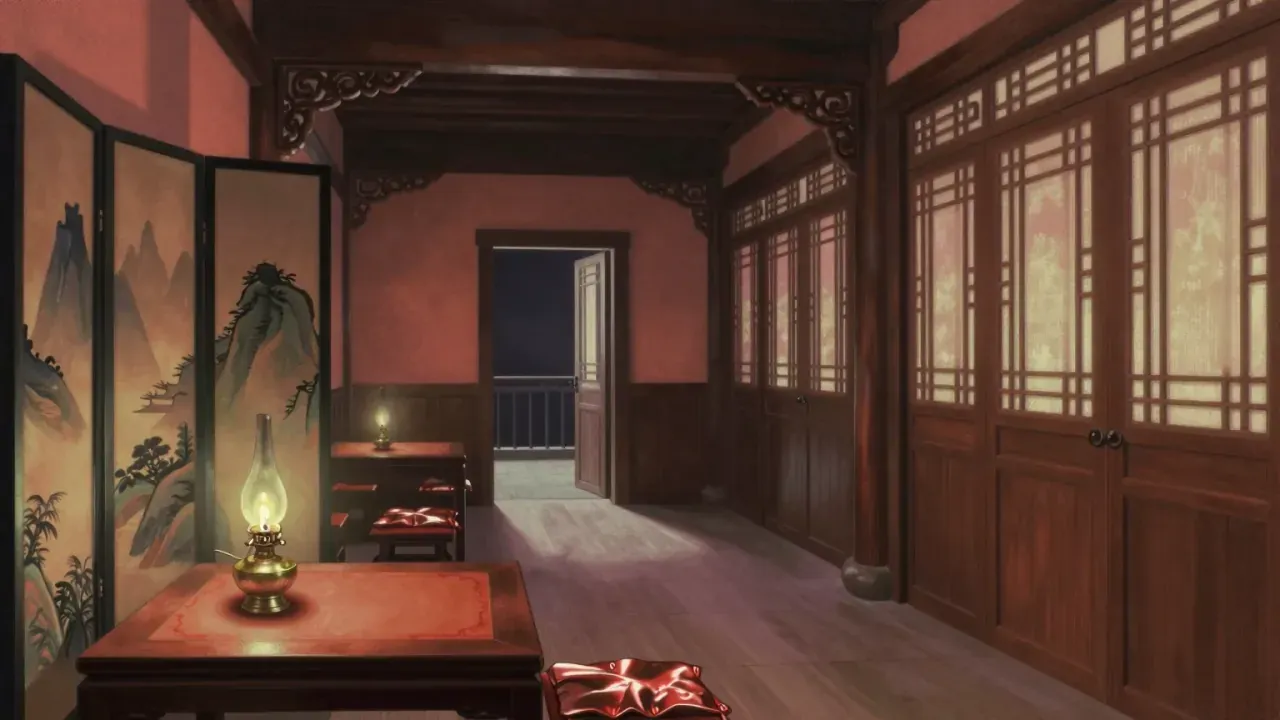
The Assassin is a wuxia film set in the Tang dynasty, adapted from a ninth-century story by Pei Xing. Hou Hsiao-Hsien co-wrote and directed it as a deliberate departure from genre convention: not an action-driven tale of vengeance or heroism, but a study in restraint, silence, and moral suspension. It follows Nie Yinniang, an assassin trained from childhood by a nun, who is ordered to kill her cousin and former betrothed, Tian Ji’an, ruler of Weibo. The film does not seek to clarify motive through exposition or psychology, nor does it offer catharsis through combat. Instead, it treats martial skill as secondary to stillness — to the weight of a glance, the pause before a breath, the distance between two people in a corridor. Its ambition lies in reconfiguring wuxia as a form of classical painting in motion: every frame composed like a scroll, every gesture measured against centuries of aesthetic discipline. It asks the viewer to attend not to what happens, but to how space, light and hesitation hold meaning.
How it works
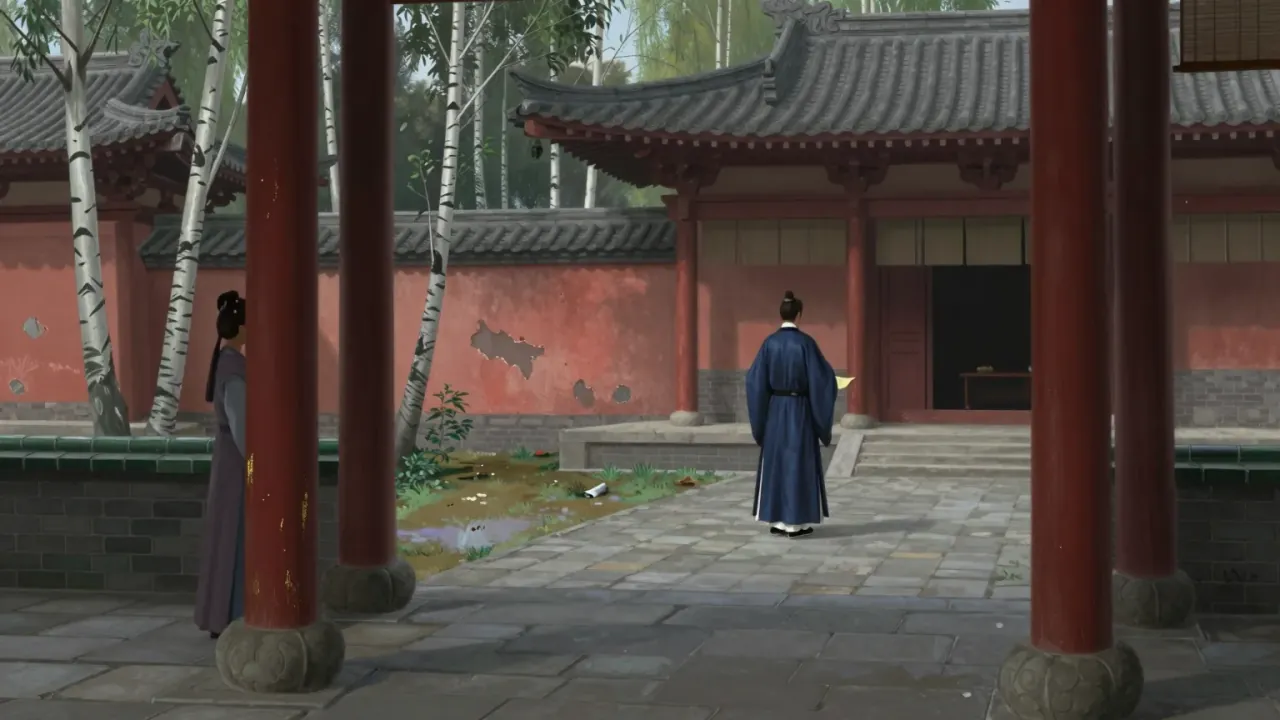
The story unfolds elliptically, withholding names, relationships and context until long after they matter. Shu Qi’s Yinniang moves with minimal inflection; Chang Chen’s Tian Ji’an speaks rarely and never directly to her. There are no flashbacks, no voiceover, no explanatory dialogue. Mark Lee Ping Bin’s cinematography keeps the camera at a remove — often behind pillars, across courtyards, or tracking slowly beside figures walking through misted forests. Light falls softly, diffused by silk screens or tree canopies; interiors are under-lit, faces half-lost in shadow. Lim Giong’s score is sparse — wind, bamboo, a single plucked string — and Liao Ching-sung’s editing favours long takes over cuts, letting scenes breathe beyond narrative necessity. Performances are muted by design: Zhou Yun as Lady Tian conveys decades of suppressed grief in a single lowered eyelid; Ni Dahong as Tian Xing registers betrayal not in speech but in the way he folds his sleeves before leaving court. This is not under-acting, but anti-dramatic acting — calibrated to resist interpretation.
What lands
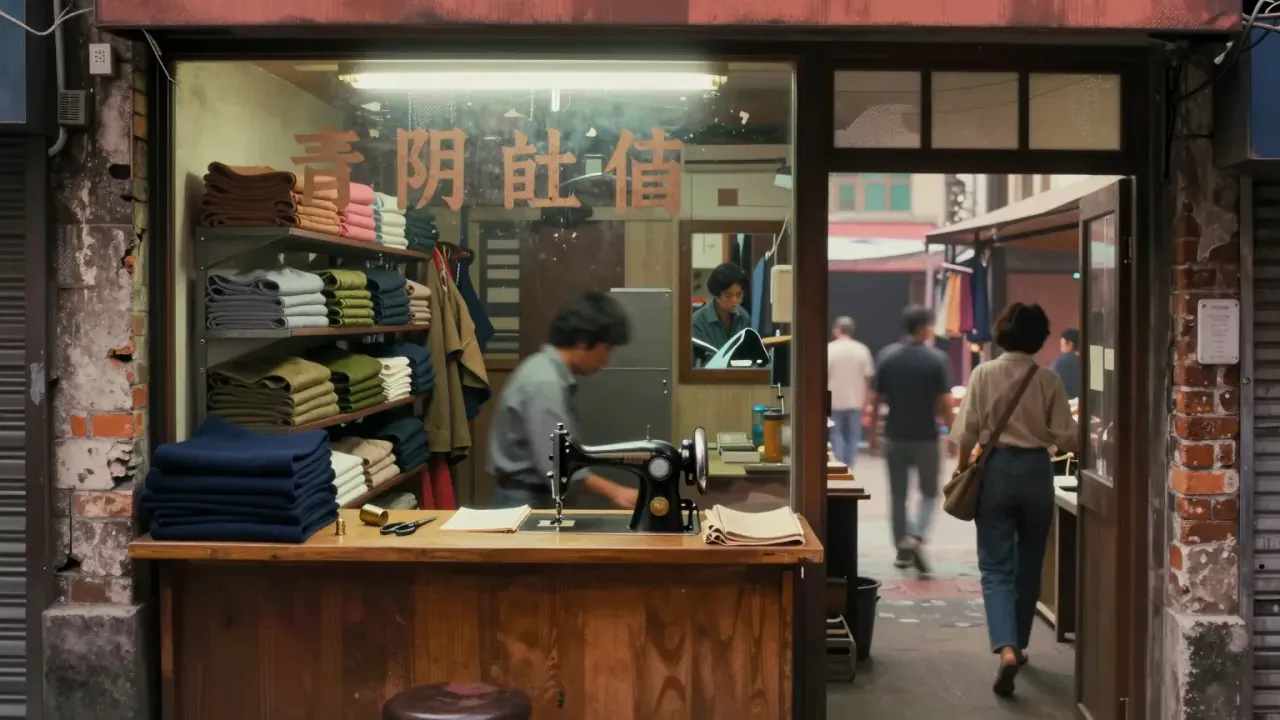
What lands is the film’s visual and tonal coherence: its refusal to yield to expectation creates a sustained, almost gravitational atmosphere. The silver birch forests of Inner Mongolia, filmed in shallow focus and soft natural light, do not serve plot but embody a historical mood — one of quiet dissolution, of power held in abeyance. The mirror-polisher’s workshop, lit only by a single shaft of sun, becomes a locus of moral clarity not because of what is said there, but because of how still everyone is within it. Hou’s framing consistently privileges negative space — doorways, windows, gaps between trees — making absence feel active, charged. When Yinniang finally spares Tian Ji’an, the decision carries weight not because of a speech or a flashback, but because the film has spent ninety minutes training the eye and ear to register the significance of withheld action. The Golden Horse Award for Best Feature Film reflects this achievement: a film that sustains its own logic so completely that even its silences feel authored, intentional, earned.
What does not
What does not land is narrative legibility for viewers expecting structural scaffolding. Characters appear without introduction; political allegiances remain vague; motivations are implied rather than stated. The film assumes familiarity with Tang-era governance, Buddhist monastic hierarchy and wuxia conventions — not to exclude, but to treat them as ambient knowledge, like weather. Some will find this alienating: the relationship between Jiaxin and Yinniang is never explained beyond gesture and tone; the significance of the broken jade pendant is left unspoken; the mirror-polisher’s role remains symbolic, not functional. Critics who called the film ‘empty’ or ‘pointlessly obtuse’ were reacting to this refusal to translate — not to ambiguity, but to the absence of translation. The film offers no glossary, no key, no emotional handrail. It presumes attention, not comprehension — and those who arrive expecting either exposition or catharsis will leave unmoored, not because the film fails, but because it declines the contract they brought to it.
The themes that matter
The themes that matter are loyalty fractured by time, duty unmoored from certainty, and the ethics of violence when its consequences are visible in advance. Yinniang’s conflict is not between love and duty, but between two forms of fidelity: to her master’s doctrine, and to the fragile order she sees sustaining Tian Ji’an’s household. The film treats assassination not as justice but as rupture — and refuses to treat rupture as inherently virtuous. It questions whether moral clarity requires action at all: Jiaxin’s certainty is absolute, yet brittle; Yinniang’s hesitation is uncertain, yet generative. The mirror-polisher embodies another theme — craftsmanship as ethical practice: polishing glass until it reflects truth without distortion, a metaphor for perception itself. The film also engages with memory as physical residue: the palace walls bear scars from the An Lushan rebellion, not shown but felt in the texture of plaster and the wear on floorboards. These are not background details but thematic anchors — history as atmosphere, not event.
Who should watch it
This film is for viewers who value composition over exposition, duration over momentum, and implication over explanation. It suits those accustomed to the pacing of Ozu, Tarkovsky or early Kiarostami — audiences who watch films as environments to inhabit, not puzzles to solve. It is not for those who rely on narrative signposting, character arcs or emotional payoffs. Those who found Ashes of Time frustrating, or who prefer Wong Kar-wai’s saturated subjectivity to Hou’s austere objectivity, may find The Assassin withholding to the point of indifference. A viewer who values psychological realism or cause-and-effect storytelling will likely disengage. But the verdict changes if the film were accompanied by contextual notes on Tang governance or Pei Xing’s original text — not to explain it, but to widen the frame of reference. Without that, its rigour becomes its barrier.
Is it worth your evening
Yes, it is worth your evening — but only if you accept its terms. It demands undivided attention, not passive consumption; it rewards patience, not anticipation. At 105 minutes, it is shorter than most arthouse films of comparable density, and its pacing feels deliberate, not dilatory. You will not leave humming a tune or quoting a line, but you may find yourself noticing how light falls across a wall the next day, or how long you hold a silence in conversation. Those who call it ‘glacial’ mistake stillness for inertia: every shot is weighted, every cut considered. It is not a film to be ‘enjoyed’ in the conventional sense, but one that recalibrates attention — a rare thing. If you expect entertainment, it disappoints. If you accept it as an act of sustained perception, it repays. Its value lies not in what it gives, but in what it trains you to see.