The shape of it
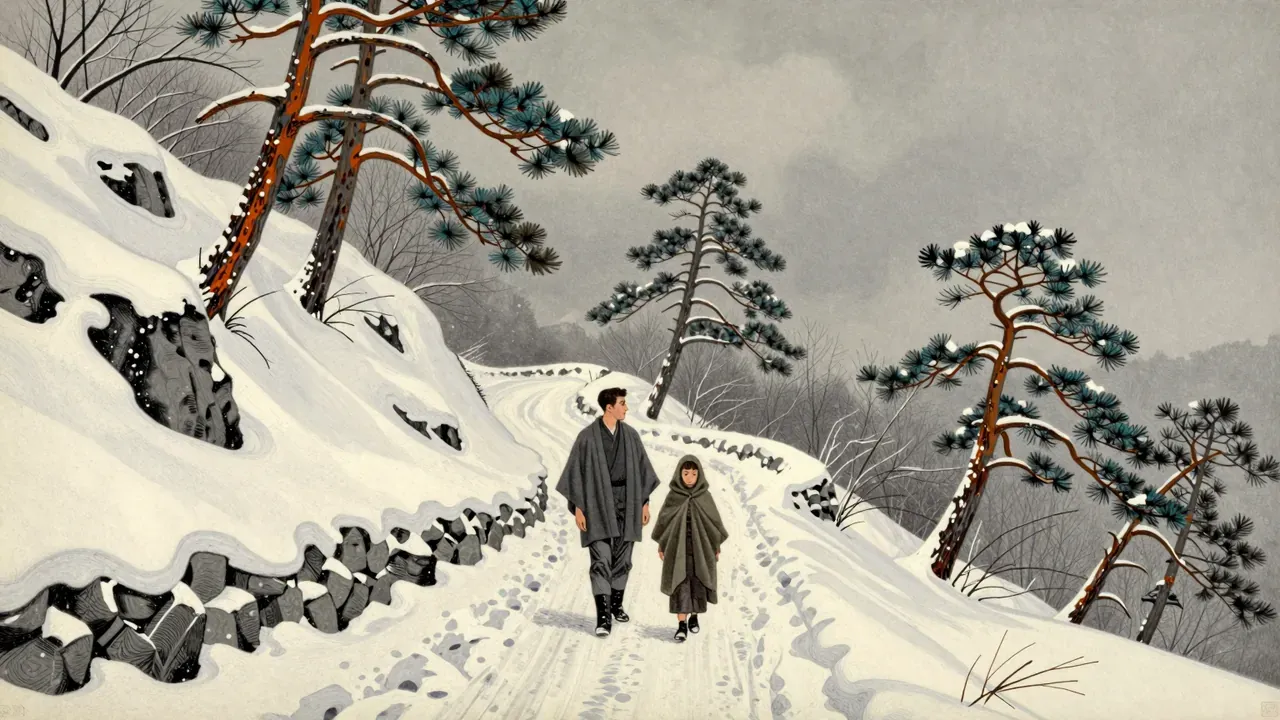
Zatoichi the Fugitive is the fourth entry in Daiei’s 26-film Zatoichi series, a chambara built on repetition and variation: a blind itinerant masseur-swordsman enters a town, disrupts its hierarchies, and departs after violence resolves moral ambiguity. It does not seek novelty in plot or structure but precision in gesture — the tilt of a head before a cut, the pause between challenge and response, the weight of ten ryō passed like a confession. Its aim is not to reinvent the genre but to deepen its grammar: how honour is performed when sight is absent, how vengeance folds into mercy when both are codified, how a single sword stroke can settle debt, grief, or succession. It assumes familiarity with Ichi’s code — no exposition on his blindness as limitation, no justification for his lethality — and trusts the audience to read meaning in economy: a half-cut cup, a broken blade, a hand placed in another’s. This is ritual cinema, not realism; its logic runs through precedent, not psychology.
The look of it
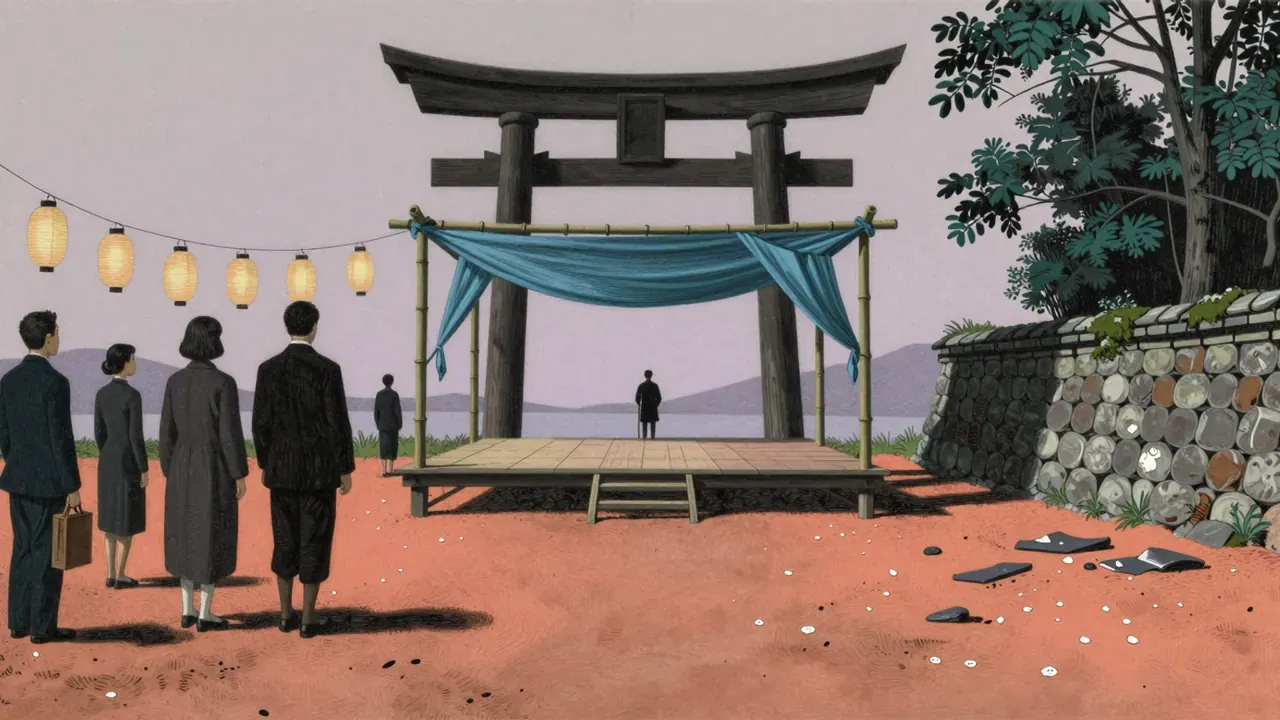
The film works through restraint: Tokuzō Tanaka’s direction keeps framing tight and movement deliberate, favouring medium shots that hold faces and hands in equal measure. Shintarō Katsu plays Ichi with minimal inflection — no brooding soliloquies, no tremor in the voice when grief arrives, just stillness broken by sudden, decisive motion. Akira Ifukube’s score is sparse, using low strings and percussive woodblocks to mark tension rather than swell it. The fight choreography avoids flourish: Kisuke’s death is over in three seconds; Tanakura’s final duel lasts under two minutes but lands because every parry and misstep is legible, every shift in footing audible. Sachiko Murase’s Maki commands scenes without raising her voice; Miwa Takada’s Nobu conveys longing through posture, not dialogue. The script by Seiji Hoshikawa gives characters motive but not monologue — ambition, resentment, love, and duty are shown in who sits where at the festival, who pours sake first, who looks away when a name is spoken.
The weight of it
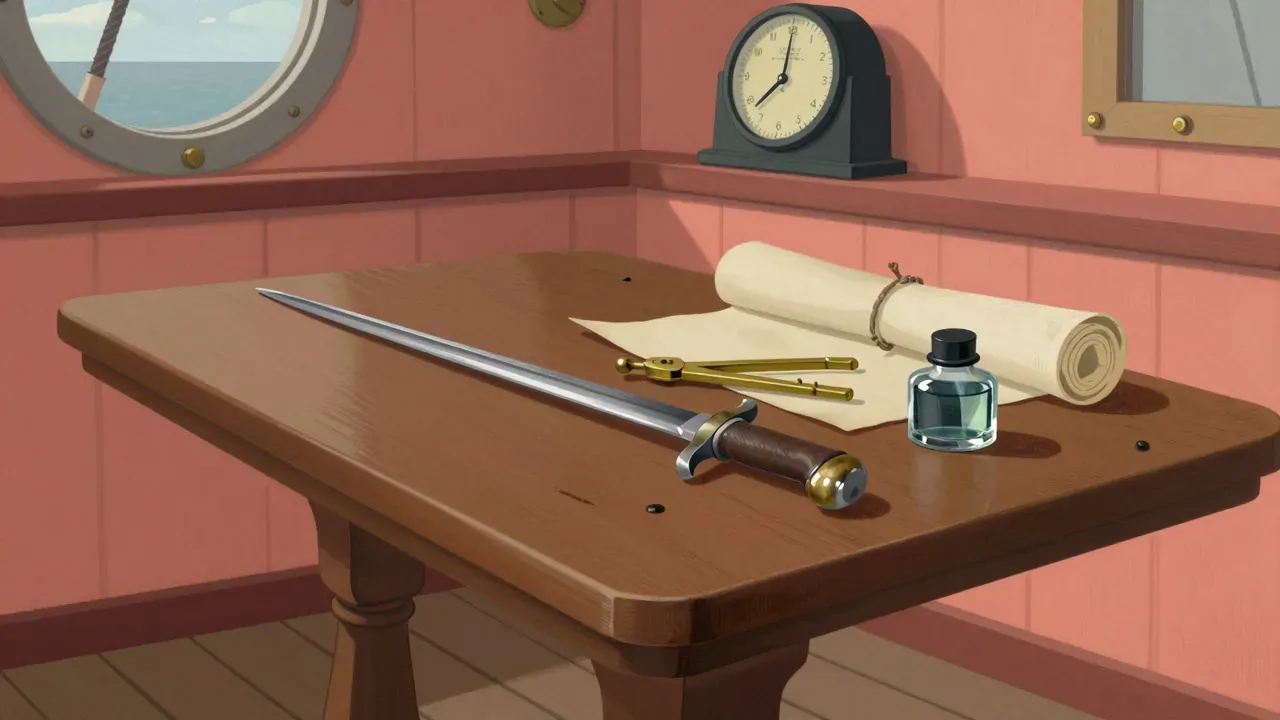
What lands is the film’s unspoken contract with its own rules: that violence must be earned, that honour is transactional but not cheap, that silence carries more weight than explanation. The moment Ichi places Nobu’s hand in Sakichi’s is effective not because it resolves romance but because it fulfils a social function — restoring balance where hierarchy has frayed. The duel’s climax lands because Tanakura’s dying line reframes everything: not as betrayal, but as a quiet indictment of Ichi’s persistent idealism. The film trusts the viewer to register the shift — from hero to flawed interpreter of others’ motives — without underlining it. Even minor details land: the rifle shots missing not from incompetence but because the shooter is off-balance, nervous, out of his depth; the way Maki accepts the ten ryō not as blood money but as a son’s last offering. These are not flourishes but functions — each beat calibrated to sustain the world’s internal gravity.
The gaps in it
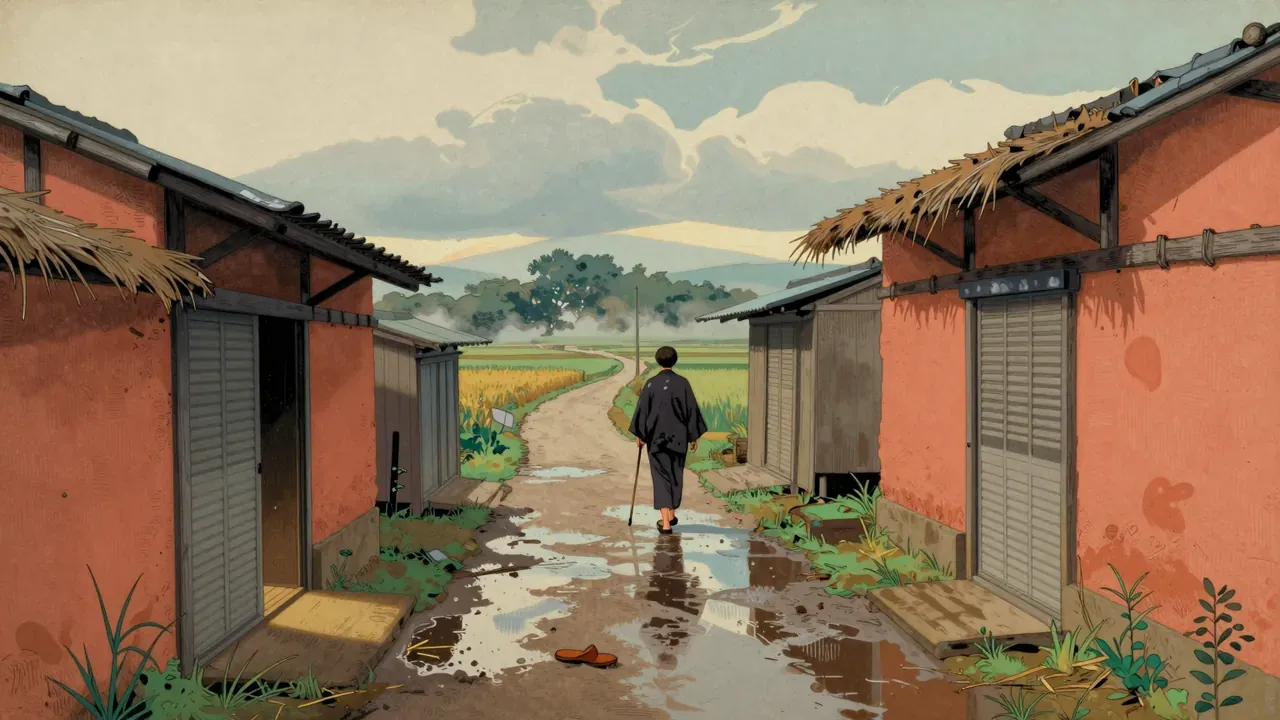
What does not land is the subplot involving Shimazo’s gambling-house grievance: it appears late, lacks visual or emotional anchoring, and dissolves without consequence once Yagiri’s plot supersedes it. The carpenter husband from an earlier film is mentioned only to be discarded — a narrative loose thread that undermines continuity without adding irony or pathos. Tanakura’s motivation wobbles: his pride, his greed, his love for Tane, and his desire to claim the bounty are all cited but never weighted against one another, so his final act feels less like culmination and more like plot necessity. The festival setting, though visually rich, remains backdrop rather than pressure-cooker — no sense that the gathering’s ceremonial weight constrains or accelerates decisions. And while the film avoids exposition, it occasionally withholds too much: we never see Tane’s face when she draws the sword, nor hear her voice in the moments before her death, which flattens the tragedy into device rather than loss.
The code of it
The themes that matter are inheritance and misreading. Ichi inherits Kisuke’s debt, Maki inherits grief, Sakichi inherits authority he did not earn, Nobu inherits expectation she resists — all bound by codes older than memory. Misreading is structural: Ichi misreads Tane’s loyalty as devotion, Tanakura misreads Ichi’s calm as weakness, Yagiri misreads Sakichi’s deference as vacancy. The film treats perception not as sensory failure but as interpretive habit — blindness is literal for Ichi, but everyone else is equally unable to see motive clearly. Honour is not innate but assigned, then revoked: Maki grants it, Tanakura claims it, Yagiri trades it for territory. Even the sword’s breakage is thematic — the tool fails not from poor craft but from overuse of a single principle. There is no redemption arc, only recalibration: Ichi does not change, but the world around him shifts its terms of engagement, and he adapts without apology or explanation.
The audience for it
This film rewards viewers who value economy over exposition, who find tension in stillness and meaning in repetition, and who accept that a character’s interiority may reside in how they hold a teacup rather than what they say about it. It is not for those who require psychological cause-and-effect, narrative closure beyond departure, or moral clarity unclouded by ambiguity. Fans of later, more stylised Zatoichi entries may find this one too lean — no extended dance sequences, no meta-commentary, no tonal swerves. Those expecting Western-style character arcs will leave unsatisfied: Ichi does not grow, only acts; Tane does not choose, only reacts. A viewer who values thematic density over emotional catharsis, or who reads genre conventions as language rather than formula, will find it rich. Someone who needs motivation spelled out, stakes amplified, or endings resolved will find it withholding — and rightly so, because the film refuses to translate its terms.
The time for it
Yes, it is worth your evening — provided you watch it as part of a sequence, not in isolation. At 86 minutes, it moves with purpose, never padding, never digressing, and its emotional impact accumulates across prior films: Maki’s maternal offer resonates because we have seen Ichi’s solitude deepen over three predecessors; Tanakura’s critique lands because we have watched Ichi romanticise women before. Watching it alone risks mistaking austerity for emptiness. Someone who has not seen the first three may find the shorthand alienating — the weight of ‘ten ryō’, the significance of a blind man entering a sumo ring, the unspoken history between Ichi and yakuza elders. But for those who have, it delivers one of the series’ most tightly wound moral reckonings. Its value lies not in spectacle but in calibration: every frame, every pause, every cut serves the same question — what does it cost to live by a code no one else fully shares?