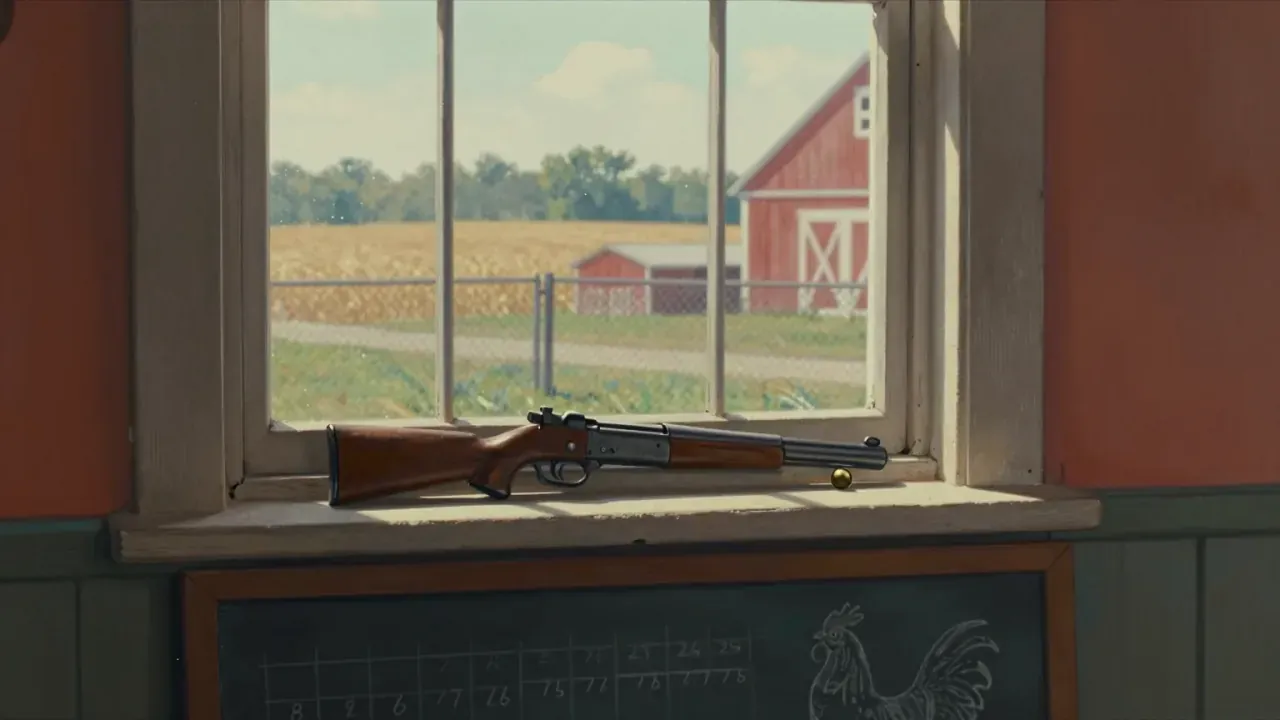
The opening shot
Guide is a Hindi-language drama adapting R. K. Narayan’s 1958 novel, tracing the moral and spiritual unraveling of Raju — a tour guide who becomes a swami by accident, not design. It attempts something rare in mainstream Indian cinema of its time: to hold a mirror to aspiration, complicity, and self-invention without recourse to didacticism or divine intervention. The film does not seek to resolve Raju’s contradictions but to sit with them — his opportunism, his tenderness, his capacity for both betrayal and quiet sacrifice. Its ambition lies in structural daring: beginning with Raju’s release from prison and unfolding almost entirely in flashback, it treats memory not as exposition but as psychological terrain. It asks whether reinvention is liberation or evasion, and whether devotion — to art, to love, to faith — can ever be disentangled from performance. The framing device is not narrative convenience but philosophical scaffolding: the man outside the law becomes the man inside ritual, and neither status is stable. This is not a story about redemption, but about how identity accrues, shifts, and collapses under social pressure and personal hunger. (158 words)
The look of it
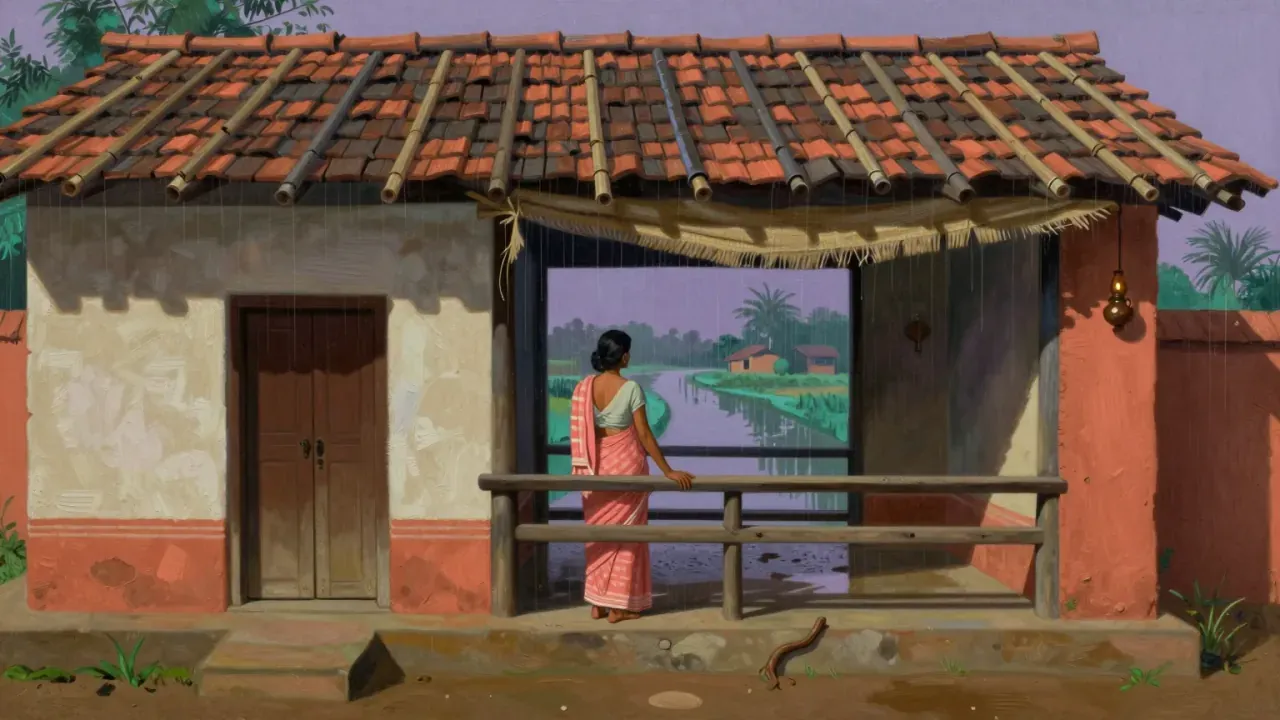
The story moves through three distinct phases — Raju’s worldly entanglement with Rosie, his fall into disgrace and imprisonment, then his accidental deification in a drought-stricken village — each held together by Vijay Anand’s editing, which favours ellipsis over explanation. Dev Anand’s performance avoids charisma-as-armour; he plays Raju with a restless physicality, shifting between charm, petulance, and exhaustion without softening his moral ambiguity. Waheeda Rehman gives Rosie dignity without idealisation: her dancing is not spectacle but assertion, her silence often more voluble than dialogue. Fali Mistry’s cinematography grounds the film in texture — dust on skin, sweat on stone, the weight of cloth — rather than pictorial grandeur. Sachin Dev Burman’s music does not underscore emotion but punctuates it: ‘Aaj Phir Jeene Ki Tamanna Hai’ arrives not as uplift but as weary recommitment. The editing by Vijay Anand tightens time without flattening it — flashbacks are not seamless but layered, like memory itself. There is no visual flourish that distracts from cause and consequence; every cut serves narrative gravity, not rhythm alone. (159 words)
The dance
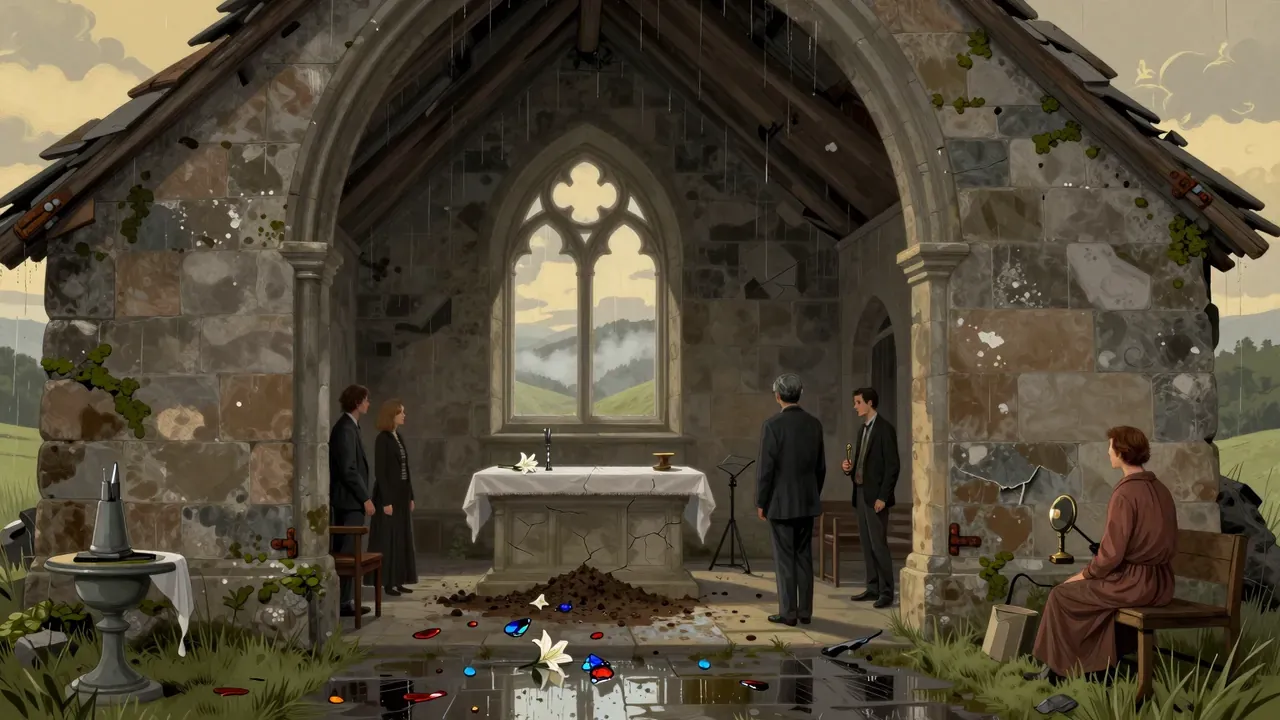
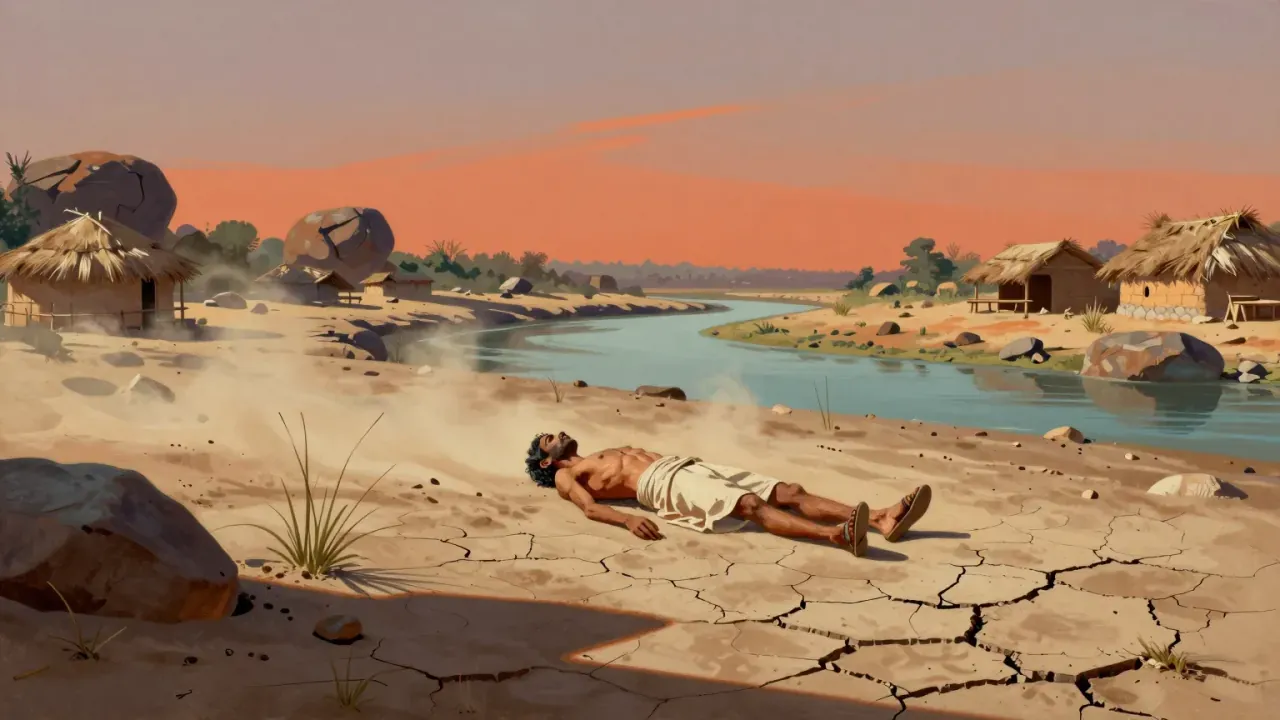
What lands most firmly is the film’s refusal to let Raju be either hero or villain. His forgery is neither rationalised nor condemned outright; it emerges from a specific, wounded logic — the fear of losing Rosie not to Marco, but to her own autonomy. The village sequence works because it treats belief as collective behaviour, not mysticism: Raju does not claim sainthood, and the villagers do not interrogate his credentials — they need a symbol, and he occupies the space. The courtroom scene lands not for its legal realism but for its emotional arithmetic: Raju’s conviction feels less like justice than social recalibration. The final stretch — Raju fasting in the dry riverbed — avoids transcendence; his stillness reads as exhaustion, not enlightenment. Even the score’s restraint contributes: Burman’s background music rarely swells, and when it does, it is sparse — a single sarangi line, a muted tabla pulse — underscoring uncertainty, not resolution. The film’s greatest success is tonal consistency: it never mistakes intensity for insight, nor silence for profundity. Its pacing, at 183 minutes, demands patience, but never wastes it. (156 words)
The forgery
What does not land is the transition from Raju’s urban downfall to his rural apotheosis — it hinges on a single, unexamined misrecognition (Bhola mistaking him for a swami) that lacks the psychological or social groundwork the earlier acts establish. The village section, though visually precise, drifts into allegory without deepening character: Raju’s passivity becomes indistinguishable from vacancy, and his eventual fast feels less like choice than narrative inertia. The subplot involving Marco’s return and the forged jewellery lacks sufficient setup — the stakes feel procedural rather than intimate, and Raju’s motive, though stated, remains emotionally undernourished. Some supporting performances flatten under the film’s weight: Iftekhar’s Marco is authoritative but monochromatic, Leela Chitnis’s mother registers as archetype rather than person. The film also strains under its own length: the second hour repeats beats — Raju’s alienation, Rosie’s distance — without adding new dimensions. A tighter edit would not compromise scope but sharpen focus. Those expecting the romantic sweep of contemporaneous Hindi films may find its moral reticence unsatisfying; those seeking spiritual closure will find none. (157 words)
The shawl
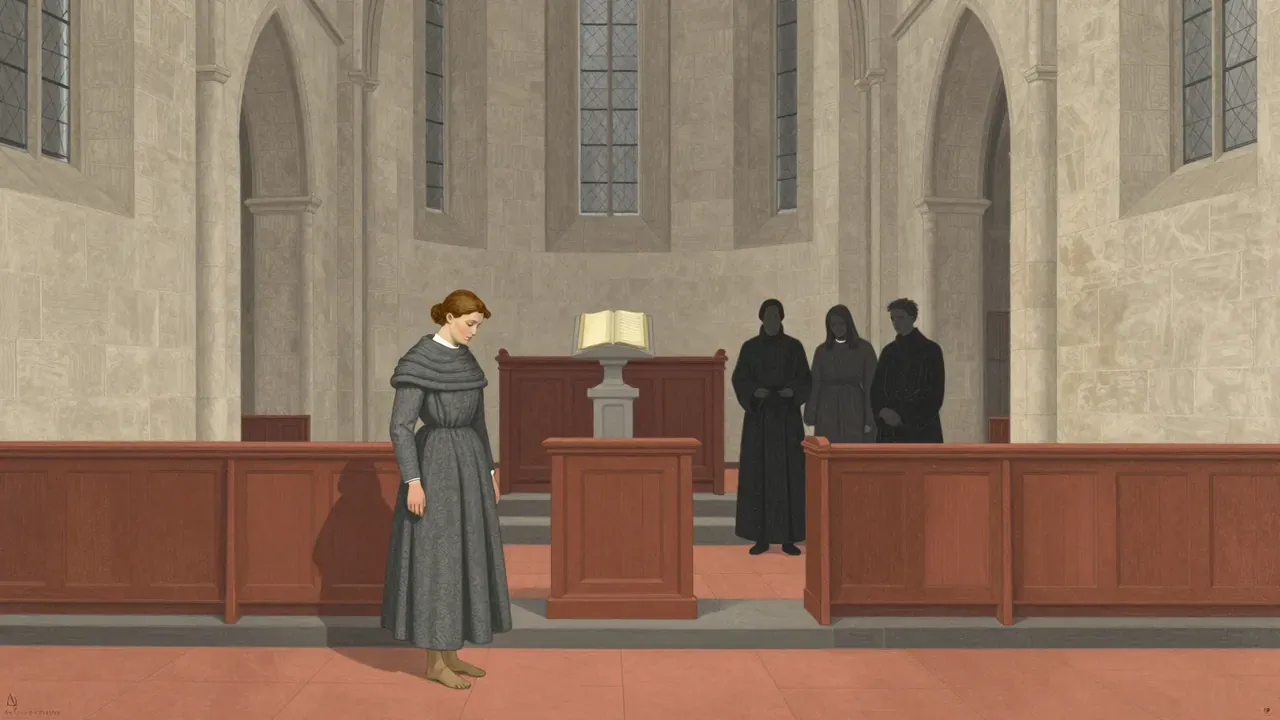
The themes that matter are not faith or love in the abstract, but the transactional nature of recognition: how Raju trades one identity for another not out of principle but necessity, and how society confers meaning not on merit but on utility. It treats class not as backdrop but as grammar — Raju’s mother rejects Rosie not for immorality but for the threat she poses to inherited respectability; the villagers embrace Raju not for holiness but because he solves their immediate problem. The film probes the instability of vocation: guiding, dancing, archaeology, forgery, and holy manhood are all forms of labour, each demanding performance, each vulnerable to obsolescence. It also examines the gendered cost of artistic life: Rosie’s dancing is first suppressed, then commodified, then estranged from her — her agency expands while her intimacy contracts. There is no critique of colonialism in the text, but the archaeologist’s obsession with caves echoes extraction, and Raju’s role as interpreter of history to foreigners underscores mediation as power. The film’s quietest theme is endurance — not as virtue, but as habit: Raju endures jail, poverty, silence, drought, not with resolve but with diminishing resistance. (159 words)
The riverbed
This film is for viewers who value moral complexity over catharsis, and who accept that a character’s arc need not culminate in clarity. It rewards attention to gesture, silence, and compositional weight — those attuned to Fali Mistry’s use of shadow or Burman’s sparing instrumentation will find layers others miss. It suits those familiar with mid-century Indian literary realism, or with global arthouse traditions where ambiguity is structural, not evasive. It is not for viewers who require narrative propulsion, clear moral signposting, or emotional payoff within conventional timelines. Those expecting the lush romance of Dev Anand’s earlier work, or the rhythmic certainty of Bollywood musicals, will find its pacing resistant. Some critics have called it ‘overlong’ — a view plausible if one measures film by incident rather than implication. But its length is not indulgence; it is duration as argument. To shorten it would not tighten it — it would excise the very slowness that makes Raju’s collapse legible. (158 words)
The last light
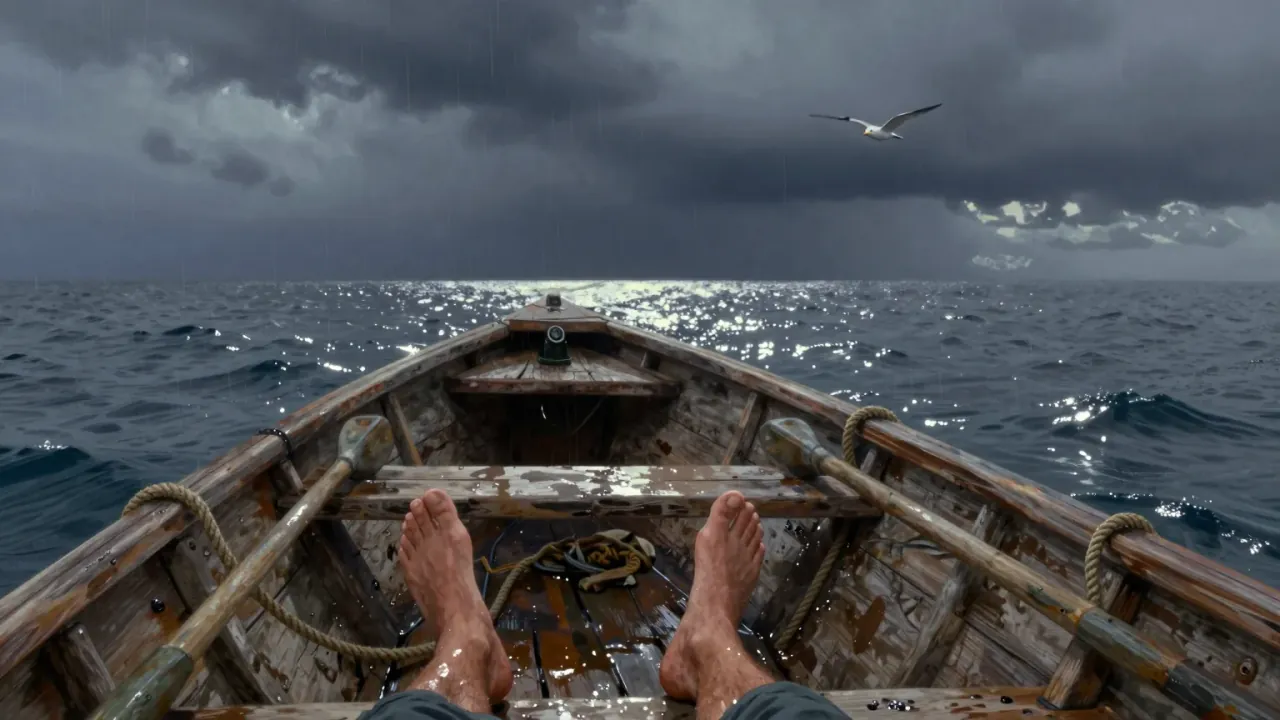
Yes, it is worth your evening — provided you approach it as a sustained meditation, not an entertainment. Its 183 minutes ask for immersion, not distraction, and repay attention with cumulative force: the final image — Raju motionless in cracked earth — lingers not because it resolves anything, but because it refuses to. It is worth watching for its craft coherence: Vijay Anand directs, edits, and co-writes with unified purpose; Burman’s score never defaults to ornament; Rehman and Anand share scenes without competing for dominance. It is not for those who equate cinematic value with momentum or closure. Anyone who has watched a film and felt its weight settle hours later will recognise this one. Its reputation as a landmark rests not on consensus but on persistence — it has endured because it offers no easy answers, only honest questions, and holds them without flinching. That is rare. That is worth your time. (159 words)