The look of it
Rocco and His Brothers is a five-act family tragedy set in Milan in 1960, tracing the disintegration of the Parondi family after their migration from Lucania. It attempts to map the collision between southern Italian peasant morality and northern industrial modernity—not as abstract sociology but as lived, bodily rupture. Visconti treats the city not as backdrop but as antagonist: its housing projects, factories, boxing gyms and railway stations are sites where tradition frays under pressure of wage labour, sexual anxiety and fractured authority. The film’s ambition is structural as much as emotional: it builds each brother as a distinct response to displacement—Vincenzo’s assimilation, Simone’s self-destruction, Ciro’s technocratic adaptation, Luca’s political absorption, Rocco’s moral endurance—and tests them against a single, unrelenting social logic. Its scale (177 minutes) is functional, not indulgent: time is needed for the slow corrosion of trust, the incremental hardening of choices, the accumulation of small humiliations that precede violence. This is not an immigrant story told from the outside; it is built from within the family’s shared meals, silences, arguments and debts.
The shape of the family
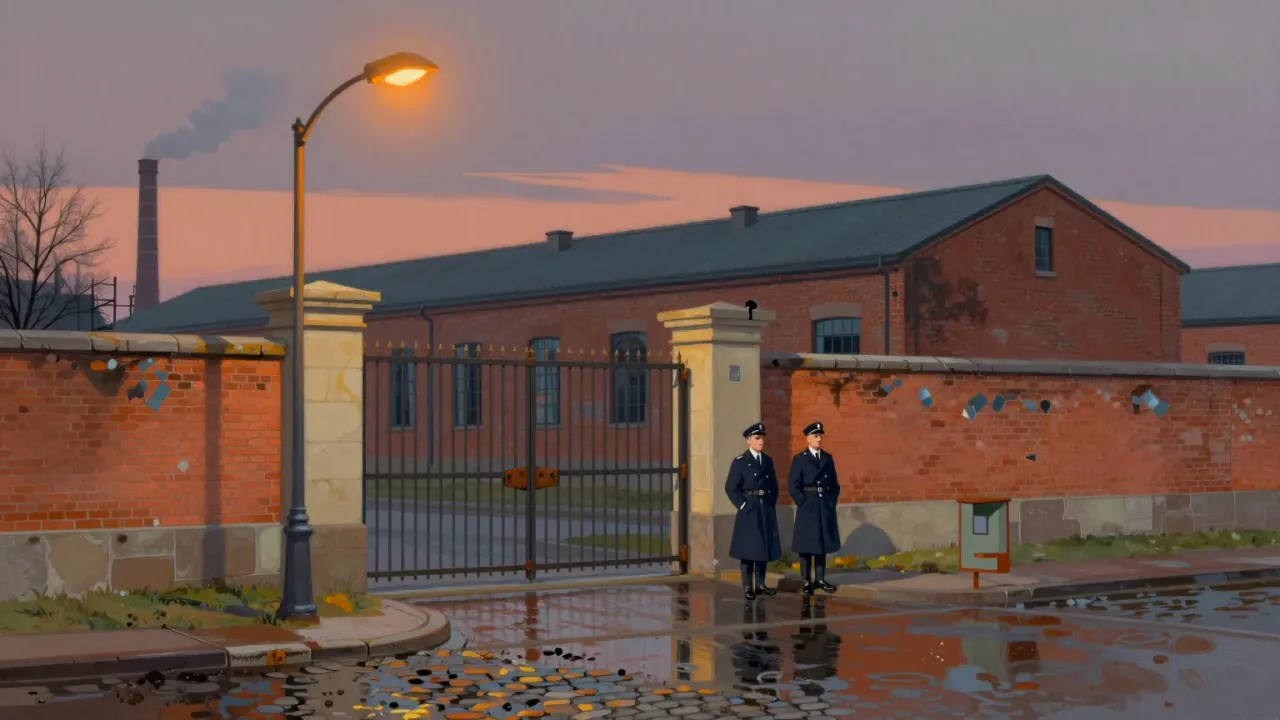
The story unfolds with classical rigour: exposition in the train station, rising tension across three winters, climax in Lago di Fondi, denouement at Alfa Romeo’s gates. Giuseppe Rotunno’s cinematography anchors it in texture—the damp brick of the basement, the glare off factory windows, the sweat on Simone’s back during training. Nino Rota’s score avoids sentimentality; strings enter only when grief becomes physical. Performances are calibrated to realism without naturalism: Renato Salvatori’s Simone vibrates with undirected energy, Annie Girardot’s Nadia carries exhaustion in her shoulders before she speaks, Alain Delon’s Rocco listens more than he acts, his stillness a form of resistance. Mario Serandrei’s editing sustains duration without slackness—the long takes in the boxing gym or the brothel corridor do not linger for effect but to register how long it takes for a decision to curdle into consequence. There are no flashbacks, no voiceover, no symbolic cuts: cause and effect remain visible, legible, inescapable.
The weight of waiting
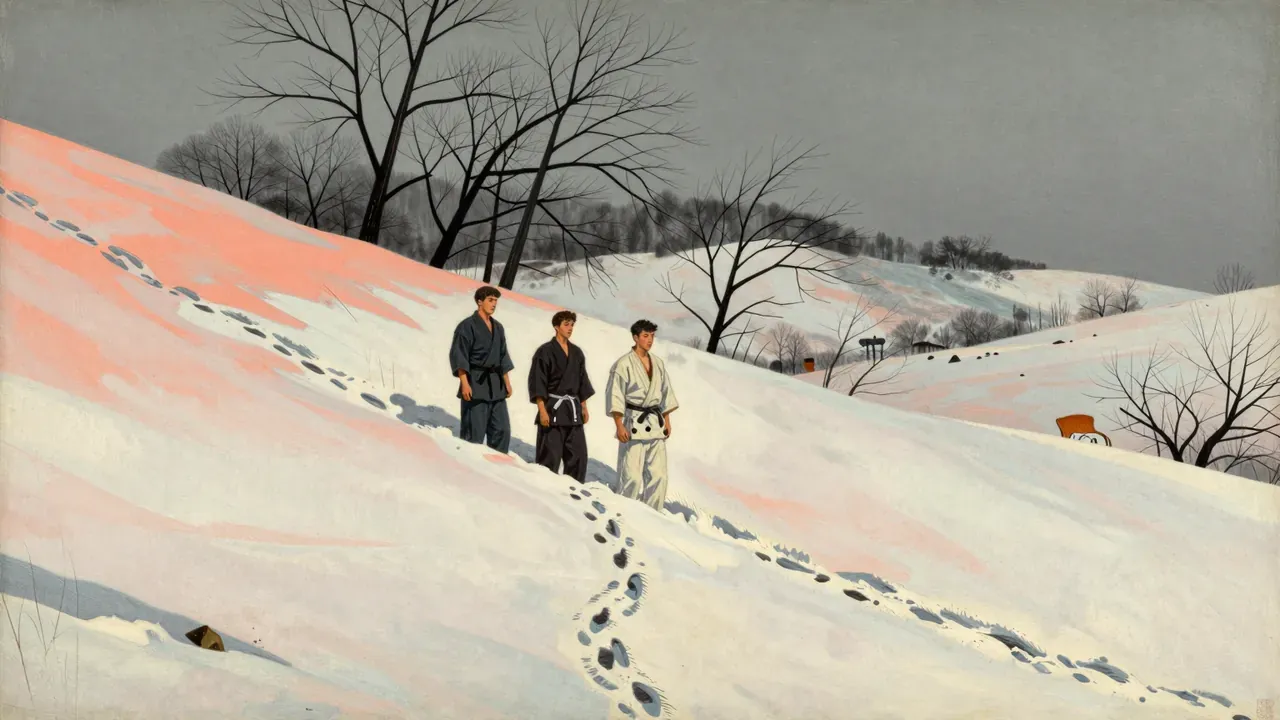
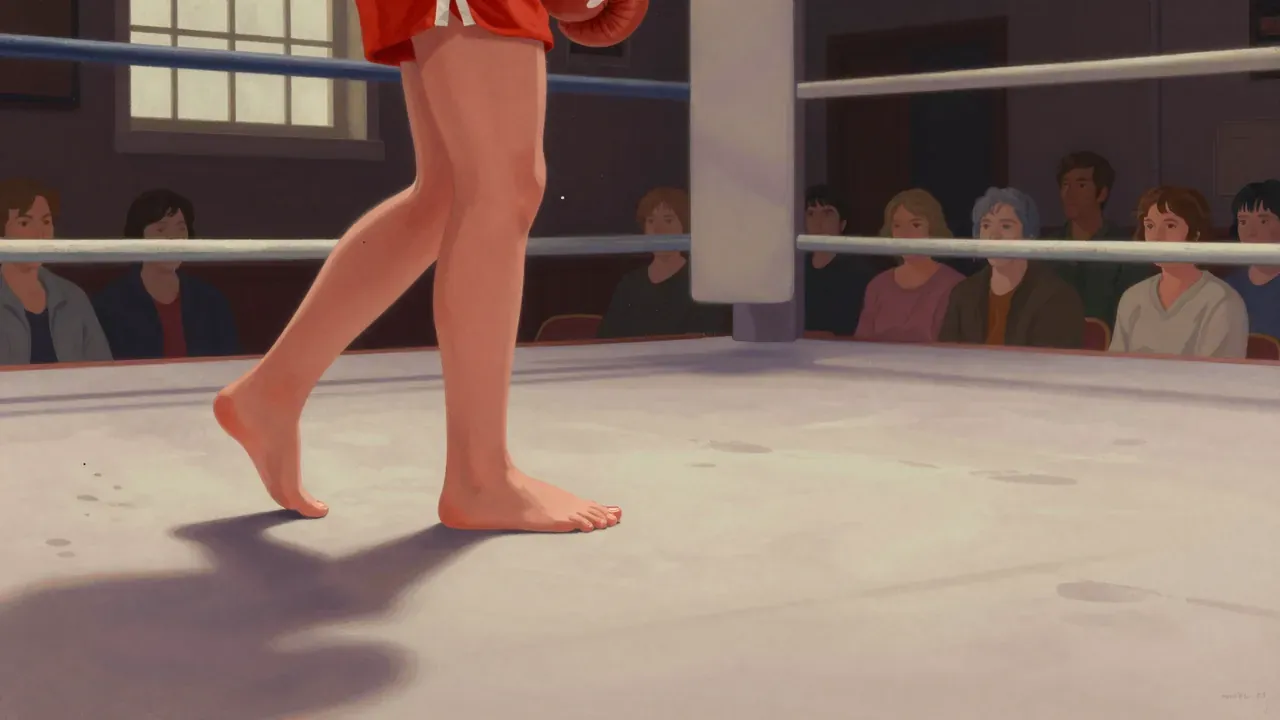
What lands is the weight of collective responsibility. The family’s shared shame—over Simone’s crime, over Nadia’s profession, over their mother’s silence—is rendered through proximity: characters occupy the same frame even when they refuse to look at one another. The basement scenes achieve a claustrophobia that feels architectural, not metaphorical; the cold seeps into the image. The boxing sequences work because they are not about sport but about ritualised failure: Simone’s victories are hollow, his defeats anatomical. Katina Paxinou’s Rosaria does not plead or rage; her grief is in the way she folds laundry after learning of Nadia’s murder, hands moving while her face stays blank. The final shot—Luca walking away from the factory gates—is not ambiguous but precise: it names the cost of survival. That image endures because it refuses consolation. It shows progress as departure, not arrival; integration as erasure, not belonging. The film’s power lies in its refusal to let any character stand outside the system it depicts—even the ‘good’ brother is complicit by leaving.
The woman in the frame
What does not land is the framing of Nadia’s agency. Though Girardot gives her palpable weariness and wit, the script positions her as catalyst rather than subject: her choices exist only in relation to the brothers’ needs—Simone’s desire, Rocco’s redemption, the family’s honour. Her imprisonment and return are narrated off-screen, reducing her arc to plot function. Similarly, the subplot involving Vincenzo’s marriage to Ginetta feels truncated, its social stakes underdeveloped—her family’s rejection of the Parondis is stated but not dramatised in lived detail. The film’s moral architecture also strains under its own weight: Simone’s descent reads less as psychological inevitability than as narrative necessity, his violence arriving with the force of genre rather than character. A few scenes—particularly the near-final revelation of Simone’s crime—tip into theatricality, their staging more operatic than observed. These are not flaws of execution but of conception: the film’s commitment to grandeur occasionally overrides its commitment to granularity.
The price of work
The themes that matter are migration as irreversible severance, masculinity as performance under duress, and labour as both salvation and deformation. The Parondis do not fail because they are weak but because the terms of success in Milan demand the surrender of everything that held them together: language, rhythm, reciprocity, memory. Boxing is not sport but accelerated capitalism—win fast, sell your body, discard the loser. Factory work offers stability but demands silence: Ciro’s union speeches are delivered with the same cadence as his mother’s prayers, both rituals of endurance. The film treats class not as income bracket but as somatic fact—the calluses on Simone’s hands, the stoop in Rosaria’s spine, the way Rocco stands at attention even off-duty. Religion appears only in fragments: a statue in a hallway, a priest’s absence at a funeral, the television screen showing Renaissance paintings like relics in a museum. History here is not inherited but abandoned—and what remains is not identity but residue: accent, gesture, hunger.
The last walk
This film is for viewers who accept duration as part of meaning—who will sit with the Parondis through three seasons of cold, two funerals, and one unspoken betrayal. It rewards attention to posture, to off-frame sound, to the difference between a slammed door and a slowly closed one. It is not for those who require narrative economy, psychological exposition, or resolution that soothes. Some will find its length oppressive, its moral gravity exhausting, its refusal of irony alienating—Stanley Kauffmann called it ‘sententious’, and that charge holds if you expect the film to argue rather than embody. Others may object to its gender politics, particularly the treatment of Nadia as pivot rather than person. A viewer who values thematic clarity over emotional accumulation, or who prefers character study to social portraiture, would likely leave unsatisfied. Nothing in the film softens its gaze; it asks for equal rigour in return.
The time it takes
Yes, it is worth your evening—if you have the time and the willingness to meet it on its terms. At 177 minutes, it demands stamina, but it repays it with density: every scene contains at least two simultaneous tensions—between brothers, between generations, between past and present. Its value lies not in catharsis but in calibration: it recalibrates what family, work, and dignity mean when stripped of context. Those who find it overlong are not wrong—but their objection names a preference, not a flaw. The film’s length is structural, not decorative. To cut it would be to amputate its central argument: that disintegration takes time, that ruin is incremental, that survival is measured in small, uncelebrated withdrawals. It is not a film to consume but to inhabit—for one evening, you live in its light, its cold, its silence. And when it ends, the city outside feels newly legible, newly heavy.