The look of it
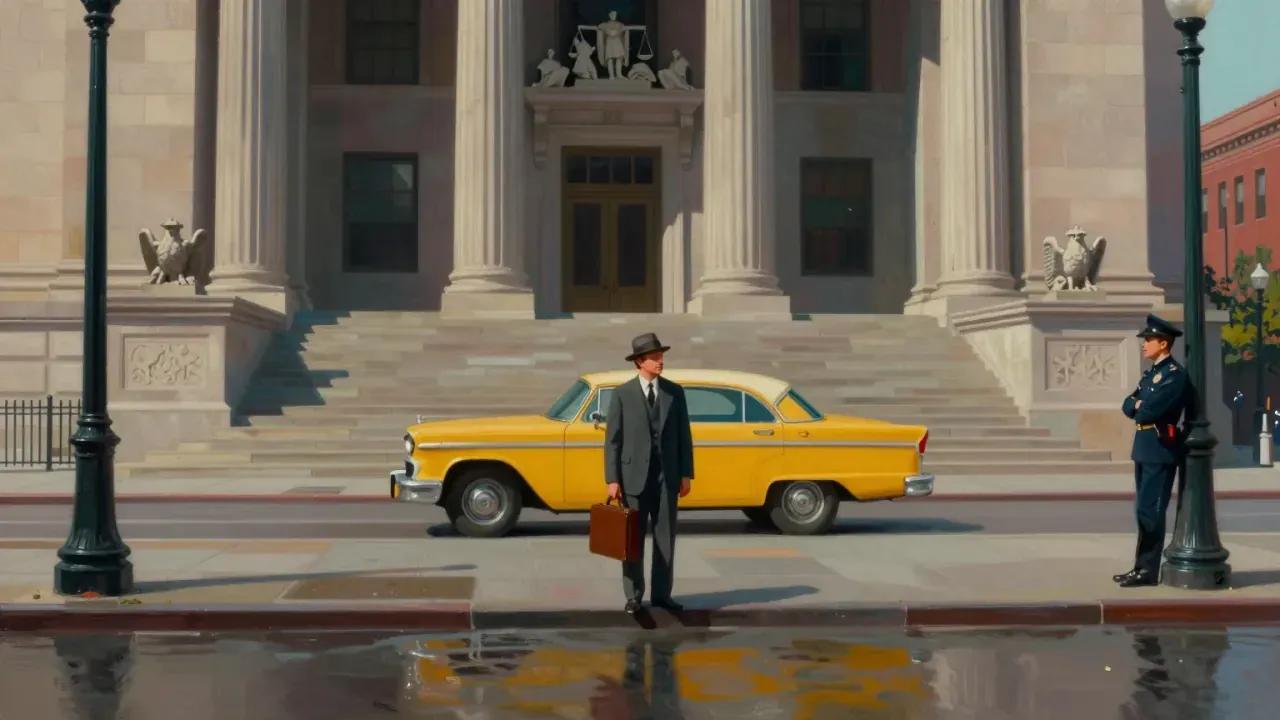
Laura is a 1944 American crime film built around a murder investigation that pivots on absence: the dead woman is not dead, and the living are haunted by her image before they meet her. It tries to sustain suspense not through action or violence but through psychological displacement — the detective falls for a portrait, the audience for a voice, the narrative for a paradox. Its ambition is structural and tonal: to make obsession legible as method, and elegance as evidence. It treats New York high society not as backdrop but as a system of surfaces — mirrors, lacquered tables, cigarette smoke — all reflecting and distorting motive. The film does not ask who killed Diane Redfern so much as why anyone would mistake her for Laura, or why Laura’s presence feels like a violation of the logic that preceded her. It is less a whodunit than a how-was-it-possible, anchored in the dissonance between reputation and reality, between what is seen and what is believed.
The pace of it
The story moves in tight, deliberate loops: McPherson interviews, reads, sleeps, wakes, listens, watches, arrests. There are no chases, no gunfights, no flashbacks — only accumulation. Gene Tierney plays Laura with stillness, not innocence; Dana Andrews’ McPherson carries his growing fixation in his posture, not his dialogue. Clifton Webb’s Waldo Lydecker is the film’s spine: his voice, cadence, and physical containment hold every scene he enters. Joseph LaShelle’s cinematography keeps light low and shadows deep, using shallow focus to isolate faces against blurred interiors — the apartment is a character, its furniture arranged like evidence. David Raksin’s score is not accompaniment but counterpoint: the ‘Laura’ theme recurs not as romance but as incursion, a melody that refuses to resolve. Editing by Louis R. Loeffler sustains rhythm without hurry, letting pauses breathe and silences settle. Every craft choice serves restraint: no gesture is exaggerated, no line underlined, no moment rushed.
The voice of it
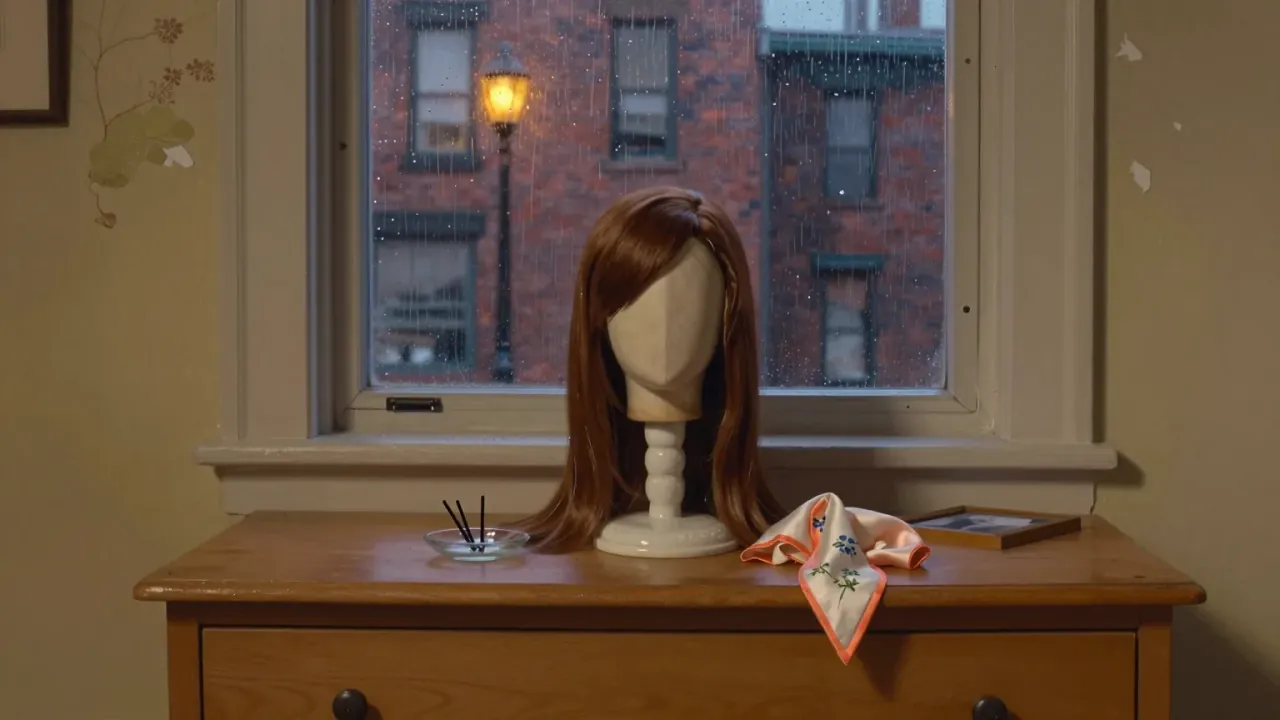
What lands is the weight of implication. The portrait of Laura — an enlarged photograph lightly retouched — works because it is neither painting nor photo, but something in between: plausible enough to be real, artificial enough to feel uncanny. The film’s central irony — that McPherson investigates a corpse he never sees, then arrests a woman he has already idealised — lands precisely because no one states it outright. The tension between Lydecker’s cultivated detachment and his sudden, brittle collapse feels earned, not theatrical. Even the minor roles land with economy: Judith Anderson’s Ann Treadwell is all clipped vowels and withheld glances; Vincent Price’s Shelby is slippery not because he overacts, but because he underplays every lie. The final arrest scene works because it arrives without fanfare — no music swells, no close-up lingers — just a quiet, inevitable pivot from suspicion to certainty, made possible only by what the film has withheld and what it has insisted upon.
The image of it
What does not land is the framing device’s aftertaste: the opening and closing narration, delivered by McPherson in voiceover, now feels dated — too expository, too certain, too eager to explain what the images have already shown. The script’s reliance on exposition-heavy dialogue — particularly in early interviews — occasionally stalls momentum, as if the film trusts words more than glances. Some performances falter under Preminger’s preference for stillness: Aileen Pringle’s Bessie Clary, though loyal, registers more as function than person; James Flavin’s Detective Williams remains a cipher. The resolution hinges on ballistics testing that feels narratively convenient rather than dramatically prepared — the shotgun mismatch arrives without prior emphasis on forensic process. And while the film avoids melodrama, it sometimes mistakes restraint for emptiness: moments meant to suggest repression instead read as vacancy, especially in Tierney’s early scenes, where ambiguity blurs into opacity.
The world of it
The themes that matter are those embedded in surfaces: portraiture as power, memory as possession, social position as camouflage. Laura is not about identity but about projection — how Lydecker constructs Laura, how McPherson reconstructs her, how New York constructs success. Class is not discussed but performed: in the cut of Lydecker’s suits, the polish of Ann’s silver, the way Shelby holds a cocktail glass. Advertising — Laura’s profession — is treated not as satire but as infrastructure: a system for shaping desire, which the film mirrors in its own construction of Laura as object of longing. Time is also thematic: the film unfolds in compressed real time (a week or two), yet feels suspended — clocks are visible but rarely consulted, appointments missed or ignored. Mortality is present not in death but in preservation: the portrait, the diary, the recorded voice, the score — all attempts to fix a person before she changes, speaks, or acts. The film asks what remains when a woman is reduced to image, influence, and echo — and whether any of it is true.
The weight of it
This film is for viewers who value precision over pace, implication over explanation, and silence over speech. It rewards attention to texture — the grain of film stock, the fall of light on wood panelling, the pause before a sentence ends. It is not for those who require clear moral alignment, rapid plot turns, or characters whose motives are signposted. Anyone expecting noir as shadowplay or crime as catharsis will find it withholding. Those who dislike voiceover narration, static compositions, or protagonists who think more than they act may grow impatient. The film assumes familiarity with mid-century American social codes — the unspoken rules of patronage, the weight of reputation, the gendered labour of charm — and offers no glossary. Its pleasures are cumulative, not immediate; its tensions reside in what is unsaid, not what explodes.
The end of it
Yes, it is worth your evening — provided you watch it without distraction and without expectation of resolution on demand. Its 88 minutes pass without strain because its rhythm is internal, not plotted: each scene builds pressure not toward a climax but toward a reckoning with perception itself. It repays rewatching not for hidden clues but for shifts in emphasis — how Lydecker’s laugh lands differently once you know its cost, how Laura’s first entrance reads anew when you recall McPherson’s earlier solitude in her apartment. Those who find its pacing inert or its psychology opaque may prefer tighter thrillers or more explicit dramas. But for anyone willing to sit with its stillness, Laura offers something rare: a crime film where the greatest mystery is not who pulled the trigger, but how deeply we let surfaces shape our sense of truth.