The structure of it
Notre musique is a tripartite essay-film structured after Dante’s Divine Comedy — Hell, Purgatory, Heaven — and built around Jean-Luc Godard’s own presence as lecturer, interlocutor, and editor. It does not dramatise conflict but arranges encounters — between Israeli and Palestinian voices, French intellectuals and Bosnian survivors, image and text — to test whether representation can avoid complicity. Its aim is neither resolution nor testimony, but calibration: to ask how language, editing, and framing condition moral perception, especially where violence is habitual, mediated, or historicised. The film treats Sarajevo not as setting but as palimpsest — a city rebuilt on layered ruins, like the film itself, which overlays archival war footage with quiet dialogue about Levinas, Darwish, and shot/reverse shot. It refuses narrative propulsion in favour of recursive juxtaposition, treating cinema not as a vessel for story but as a site of ethical decision-making at every cut, every caption, every silence. This is not polemic disguised as fiction; it is philosophy enacted through form.
The look of it
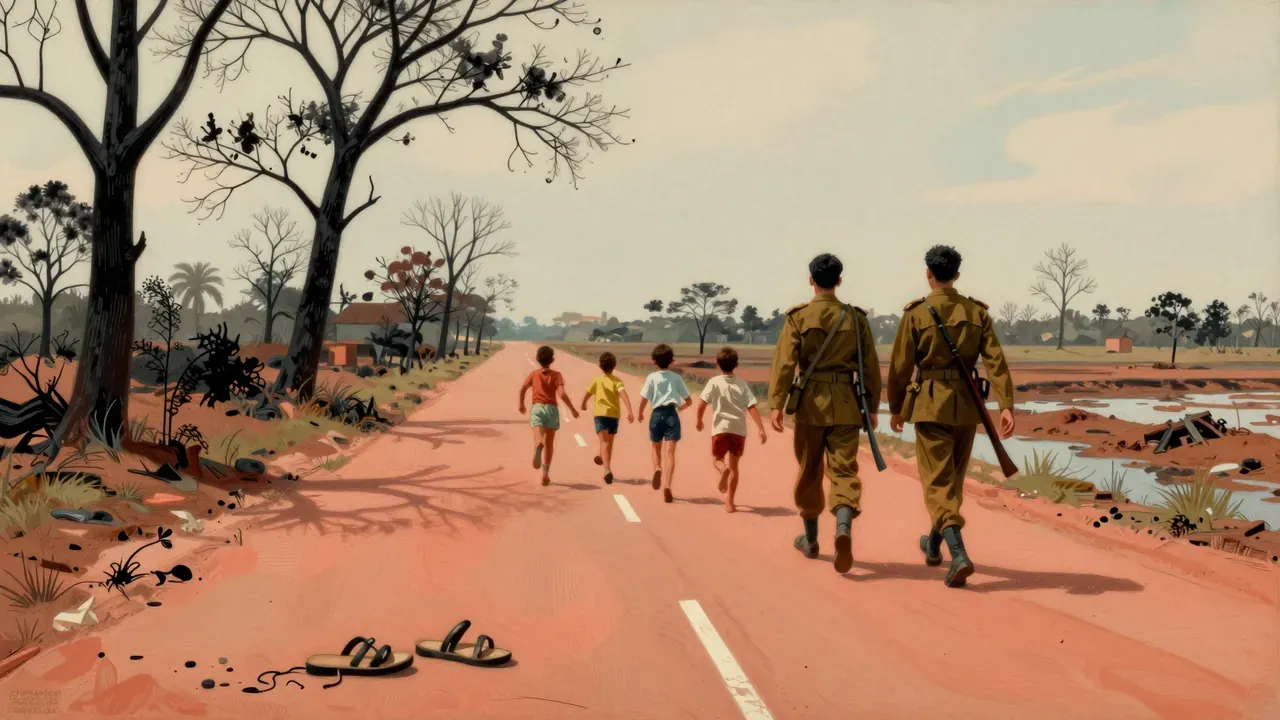
The film works by holding its elements in deliberate, unblinking tension. Julien Hirsch’s cinematography avoids flourish: static frames, medium distances, natural light in Sarajevo’s conference halls and streets. Performances are muted, often non-professional or semi-fictional — Sarah Adler as Olga Brodsky speaks with the reserve of someone rehearsing thought aloud, not delivering lines. Godard appears as himself, lecturing without projection, his voice flat, his arguments delivered like citations rather than convictions. Editing — credited to Godard — is the central craft: abrupt cuts between documentary slaughter and quiet garden shots, between Mahmoud Darwish’s measured speech and the empty Mostar bridge. Meredith Monk’s score appears sparingly, mostly in the third realm; the soundtrack elsewhere leans on Bach, Kurtág, and Otte — composers whose work resists emotional coercion. There is no score-driven rhythm, no editorial hand guiding feeling. Instead, time is held open: pauses last long enough to become questions. The film’s coherence comes not from plot but from its consistent refusal to resolve the friction it sets up.
The weight of it
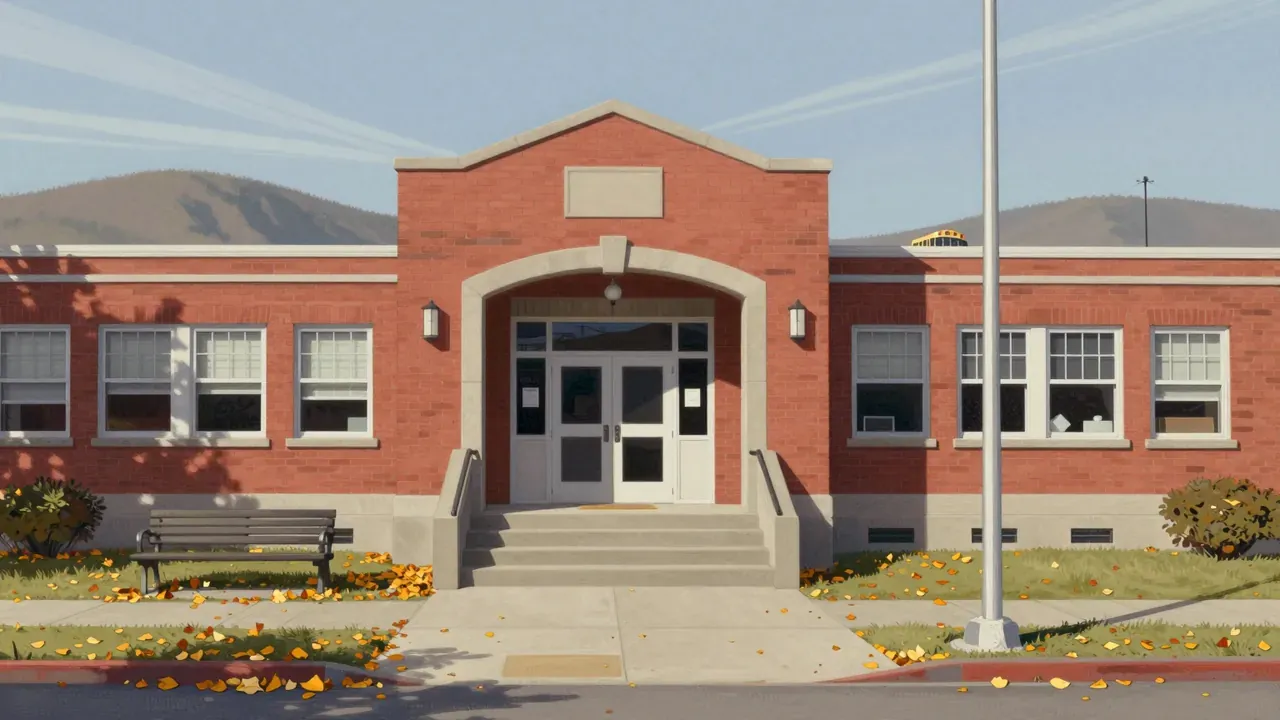
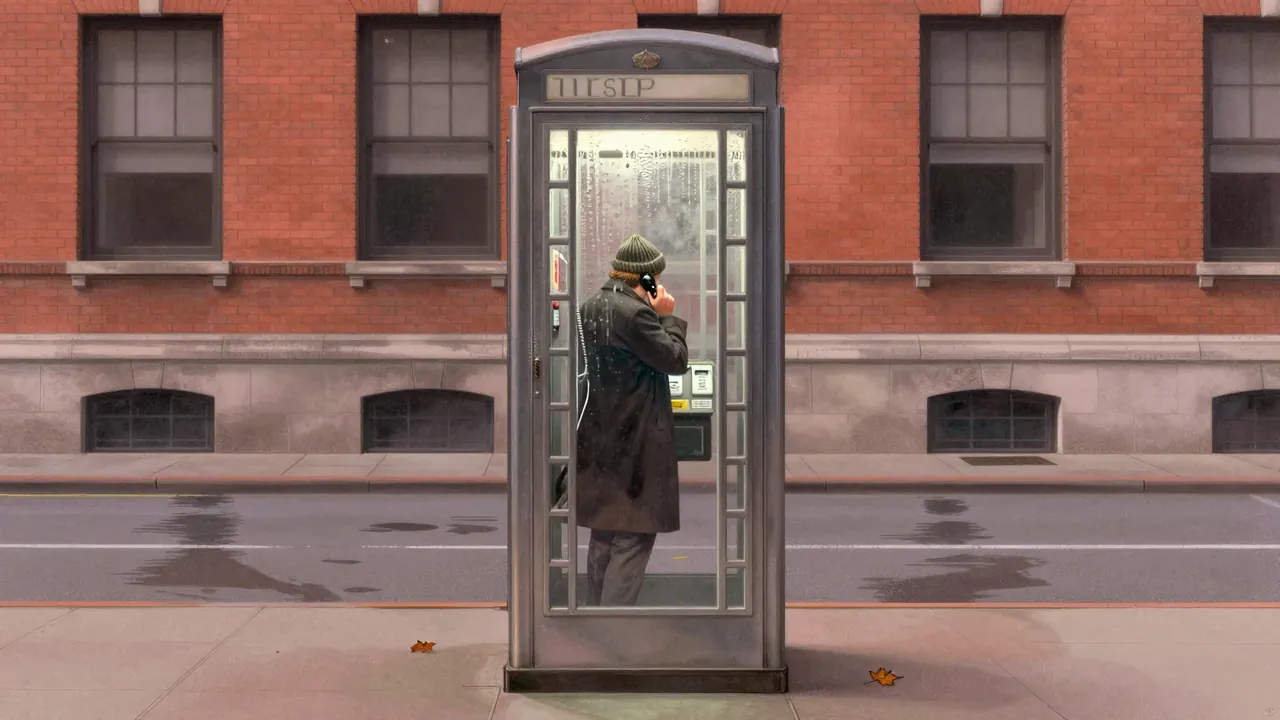
What lands is the weight of sustained attention — the way the film forces the viewer to sit with discomfort without release. The montage of ‘Hell’ does not shock so much as accumulate: grainy, unattributed war images flicker without commentary, refusing catharsis or context, making the viewer complicit in their own habit of looking. In ‘Purgatory’, Judith Lerner’s request for ‘not a just conversation; just a conversation’ lands precisely because it is underplayed — no music swells, no close-up tightens, just a pause before the ambassador turns away. Godard’s critique of shot/reverse shot lands not as theory but as practice: when two characters do appear in dialogue, the framing is asymmetrical, one face half-obscured, the other lit only by window light — difference preserved, not erased. The final phone call — Ramos telling Godard about the woman with the book-filled bag — lands because it arrives without exposition, its horror residing in what is withheld: no image of Olga, no confirmation, only the sound of a garden hose continuing in the background. These moments work because they trust the viewer to hold ambiguity without demand for closure.
The limit of it
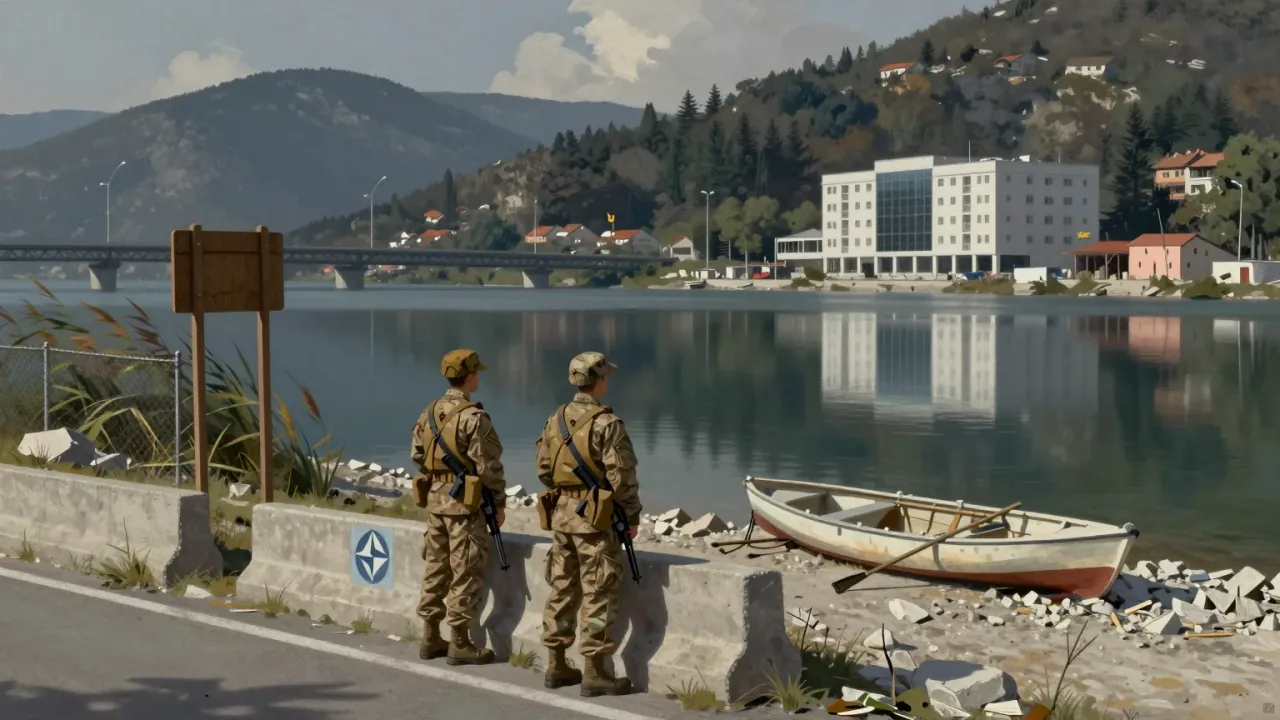
What does not land is the third realm, ‘Heaven’. Its lakeside stillness, guarded by American marines, gestures toward transcendence but lacks the density of the first two sections. Without dialogue, without contradiction, it becomes illustrative rather than interrogative — a visual footnote rather than a dialectical turn. The marines stand inert, their presence symbolic but unexamined; the sequence feels less like resolution and more like exhaustion. Similarly, some of the philosophical references — Levinas read aloud on a bridge, Darwish’s pronouncements on identity — risk becoming talismans: invoked for authority rather than engaged as live argument. The film assumes familiarity with its interlocutors and texts, and when it does not scaffold those references, the weight shifts from idea to icon. There is also a structural imbalance: ‘Hell’ is too brief to unsettle deeply, ‘Purgatory’ too diffuse to cohere beyond mood, and ‘Heaven’ too slight to conclude. The tripartite structure promises architecture but delivers atmosphere — compelling, but not fully earned.
The question in it
The themes that matter are not the conflicts named — Israel-Palestine, colonialism, Sarajevo — but the conditions under which those conflicts are seen, spoken of, and edited. The film returns repeatedly to mediation: how images of suffering circulate, how language abstracts violence into policy or poetry, how grammar itself — the syntax of shot/reverse shot — enacts equivalence where difference persists. It treats morality not as a set of positions but as a series of choices made in real time: where to point the camera, whether to cut, what to caption, who to let speak and for how long. Colonialism appears not in exposition but in the texture of the conference — French intellectuals debating Palestine while Bosnians serve coffee, the unspoken hierarchy of who interprets whom. The suicide question raised by Olga and Ramos is not psychological but epistemological: if representation fails, is refusal — even self-annihilation — the only honest response? These are not themes argued but instantiated: each frame, each edit, each silence participates in the very dilemmas the film names.
The audience for it
This film is for viewers who treat cinema as a discipline of attention, not diversion — those accustomed to Godard’s late style, or to essay-films that privilege inquiry over immersion. It suits readers of Levinas or Darwish, listeners of Meredith Monk or György Kurtág, people who find clarity in fragmentation. It is not for those who require narrative momentum, emotional cues, or moral signposting. Anyone expecting exposition on the Israeli-Palestinian conflict will be frustrated: the film offers no history, no maps, no statistics — only the residue of speech and the grammar of its transmission. Those who rely on performance as expression may find the acting too restrained, even withholding. A viewer who values cinematic fluency — smooth transitions, legible motivation, rhythmic pacing — will likely feel alienated. The film assumes patience as prerequisite, not virtue. To dislike it is not to misunderstand it; it is to reject its terms — and those terms are exacting, unsentimental, and deliberately unaccommodating.
The cost of it
It is worth your evening if you accept that ninety minutes of unresolved tension, sparse dialogue, and withheld conclusions can constitute rigour rather than evasion. It repays attention not with reward but with recalibration — a shift in how you register the ethics of looking. It is not pleasurable in any conventional sense, but it is rarely inert: even its silences provoke. Those who find value in films that slow perception — like early Akerman or late Straub — will recognise its method. Others will rightly call it austere, academic, or emotionally distant. That is not a flaw in the film but a boundary: it makes no bid for universality. If you need narrative cause-and-effect, or if you measure a film’s success by how deeply it moves you, this will disappoint. But if you believe cinema can be a space for moral rehearsal — not persuasion, not illustration, but rehearsal — then eighty minutes here is time well spent.