The weight of memory
Good Men, Good Women is Hou Hsiao-hsien’s third film in a loosely connected trilogy examining Taiwan’s contested modern history through intimate biographical fragments. It attempts to hold three temporal layers in equilibrium: the 1940s life of Chiang Bi-yu, a woman drawn into anti-Japanese resistance and later caught in the Kuomintang’s White Terror; the 1990s present of an actress named Liang Ching preparing to play her; and interstitial moments of quiet reckoning with personal loss — notably the death of Liang Ching’s boyfriend. The film does not seek narrative resolution but structural resonance, using repetition, ellipsis and visual restraint to suggest how political violence lodges itself in private memory. Its ambition is historical without didacticism, emotional without exposition, and formal without flourish — a deliberate refusal of cinematic catharsis in favour of sustained, low-frequency tension. It asks the viewer to sit with disjunction rather than resolve it, trusting that meaning accrues across silences and glances more than speeches or plot turns. Word count: 158
The look of it
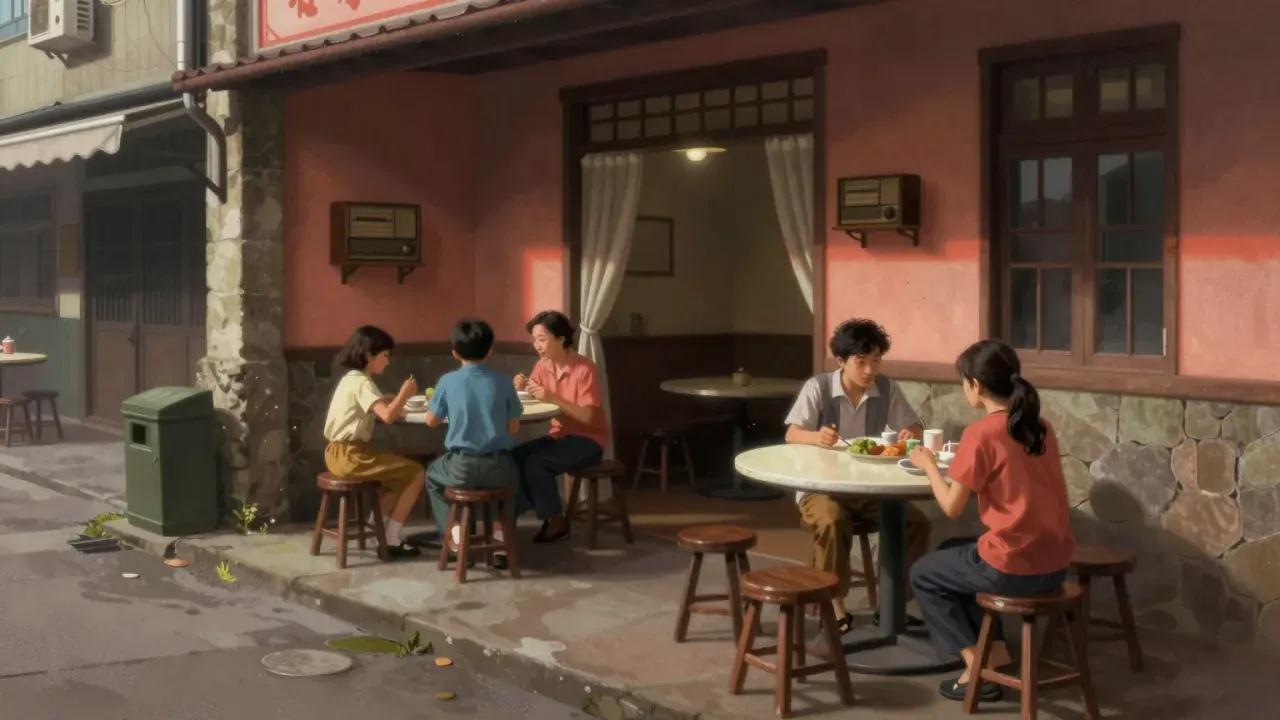
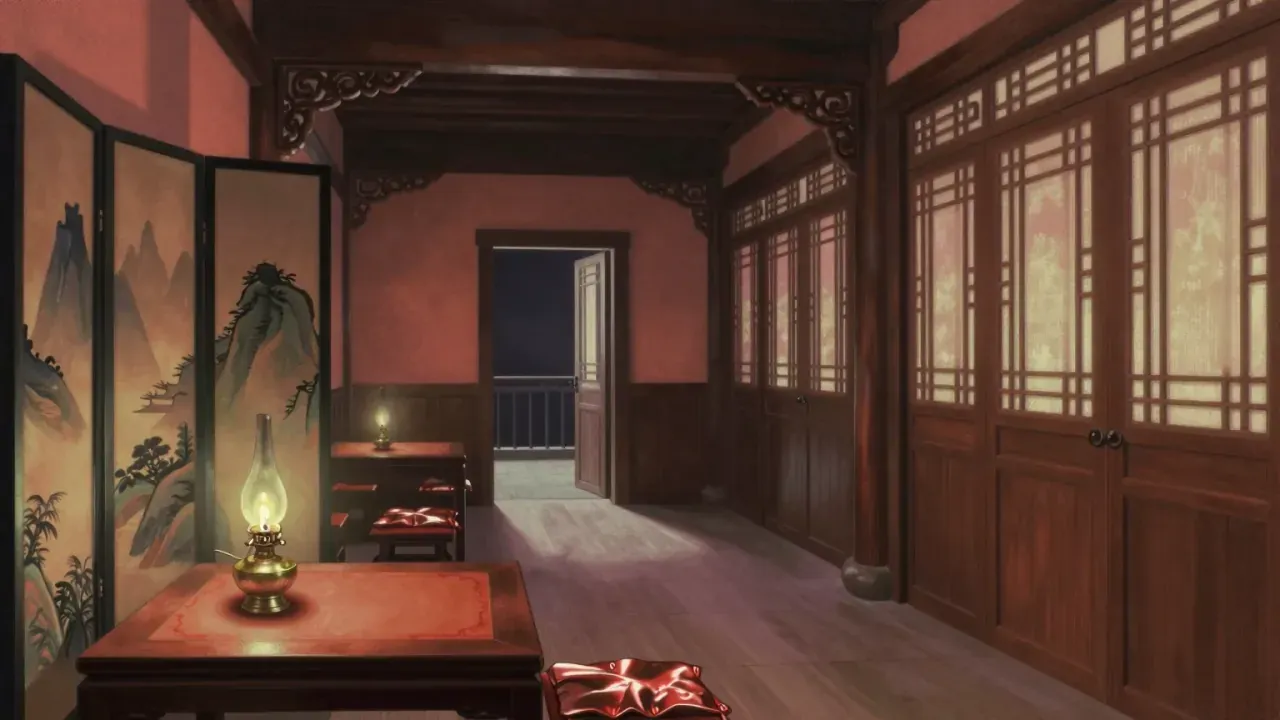
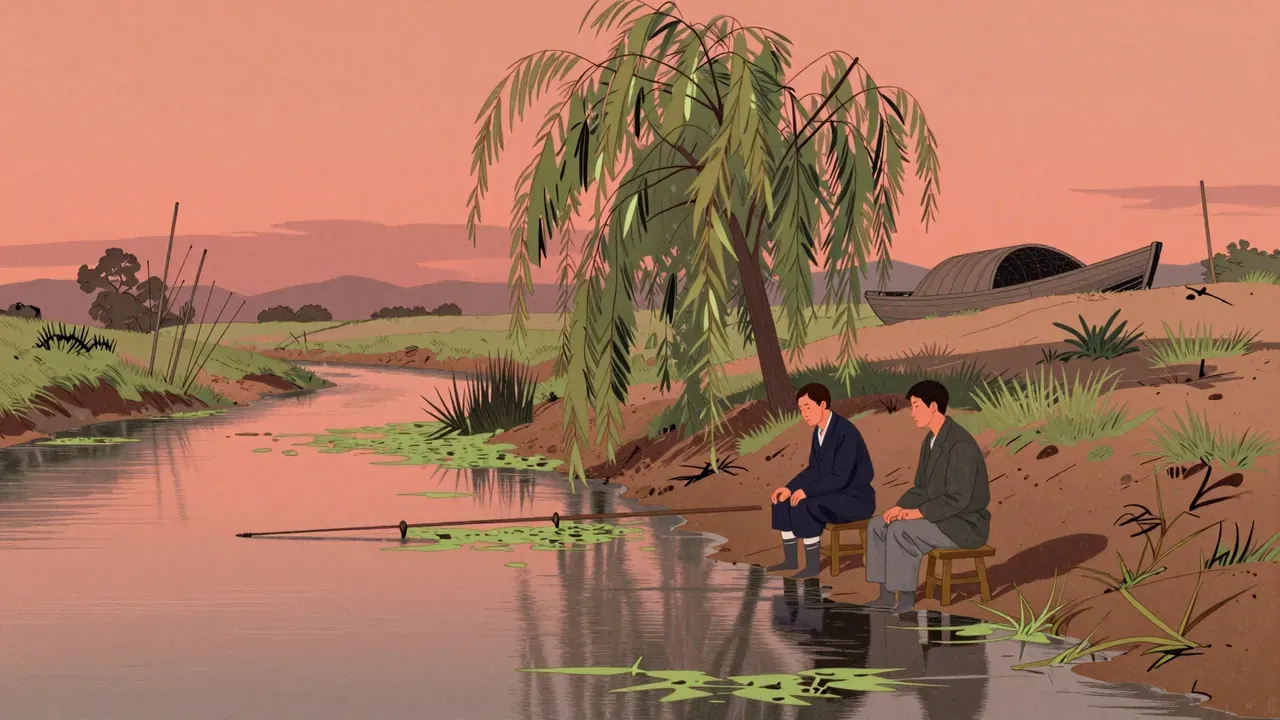
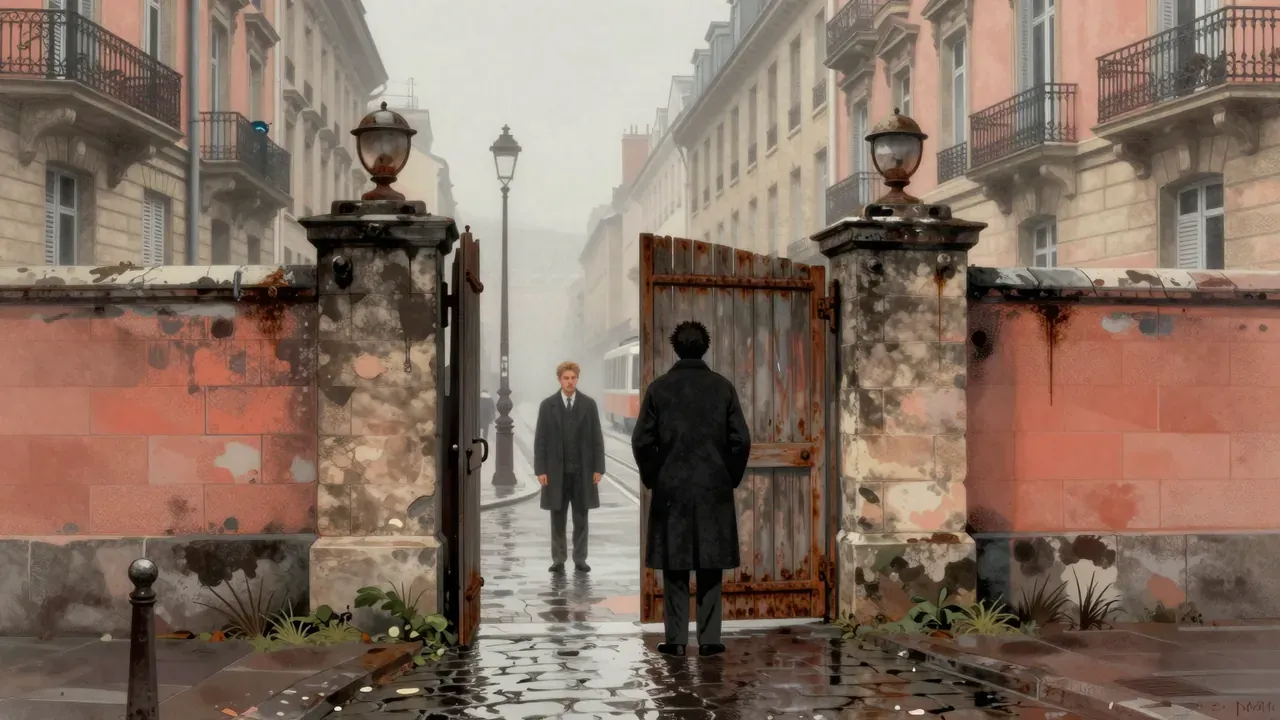
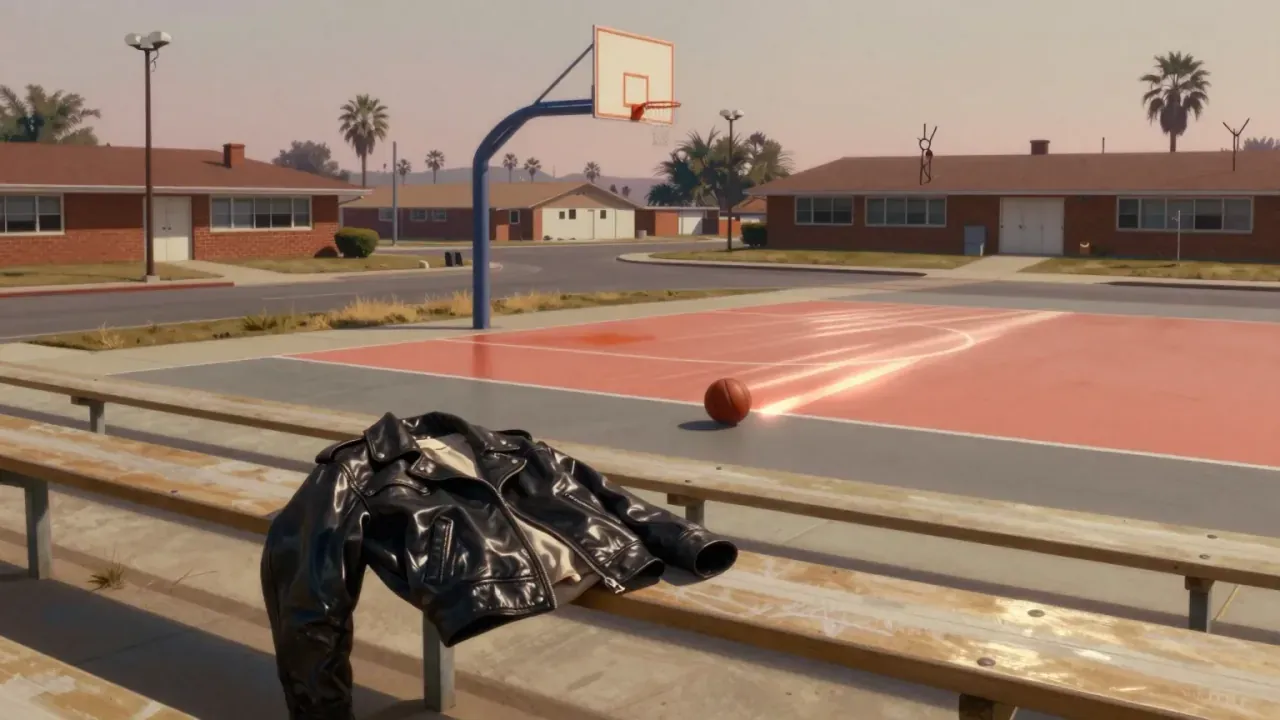
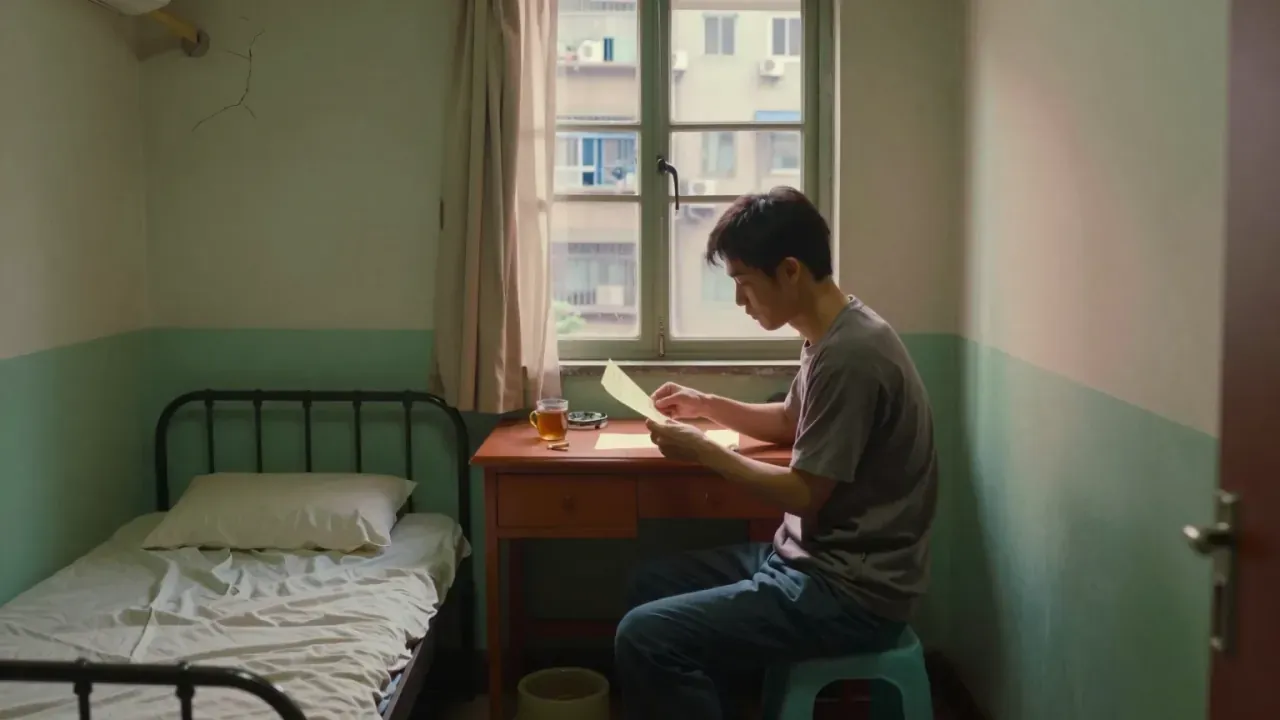
The film works through its layered structure and disciplined craft rather than conventional storytelling. Chen Hwai-En’s cinematography keeps interiors dim and exteriors washed in flat, uninflected light, avoiding period glamour or symbolic colour. Liao Ching-sung’s editing sustains long takes and abrupt cuts between timelines without transitional cues, forcing the viewer to orient themselves anew each time. Annie Yi carries both Liang Ching and Chiang Bi-yu with minimal inflection — her performance is one of withheld reaction, not expressive release. Lim Giong as Chung Hao-tung registers conviction and tenderness through posture and stillness, not dialogue. Jack Kao’s Ah Wel functions less as character than atmospheric counterpoint: grounded, pragmatic, unheroic. Chu T’ien-wen’s script avoids exposition, trusting the audience to infer historical context from gesture, newspaper headlines, and offhand references. There are no flashbacks marked as such; instead, time folds sideways, not backward. The film’s coherence comes from rhythm and recurrence — a recurring train platform, a repeated line about ‘good men’, a shared cigarette — not cause-and-effect logic. Word count: 159
What stays with you
What lands is the cumulative weight of ordinary endurance. The film’s most resonant moments are those where history presses into domestic space: a baby handed over without ceremony, a husband folding a newspaper while his wife watches him from the doorway, a woman rehearsing lines alone in a bare room. These scenes do not dramatise trauma so much as register its residue — in posture, in pauses, in the way light falls across a face mid-thought. The interweaving of Liang Ching’s preparation with Chiang Bi-yu’s past avoids collapsing the two, insisting instead on the distance between re-enactment and lived experience. The film lands its central proposition — that national memory is never abstract, but always embodied, gendered, and incomplete — not through argument but through accumulation: a glance held too long, a letter never sent, a silence after a name is spoken. Even the film’s austerity becomes persuasive: the refusal of score, the avoidance of close-ups during key revelations, the decision to shoot a political execution off-screen — all serve to place the burden of feeling on the viewer’s attention, not the frame’s emphasis. Word count: 157
Where it slips
What does not land is the structural conceit of the actress’s storyline when it drifts into abstraction without sufficient grounding. Her grief over her deceased boyfriend feels emotionally under-specified compared to the historical material, and at times the parallel between her rehearsal process and Chiang Bi-yu’s life risks flattening both into a vague metaphor for ‘performance of identity’. The film assumes familiarity with the White Terror and the ideological fractures of post-war Taiwan; viewers without that context may read the political stakes as muted or ambiguous rather than deliberately understated. Some transitions between timelines lack sufficient visual or sonic anchoring, leading to momentary disorientation that reads as confusion rather than intention. The absence of exposition also means that characters like Ah Wel or Hsiao Dao-ying remain functional rather than dimensional — not a flaw in itself, but one that leaves certain relationships feeling schematic. A viewer expecting psychological causality or moral clarity will find the film withholding, not elusive. Word count: 159
What it is really about
The themes that matter are the entanglement of personal and political memory, the gendered labour of survival under authoritarianism, and the ethics of representation itself. The film treats history not as settled record but as contested inheritance — something passed down unevenly, misremembered, suppressed, or performed. Chiang Bi-yu’s story is not exceptional but exemplary: her choices are constrained by war, ideology, and patriarchy, yet she retains agency in small, unremarkable ways — choosing when to speak, how to hold her child, whether to sign a document. The actress’s struggle mirrors this: her preparation is less about ‘getting it right’ than about inhabiting uncertainty, acknowledging gaps in knowledge and empathy. The film refuses heroic framing for either woman, rejecting martyrdom in favour of persistence. It also quietly interrogates the role of art in historical reckoning — not as testimony or correction, but as a site where memory becomes tactile, provisional, and shared. This is not a film about what happened, but about how we carry what happened, and who gets to decide what counts as carrying it well. Word count: 158
Who it is for
This film is for viewers who value formal discipline over narrative convenience, who find emotional power in restraint, and who approach history as texture rather than timeline. It rewards patience, attention to composition and duration, and willingness to sit with unresolved tension. It is not for those who require clear cause-and-effect, psychological exposition, or cathartic resolution — nor for viewers unfamiliar with mid-century Taiwanese history who expect the film to supply context rather than invite research. Those who find Hou’s pacing inert or his ellipses evasive will leave frustrated. A viewer who values historical specificity but dislikes ambiguity would likely prefer A City of Sadness, which offers more narrative scaffolding. What would change the verdict? A stronger integration of the actress’s personal arc — perhaps by deepening her relationship to the historical material beyond rehearsal — would make the tripartite structure feel less like juxtaposition and more like dialectic. Word count: 159
Is it worth your evening?
Yes, it is worth your evening — provided you watch it on your terms, not the film’s. It demands full attention but repays it with a rare kind of gravity: unhurried, unsentimental, and anchored in the physical world. Its 108 minutes pass without hurry but also without slack — every shot has weight, every silence consequence. You will not leave energised, but you may leave unsettled in a useful way: aware of how quietly history lives in gesture, how political violence reshapes domestic space, and how little heroism resembles what films usually show. Those who dislike slow cinema or distrust ambiguity will find it unrewarding, and those seeking entertainment or emotional release will be disappointed. But for viewers open to a film that trusts them to hold complexity without explanation, it remains one of Hou’s most rigorously felt works. Its value lies not in what it tells you, but in what it allows you to feel without naming. Word count: 159