The look of it
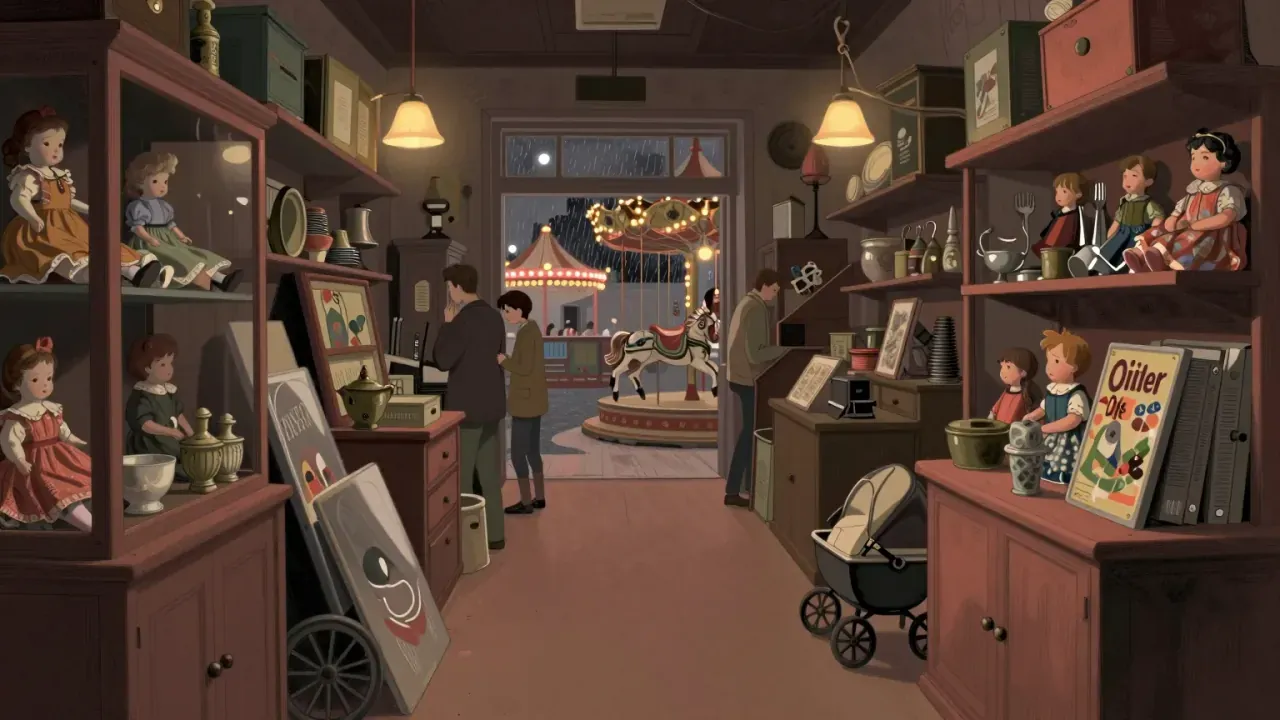
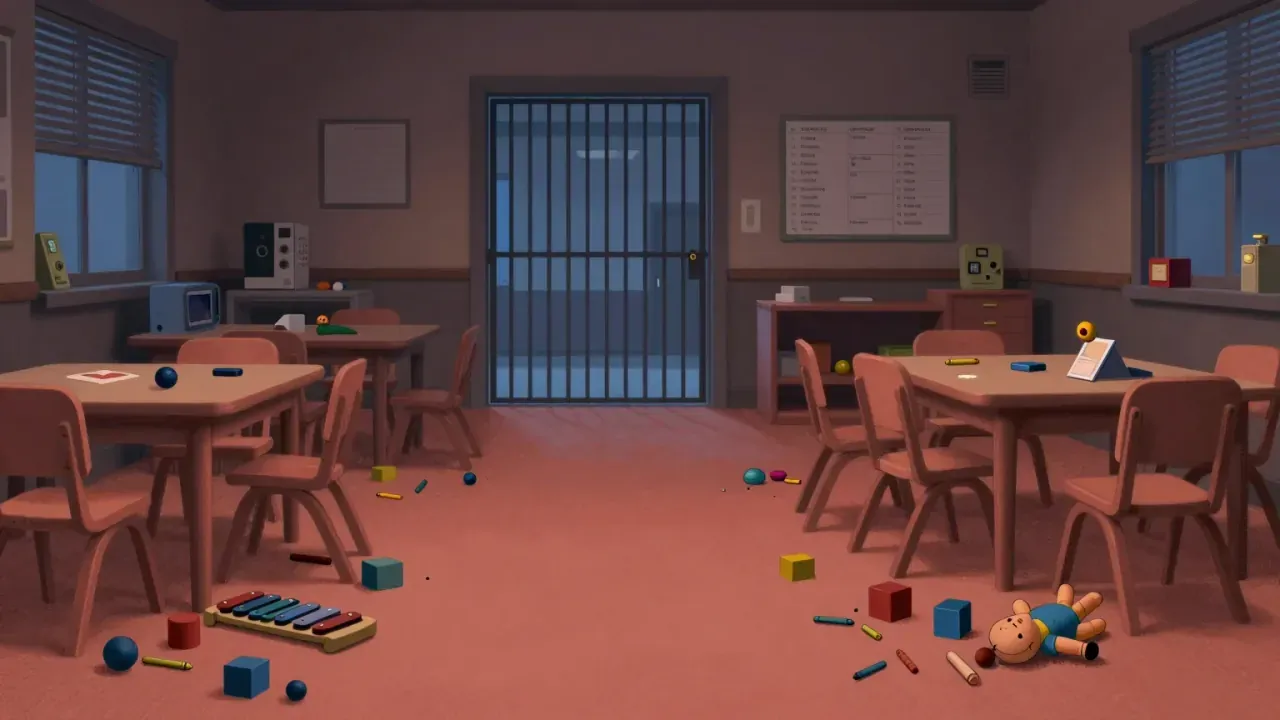
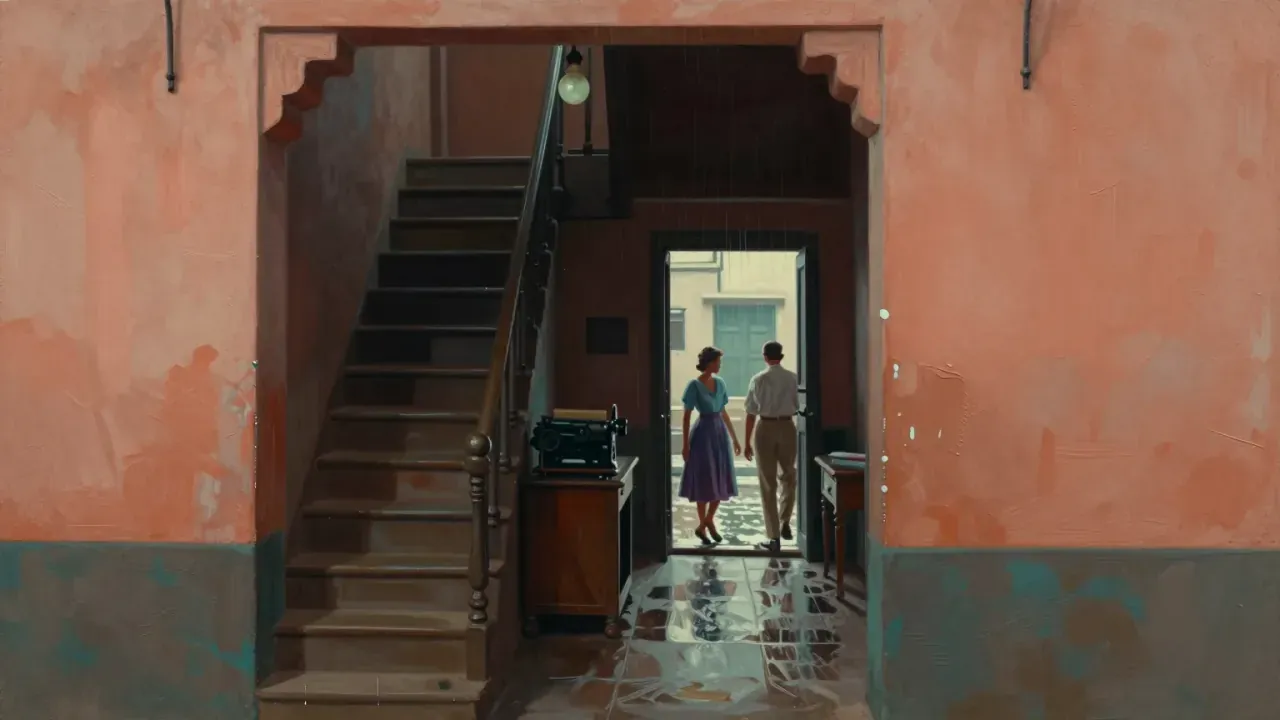
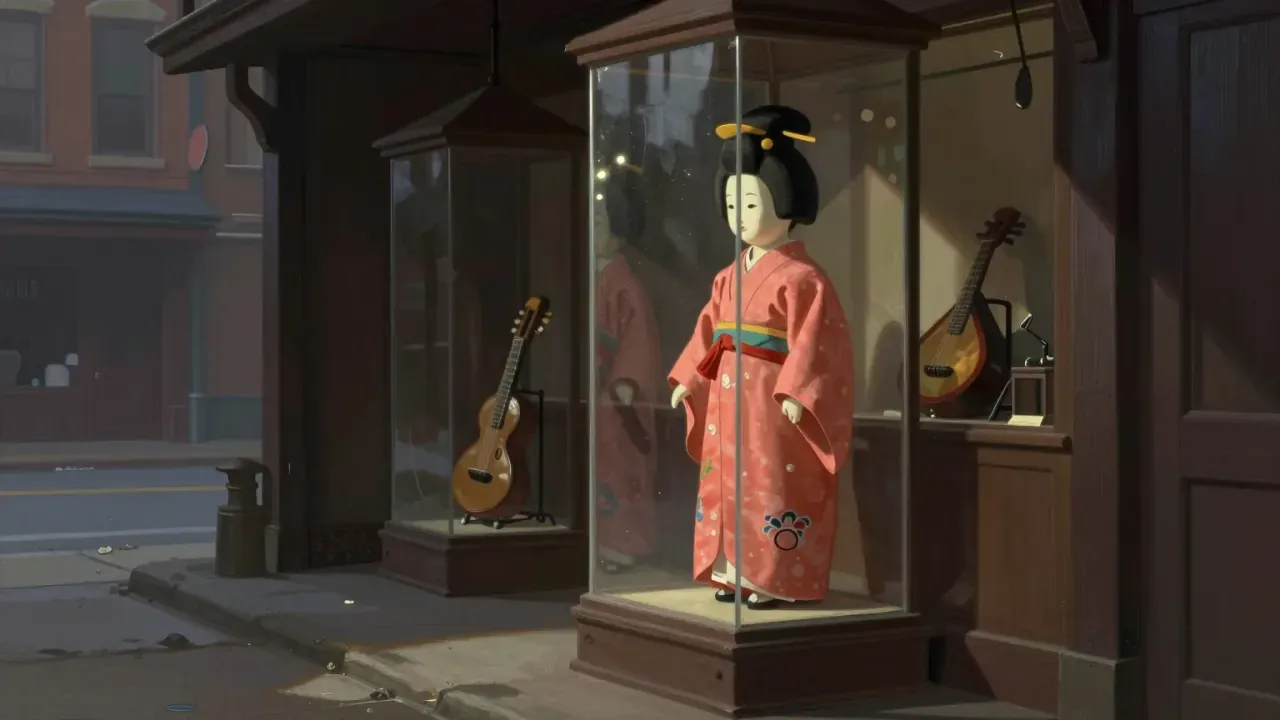
Anomalisa is a stop-motion animated feature that adapts Charlie Kaufman’s 2005 audio play into a sustained psychological portrait of alienation. It attempts to render subjective perception—specifically the Fregoli delusion—as narrative structure and visual grammar, not metaphor. The film does not simulate mental illness as spectacle but uses animation to externalise a cognitive collapse in which all human faces and voices converge into one monotonous iteration, except for one woman who sounds and looks distinct. This is not a story about meeting someone; it is about the brief, destabilising rupture of recognising difference in a world flattened by habit, exhaustion and self-absorption. The medium is inseparable from the aim: stop-motion allows minute, tactile control over facial micro-expression, lighting, and acoustic texture—tools used not for whimsy or charm but to calibrate the viewer’s discomfort, attention and empathy with surgical precision. It seeks no catharsis, no resolution, only fidelity to a particular kind of interior desolation that resists narrative comfort.
The sound of it
The story follows Michael Stone, a British customer service expert, over a single night in a Cincinnati hotel. His voice, David Thewlis’s, carries a low hum of fatigue; Jennifer Jason Leigh’s Lisa speaks with hesitant warmth that feels earned, not scripted; Tom Noonan voices every other character—including Michael’s wife, son, taxi driver and bar staff—with identical cadence and timbre, a compositional choice enforced by script, direction and sound design. Gordon Willis is not involved; Carter Burwell’s score is sparse, ambient, often absent—replaced by diegetic hotel air-con, distant announcements, and the wet, intimate sound of skin on skin in the film’s central scene. The puppets were 3D-printed, each with interchangeable facial parts; eighteen Michaels were built to allow subtle shifts in expression across takes. Duke Johnson co-directed with Kaufman, overseeing animation continuity and physical performance; the result is a rhythm of stillness punctuated by tiny, deliberate gestures—fingers gripping a glass, a shoulder slump, a blink held half a beat too long. Every frame is hand-adjusted, every breath timed to puppet movement, making duration itself part of the emotional architecture.
The voice of it
What lands is the suffocating weight of Michael’s perceptual prison—and the shock of Lisa’s singularity within it. Her voice registers not as romantic idealisation but as physiological relief: a tonal shift the ear cannot ignore, made more potent by the uniformity surrounding it. The hotel corridor, lit with flat, institutional fluorescence, becomes a corridor of psychic repetition; the sex scene avoids eroticism to focus on vulnerability, awkwardness and tenderness as physical labour—hands fumbling, bodies misaligned, breaths syncing then faltering. The animation’s slight uncanny valley effect—puppets with pores, stubble, sweat—does not distract but deepens immersion: we watch people, not characters. The film’s restraint pays off in its final act, where Lisa’s gradual reversion into sameness is conveyed not through exposition but through a slow, almost imperceptible narrowing of vocal range and facial mobility. That erosion feels less like plot than physiology—like watching synapses fire less readily. The Grand Jury Prize at Venice was awarded to a film that treats animation as a vessel for psychological realism, not escape.
The weight of it
What does not land is the framing device of Michael’s motivational speaking career. His book title, his airport security line, his strained phone call home—all serve exposition without accruing thematic weight. The Fregoli Hotel’s name is a nod, not a motif; it remains decorative rather than structural. The adult toy store interlude feels like a detour, its surrealism unmoored from the film’s central logic of perceptual narrowing. Some viewers will find the second half’s descent into numbness indistinguishable from inertia: the pacing, already deliberate, tightens into near-stasis, and the absence of conventional dramatic escalation may read as evasion rather than discipline. The film refuses irony, satire or social critique—so those expecting Kaufman’s earlier playfulness with genre, as in Eternal Sunshine, will find Anomalisa flatter, colder, less formally inventive in its storytelling. Its rigour is also its limit: the premise is so tightly wound that variation feels like betrayal, and the ending’s quiet dissolution offers no counterpoint, only confirmation.
The shape of it
The themes that matter are perception as habit, loneliness as physiological condition, and identity as relational rather than intrinsic. The film treats voice not as personality but as neural imprint—the way repeated exposure to certain frequencies reshapes auditory processing. Michael’s alienation is not philosophical but somatic: he hears the same pitch, sees the same jawline, feels the same texture of carpet underfoot—not because the world is uniform, but because his nervous system has stopped registering divergence. Lisa’s difference is not moral or aesthetic superiority but neurological accident: her vocal folds vibrate at a frequency his brain has not yet categorised as ‘same’. The hotel setting is not arbitrary—it is a non-place where identity dissolves into function, and where intimacy becomes an act of trespass against routine. The film’s most persistent idea is that connection requires effort not of will but of attention: the work of hearing, seeing, touching anew, even when the body resists. It is less about love than about the metabolic cost of staying open.
The demand of it
This film is for viewers who tolerate stillness, value acoustic texture over dialogue density, and accept that psychological realism need not resemble lived experience to feel true. It suits those accustomed to arthouse pacing, attuned to vocal nuance, and unbothered by unresolved endings. It is not for viewers who require narrative propulsion, comic relief, or moral clarity—nor for those who associate animation with accessibility or levity. Parents of young children, fans of broad comedy, or anyone seeking uplift will find it draining. Those who disliked the claustrophobia of Synecdoche, New York or the affective flatness of Certain Women may resist its tone. A change in verdict would follow if the film offered even one sustained moment of external perspective—say, a cut to Lisa’s point of view, or a sequence outside Michael’s head—but it does not. Its power lies in its refusal to look away, and its limitation lies in that same refusal.
The time of it
Yes, it is worth your evening—if you are prepared to sit with discomfort, to listen closely, and to let the film’s narrow focus recalibrate your own attention. Its ninety minutes pass slowly not because they are empty but because they are densely packed with micro-choices: a pause before a word, a tilt of the puppet’s head, a shift in room tone. That slowness is the point: it mirrors the effort required to break perceptual habit. It is not entertainment in the conventional sense, nor is it therapy; it is an exercise in disciplined witnessing. Those who leave frustrated have likely expected something else—a romance, a satire, a puzzle to solve. But Anomalisa is neither diagnostic nor didactic. It is a controlled experiment in how much singularity one person can bear before retreating into sameness. Its value is in the precision of its execution, not the breadth of its appeal. To dismiss it as ‘depressing’ or ‘cold’ is to mistake its method for its message.