The look of it
Babette’s Feast is a Danish adaptation of Isak Dinesen’s 1958 short story, transposing its moral and spiritual inquiry into cinematic form. It sets out not to dramatise conflict or psychological rupture but to test the endurance of belief under sensory grace — to ask whether austerity can hold when confronted with abundance offered freely, without condition or expectation of return. Gabriel Axel’s script preserves the story’s quiet architecture: two sisters, their dwindling congregation, and a refugee cook whose single act of generosity becomes a litmus for decades of suppressed longing, regret and discipline. The film does not seek to convert, persuade or resolve; it stages a slow combustion of restraint and revelation, where the central event — a twelve-course French dinner — functions less as plot climax than as ethical fulcrum. Its ambition is modest in scale but exacting in execution: to make visible the invisible labour of faith, memory and withheld love, and to measure what remains when all ornament is stripped away — including, finally, the ornament of narrative urgency.
How it holds its breath
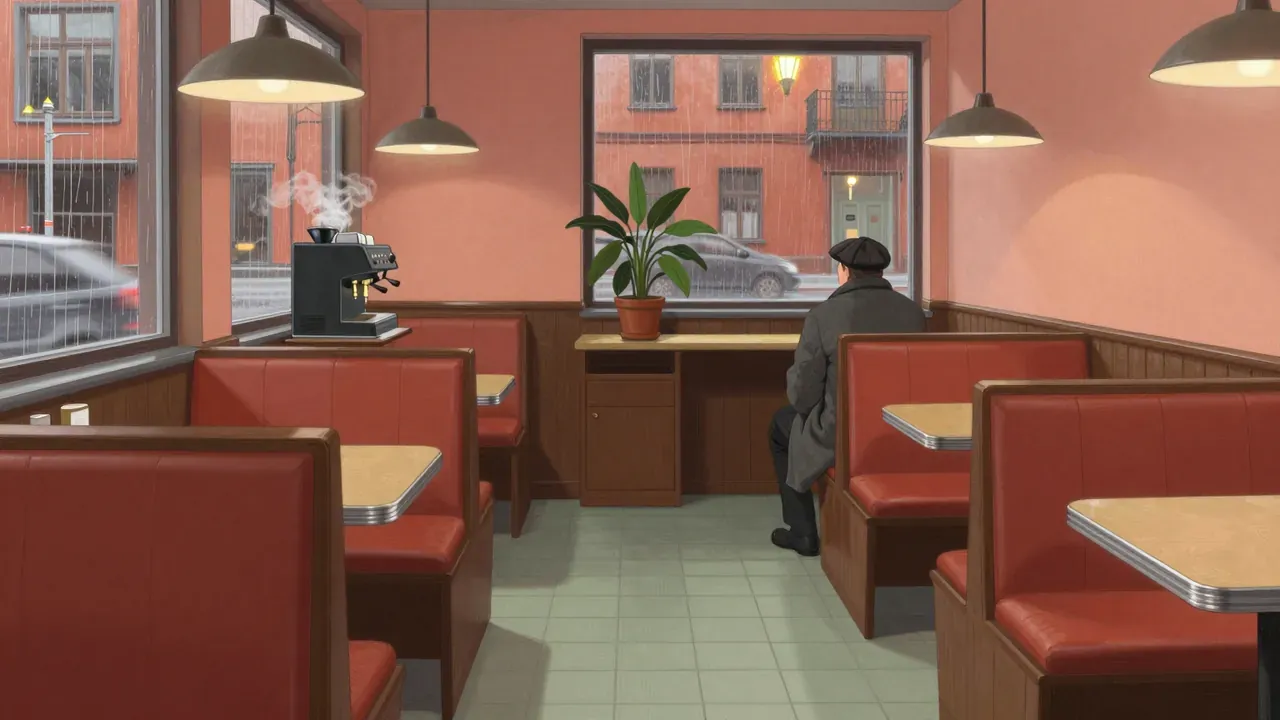
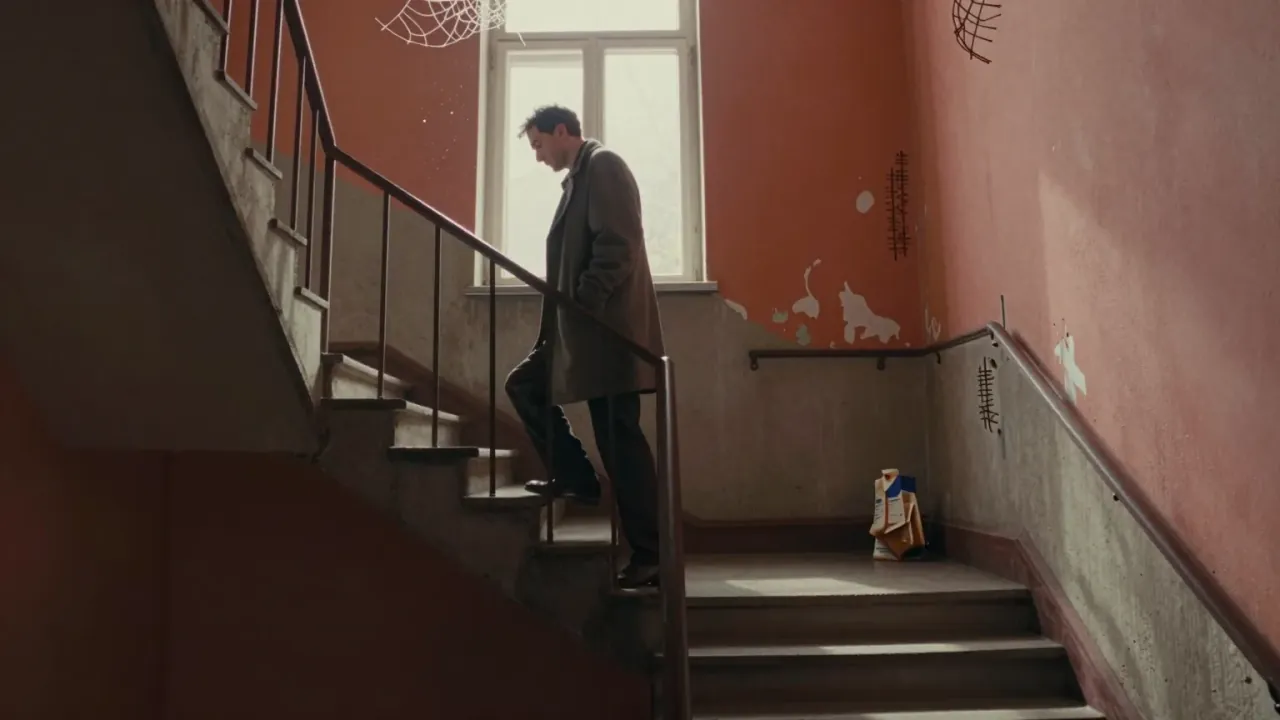
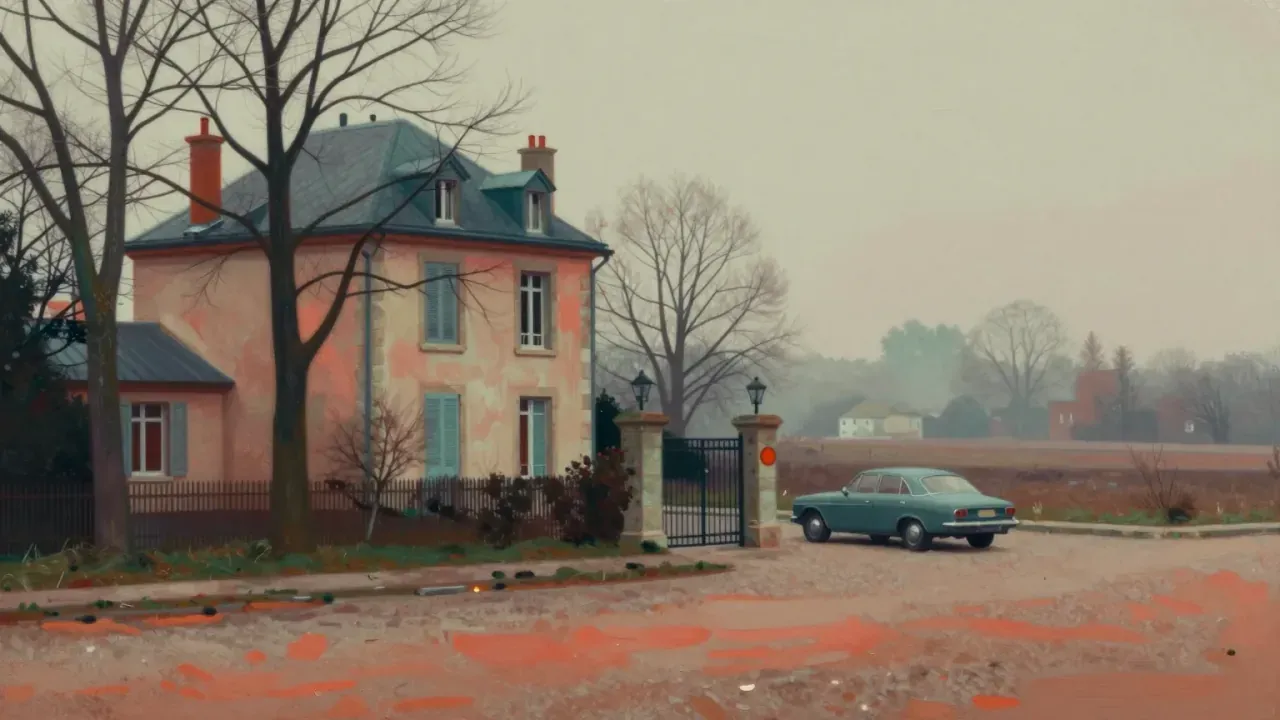
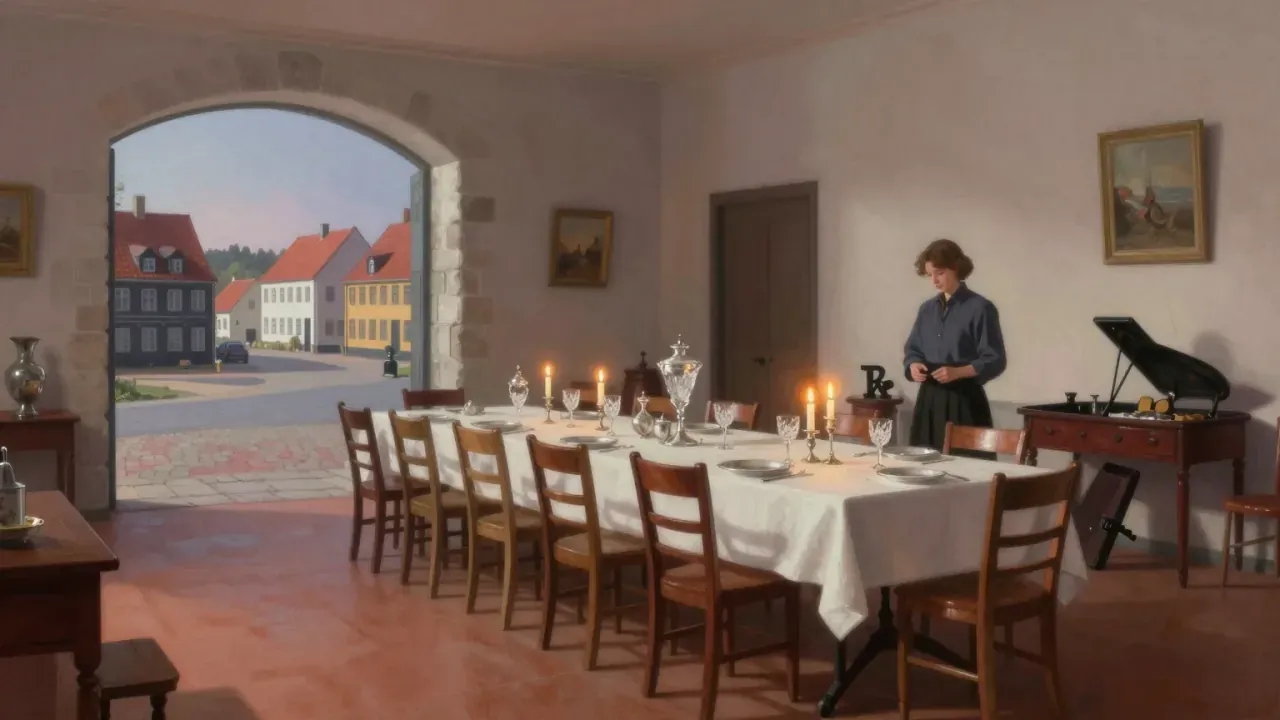
The story unfolds with deliberate, uninflected pacing: exposition arrives through voiceover, not dialogue; character history through stillness, not flashback. Stéphane Audran’s Babette speaks little, moves with economy, and registers emotion only in micro-shifts of gaze or posture — her performance is a study in containment. Bibi Andersson and Birgitte Federspiel ground the sisters’ contrasting temperaments: Andersson’s Martine carries residual warmth beneath reserve; Federspiel’s Filippa embodies rigidity made tender by age. Henning Kristiansen’s cinematography avoids flourish: interiors are dim, naturalistic, lit by window light or candle; exteriors are flat, wind-scoured, drained of romanticism. Per Nørgård’s score is sparse, often absent — silence is treated as material. Finn Henriksen’s editing sustains duration without emphasis: a shot holds until its weight settles, not until it ‘means’ something. There are no close-ups for emphasis, no music swells for revelation. Every craft choice serves the same principle: to refuse interpretation, and instead permit the viewer to sit alongside the characters in their uncertainty.
Where it lets go
What lands most firmly is the cumulative weight of withheld feeling — the ache of lives shaped by renunciation, not rebellion. The feast itself lands not as spectacle but as quiet detonation: the villagers’ gradual, wordless surrender to taste, texture and aroma becomes legible in slackened jaws, softened eyes, the slow unfurling of shoulders. The film trusts that fourteen years of silent service, a lottery win spent on strangers, and a meal prepared without audience or thanks carry their own rhetorical force. The final sequence — Martine’s whispered recollection of Papin’s voice, Filippa’s hand resting on Babette’s — lands because it follows no crescendo, only the quiet settling of long-held breath. Even the General’s late, unspoken recognition of what he has witnessed — not as spectacle but as sacrifice — lands precisely because it is never named. The film’s restraint makes its emotional payoffs feel earned, not engineered: they arrive not as releases but as recognitions, slow dawns rather than sunrises.
Where it names instead of shows
What does not land is the structural reliance on voiceover narration. Though Ghita Nørby delivers it with calm authority, the device sits uneasily within the film’s otherwise embodied language: it tells us what characters feel rather than letting us infer it from gesture or pause, and occasionally pre-empts ambiguity the visuals have carefully built. The early exposition of the sisters’ past suitors feels summarised rather than inhabited, flattening the potential pathos of their choices. Likewise, the General’s reappearance lacks sufficient dramatic scaffolding — his presence is narratively necessary but emotionally underprepared, arriving more as plot function than human return. The film’s refusal to dramatise ideological dispute also leaves the congregation’s initial rigidity somewhat schematic: their vow of silence reads as doctrine rather than lived conviction, making their eventual thaw feel like narrative concession rather than earned transformation. These are not failures of craft, but of proportion — moments where exposition oversteps the film’s preferred grammar of implication.
What it keeps sacred
The themes that matter are those bound to time, scarcity and offering: the cost of fidelity when belief grows brittle with age; the dignity of work that leaves no signature; the paradox that generosity may be most radical when it refuses reciprocity. It treats food not as metaphor but as medium — the physical conduit through which memory, artistry and grace become tangible. The film insists that exile is not only geographical but temporal: Babette lives in Paris through ingredients, the sisters in youth through silence, the congregation in doctrine through repetition. It explores how ritual calcifies when its original purpose fades, and how renewal arrives not through argument but through attention — to a sauce, a note, a shared glance across a table. Crucially, it treats spirituality not as doctrine but as practice: the sisters’ piety is measured in daily acts of care, not proclamation; Babette’s vocation is expressed in technique, not testimony. The film’s deepest concern is with the ethics of reception — what it means to accept a gift you did not earn, cannot repay, and do not fully understand.
Who is welcome
This film is for viewers who value slowness as substance, not symptom; who find resonance in understatement and trust silence as syntax. It rewards patience, attention to texture, and tolerance for unresolved tension — those who expect narrative propulsion or psychological exposition will find it withholding. It is not for viewers who require clear stakes, escalating conflict or character arcs defined by change; the sisters do not transform, they deepen. Those accustomed to visual or rhythmic dynamism may find its pacing inert, its palette muted, its emotional register too low for sustained engagement. It assumes familiarity with European arthouse conventions — the use of voiceover, the privileging of duration over incident, the treatment of setting as moral climate rather than backdrop. A viewer expecting either religious allegory or culinary fantasy will misread its aims; this is neither sermon nor spectacle, but a precise calibration of restraint and release.
Is it enough
Yes, it is worth your evening — not as diversion but as calibration. Its 103 minutes ask for nothing more than presence, and repay that with quiet accumulation: the weight of a glance, the resonance of a held note, the moral gravity of a single, unremarked decision. It works best viewed alone or with someone who shares its tempo — not as background but as shared attention. Those who find its pace indulgent would likely prefer films where meaning is signposted, not settled. Its verdict does not hinge on technical perfection — the voiceover stumbles, some transitions are abrupt — but on the integrity of its central proposition: that grace arrives not with fanfare but with a knock at the door, and that the most profound feasts are those eaten in silence, then remembered aloud decades later. It earns its stillness, and asks only that you meet it there.