filmbriefs
Highest rated

All briefs

2035 briefs · 26452 min · 865–960 on page 10 of 22
13:00

The Matrix

Lilly Wachowski · 1999

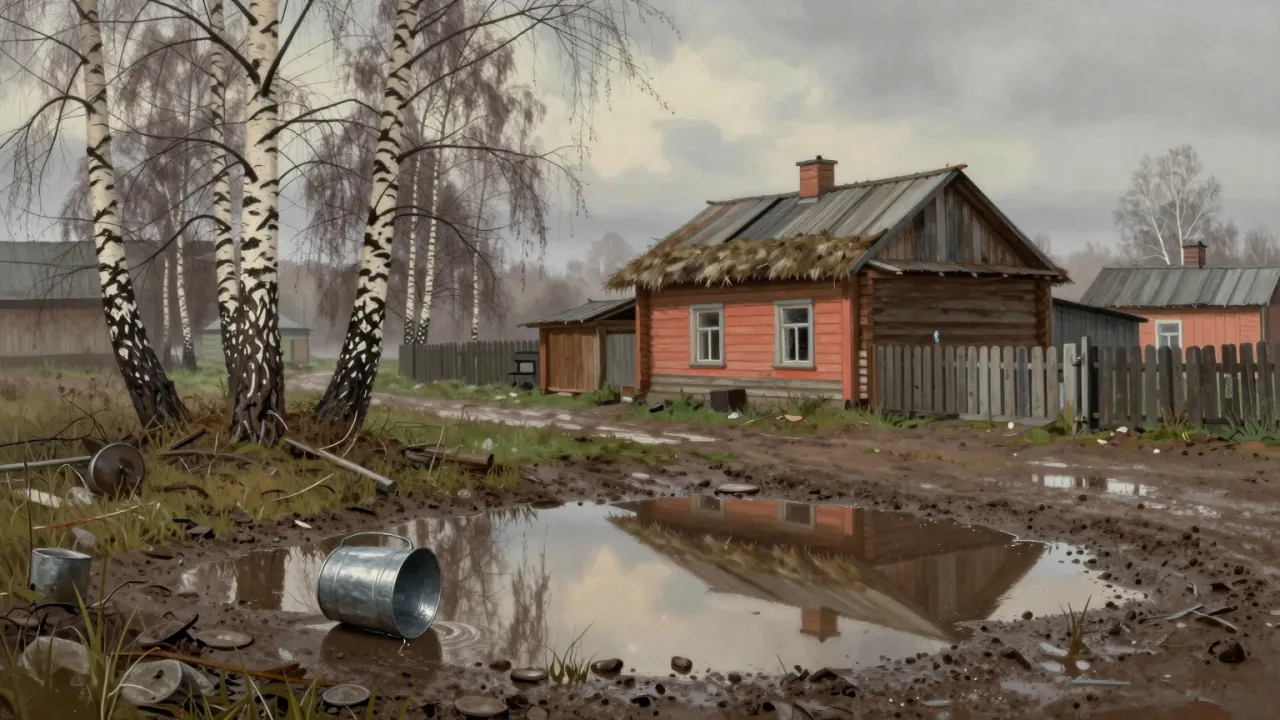
The Matrix is a 1999 science-fiction thriller directed by Lilly Wachowski, starring Keanu Reeves as Neo, a computer hacker who discovers reality is a machine-generated simulation. Guided by Morpheus (Laurence Fishburne) and Trinity (Carrie-Anne Moss), he joins a rebellion against sentient machines. Built on rigorous martial arts choreography, innovative visual effects including 'bullet time', and a green-tinged visual grammar, the film treats perception as infrastructure and freedom as embodied practice. It won four Academy Awards, including Best Visual Effects and Best Film Editing, and remains culturally resonant for its fusion of philosophy, action, and formal invention.
13:00

The Mirror

Andrei Tarkovsky · 1975

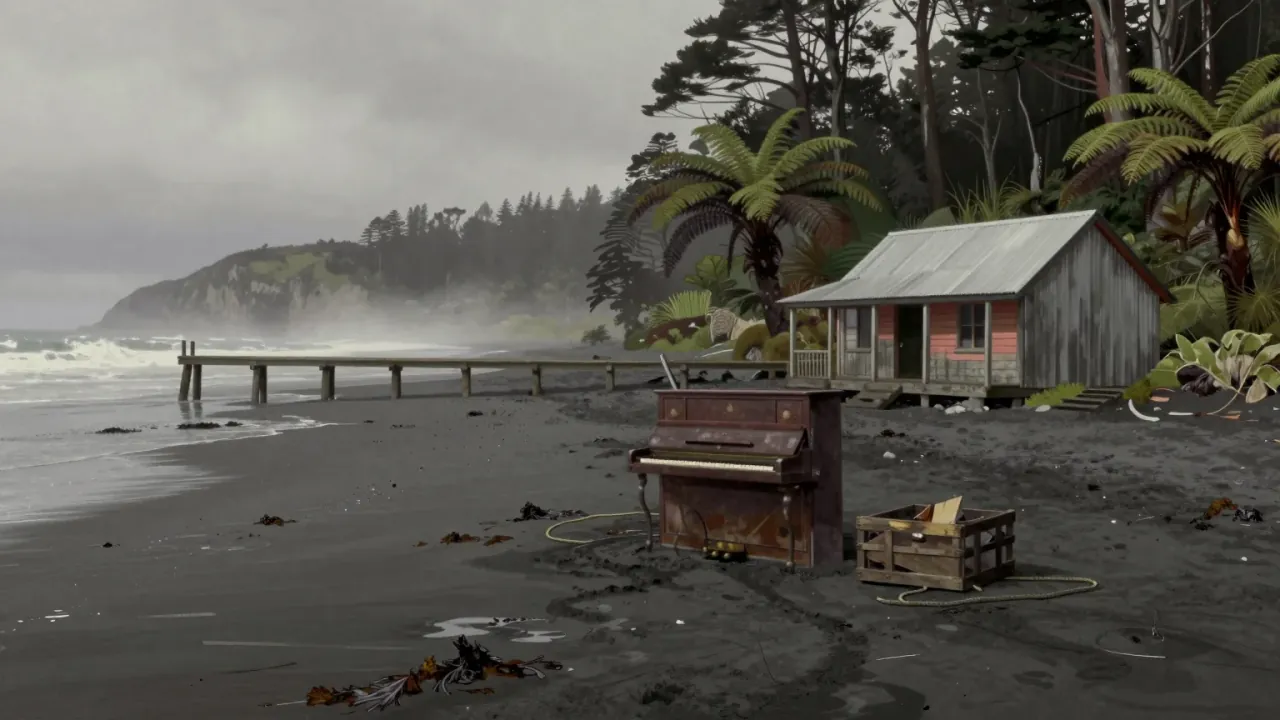
Andrei Tarkovsky’s 1975 film The Mirror is a non-linear, autobiographical essay in image and sound. Shot by Georgy Rerberg and scored by Eduard Artemyev, it weaves childhood recollection, wartime newsreel, poetic voiceover, and maternal presence into a single, flowing meditation on time, inheritance, and perception. Margarita Terekhova plays dual roles; Oleg Yankovsky appears only in voiceover. With around 200 shots across 108 minutes, its rhythm is durational, not dramatic. Released under constraint by Mosfilm, it polarised Soviet critics before becoming widely regarded as Tarkovsky’s most intimate work.
13:00

The Piano

Jane Campion · 1993

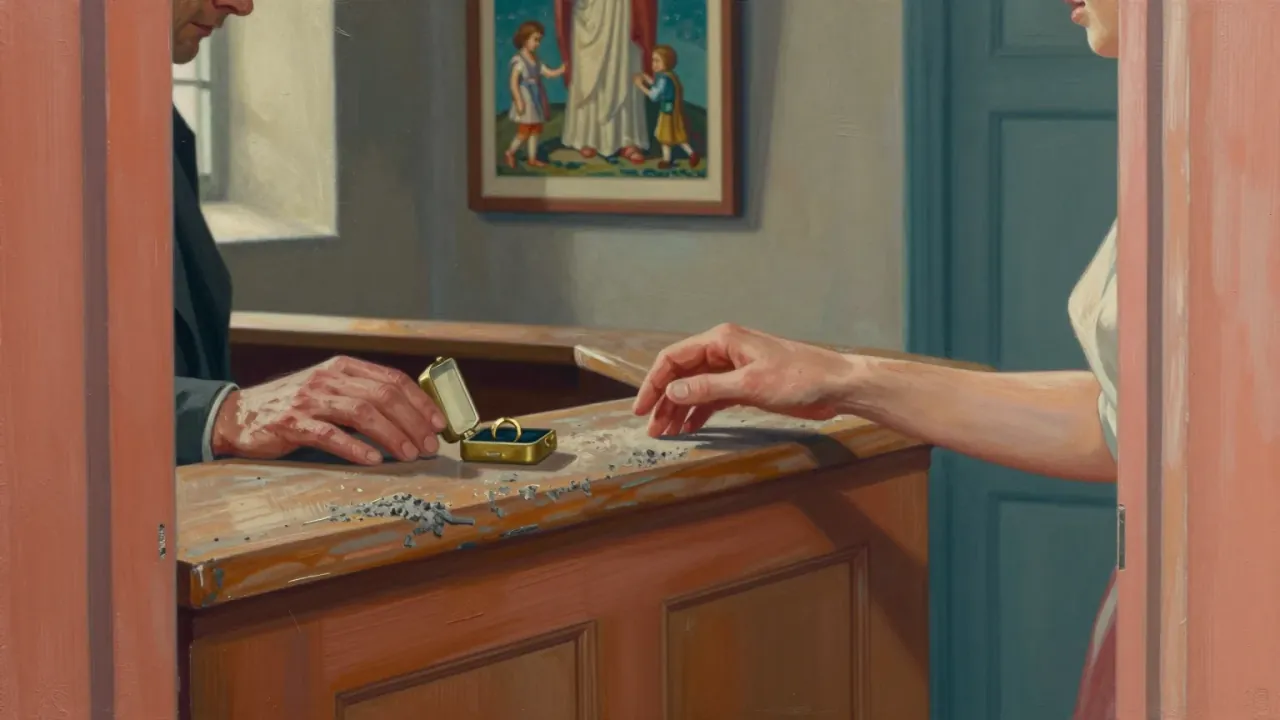
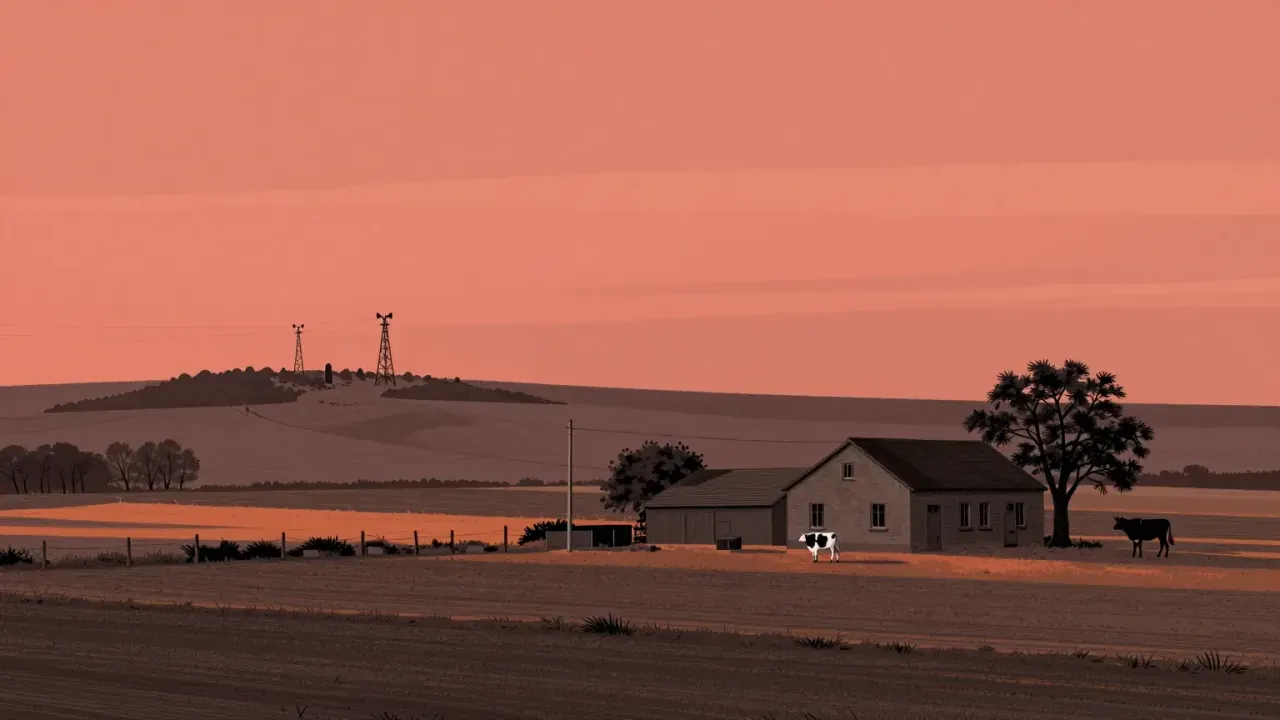
Jane Campion’s 1993 drama follows Ada McGrath, a mute Scottish woman who travels to colonial New Zealand for an arranged marriage, carrying only her daughter and a piano. When her instrument is abandoned on the beach, she negotiates its return with a neighbouring settler — a transaction that unravels into desire, betrayal, violence, and self-reclamation. Anchored by Holly Hunter’s physically exacting performance and Michael Nyman’s insistent score, the film renders interiority through gesture, sound, and resistance rather than speech.
13:00

The Power of the Dog

Jane Campion · 2021

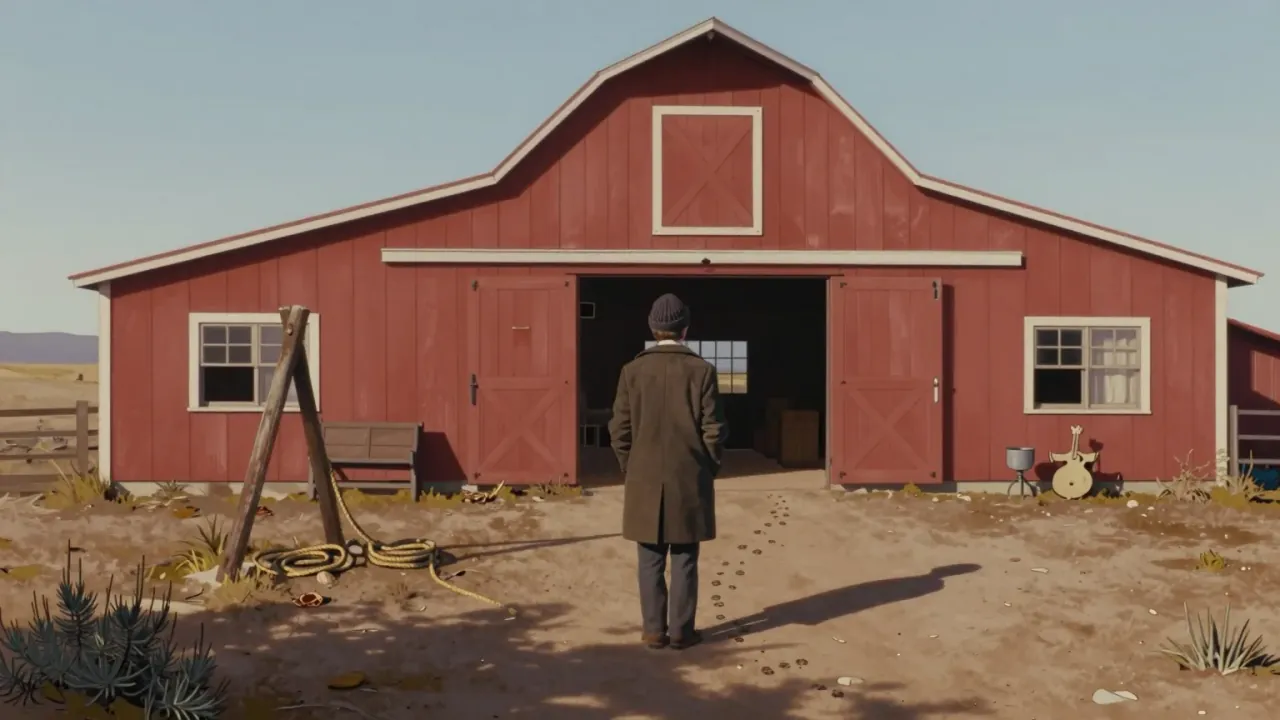
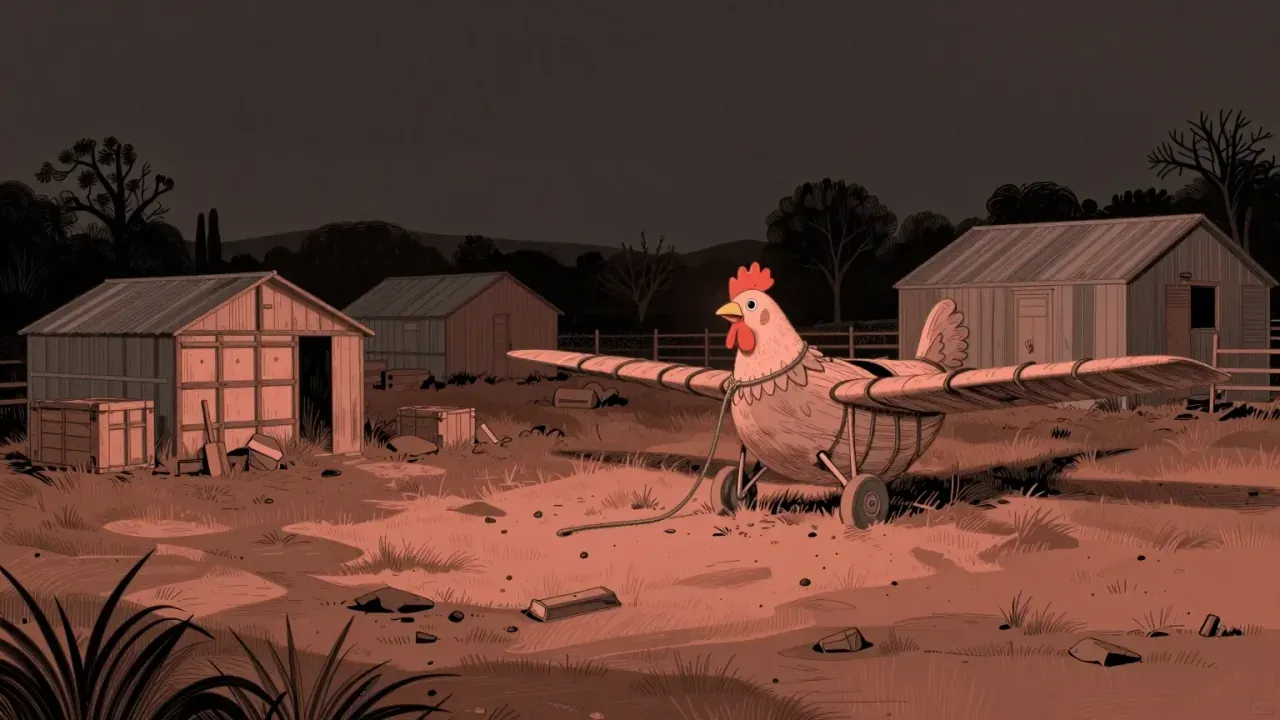
Jane Campion’s 2021 adaptation of Thomas Savage’s novel is a slow-burning psychological drama set on a 1925 Montana ranch. Benedict Cumberbatch plays Phil Burbank, a rancher whose contempt for his brother’s new wife and her son masks deeper anxieties about masculinity, inheritance, and control. Shot by Ari Wegner in New Zealand, scored by Jonny Greenwood, and edited by Peter Sciberras, the film trades Western spectacle for interior tension — building dread through restraint, composition, and performance. It premiered at Venice, won Best Director there and at the Oscars, and received widespread critical acclaim for its formal discipline and thematic rigour.

13:00

The Remains of the Day

James Ivory · 1993

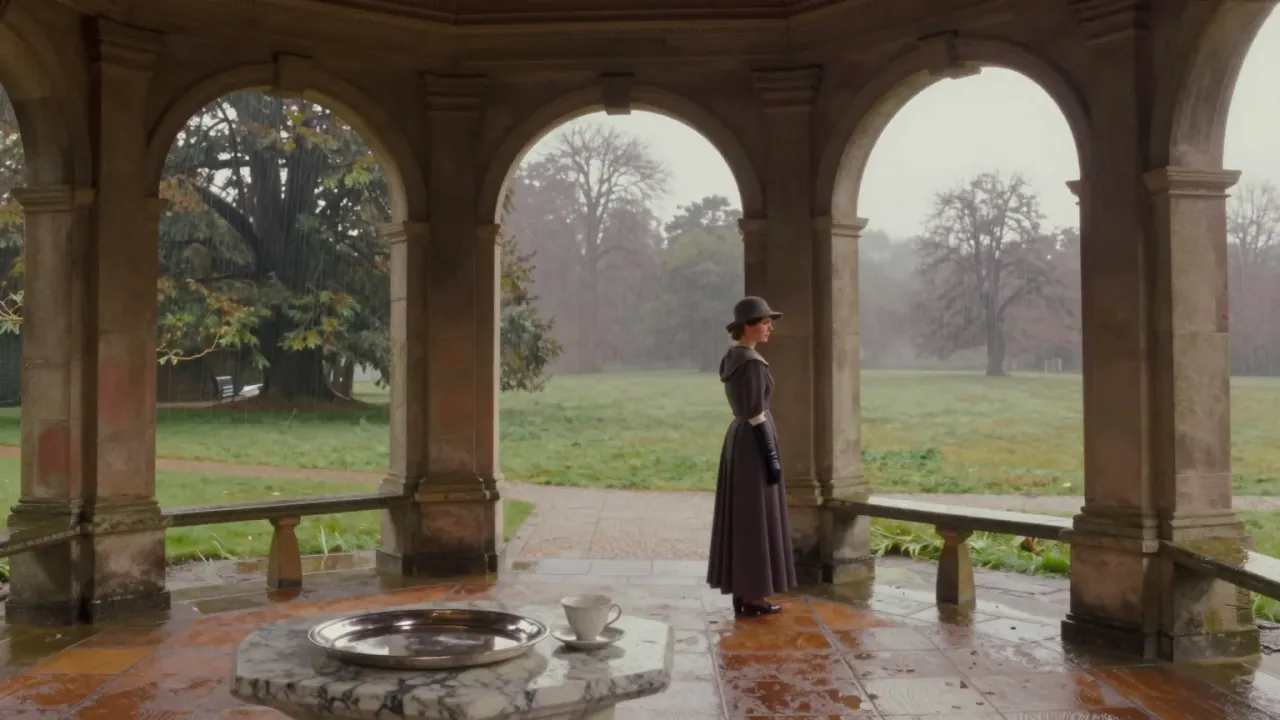
James Ivory’s 1993 adaptation of Kazuo Ishiguro’s novel follows Anthony Hopkins’ butler Stevens on a 1958 road trip to revisit his former housekeeper, Emma Thompson’s Miss Kenton. Interwoven flashbacks reveal their years serving Lord Darlington — a man whose misguided appeasement of Nazism corrodes both his reputation and Stevens’ sense of self. With muted cinematography, sparse music, and performances rooted in restraint, the film renders emotional life as gesture, memory as omission, and class as embodied discipline.

13:00

The Story of Qiu Ju

Zhang Yimou · 1992

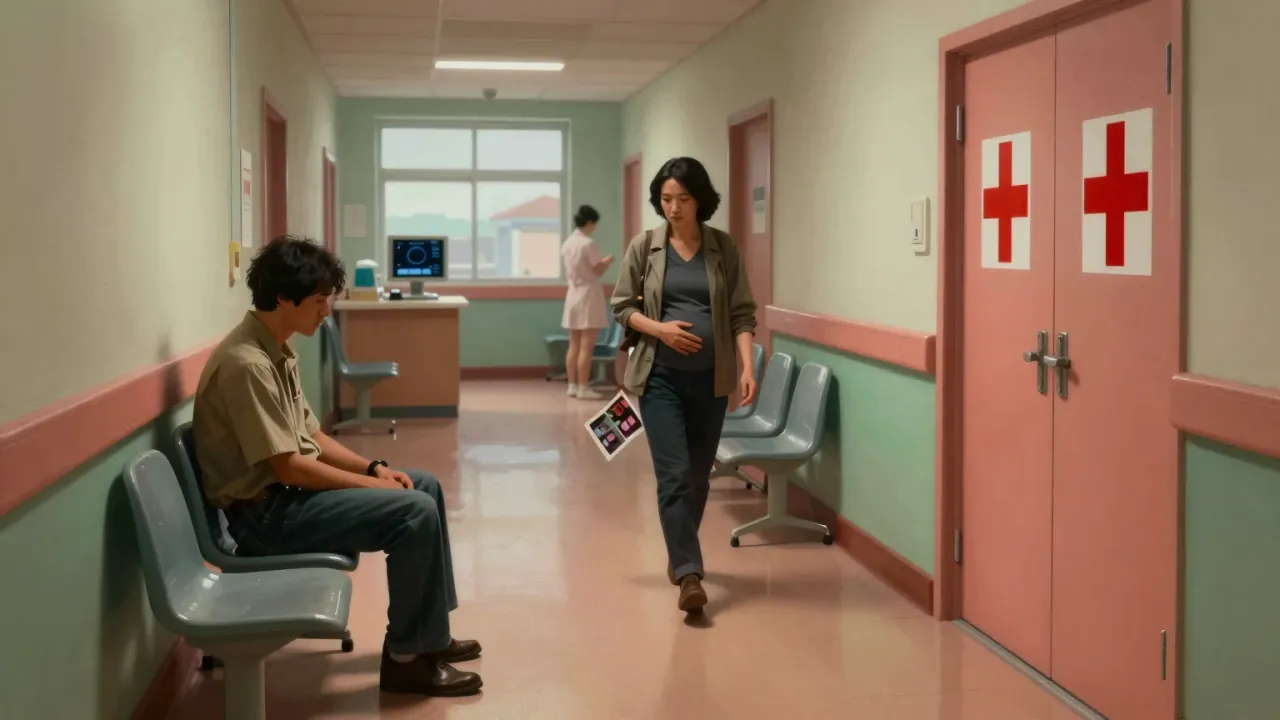
Set in rural Shaanxi in 1992, Zhang Yimou’s The Story of Qiu Ju follows a pregnant peasant woman’s dogged pursuit of a simple apology from the village headman who injured her husband. Shot with documentary restraint and anchored by Gong Li’s understated performance, the film charts her passage through layers of China’s evolving legal bureaucracy — not as satire or protest, but as a precise, unsentimental study of how institutions absorb, deflect, and ultimately misinterpret human need.

13:00

The Thin Man

W. S. Van Dyke, Lesley Selander · 1934

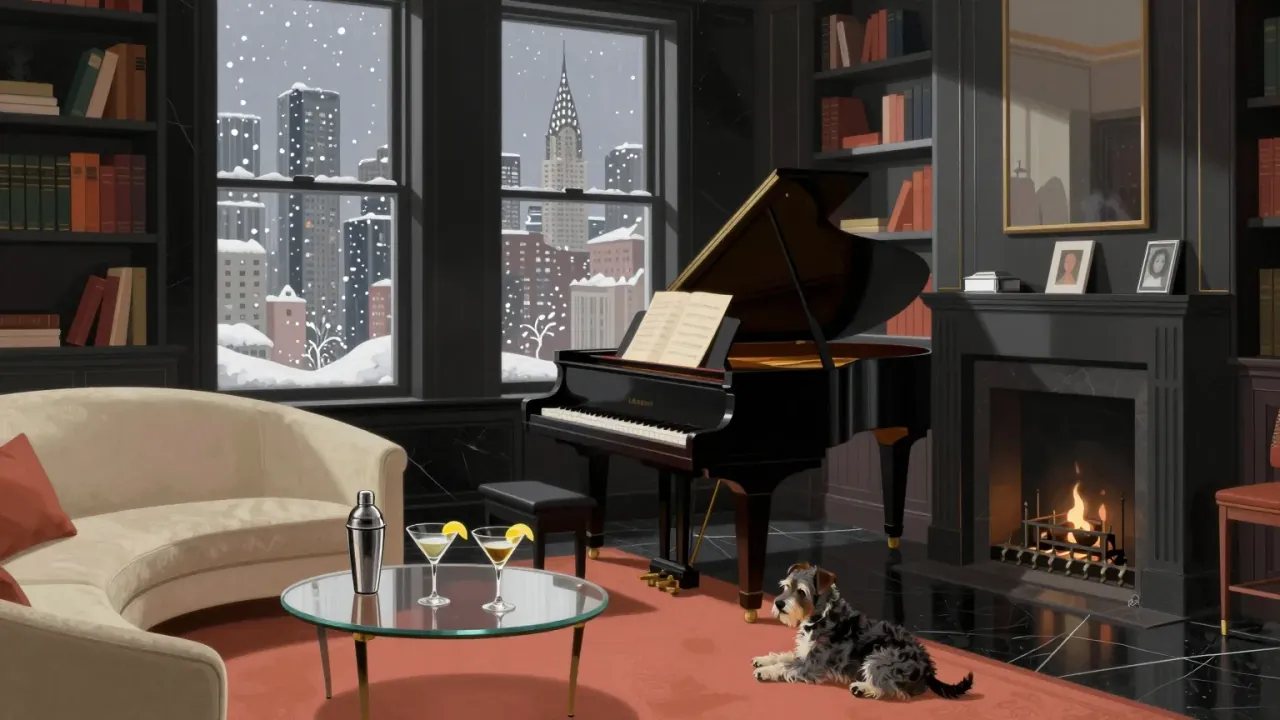
The Thin Man (1934) is a Metro-Goldwyn-Mayer comedy-mystery starring William Powell and Myrna Loy as Nick and Nora Charles, a witty, well-heeled couple who stumble into a murder investigation during a Christmas trip to New York. Based on Dashiell Hammett’s novel and directed by W.S. Van Dyke, the film prioritises their effortless rapport over plot intricacy, using the detective framework to sustain banter, charm, and domestic ease. James Wong Howe’s cinematography and Van Dyke’s spontaneous direction reinforce its light, confident tone.

13:00

The Third Man

Carol Reed · 1949

Set in ruined, four-zone Vienna, Carol Reed’s 1949 noir follows an American writer searching for his vanished friend, only to uncover layers of betrayal, black-market complicity, and compromised ideals. Shot on location with stark, expressionist-influenced cinematography by Robert Krasker and scored entirely on zither by Anton Karas, it sustains a mood of exhausted ambiguity. Its power lies in what it withholds: explanation, catharsis, closure.

13:00

The Treasure of the Sierra Madre

John Huston · 1948

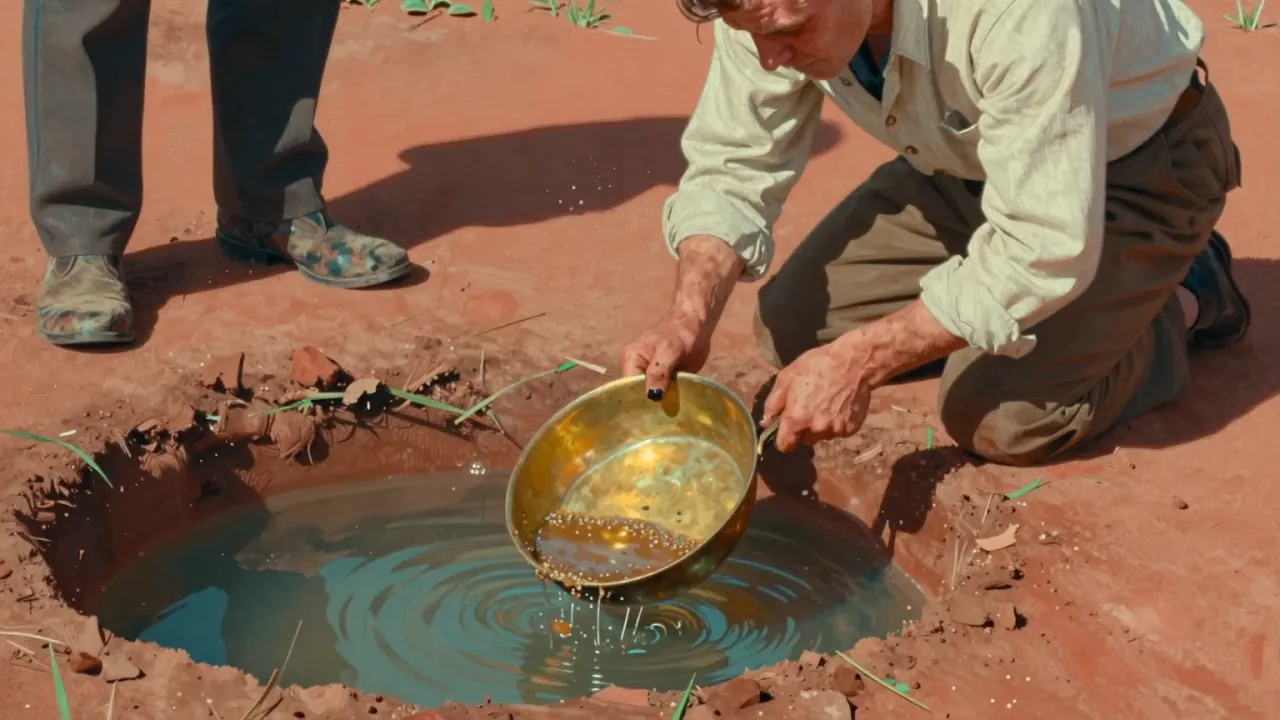
John Huston’s 1948 adaptation of B. Traven’s novel follows two American drifters and an ageing prospector searching for gold in the Mexican wilderness. As the find is made, trust fractures, language fails, and morality simplifies to survival. With restrained cinematography by Ted McCord, sparse scoring by Max Steiner, and performances anchored by Humphrey Bogart and Walter Huston, the film traces the slow, unsentimental collapse of shared reality under pressure. Shot on location in Mexico and California, it remains a benchmark of psychological realism — austere, exacting, and unyielding.

13:00

The Umbrellas of Cherbourg

Jacques Demy · 1964

Jacques Demy’s 1964 film tells the story of Geneviève and Guy, young lovers in Cherbourg separated by war and circumstance. Every line is sung to Michel Legrand’s continuous score; Jean Rabier’s cinematography uses saturated, deliberate colour; and the narrative unfolds across five years with formal rigour and emotional restraint. It won the Palme d’Or and remains a landmark of musical and arthouse cinema.

13:00

The Virgin Spring

Ingmar Bergman · 1960

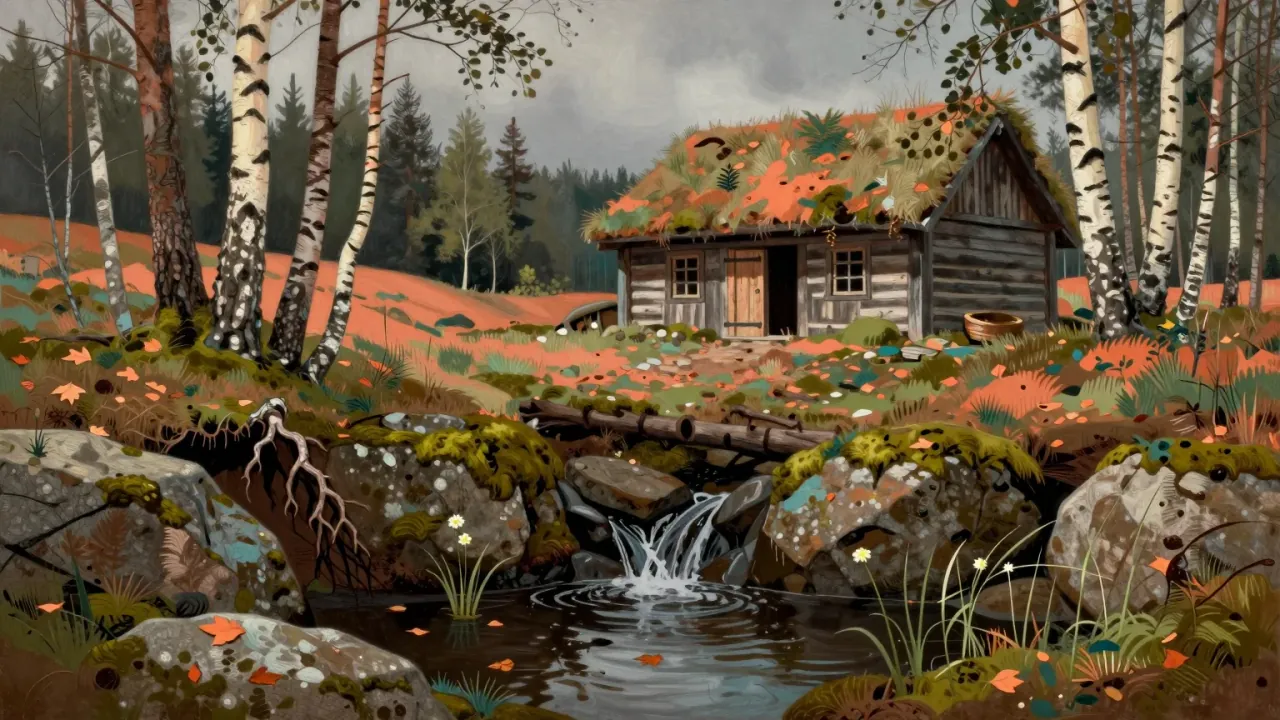
Ingmar Bergman’s 1960 drama, adapted by Ulla Isaksson from a medieval Swedish ballad, follows a Christian landowner whose daughter is raped and murdered by three herdsmen. After they unknowingly seek shelter at his home, he kills them at dawn. At the site of her death, a spring emerges. Shot by Sven Nykvist in austere natural light, the film explores guilt, vengeance, and the silence of God — not as abstract ideas, but as physical, inescapable facts.
13:00

The Wailing

Na Hong-jin · 2016

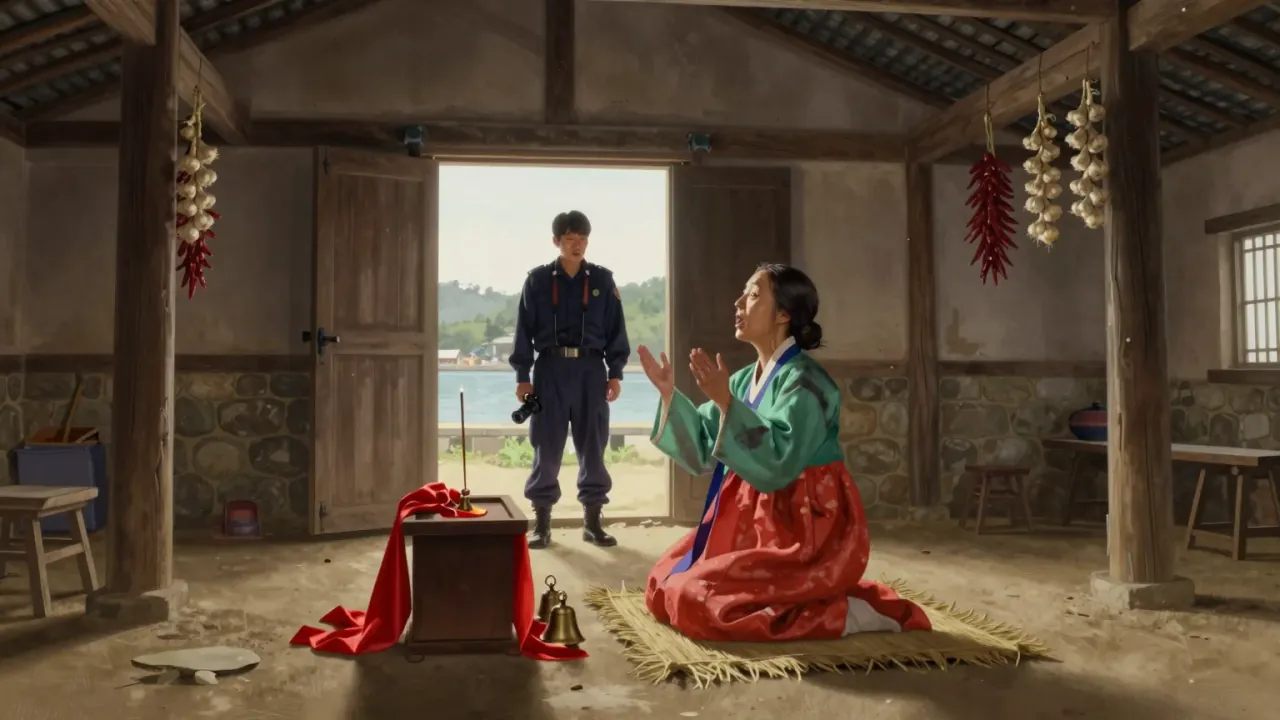
Na Hong-jin’s 2016 Korean mystery-horror follows a rural policeman investigating inexplicable violence in his village. As explanations multiply — shamanic curse, demonic possession, epidemic, colonial panic — none cohere, and conviction becomes indistinguishable from delusion. With deliberate pacing, restrained performances, and Hong Kyung-pyo’s naturalistic cinematography, the film sustains dread through ambiguity rather than revelation. Its power lies in how thoroughly it models the exhaustion and danger of not knowing — and how easily certainty replaces it.
13:00

The Wedding Banquet

Ang Lee · 1993

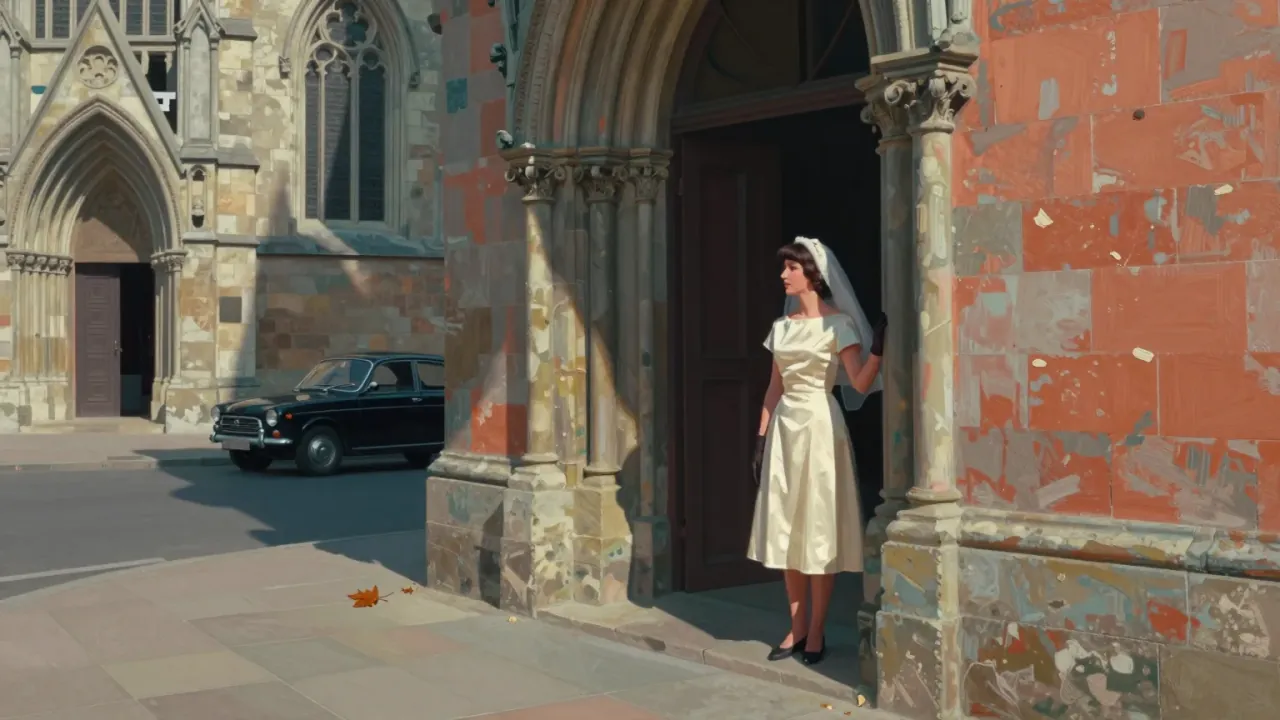
Ang Lee’s 1993 film follows a gay Taiwanese man in Manhattan who marries a mainland Chinese woman to satisfy his parents and secure her US residency. When his parents arrive for the wedding banquet, the deception deepens — and so do the bonds between the three adults. Shot on location in New York with bilingual dialogue and understated performances, it balances comedy and pathos without resorting to caricature or easy resolution.

13:00

The Wizard of Oz

Victor Fleming, King Vidor · 1939

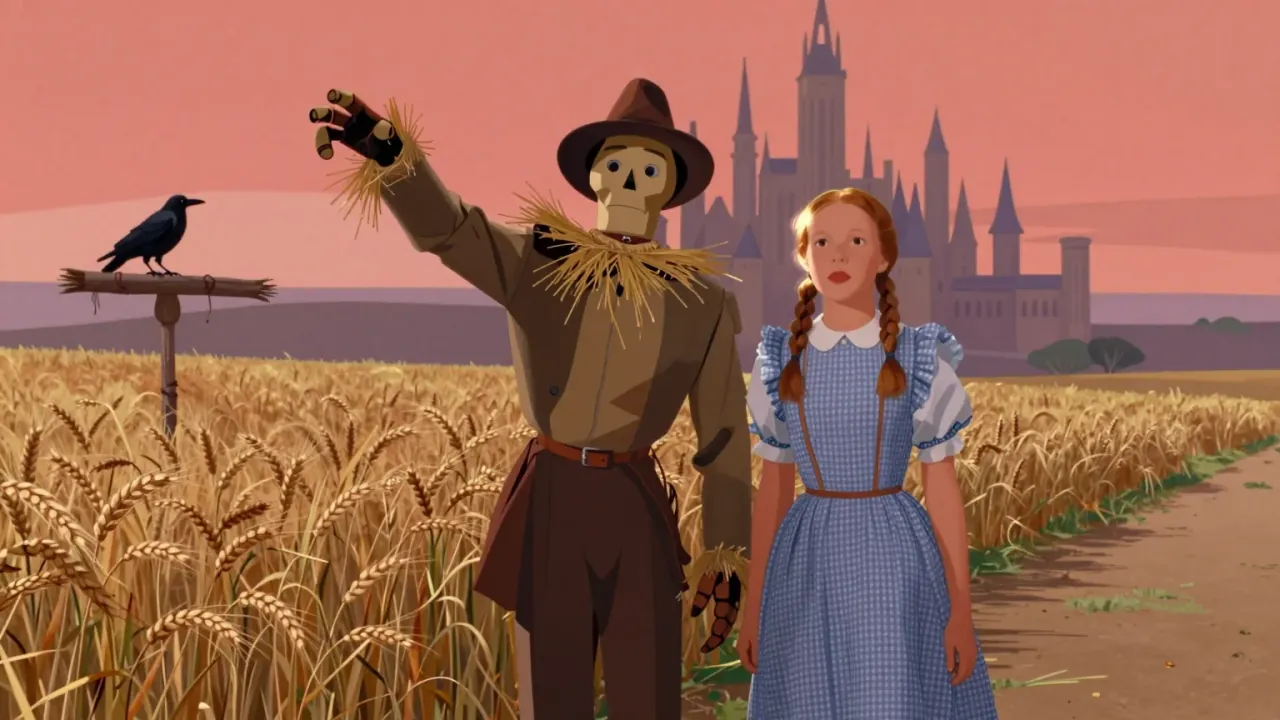
The Wizard of Oz (1939) is a Metro-Goldwyn-Mayer musical fantasy directed primarily by Victor Fleming, adapted from L. Frank Baum’s novel. Starring Judy Garland, it follows Dorothy’s journey from Kansas to Oz and back, using three-strip Technicolor, integrated song, and character-driven performance to explore competence, belonging, and self-recognition. Though framed as a dream, its power lies in the consistency of its emotional logic and the precision of its craft — from Harold Rosson’s cinematography to Harold Arlen’s score. It remains culturally central not as myth but as a sustained demonstration of how form and feeling can be made inseparable.

13:00

The Young Girls of Rochefort

Jacques Demy · 1967

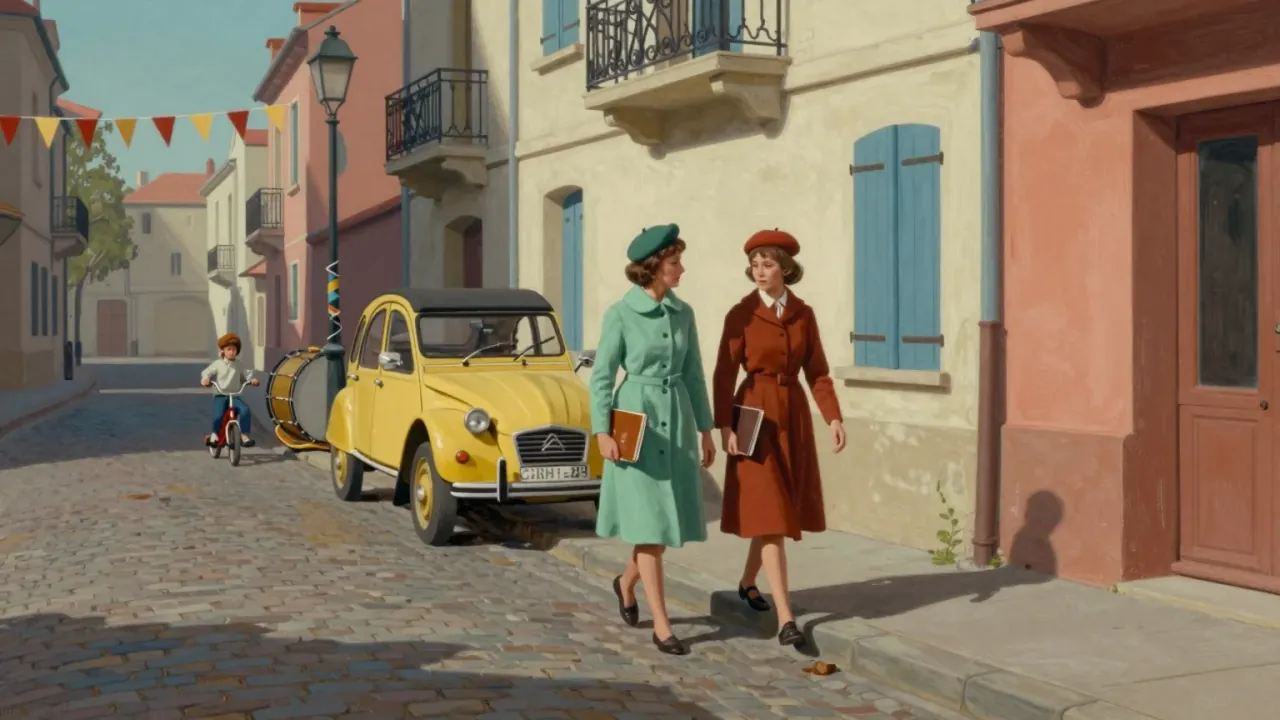
Jacques Demy’s 1967 musical follows twin sisters in the French port town of Rochefort over three days as a fair arrives, lovers circle, and artistic ambitions converge. With Ghislain Cloquet’s luminous cinematography and Michel Legrand’s intricate score, it builds emotion through repetition, colour, and quiet intention rather than plot turns — a formally rigorous, emotionally resonant portrait of longing held in balance.

13:00

They Live by Night

Nicholas Ray · 1948

Nicholas Ray’s 1948 debut follows a young convict and a service-station attendant who marry and flee across Depression-era America. Shot with quiet intensity by George E. Diskant and performed with understated gravity by Farley Granger and Cathy O'Donnell, it treats love and lawlessness as inseparable states — not as rebellion, but as the only possible response to a world that denies them personhood.

13:00

This Is Not a Film

Jafar Panahi, Mojtaba Mirtahmasb · 2011

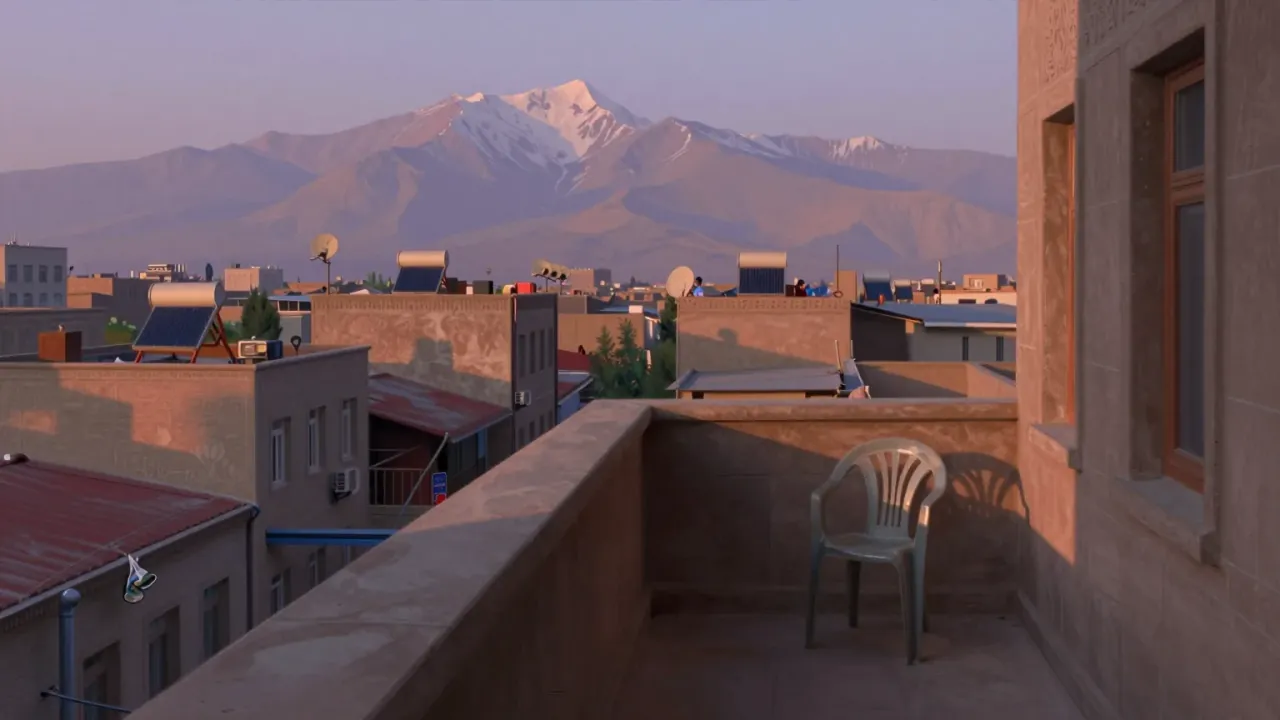
Made under house arrest while awaiting the outcome of an appeal against a six-year prison sentence and twenty-year filmmaking ban, Jafar Panahi’s This Is Not a Film documents a single day in his Tehran apartment. Shot partly on iPhone and co-directed with Mojtaba Mirtahmasb, it blends self-portrait, legal testimony, and meta-cinematic reflection — all without scripted scenes or permitted production. It is a documentary of constraint that asserts continuity of vision, not protest of circumstance.

13:00

Through a Glass Darkly

Ingmar Bergman · 1961

Ingmar Bergman’s 1961 chamber drama follows a family over twenty-four hours on a remote Swedish island, centring on Karin, a young woman recently released from psychiatric care. Harriet Andersson delivers a physically precise performance as her grip on reality frays, observed by her husband (Max von Sydow), novelist father (Gunnar Björnstrand), and teenage brother (Lars Passgård). Shot by Sven Nykvist with stark naturalism and scored with Bach’s cello suites, the film explores faith, exploitation, and the asymmetry of care—though its stated philosophy feels tacked on, its emotional precision remains unmatched.

13:00

Umberto D.

Vittorio De Sica · 1952

A retired Roman civil servant struggles to keep his room, his dignity, and his dog in post-war Italy. Directed by Vittorio De Sica and written by Cesare Zavattini, this 1952 neorealist drama uses non-professional actors, restrained cinematography, and a tightly focused narrative to depict ageing, dependency, and quiet endurance without sentiment or solution.

13:00

Un Chien Andalou

Luis Buñuel · 1929

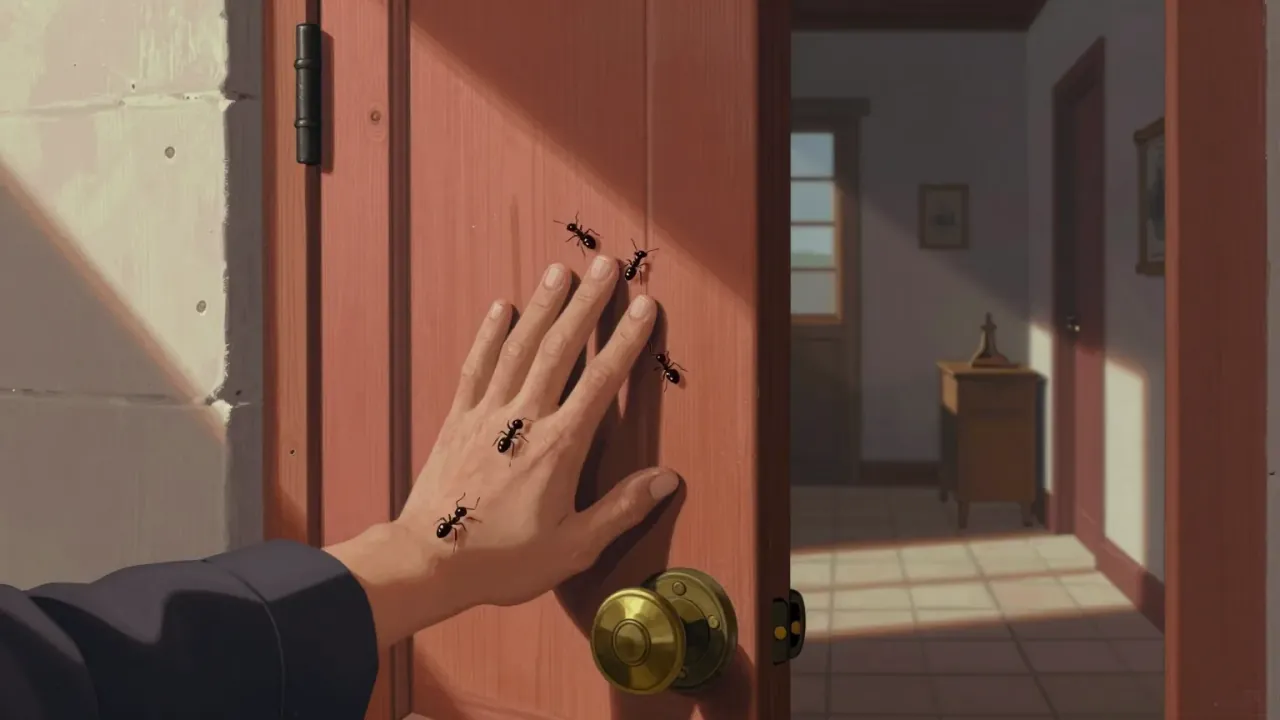
A 1929 French silent short co-written and directed by Luis Buñuel and Salvador Dalí, Un Chien Andalou rejects narrative, chronology and symbolism in favour of dream-logic assembled from two shared dreams. Filmed in black-and-white over ten days, it deploys stark imagery — a sliced eye, ants from a hand, pianos dragging dead donkeys — with clinical precision. Its sixteen minutes offer no resolution, no character psychology, no moral framework: only a sustained, principled refusal of sense.

13:00

Under the Skin

Jonathan Glazer · 2013

Jonathan Glazer’s 2013 film adapts Michel Faber’s novel into a stark, sensory-driven study of alien perception. Scarlett Johansson plays an extraterrestrial who preys on men across Scotland, filmed with hidden cameras and minimal dialogue. Dan Landin’s cinematography, Mica Levi’s dissonant score and Paul Watts’ restrained editing sustain a consistent, disorienting viewpoint. The film prioritises texture and duration over exposition, generating unease through omission rather than shock. Acclaimed for its formal rigour, it remains deliberately ambiguous about motive, origin and outcome.

13:00

Vampyr

Carl Theodor Dreyer · 1932

Carl Theodor Dreyer’s 1932 Vampyr is a Gothic horror film shot on location in France, starring amateur actor Nicolas de Gunzburg as Allan Gray, a student of the occult who enters a cursed village. With minimal dialogue, gauze-diffused cinematography by Rudolph Maté, and a sparse score by Wolfgang Zeller, it builds dread through atmosphere, not exposition. Adapted loosely from Sheridan Le Fanu, it treats vampirism as a perceptual condition — blurring boundaries between dream and wakefulness, self and other, presence and absence.

13:00

Weekend

Jean-Luc Godard · 1967

Jean-Luc Godard’s 1967 Weekend follows a bourgeois couple’s disastrous road trip through a hallucinatory French countryside, where narrative collapses into allegory, history bleeds into farce, and revolution ends in cannibalism. Shot by Raoul Coutard and edited by Agnès Guillemot, it is a formally radical, politically abrasive essay-film that treats cinema as a site of ideological combat — not storytelling.

13:00

When a Woman Ascends the Stairs

Mikio Naruse · 1960

Mikio Naruse’s 1960 drama follows Keiko Yashiro, a Ginza hostess in her late twenties, as she navigates debt, familial obligation, sexual coercion and professional rivalry while trying to open her own bar. With quiet precision, it charts her daily endurance — not as heroism but as habit — against a society that treats her age, grief and autonomy as liabilities. Hideko Takamine’s restrained performance and Naruse’s unadorned direction make the ordinary unbearable and unforgettable.

13:00

Yi Yi

Edward Yang · 2000

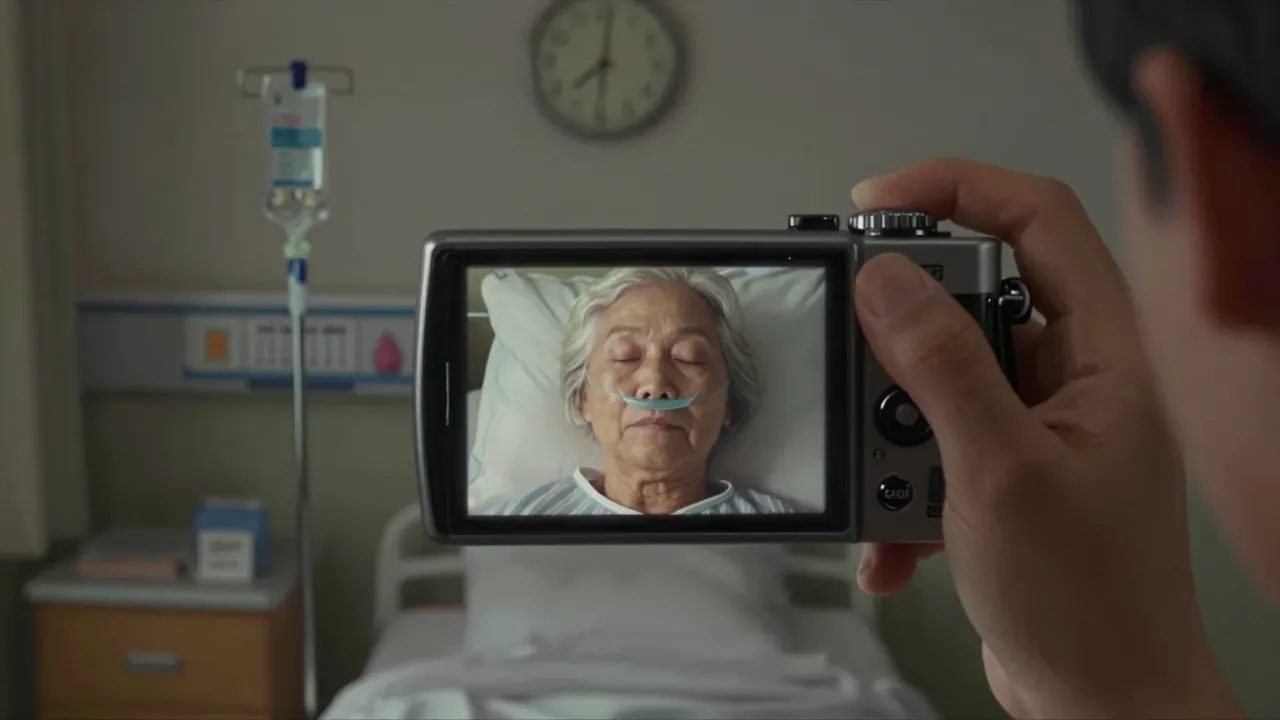
Edward Yang’s 2000 Taiwanese drama follows the Jian family in Taipei over several months of quiet upheaval: a comatose grandmother, a father’s unresolved past, a daughter’s first heartbreak, a son’s search for meaning through photography. Shot in Mandarin, it unfolds with patient realism, refusing exposition or climax in favour of emotional fidelity. Its 173-minute runtime is structural, not indulgent—each scene a deliberate unit in a sequence built on duration, silence, and the asymmetry of perception across generations.

13:00

2001: A Space Odyssey

Stanley Kubrick · 1968

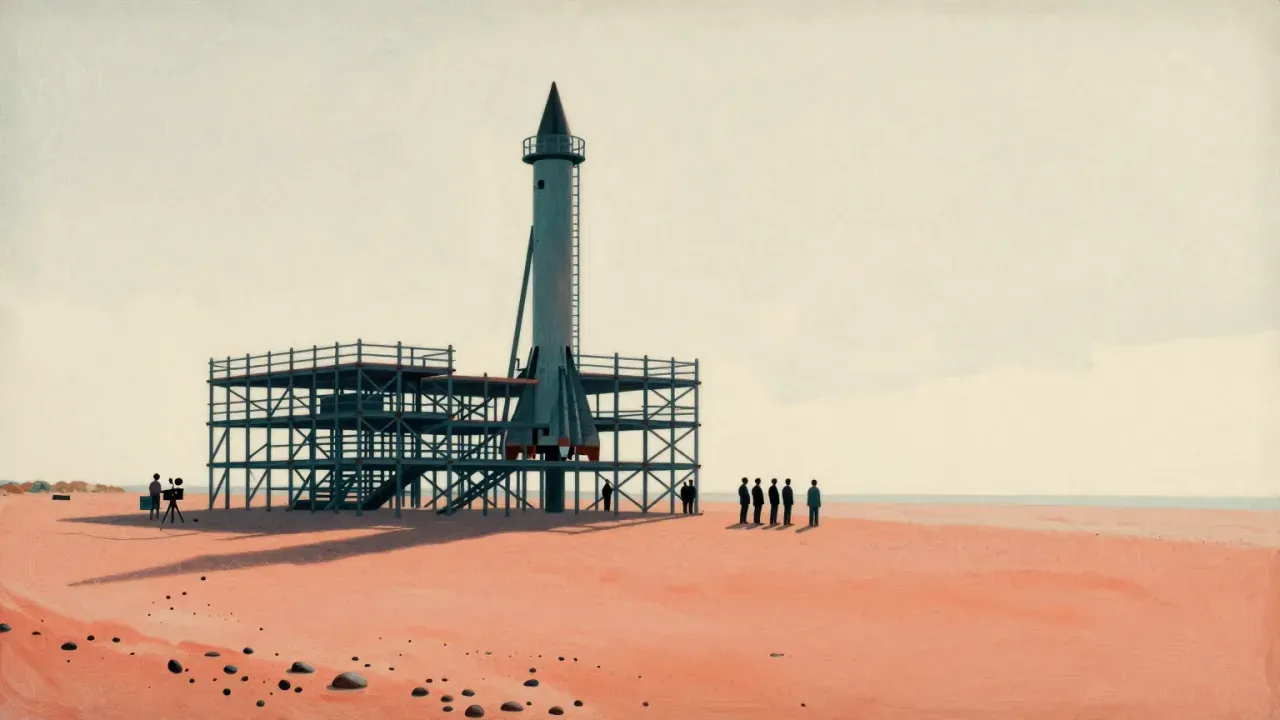
Stanley Kubrick's 1968 film, written with Arthur C. Clarke, tracks a black monolith's appearances across four million years, from a tribe of prehistoric hominids to a Jupiter mission overseen by the calm computer HAL 9000. Shot by Geoffrey Unsworth with in-camera effects that took over a year to complete, and scored with existing classical pieces by Strauss, Khachaturian and Ligeti rather than an original soundtrack, it cost MGM $10.5 million, returned over $190 million, and won Kubrick his only competitive Oscar, for visual effects.

13:00

8½

Federico Fellini · 1963

Federico Fellini's 1963 film follows Guido Anselmi, a film director retreating to a spa town while his crew waits for a script he cannot write, sliding between the demands of producers, mistresses, his wife and memories of his Catholic childhood without marking the boundary between what is happening and what he is imagining. Shot by Gianni Di Venanzo in high-contrast black and white, scored by Nino Rota, and led by Marcello Mastroianni, the film won two Oscars, for costume design and international feature, and has stood since as one of the most direct portraits of creative paralysis committed to film.

13:00

Aguirre, the Wrath of God

Werner Herzog · 1972

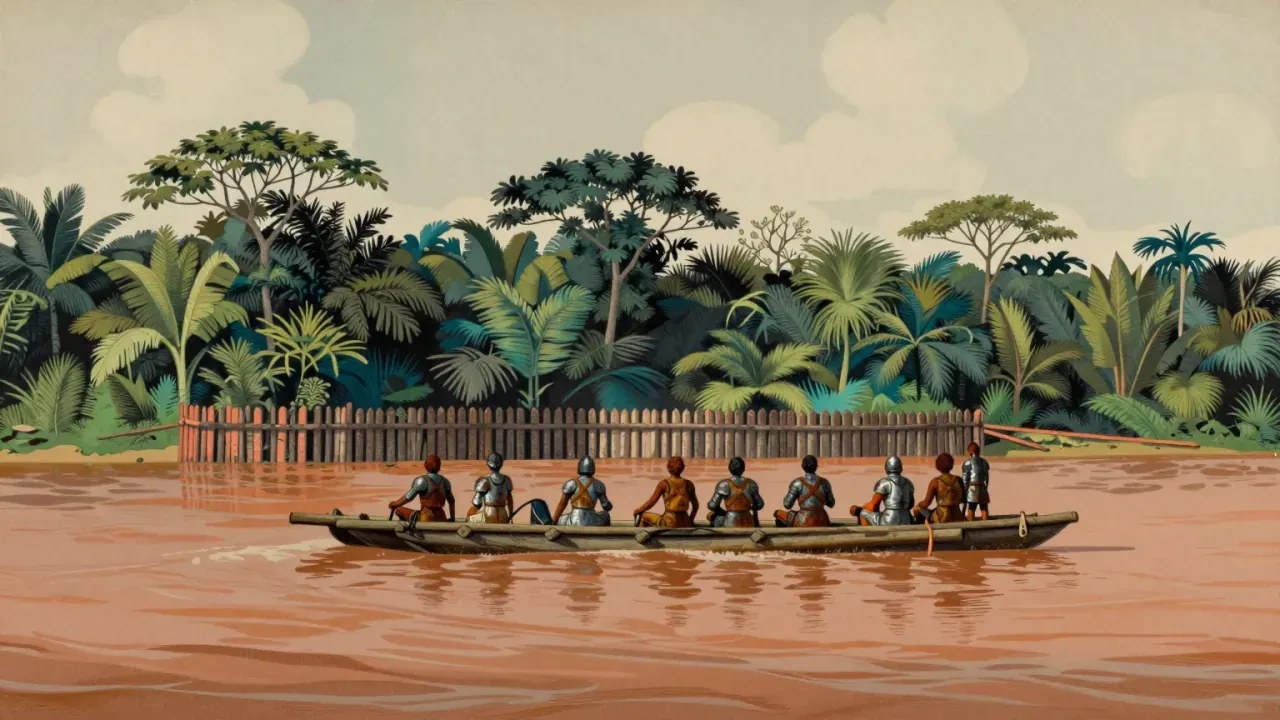
Werner Herzog's 1972 film follows Spanish conquistador Lope de Aguirre, played by Klaus Kinski in the first of five collaborations between the two, as he leads a splinter group of Spanish soldiers deeper into the Amazon in a doomed search for the mythical city of gold, El Dorado. Written in under three days, shot chronologically over five weeks entirely on location in the Peruvian rainforest on a budget of roughly $370,000, and scored by Popol Vuh, the film became a cult favourite whose off-screen production stories, including Kinski's on-set volatility, are nearly as well known as the film itself.

13:00

Akira

Katsuhiro Otomo · 1988

Akira is Katsuhiro Otomo's 1988 adaptation of his own unfinished manga, following biker-gang leader Kaneda as he tries to stop his friend Tetsuo, whose collision with an escaped psychic child leaves him with telekinetic power that threatens to destroy Neo-Tokyo. A landmark of Japanese animation on its original release, it has grown into one of the most influential science-fiction films of its era.

13:00

All the President's Men

Alan J. Pakula · 1976

Robert Redford and Dustin Hoffman play Washington Post reporters Woodward and Bernstein chasing a break-in story that grows into the reporting that helped end a presidency, told almost entirely from inside the newsroom.

13:00

Back to the Future

Robert Zemeckis · 1985

Robert Zemeckis's 1985 comedy sends Marty McFly thirty years into his parents' past, where undoing his own accidental sabotage of their romance becomes a race against his own existence. Recast five weeks into shooting, rewritten forty times before a studio would touch it, it turned into the biggest hit of its year on a modest budget, and the mechanics still hold.

13:00

Beauty and the Beast

Gary Trousdale, Kirk Wise · 1991

Gary Trousdale and Kirk Wise's 1991 musical retelling of the French fairy tale follows Belle as she trades her freedom for her father's release and slowly reconsiders the beast holding her captive. Written from a completed script by Linda Woolverton and scored by Howard Ashman and Alan Menken, it became the first animated film nominated for the Academy Award for Best Picture.

13:00

Bicycle Thieves

Vittorio De Sica · 1948

Vittorio De Sica's 1948 film follows Antonio Ricci, newly hired to paste up film posters across postwar Rome, whose bicycle, pawned to buy back for the job, is stolen within hours of his first shift. He and his young son Bruno spend the rest of the film combing the city's markets and streets for it, with almost no professional actors in the cast and much of it shot on location. Made for around $133,000, it won an honorary Academy Award before the foreign-language category existed and has been cited since as one of the clearest statements of Italian neorealism.

13:00

Blue Velvet

David Lynch · 1986

David Lynch followed the disaster of Dune with a $6m film he was left almost entirely alone to make, trading a pay cut for final cut. Kyle MacLachlan's amateur sleuth spies on Isabella Rossellini's abused nightclub singer and runs into Dennis Hopper's Frank Booth, and the American town around them turns out to hide as much as either of them.

13:00

Breathless

Jean-Luc Godard · 1960

Jean-Luc Godard's 1960 debut sends a car thief who idolises American gangsters, played by Jean-Paul Belmondo, on the run through Paris after he shoots a policeman, hiding out with an American girlfriend played by Jean Seberg who is unsure whether to protect him or turn him in. Shot handheld on repurposed still-camera film stock with almost no lighting, and cut with jump cuts that were reportedly not planned during filming, it became one of the founding statements of the French New Wave.

13:00

Burning

Lee Chang-dong · 2018

Eight years after his last film, Lee Chang-dong adapted a short Murakami story into a slow, unsettling thriller about a young writer, the childhood friend who vanishes, and the wealthy man who may or may not have killed her. Cannes competed for it, critics kept it on year-end lists, and a Korean poll of over a hundred critics later called it the best Korean film ever made.

13:00

Chicken Run

Peter Lord, Nick Park · 2000

Chicken Run reworks the World War Two escape film as a story about hens on a Yorkshire egg farm run like a prison camp, who pin their hopes of freedom on a crash-landed American rooster claiming he can fly. Aardman's first feature, directed by Peter Lord and Nick Park, was shot in stop-motion across thirty sets over eighteen months and became the highest-grossing stop-motion film ever made, taking $225 million against a $45 million budget.

13:00

Chungking Express

Wong Kar-wai · 1994

Wong Kar-wai's 1994 diptych follows two Hong Kong policemen through separate break-ups, one obsessed with an expiring can of pineapple, the other unknowingly courted by a snack-bar worker who lets herself into his flat. Shot handheld with Christopher Doyle's step-printing technique, it turns a tiny budget and an unfinished script into one of the defining moods of 1990s Hong Kong cinema.

13:00

Citizen Kane

Orson Welles · 1941

Orson Welles's 1941 debut tells the life of publishing baron Charles Foster Kane through the conflicting memories of the people who knew him, filmed by Gregg Toland in deep focus that keeps whole rooms in sharp relief at once. It cost RKO under $840,000, won a single Oscar out of nine nominations, and lost money on release before critics rebuilt its reputation from the 1950s onward.

13:00

Coco

Lee Unkrich, Adrian Molina · 2017

Twelve-year-old Miguel, banned from music by his shoemaking family, is pulled into the Land of the Dead on the Day of the Dead and has to win his deceased great-great-grandfather's blessing before sunrise or be trapped there. Lee Unkrich and Adrian Molina's Pixar feature, developed over years of research trips to Mexico and a cultural consultant group formed after a trademark controversy, builds its fantasy rules around a specific, sourced idea: that the dead persist only as long as someone living remembers them.

13:00

Coraline

Henry Selick · 2009

A girl finds a door to an alternate version of her home where everything, including her parents, is more attentive and colourful, until she learns the price. Henry Selick's 2009 stop-motion film, based on Neil Gaiman's novella, builds dread through craft rather than jump scares.

13:00

Dog Day Afternoon

Sidney Lumet · 1975

In August 1972, an amateur robbery of a Brooklyn bank branch turns into a fourteen-hour hostage standoff broadcast live to a crowd outside. Sidney Lumet's film, built from Frank Pierson's Oscar-winning script and Al Pacino's live-wire performance as Sonny Wortzik, treats the robbery as already lost from its first minute, following what happens to a small, desperate plan once it becomes public spectacle.

13:00

Eraserhead

David Lynch · 1977

David Lynch spent roughly five years shooting his AFI student project in disused stables and a soundproofed studio he built himself, financed along the way by donations from friends including Sissy Spacek. The result follows Henry Spencer, left to care for a grotesquely deformed baby in an industrial wasteland, shot in stark black and white with sound design as unsettling as anything on screen. It became a midnight-movie staple and launched Lynch's career from almost nothing.

13:00

Fight Club

David Fincher · 1999

David Fincher's 1999 adaptation of Chuck Palahniuk's novel follows an unnamed, insomniac office worker who starts an underground bare-knuckle club with a charismatic soap-maker, Tyler Durden, only for the club to grow into something far more dangerous. Edward Norton and Brad Pitt lead a film built around a structural twist Fincher fought to keep, on a 63 million dollar budget that returned a modest sum before turning, on home video, into one of the decade's defining cult titles.

13:00

Finding Nemo

Andrew Stanton, Lee Unkrich · 2003

Finding Nemo follows an overprotective clownfish, Marlin, across the ocean to rescue his son Nemo after a diver captures him, aided by Dory, a fish whose short-term memory resets constantly. Directed by Andrew Stanton for Pixar from a script written before serious animation began, the film grossed $969 million against a $94 million budget, became the best-selling DVD title ever, and won the first Academy Award for Best Animated Feature.

13:00

Flee

Jonas Poher Rasmussen · 2021

Jonas Poher Rasmussen interviews a friend given the alias Amin Nawabi about fleeing Afghanistan as a child, animating every session so Amin can finally correct the official story he told Danish authorities for decades. Archival footage of the Soviet-Afghan war anchors the drawn reconstructions in verifiable history.

13:00

Flow

Gints Zilbalodis · 2024

A solitary cat, fleeing dogs and a sudden flood, ends up sharing a small boat with a capybara, a lemur, a secretarybird and a dog as the water keeps rising around a seemingly abandoned world. Gints Zilbalodis made the film with no storyboards and no dialogue, animating it in the free software Blender over five and a half years on a budget of 3.5 million euros.

13:00

Get Out

Jordan Peele · 2017

A young Black photographer visits his white girlfriend's family for a weekend that curdles from awkward hospitality into captivity, in Jordan Peele's directorial debut and Oscar-winning screenplay.

13:00

Ghost in the Shell

Mamoru Oshii · 1995

Ghost in the Shell follows Major Motoko Kusanagi, a cyborg security agent, as she pursues a mysterious hacker called the Puppet Master through a near-future city modelled on Hong Kong, a case that increasingly unsettles her sense of what makes her identity her own. Mamoru Oshii directed the adaptation of Masamune Shirow's manga for Production I.G, using a hybrid digital animation process and a score by Kenji Kawai built around classical Japanese vocals. Initially considered a box-office disappointment, it became a defining cult film, influencing The Matrix and drawing praise from James Cameron as one of animation's first truly adult works.

13:00

Goodfellas

Martin Scorsese · 1990

Martin Scorsese's 1990 account of Henry Hill's rise and fall inside the Lucchese crime family, adapted from Nicholas Pileggi's book Wiseguy. Told through overlapping narration and a compressed, accelerating style, it follows money, loyalty and violence as the daily business of a life Hill first found glamorous and eventually could not escape.

13:00

Guillermo del Toro's Pinocchio

Guillermo del Toro, Mark Gustafson · 2022

Carved by a grieving Geppetto from the tree growing over his dead son's grave, this stop-motion Pinocchio is rowdy, disobedient and impossible to control, set against the rise of Fascist Italy. Fourteen years in development before Netflix financed it, the film keeps Collodi's darkness rather than softening it into a straightforward morality tale.

13:00

Heat

Michael Mann · 1995

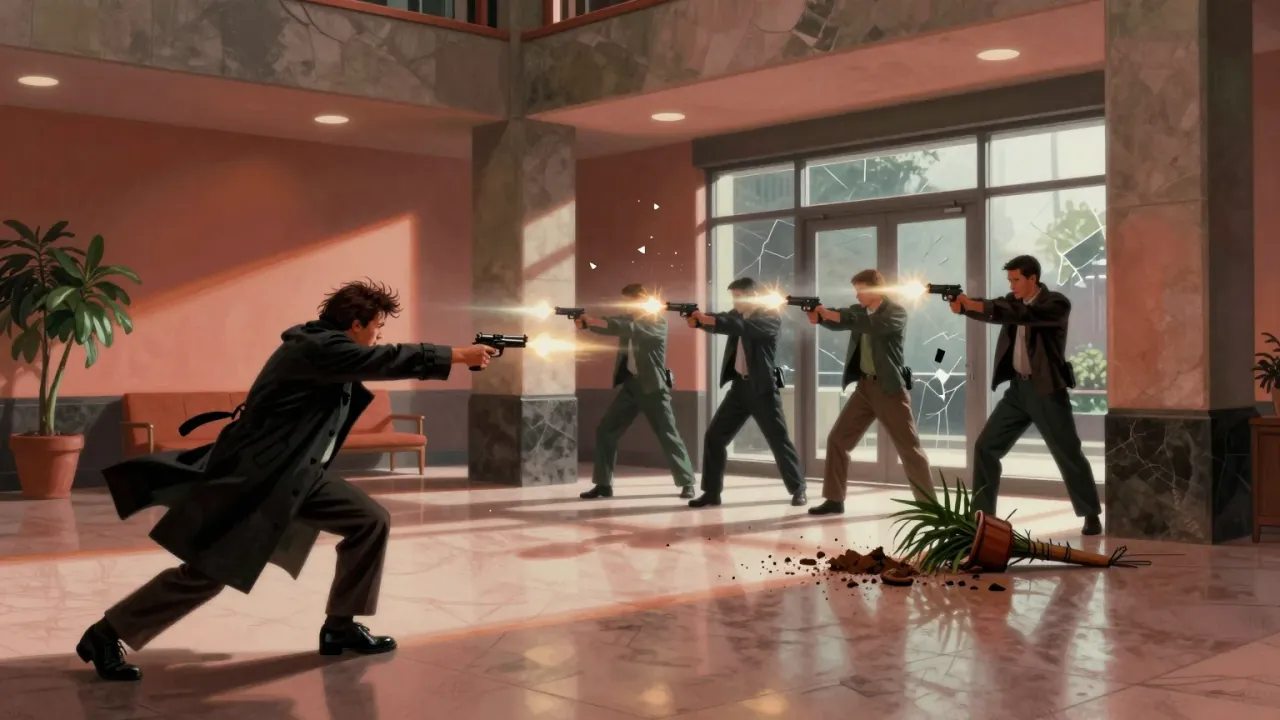
Michael Mann's 1995 crime epic pairs Al Pacino's LAPD detective against Robert De Niro's professional thief across a Los Angeles built from real locations and a case Mann first wrote up as a 1989 television film. Its bank-heist shootout, drilled for months with a former SAS trainer, and the single diner scene bringing its two leads together for the first time on screen remain the reasons it is still watched, even at 171 unhurried minutes.

13:00

Her

Spike Jonze · 2013

In a comfortable near-future Los Angeles, a lonely letter-writer buys an artificially intelligent operating system and falls for the voice that answers back, in Spike Jonze's Oscar-winning screenplay.

13:00

Inside Out

Pete Docter, Ronnie del Carmen · 2015

Riley Andersen's move from Minnesota to San Francisco throws her mental control room into crisis when Joy and Sadness are accidentally flung from headquarters, forcing them to find their way back through the wreckage of her long-term memory. Pete Docter and Ronnie del Carmen's Pixar feature spends five personified emotions and a five-and-a-half-year production trying to dramatise, rather than explain, why a child needs to be allowed to feel bad.

13:00

Jurassic Park

Steven Spielberg · 1993

Steven Spielberg's 1993 adaptation of Michael Crichton's novel follows a Costa Rican dinosaur park that collapses once its systems, and its owner's judgement, both fail during a single act of sabotage. Combining Stan Winston's animatronics with Industrial Light & Magic's early computer-generated dinosaurs on a budget reported as either $56 or $63 million, it grossed over $914 million on its original release, briefly the highest-grossing film ever made, and won three Academy Awards for its sound and visual effects.

13:00

Kiki's Delivery Service

Hayao Miyazaki · 1989

Hayao Miyazaki's 1989 film follows thirteen-year-old witch Kiki as she leaves home to complete a year of independent training in a coastal city, running a flying courier service with her cat Jiji. Miyazaki rewrote Eiko Kadono's more episodic novel to centre on the strain of independence itself, and the film became the first Studio Ghibli release to succeed commercially on first release.

13:00

La Dolce Vita

Federico Fellini · 1960

Federico Fellini's 1960 portrait of a tabloid journalist drifting through Rome's high society over a week of nights gave the world the word paparazzi and became both a critical landmark and a box-office hit despite censors in several countries. Marcello Mastroianni anchors an episodic structure built around parties, a starlet's arrival, and a friend's unexplained despair, shot largely at Cinecittà on Piero Gherardi's elaborate sets.

13:00

La Haine

Mathieu Kassovitz · 1995

Mathieu Kassovitz's 1995 film tracks three friends from a Paris housing estate — Vinz, Hubert and Saïd — through roughly twenty hours after a riot leaves one of their friends in a coma and a police revolver missing, one of them now carrying it and threatening to use it if the friend dies. Shot in black and white on location in Chanteloup-les-Vignes, the film became a lightning rod in France for its account of police violence and banlieue life, prompting a special screening for the French cabinet.

13:00

Le Samouraï

Jean-Pierre Melville · 1967

Alain Delon plays Jef Costello, a Parisian hitman whose meticulous alibi unravels after witnesses fail to identify him for a killing they saw him commit, forcing him to work out who hired him and who now wants him dead. Jean-Pierre Melville directs with almost no music and long stretches of silence, and the 1967 film's spare, controlled style went on to shape a generation of American and European crime cinema.

13:00

Millennium Actress

Satoshi Kon · 2001

Millennium Actress frames a documentary crew's interview with a reclusive retired film star as the occasion for her life story, then dissolves the line between her memories and the film roles she played until the two run as one continuous narrative. Satoshi Kon's first original film after Perfect Blue, made at Madhouse on one of the lowest budgets recorded for a Japanese animated feature, it won the Animation Kobe award and holds a 93% critical score despite a tiny US theatrical release.

13:00

Monsters, Inc.

Pete Docter, Lee Unkrich, David Silverman · 2001

Monsters, Inc. imagines child-scaring as an actual industry, converting screams into a city's power supply, until a small girl named Boo slips into the factory and forces two scarers to smuggle her home before anyone notices. Directed by Pete Docter for Pixar over a five-year production, the film cost $115 million, took $632 million worldwide, and won the Academy Award for Best Original Song.

13:00

My Neighbor Totoro

Hayao Miyazaki · 1988

Released on a double bill with Grave of the Fireflies in 1988, Hayao Miyazaki's film follows sisters Satsuki and Mei as they move to the countryside while their mother recovers in hospital, and meet the forest spirits living around their new home. It grossed a modest sum on first release but has since become Studio Ghibli's signature work, with Totoro serving as the studio's mascot.

13:00

Nausicaä of the Valley of the Wind

Hayao Miyazaki · 1984

A thousand years after industrial civilisation collapsed, Princess Nausicaä tries to keep her small valley out of a war between an empire determined to burn a toxic jungle and the giant insects that guard it. Miyazaki wrote and directed the film from his own still-unfinished manga, with only sixteen chapters of story to draw from and a production schedule of nine months on a budget under a million dollars, working with composer Joe Hisaishi for the first time and with the minor studio Topcraft rather than a major animation house.

13:00

Network

Sidney Lumet · 1976

Sidney Lumet's satire follows a failing network that builds a hit show around its anchor's on-air unravelling, with four Oscar-winning performances built almost entirely on monologue.

13:00

North by Northwest

Alfred Hitchcock · 1959

An advertising executive mistaken for a nonexistent spy is chased across the United States toward a crop-duster in an empty field and a climax on the carved faces of Mount Rushmore. Built by Hitchcock and Ernest Lehman around set pieces conceived before the plot that justifies them, it is Cary Grant at his most physically tested and Hitchcock's biggest production to date.

13:00

Oldboy

Park Chan-wook · 2003

Park Chan-wook's 2003 thriller, the middle film of his Vengeance Trilogy, follows Oh Dae-su as he hunts the man who imprisoned him for fifteen years with no explanation. Built around Choi Min-sik's ferocious lead performance and a single-take corridor fight shot over three days, it won the Grand Prix at Cannes and remains one of the most-cited South Korean films abroad, for reasons that are as uncomfortable as they are precise.

13:00

Only Yesterday

Isao Takahata · 1991

Isao Takahata's 1991 film follows Taeko, twenty-seven, on a countryside holiday where memories of herself at age ten resurface alongside a present-day romance with a young farmer. Adapted from an episodic manga that covered only the childhood material, with the adult framing story invented by Takahata himself, it became the highest-grossing Japanese film of 1991 despite total absence of fantasy or spectacle.

13:00

Paris, Texas

Wim Wenders · 1984

A man wanders out of the Texas desert after four unexplained years, and Wim Wenders spends 147 patient minutes on what it costs him to reclaim a son and finally speak to the wife he left behind.

13:00

Paths of Glory

Stanley Kubrick · 1957

Stanley Kubrick's 1957 film, adapted from Humphrey Cobb's novel based on the real Souain corporals affair, follows Colonel Dax as he leads a suicidal attack demanded by his superiors and then defends three of his own men, chosen at random, against a court-martial for cowardice. Shot in Bavaria because its portrayal of the French military barred it from filming, or release, in France for fifteen years, the film starred Kirk Douglas, whose production company financed it on a budget reported near $935,000, and drew acclaim that only grew once France finally allowed it to screen in 1972.

13:00

Perfect Blue

Satoshi Kon · 1997

Perfect Blue follows Mima Kirigoe, a retiring pop idol turned actress, as an obsessive fan's stalking and a string of murders around her erode her ability to distinguish memory from fabrication. Satoshi Kon directed his first feature from Sadayuki Murai's screenplay, reworking an inherited splatter-horror premise into a study of the victim's collapsing perspective rather than the stalker's psychology. Made on a budget of roughly $830,000, it under-performed commercially before building a lasting reputation as one of animation's most influential psychological thrillers, cited as an inspiration by Darren Aronofsky.

13:00

Persepolis

Marjane Satrapi, Vincent Paronnaud · 2007

Adapted from her own graphic novel, Marjane Satrapi and Vincent Paronnaud's 2007 film follows a girl growing up through the Iranian Revolution, the war with Iraq, and years of exile in Vienna. Hand-drawn black and white carries most of the film's argument about who this story belongs to.

13:00

Persona

Ingmar Bergman · 1966

Ingmar Bergman's 1966 film pairs Elisabet Vogler, an actress who has gone entirely silent for reasons the film never states, with Alma, the nurse assigned to care for her at a remote coastal cottage, and lets the imbalance between one woman's silence and the other's compulsive talking gradually erode the line between them. Shot by Sven Nykvist, scored sparingly by Lars Johan Werle, and running just 84 minutes, it opens with a self-conscious montage of film equipment and unrelated images before settling into the two-hander at its centre, and it has since become one of the most closely analysed films in the medium's history.

13:00

Princess Mononoke

Hayao Miyazaki · 1997

Princess Mononoke follows Ashitaka, a young prince cursed by a demonized boar god, as he travels west and becomes caught in the war between Lady Eboshi's ironworks town and the animal gods defending their forest, including San, a girl raised by wolves. Hayao Miyazaki wrote and directed the film for Studio Ghibli after nearly two decades of development, using limited computer-generated imagery alongside hand-drawn animation for the first time in his work. Marketed by producer Toshio Suzuki in the largest advertising campaign Japan had seen for a film at that point, it became the country's highest-grossing release and the first Ghibli film given a wide international release, through a Disney-brokered deal that handed its English dub to novelist Neil Gaiman.

13:00

Pulp Fiction

Quentin Tarantino · 1994

Quentin Tarantino's 1994 crime film interlaces three Los Angeles stories, a hitman duo, a boxer on the run, and a night that turns into a medical emergency, around a diner heist told from both ends. Built on scrambled chronology and extended, digressive dialogue, it became one of the most commercially and critically successful independent films ever made.

13:00

Raging Bull

Martin Scorsese · 1980

Martin Scorsese's 1980 film adapts former middleweight champion Jake LaMotta's own memoir into a study of a man whose jealousy and temper wreck his marriage and his relationship with his brother and manager Joey at the same rate his boxing career rises and falls. Shot in black and white, partly because research showed period boxing gloves came in too narrow a range of colours to justify colour film, and built around a physical transformation in which Robert De Niro gained roughly 60 pounds to play LaMotta's later years, the film returned only a modest $23.4 million against its $18 million budget on release but later won Oscars for De Niro's performance and Thelma Schoonmaker's editing.

13:00

Raiders of the Lost Ark

Steven Spielberg · 1981

Steven Spielberg's 1981 adventure sends archaeologist Indiana Jones after the Ark of the Covenant, racing Nazi treasure hunters across three continents. Financed by Lucasfilm rather than a studio, built from a George Lucas story and a Lawrence Kasdan script, it swept the technical Academy Awards and became the year's biggest earner despite tracking that predicted it would be overshadowed.

13:00

Ratatouille

Brad Bird, Jan Pinkava · 2007

Remy, a rat with a chef's palate, teams up with a hapless kitchen boy to cook at a Paris restaurant neither of them is supposed to be running. Brad Bird's 2007 film pairs slapstick with unusually sincere arguments about taste, talent and where either one is allowed to come from.

13:00

Robot Dreams

Pablo Berger · 2023

In 1985 Manhattan, a lonely dog orders a robot companion by mail, and the two become inseparable until a day at the beach leaves the robot rusted, stranded and eventually lost to a junkyard. Pablo Berger adapts Sara Varon's 2007 graphic novel entirely without dialogue, built around the recurring pull of Earth, Wind and Fire's September.

13:00

Solaris

Andrei Tarkovsky · 1972

Andrei Tarkovsky's 1972 adaptation of Stanislaw Lem's novel sends psychologist Kris Kelvin to a station orbiting the ocean planet Solaris, where the surviving crew have fallen into crisis after the planet's ocean began materialising physical visitors drawn from their memories, and Kelvin's own dead wife Hari soon appears to him in the same way. Shot by Vadim Yusov with a score by Eduard Artemyev built around a Bach chorale, and made partly as a rebuttal to what Tarkovsky saw as the coldness of 2001: A Space Odyssey, it won the Grand Prix at Cannes and has stood since as one of Soviet cinema's most significant contributions to science fiction.

13:00

Soul

Pete Docter · 2020

Joe Gardner, a middle-school band teacher on the verge of his first real break as a jazz pianist, falls into a coma and finds his soul on the way to the Great Beyond, prompting a scramble to get back to his body paired with an unwilling mentee soul named 22 who has never wanted to be born. Pete Docter's Pixar feature, co-written and co-directed by Kemp Powers, spends four years of production building an afterlife bureaucracy in order to undercut the very idea, common to Docter's own earlier films, that a person needs a defining passion to justify their existence.

13:00

Spider-Man: Across the Spider-Verse

Joaquim Dos Santos, Kemp Powers, Justin K. Thompson · 2022

Miles Morales crosses into a multiverse-spanning Spider-Society alongside Gwen Stacy, only to find that the group's leader believes certain tragedies must happen exactly on schedule to hold reality together. Built with roughly a thousand crew members and six visually distinct animated universes, it became the highest-grossing film Sony Pictures Animation has released.

13:00

Stalker

Andrei Tarkovsky · 1979

Andrei Tarkovsky's 1979 film follows a guide known only as Stalker as he leads a writer and a scientist illegally into the Zone, a restricted area said to contain a room that grants a visitor's innermost desire, and the three spend most of the journey arguing about faith, art and science rather than confronting any visible danger. Adapted loosely from a novel by Arkady and Boris Strugatsky and scored by Eduard Artemyev, the production required three different cinematographers after an early batch of footage was ruined during processing, forcing much of the film to be shot again from scratch over the following year.

13:00

The Boy and the Heron

Hayao Miyazaki · 2023

After his mother dies in wartime Japan, Mahito Maki moves to the countryside, follows a talking grey heron into an abandoned tower, and enters a fantastical realm governed by its own private logic. Hayao Miyazaki spent roughly seven years making the film, released in Japan with no trailers, stills or synopsis beyond a single poster.

13:00

The Conversation

Francis Ford Coppola · 1974

Gene Hackman plays a wiretap specialist convinced his latest recording documents a murder he's enabling, in Coppola's Palme d'Or-winning thriller that arrived just months before Watergate made its premise feel prophetic rather than speculative.

13:00

The Deer Hunter

Michael Cimino · 1978

The Deer Hunter follows three steelworkers from a Russian-American mill town through a wedding, a hunting trip, the Vietnam War, and its long aftermath. Michael Cimino's film, shot partly in Thailand and built around Robert De Niro, Christopher Walken and John Savage, uses an unusually long, unhurried domestic opening to set up a war sequence built on captivity and Russian roulette, then spends its final third on men who came home changed in different, irreversible ways.

13:00

The French Connection

William Friedkin · 1971

The French Connection follows two New York narcotics detectives, modelled on real officers Eddie Egan and Sonny Grosso, as they trail a heroin shipment tied to an actual 1962 seizure. Made for $1.8 million after seven actors turned down the lead, it won five Academy Awards including Best Picture and Best Actor for Gene Hackman, and its documentary-style handheld camera and an unscripted-feeling car chase set a template for the decade of American crime films that followed it.

13:00

The Good, the Bad and the Ugly

Sergio Leone · 1966

Sergio Leone's 1966 close to the Dollars Trilogy follows a bounty hunter, an outlaw and a hired gun across the American Civil War as they hunt buried Confederate gold, shot in Techniscope across Spain on a $1.2 million budget that returned nearly $39 million, built around Eli Wallach's performance and Ennio Morricone's score.

13:00

The Grand Budapest Hotel

Wes Anderson · 2014

Ralph Fiennes plays a meticulous concierge framed for murder in Wes Anderson's 2014 comedy, built from Stefan Zweig's writing and won on the strength of its production design and score.

13:00

The Iron Giant

Brad Bird · 1999

The Iron Giant drops a fifty-foot alien robot into small-town Maine in 1957 and lets a lonely boy's friendship with it, rather than its destructive potential, carry the film. Brad Bird's feature debut, made by Warner Bros. on roughly half the budget and schedule of comparable animated films, was a box-office failure on release but has since become a byword for a cult classic.

13:00

The Lego Movie

Christopher Miller, Phil Lord · 2014

An ordinary Lego minifigure is mistaken for the chosen one destined to stop a tyrant from gluing the universe into permanent order. Phil Lord and Christopher Miller's 2014 film uses digital animation built to mimic stop motion and turns a marketing premise into a genuine argument about creativity.

13:00

The Lion King

Roger Allers, Rob Minkoff · 1994

The Lion King follows Simba, a lion cub exiled after his uncle Scar arranges his father Mufasa's death, as he grows up away from his kingdom and eventually returns to reclaim it. Roger Allers and Rob Minkoff directed after an earlier documentary-style version by George Scribner was abandoned for a musical treatment with songs by Elton John and Tim Rice and a score by Hans Zimmer. Made on a $45 million budget, it grossed $968.5 million, becoming the highest-grossing traditionally animated film ever made and winning the Academy Award for Best Original Score.

13:00

The Lives of Others

Florian Henckel von Donnersmarck · 2006

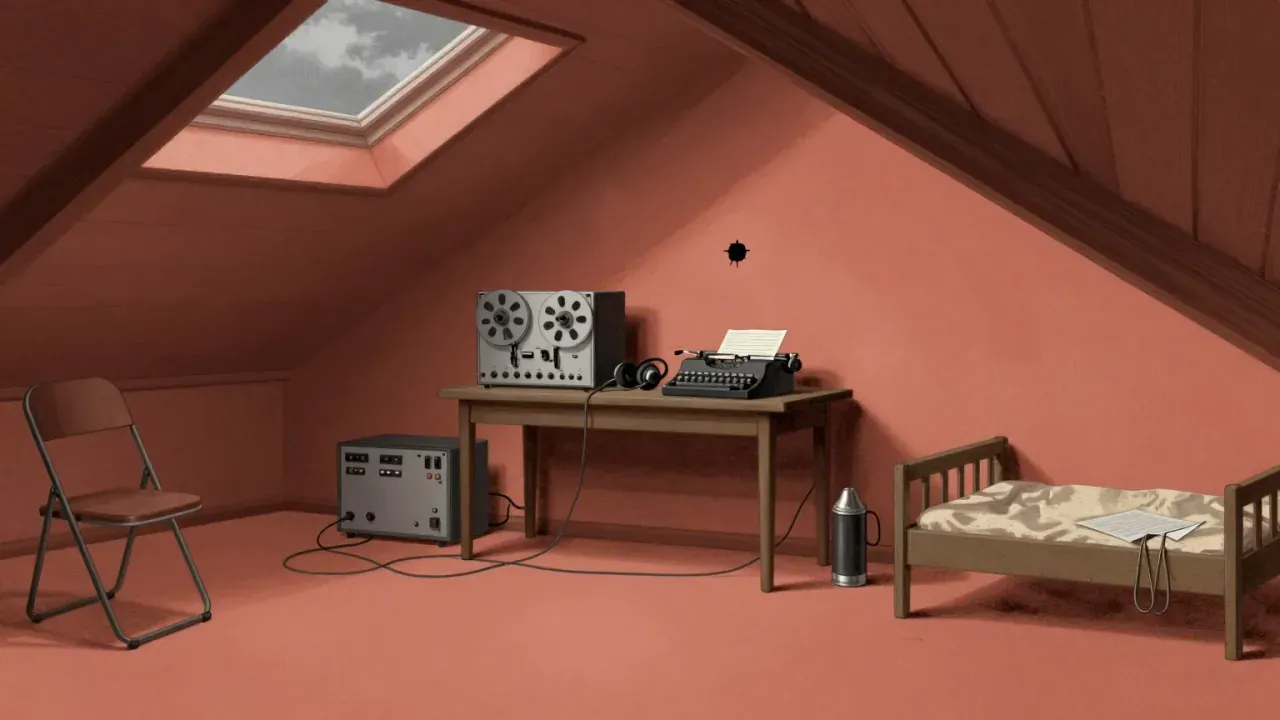
Ulrich Mühe plays Stasi Captain Gerd Wiesler, assigned to bug the apartment of a celebrated East German playwright in 1984 whose real offence is that a government minister covets his girlfriend. As Wiesler listens in, he begins quietly protecting the couple from the surveillance he was sent to conduct, an act of conscience that Florian Henckel von Donnersmarck's 2006 debut treats as fiction the director openly acknowledges the real Stasi never produced.

13:00

The Nightmare Before Christmas

Henry Selick · 1993

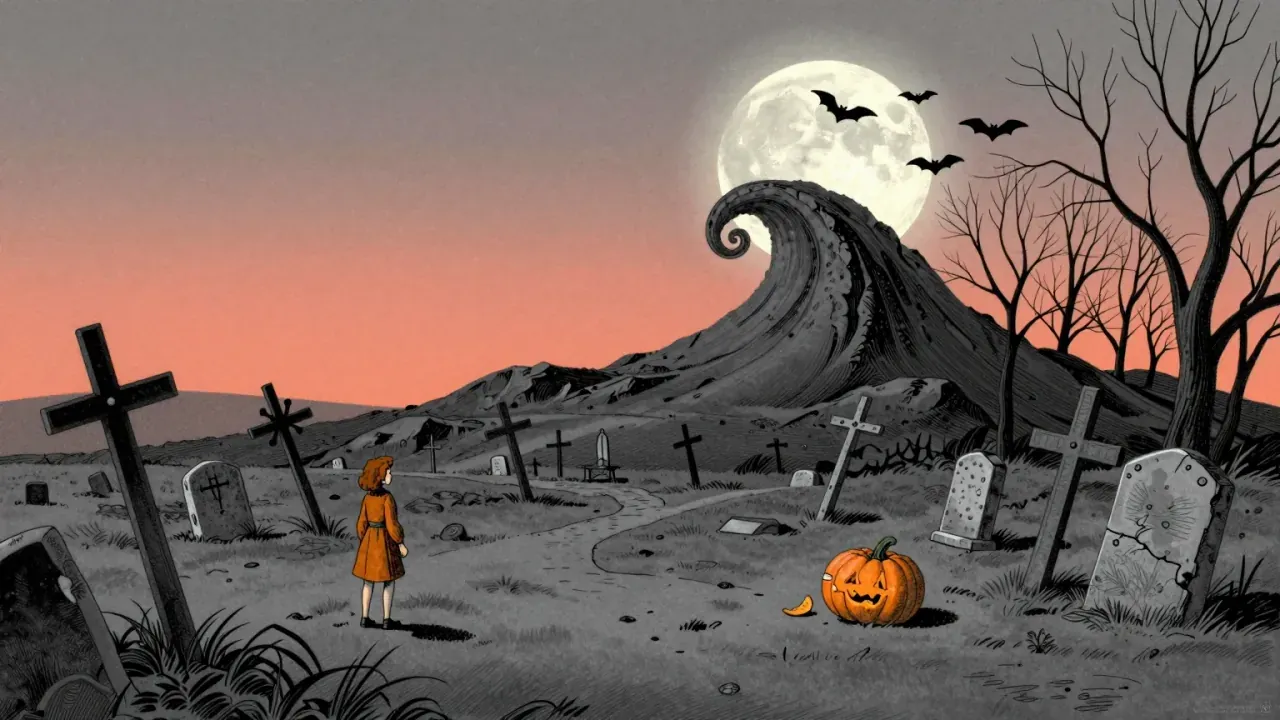
The Nightmare Before Christmas follows Jack Skellington, Halloween Town's bored king, as he discovers Christmas Town and decides, badly, that he can run the holiday himself. Henry Selick directed the stop-motion musical from a story and poem by Tim Burton, with songs and score by Danny Elfman, who also voices Jack's singing parts. Released under Disney's Touchstone label rather than the studio's own name, it grossed $75.1 million and earned an Academy Award nomination for Best Visual Effects, a first for an animated film.

13:00

The Seventh Seal

Ingmar Bergman · 1957

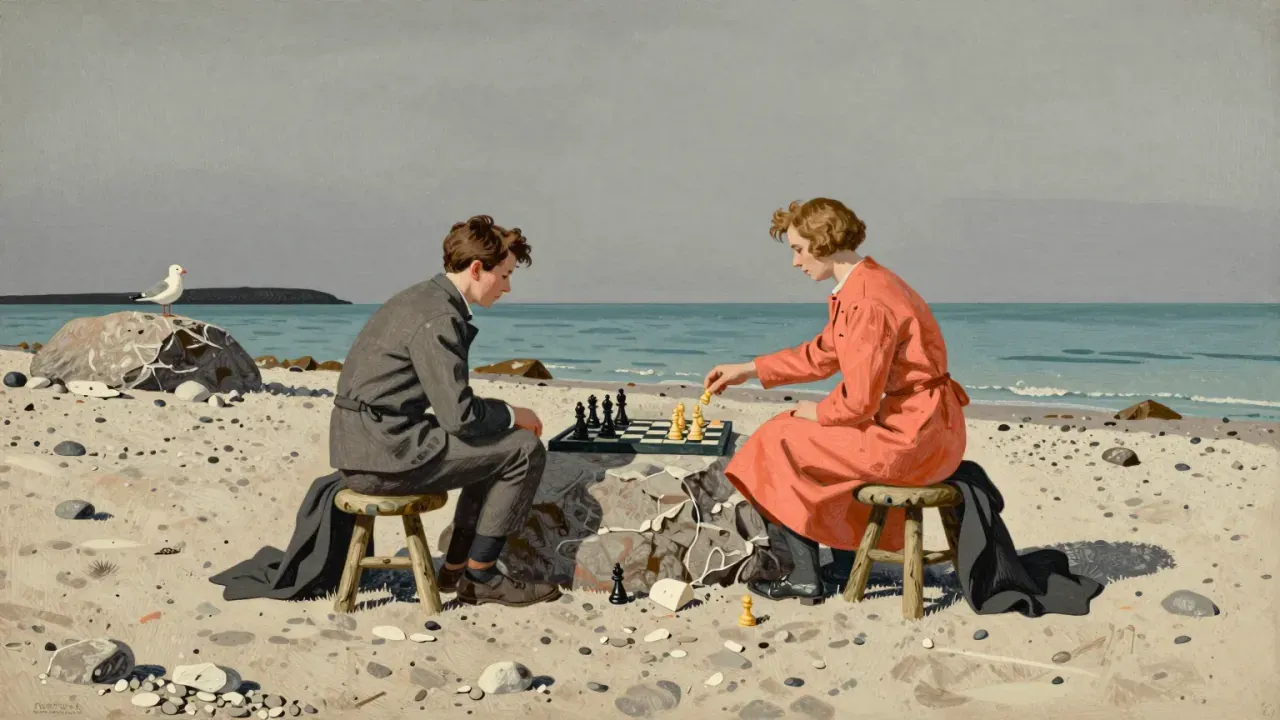
Ingmar Bergman turned a one-act play he had written for drama students into this 1957 fable of a crusader who challenges Death to chess while the plague empties his country. Shot in thirty-five days on a modest budget, with Max von Sydow beginning his long partnership with Bergman, it became one of cinema's most quoted images and won the Special Jury Prize at Cannes.

13:00

The Shawshank Redemption

Frank Darabont · 1994

Frank Darabont's 1994 adaptation of Stephen King's novella follows banker Andy Dufresne through nearly two decades in a corrupt Maine prison, and his friendship with fellow inmate Red. A commercial disappointment on release, it became one of the most rewatched and highly rated American films through home video, television and word of mouth.

13:00

The Shining

Stanley Kubrick · 1980

Stanley Kubrick's 1980 adaptation of Stephen King's novel follows a recovering alcoholic, his wife and their clairvoyant son through a winter at an isolated hotel, shot entirely on constructed sets in England on a $19 million budget, built around Jack Nicholson's escalating performance, John Alcott's Steadicam corridors and Wendy Carlos's electronic score.