filmbriefs
Highest rated

All briefs

2035 briefs · 26452 min · 1057–1152 on page 12 of 22
13:00

Dance, Girl, Dance

Dorothy Arzner · 1940

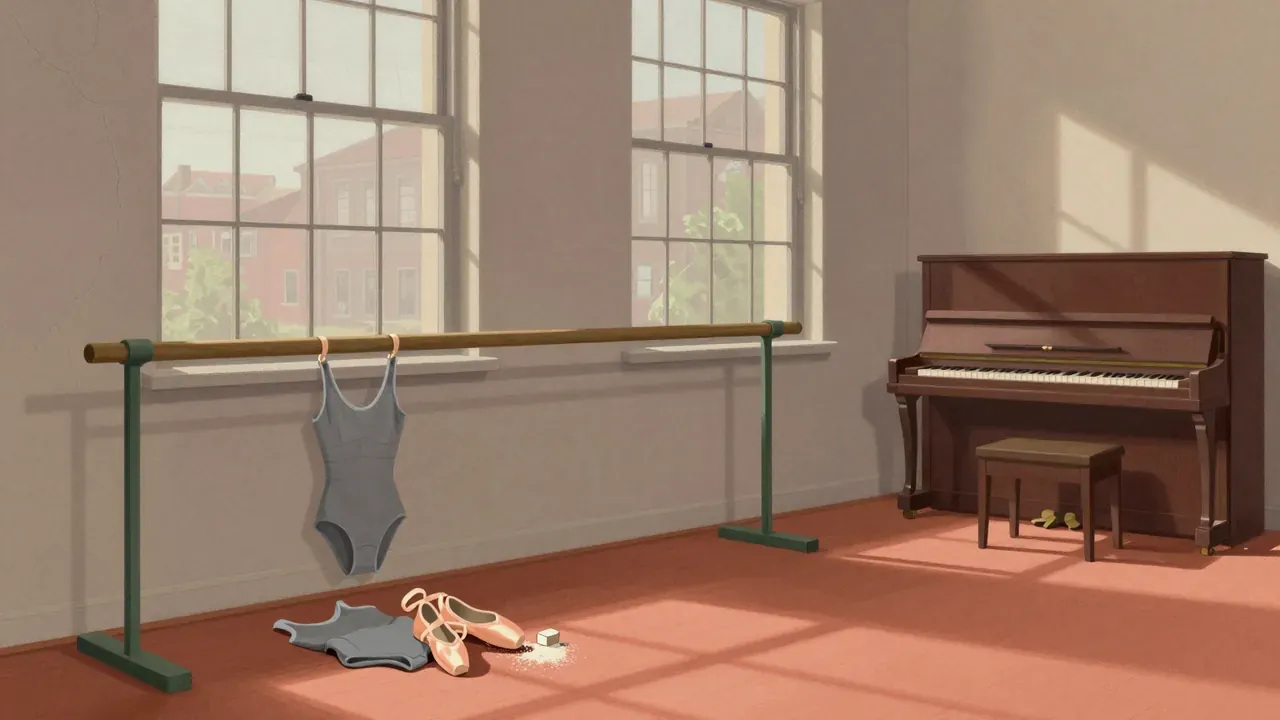
Dorothy Arzner’s 1940 RKO drama follows two dancers — a ballerina and a burlesque performer — navigating patronage, poverty, and prejudice in Depression-era America. Structured around contrasting performance worlds, it foregrounds labour over glamour, material constraint over romantic fantasy, and direct address over emotional exposition. Though commercially unsuccessful on release, its formal rigour and ethical clarity have secured its place as a landmark of early feminist cinema.
13:00

David Golder

Julien Duvivier · 1930

Julien Duvivier’s 1930 adaptation of Irène Némirovsky’s David Golder stars Harry Baur as a dying Jewish financier whose wealth cannot insulate him from betrayal or bodily failure. Shot by Georges Périnal with deliberate claustrophobia and scored sparingly by Walter Goehr, the film sustains moral and psychological pressure through performance, framing, and silence — not spectacle or sentiment. Its rigour is uncompromising: no catharsis, no exposition, no relief. A landmark of early French sound cinema and a precise study of transactional identity.

13:00

Death by Hanging

Nagisa Ōshima · 1968

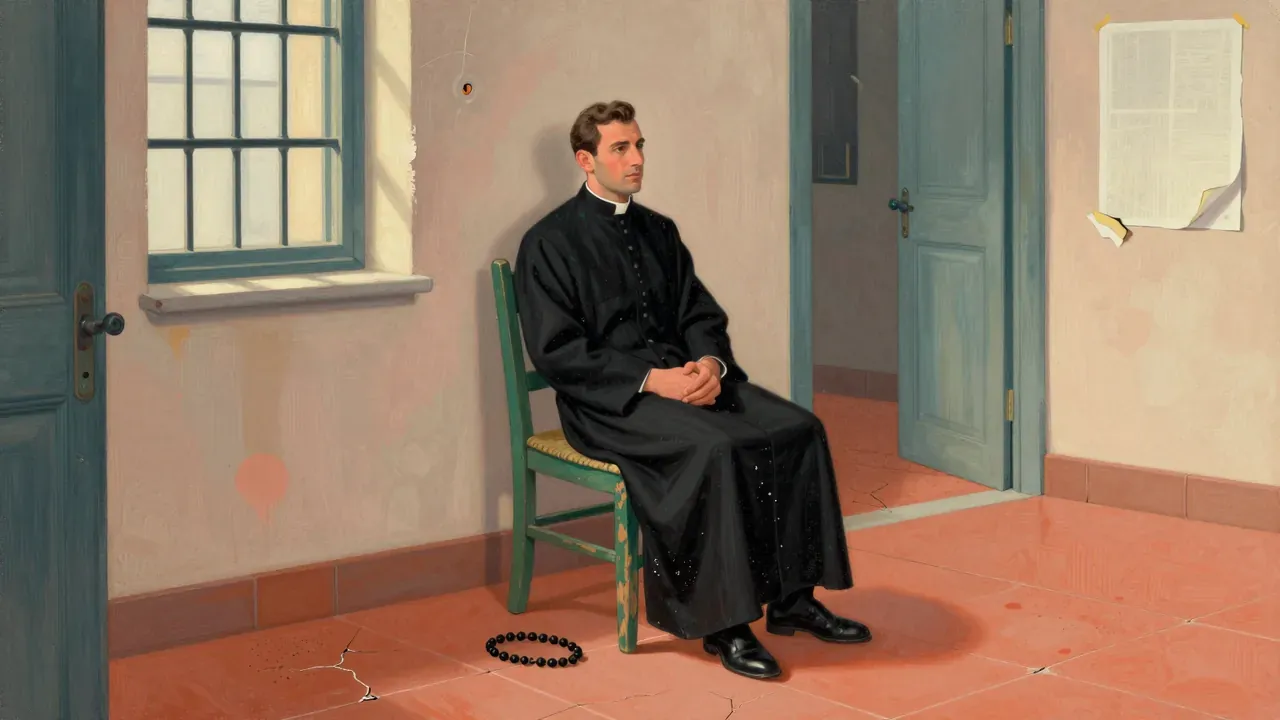
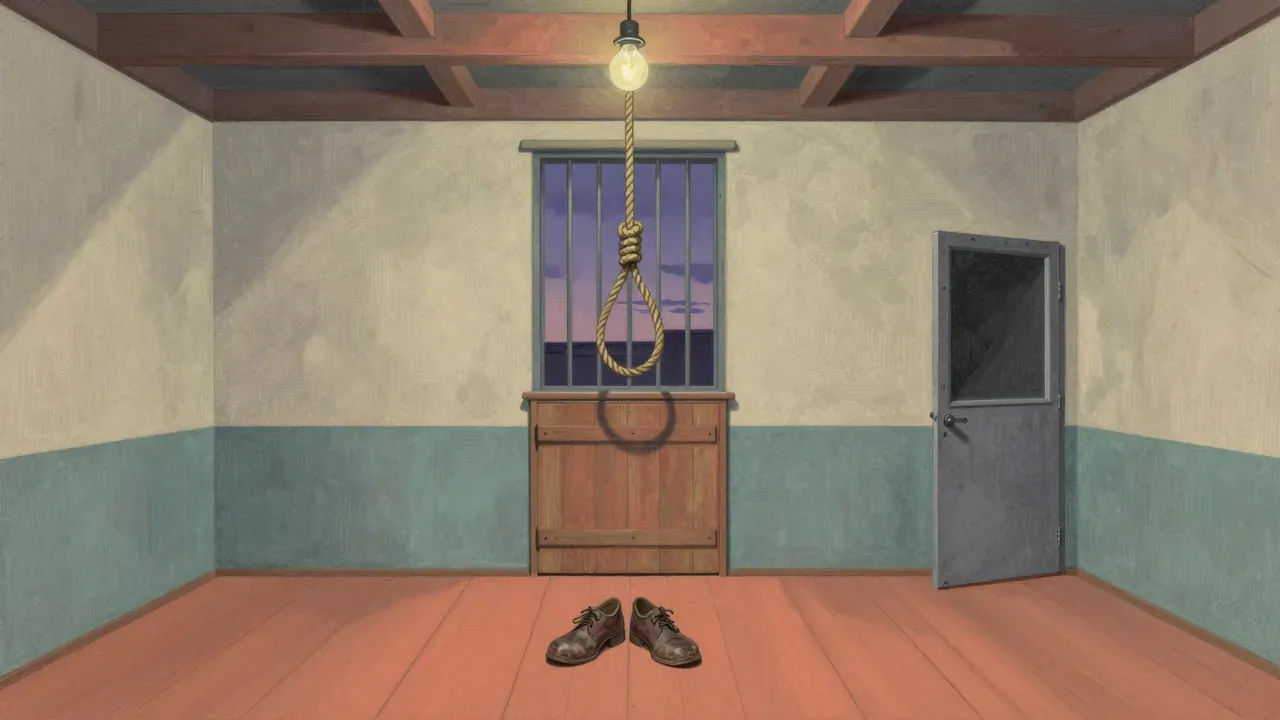
Nagisa Ōshima’s 1968 film follows the botched hanging of an ethnic Korean man known only as R. When he survives but loses his memory, prison officials attempt to reconstruct his past — and his guilt — through increasingly absurd re-enactments. Using Brechtian techniques, stark staging and deliberate artifice, the film interrogates the death penalty not as a moral question but as a mechanism of racial and political control.

13:00

Deep Crimson

Arturo Ripstein · 1996

Arturo Ripstein’s 1996 Deep Crimson transposes the Lonely Hearts Killers’ crimes to Mexico, following Coral Fabre and Nicolás Estrella as their lonely-hearts scam hardens into serial murder. With no psychological exposition or moral framing, the film charts their descent through ritualised acts, understated performances, and a stark visual style. It won eight Ariel Awards and Sundance Honorable Mention, and was Mexico’s Oscar submission.

13:00

Defending Your Life

Albert Brooks · 1991

Albert Brooks’ 1991 romantic comedy-fantasy follows a recently deceased advertising executive navigating Judgment City, a bureaucratic afterlife where souls are tried on their capacity to overcome fear. With Shirley MacLaine, Rip Torn, and Lee Grant, it blends dry wit, tender romance, and existential inquiry — using the trial format to explore courage not as heroism but as daily, quiet choice.

13:00

Desert Hearts

Donna Deitch · 1985

A 1985 romance set in 1959 Reno, Desert Hearts follows a reserved English professor who, while awaiting a divorce, falls in love with a free-spirited sculptor. Directed by Donna Deitch and adapted from Jane Rule’s novel, it treats lesbian desire with narrative gravity, visual restraint, and emotional authenticity — avoiding both sensationalism and didacticism. Its power lies in quiet accumulation: glances, silences, gestures — all anchored by Helen Shaver and Patricia Charbonneau’s restrained, deeply felt performances.

13:00

Design for Living

Ernst Lubitsch, Ben Hecht · 1933

Ernst Lubitsch and Ben Hecht’s 1933 romantic comedy adapts Noël Coward’s play into a buoyant, Depression-era farce about a woman living with two men who love her. Starring Fredric March, Gary Cooper and Miriam Hopkins, it trades Coward’s epigrams for physical charm and situational humour, using swift editing, uncluttered cinematography and effortless performances to sustain its risqué premise without scandal. Though structurally loose and verbally thin, it remains a rare, coherent vision of non-monogamy as joyful improvisation — not transgression.

13:00

Désiré

Sacha Guitry · 1937

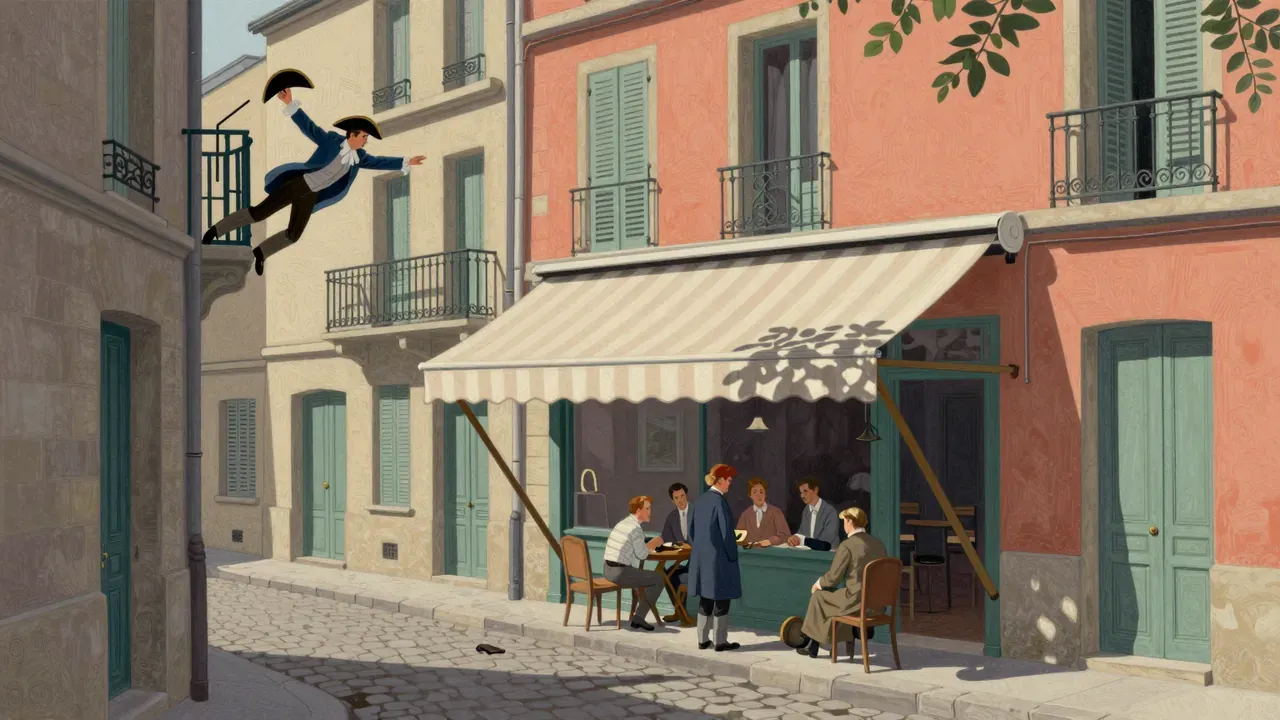
Sacha Guitry’s 1937 Désiré is a tightly wound Parisian comedy in which an actress’s growing fixation on her valet destabilises her relationship with a government minister. Set almost entirely in three interior spaces, it relies on precise dialogue, restrained performances — especially by Arletty and Jacqueline Delubac — and a still, observational camera. It explores class, service, and the erotic charge of being truly seen, without recourse to plot twists or moralising.
13:00

Devil in a Blue Dress

Carl Franklin · 1995

Carl Franklin’s 1995 adaptation of Walter Mosley’s novel follows WWII veteran Easy Rawlins through a 1948 Los Angeles entangled in political corruption, racial surveillance, and familial secrets. Denzel Washington anchors a tightly constructed crime narrative shaped by Tak Fujimoto’s restrained cinematography and Elmer Bernstein’s blues-tinged score. The film excels in atmosphere and historical texture but resolves its central tensions with procedural efficiency rather than emotional resonance.

13:00

Dheepan

Jacques Audiard · 2015

A former Tamil Tiger soldier assumes a dead man’s identity to claim asylum in France, posing as husband and father to two strangers. As caretaker of a troubled Paris banlieue, he finds himself drawn back into combat — not on a battlefield, but in stairwells and flats. Jacques Audiard’s Palme d’Or winner treats migration as embodied habit, not political argument.

13:00

Diary of a Chambermaid

Luis Buñuel · 1964

Luis Buñuel’s 1964 Diary of a Chambermaid adapts Octave Mirbeau’s novel with Jean-Claude Carrière, following Jeanne Moreau’s Célestine as she navigates a decaying provincial household in late-1920s France. Rejecting surrealism for restrained realism, the film traces how power, prejudice and violence settle into routine — through glances, footwear, leaflets and wills. Roger Fellous’ cinematography treats interiors like crime scenes; Moreau’s performance hinges on withheld reaction. It ends not with justice but consolidation: the system endures, reshaped but intact.

13:00

Dillinger Is Dead

Marco Ferreri · 1969

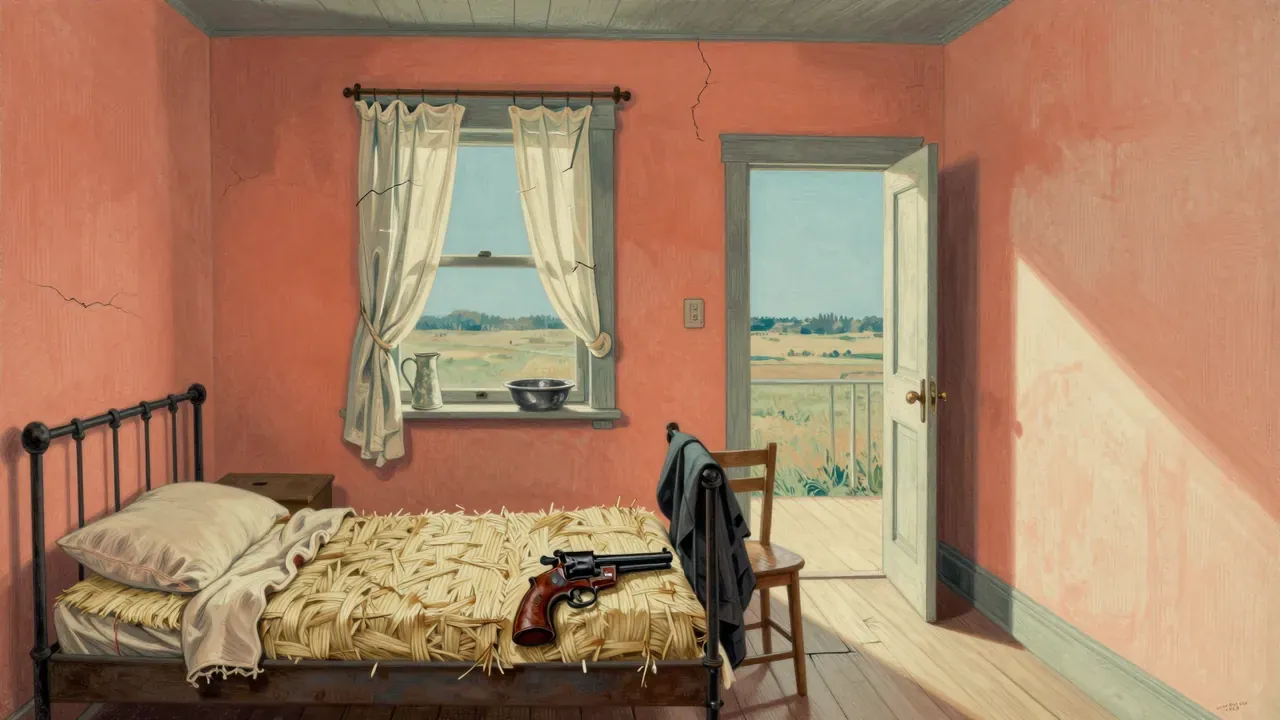
Marco Ferreri’s 1969 Italian drama follows Glauco — a gas-mask designer played by Michel Piccoli — over one night in his Milan apartment. He cooks, watches films, cleans a revolver found in a 1934 newspaper, seduces the maid, rehearses suicide, and finally kills his sleeping wife before fleeing to Tahiti as a yacht chef. Shot by Mario Vulpiani with clinical detachment and scored sparingly by Teo Usuelli, the film treats bourgeois comfort as a sealed, suffocating environment. It is arthouse cinema at its most austere: refusing psychology, satire, or resolution, it renders alienation not as theme but as physical law.

13:00

Dim Sum: A Little Bit of Heart

Wayne Wang · 1985

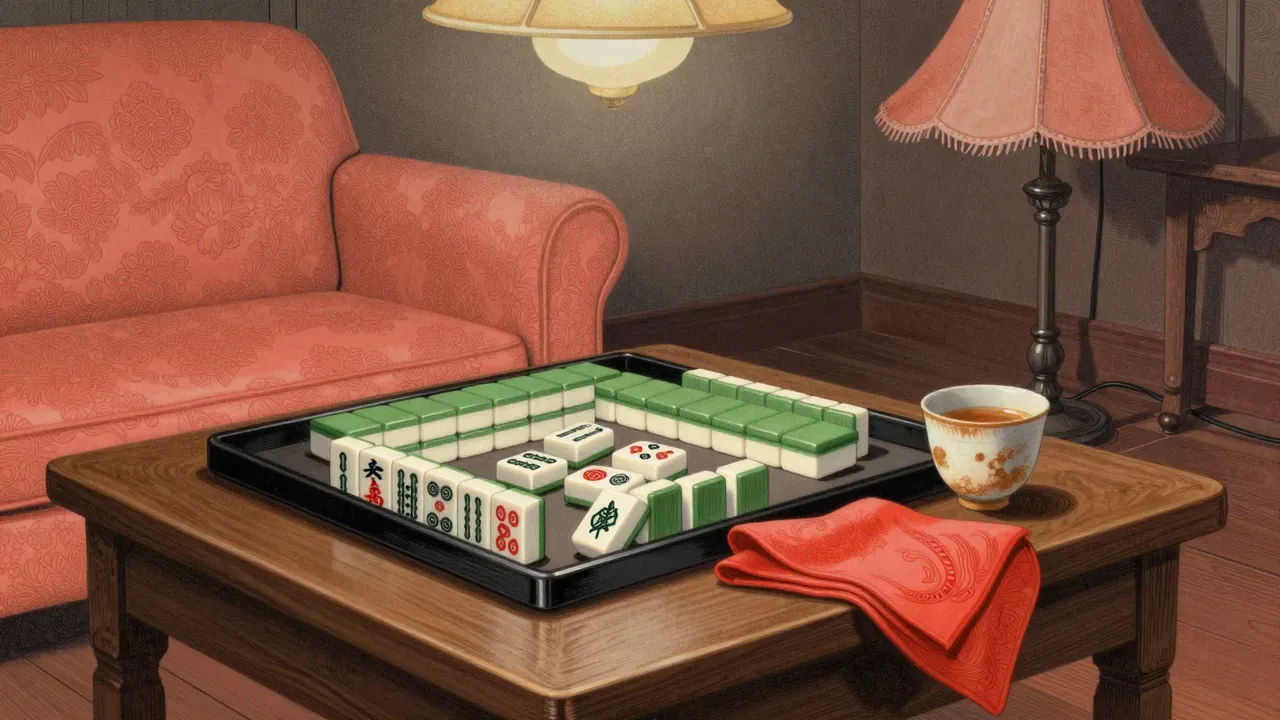
Dim Sum: A Little Bit of Heart (1985), directed by Wayne Wang, follows Julia, a Chinese immigrant widow in San Francisco, as she navigates the Lunar New Year amid a fortune-teller’s prediction of her death. With gentle precision, the film observes her efforts to arrange her daughter’s marriage and revisit China, all within the rhythms of family meals, mahjong games, and unspoken affection. Starring Cora Miao, Victor Wong, Joan Chen, and Amy Hill, it is a restrained, dialogue-driven drama grounded in behavioural realism and cultural specificity.

13:00

Dishonored

Josef von Sternberg · 1931

A 1931 Paramount drama directed by Josef von Sternberg, starring Marlene Dietrich as Marie Kolverer, a Viennese pianist turned secret agent whose loyalty, love, and eventual execution unfold with stark visual discipline and minimal exposition. Lee Garmes’ cinematography and Travis Banton’s costumes anchor a film less concerned with espionage mechanics than with dignity in extremis.

13:00

Documenteur

Agnès Varda · 1981

Made in Los Angeles in 1981, Documenteur follows Emilie, a Frenchwoman rebuilding daily life after separation, working as a typist and caring for her young son. Shot in English and interwoven with imagery from Varda’s documentary Mur Murs, the film treats the city’s murals as silent companions to private adjustment. With minimal plot, restrained performances, and a focus on light, texture, and repetition, it offers a delicate, unsentimental portrait of displacement as routine rather than rupture.

13:00

Dogfight

Nancy Savoca · 1991

Set over twenty-four hours in San Francisco in November 1963, Dogfight follows Marine Eddie Birdlace (River Phoenix) and waitress Rose Fenny (Lili Taylor) as their tentative connection forms against the backdrop of a cruel 'dogfight' party and his imminent deployment to Vietnam. Directed by Nancy Savoca with naturalistic craft and understated performances, the film locates its power in hesitation, silence, and small, unshowy gestures — not in grand statements or historical exposition.

13:00

Don't Play Us Cheap

Melvin Van Peebles · 1973

Melvin Van Peebles’ 1973 musical film adapts his stage work into a vibrant, low-budget allegory: two demons infiltrate a Harlem birthday party to break it up, only to be undone by song, solidarity, and the unassailable groove of everyday Black life. Shot on location with a cast of stage veterans and non-professionals, it treats gospel, soul, and doo-wop as tools of social analysis — not backdrop. Its themes of communal resilience, class critique, and joy-as-resistance remain urgent, its form deliberately anti-spectacle.

13:00

Double Suicide: Japanese Summer

Nagisa Ōshima · 1967

Double Suicide: Japanese Summer (1967), directed by Nagisa Ōshima, is a stark, symbol-laden drama in which a young woman named Nejiko is imprisoned by yakuza after witnessing them unearth buried weapons. Stylised rather than realistic, it uses theatrical roles (Televi, Oni, Omocha), flat lighting by Yasuhiro Yoshioka, and a dissonant score by Hikaru Hayashi to examine coercion, gendered control, and the banality of violence. With no exposition or psychological backstory, it relies on repetition, gesture, and spatial constraint to make ideology visible — not as idea, but as practice.

13:00

Down by Law

Jim Jarmusch · 1986

Jim Jarmusch’s 1986 black-and-white arthouse film follows three mismatched convicts — a radio DJ, a pimp, and an Italian immigrant — who escape from a New Orleans prison into the Louisiana bayou. With minimal plot, deliberate pacing, and Robby Müller’s stark cinematography, it foregrounds texture, silence, and the quiet evolution of trust over conventional narrative drive. Starring Tom Waits, John Lurie, and Roberto Benigni, it is a study in tonal precision, linguistic friction, and the unforced poetry of ordinary endurance.

13:00

Downhill Racer

Michael Ritchie · 1969

Michael Ritchie’s 1969 debut follows American downhill skier David Chappellet — played by Robert Redford — as he joins the U.S. Ski Team in Europe. Written by James Salter and shot on real World Cup courses, the film avoids sports-movie tropes: no training montages, no last-minute comebacks, no emotional breakthroughs. Instead, it observes Chappellet’s unyielding self-containment — his victories, silences, and failures — with clinical precision. Brian Probyn’s cinematography and Kenyon Hopkins’ sparse score reinforce its austere tone. It is less about skiing than about the cost of treating excellence as a solitary metric.

13:00

Downpour

Bahram Beyzai · 1972

Bahram Beyzai’s 1972 debut is a black-and-white Iranian drama following a teacher’s quiet integration into a provincial town. With restrained performances, sparse sound, and deliberate pacing, it traces his unspoken relationship with a student’s sister, his solitary renovation of a derelict school theatre, and his eventual transfer — all rendered without exposition or catharsis. Restored in 2011 after near-total loss, it remains a study in moral ambiguity, institutional silence, and the weight of unperformed expectation.

13:00

Dragnet Girl

Yasujirō Ozu · 1933

Yasujirō Ozu’s 1933 silent crime film Dragnet Girl follows Tokiko, girlfriend of a small-time gangster, as she slowly withdraws from complicity and steers both herself and him toward surrender. With restrained performances, unemphatic pacing, and Hideo Shigehara’s naturalistic cinematography, it treats moral change as incremental, not dramatic — a film less about breaking the law than about noticing the weight of a choice, a glance, a pause.

13:00

Dreams

Akira Kurosawa, Ishirō Honda · 1990

Akira Kurosawa’s 1990 anthology film Dreams comprises eight vignettes drawn from his own recurring dreams. Shot in Japan with assistance from Steven Spielberg and George Lucas, it deploys rigorous formalism — saturated colour, symmetrical framing, long takes — to render emotional states rather than narratives. Starring Akira Terao, Martin Scorsese as Van Gogh, and Chishū Ryū, it explores childhood, mortality, ecology, and ritual without exposition or irony. Though structurally loose and uneven in impact, its best sequences achieve a rare fusion of painterly control and moral gravity.

13:00

Drylongso

Cauleen Smith · 1998

A 1998 Oakland-set drama following Pica Sullivan, a Black photography student documenting young men she fears are disappearing. Shot on 16mm, it balances intimate portraiture with ambient dread, treating safety, gender, and community as daily practices rather than plot points. Restored and re-released in 2023, it remains a precise, unsentimental portrait of ordinary resilience.

13:00

Easy Rider

Dennis Hopper · 1969

Easy Rider (1969), directed by Dennis Hopper and starring Peter Fonda and Jack Nicholson, follows two bikers travelling cross-country after a drug deal. Shot on location with natural light and improvised dialogue, it captures a fractured America through landscape, gesture, and omission. Its influence on independent cinema is well documented, but its endurance rests on formal discipline — not countercultural myth-making.

13:00

El Amor brujo

Carlos Saura · 1986

Carlos Saura’s 1986 El Amor brujo adapts Manuel de Falla’s ballet into a tightly wound flamenco drama starring Antonio Gades and Cristina Hoyos. Set in Andalusia, it follows Candela, haunted by her dead husband’s ghost, whose release requires a ritual dance with the woman he loved in life. Shot by Teodoro Escamilla and choreographed by María Pagès, the film subordinates narrative to rhythm, dialogue to zapateado, and psychology to physical repetition — making it less a ghost story than a study in embodied memory.

13:00

Elvira Madigan

Bo Widerberg · 1967

Bo Widerberg’s 1967 Elvira Madigan retells the fatal romance of a Danish circus performer and a Swedish army officer as a study in sensory presence and quiet dissolution. Shot with natural light and minimal crew, it follows their summer-long flight through rural Denmark, using Mozart and Vivaldi as structural anchors and Jörgen Persson’s cinematography to render every blade of grass and drop of sweat with painterly precision. Its power lies in what it omits — exposition, judgement, aftermath — and in what it insists upon: the weight of a shared silence, the dignity of a final choice, and the beauty of a world seen, for ninety-one minutes, without hurry.

13:00

Empire of Passion

Nagisa Ōshima · 1978

Nagisa Ōshima’s 1978 French-Japanese co-production Empire of Passion adapts a novel by Itoko Nakamura into a stark, psychologically rigorous kaidan. Set in 1895 rural Japan, it follows Seki and Toyoji, whose affair leads to the murder of her husband — and the subsequent, inescapable haunting that follows. Shot by Yoshio Miyajima and scored by Tōru Takemitsu, the film rejects gothic ornament in favour of austere composition, deliberate pacing, and moral weight. It premiered at Cannes, where Ōshima won Best Director.

13:00

EO

Jerzy Skolimowski · 2022

Directed by Jerzy Skolimowski, EO follows a Polish circus donkey across fragmented episodes in Poland and Italy — from stable to forest to slaughterhouse — using six real donkeys and a rigorously observational style. Inspired by Bresson’s Au hasard Balthazar, it rejects anthropomorphism in favour of sustained, unsentimental attention to non-human presence, time and physicality. Shot by Michał Dymek, scored by Paweł Mykietyn and edited by Agnieszka Glińska, it premiered at Cannes 2022, winning the Jury Prize and twelve international awards including Best Cinematography and Best Composer.

13:00

Equinox Flower

Yasujirō Ozu · 1958

Equinox Flower (1958) is Yasujirō Ozu’s first colour feature—a domestic comedy tracing a Tokyo businessman’s reluctant acceptance of his daughter’s self-chosen marriage. Shot in Agfa colour, it observes generational friction through stillness, repetition, and muted reds, trusting the viewer to register change in posture, silence, and the movement of a teapot. Fujiko Yamamoto’s standout performance anchors a structure built on evasion and quiet reversal, not crisis or catharsis.

13:00

Europe '51

Roberto Rossellini · 1952

Roberto Rossellini’s 1952 film follows Irene Girard (Ingrid Bergman), an industrialist’s wife in post-war Rome, whose son’s death precipitates a radical commitment to helping others — a commitment that brings her into conflict with family, politics, medicine, the church and finally the asylum. Shot in austere black-and-white by Aldo Tonti, with a sparse score by Renzo Rossellini, the film treats compassion as a systemic challenge rather than a personal virtue.

13:00

Everlasting Moments

Jan Troell · 2008

Set in early-20th-century Malmö, Everlasting Moments follows Maria Larsson, a Finnish immigrant who wins a camera in a lottery and begins taking photographs — of her children, the dead, monarchs — as a slow, unspoken assertion of self. Directed by Jan Troell with deliberate, grainy 16 mm imagery and restrained performances, it treats time, class and visibility as physical presences, not abstractions. Based loosely on a true story, it avoids biography in favour of accumulated detail, finding resonance in silence, gesture and the chemical patience of early photography.

13:00

Every Man for Himself

Jean-Luc Godard · 1980

Every Man for Himself (1980) is Jean-Luc Godard’s rigorously structured drama, composed in four parts like a musical work. Following three protagonists — a filmmaker, a journalist, and a sex worker — across intersecting lives in Switzerland, it examines alienation, commodification, and the erosion of time and intimacy under capitalism. Shot by Renato Berta and William Lubtchansky, edited by Godard himself, and scored by Gabriel Yared, it employs deliberate decelerations, sparse dialogue, and the recurring aria Suicidio! as structural motif. Nathalie Baye won the César Award for Best Supporting Actress.

13:00

Every-Night Dreams

Mikio Naruse · 1933

Mikio Naruse’s 1933 silent drama follows Omitsu, a bar hostess in depression-era Yokohama, as she navigates poverty, abandonment, and moral compromise to protect her young son. With Sumiko Kurishima in a performance of extraordinary restraint, the film traces how economic precarity reshapes love, duty, and selfhood — not through grand tragedy, but through accumulated, quiet concessions.

13:00

Evil Does Not Exist

Ryusuke Hamaguchi · 2023

Ryusuke Hamaguchi’s 2023 drama follows Takumi, a widower living with his daughter in a remote Japanese mountain village, as residents confront a proposed glamping development. Shot on natural light with grainy texture and scored sparingly by Eiko Ishibashi, the film builds tension through procedural realism—community meetings, hydrological concerns, quiet labour—before pivoting to an ambiguous, visceral climax. It won the Grand Jury Prize and FIPRESCI Award at Venice and Best Film at the BFI London Film Festival.

13:00

Eyimofe

Arie Esiri, Chuko Esiri · 2020

Eyimofe (2020), co-directed by Arie and Chuko Esiri, follows two Lagos residents — a printer and a hairdresser — each pursuing migration to Europe. Shot on 16mm across 48 Lagos locations, it unfolds in two chapters (Spain and Italy) without voiceover or score, relying on performance, texture, and duration to trace how economic and familial pressures reshape ordinary lives. It premiered at Berlin, London, Toronto and 15 other international festivals, earning a 100% Rotten Tomatoes score and praise for its quiet, unsentimental realism.

13:00

Fail-Safe

Sidney Lumet · 1964

A US bomber squadron, accidentally released from fail-safe protocols, heads toward Moscow. With no way to recall them, the President must order the destruction of New York City to prove to the Soviets that the attack was accidental — not the opening move of a first strike. Sidney Lumet’s 1964 thriller unfolds in real time across war rooms and airborne command posts, using austere visuals, procedural dialogue, and Henry Fonda’s restrained performance to dramatise how rational systems produce irrational ends.

13:00

Fallen Angels

Wong Kar-wai · 1995

Wong Kar-wai’s 1995 Hong Kong drama Fallen Angels unfolds across two parallel, nocturnal storylines: a hitman seeking autonomy and a mute ex-convict drifting through repetition. Shot entirely at night by Christopher Doyle with extreme wide-angle lenses, it privileges atmosphere over exposition, using voiceover, pop music, and visual distortion to render urban alienation as physical fact. Though structurally loose and emotionally restrained, its sensory consistency and precise articulation of loneliness make it a defining arthouse work of the 1990s.

13:00

Fanfan la Tulipe

Christian-Jaque · 1952

Fanfan la Tulipe (1952) is a French black-and-white comedy-adventure starring Gérard Philipe as a charming rogue who joins the army on false pretences during the Seven Years’ War. Directed by Christian-Jaque, it balances swordplay, romance and gentle irony without moralising or historicising. Its strengths lie in physical performance, rhythmic editing and Christian Matras’s lucid cinematography — not in plot complexity or thematic weight.

13:00

Fanny

Marc Allégret · 1932

A 1932 French drama directed by Marc Allégret from Marcel Pagnol’s play, Fanny is the second part of the Marseille Trilogy. Set in the port city, it follows Fanny’s pragmatic marriage to the kindly widower Panisse after becoming pregnant by her childhood love Marius — and the quiet, collective decision to raise their son as Panisse’s heir. Anchored by Raimu’s commanding presence and Orane Demazis’s restrained performance, the film favours moral ambiguity over resolution, and lived-in realism over theatrical flourish.

13:00

Farewell Amor

Ekwa Msangi · 2020

Farewell Amor follows an Angolan family reuniting in Brooklyn after a 17-year separation. Told in three interwoven chapters — from the perspectives of father Walter, mother Esther, and teenage daughter Sylvia — the film observes their tentative, often wordless reconnection in a cramped apartment. Directed by Ekwa Msangi, it prioritises behavioural detail over exposition, using subtle performance, naturalistic lighting, and precise editing to explore migration, memory, and the quiet labour of rebuilding intimacy.

13:00

Fårö Document

Ingmar Bergman · 1970

Shot on Fårö in early 1969, Ingmar Bergman’s Fårö Document is a 16 mm documentary about the island’s 754 residents, their infrastructure deficits, educational underfunding and political marginalisation. With Sven Nykvist as cinematographer and a five-person crew, it avoids stylisation in favour of direct testimony and observational footage — interviews with the mayor, farmers and schoolchildren, scenes of seasonal labour and civic meetings. Broadcast on Swedish television on 1 January 1970, it functions as both record and advocacy, calling for subsidies, daycare, schools and a bridge across Fårö Sound.

13:00

Fårö Document 1979

Ingmar Bergman · 1979

Ingmar Bergman’s 1979 documentary observes daily life on Sweden’s Fårö island with absolute restraint: no narration, no music, no interviews, no explanation. Shot by Arne Carlsson for Cinematograph, it records fishing, farming, schooling, and worship in unhurried, uninflected takes. Its power lies in duration and precision — not in what it reveals, but in how it trains attention on the ordinary.

13:00

Fast Times at Ridgemont High

Amy Heckerling · 1982

Fast Times at Ridgemont High (1982) is Amy Heckerling’s feature debut, adapted by Cameron Crowe from his immersive non-fiction study of Clairemont High. Set over one school year in the San Fernando Valley, it tracks Stacy Hamilton’s freshman year, Brad’s senior drift, Spicoli’s stoner defiance, and Rat’s nervous courtship — all without narrative hierarchy or moral framing. Shot with documentary restraint by Matthew F. Leonetti and edited for rhythm not revelation, it treats adolescence as a series of low-stakes rehearsals, not a crucible. Its authenticity lies in patience, not accuracy.

13:00

Fat Girl

Catherine Breillat · 2001

Catherine Breillat’s 2001 drama follows twelve-year-old Anaïs and her fifteen-year-old sister Elena over a summer holiday in Les Mathes. Through precise, unsentimental staging and restrained performances, the film charts their divergent encounters with desire, bodily autonomy, and adult indifference. Its power lies in accumulation — not shock — as small exclusions build toward inevitable rupture. Controversial on release for its frank depiction of teenage sexuality and coercion, it remains a rigorous, unsettling examination of epistemic injustice in the domestic sphere.

13:00

Fight, Zatoichi, Fight

Kenji Misumi · 1964

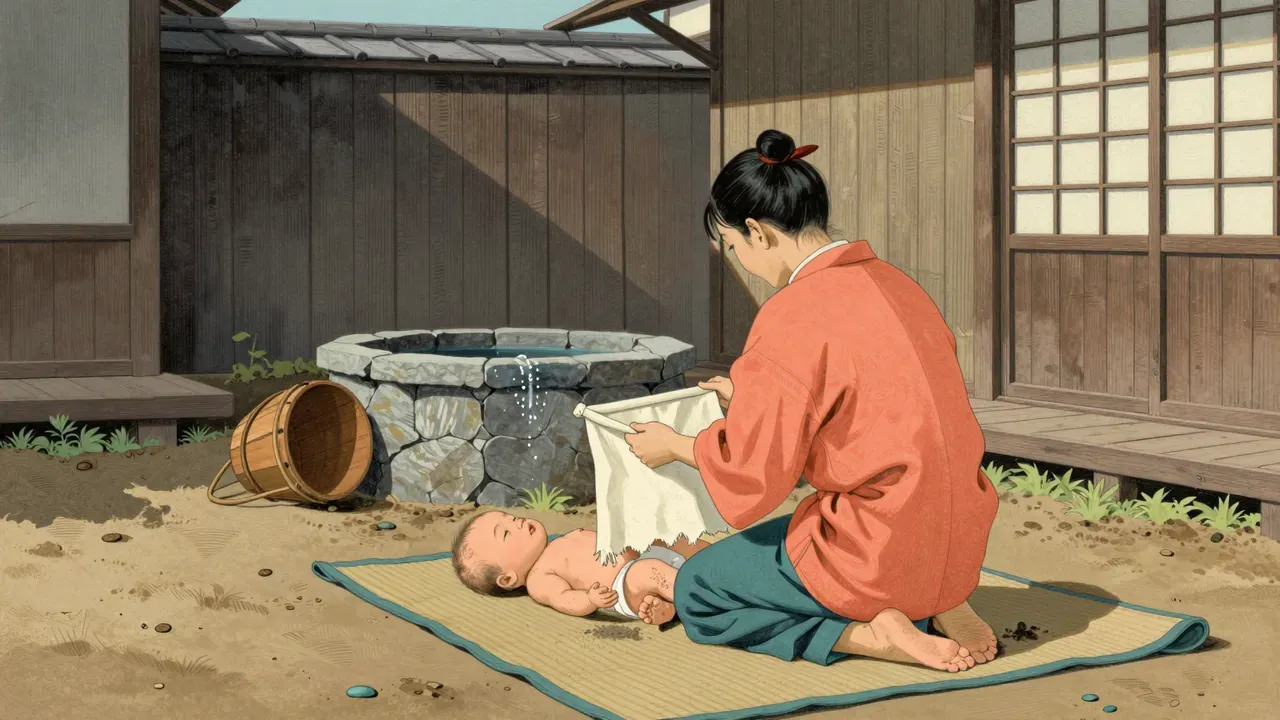
The eighth Zatoichi film follows the blind masseur as he carries a baby across sixty miles to its estranged father, pursued by assassins and accompanied by reluctant helpers. Built on repetition and restraint, it treats duty as a series of concrete actions — reading documents, changing diapers, rolling out fire — rather than abstract virtue. Directed by Kenji Misumi and starring Shintarō Katsu, it is a lean, unsentimental entry in the series, anchored by precise choreography and moral clarity.

13:00

Fighting Elegy

Seijun Suzuki · 1966

Seijun Suzuki’s 1966 drama follows Kiroku Nanbu, a Catholic teen in pre-war Japan whose sexual repression and institutional alienation spiral into ritualised violence and, finally, political extremism. Adapted by Kaneto Shindō from Takashi Suzuki’s novel, the film uses stark black-and-white imagery, abrupt editing and physical performance to chart a psyche collapsing under the weight of unspoken longing and enforced discipline.

13:00

First Case, Second Case

Abbas Kiarostami · 1979

Abbas Kiarostami’s First Case, Second Case (1979) presents two near-identical classroom scenarios — one where pupils remain silent after a disruption, another where one names the culprit — then films real Iranian educators and political figures reacting to each. Made in the volatile weeks before the Islamic Revolution, it was banned after its premiere and vanished until 2009. Rigorous, austere and structurally radical, it treats pedagogy as political theatre and silence as ethical resistance.

13:00

First Graders

Abbas Kiarostami · 1984

First Graders (1984) is Abbas Kiarostami’s observational documentary following Iranian six- and seven-year-olds during a single school day. Filmed with concealed cameras, it avoids narration, music, or intervention, relying instead on long takes, natural sound, and uninflected framing. Its purpose is not exposition but sustained attention — to register the rhythms, hierarchies and quiet labours of early socialisation as they occur. Though rooted in Iran’s post-revolutionary educational context, it offers no explicit commentary on politics or pedagogy. Its power lies in accumulation: small gestures, repeated behaviours and unscripted silences build a portrait less of individuals than of collective habit. A rigorous, unsentimental work, it rewards patience and resists easy interpretation.

13:00

Foreign Correspondent

Alfred Hitchcock · 1940

Alfred Hitchcock’s 1940 thriller follows an American reporter uncovering a fascist conspiracy in pre-war Europe. Made under urgent political conditions and reshaped mid-production to mirror real-world events, it prioritises procedural tension and moral clarity over psychological depth or historical fidelity. Its strengths lie in set-piece choreography, studio-crafted suspense, and a prescient final sequence set in a besieged radio station.

13:00

Fox and His Friends

Rainer Werner Fassbinder · 1975

Rainer Werner Fassbinder’s 1975 drama follows Franz ‘Fox’ Bieberkopf, a working-class gay man who wins the lottery and enters the orbit of Eugen, the elegant, calculating son of an industrialist. As Fox funds Eugen’s failing business and lifestyle, his generosity is absorbed, his manners corrected, his autonomy erased — until he is discarded, penniless and alone. Shot by Michael Ballhaus and scored by Peer Raben, the film treats affection as a commodity with expiry dates, and class as a grammar no amount of love can rewrite.

13:00

Frances Ha

Noah Baumbach · 2012

Frances Ha (2012) follows Frances, a 27-year-old dancer in New York, as her career stalls and her closest friendship frays. Shot in black-and-white on consumer-grade equipment, it favours observational detail over plot, using Gerwig’s performance and Baumbach’s direction to chart emotional shifts across apartments, cities and roles — from Brooklyn to Sacramento to Paris to Washington Heights. Its themes centre on friendship as infrastructure, class as daily friction, and identity as something folded, not fixed.

13:00

Frankenstein

Guillermo del Toro · 2025

Guillermo del Toro’s 2025 Frankenstein reimagines Mary Shelley’s novel as a morally dense, visually austere drama centred on Victor Frankenstein (Oscar Isaac) and his Creature (Jacob Elordi). Shot by Dan Laustsen and scored by Alexandre Desplat, it trades genre thrills for theological gravity, emphasising responsibility, language, and embodied consequence. Though its pacing falters mid-film and some supporting roles lack depth, its production design, performances, and thematic coherence make it a singular, sombre achievement—less monster movie than sacred rite.

13:00

French Cancan

Jean Renoir · 1955

Jean Renoir’s 1955 French Cancan follows nightclub owner Henri Danglard as he transforms a Montmartre dance hall into the Moulin Rouge, betting everything on the revival of the cancan. Starring Jean Gabin and Françoise Arnoul, it is a musical comedy-drama less concerned with plot than with the textures of creation: rehearsal, construction, rivalry, and collective euphoria. Shot in colour at Joinville Studios with art direction by Max Douy and cinematography by Michel Kelber, it evokes Impressionist painting without imitation. Though uneven in emotional payoff, it remains a singular testament to Renoir’s belief in cinema as a space for presence, not just meaning.

13:00

From the Life of the Marionettes

Ingmar Bergman · 1980

Ingmar Bergman’s 1980 German-language television film reimagines the troubled couple from Scenes from a Marriage as Peter and Katarina Egermann, a Munich-based pair whose emotional disintegration culminates in Peter’s murder of a prostitute. Shot in black and white by Sven Nykvist, with a dissonant score by Rolf Alexander Wilhelm, the film unfolds through clinical interrogations and restrained performances. It is less a crime drama than a psychological case study — austere, unsentimental, and formally exacting.

13:00

Funny Games

Michael Haneke · 1997

Michael Haneke’s 1997 Austrian drama Funny Games uses the skeleton of a home-invasion thriller to dissect how cinema conditions viewers to tolerate, anticipate and even desire violence. With clinical precision, static camerawork and metafictional interruptions, it implicates the spectator in its own brutality — not through gore, but through duration, expectation and refusal.

13:00

General Della Rovere

Roberto Rossellini · 1959

Roberto Rossellini’s 1959 drama follows a conman hired by Nazi occupiers to impersonate a dead Resistance general inside a Milan prison. As he inhabits the role among real prisoners, his performance hardens into conviction — not through revelation, but through repeated, quiet acts of solidarity. Shot in German by Italian filmmakers, with Vittorio De Sica in a career-defining turn, it is a restrained, morally exacting portrait of identity forged in extremity.

13:00

Germany, Year Zero

Roberto Rossellini · 1948

Roberto Rossellini’s 1948 drama follows twelve-year-old Edmund Köhler in ruined Berlin, where hunger, ideological debris, and adult failure converge on a single child’s conscience. Shot partly on location and partly in Rome studios, it uses non-professional actors and restrained craft to trace a quiet, logical descent into moral collapse — ending not with outcry, but with silence and a jump from rubble.

13:00

Gertrud

Carl Theodor Dreyer · 1964

Carl Theodor Dreyer’s final film, Gertrud (1964), adapts Hjalmar Söderberg’s 1906 play into a rigorous, dialogue-driven drama about a woman who chooses absolute fidelity to her idea of love over every form of compromise. Shot in static, prolonged takes, with minimal music and muted visuals, it follows Gertrud Kanning from marital rupture through successive failed attachments to a solitary, unrepentant old age. Its power lies in its refusal to dramatise or explain—only to present, hold, and trust the viewer to attend.

13:00

Gervaise

René Clément · 1956

René Clément’s 1956 Gervaise adapts Émile Zola’s L’Assommoir with forensic restraint, following Maria Schell’s laundress through a decade of incremental collapse in mid-nineteenth-century Paris. Shot by Robert Juillard and scored sparingly by Georges Auric, it locates tragedy not in grand gestures but in the weight of wet linen, the silence after a slammed door, the slow emptying of a shopfront. Its power lies in accumulation, not revelation.

13:00

Ghidorah, the Three-Headed Monster

Ishirō Honda · 1964

Ghidorah, the Three-Headed Monster (1964) is Toho’s fifth Godzilla film and the first to stage a three-monster alliance against an extraterrestrial threat. Directed by Ishirō Honda with special effects by Eiji Tsuburaya, it follows a Venusian prophetess who warns Earth of King Ghidorah’s arrival, prompting Godzilla, Rodan, and Mothra to set aside rivalry. Built on recycled suits, hand-crafted miniatures, and Akira Ifukube’s score, it privileges ritual over exposition and collective stance over individual heroism. Though human subplots are thin and Ghidorah’s suit proved technically taxing, its vision of reluctant solidarity remains singular in the franchise.

13:00

Ghost Dog: The Way of the Samurai

Jim Jarmusch · 1999

Ghost Dog: The Way of the Samurai (1999) follows a Black hitman in New Jersey who lives by the samurai code of Hagakure while working for an Italian-American crime family. Directed by Jim Jarmusch and scored by RZA, it unfolds with deliberate stillness, using Robby Müller’s restrained cinematography and Forest Whitaker’s physically precise performance to sustain a world where ritual, silence, and cross-cultural synthesis are structural facts, not themes to be explained.

13:00

Girlfriends

Claudia Weill · 1978

Claudia Weill’s 1978 debut follows Susan Weinblatt, a Jewish photographer in Manhattan, as her life shifts after her best friend and roommate moves out to marry. Shot over a year on a shoestring budget, the film traces Susan’s struggles with freelance work, romantic missteps, and the slow build toward her first gallery show — all rendered with documentary-like precision, naturalistic performances, and a refusal to resolve its central tensions. It won the Toronto People’s Choice Award and was named one of the National Board of Review’s Top Ten Films of 1978.

13:00

Girls of the Night

Kinuyo Tanaka · 1961

Kinuyo Tanaka’s 1961 drama follows Kuniko, a woman repeatedly released from a reformatory after Japan’s Prostitution Prevention Law, as she seeks work and dignity across domestic service, factory labour, and horticulture — only to be rejected each time her history becomes known. With Chisako Hara in a performance of quiet endurance, and Asakazu Nakai’s unadorned cinematography, the film charts the quiet mechanics of social exclusion, not as cruelty but as routine. It ends not with resolution but relocation: Kuniko working as an ama in Bōsō.

13:00

Godland

Hlynur Pálmason · 2022

Set in late-19th-century Iceland, Godland follows a Danish priest sent to build a church in a remote settlement. His inability to speak Icelandic, his failing health, and the indifference of the land gradually dismantle his authority and certainty. Shot in stark wet-plate-inspired visuals, the film renders colonial encounter as slow sensory erosion — of language, theology, and bodily endurance — rather than political confrontation.

13:00

God's Country

Louis Malle · 1985

A 1985 PBS documentary by Louis Malle, filmed across six years in Glencoe, Minnesota, capturing the quiet unraveling of a farming community amid the mid-1980s agricultural crisis. Shot and edited with deliberate restraint, it observes residents’ daily lives, conversations, and surroundings without narration or exposition — offering texture over analysis, continuity over climax.

13:00

Godzilla vs. Biollante

Kazuki Ōmori · 1989

Godzilla vs. Biollante (1989) is the second Heisei-era Godzilla film, directed and written by Kazuki Ōmori. It follows corporate and military efforts to weaponise Godzilla’s cells, resulting in Biollante — a creature born from the fusion of those cells with human and plant DNA. Starring Kenpachirō Satsuma and Megumi Odaka, it departs from nuclear allegory toward biotech ethics, using grounded special effects, deliberate pacing, and Koichi Sugiyama’s score to explore inheritance, loss, and the instability of life’s boundaries.

13:00

Goke, Body Snatcher from Hell

Hajime Satō · 1968

Goke, Body Snatcher from Hell (1968), directed by Hajime Satō, follows survivors of a plane crash on a deserted island who are hunted by a vampiric alien entity. With minimal exposition and stark visuals, it charts their rapid moral collapse under pressure — betrayals, sacrifices and self-preservation escalate until only two remain, walking across a dead world beneath an orbital fleet. Shunsuke Kikuchi’s score and practical effects reinforce its clinical, allegorical tone.

13:00

Green for Danger

Sidney Gilliat · 1946

Green for Danger (1946) is a British mystery set in a rural wartime hospital, where two deaths and a near-fatal incident draw Inspector Cockrill into a tightly wound investigation. Adapted by Christianna Brand from her own novel and directed by Sidney Gilliat, it balances procedural rigour with dry wit, using anaesthetic equipment, Blitz-era constraints, and staff psychology to build suspense. Wilkie Cooper’s cinematography and William Alwyn’s score reinforce its controlled, atmospheric tone.

13:00

Grisbi

Jacques Becker · 1954

Jacques Becker’s 1954 heist film follows ageing Parisian gangster Max le Menteur as his control over his crew, his lover, and his own stamina begins to slip. Shot in muted tones by Pierre Montazel and edited with deliberate calm by Marguerite Renoir, it treats crime as backdrop to a study in endurance, habit, and quiet decline. Jean Gabin’s performance is restrained, anchored in physical detail rather than declaration.

13:00

Hands Over the City

Francesco Rosi · 1963

Francesco Rosi’s 1963 Golden Lion winner follows Neapolitan developer and councillor Edoardo Nottola as he leverages public office for private real-estate gain—until a building collapse triggers an official inquiry. Shot in stark, observational style by Gianni Di Venanzo and written with journalistic rigour, the film avoids psychology and spectacle in favour of committee rooms, permits, and quiet complicity. Rod Steiger and Carlo Fermariello anchor a cast that includes non-professionals, reinforcing its documentary texture. It is a film about how power consolidates not in crises but in paperwork.

13:00

Happy Together

Wong Kar-wai · 1997

Happy Together (1997) follows two Hong Kong men whose turbulent relationship fractures during a trip to Argentina. Directed by Wong Kar-wai and shot by Christopher Doyle, it uses saturated, grainy imagery, South American music, and elliptical structure to explore memory, displacement, and the quiet aftermath of love. Tony Leung and Leslie Cheung anchor the film with restrained, physically precise performances. It is less a story about reconciliation than about learning to live alongside absence.

13:00

Hedwig and the Angry Inch

John Cameron Mitchell · 2001

John Cameron Mitchell’s 2001 film adapts his stage musical as a mythic, musically charged portrait of Hedwig Robinson: an East German trans woman, rock frontwoman, and reluctant philosopher. Shot with gritty immediacy by Frankie DeMarco and scored by Stephen Trask, it moves between roadside gigs and fractured memory, using Plato, punk, and botched surgery to explore origin, theft, and the violence of translation. Though its metaphysical finale falters, its performances, craft, and thematic rigour make it a durable arthouse landmark.

13:00

Here's Your Life

Jan Troell · 1966

Jan Troell’s 1966 debut follows Olof Persson across a succession of working-class jobs in early-twentieth-century northern Sweden. Adapted from Eyvind Johnson’s semi-autobiographical novel, it charts his slow, unspectacular formation through labour, reading, politics and fleeting relationships—never through crisis or revelation, but through accumulation, repetition and quiet observation.

13:00

High Art

Lisa Cholodenko · 1998

Lisa Cholodenko’s 1998 debut follows Syd, a young magazine editor drawn into the orbit of Lucy, a reclusive photographer whose fame and heroin dependency unsettle Syd’s orderly life. Shot by Tami Reiker and anchored by Ally Sheedy’s restrained performance, the film traces the blurring of professional and personal boundaries in New York’s art world—with precision, restraint, and no easy answers.

13:00

History Is Made at Night

Frank Borzage · 1937

Frank Borzage’s 1937 romance stars Jean Arthur and Charles Boyer as lovers separated by deceit, class, and a shipwreck. Written by Gene Towne and shot by Gregg Toland, it moves from Parisian farce to transatlantic pursuit to maritime disaster — all held together by emotional sincerity rather than plot logic. Its strengths are in performance, composition, and moral clarity; its weaknesses lie in tonal inconsistency and contrived early turns. It is a film of conviction, not compromise.

13:00

Homicide

David Mamet · 1991

David Mamet’s 1991 crime drama follows a Jewish homicide detective pulled from a high-profile manhunt into the investigation of an elderly woman’s killing — a case that unravels his assumptions about identity, loyalty, and belonging. With Joe Mantegna, William H. Macy, and Ving Rhames, and shot by Roger Deakins, it trades procedural clarity for psychological precision, using police work as scaffolding for a stark, unsentimental study of assimilation, moral drift, and the cost of choosing between competing claims on the self.

13:00

Hôtel du Nord

Marcel Carné · 1938

Marcel Carné’s 1938 Hôtel du Nord is a cornerstone of poetic realism: a slow-burning drama set in a working-class Paris hotel, where suicide, romance, and criminal threat unfold amid Bastille Day revelry. Anchored by Arletty and Louis Jouvet, and shaped by Jean Aurenche and Henri Jeanson’s dialogue, it privileges mood, texture, and moral ambiguity over exposition or resolution.

13:00

Hôtel Monterey

Chantal Akerman · 1972

Chantal Akerman’s 1972 debut feature is a silent, sixty-five-minute documentary shot in fixed long takes inside New York’s Hotel Monterey. With Babette Mangolte’s precise cinematography, it maps the building’s corridors, rooms and roof without narration, music or commentary — treating architecture as a sequence of visual propositions about time, space and perception.

13:00

Hour of the Wolf

Ingmar Bergman · 1968

Ingmar Bergman’s 1968 Hour of the Wolf is a psychological horror film starring Max von Sydow and Liv Ullmann as a painter and his wife isolated on a Swedish island. As his visions intensify and his sleep fails, the line between hallucination and reality dissolves. Shot by Sven Nykvist on Fårö and Hovs Hallar, it uses stark naturalism to frame surreal imagery, with Johann Sebastian Bach and Lars Johan Werle on the soundtrack. It explores artistic collapse, intimacy under strain, and the unreliability of perception — not as metaphor, but as lived condition.

13:00

House

Nobuhiko Obayashi · 1977

Nobuhiko Obayashi’s 1977 House is a Japanese comedy horror film about seven schoolgirls devoured one by one in a sentient, surreal country house. Made with handmade effects, a rock soundtrack by Godiego, and non-professional actors, it rejects narrative logic in favour of associative, childlike imagery rooted in Obayashi’s daughter’s fears and his own Hiroshima memories. Though dismissed on release, it has since gained cult status for its audacious form and emotional precision.

13:00

House Party

Reginald Hudlin · 1990

House Party (1990) is a low-budget teen comedy directed by Reginald Hudlin, following Kid and Play as they throw a house party in South Central Los Angeles. Built around a single chaotic night, it uses hip hop aesthetics — scratching, freestyling, dance-offs — as structural devices rather than decoration. With naturalistic cinematography by Peter Deming and a jazz-funk-hip hop score by Lenny White, it prioritises physicality, vernacular rhythm and communal joy over plot mechanics. Though some subplots falter and caricature occasionally intrudes, its consistency, specificity and warmth have secured its status as a culturally significant cult classic.

13:00

Humain, trop humain

Louis Malle, René Vautier · 1973

Humain, trop humain (1973) is a French observational documentary co-directed by Louis Malle and René Vautier, filmed inside a Citroën car plant. With no narration, interviews, or music, it records the rhythms of assembly-line work — shifts, tools, gestures, pauses — over 73 minutes. Its power lies in sustained attention, not argument.

13:00

Humanité

Bruno Dumont · 1999

Bruno Dumont’s 1999 Humanité follows a withdrawn French police lieutenant investigating the rape and murder of an eleven-year-old girl in rural Bailleul. Shot in natural light with minimal dialogue, it treats the case not as a puzzle but as a rupture in the fabric of daily life — observed with clinical patience, emotional restraint, and profound physical specificity. Emmanuel Schotté and Séverine Caneele deliver unadorned, deeply felt performances; Yves Cape’s cinematography grounds every moment in tangible reality. The film won the Grand Prix at Cannes and remains a defining work of late-20th-century arthouse realism.

13:00

I Am Waiting

Koreyoshi Kurahara · 1957

Directed by Koreyoshi Kurahara and released in 1957, I Am Waiting follows a disgraced boxer and a failing cabaret singer as they shelter together in a Tokyo restaurant, evading gangsters and their own pasts. Written by Shintarō Ishihara and starring Yūjirō Ishihara and Mie Kitahara, it is a tightly wound drama of quiet desperation, built on withheld information, atmospheric tension, and the weight of unspoken histories. Part of Nikkatsu’s early noir wave, it trades plot mechanics for psychological compression and visual restraint.

13:00

I Knew Her Well

Antonio Pietrangeli · 1965

Antonio Pietrangeli’s I Knew Her Well follows Adriana Astarelli, a provincial woman navigating Rome’s celebrity fringes in 1965. With Stefania Sandrelli in a performance of quiet intensity, the film avoids plot in favour of cumulative observation: each encounter reveals how attention is rationed, gender shapes access, and ambition functions as rational response to constraint. Armando Nannuzzi’s cinematography and Benedetto Ghiglia’s restrained score support a structure built on repetition, silence, and unexplained exits. It is arthouse realism at its most patient — a portrait that asks the viewer to attend, not interpret.

13:00

I Live in Fear

Akira Kurosawa · 1955

Akira Kurosawa’s 1955 drama follows Kiichi Nakajima (Toshirō Mifune), an ageing foundry owner convinced that nuclear war is inevitable, and his desperate, legally contested plan to move his family to Brazil. Framed by a family arbitration and ending in psychiatric confinement, the film avoids sensationalism, using restrained performances, precise black-and-white cinematography by Asakazu Nakai, and Masaru Sato’s austere score to examine fear, competence, and the social cost of foresight in postwar Japan.

13:00

I Married a Witch

René Clair · 1942

René Clair’s 1942 I Married a Witch is a tightly wound romantic fantasy starring Veronica Lake as a resurrected witch who disrupts the engagement of politician Wallace Wooley (Fredric March). Adapted from Thorne Smith’s unfinished novel, it uses magic not for wonder but as a scalpel to dissect marriage, politics, and gender. Ted Tetzlaff’s cinematography, Roy Webb’s score, and Clair’s economical staging sustain a tone of wry, unhurried absurdity — one that rewards attention to rhythm and restraint over plot or sentiment.

13:00

I Shot Jesse James

Samuel Fuller · 1949

Samuel Fuller’s 1949 directorial debut tells the story of Bob Ford, the man who murdered Jesse James—not as a folk villain but as a psychologically fraying opportunist. Shot cheaply and quickly, it uses stark black-and-white cinematography and tightly written scenes to trace Ford’s moral disintegration after the killing, his failed attempts at respectability, and his inevitable downfall. With John Ireland in a defining early role and Fuller’s signature moral directness, it remains a lean, unsentimental study of infamy, reputation, and the cost of self-deception.

13:00

I Walked with a Zombie

Jacques Tourneur · 1943

I Walked with a Zombie (1943), directed by Jacques Tourneur and produced by Val Lewton, follows a Canadian nurse who travels to a Caribbean sugar plantation and becomes entangled in the mystery of her employer’s catatonic wife. Shot on a shoestring budget, it sustains dread through atmosphere, implication, and moral ambiguity rather than gore or spectacle. Drawing on Charlotte Brontë’s Jane Eyre and Inez Wallace’s article on Haitian 'zombies', it treats Vodou as a system of belief entwined with power and history — not exotic fantasy. Its strength lies in its restrained craft, evocative cinematography, and unflinching engagement with colonial legacy, though its narrative vagueness may frustrate some viewers.

13:00

I Wanna Hold Your Hand

Robert Zemeckis · 1978

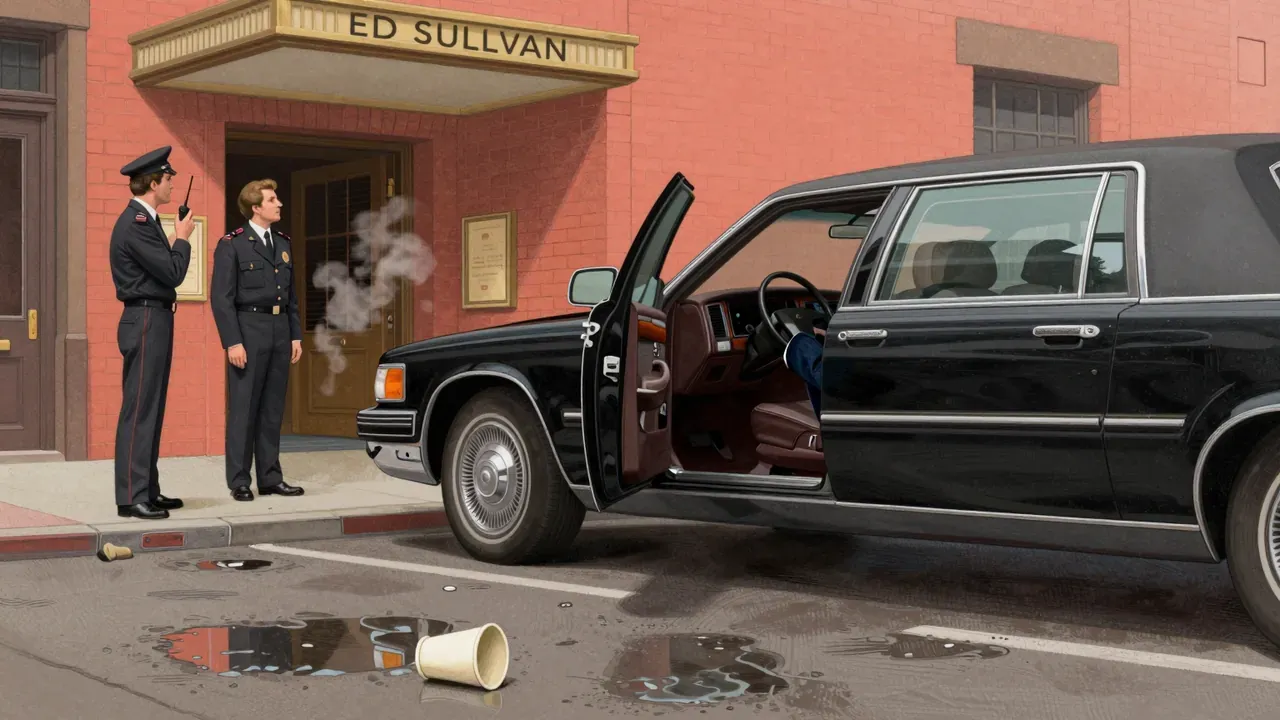
Set over one day in February 1964, I Wanna Hold Your Hand follows six New Jersey teenagers converging on New York City to witness the Beatles’ Ed Sullivan Show debut — without ever showing the band. Directed by Robert Zemeckis in his feature debut, it uses tight plotting, period-accurate detail, and ensemble performances to map fandom as a system of access, exclusion, and improvised agency. Though commercially unsuccessful on release, it has endured as a cult object for its structural rigour and humane farce.

13:00

Il bidone

Federico Fellini · 1955

Federico Fellini’s 1955 drama follows a trio of swindlers working rural Italy, whose cons on poor farmers gradually unravel their self-deception. Broderick Crawford plays Augusto, whose late moral crisis culminates in abandonment and death on a barren hillside. Shot by Otello Martelli, scored by Nino Rota, and anchored by Giulietta Masina’s restrained performance, the film treats conscience as physical decay rather than spiritual awakening.

13:00

Imitation of Life

John M. Stahl · 1934

John M. Stahl’s 1934 Imitation of Life adapts Fannie Hurst’s novel into a dual-narrative drama about Bea Pullman, a white widow who builds a pancake-flour empire with the help of Delilah Johnson, her Black housekeeper and co-creator. Parallel to Bea’s rise is Delilah’s daughter Peola, who rejects her heritage to pass as white. Shot by Merritt B. Gerstad and written by William Hurlbut and Victor Heerman, the film navigates Production Code restrictions to deliver a restrained, visually grounded portrait of race, labour, and grief — preserved in the National Film Registry for its cultural and historical significance.

13:00

In the Realm of the Senses

Nagisa Ōshima · 1976

Nagisa Ōshima’s 1976 In the Realm of the Senses is a rigorously controlled, historically grounded dramatisation of the Sada Abe case. Shot in Japan but produced as a French enterprise to bypass censorship, it depicts escalating sexual obsession between two lovers in 1936 Tokyo with unsimulated acts, minimal dialogue, and unbroken duration. Its power lies in formal austerity, not sensationalism — it refuses psychological exposition, moral framing, or aesthetic relief. Controversial on release, it remains a benchmark for films that treat the body as both subject and site of meaning.

13:00

In Which We Serve

Noël Coward, David Lean · 1942

Made in 1942 with Ministry of Information backing, In Which We Serve tells the story of HMS Torrin through flashbacks from survivors adrift after its sinking off Crete. Directed by Noël Coward and David Lean, it traces the ship’s commissioning, service at Narvik and Dunkirk, and the private lives of its crew — from Captain Kinross to sailor Shorty Blake. Its power lies in restraint: understated performances, muted cinematography, and a structure that treats duty as continuity, not climax.

13:00

Ingrid Bergman: In Her Own Words

Stig Björkman · 2015

Stig Björkman’s 2015 documentary assembles Ingrid Bergman’s letters, diaries, and home movies into a first-person portrait, voiced by Alicia Vikander and Melinda Kinnaman. Interviews with her children and peers provide grounded counterpoint. Structured chronologically and sparingly scored, it privileges Bergman’s voice over analysis—succeeding where her writing is rich, thinning where it ends.