filmbriefs
Highest rated

All briefs

2035 briefs · 26452 min · 1633–1728 on page 18 of 22
13:00

Encanto

Jared Bush, Byron Howard, Charise Castro Smith · 2021

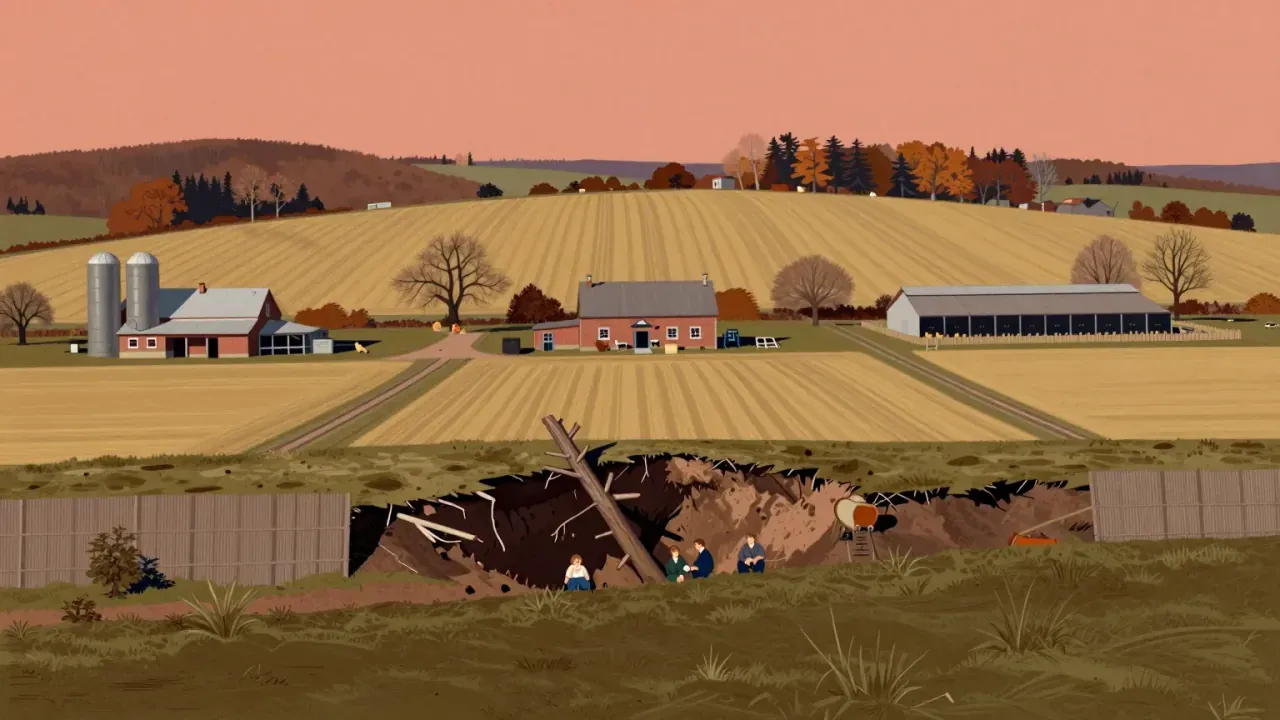
In a hidden Colombian valley, the Madrigal family's magic house grants every grandchild a power except Mirabel, who sets out to learn why the magic is failing. Directors Jared Bush and Byron Howard built the story from a research trip through Colombia, with Lin-Manuel Miranda's songs doing the work of introducing a dozen major characters.
13:00

Everything Everywhere All at Once

Dan Kwan, Daniel Scheinert · 2022

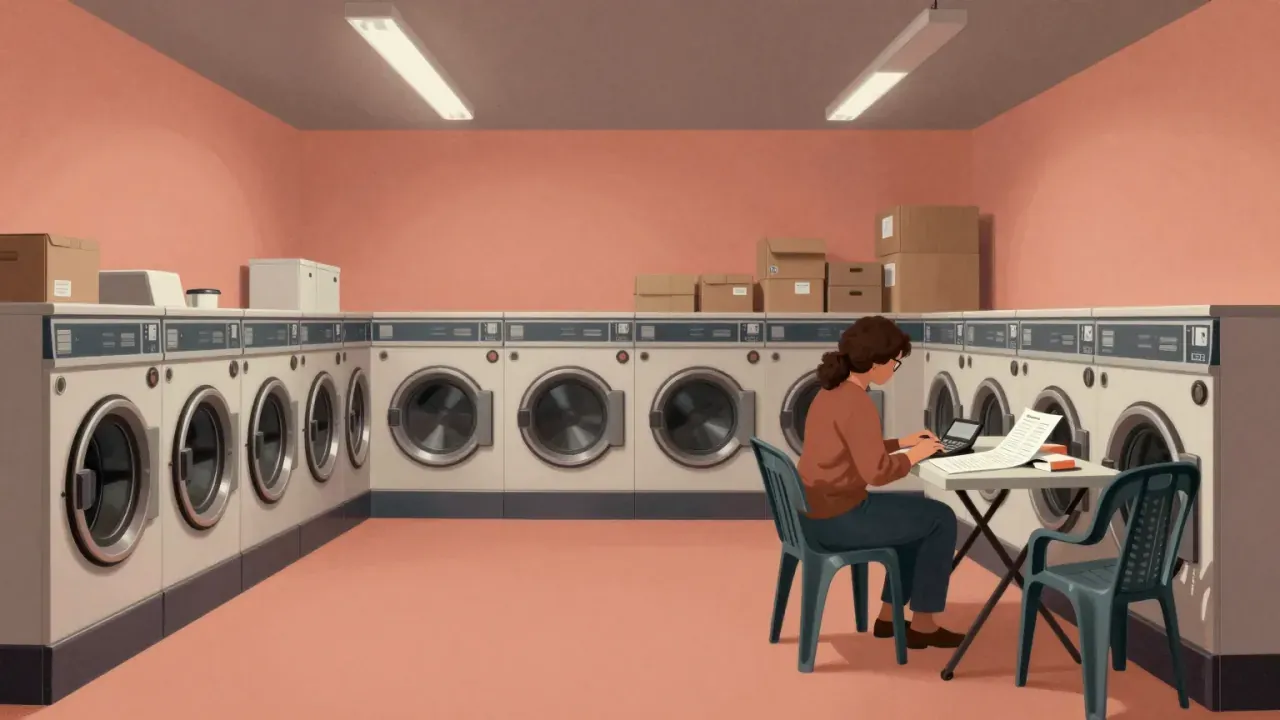
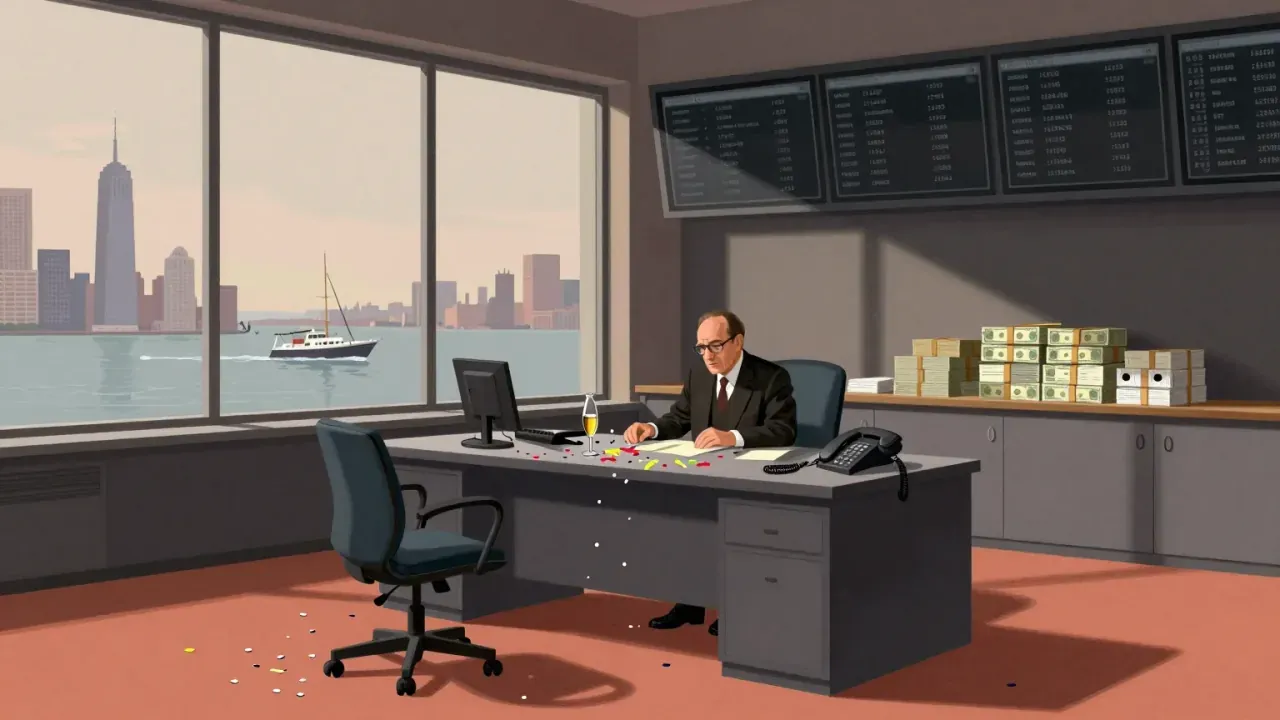
Michelle Yeoh plays a laundromat owner dragged into a battle across parallel universes while her actual life — a failing business, a strained daughter, a tax audit — keeps intruding on the spectacle. Written for Jackie Chan before Kwan and Scheinert rebuilt it around a mother and daughter, the film pairs handmade, in-house visual effects with a script that keeps returning to a marriage and a laundromat no matter how far the story wanders.
13:00

Fantasia

James Algar, Samuel Armstrong, Ford Beebe Jr., Norm Ferguson · 1940

Fantasia sets eight animated sequences to classical pieces conducted by Leopold Stokowski, introduced on screen by critic Deems Taylor, ranging from abstract shapes moving to Bach to dancing hippos set to Ponchielli. It began as The Sorcerer's Apprentice, a Mickey Mouse vehicle whose spiralling budget only made sense as part of something larger; Disney and RCA built a pioneering multi-speaker sound system, Fantasound, specifically to give the film's roadshow release a sound quality no cinema of 1940 otherwise offered.

13:00

Fantastic Mr. Fox

Wes Anderson · 2009

George Clooney voices a fox whose one last heist against three farmers turns into a siege on his whole underground community. Wes Anderson's 2009 stop-motion adaptation of Roald Dahl keeps the plot but reshapes the tone into something drier and more personal.

13:00

Fantastic Planet

René Laloux · 1973

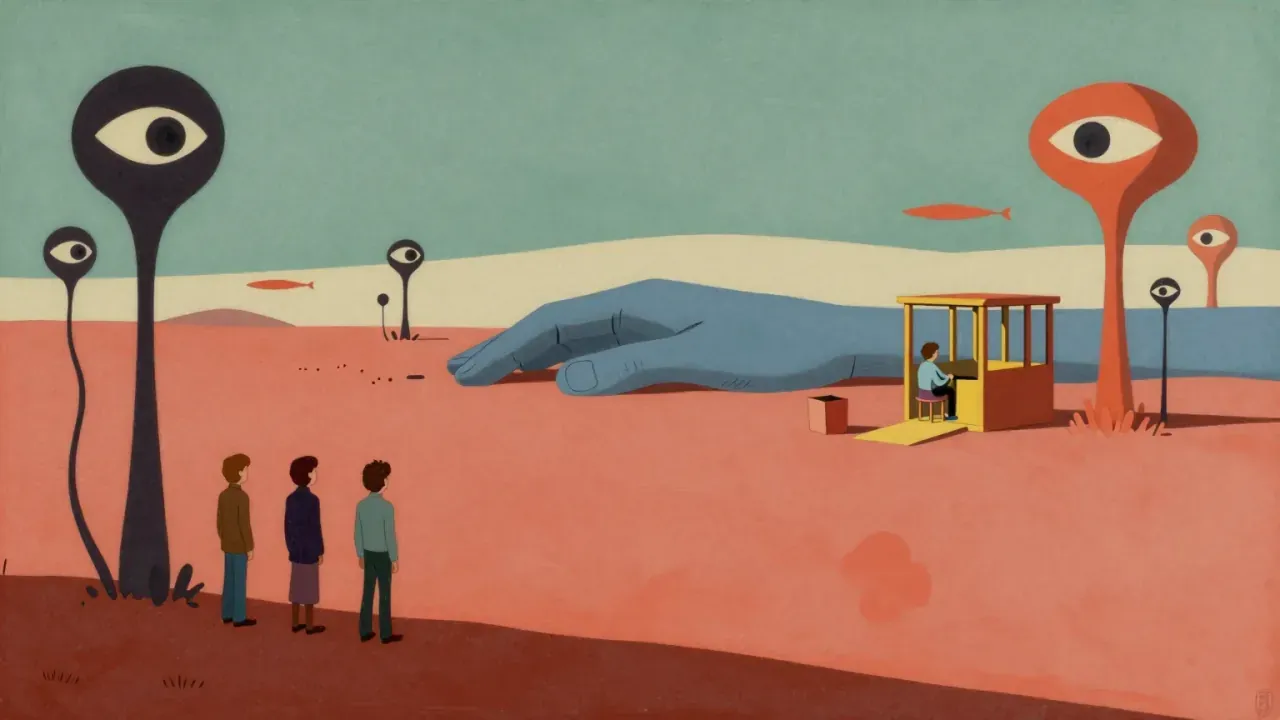
On the planet Ygam, humans called Oms are kept as pets or exterminated as vermin by the giant Draags, until an orphaned Om named Terr escapes his owner with a stolen education headset and helps organise a rebellion. René Laloux directed this 1973 French-Czechoslovak co-production, animated at Prague's Jiří Trnka Studio from designs by Roland Topor, based on Stefan Wul's 1957 novel Oms en série.

13:00

Fitzcarraldo

Werner Herzog · 1982

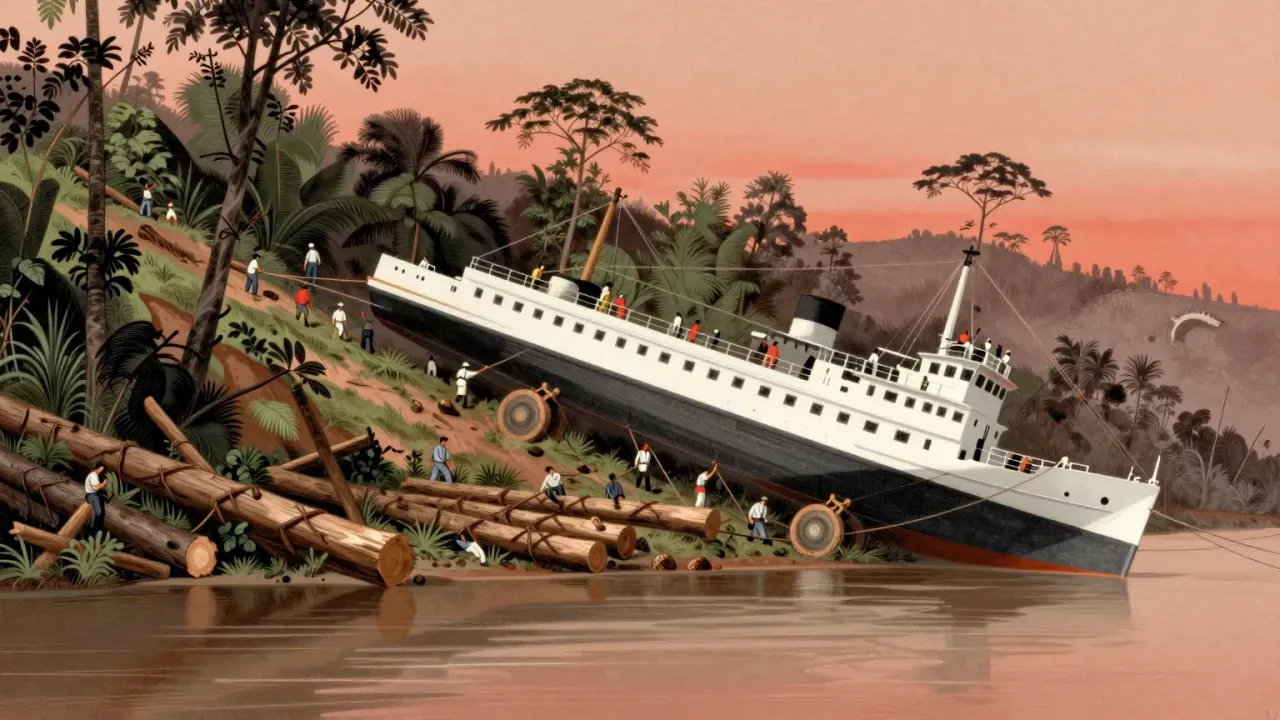
Werner Herzog's 1982 account of an Irish rubber-boom dreamer who portages a real steamship over a Peruvian hillside to fund an opera house, filmed with a real ship, a volatile Klaus Kinski, and none of the effects that would have made it easier.

13:00

Frozen

Chris Buck, Jennifer Lee · 2013

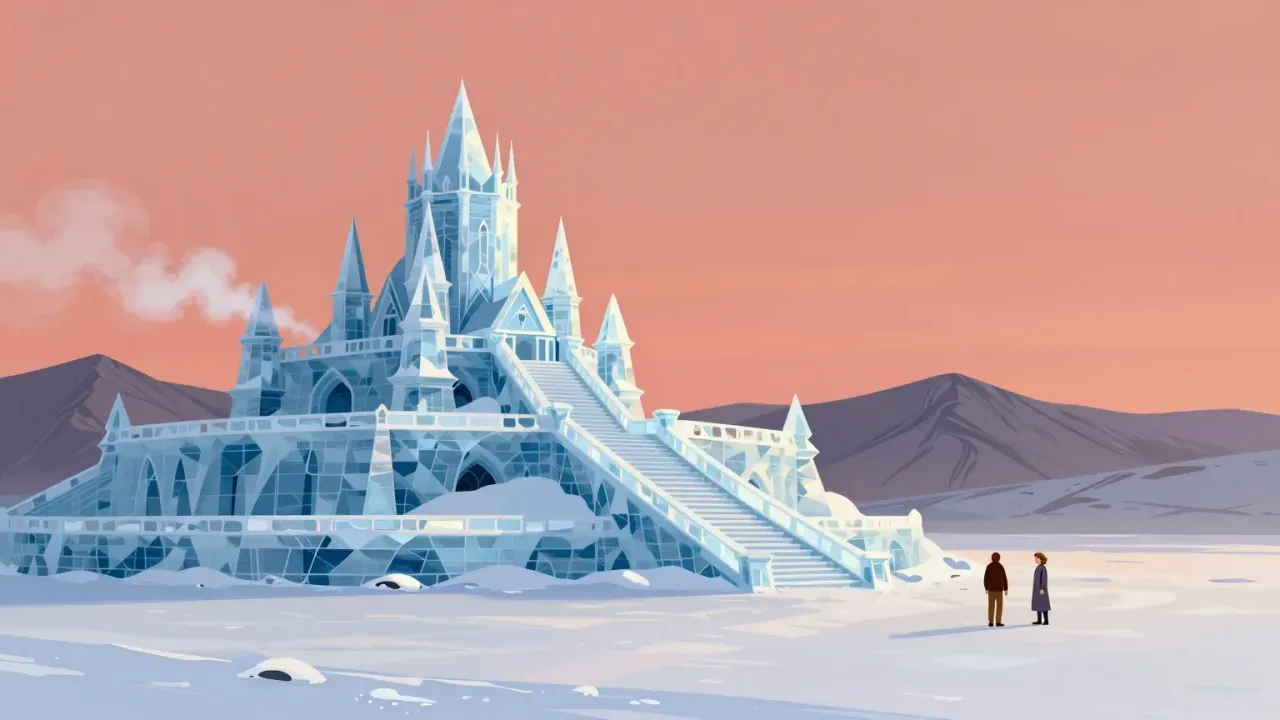
Two royal sisters are separated by one sister's uncontrollable ice powers, and the younger one sets out to bring her home rather than defeat her. Chris Buck and Jennifer Lee's 2013 film reworks Hans Christian Andersen's Snow Queen into a story about repair between siblings rather than romance.

13:00

Full Metal Jacket

Stanley Kubrick · 1987

Stanley Kubrick's 1987 war film, shot entirely around London, splits into a Parris Island boot-camp section under a savage drill instructor and a Tet Offensive combat section in Hue. Built from Gustav Hasford's novel with Michael Herr, and carried by R. Lee Ermey's largely self-written performance, it argues that training, not combat, is where a soldier is actually made.

13:00

How to Train Your Dragon

Dean DeBlois, Chris Sanders · 2010

An undersized Viking teenager befriends the rare dragon he was supposed to kill, and in doing so undoes his village's entire way of understanding its enemy. Dean DeBlois and Chris Sanders's 2010 film pairs a straightforward friendship story with unusually grounded visual craft.

13:00

Howl's Moving Castle

Hayao Miyazaki · 2004

Howl's Moving Castle adapts Diana Wynne Jones's novel about a young milliner cursed into old age by a witch, who ends up living in a wizard's walking castle as a war between two kingdoms escalates around them. Hayao Miyazaki directed the film for Studio Ghibli after an earlier director departed, and it took $236 million against a $24 million budget, becoming one of the most commercially successful Japanese films ever made and winning a Nebula Award for Best Script.

13:00

Klaus

Sergio Pablos · 2019

A spoiled postal cadet exiled to a feuding Arctic town discovers that a reclusive toymaker's handmade gifts can be used to bribe warring children into good behaviour, and the scheme he runs to hit his delivery quota accidentally invents Christmas as it is now understood. Sergio Pablos, directing after years animating for Disney's hand-drawn era, built Klaus specifically to argue that traditional animation, sidelined industry-wide since the 1990s, still had a commercial future.

13:00

Kubo and the Two Strings

Travis Knight · 2016

In a fictionalised feudal Japan, a one-eyed boy named Kubo earns a living by animating paper figures with music, until his grandfather's ghostly aunts arrive to finish what took his eye in infancy. Travis Knight's directorial debut for Laika pairs handmade stop-motion craft, inspired by ukiyo-e woodblock printing, with a quest plot that leans harder on grief and loss than most animated adventures aimed at children.

13:00

Lilo & Stitch

Chris Sanders, Dean DeBlois · 2002

Lilo & Stitch follows an orphaned Hawaiian girl who adopts what she thinks is a stray dog, not realizing he's an escaped, genetically engineered weapon being hunted across the galaxy. Directed by Chris Sanders and Dean DeBlois, the film cost $80 million, grossed $273 million worldwide, and won an Annie Award, building its story around the Hawaiian concept of extended family rather than a generic redemption arc.

13:00

Marcel the Shell with Shoes On

Dean Fleischer Camp · 2021

A documentary filmmaker moves into an Airbnb and finds Marcel, a talking, one-inch-tall shell living there with his grandmother Connie, and starts filming his daily routines. When the resulting videos make Marcel briefly famous, he has to decide whether that attention can actually help him find the family he lost years earlier.

13:00

Nimona

Nick Bruno, Troy Quane · 2023

Framed for the Queen's murder, disgraced knight Ballister teams up with Nimona, a shapeshifter with no interest in explaining herself, to clear his name in a medieval-futuristic kingdom. Originally a Blue Sky Studios production cancelled when Disney shut the studio down in 2021, the film was revived by Annapurna and Netflix and completed by a new creative team.

13:00

One Hundred and One Dalmatians

Clyde Geronimi, Hamilton Luske, Wolfgang Reitherman · 1961

Two London Dalmatians, Pongo and Perdita, cross the country to rescue their kidnapped puppies from the fur-obsessed socialite Cruella de Vil, picking up 84 more stolen Dalmatians along the way. Adapted from Dodie Smith's novel by Bill Peet, the only writer credited on the finished script, the film used a new Xerox transfer process to keep costs down after Sleeping Beauty's expensive failure had studio executives openly discussing whether animation was worth continuing at all — and the film's box-office success settled that question decisively.

13:00

Paprika

Satoshi Kon · 2006

A stolen dream-sharing device lets a psychologist's alter ego, the detective Paprika, chase a saboteur through other people's nightmares. Satoshi Kon's 2006 feature, adapted from Yasutaka Tsutsui's novel, folds one dream into another until the seams between them disappear.

13:00

Pinocchio

Ben Sharpsteen, Hamilton Luske, Norm Ferguson, T. Hee · 1940

A woodcarver's puppet is brought to life and told he must prove himself brave, truthful and unselfish before he can become a real boy, guided — imperfectly — by a cricket appointed as his conscience. Made for $2.5 million as Disney's second feature, the film pushed effects animation further than Snow White had, rendering water, smoke and lightning with a level of realism the studio hadn't attempted before, even as it lost money on first release when the war cut off its overseas markets.

13:00

Pom Poko

Isao Takahata · 1994

Pom Poko follows a colony of shapeshifting tanuki in the hills outside Tokyo as they organize, and ultimately fail, to stop a suburban development project from destroying their forest home across three decades. Isao Takahata wrote and directed for Studio Ghibli, drawing on Japanese bake-danuki folklore and crediting several folklorists and illustrators for the tanuki's designs and lore. The film topped Japan's box office in 1994, taking in ¥4.47 billion, and won the Grand Prix at Annecy the following year.

13:00

Puss in Boots: The Last Wish

Joel Crawford · 2022

Down to his last of nine lives, Puss in Boots teams up with Kitty Softpaws and an unflappably cheerful dog named Perrito to chase the Wishing Star's last wish, while a wolf who is actually Death hunts him across a string of fairy-tale locations. Director Joel Crawford borrowed the painterly, Spider-Verse-influenced visual style DreamWorks had just built for The Bad Guys.

13:00

Rango

Gore Verbinski · 2011

A pet chameleon stranded in the desert invents a tough-guy persona to survive a lawless town, and the fiction becomes real enough to matter. Gore Verbinski's 2011 animated Western leans on genre homage and an unusually cinematic visual approach for an animated film.

13:00

Reservoir Dogs

Quentin Tarantino · 1992

Quentin Tarantino's 1992 debut follows six career criminals, known to each other only by colour-coded aliases, after a jewellery heist collapses within minutes. Confined largely to one warehouse and told through flashbacks rather than the robbery itself, it built its reputation on tense dialogue, a single notorious torture scene, and its influence on the crime cinema that followed it.

13:00

Run Lola Run

Tom Tykwer · 1998

Franka Potente plays Lola, who has twenty minutes to find 100,000 marks and save her boyfriend Manni from a violent debt collector, and Tom Tykwer's 1998 film runs the same twenty minutes three times, letting split-second differences in Lola's path — a man with a dog, a delay on the stairs — cascade into wildly different outcomes for everyone she passes. Told through a mix of live action, animation and still-photo flash-forwards, it became the highest-grossing German film of its year.

13:00

Scarface

Brian De Palma · 1983

Brian De Palma's 1983 remake of Howard Hawks' original relocates the story to Miami's 1980 Mariel boatlift, with Oliver Stone's screenplay tracking a Cuban refugee's rise through the cocaine trade under Al Pacino at his most excessive. Giorgio Moroder's synthesizer score and a mansion-siege finale that a visiting Steven Spielberg helped shoot gave the film an afterlife in pop culture far larger than its mixed initial reviews suggested.

13:00

Shaun the Sheep Movie

Richard Starzak, Mark Burton · 2015

When a scheme to win the flock a day off sends their amnesiac farmer rolling into the city inside his own caravan, Shaun and Bitzer follow him into a world built for humans, disguised as people, while an animal control officer closes in. Richard Starzak and Mark Burton's stop-motion feature keeps the television series' silence intact across eighty-five minutes, betting the visual gag can hold a full plot rather than just a sketch.

13:00

Shrek

Andrew Adamson, Vicky Jenson · 2001

Shrek expands William Steig's picture book into a feature that spends most of its runtime mocking the Disney fairy-tale formula it also structurally depends on, following an ogre who strikes a deal to rescue a princess in exchange for getting his swamp back. Directed by Andrew Adamson and Vicky Jenson for DreamWorks, it grossed $484 million against a $60 million budget and became the first film to win the Academy Award for Best Animated Feature.

13:00

Sleeping Beauty

Clyde Geronimi, Les Clark, Eric Larson, Wolfgang Reitherman · 1959

Princess Aurora is cursed at birth to die by a spinning wheel's needle, saved instead by three fairies who soften the curse to a deep sleep breakable only by true love's kiss, while the evil fairy Maleficent works to see the original curse fulfilled anyway. Designed around Eyvind Earle's tapestry-like visual style, drawing on pre-Renaissance European art, and scored using Tchaikovsky's 1889 ballet, the film took nearly ten years and $6 million to complete, making it Disney's most expensive animated feature at the time — and, on release, one of its most costly failures.

13:00

Snow White and the Seven Dwarfs

David Hand, William Cottrell, Wilfred Jackson, Larry Morey · 1937

Snow White and the Seven Dwarfs follows the fairy-tale plot closely — a jealous queen, a poisoned apple, seven miners who take in a runaway princess — but its significance is in what it proved possible: a full-length animated feature with distinct character personalities, made for $1.5 million after two years of story meetings that discarded far more ideas than they kept. Industry figures dismissed it in advance as Disney's Folly; it opened at the Carthay Circle Theatre in December 1937 and changed what a cartoon was allowed to be.

13:00

South Park: Bigger, Longer & Uncut

Trey Parker · 1999

Trey Parker and Matt Stone expand their Comedy Central series into a full musical: four boys learn a stream of profanity from an R-rated movie, a parental panic follows, and the United States ends up declaring war on Canada. Made for $21 million and released by Paramount, it took $83 million worldwide and became the highest-grossing R-rated animated film at the time, earning an Academy Award nomination for the song Blame Canada.

13:00

Suzume

Makoto Shinkai · 2022

Seventeen-year-old Suzume Iwato joins a young door-closer named Souta, who is turned into a three-legged chair partway through their journey, on a trip across Japan sealing doors that release a giant, earthquake-triggering worm. The third film in Makoto Shinkai's disaster trilogy, following Your Name and Weathering with You, draws directly on the 2011 Tohoku earthquake and tsunami.

13:00

The Jungle Book

Wolfgang Reitherman · 1967

Mowgli, a boy raised by wolves in the Indian jungle, is walked toward the safety of a human village by the panther Bagheera and the bear Baloo while the tiger Shere Khan hunts him. Story artist Bill Peet developed an early, darker treatment closer to Rudyard Kipling's original stories before Walt Disney rejected it as unsuited to a family audience, replacing Peet with a new writing team who leaned into comedy and music instead. It became the last animated feature Disney oversaw personally before his death partway through production.

13:00

The Little Mermaid

John Musker, Ron Clements · 1989

John Musker and Ron Clements's 1989 adaptation of Hans Christian Andersen's fairy tale follows mermaid princess Ariel as she trades her voice to the sea witch Ursula for a chance at life on land and a human prince's love. Built around a Broadway-style score by Howard Ashman and Alan Menken, it became Disney's biggest hit in years and is widely credited with launching the Disney Renaissance.

13:00

The Mitchells vs. The Machines

Mike Rianda, Jeff Rowe · 2021

Katie Mitchell, days from leaving for film school and still at odds with her earnest, technology-suspicious father, is stuck on a cross-country family road trip when a smartphone-assistant uprising begins rounding up humanity. Mike Rianda and Jeff Rowe's Sony Pictures Animation feature, produced by Phil Lord and Christopher Miller, pairs a hand-painted visual style adapted from Into the Spider-Verse's animation technology with a script built from Rianda's own family history and childhood fascination with robots.

13:00

The Red Turtle

Michaël Dudok de Wit · 2016

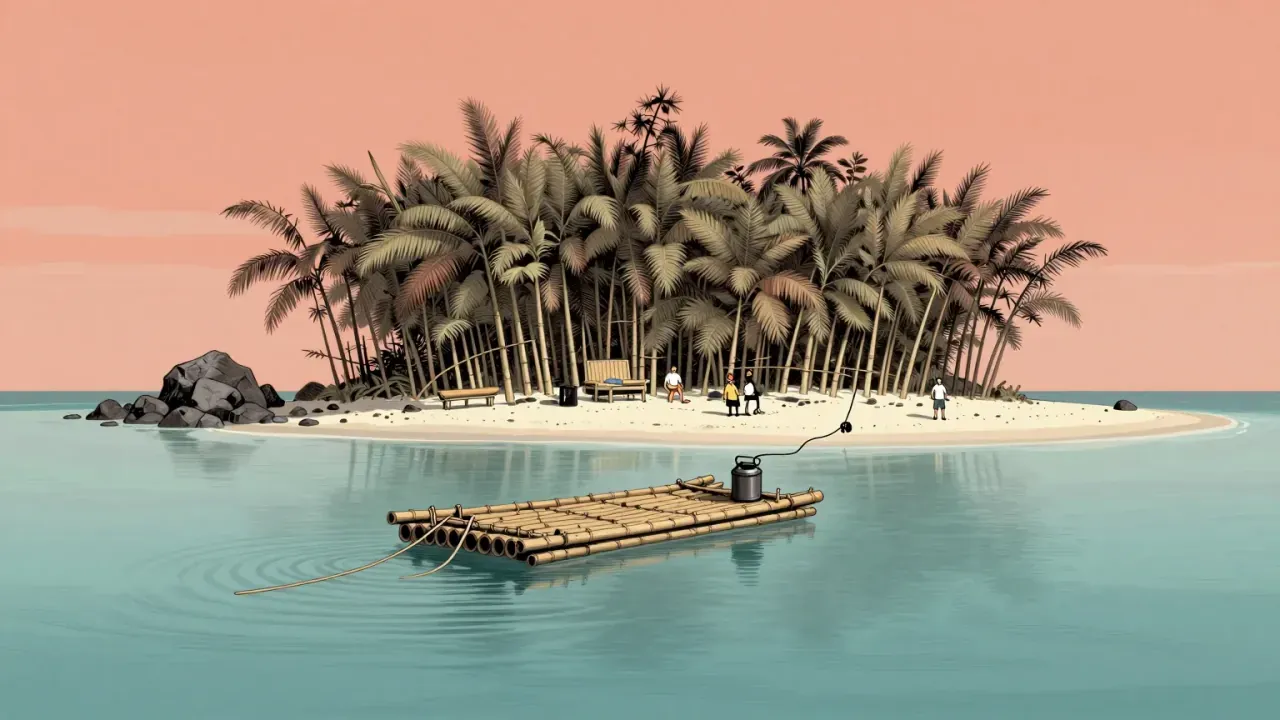
A shipwrecked man's repeated attempts to leave an uninhabited island are sabotaged by a giant red sea turtle, and his violent response to it sets in motion a transformation that reshapes his life on the island rather than ending it. Michaël Dudok de Wit's feature debut, made at Hayao Miyazaki's suggestion after he saw the director's short Father and Daughter, tells its entire story without a single word of dialogue across three generations on one stretch of sand.

13:00

The Secret of NIMH

Don Bluth · 1982

A widowed field mouse named Mrs. Brisby has to move her sick son before the farmer's plough destroys their home, and finds help among a colony of unusually intelligent rats who escaped a laboratory years earlier. Don Bluth directed the film as his debut after leaving Disney's animation department with several colleagues in 1979 to found an independent studio, taking on a book Disney had rejected twice before, adding mystical elements not present in the source novel, and finishing the whole project on a tighter budget and schedule than the studio he'd left would have allowed.
13:00

The Wind Rises

Hayao Miyazaki · 2013

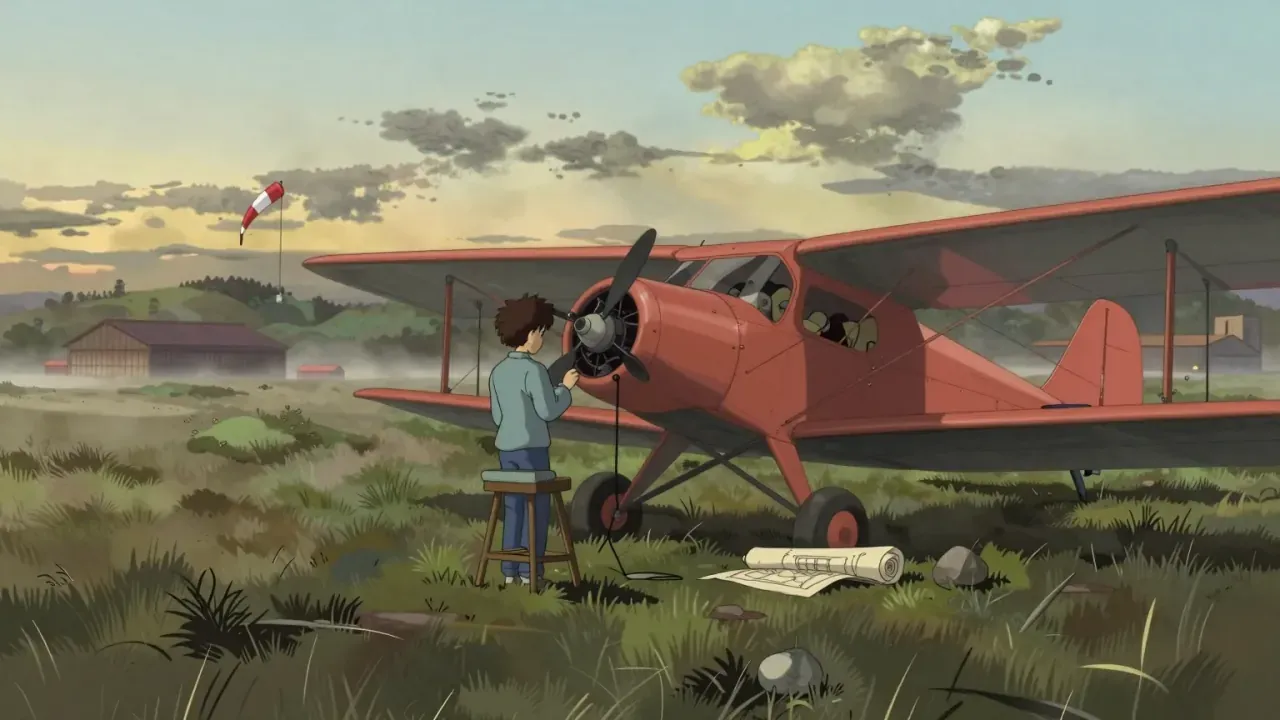
A fictionalised account of aeronautical engineer Jiro Horikoshi, who dreamed of flight but could only design the machines rather than pilot them himself. Hayao Miyazaki's 2013 film pairs a delicate romance with the uncomfortable fact of what Horikoshi's designs became.

13:00

The Wolf of Wall Street

Martin Scorsese · 2013

The Wolf of Wall Street follows Jordan Belfort's rise from a junior broker to the head of Stratton Oakmont, a firm built on pump-and-dump stock schemes, told almost entirely through his own boastful narration. Martin Scorsese directs Leonardo DiCaprio, Jonah Hill and Margot Robbie in a three-hour account, adapted by Terence Winter from Belfort's memoir, that stages fraud as slapstick and addiction as spectacle without ever pulling back to show what any of it cost the people on the other end of the trades.
13:00

Toy Story 4

Josh Cooley, John Lasseter · 2019

Woody, no longer Bonnie's favourite toy, follows a homemade spork named Forky on a road trip and is reunited with the long-lost Bo Peep, who has built an independent life as a lost toy rather than an owned one. Josh Cooley, who replaced original director John Lasseter partway through a lengthy development process, uses that reunion to reopen a question Toy Story 3 seemed to have already settled: what a toy is actually for once being loved by a child stops being guaranteed.

13:00

Watership Down

Martin Rosen, John Hubley · 1978

A small group of rabbits flees their doomed warren on a premonition of disaster and treks across the English countryside to found a new one, clashing along the way with the totalitarian warren of Efrafa under General Woundwort. Martin Rosen took over direction from John Hubley partway through production, financed the film through a British consortium, and released it in 1978 to an audience unsure what age it was made for.

13:00

Weathering with You

Makoto Shinkai · 2019

Hodaka, a runaway sixteen-year-old scraping by in Tokyo, teams up with Hina, an orphaned girl who can part the rain with a prayer, to sell her ability as a paid service during an unusually long, disaster-scale downpour. Shinkai's follow-up to Your Name, again scored by Radwimps, pushes his interest in weather and disaster further than its predecessor by making the couple's happiness and the city's survival mutually exclusive, and then letting a teenager choose.

13:00

Who Framed Roger Rabbit

Robert Zemeckis · 1988

Robert Zemeckis's 1988 noir comedy places a toon-hating private eye in an alternate 1947 Hollywood where cartoon characters live alongside humans, tasking him with clearing Roger Rabbit of a murder. Produced by Disney and Amblin with animation supervised by Richard Williams, it required Disney to negotiate cameo rights with Warner Bros. and other studios, and became the second-highest-grossing film of 1988.

13:00

Yellow Submarine

George Dunning · 1968

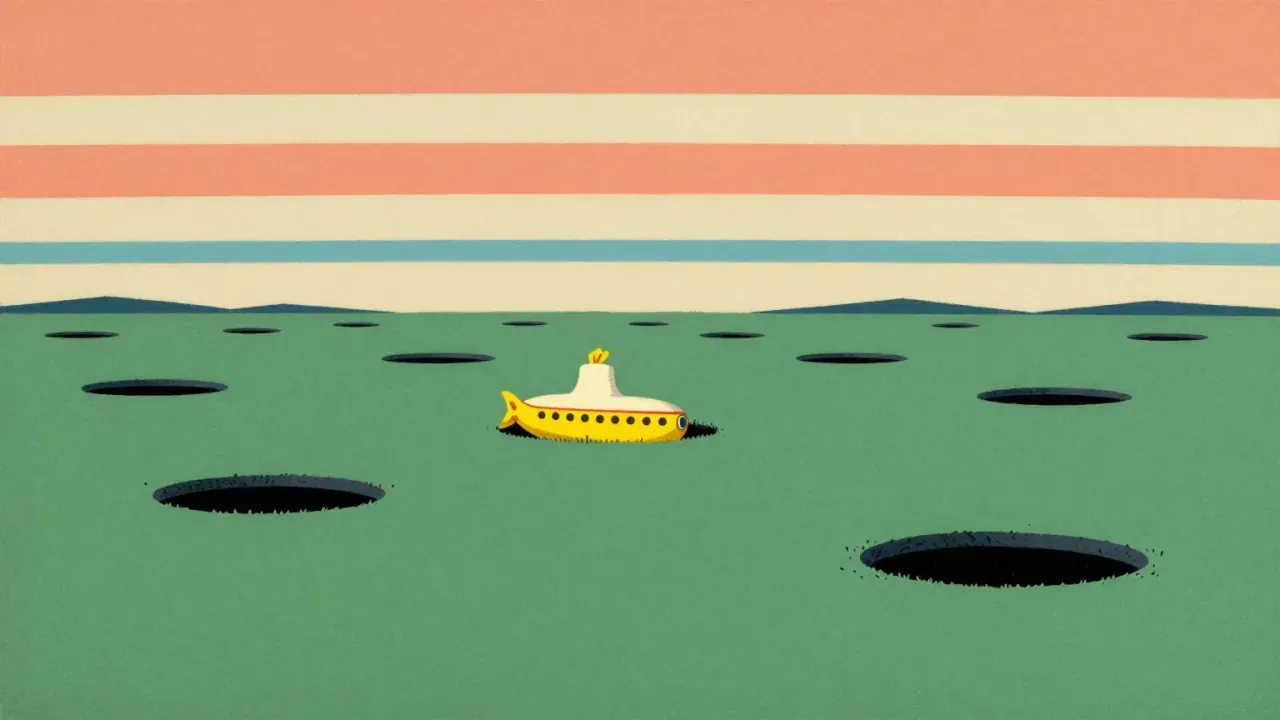
The Beatles' animated counterparts, voiced by actors rather than the band themselves, sail to Pepperland to save it from the music-hating Blue Meanies, with the story mostly serving as connective tissue between sequences built around individual songs. George Dunning directed, with art director Heinz Edelmann's psychedelic pop-art style giving the film a visual identity that outlived its plot.

13:00

Zootopia

Byron Howard, Rich Moore, Jared Bush · 2016

Judy Hopps, the first rabbit on the Zootopia police force, partners against her will with Nick Wilde, a fox con artist, to solve a missing-mammal case that exposes prejudice baked into the city's design. Byron Howard and Rich Moore's Disney feature restructures a buddy-cop plot around predator-prey tension, using new fur-simulation software and years of zoo research to render a mammal metropolis that looks, and argues, like it was built for its inhabitants rather than around them.

13:00

A Lesson in Love

Ingmar Bergman · 1954

A Lesson in Love (1954) is Ingmar Bergman’s gently ironic study of a Stockholm marriage tested by professional pride, quiet restlessness, and a charming patient. Starring Eva Dahlbeck and Gunnar Björnstrand, it trades existential gravity for domestic nuance, using light comedy and unhurried observation to explore love as daily practice rather than grand declaration. Shot by Martin Bodin and scored by Dag Wirén, it remains a subtle, underseen pivot in Bergman’s career — modest in scope, exact in execution.

13:00

A Room in Town

Jacques Demy · 1982

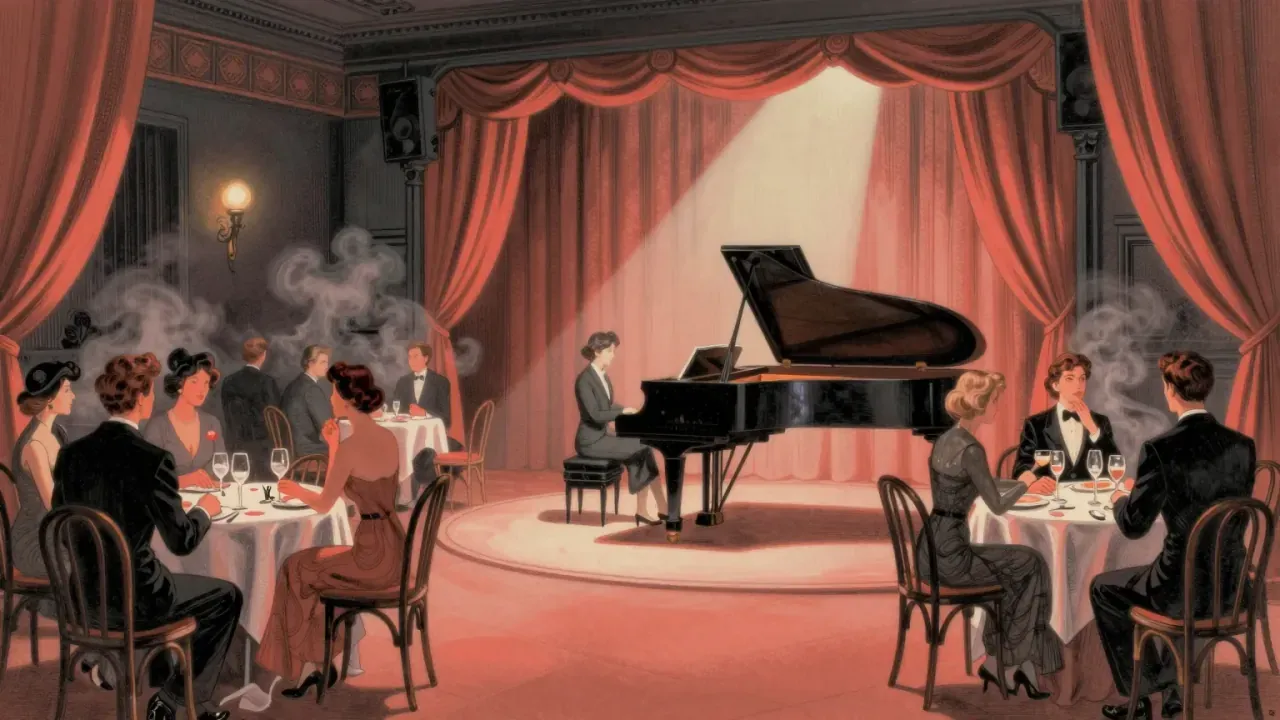
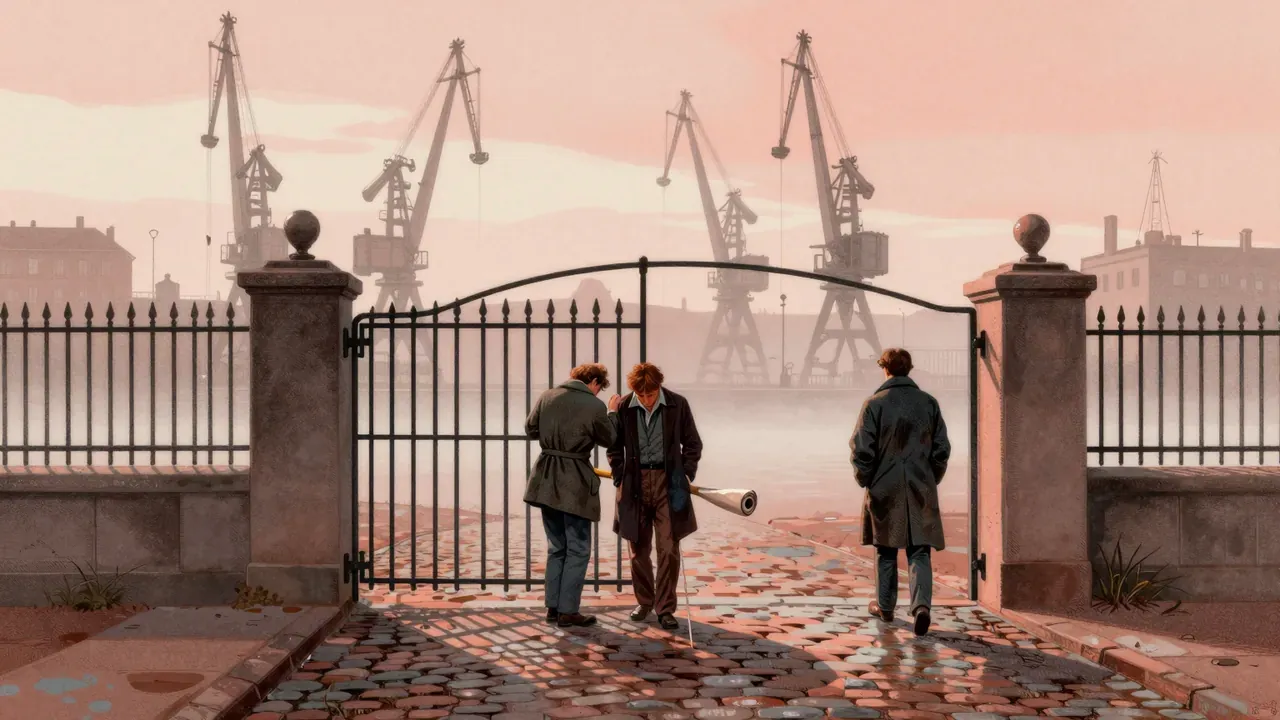
Jacques Demy’s 1982 sung-through musical, set during the 1955 Nantes shipyard strike, follows a young striker torn between two women as political tension escalates. Every line is sung to Michel Colombier’s austere score; Jean Penzer’s cinematography is precise and unflashy. Though less buoyant than The Umbrellas of Cherbourg, it pursues a graver, more politically explicit vision of musical storytelling — one where melody carries ideology, and tragedy arrives in perfect time.

13:00

A Ship Bound for India

Ingmar Bergman · 1947

A Ship Bound for India (1947) is Ingmar Bergman’s third feature and first original screenplay, co-written with Martin Söderhjelm. Set in a Swedish port town, it follows Johannes, who returns after seven years at sea and dreams of his teenage years under his domineering, blind-bound father. Built around a single extended flashback, the film charts Johannes’s slow assertion of self amid familial cruelty, unrequited love, and physical stigma — all rendered with stark, unhurried realism and no stylistic flourish.

13:00

A Story of Floating Weeds

Yasujirō Ozu · 1934

A Story of Floating Weeds (1934) is Yasujirō Ozu’s silent drama about an ageing kabuki actor who revisits a provincial town to see the son he abandoned years earlier. With minimal intertitles and a restrained visual style, the film traces quiet tensions between duty and desire, permanence and transience, across a travelling troupe and a rooted family. Shot by Hideo Shigehara and edited by him, it relies on composition, rhythm, and understated performance rather than exposition or climax.

13:00

A Wedding Suit

Abbas Kiarostami · 1976

A Wedding Suit (1976) is Abbas Kiarostami’s 54-minute comedy made for Iran’s Institute for the Intellectual Development of Children and Young Adults. A woman orders a suit for her son to wear to a wedding; her tailor’s apprentice and two friends secretly try it on overnight. Structured around quiet observation and precise, unhurried staging, the film finds humour and humanity in small-scale decisions, material detail, and the unspoken rhythms of adolescent collaboration. It contains no score, minimal dialogue, and no overt commentary — its concerns are procedural, spatial, and tactile.

13:00

Afire

Christian Petzold · 2023

Christian Petzold’s Afire follows a brittle young writer whose self-absorption fractures under the pressure of shared space, honest criticism, and an approaching forest fire. Set in a Baltic holiday home, the film traces his slow disorientation as relationships shift and catastrophe interrupts narrative control. With restrained performances and unadorned craft, it asks how people begin to see clearly only after their stories stop holding.

13:00

All These Women

Ingmar Bergman · 1964

Ingmar Bergman’s 1964 comedy All These Women is a stylised, colour-saturated parody of artistic biography and authorial myth-making. Set over four days at a summer villa, it follows a biographer unable to meet his subject — a cellist surrounded by lovers, each performing a version of devotion. With Sven Nykvist’s precise cinematography and Erik Nordgren’s waltz-and-dissonance score, the film sustains a tone of elegant, unrelenting artifice. It is among Bergman’s few comedies, and his first in colour — a formal departure that underscores its thematic preoccupation with surface, performance, and the unreliability of memory.

13:00

And God Created Woman

Roger Vadim · 1956

Roger Vadim’s 1956 debut stars Brigitte Bardot as Juliette, an orphaned teenager whose unselfconscious sensuality disrupts the social order of Saint-Tropez. Built around Bardot’s physical presence rather than psychological depth, it uses repetition, framing and coastal light to stage a quiet rebellion against convention. Though commercially explosive and culturally seismic — especially in its censored US release — it resists narrative resolution or moral commentary. Its power lies in what it enacted, not what it explained.

13:00

And the Ship Sails On

Federico Fellini · 1983

Set aboard the luxury liner Gloria N. in July 1914, Federico Fellini’s And the Ship Sails On follows a funeral voyage to scatter the ashes of a legendary opera singer. Through journalist Orlando’s wry narration, the film assembles a gallery of caricatured aristocrats, artists, and dignitaries — all performing grief, status, and obsession aboard a vessel that doubles as a stage, museum, and mausoleum. Giuseppe Rotunno’s cinematography and Dante Ferretti’s sets sustain a lush, theatrical artifice, while Gianfranco Plenizio’s score underscores the film’s blend of grandeur and gentle absurdity. The voyage ends not with resolution but with sinking — literal and metaphorical — as the ship founders amid cannon fire and butterflies.

13:00

Androcles and the Lion

Chester Erskine, Nicholas Ray · 1952

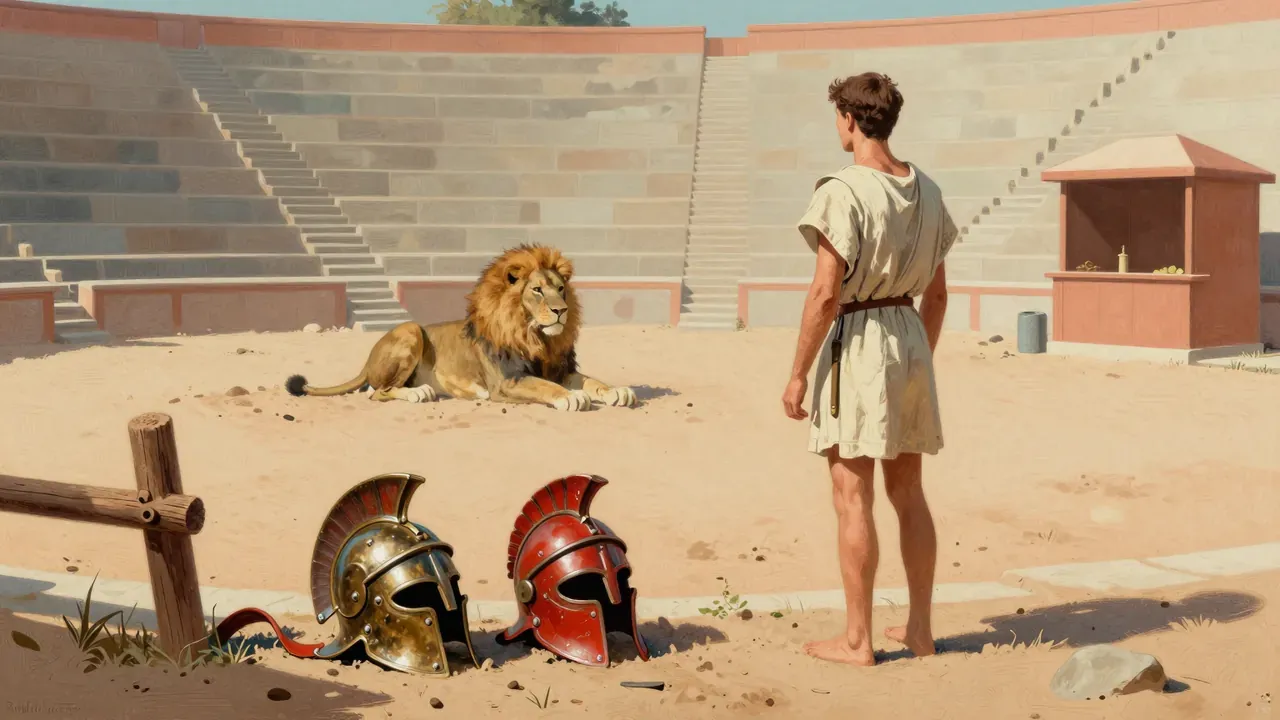
RKO’s 1952 Androcles and the Lion adapts George Bernard Shaw’s 1912 play with strict fidelity to his text, casting Alan Young as a gentle Christian tailor who befriends a lion in the Roman wilderness. Directed by Chester Erskine and Nicholas Ray, it foregrounds verbal wit over visual spectacle, staging philosophical debate in studio-bound sets. Though reshoots added arena theatrics, the film’s strength remains its unflinching commitment to Shaw’s irony, pacifism, and bureaucratic satire—making it a rare, talkative anomaly in the sword-and-sandal cycle.

13:00

Anna's Meetings

Chantal Akerman · 1978

Chantal Akerman’s 1978 film follows Anne Silver, a Belgian filmmaker travelling across Western Europe to promote her work. She meets lovers, friends, family and strangers, but remains emotionally detached. Shot in restrained, observational style by Jean Penzer and edited by Francine Sandberg, the film builds its power through duration, repetition and unspoken tension — culminating in Anne alone, listening to unanswered messages. It is a study in autonomy, exhaustion and the quiet persistence of loneliness.

13:00

Armageddon

Michael Bay · 1998

A 1998 American action film directed by Michael Bay, Armageddon follows a team of oil drillers recruited by NASA to destroy a Texas-sized asteroid hurtling toward Earth. With a $140 million budget and an ensemble cast including Bruce Willis, Ben Affleck and Liv Tyler, it prioritises emotional clarity, physical craft and relentless momentum over scientific plausibility or psychological nuance. Though critically divided, it became the highest-grossing film of 1998 and remains a benchmark for large-scale, character-driven spectacle.

13:00

As Tears Go By

Wong Kar-wai · 1988

Wong Kar-wai’s 1988 debut follows Wah, a Mong Kok triad enforcer, as he tries to manage his volatile friend Fly while growing close to his cousin Ngor, who visits from Lantau Island. Shot in naturalistic tones by Andrew Lau and edited with deliberate slowness by William Chang, the film grounds crime-drama tropes in quiet consequence rather than spectacle. Its power lies in restraint: in Andy Lau’s muted performance, Maggie Cheung’s understated presence, and the unforced contrast between urban claustrophobia and island stillness. Though structurally uneven in its second half, it establishes Wong’s enduring concerns — time, loyalty, and the geography of longing.

13:00

Babo 73

Robert Downey Sr. · 1964

Babo 73 is a 1964 American underground comedy directed by Robert Downey Sr., presenting a surreal, non-narrative campaign for a fictional presidential candidate named Babo. Shot on 16mm in black and white, it uses repetition, deadpan delivery, and jagged editing to dissect the performative emptiness of political theatre. With no score, minimal dialogue, and no character development, it operates as a formal experiment in anti-rhetoric—less satire than structural diagnosis.

13:00

Baby Boy

John Singleton · 2001

John Singleton’s 2001 crime drama follows Joseph 'Jody' Summers, a 20-year-old South Central LA resident navigating fatherhood, fractured relationships, and the quiet pressure to grow up. Anchored by Tyrese Gibson’s layered performance and grounded in domestic realism, the film traces Jody’s incremental shift from evasion to accountability — not through grand gestures, but through repeated, often awkward choices. Its power lies in specificity, restraint, and its refusal to separate personal failure from structural constraint.

13:00

Bamboozled

Spike Lee · 2000

Spike Lee’s 2000 film Bamboozled follows a Black television writer who creates a modern minstrel show as a cynical ploy to get fired—only to see it become a hit. Shot partly on Mini DV and partly on Super 16, it blends satire, drama and documentary-style montage to confront the persistence of racist imagery in American media. Though critically divisive on release, it has since been reappraised for its prescience and added to the National Film Registry.

13:00

Barcelona

Whit Stillman · 1994

Whit Stillman’s 1994 romantic comedy follows two American cousins — a salesman and a naval officer — navigating love, language, and ideology in post-Franco Barcelona. Written and directed by Stillman, it forms the second part of his 'Doomed Bourgeois in Love' trilogy. With Taylor Nichols, Chris Eigeman, and Mira Sorvino, the film uses precise dialogue, deliberate pacing, and understated performances to explore miscommunication across cultures, classes, and generations.

13:00

Basquiat

Julian Schnabel · 1996

Julian Schnabel’s 1996 directorial debut is a biographical film about Jean-Michel Basquiat, starring Jeffrey Wright and David Bowie as Warhol. Made without access to Basquiat’s actual artwork, it relies on stylistic approximation and a self-reflexive script co-written by Schnabel and Lech Majewski. The film traces Basquiat’s rapid ascent and decline in 1980s New York, foregrounding his relationship with Warhol and his struggle with addiction. Its strength lies in texture and restraint; its limitation, in the narrowing of Basquiat’s voice, politics and heritage to fit Schnabel’s personal elegy.

13:00

Baxter, Vera Baxter

Marguerite Duras · 1977

Baxter, Vera Baxter (1977) is a French arthouse drama written and directed by Marguerite Duras. Set largely in a rented seaside villa, it follows Vera Baxter as she receives two visitors and recounts fragments of her marriage. With Delphine Seyrig, Noëlle Châtelet, and Claudine Gabay, the film uses stillness, repetition, and architectural framing to explore existential exhaustion, bourgeois entrapment, and the silent circuits of duty. Carlos d’Alessio’s sparse score and unhurried editing reinforce its austere tone.

13:00

Bed and Board

François Truffaut · 1970

François Truffaut’s 1970 film follows Antoine Doinel and Christine as newlyweds navigating Parisian domestic life: a cramped apartment, a faltering job, the birth of their son, and Antoine’s brief, hollow affair with a Japanese woman. Shot by Néstor Almendros with restrained naturalism, it avoids moralising or climax, instead observing the textures of habit, compromise, and quiet endurance. It is the fourth in Truffaut’s Doinel cycle and stands apart for its unblinking, unsentimental portrayal of marriage as daily practice rather than emotional event.

13:00

Beyond the Law

Norman Mailer · 1968

Norman Mailer’s 1968 film is a self-financed, largely unscripted experiment set over one night in a Manhattan police station, following detectives and suspects through interrogations, lineups, and personal fallout. Shot with three crews over four nights, it uses improvisation to probe the psychological and ethical continuities between law enforcement and criminality — a theme Mailer pursued across his writing. Though technically rough and narratively diffuse, its rawness serves its purpose: to show power not as policy but as habit, posture, and proximity.

13:00

Beyond the Valley of the Dolls

Russ Meyer · 1970

Beyond the Valley of the Dolls (1970) is a Russ Meyer–Roger Ebert collaboration: a knowingly excessive, tonally unstable parody of Valley of the Dolls and Hollywood itself. Made quickly on the Fox lot, it blends teen melodrama, rock musical, exploitation thriller and moral fable — all delivered with poker-faced solemnity. Its cult status rests on its deliberate incoherence, not despite it.

13:00

Bim

Albert Lamorisse · 1950

A forty-five-minute French drama from 1950, written by Jacques Prévert and Albert Lamorisse and directed by Lamorisse. It follows a boy in rural France whose life is structured around his dog — until the dog disappears. With no score, minimal dialogue, and deliberate pacing, the film traces grief through gesture, silence, and the persistence of routine.

13:00

Birth

Jonathan Glazer · 2004

Jonathan Glazer’s 2004 film Birth follows Anna, a woman who becomes convinced that her deceased husband has been reborn in a ten-year-old boy. Shot in New York with Haris Savides, scored by Alexandre Desplat, and anchored by Nicole Kidman’s restrained performance, it is a psychological mystery that sustains ambiguity as principle. It does not confirm or deny the boy’s claim, instead focusing on the weight of Anna’s belief, the erosion of shared reality among those around her, and the quiet devastation of love that refuses to expire. Polarising on release, it has since gained recognition for its formal rigour and emotional precision.

13:00

Bitter Rice

Giuseppe De Santis · 1949

Giuseppe De Santis’s 1949 Bitter Rice follows two thieves hiding among female rice workers in Piedmont, blending neorealist location shooting with melodramatic collapse. Silvana Mangano’s debut performance anchors a film preoccupied with labour, legality, and the corrosive allure of American cultural imports — all rendered in Otello Martelli’s stark, waterlogged visuals.

13:00

Black Moon

Louis Malle · 1975

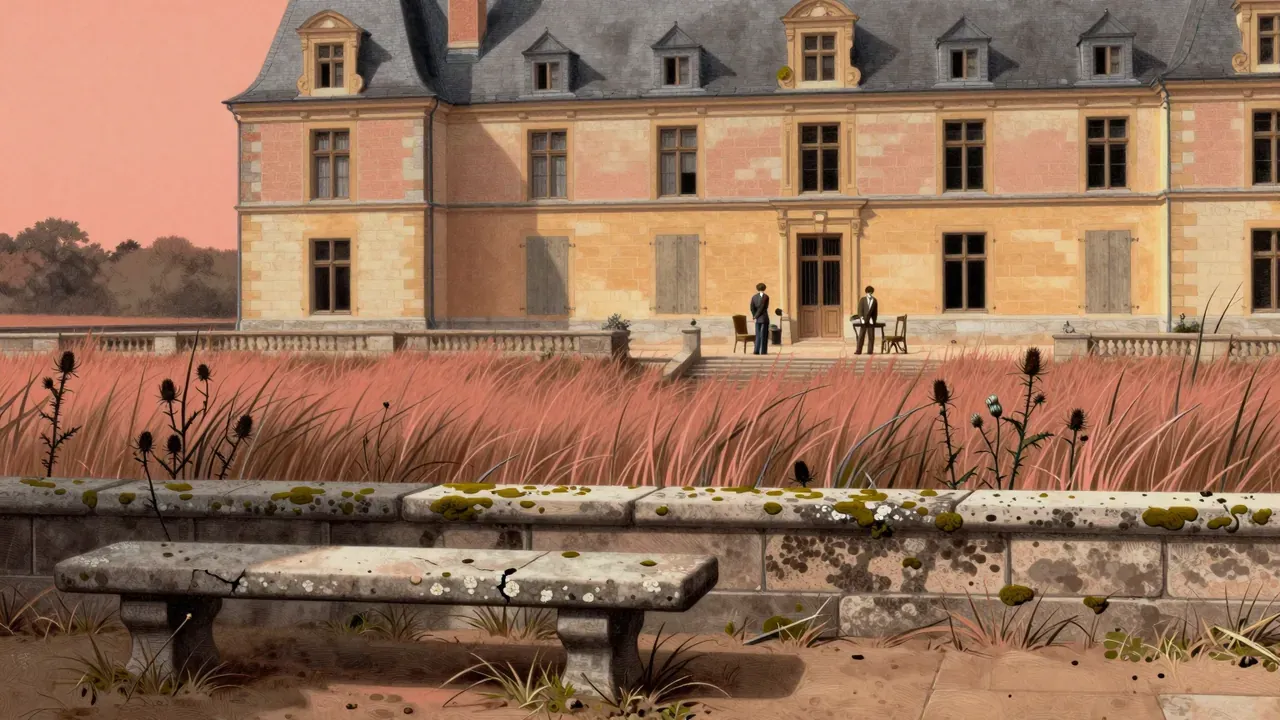
Louis Malle’s 1975 Black Moon is a self-contained, English-language French fantasy filmed at his Dordogne estate. Cathryn Harrison plays Lily, a young woman fleeing gendered violence who stumbles into a decaying château inhabited by talking animals, resurrected elders, telepathic siblings and a judging unicorn. Shot by Sven Nykvist with deliberate under-lighting and edited for hypnotic slowness, it rejects narrative logic in favour of sustained mood and symbolic recurrence. Though divisive, it won César Awards for cinematography and sound.

13:00

Black Sun

Koreyoshi Kurahara · 1964

Black Sun (1964), directed by Koreyoshi Kurahara for Nikkatsu, follows Akira, a young Japanese thief, and Gill, an injured African-American soldier, as they move silently toward the sea after a violent encounter. Shot in high-contrast monochrome, with sparse music by Toshiro Mayuzumi and Max Roach, it uses jazz records, ruined architecture, and deliberate pacing to explore connection without translation. Its themes centre on embodied difference, failed communication, and freedom as ascent rather than arrival.

13:00

Blaise Pascal

Roberto Rossellini · 1972

Roberto Rossellini’s 1972 biographical film follows Blaise Pascal’s intellectual and spiritual path from scientific prodigy to Jansenist recluse. Starring Pierre Arditi and shot by Mario Fioretti, it prioritises fidelity to Pascal’s writings over dramatic convention, using restrained performance, flat natural lighting, and sparse music to render ideas as embodied acts. It lands most strongly as a study of intellectual exhaustion and the physical cost of certainty — but falters in situating Pascal’s ideas within their historical and political consequences.

13:00

Blithe Spirit

David Lean · 1945

David Lean’s 1945 Blithe Spirit adapts Noël Coward’s stage comedy with formal care and muted energy. Shot in Technicolor by Ronald Neame, it preserves the play’s wit and structure while adding exterior scenes and a controversial new ending. Margaret Rutherford’s Madame Arcati anchors the film, but Rex Harrison and Kay Hammond struggle to translate their stage roles to screen. The film’s strength lies in its textures — domestic detail, vocal rhythm, restrained visual effects — not in narrative drive or emotional revelation. Though commercially disappointing in 1945, it endures as a document of mid-century British craft and constraint.

13:00

Blonde Venus

Josef von Sternberg · 1932

Blonde Venus (1932), directed by Josef von Sternberg and starring Marlene Dietrich, follows a chemist’s wife who returns to the cabaret stage to fund her husband’s life-saving treatment, then descends into flight, poverty, and arrest before a fragile reconciliation. Its power lies not in plot but in Dietrich’s commanding presence, Bert Glennon’s high-contrast cinematography, and a formal insistence on dignity amid degradation — all within the constrained moral universe of pre-Code Hollywood.

13:00

Blood for Dracula

Paul Morrissey, Antonio Margheriti · 1974

Blood for Dracula (1974) is a co-credited Paul Morrissey–Antonio Margheriti splatter film starring Udo Kier as a dying Count Dracula who travels to pre-Fascist Italy seeking virgin blood, only to find sexual candour, Marxist rhetoric, and aristocratic bankruptcy instead. Shot in France with an English-speaking cast, it uses gothic tropes to dissect legitimacy, scarcity, and ideological exhaustion. Luigi Kuveiller’s underlit cinematography and Claudio Gizzi’s sparse score reinforce its clinical tone. Though released as Andy Warhol’s Dracula, Warhol’s involvement was nominal. The film opened to mixed reviews and remains a singular artefact of 1970s arthouse-horror hybridity.

13:00

Blow Up My Town

Chantal Akerman · 1968

Blow Up My Town is a 13-minute Belgian short film directed by and starring Chantal Akerman, released in 1968. Filmed in French in a single domestic interior with no edits or soundtrack, it follows a solitary woman performing mundane kitchen tasks before an off-screen explosion ends the film. It belongs to Akerman’s early structuralist period, sharing concerns with time, repetition, and the charged ordinariness of domestic space. Though obscure and formally austere, it functions as a precise calibration of attention — less a story than a sustained observation of how routine holds latent force.

13:00

Body and Soul

Oscar Micheaux · 1925

Oscar Micheaux’s 1925 silent drama Body and Soul stars Paul Robeson in his film debut as a criminal posing as a preacher in a Black Southern town. After two re-edits forced by New York censors, the surviving five-reel version tells a morally charged story of deception, violation, and a dream-framed reckoning. Though technically rudimentary and narratively fractured, it remains a landmark of African-American independent cinema — selected for the National Film Registry in 2019 for its cultural and historical significance.

13:00

Border Radio

Allison Anders · 1987

Border Radio is a low-budget 1987 American road movie directed by Allison Anders, documenting the fraying edges of West Coast punk and cowpunk culture. Following unpaid musicians who rob a club and flee toward Mexico, the film prioritises texture over plot, using non-professional performers and diegetic music to evoke a specific time and place — not as nostalgia, but as lived, unvarnished reality.

13:00

Bottle Rocket

Wes Anderson · 1996

Wes Anderson’s 1996 debut follows three Texas friends attempting increasingly ill-conceived robberies, not for money or thrills but to inhabit roles — planner, accomplice, driver — that confer identity and connection. Shot with flat, frontal precision by Robert Yeoman and scored with wry minimalism by Mark Mothersbaugh, it treats ambition, failure, and affection with equal, unblinking calm.

13:00

Bowling for Columbine

Michael Moore · 2002

Michael Moore’s 2002 documentary uses the Columbine massacre as a lens to examine America’s relationship with guns, fear, and violence. Through staged interventions, selective interviews, and associative editing, it builds a case against cultural complacency — not by proving single causes, but by exposing patterns of denial, profit, and performance. It won the Academy Award for Best Documentary and remains a touchstone for debates about advocacy filmmaking.

13:00

Boy Meets Girl

Leos Carax · 1984

Leos Carax’s 1984 debut is a black-and-white French drama following Alex, a jaded aspiring filmmaker, and Mireille, a woman teetering on self-erasure, as their paths intersect in a heat-struck Paris. Built on eavesdropping, misdirection, and withheld emotion, it privileges texture over trajectory—using tight framing, sparse sound, and restrained performances to evoke post-adolescent stasis. Though structurally reliant on coincidence and stylistically indebted to the French New Wave, its emotional precision and formal control mark an unmistakable arrival.

13:00

Brink of Life

Ingmar Bergman · 1958

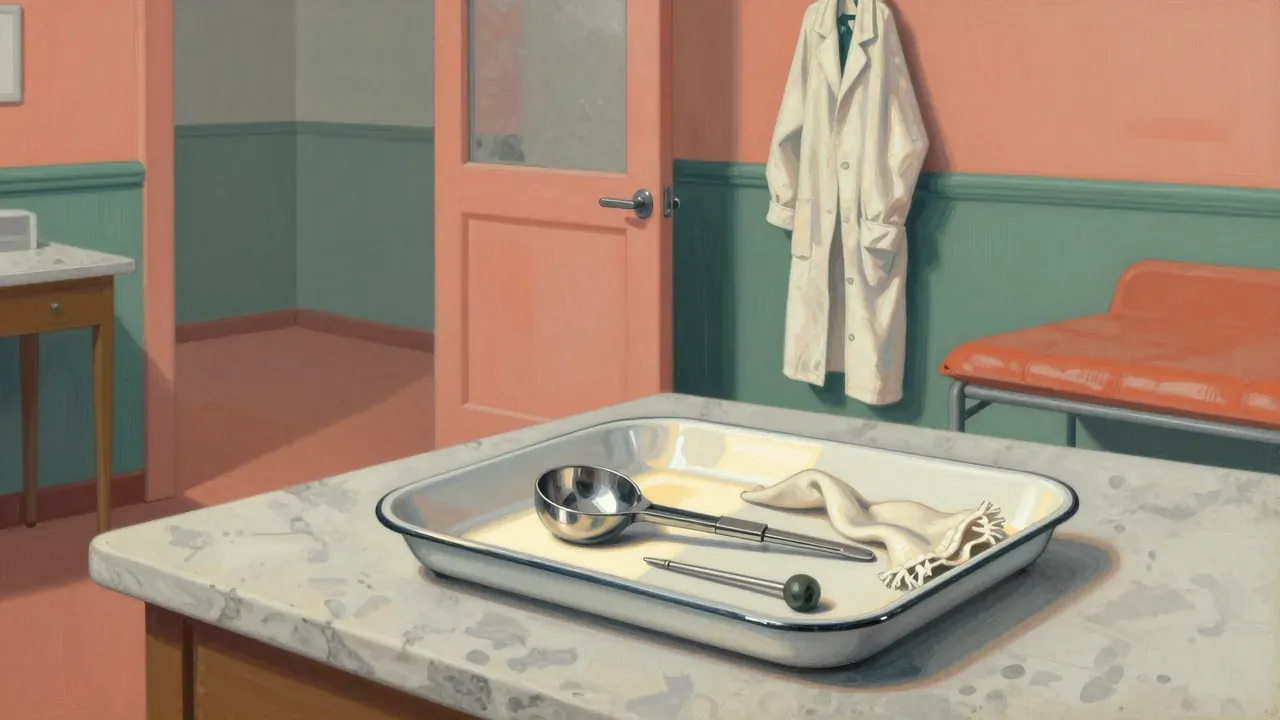
Ingmar Bergman’s 1958 hospital drama observes three pregnant women — one miscarrying, one facing an unwanted pregnancy, one enduring a stillbirth — within the unadorned confines of a Swedish maternity ward. Shot with clinical precision by Max Wilén and written by Ulla Isaksson, it trades psychological exposition for procedural realism, letting silence, duration and restraint carry its moral weight.

13:00

Buck and the Preacher

Sidney Poitier · 1972

Sidney Poitier’s 1972 directorial debut Buck and the Preacher recasts the Western around the Exoduster movement: Buck (Poitier) leads freed people westward, negotiates with Native Americans for safe passage, and allies with the sharp-tongued Reverend Rutherford (Harry Belafonte) to evade white marauders. Shot in Mexico and Kenya, with cinematography by Alex Phillips Jr. and music by Benny Carter, it balances action with quiet realism — prioritising collective survival over individual legend. Though its villains lack nuance and some plot devices feel functional, its commitment to Black self-determination, material history, and genre reclamation remains potent.

13:00

Caesar and Cleopatra

Gabriel Pascal · 1945

Gabriel Pascal’s 1945 Technicolor film adapts George Bernard Shaw’s 1901 play with near-verbatim fidelity. Starring Vivien Leigh and Claude Rains, it follows Cleopatra’s tutelage under Caesar during the Siege of Alexandria. Lavish in scale but restrained in execution, it privileges dialogue, idea and historical procedure over spectacle or sentiment. Though a financial failure on release, it endures as a rare example of British studio craft applying philosophical seriousness to ancient subject matter.

13:00

Calcutta

Louis Malle · 1969

Louis Malle’s 1969 documentary Calcutta observes the city over 105 minutes without narration, interviews, or explanatory text. Shot on location in 1967–68, it relies on long takes, ambient sound, and unmediated access to street life, ritual, and labour. Its method is observational, its stance unflinching but unjudging. It offers no synthesis — only duration, texture, and the quiet insistence of the real.

13:00

Capricious Summer

Jiří Menzel · 1968

Jiří Menzel’s 1968 Czechoslovak comedy follows three middle-aged men — a bathhouse owner, a retired artillery major and a local canon — over three rainy summer days at an abandoned resort. Their routines are disrupted by the arrival of a touring tightrope walker and his assistant, prompting a series of small, overlapping seductions, humiliations and quiet reconciliations. Shot in soft colour by Jaromír Šofr and performed with understated precision, the film treats desire, ageing and social ritual as weather systems — persistent, unpredictable, ultimately indifferent to individual will.

13:00

Cartesius

Roberto Rossellini · 1974

Roberto Rossellini’s 1974 biographical film Cartesius follows René Descartes’ intellectual discipline across 152 minutes of restrained, daylight-lit scenes. Starring Ugo Cardea and scored by Mario Nascimbene, it treats philosophy as embodied practice — writing, walking, pausing, revising — rather than as doctrine or drama. Produced by Renzo Rossellini, it belongs to Rossellini’s late pedagogical phase, prioritising method over myth.

13:00

César

Marcel Pagnol · 1936

Marcel Pagnol’s 1936 César closes his Marseille Trilogy with Raimu, Pierre Fresnay, and Orane Demazis returning as César, Marius, and Fanny. Twenty years after Marius sailed away, his son Césariot learns the truth of his paternity — and sets in motion a slow, socially intricate reckoning. Set entirely in and around Marseille, the film favours conversational rhythm over plot mechanics, regional texture over spectacle, and moral ambiguity over resolution. Its 168-minute runtime demands patience, but repays it with layered performances and a deeply felt sense of place and consequence.

13:00

Chafed Elbows

Robert Downey Sr. · 1966

Robert Downey Sr.’s 1966 underground comedy Chafed Elbows uses still photography, post-dubbed dialogue, and radical role doubling to dismantle narrative cinema from within. Shot for $12,000, mostly on 35mm stills developed at Walgreens, it follows Walter Dinsmore’s hallucinatory day at the 1964 World’s Fair — a sequence of grotesque, satirical episodes held together by rhythm and repetition rather than logic. Though technically crude and structurally fractured, it remains a pivotal work of American experimental film: abrasive, intelligent, and deliberately unsustainable as entertainment.

13:00

Chasing Amy

Kevin Smith · 1997

Kevin Smith’s third feature follows comic artist Holden McNeil as he falls for lesbian writer Alyssa Jones, fracturing his lifelong friendship with Banky Edwards. Shot on a $250,000 budget in New York, the film uses talk, not spectacle, to explore jealousy, sexual history, and the limits of empathy. It won Independent Spirit Awards for Best Screenplay and Best Supporting Male (Jason Lee), and remains a defining — if contested — entry in 90s American indie cinema.

13:00

Che Part 2: Guerrilla

Steven Soderbergh · 2008

Che Part 2: Guerrilla follows Ernesto Guevara’s 1965–67 Bolivian campaign as a procedural collapse: dwindling supplies, failed communications, eroding morale, and mounting isolation. Directed by Steven Soderbergh and starring Benicio del Toro, it avoids mythmaking in favour of granular, unsentimental chronology — treating revolution as logistics, not legend.

13:00

Choose Me

Alan Rudolph · 1984

Alan Rudolph’s Choose Me is a 1984 romantic comedy-drama set in a neon-lit Los Angeles bar, where a drifter, a bar owner, and a radio host orbit each other in a cycle of concealment and confession. Shot in three weeks on a modest budget, it favours mood and gesture over exposition, with performances that withhold as much as they reveal. Its themes—self-deception, persona, and urban isolation—are sustained through Jan Kiesser’s dusky cinematography and Phil Woods’ smoky score. Though structurally loose and emotionally elusive, it coheres as a singular, unhurried tone poem about choosing, again and again, without certainty.

13:00

Christ Stopped at Eboli

Francesco Rosi · 1979

Francesco Rosi’s 1979 adaptation of Carlo Levi’s memoir follows a Turin intellectual exiled to rural Basilicata under Fascism. Shot on location in crumbling villages, it renders poverty, superstition and resilience without sentiment or exposition. Gian Maria Volonté plays Levi as observer first, healer second, and the film’s power lies in its patient, unsparing gaze—not on suffering, but on what power ignores.

13:00

Circus Angel

Albert Lamorisse · 1965

Albert Lamorisse’s 1965 Circus Angel follows a burglar who joins a travelling circus to evade arrest but continues stealing in his spare time, all while navigating its fragile community and tentative romance. Shot in France with a restrained, observational style, it uses fantasy not as spectacle but as a lens for ethical ambiguity and transient belonging. Though its loose structure and muted romance divide opinion, its visual cohesion and tonal discipline make it a distinctive, unhurried work of mid-century arthouse cinema.

13:00

Come on Children

Allan King · 1973

Allan King’s 1973 documentary observes Toronto teenagers living unsupervised on a rural Ontario farm for ten weeks. Filmed in early 1971 with no script, no narration beyond a brief opening statement, and no adult presence, it tracks their self-organisation, conflicts and quiet routines. Its power lies in sustained observation, not interpretation — a demanding, unsentimental portrait of adolescence as lived practice rather than developmental phase.

13:00

Corridors of Blood

Robert Day · 1958

Corridors of Blood (1958) is a British horror-drama starring Boris Karloff as Dr. Thomas Bolton, an 1840s surgeon whose pioneering work with anaesthetic gases leads to professional ruin, addiction, and entanglement with criminals. Directed by Robert Day and shot by Geoffrey Faithfull, it trades gothic excess for moral austerity, using tight framing, chiaroscuro lighting, and Karloff’s restrained performance to trace a downward spiral rooted in cause and effect. Though hampered by repetitive plotting and thin characterisation in places, it remains a coherent, atmospheric study of scientific vocation undone by human frailty.

13:00

Crash

David Cronenberg · 1996

David Cronenberg’s 1996 adaptation of J.G. Ballard’s novel follows a television producer drawn into a subculture obsessed with the erotic potential of car crashes. Shot with clinical precision by Peter Suschitzky and scored with mechanical restraint by Howard Shore, the film treats trauma, technology and desire as interlocking systems — not metaphors, but conditions. Its performances are muted, its pacing deliberate, its conclusions withheld. It remains a polarising, formally exacting work of arthouse cinema.