filmbriefs
Highest rated

All briefs

2035 briefs · 26452 min · 1729–1824 on page 19 of 22
13:00

Crisis

Ingmar Bergman · 1946

Ingmar Bergman’s 1946 debut Crisis adapts a Danish radio play into a tightly plotted Swedish drama about an 18-year-old girl torn between her stern foster mother and her glamorous, compromised biological mother. Shot in studio-bound naturalism by Oscar Rosander, it traces Nelly’s journey from village innocence to urban disillusionment and back — not as psychological evolution but as a series of ethically weighted decisions. Its strength lies in structural rigour and moral specificity; its weakness in underdeveloped psychology and tonal uncertainty in the city sequences.
13:00

Cruel Gun Story

Takumi Furukawa · 1964

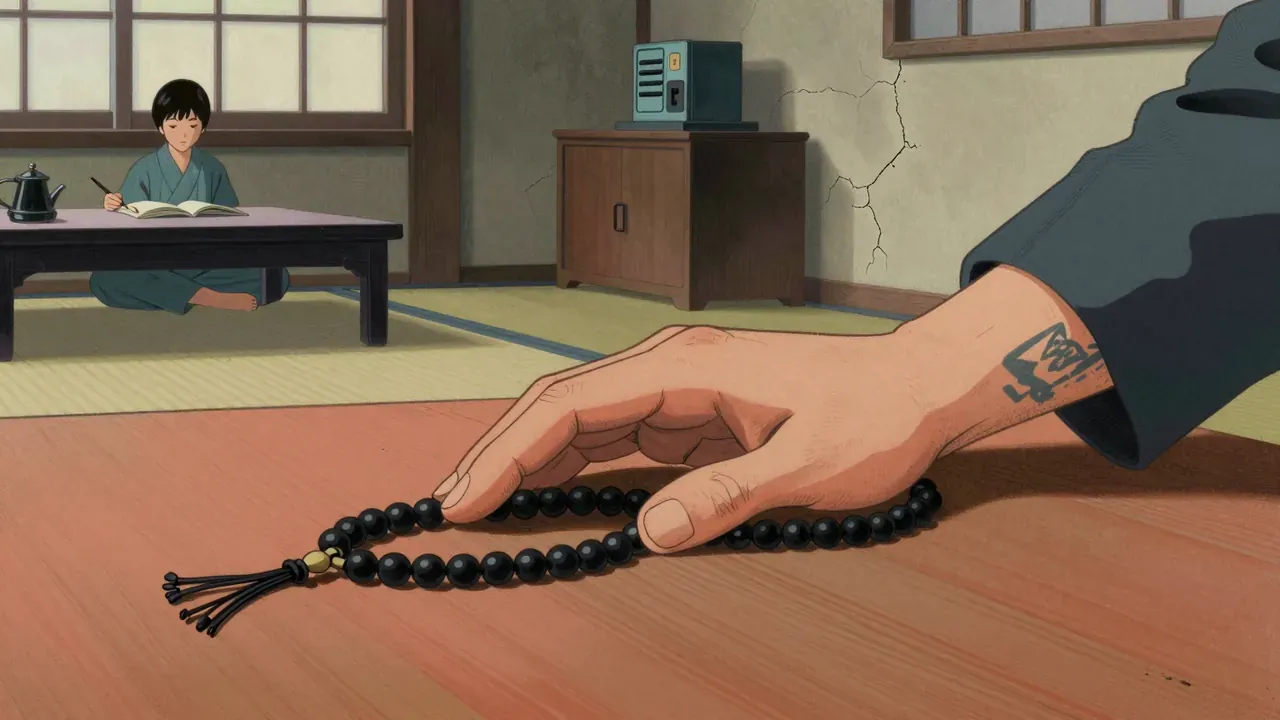
Takumi Furukawa’s 1964 Cruel Gun Story follows ex-convict Joji Togawa as he leads a heist for a yakuza boss, only to be betrayed and drawn into escalating violence. Starring Joe Shishido and Chieko Matsubara, it is a tightly wound crime film grounded in moral exhaustion rather than glamour or catharsis — its power lies in its restraint, its downfall in its late departure from that discipline.

13:00

David Lynch: The Art Life

Jon Nguyen, Rick Barnes, Olivia Neergaard-Holm · 2016

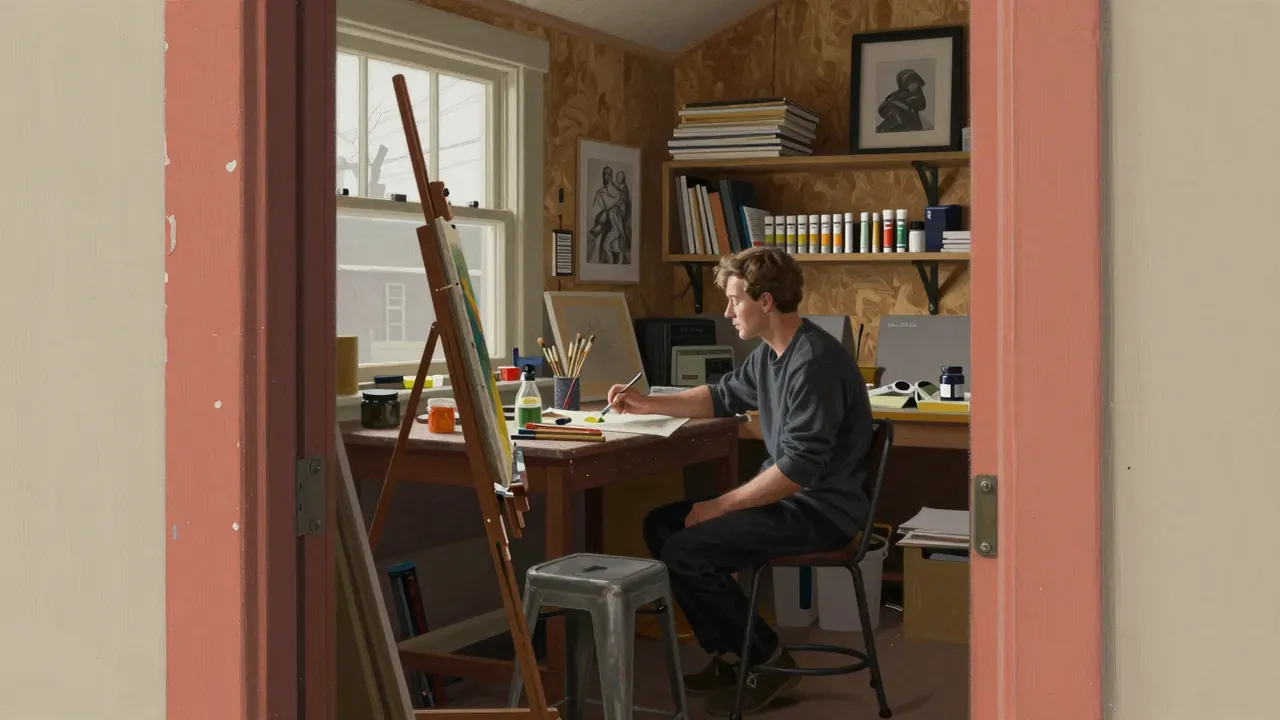
David Lynch: The Art Life is a 2016 documentary shot over four years, composed entirely of Lynch’s voice (recorded across twenty conversations) and footage of him painting, sketching and caring for his infant daughter at home. Archival photographs punctuate his recollections of childhood in the American West, art school in Boston and Philadelphia, and the early days of his filmmaking career in Los Angeles. Directed by Jon Nguyen, Rick Barnes and Olivia Neergaard-Holm, it avoids commentary, context or interpretation — offering not a life story but a sustained, quiet immersion in Lynch’s sensory memory and daily practice.

13:00

Dead Man

Jim Jarmusch · 1995

Dead Man (1995) is Jim Jarmusch’s monochrome acid western starring Johnny Depp as a fatally wounded accountant guided west by Gary Farmer’s enigmatic Native American spirit-guide Nobody. Shot by Robby Müller and scored by Neil Young, it rejects narrative convention in favour of ritual, silence, and poetic logic — foregrounding Indigenous epistemology, untranslated Cree and Blackfoot dialogue, and a vision of landscape as sentient participant. Though critically divisive on release, it has since been reassessed as a singular, austere meditation on mortality, colonialism, and perception.

13:00

Decision at Sundown

Budd Boetticher · 1957

Decision at Sundown (1957), directed by Budd Boetticher and starring Randolph Scott, follows a man seeking vengeance in a small Western town — only to have his certainty unravel over a single day. With Burnett Guffey’s stark cinematography and Charles Lang’s tightly coiled script, the film builds tension through dialogue and silence rather than action, culminating not in a showdown but in a quiet, bitter withdrawal. Part of the Boetticher–Scott cycle, it stands apart for its psychological austerity and moral ambiguity.

13:00

Deep Cover

Bill Duke · 1992

A Cincinnati police officer goes undercover in Los Angeles to dismantle a drug cartel, only to discover his mission is entangled with State Department interests protecting a South American politician. Directed by Bill Duke and starring Laurence Fishburne and Jeff Goldblum, the 1992 neo-noir sustains a tone of institutional weariness, using voice-over, Bojan Bazelli’s shadowed cinematography, and Michel Colombier’s score to trace the slow dissolution of professional conviction. Its strength lies in moral texture, not plot mechanics.

13:00

Desperate Living

John Waters · 1977

John Waters’ 1977 Desperate Living is the third and most formally controlled entry in his Trash Trilogy: a black comedy set in Mortville, a shantytown exile colony ruled by a fascist queen. Made without Divine and shot on scavenged sets in rural Maryland, it trades shock for sustained tone — using deadpan performances, flimsy production design, and bureaucratic absurdity to dissect power, gender, and class. Its cult status rests not on laughter, but on its unwavering commitment to a world where cruelty wears a clipboard and revolution smells of roasting pork.

13:00

Destroy All Monsters

Ishirō Honda · 1968

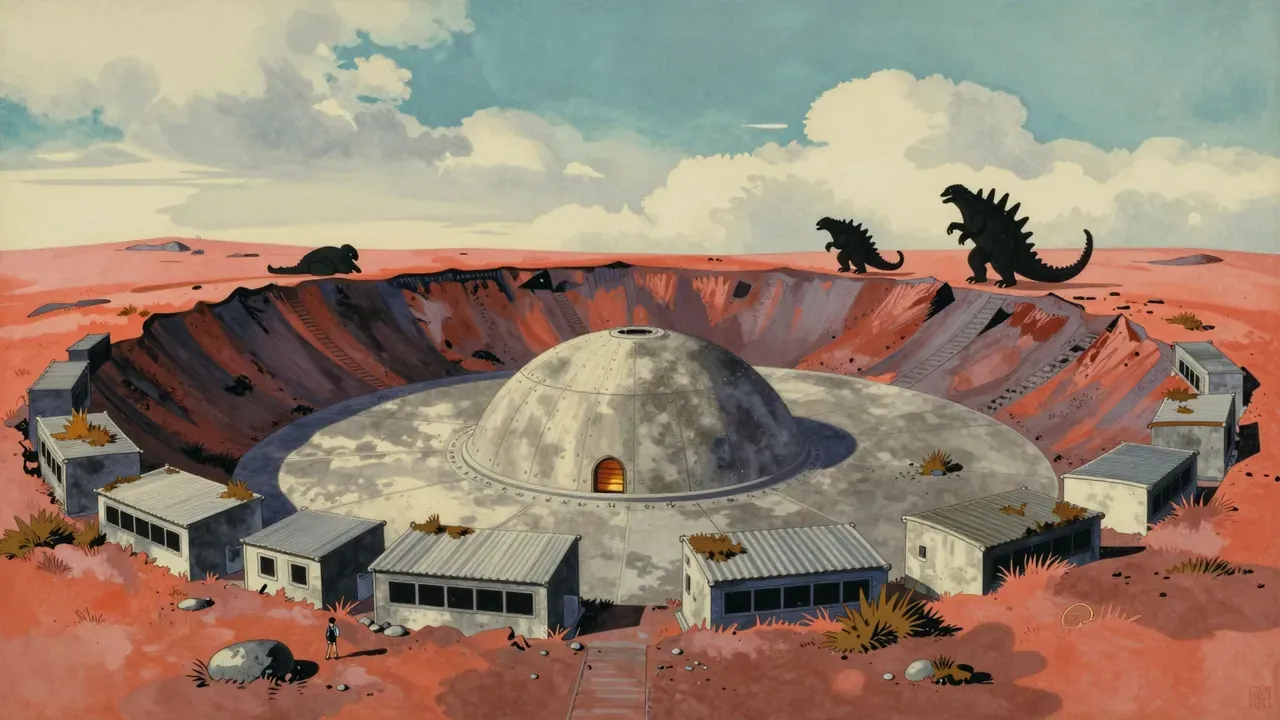
Destroy All Monsters (1968), directed by Ishirō Honda, assembles Toho’s entire kaiju roster under the control of the Kilaak aliens, using Monsterland as a narrative hub. With Akira Ifukube’s score and Sadamasa Arikawa’s practical effects, it stages a global monster mobilisation culminating in a choreographed battle at Mount Fuji. Structurally ambitious but emotionally sparse, it prioritises systemic logic over character depth — a Cold War parable rendered in rubber suits and balsa-wood spaceships.

13:00

Dodes'ka-den

Akira Kurosawa · 1970

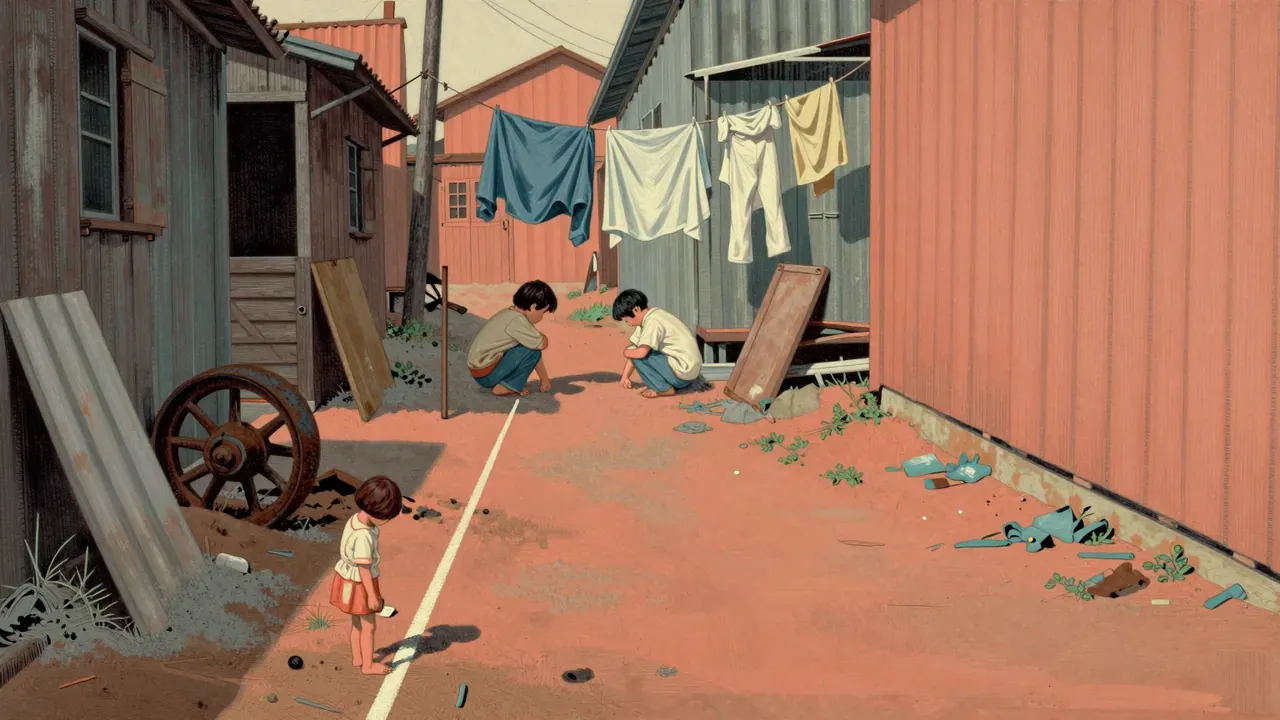
Akira Kurosawa’s 1970 film is a mosaic of lives in a Tokyo shantytown, structured as overlapping vignettes rather than a linear narrative. With no central protagonist, it follows characters including a boy who imagines himself a trolley driver, a silversmith who aids thieves, and parents burdened by neglect and infidelity. Shot in colour for the first time by Kurosawa, with Takao Saito as cinematographer and Tōru Takemitsu scoring in restrained, percussive tones, the film insists on dignity without sentiment, endurance without triumph. Its 140-minute runtime unfolds with unhurried precision, asking the viewer to inhabit a world shaped by scarcity, imagination, and quiet reciprocity.

13:00

Dollar

Gustaf Molander · 1938

Dollar is a tightly constructed 1938 Swedish comedy directed by Gustaf Molander, starring Ingrid Bergman as Julia Balzar. When compulsive gambler Louis Brenner incurs a large debt, a cheque is written to cover it — but its true origin sparks misunderstandings among three affluent couples holidaying at a ski resort. Misattributed generosity, psychosomatic paralysis, and a high-stakes psychoanalytic wager unfold with quiet precision, culminating in a late revelation about whose money was really spent. Shot by Åke Dahlqvist and edited by Oscar Rosander, it prioritises structural clarity over emotional exposition.

13:00

Dressed to Kill

Brian De Palma · 1980

Brian De Palma’s 1980 neo-noir thriller follows a housewife’s murder and a call girl’s investigation, using Hitchcockian suspense to dissect gender, repression, and perception. Michael Caine, Angie Dickinson, and Nancy Allen anchor a tightly constructed plot shot by Ralf D. Bode and scored by Pino Donaggio. While lauded for its craft and box-office success, its portrayal of trans identity remains its most enduring point of contention.

13:00

Drive, He Said

Jack Nicholson · 1971

Jack Nicholson’s 1971 directorial debut, adapted from Jeremy Larner’s novel, follows a disillusioned college basketball star navigating affairs, draft anxiety, campus unrest, and a volatile roommate. Shot on location at the University of Oregon, it features committed performances from William Tepper, Karen Black, and Bruce Dern, with cinematography by Bill Butler and a sparse score by David Shire. Though critically divided and commercially obscure, it remains a singular artefact of early-70s American countercinema—uneven, urgent, and uninterested in tidy answers.

13:00

Eastern Condors

Sammo Hung · 1987

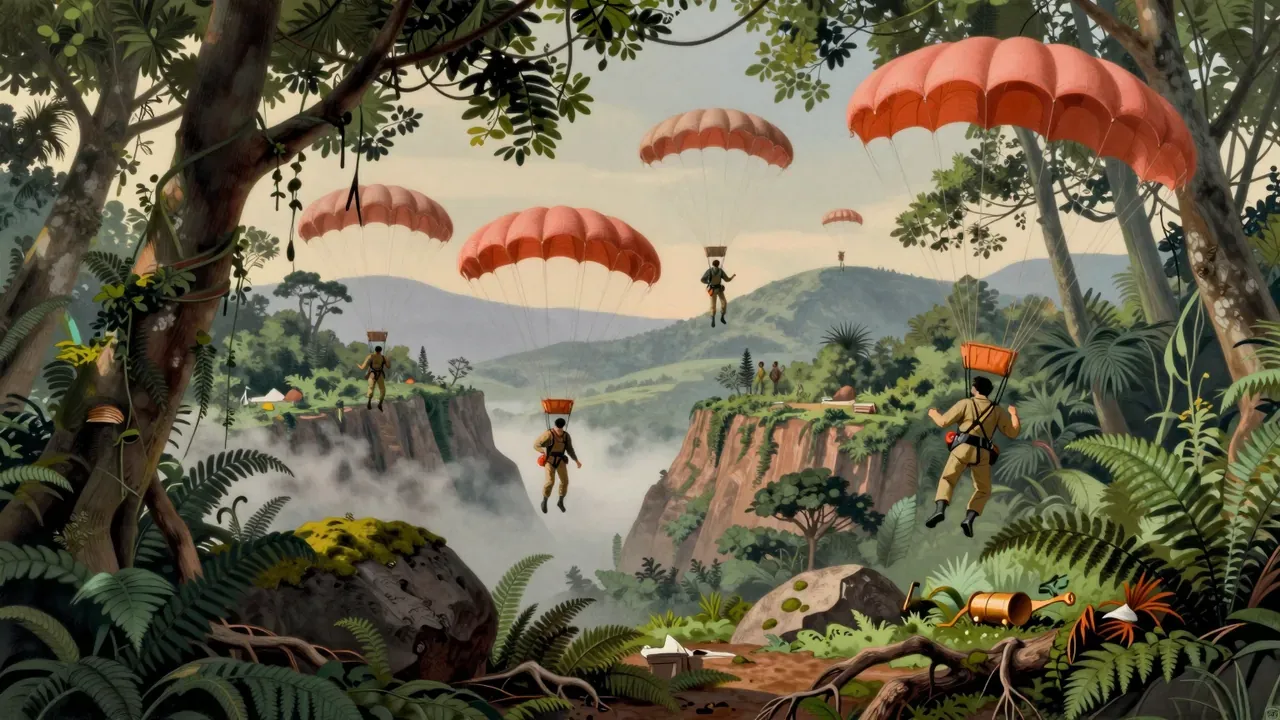
Sammo Hung’s 1987 Eastern Condors transplants the American commando-mission template into Hong Kong action cinema, following twelve convicts dropped into Vietnam to destroy a missile bunker. Directed by Hung and choreographed by him and Yuen Woo-ping, it prioritises physical storytelling over narrative nuance: stunts, timing, and ensemble coordination anchor the film, while its geopolitical framework remains functional, not interrogated. Shot in the Philippines, scored by Jonathan Lee, and released by Orange Sky Golden Harvest, it is a work of disciplined genre translation — earnest, unshowy, and built for the body before the mind.

13:00

Eating Raoul

Paul Bartel · 1982

Eating Raoul (1982) is a low-budget black comedy about a prudish Los Angeles couple who kill affluent swingers to fund their dream restaurant. Directed by Paul Bartel and written with Richard Blackburn, it sustains a flat, deadpan tone throughout, treating homicide as routine logistics. Gary Thieltges’ unshowy cinematography and the cast’s understated performances reinforce its central irony: evil, here, is bureaucratic, not theatrical. Though its final act veers into broader farce, the film remains a precise, unsentimental study of aspiration, class, and the quiet erosion of principle.

13:00

Elena and Her Men

Jean Renoir · 1956

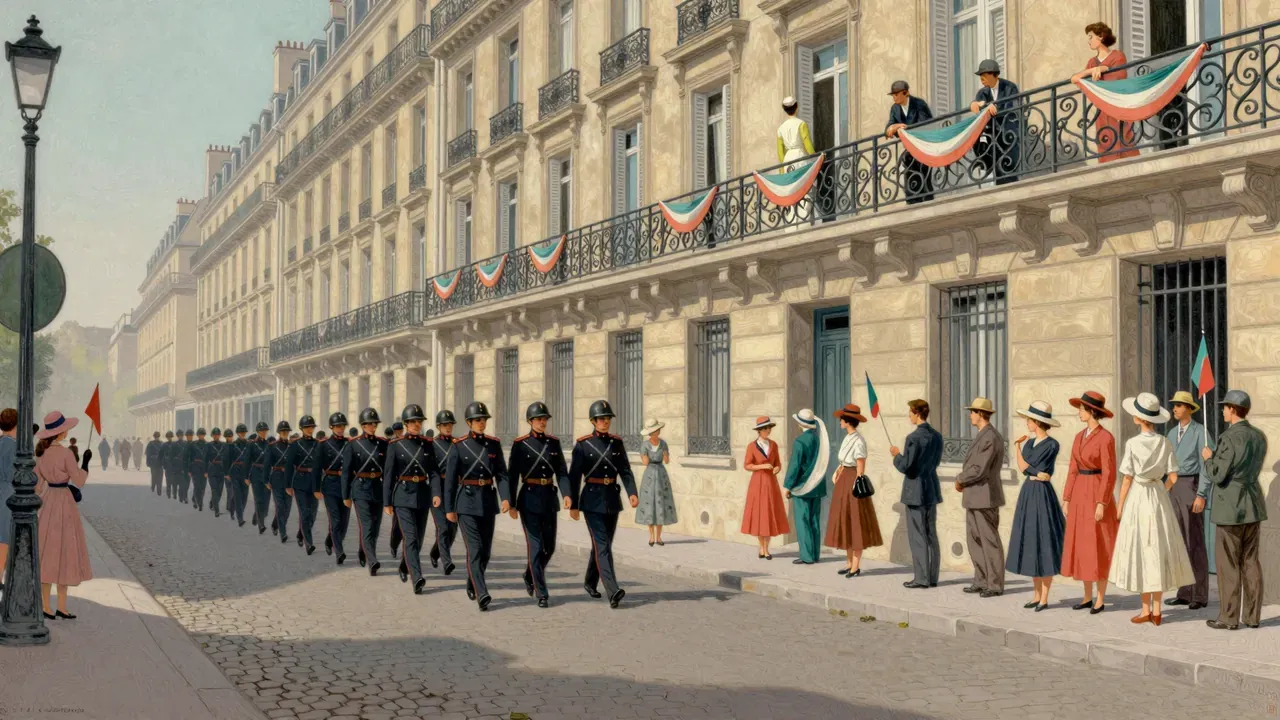
Jean Renoir’s 1956 film follows a Polish princess in fin de siècle Paris whose romantic entanglements intersect with a general’s wavering ambition and a shoe magnate’s calculations. Shot in Paris studios and locations, with design by Jean André and music by Joseph Kosma, it treats politics as theatre and desire as strategy — light in tone, precise in execution, and deliberately unmoored from psychological realism.

13:00

Elephant Boy

Robert J. Flaherty, Zoltan Korda · 1937

Elephant Boy (1937), directed by Robert J. Flaherty and Zoltan Korda, adapts Kipling’s 'Toomai of the Elephants' with location footage shot in Mysore and studio work at Denham. Twelve-year-old Sabu stars as a boy whose quiet observation of elephants earns him recognition among mahouts. The film balances documentary realism with narrative simplicity, avoiding sensationalism in favour of physical authenticity and restrained craft.

13:00

Epidemic

Lars von Trier · 1987

Lars von Trier’s 1987 metafictional horror Epidemic follows two screenwriters drafting a script about a plague while a real outbreak begins to mirror their fiction. Shot on 16mm, structured across five days, and starring von Trier and Niels Vørsel as themselves, it treats narrative as a vector and authorship as contagion — the second instalment of the Europa trilogy.

13:00

Executioners

Johnnie To, Ching Siu-tung · 1993

Executioners reunites Michelle Yeoh, Anita Mui and Maggie Cheung in a post-apocalyptic Hong Kong where water scarcity and social collapse test their evolving definitions of duty. Directed by Johnnie To and Ching Siu-tung, it prioritises ethical recalibration over martial escalation — with Yeoh tutoring a disfigured former enemy, Mui balancing motherhood and latent power, and Cheung reluctantly embracing collective responsibility. Its strengths lie in restrained performances and atmospheric world-weariness; its weaknesses in underwritten antagonists and uneven tonal discipline.

13:00

Fear and Loathing in Las Vegas

Terry Gilliam · 1998

Terry Gilliam’s 1998 adaptation of Hunter S. Thompson’s Fear and Loathing in Las Vegas commits fully to the novel’s hallucinatory logic and period specificity. Starring Johnny Depp and Benicio del Toro as Raoul Duke and Dr. Gonzo, it charts their chemically accelerated descent through Las Vegas in 1971 — less a story than a sensory and moral autopsy of a fraying American dream. The film’s craft serves immersion over clarity, its themes revolve around eroded reality and institutional decay, and its value lies in fidelity, not comfort.

13:00

Fellow Citizen

Abbas Kiarostami · 1983

Fellow Citizen (1983) is Abbas Kiarostami’s 48-minute observational documentary, shot on a Tehran street. It follows a civil servant attempting to regulate pedestrian and vehicle movement, capturing unscripted reactions without narration, interviews or contextual framing. The film’s method is rigorously restrained: fixed camera, natural sound, no edits that conceal time. Its interest lies in behavioural nuance — hesitation, mimicry, negotiation — rather than argument or exposition.

13:00

Fiend Without a Face

Arthur Crabtree · 1958

Fiend Without a Face (1958) is a British science fiction horror film directed by Arthur Crabtree, adapted from Amelia Reynolds Long’s short story 'The Thought Monster'. When a scientist’s experiments with thought projection intersect with nuclear-powered radar, invisible entities emerge — then materialise as flying brains with spinal cords and eyestalks. Made on a tight budget in England with stop-motion effects created in Munich, it builds slowly before delivering a memorably visceral climax. Though its first half drags and its setting feels generic, its commitment to anatomical horror and practical ingenuity has earned it enduring cult status.

13:00

First Man into Space

Robert Day · 1959

First Man into Space (1959) is a British science fiction-horror film directed by Robert Day, following a US Navy pilot who returns from extreme altitude encrusted in meteoric dust and transformed into a blood-dependent creature. Built on a tight budget and grounded in procedural realism, it prioritises physiological logic over myth or metaphor, using restrained performances, functional cinematography, and a lean narrative structure to sustain its central conceit. Though limited by its means, it delivers a coherent, atmospheric, and quietly tragic vision of spaceflight as irreversible bodily violation.

13:00

Flesh for Frankenstein

Paul Morrissey, Antonio Margheriti, Andy Warhol · 1973

Flesh for Frankenstein (1973) is a Paul Morrissey-directed body horror film shot in Rome, starring Udo Kier as a Serbian-obsessed Baron who constructs living specimens from corpses. Its deadpan satire targets eugenics, authoritarianism and sexual repression through grotesque, tactile set-pieces and stilted dialogue. Though credited to Warhol and Margheriti, Morrissey shaped its vision, aided by Luigi Kuveiller’s flat, theatrical cinematography and Claudio Gizzi’s jagged score. It is neither pure parody nor sincere horror, but a conceptual object that demands attention to texture, logic and failure.

13:00

Flunky, Work Hard

Mikio Naruse · 1931

A 29-minute Japanese silent film from 1931, Mikio Naruse’s Flunky, Work Hard follows an insurance salesman’s desperate attempts to secure income and respect amid rent arrears, neighbourly friction, and parental failure. Shot in Shochiku’s Kamata studio, it blends nansensu comedy, tendency-film concern, and shoshimin-eiga realism—with abrupt tonal shifts, economical editing, and a structure built around irony and collapse. Its survival makes it a key artefact of early Naruse and interwar Japanese cinema.

13:00

Frownland

Ronald Bronstein · 2007

Ronald Bronstein’s 2007 debut follows Keith, a socially overwhelmed door-to-door salesman in New York, over three days of escalating disconnection. Shot on a minimal crew and budget, it uses relentless close-ups, fragmented editing, and Dore Mann’s physically exacting performance to immerse the viewer in sustained psychological exposure—without exposition, score, or narrative relief.

13:00

Genocide

Kazui Nihonmatsu · 1968

Genocide (1968), directed by Kazui Nihonmatsu for Shochiku, is a science fiction horror film set on a fictional Japanese archipelago where weaponised insects emerge in the wake of a crashed H-bomb. Blending Cold War paranoia, post-nuclear trauma, and ecological unease, it follows biologist Dr. Nagumo, islander Yukari, and American soldiers as they confront biological invasion, espionage, and the looming threat of nuclear cover-up. Shot by Shizuo Hirase with a sparse score by Shunsuke Kikuchi, it is austere in execution and ambitious in theme — Shochiku’s final horror release, and a singularly uneasy artefact of its time.

13:00

Gods of the Plague

Rainer Werner Fassbinder, Michael Fengler · 1969

Gods of the Plague is Rainer Werner Fassbinder’s 1970 black-and-white drama, co-directed with Michael Fengler and shot in Munich and Dingolfing. It follows ex-convict Franz Walsch as he re-enters Munich’s criminal underworld, navigating ambiguous relationships with two women and a friend implicated in his brother’s death. Stylised through static compositions, minimal dialogue, and high-contrast monochrome cinematography by Dietrich Lohmann, the film treats noir not as genre but as structure to be exposed and exhausted. Its themes centre on mediated identity, erotic ambiguity, and the futility of narrative resolution. Though critically respected for its formal control and ensemble discipline, its austerity makes it demanding — rewarding for those attuned to Fassbinder’s early methods, less so for viewers seeking emotional or narrative engagement.

13:00

Godzilla Raids Again

Motoyoshi Oda · 1955

Toho’s 1955 follow-up to Godzilla is a lean, effects-driven kaiju film directed by Motoyoshi Oda under tight deadlines. It introduces Anguirus in a destructive Osaka showdown, prioritising spectacle and procedural urgency over the moral weight of its predecessor. With Haruo Nakajima in the Godzilla suit and Eiji Tsuburaya refining his special-effects techniques — including variable camera speeds and outdoor ice sets — the film functions as both a commercial necessity and a technical bridge to the franchise’s expansive future.

13:00

Godzilla vs. Gigan

Jun Fukuda · 1972

Godzilla vs. Gigan (1972) is Jun Fukuda’s brisk, brightly coloured course correction for Toho’s flagship kaiju series after the experimental Godzilla vs. Hedorah. With Haruo Nakajima’s final performance as Godzilla, the introduction of Takayoshi Mizuki’s sharply designed Gigan, and heavy use of stock footage and Ifukube’s recycled themes, the film prioritises rhythm and recognisability over novelty or depth. Its Nebulan aliens operate through a theme-park front and monster-control tapes, delivering straightforward, physically emphatic battles — including Godzilla’s first on-screen bleeding. It is a work of genre maintenance, best appreciated by those fluent in Shōwa-era kaiju grammar.

13:00

Godzilla vs. Hedorah

Yoshimitsu Banno · 1971

Godzilla vs. Hedorah (1971), directed by Yoshimitsu Banno, recasts Godzilla as an ecological corrector confronting Hedorah — a monster born from industrial pollution. Shot in 35 days on a tight budget, it blends live action, animation, and stop-motion to deliver a blunt, child-facing warning about smog, acid rain, and systemic toxicity. Though criticised on release for tonal inconsistency and the infamous flying-Godzilla sequence, it has since gained stature as a singular, ideologically committed entry in the franchise — less entertainment than intervention.

13:00

Godzilla vs. Mechagodzilla

Jun Fukuda · 1974

Toho’s 1974 Godzilla film pits the King of the Monsters against a space-titanium mecha controlled by ape-like aliens from the Third Planet of the Black Hole. Framed by an ancient Okinawan prophecy and centred on the ritual awakening of guardian deity King Caesar, it balances suitmation spectacle with attempts at mythic structure. Though hampered by thin character work and underdeveloped lore, its monster battles are precisely staged, Masaru Sato’s score is distinctive, and its place in the Shōwa era makes it a thoughtful pivot — less jokey than its predecessor, more invested in continuity and consequence.

13:00

Godzilla vs. the Sea Monster

Jun Fukuda · 1966

Godzilla vs. the Sea Monster (1966) is Toho’s pragmatic pivot: a South Seas island replaces Tokyo, Ebirah replaces Kong, and Masaru Sato replaces Akira Ifukube. Directed by Jun Fukuda with effects by Sadamasa Arikawa, it relies on repurposed suits, aquarium shots, and a script that never fully sheds its abandoned premise. Its strengths are tactile — Nakajima’s submerged performance, Yamada’s flat daylight, Sato’s light score — not thematic. It is a document of constraint, not conviction.

13:00

Gray's Anatomy

Steven Soderbergh · 1996

Spalding Gray’s 1996 monologue film, directed by Steven Soderbergh, documents his diagnosis with macular pucker and his turn toward alternative treatments. Filmed in ten days with minimal staging, it relies entirely on Gray’s voice, syntax, and timing. Elliot Davis’s restrained cinematography and Cliff Martinez’s sparse score support rather than interpret. The film balances wit and vulnerability without resolving into either satire or sermon — though its final passages strain under the weight of their own metaphysical drift.

13:00

Gummo

Harmony Korine · 1997

Harmony Korine’s 1997 debut is an experimental collage of life in a tornado-ravaged Midwestern town, shot in Nashville with non-actors, fragmented formats, and zero narrative scaffolding. It privileges texture over story, presence over psychology, and ambiguity over judgment — landing as a singular, abrasive, and deeply felt portrait of adolescence and poverty on the American periphery.

13:00

Half a Loaf of Kung Fu

Chi-Hwa Chen · 1978

Half a Loaf of Kung Fu (1978) is Jackie Chan’s early experiment in kung fu slapstick: a bumbling acrobat named Jiang stumbles through a series of misadventures — spying on a witch, collecting bounties on corpses, apprenticing to a beggar — all while trying, and mostly failing, to learn kung fu. Directed by Chi-Hwa Chen and written by Chan, it parodies the genre’s gravitas with physical comedy, episodic plotting, and a refusal to treat mastery as earned rather than stumbled upon.

13:00

Head

Bob Rafelson · 1968

A 1968 satirical musical directed by Bob Rafelson and written by Jack Nicholson, Head uses The Monkees as raw material to dissect celebrity, media construction, and narrative coherence. With non-linear editing, meta-commentary, and deliberate tonal rupture, it rejects conventional storytelling in favour of structural critique — exposing how pop culture manufactures meaning by assembling fragments. Shot across Los Angeles, Palm Springs, Alaska, and The Bahamas, its craft serves its argument: every cut, lyric, and cameo functions as evidence in a case against authorship, authenticity, and audience expectation.

13:00

Heaven's Gate

Michael Cimino · 1980

Michael Cimino’s 1980 Western Heaven’s Gate, starring Kris Kristofferson and Christopher Walken, is a visually sumptuous but narratively austere epic loosely based on the Johnson County War. Shot by Vilmos Zsigmond and scored by David Mansfield, it attempts to render class conflict as landscape and duration. Though reviled on release for its cost and length, later reappraisals treat it as a landmark of directorial conviction — flawed, forbidding, and formally uncompromising.

13:00

Hell's Angels

Howard Hughes, James Whale, Edmund Goulding · 1930

A 1930 American war film directed by Howard Hughes, James Whale, and Edmund Goulding, Hell’s Angels follows two British brothers in the Royal Flying Corps during the First World War. Originally shot silent, it was converted to sound mid-production, replacing lead actress Greta Nissen with Jean Harlow. Its aerial combat sequences — filmed with over 130 pilots, multiple fatalities, and Hughes’s own crash — remain landmark achievements in early sound and stunt coordination. Though narratively uneven and thematically thin, its technical ambition and material history make it a singular artifact of Hollywood’s transitional decade.

13:00

Hollywood Shuffle

Robert Townsend · 1987

Hollywood Shuffle is a 1987 semi-autobiographical satire directed by Robert Townsend, following Bobby Taylor as he navigates Hollywood’s demand for stereotypical Black roles. Shot on a $100,000 budget over two and a half years, it uses vignettes, parodies, and daydreams to expose how race is commodified in casting, writing, and performance. Though praised for its sharp humour and technical ingenuity, it draws criticism for reproducing sexist and homophobic stereotypes it otherwise critiques. The film ends not with success but with quiet recalibration — Bobby filming a US Postal Service PSA.

13:00

Hopscotch

Ronald Neame · 1980

Hopscotch (1980) is a low-key, Mozart-scored spy comedy starring Walter Matthau as Miles Kendig, a CIA veteran who retaliates against forced retirement by writing and publishing an explosive memoir — mailing chapters to rival intelligence agencies across Europe and the US. Directed by Ronald Neame and adapted by Bryan Forbes and Brian Garfield, it trades thrills for procedural wit, treating espionage as bureaucratic farce rather than mortal peril. Its pleasures lie in Matthau’s dry authority, Arthur Ibbetson’s unshowy camerawork, and Ian Fraser’s precisely deployed classical score.

13:00

How to Get Ahead in Advertising

Bruce Robinson · 1989

Bruce Robinson’s 1989 black comedy follows an ad executive whose nervous breakdown produces a sentient boil — his conscience made manifest. Starring Richard E. Grant, Rachel Ward and Richard Wilson, it is a strident, visually restrained assault on Thatcher-era consumerism, built on repetition, rhetorical fury and practical-effects grotesquerie. Its power lies in its refusal to soften its argument — or its imagery.

13:00

I Am Curious (Blue)

Vilgot Sjöman · 1968

I Am Curious (Blue) is Vilgot Sjöman’s 1968 companion to Yellow, recutting and retoning the same material into a colder, more fragmented inquiry. Starring Lena Nyman as a version of herself, it follows her sexual and political reckoning across Stockholm and rural Sweden, using documentary interludes, staged debates and bodily realism — notably a scabies outbreak — to test the limits of nonviolence, meritocracy and personal authenticity. Peter Wester’s underlit cinematography and Bengt Ernryd’s sparse score reinforce its sombre, unsentimental tone.

13:00

I Am Curious (Yellow)

Vilgot Sjöman · 1967

I Am Curious (Yellow) is Vilgot Sjöman’s 1967 Swedish art film starring Lena Nyman as a politically engaged theatre student conducting street interviews while navigating a fraught relationship and family history. Shot in naturalistic style by Peter Wester and edited with deliberate fragmentation by Wic’ Kjellin, it blends documentary impulse with autobiographical exposure. Notorious for its nudity and legal battles over obscenity, its real subject is the entanglement of ideology and intimacy — how class, race and war live in the body and the bedroom. Though uneven and dated in places, it remains a singular document of 1960s political cinema’s ambition to make thought visible, tactile and unresolved.

13:00

I Figli di nessuno

Raffaello Matarazzo · 1951

I Figli di nessuno (1951), directed by Raffaello Matarazzo, follows a marble quarry owner and the daughter of his employee whose relationship and child provoke familial rejection and tragic consequences. Starring Amedeo Nazzari and Yvonne Sanson, it is a formally precise, studio-bound drama rooted in postwar Italian melodrama conventions — prioritising emotional legibility, moral structure, and quiet endurance over psychological nuance or social critique.

13:00

I Hate But Love

Koreyoshi Kurahara · 1962

I Hate But Love (1962), directed by Koreyoshi Kurahara, is a Japanese teen drama centred on two high-school students whose bickering masks mutual attraction. Shot with restraint and performed with understated nuance, it prioritises behavioural detail over exposition or narrative escalation. Set against early-1960s Tokyo middle-class life, it offers no grand statements — only a patient, tactile portrait of how young people learn to read, misread, and withhold feeling.

13:00

I Will Buy You

Masaki Kobayashi · 1956

Masaki Kobayashi’s 1956 film I Will Buy You follows a baseball talent scout competing to sign a gifted student, Kurita, whose future becomes a site of negotiation among clubs, family, and a shadowy patron. Adapted from Minoru Ōno’s novel, it examines commodification, consent, and class through restrained performances and procedural pacing — not games, but meetings; not triumph, but transaction.

13:00

Identification of a Woman

Michelangelo Antonioni · 1982

Michelangelo Antonioni’s Identification of a Woman (1982) follows a divorced film director in Rome and Venice as he navigates two relationships — one elusive, one immediate — while under an ambiguous surveillance. Shot by Carlo Di Palma, scored by John Foxx, and edited by Antonioni himself, it trades the formal rigour of his 1960s work for a quieter, more provisional tone. Its concerns — perception, identity, ageing, class — are embedded in atmosphere and gesture, not exposition. Reception was mixed on release, with later critics noting its autumnal modesty. It is a film of lingering glances, unresolved absences, and the quiet weight of what remains unseen.

13:00

India Song

Marguerite Duras · 1975

Marguerite Duras’s 1975 India Song is a radically elliptical drama set in 1930s Calcutta but filmed in decaying French châteaux and apartments. Delphine Seyrig’s voice narrates the life of Anne-Marie Stretter, wife of the French ambassador, over slow, empty images. Bruno Nuytten’s cinematography avoids intimacy; Carlos d’Alessio’s score hovers beneath dialogue; all performances are pre-recorded and detached. It is less a narrative than a sonic and spatial composition — austere, hypnotic, and uncompromising.

13:00

Infernal Affairs II

Andrew Lau, Alan Mak · 2003

A 2003 Hong Kong crime thriller and prequel to Infernal Affairs, set between 1991 and 1997. It charts the rise of triad heir Ngai Wing-hau and the parallel infiltration of two moles—one in the police, one in the triad—against the backdrop of Hong Kong’s impending handover. Directed by Andrew Lau and Alan Mak, it expands the original’s moral universe into a generational study of power, loyalty and erasure.

13:00

Infernal Affairs III

Andrew Lau, Alan Mak · 2003

Infernal Affairs III closes the Hong Kong crime trilogy by abandoning narrative resolution for psychological recursion. Interweaving timelines before and after Chan Wing-Yan’s death, it charts Senior Inspector Lau Kin-Ming’s irreversible dissociation as his criminal past overtakes his present self. Anchored by Andy Lau’s physically precise performance and Andrew Lau and Ng Man-Ching’s muted, interior-heavy cinematography, the film renders guilt as somatic decay—not moral failure but neurological saturation. Its power lies in accumulation, not climax: Morse code taps, repeated corridors, overlapping voices. It is the trilogy’s most demanding and least forgiving chapter.
13:00

Inland Empire

David Lynch · 2006

David Lynch’s 2006 film Inland Empire is a digitally shot, scriptless, three-hour descent into fractured identity, filmed largely by Lynch himself on a handheld Sony camcorder. Laura Dern stars as an actress whose immersion in a cursed film role unravels her sense of self, time, and reality. Shot across Los Angeles and Łódź, Poland, it rejects conventional storytelling in favour of sensory accumulation, repetition, and ontological unease. Though labelled a horror film, its terror is structural — rooted in the instability of perception, memory, and representation. It premiered at Venice, where Lynch received the Golden Lion for Lifetime Achievement, and remains his final feature.

13:00

Insignificance

Nicolas Roeg · 1985

Nicolas Roeg’s 1985 Insignificance adapts Terry Johnson’s play into a tightly wound, non-linear encounter between four archetypal figures — a movie star, a physicist, a baseball player and a politician — over one night in a New York hotel. Starring Theresa Russell, Tony Curtis, Gary Busey and Michael Emil, it uses fragmentation, silence and precise physical performance to explore how public identity obscures private reality. Though uneven in its treatment of power and consequence, it remains a singular, unsentimental meditation on visibility, vulnerability and the cost of being known.

13:00

Intimidation

Koreyoshi Kurahara · 1960

Directed by Koreyoshi Kurahara in 1960, Intimidation is a Japanese film noir starring Kō Nishimura, Nobuo Kaneko and Mari Shiraki. Set in Tokyo’s bureaucratic landscape, it follows a clerk drawn into a blackmail scheme after witnessing a murder. With minimal music, high-contrast monochrome cinematography and restrained performances, the film builds tension through spatial confinement, procedural detail and moral ambiguity. It reflects post-war Japan’s institutional anxieties without explicit commentary, favouring tone and structure over exposition or catharsis.

13:00

It's a Mad, Mad, Mad, Mad World

Stanley Kramer · 1963

Stanley Kramer’s 1963 epic comedy deploys Ultra Panavision 70 and an all-star cast to stage a non-stop, 161-minute chase for buried cash across Southern California. Built on stunts, not story, it privileges physical precision and wide-screen choreography over character or theme — succeeding as industrial spectacle, not narrative comedy.

13:00

Jabberwocky

Terry Gilliam · 1977

Terry Gilliam’s 1977 solo debut is a medieval comedy built on systemic absurdity: a cooper’s apprentice stumbles into legend not through courage but incompetence, while merchants profit, priests shrug, and kings repeat rituals they no longer understand. Shot in Welsh castles and Shepperton Studios, it trades spectacle for texture — visible wires, muddy light, mumbled proclamations — and finds comedy not in jokes but in the slow collapse of meaning.

13:00

Japón

Carlos Reygadas · 2002

Japón (2002), Carlos Reygadas’s debut, follows a man fleeing existential collapse to a remote Mexican canyon, where he stays with an elderly indigenous widow. Shot on anamorphic 16mm in an extreme widescreen ratio, it unfolds in long, unbroken takes, prioritising physical presence over psychology. With minimal dialogue and a score drawn from Bach, Pärt, and Shostakovich, the film confronts mortality, desire, and ethical ambiguity through durational immersion — including unsimulated animal acts that drew UK censorship cuts. Its power lies in restraint, not revelation.

13:00

Jellyfish Eyes

Takashi Murakami · 2013

Takashi Murakami’s 2013 debut feature Jellyfish Eyes is a Japanese science-fiction drama about a grieving boy who befriends a jellyfish-like creature in a town where children pilot digital companions called F.R.I.E.N.D.s. Directed with painterly stillness and scored with bright, synthetic music, it explores childhood vulnerability, institutional opacity, and the ethics of creation — not through exposition but through texture, silence, and recurring visual motifs. Though its narrative structure falters and its genre elements remain underdeveloped, its emotional precision and conceptual consistency give it a quiet, cumulative power.

13:00

Jericho

Thornton Freeland · 1937

Jericho (1937), directed by Thornton Freeland, follows Paul Robeson as Jericho Jackson, a medical student court-martialed after saving trapped soldiers during World War I. Fleeing to North Africa, he earns acceptance among the Tuareg through healing and leadership, culminating in his guidance of their annual salt caravan. When a British officer recognises him in an anthropological film, he chooses not to reassert jurisdiction. Shot by John W. Boyle, the film balances courtroom tension with expansive desert realism — anchored by Robeson’s restrained, physically commanding performance.

13:00

Jigoku

Nobuo Nakagawa · 1960

Nobuo Nakagawa’s 1960 Jigoku is Shintōh’s final film: a stark, morally absolute horror that charts the descent of student Shirō Shimizu from hit-and-run guilt to eternal punishment in Hell. Rejecting folklore and ambiguity, it stages damnation as literal, repetitive, and socially contagious — sins committed in a retirement home ripple outward until every character is damned. Crude in execution but relentless in argument, it uses wide shots, sparse music, and a single dirt-covered soundstage to build a vision of consequence that admits no escape, no grace, and no pause.

13:00

Jo Jo Dancer, Your Life Is Calling

Richard Pryor · 1986

Richard Pryor’s 1986 directorial debut is a biographical drama structured around his near-fatal 1980 freebasing accident. As Jo Jo Dancer lies in a coma, his spirit revisits key episodes — Peoria childhood, early comedy struggles, fame, addiction, and collapse — without offering resolution or redemption. Shot with restrained naturalism by John A. Alonzo and scored sparsely by Herbie Hancock, the film prioritises behavioural realism over dramatic catharsis. Its strengths lie in accumulated detail and psychological consistency; its weaknesses include underdeveloped symbolism and muted engagement with race and systemic constraint. It is a demanding, unresolved, and unmistakably personal work.

13:00

Jubilation Street

Keisuke Kinoshita · 1944

Jubilation Street (1944), directed by Keisuke Kinoshita and written by Kaoru Morimoto, is a Japanese drama set on a single Tokyo street during wartime. With a restrained ensemble cast including Ken Uehara and Mitsuko Mito, it observes civilian life under scarcity and conscription without moralising or dramatising. Its power lies in accumulation — of glances, silences, repeated rituals — rather than plot. Though historically elusive and formally modest, it offers a precise, humane study of endurance as habit.

13:00

Jubilee

Derek Jarman · 1978

Derek Jarman’s 1978 Jubilee transplants Queen Elizabeth I into a decaying, punk-saturated 1970s London. Shot on location in Blitz-damaged neighbourhoods, it follows a nihilistic gang—Amyl Nitrate, Bod, Chaos, Crabs and Mad—through acts of violence, commodification and petty rebellion, all observed by Elizabeth, John Dee and Ariel. With Brian Eno’s ambient score and Peter Middleton’s raw cinematography, the film rejects narrative fluency in favour of texture, rupture and mythic collapse. Now a cult classic, it remains a stark, unresolved portrait of national exhaustion.

13:00

Judex

Georges Franju · 1963

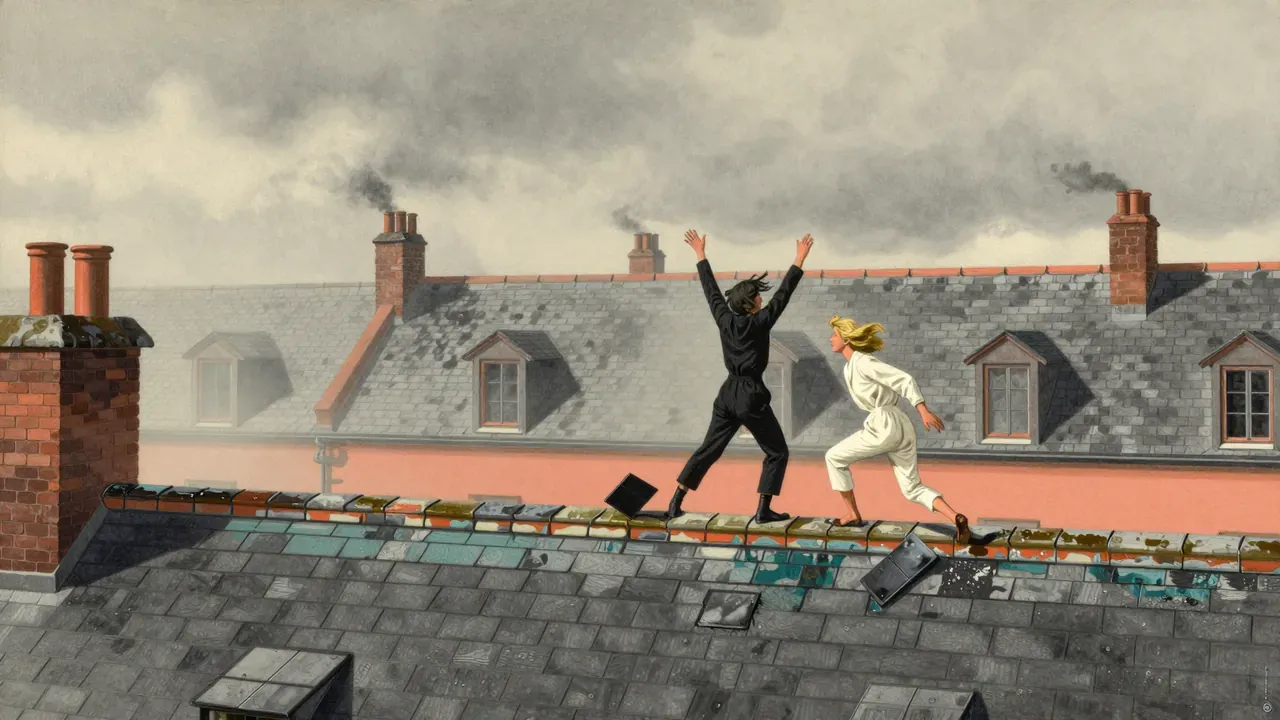
Georges Franju’s 1963 Judex is a neo-noir reimagining of Louis Feuillade’s silent serial, prioritising visual grammar over narrative fidelity. Set in a world of masked balls, black-leotarded cat burglars, and rooftop duels fought in near-silence, it disperses moral agency across women — Jacqueline, Diana, and Daisy — while reducing Judex himself to a handsome, enigmatic cipher. Marcel Fradetal’s high-contrast cinematography, Maurice Jarre’s restrained score, and Franju’s unhurried pacing build a film less about crime-solving than about how justice, power, and identity are performed.

13:00

Jungle Book

Zoltan Korda · 1942

Zoltán Korda’s 1942 Jungle Book is a Hollywood-produced Technicolor fantasy starring Sabu as Mowgli, adapted loosely from Kipling. Shot by Lee Garmes and W. Howard Greene, scored by Miklós Rózsa, and designed by Vincent Korda, it foregrounds jungle atmosphere, animal presence, and physical performance over psychological depth or narrative precision. Though commercially successful and nominated for four Academy Awards, its human drama remains schematic, its themes implied rather than explored. It endures as a feat of mid-century studio craft — vivid, deliberate, and unapologetically ornamental.

13:00

Kicking and Screaming

Noah Baumbach · 1995

Noah Baumbach’s 1995 debut follows five college graduates who refuse to leave campus life behind, orbiting one another in the fictional town of Munton. With dry wit and precise dialogue, it renders intellectualised inertia as both comic and poignant—less a story of growth than a study in suspension.

13:00

King of Jazz

John Murray Anderson, Paul Fejos · 1930

King of Jazz (1930) is a studio-made musical revue starring Paul Whiteman and his orchestra, filmed in early two-colour Technicolor. With no plot, it strings together musical numbers, blackout sketches, and novelty acts—including the first Technicolor animated segment, featuring Oswald the Lucky Rabbit. Though technically ambitious and historically significant (selected for the US National Film Registry in 2013), its static camerawork, dated humour, and promotional framing make it a demanding watch. Its value lies in preservation: as a record of early sound-film craft, Whiteman’s curated jazz, and the industrial logic of Hollywood’s transition to colour.

13:00

Kung Fu Master

Agnès Varda, Gordon Chan · 1988

Kung Fu Master (1988), co-directed by Agnès Varda and Gordon Chan and written by Jane Birkin, follows Mary-Jane, a woman in her forties, as she becomes emotionally entangled with Julien, a fourteen-year-old boy. Built around real-life family members and shot with observational restraint, the film avoids moral framing in favour of precise, unhurried attention to gesture, silence, and domestic space. Its power lies in what it refuses: explanation, escalation, catharsis. The narrative culminates not in confrontation but in divergence — memory, consequence, and time operating on irreconcilable terms.

13:00

La chambre

Chantal Akerman · 1972

Chantal Akerman’s 1972 short La chambre is an eleven-minute, single-take study of a woman moving silently within a bare bedroom. Shot in black-and-white with no editing, no score, and no dialogue, it tests the limits of attention, duration, and cinematic presence. Its power lies not in narrative or psychology, but in the accumulated weight of stillness and the material reality of the frame.

13:00

La commare secca

Bernardo Bertolucci · 1962

La commare secca (1962) is Bernardo Bertolucci’s first feature, a formally rigorous Italian drama based on a Pier Paolo Pasolini story. Structured around seven contradictory police testimonies concerning the murder of a Rome prostitute, it uses repetition, weather and setting—not psychology or suspense—to expose class, gender and aspiration in post-war marginality. Shot by Giovanni Narzisi, edited by Nino Baragli and scored by Piero Piccioni, it is a debut marked by discipline, austerity and social observation.

13:00

La Tête d'un homme

Julien Duvivier · 1933

Julien Duvivier’s 1933 adaptation of Simenon’s A Battle of Nerves follows Inspector Maigret (Harry Baur) as he untangles a murder set in motion by a gambler’s careless remark, a desperate burglar’s stumble, and a dying émigré’s bitter calculation. Shot in subdued tones by Thirard and Pierre, with a sparse score by Belasco and editing by Poncin, it trades thrills for psychological weight — building tension through silence, spatial constraint, and moral ambiguity. Its power lies in what it withholds: no grand confessions, no triumphant deductions, only the quiet, cumulative force of cause and effect in interwar Paris.

13:00

La Vie de Jésus

Bruno Dumont · 1997

Bruno Dumont’s 1997 debut, set in northern France, follows Freddy — an unemployed, epileptic teenager with learning difficulties — as he drifts through band rehearsals, hospital visits and a relationship with Marie. When his peer group commits rape and later murders a North African youth, the film refuses psychological exposition or moral framing. Shot with austere precision by Philippe Van Leeuw and performed by non-professionals, it treats provincial inertia as both setting and subject. Awarded European Discovery of the Year and a special mention at Cannes, it remains a demanding, uncompromising portrait of agency eroded by circumstance.

13:00

Lady Snowblood: Love Song of Vengeance

Toshiya Fujita · 1974

Lady Snowblood: Love Song of Vengeance (1974), directed by Toshiya Fujita, is the second film in the Lady Snowblood series — but a deliberate departure from its manga source and predecessor. Set in late-Meiji Japan, it follows Yuki Kashima (Meiko Kaji) as she infiltrates the household of anarchist Ransui Tokunaga (Jūzō Itami) under orders from the Secret Police. With restrained performances, muted cinematography by Tatsuo Suzuki and Masaki Tamura, and a script that favours implication over exposition, the film explores coercion, ideological uncertainty, and the quiet violence of bureaucratic control. Though structurally uneven and thematically opaque in places, it remains a precise, unsentimental study in moral suspension.

13:00

Land of Milk and Honey

Pierre Étaix · 1970

Land of Milk and Honey (1971) is Pierre Étaix’s documentary portrait of French society after May 1968. Shot in contrasting colour and black-and-white, it observes summer holidays, amateur song contests, and street interviews to trace anxieties around advertising, gender, media, and identity. Étaix appears both as filmmaker and subject in a reflexive closing sequence. Though poorly received on release and withdrawn quickly, it has since been reassessed as a subtle, structurally daring essay-film.

13:00

Last Holiday

Henry Cass · 1950

Last Holiday (1950), directed by Henry Cass and written by J. B. Priestley, follows George Bird, a salesman misdiagnosed with a fatal illness, who spends his supposed final days posing as an aristocrat at a seaside hotel. Alec Guinness anchors a restrained, observant comedy-drama about identity, class performance, and the dignity of ordinary life — though its abrupt, fatalist ending remains contested.

13:00

Last Hurrah for Chivalry

John Woo · 1979

Last Hurrah for Chivalry (1979), John Woo’s third feature and first solo-written film, is a morally austere wuxia set in a world where loyalty is priced, honour is negotiable, and vengeance is a contract. Starring Damian Lau and Fung Hak-On, it follows a fallen heir’s failed revenge, mediated by compromised allies and culminating in mutual annihilation. Shot in Cantonese for Golden Harvest, it bears Kurosawa’s formal influence and Chang Cheh’s fatalism, but charts its own path toward the ethical murk of Woo’s later heroic bloodshed films.

13:00

Last Summer

Catherine Breillat · 2023

Catherine Breillat’s 2023 drama Last Summer, a French remake of Queen of Hearts, follows a Parisian lawyer who enters a destructive relationship with her teenage stepson. Shot by Jeanne Lapoirie and starring Léa Drucker and debutant Samuel Kircher, it unfolds with clinical restraint, avoiding moral framing in favour of behavioural observation. Premiered at Cannes, it divides critics — some praising its formal control and thematic rigour, others finding it emotionally muted and narratively unconvincing in its final stretch.

13:00

Le mariage de Chiffon

Claude Autant-Lara · 1942

Le mariage de Chiffon (1942), directed by Claude Autant-Lara and adapted by Jean Aurenche from Sibylle Riqueti de Mirabeau’s 1894 novel, is a restrained historical comedy set in the Bourbon Restoration. Odette Joyeux stars as Chiffon, a young woman navigating an arranged marriage to the ageing Duc d’Aubières (André Luguet) while drawn to the more compatible Marc de Bray (Jacques Dumesnil). Shot in occupied Paris, the film avoids overt politics, instead focusing on social nuance, verbal precision, and the quiet assertion of self within rigid convention. Jacques Krauss designed the deliberately theatrical sets. With no credited score and a measured 103-minute runtime, it relies on performance, timing, and textual fidelity rather than spectacle or sentiment.

13:00

Leningrad Cowboys Meet Moses

Aki Kaurismäki · 1994

Leningrad Cowboys Meet Moses follows the Finnish rock band’s absurd trek from Mexico to Siberia, guided by a rebranded ex-manager who calls himself Moses and carries the Statue of Liberty’s nose. Along the way, a CIA agent becomes a convert, borders are crossed via distraction, and scripture and the Communist Manifesto are quoted with equal solemnity and vacancy. Directed by Aki Kaurismäki, the film sustains a rigorously flat tone — no exposition, no emotion, no explanation — treating pilgrimage, espionage, and faith as interchangeable administrative tasks.

13:00

Les Créatures

Agnès Varda · 1966

Agnès Varda’s 1966 Les Créatures follows a writer recovering from a car crash on the island of Noirmoutier, as his real-life experiences blur with the science-fiction novel he is drafting about mind control and communal collapse. Shot by Willy Kurant and edited by Janine Verneau, the film uses red tints, abrupt cuts, and layered performance to sustain ambiguity between fiction and reality. Though commercially unsuccessful and critically divided on release, it remains a rigorous, unsettling study of authorship, perception, and the messy birth of narrative.

13:00

Life During Wartime

Todd Solondz · 2009

Todd Solondz’s 2009 film revisits the Jordan family from Happiness and Welcome to the Dollhouse with new actors and a bleaker, more metaphysical tone. Trish raises her children while hiding her imprisoned ex-husband Bill’s crime; Bill returns seeking absolution he won’t receive; Joy drifts between visions of dead men. Edward Lachman’s restrained cinematography and Solondz’s unsparing script refuse catharsis, treating trauma, accountability, and time as layered, unresolved conditions rather than narrative problems to solve.

13:00

Like Someone in Love

Abbas Kiarostami · 2012

Abbas Kiarostami’s 2012 Japanese-language drama follows a sociology student who moonlights as a high-end escort and the elderly professor she meets through her work. Set over two days in Tokyo and Yokohama, the film builds tension through withheld information, sustained misrecognition and quiet, precise observation — not plot twists or emotional outbursts. Its power lies in what remains unsaid and unseen.

13:00

Lions Love

Agnès Varda · 1969

Lions Love (1969), directed by Agnès Varda, is an English-language French arthouse comedy filmed in Los Angeles. It follows a fictional throuple — played by Viva, Gerome Ragni, and James Rado — hosting filmmaker Shirley Clarke in their Beverly Hills home. Blending scripted scenes, documentary insertions, and meta-cinematic interventions, the film interrogates authorship, countercultural commodification, and the gendered labour of collaboration. With a score by Joseph Byrd and editing by Robert Dalva, it sustains a deliberate tonal ambiguity, refusing satire or nostalgia in favour of structural scrutiny. Though demanding and referential, it rewards attentive viewing as a precise, unsentimental portrait of a pivotal cultural moment.
13:00

Little Odessa

James Gray · 1994

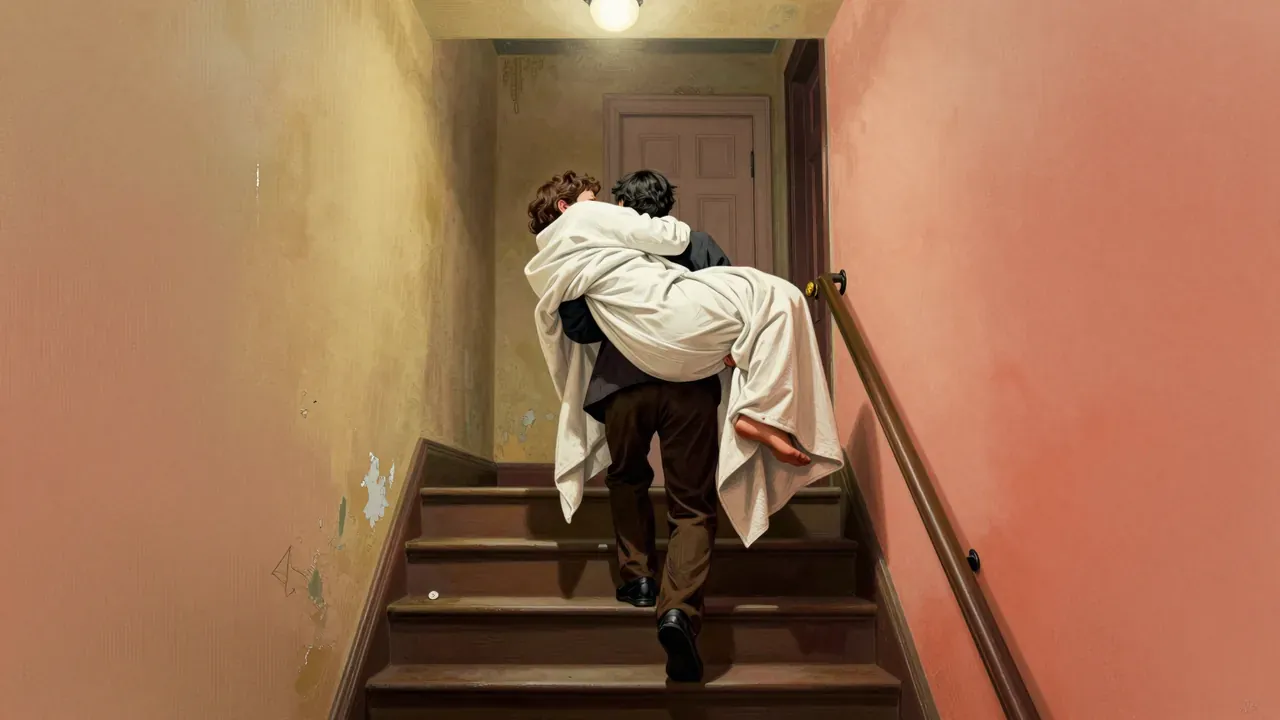
James Gray’s 1994 debut Little Odessa follows a Russian-Jewish hitman who returns to his estranged family in Brooklyn’s Brighton Beach — a neighbourhood nicknamed 'Little Odessa' for its Soviet immigrant population. Shot by Tom Richmond in muted, low-light tones, the film traces Joshua Shapira’s slow re-immersion in a world of inherited trauma, terminal illness, and unspoken loyalties. Its power lies not in action but in accumulation: glances held too long, doors left ajar, bodies carried in sheets. It is a film of restraint, where violence is routine and grief is domestic.
13:00

Love Is Colder Than Death

Rainer Werner Fassbinder · 1969

Rainer Werner Fassbinder’s 1969 debut is a stark, low-budget crime drama shot in Munich with his Anti-Theater ensemble. It follows a pimp, a sex worker, and a syndicate enforcer caught in a cycle of betrayal and violence. With flat cinematography by Dietrich Lohmann, sparse music by Peer Raben, and editing by Fassbinder himself, it prioritises structure over sentiment — a rigorous, unsentimental examination of transactional relationships in post-war West Germany.

13:00

Love Jones

Theodore Witcher · 1997

A 1997 Chicago-set romance following poet Darius Lovehall and photographer Nina Mosley as they navigate attraction, miscommunication, and distance without relying on genre clichés. Directed by Theodore Witcher as his debut, it foregrounds Black intellectual and artistic life, uses spoken word as emotional grammar, and resists tidy closure in favour of bittersweet realism.

13:00

Love Letter

Kinuyo Tanaka · 1953

Kinuyo Tanaka’s 1953 directorial debut — adapted by Keisuke Kinoshita from Fumio Niwa’s novel — follows a returning veteran navigating family expectation, unspoken grief, and tentative reconnection in postwar Tokyo. Shot by Hiroshi Suzuki and scored by Ichirō Saitō, it trades plot for psychological texture, building meaning through restraint, repetition, and the weight of unsaid things.

13:00

Love Letters

Claude Autant-Lara · 1942

Made in occupied Paris in 1942, Love Letters is a comedy-drama set in Napoleon III’s France, centring on romantic confusion caused by intercepted correspondence. Directed by Claude Autant-Lara and scripted by Jean Aurenche, it features Odette Joyeux, François Périer, and Julien Carette in performances calibrated to polite farce. Shot at Boulogne Studios, its art direction (Robert Dumesnil, Jacques Krauss) and costumes (Christian Dior) reinforce its theatrical, surface-conscious world. The film avoids historical engagement or emotional extremity, sustaining instead a steady, wry tone rooted in manners and miscommunication.

13:00

Made in U.S.A

Jean-Luc Godard · 1966

Made in U.S.A (1966) is Jean-Luc Godard’s fractured, politically charged crime film starring Anna Karina as journalist Paula Nelson, investigating her ex-boyfriend’s death in a fictional French coastal town. Loosely adapted without permission from Richard Stark’s The Jugger, it deploys genre tropes—murder, conspiracy, double-cross—as scaffolding for linguistic play, political satire, and formal experimentation. Shot by Raoul Coutard and edited by Agnès Guillemot, it favours graphic colour, abrupt cuts, and disembodied voices over narrative coherence. Its themes pivot on naming, ideological exhaustion, and the impossibility of clean political action in a mediated world.

13:00

Madonna of the Seven Moons

Arthur Crabtree, Roland Pertwee, Margery Lawrence · 1945

Madonna of the Seven Moons (1945) is a Gainsborough Pictures drama starring Phyllis Calvert as Maddalena Labardi, a woman whose childhood trauma manifests as a second personality. Set across three decades in Italy, it uses stark visual contrasts, controlled performances, and a tightly wound script to enact — not explain — dissociation. Jack E. Cox’s cinematography and Hans May’s score reinforce its rhythmic, ceremonial structure. Though dated in its psychology and reductive in its portrayal of marginal figures, it remains a lucid, self-contained example of British studio melodrama at its most assured.

13:00

Mahjong

Edward Yang · 1996

Edward Yang’s 1996 Mahjong is a Taipei-set ensemble comedy about a drifting youth gang, a French woman searching for an interior designer, and a soothsayer whose predictions come true only because others act on them. Conducted almost entirely in English, it treats crime, romance, and superstition as interchangeable social scripts — less a satire of greed than a demonstration of how greed, once ambient, ceases to be legible as motive.

13:00

Man Bites Dog

Rémy Belvaux, Benoît Poelvoorde, André Bonzel · 1992

Man Bites Dog (1992) is a Belgian black-and-white mockumentary in which filmmakers follow a charismatic serial killer, recording his crimes and monologues. Directed, written and performed by Rémy Belvaux, André Bonzel and Benoît Poelvoorde, it uses fly-on-the-wall conventions to trace the crew’s descent from observers to accomplices. Shot on 16 mm with no score, it refuses catharsis or explanation, instead exposing how documentary aesthetics naturalise atrocity. It won the Sitges Best Feature award and faced bans in multiple countries for its unflinching depiction of sexual and physical violence.

13:00

Mayerling

Anatole Litvak · 1936

Anatole Litvak’s 1936 Mayerling is a French historical drama starring Charles Boyer and Danielle Darrieux, adapted from Claude Anet’s novel Idyll’s End. Set in late-19th-century Vienna, it traces Crown Prince Rudolf’s estrangement from duty and his fatal relationship with Baroness Marie Vetsera. Shot in restrained, underlit interiors by Armand Thirard and scored by Honegger, Jaubert and Tchaikovsky, the film avoids melodrama in favour of cumulative emotional weight. Though criticised in 1936 for its muted politics and ambiguous ending, its coherence, precision and formal discipline make it a distinctive artefact of interwar European arthouse cinema.

13:00

Me and You and Everyone We Know

Miranda July · 2005

Miranda July’s 2005 debut follows a shoe salesman and a performance artist navigating loneliness, miscommunication, and tentative connection in suburban Los Angeles. Shot with quiet precision and performed with deliberate restraint, it builds meaning through accumulated detail rather than plot turns. Its romance is structural, not sentimental; its comedy arises from behavioural accuracy, not punchlines.

13:00

Meantime

Mike Leigh · 1983

Mike Leigh’s 1983 Meantime observes four days in an East London working-class family amid rising unemployment and social fragmentation. With Tim Roth, Phil Daniels, Gary Oldman, and Pam Ferris, it uses rigorous rehearsal-based performance and unadorned cinematography to render austerity as atmosphere, not argument — a precise, unsentimental study of endurance in the early Thatcher years.

13:00

Ministry of Fear

Fritz Lang · 1944

Fritz Lang’s 1944 Ministry of Fear adapts Graham Greene’s novel into a tightly paced spy thriller set in Blitz-era London. Ray Milland plays Stephen Neale, a man recently released from a mental asylum who stumbles into a Nazi espionage ring masquerading as a charitable organisation. The film prioritises procedural suspense and period texture over the novel’s deep psychological guilt, delivering a lean, atmospheric, studio-era noir anchored in tangible wartime detail.

13:00

Monte Carlo

Ernst Lubitsch · 1930

Ernst Lubitsch’s 1930 Monte Carlo stars Jeanette MacDonald and Jack Buchanan in a romantic musical comedy set in the French Riviera. A countess flees her arranged marriage and checks into a luxury hotel with little money; a count disguises himself as a hairdresser to win her affection. Built around the hit song 'Beyond the Blue Horizon' and a self-referential opera sequence, the film prioritises tonal control, musical integration, and elegant artifice over psychological realism or social critique.