filmbriefs
Highest rated

All briefs

2035 briefs · 26452 min · 193–288 on page 3 of 22
13:00

Dry Summer

Metin Erksan · 1964

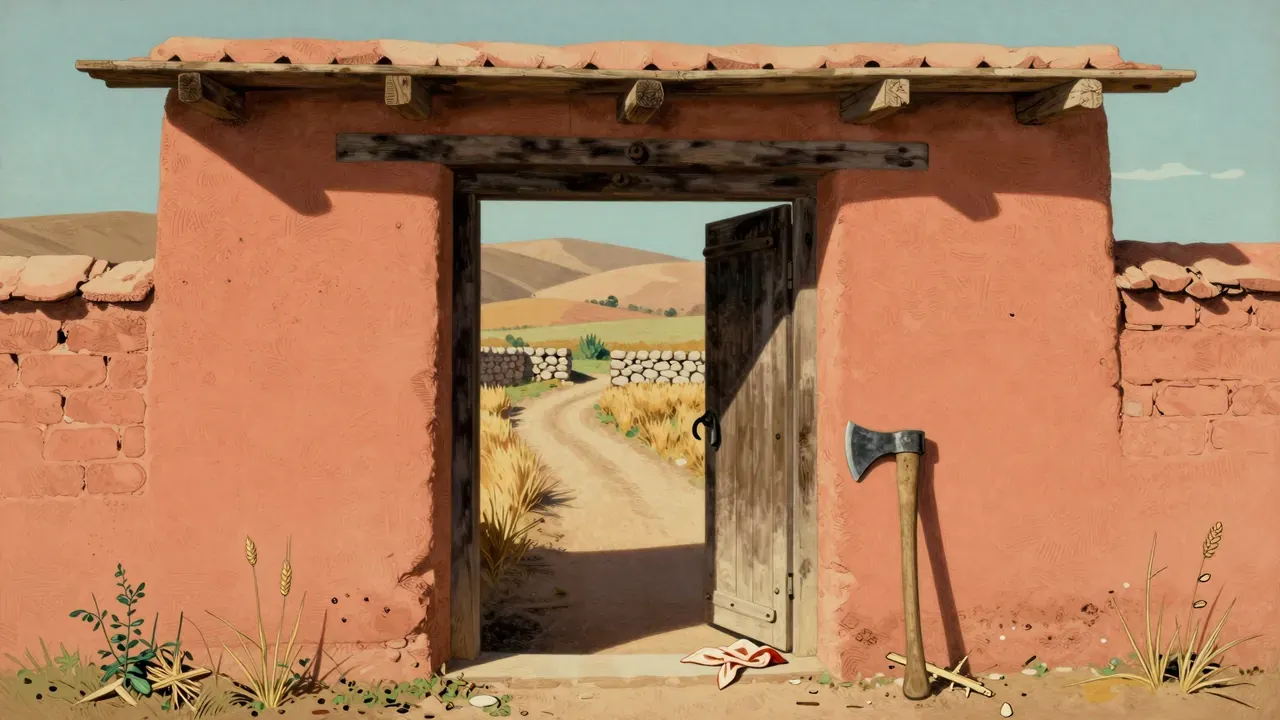
Metin Erksan’s 1964 Turkish drama Dry Summer follows tobacco farmer Osman, who dams a river to secure his harvest at the expense of neighbouring farmers. His younger brother Hasan reluctantly complies, then wavers; their conflict escalates legally and violently, entangling Hasan’s wife Bahar in a web of coercion, deception and retribution. Shot in stark black-and-white with minimal score and restrained performances, the film traces how property law, patriarchal control and ecological scarcity converge. It won the Golden Bear at Berlin and remains a landmark of socially engaged Turkish cinema.
13:00

Dying at Grace

Allan King · 2003

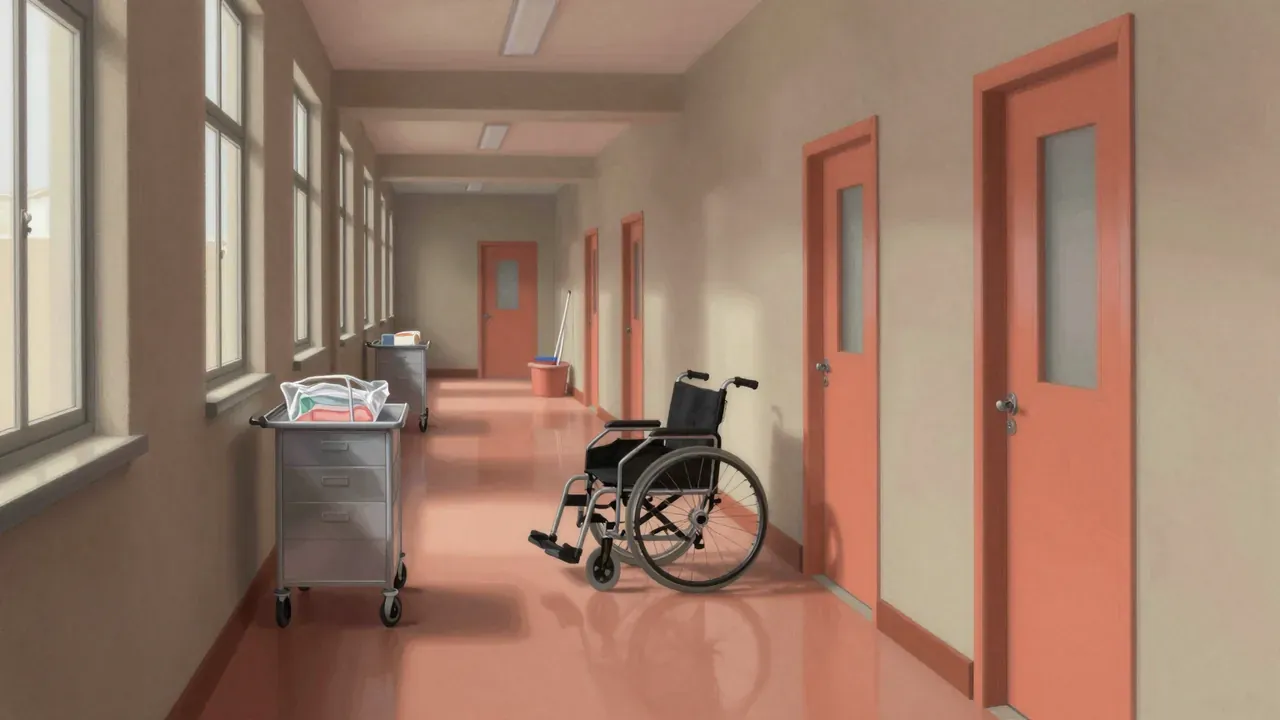
Allan King’s 2003 documentary Dying at Grace observes five patients in palliative care at Toronto Grace Health Centre over their final weeks. Shot with unwavering stillness and edited to honour silence and repetition, it refuses narration, exposition, or interpretation. Its power lies in duration, fidelity, and restraint — holding attention on breath, light, hesitation, and the quiet labour of care.

13:00

Early Spring

Yasujirō Ozu · 1956

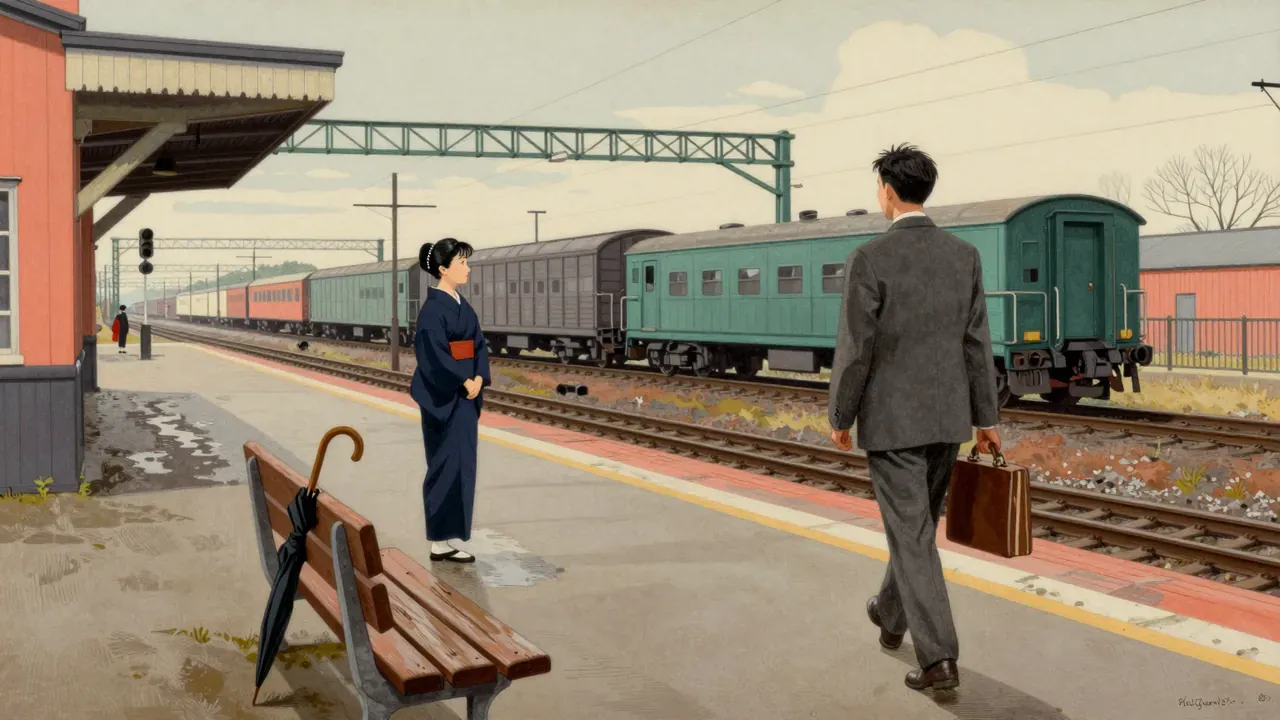
Yasujirō Ozu’s 1956 drama follows a Tokyo salaryman whose affair with a colleague unravels his marriage not through melodrama but through accumulated silences, routine, and unspoken grief. Shot in restrained black and white, it replaces Ozu’s usual generational tensions with a study of white-collar disillusionment — quiet, precise, and anchored in the physical details of postwar Japanese domestic and office life.

13:00

Early Summer

Yasujirō Ozu · 1951

Yasujirō Ozu’s 1951 drama observes Noriko, a 28-year-old Tokyo secretary, as her extended family gently pressures her to marry — then watches, with quiet precision, as she chooses a path that fractures their domestic equilibrium. Set in Kamakura and rural Japan, the film traces the emotional residue of that choice through restrained performances, static compositions, and a structure built on absence and repetition rather than conflict or resolution.

13:00

Education

Steve McQueen · 2020

Steve McQueen’s Education (2020), the closing film of the Small Axe anthology, follows an 11-year-old Black boy in 1970s London subjected to an 'educationally subnormal' assessment — a real historical practice that disproportionately diverted Black children from mainstream schooling. Shot by Shabier Kirchner with deliberate stillness and no score, it focuses on procedural indifference rather than individual villainy. Based on documented inequities but using fictional characters, it builds its argument through accumulation, silence, and restraint.

13:00

Él

Luis Buñuel · 1953

Luis Buñuel’s 1953 Mexican drama Él follows Francisco, a bourgeois husband whose obsessive jealousy isolates and terrorises his wife Gloria. Adapted from Mercedes Pinto’s novel, the film uses rigorous realism — Gabriel Figueroa’s cinematography, restrained performances, and a tightly controlled structure — to dissect how paranoia functions not as breakdown but as coherent, socially reinforced logic. Its power lies in plausibility, not shock.

13:00

El Norte

Gregory Nava · 1983

A Guatemalan brother and sister flee civil war, cross Mexico, and enter the US undocumented. Their journey — from rural persecution to sewer-pipe crossing to precarious survival in Los Angeles — is rendered with procedural realism, sparse sound, and unflinching attention to labour, language, and loss. No score until the final scene. No resolution beyond recurrence.

13:00

Election

Alexander Payne · 1999

Alexander Payne’s 1999 black comedy follows a high school teacher’s attempt to sabotage an overachieving student’s bid for class president. Told through four intersecting voiceovers and shot on location in Omaha, it uses the mechanics of a student election to dissect ambition, resentment, and institutional failure — with Reese Witherspoon and Matthew Broderick delivering performances of unnerving clarity.

13:00

Elevator to the Gallows

Louis Malle · 1958

Louis Malle’s 1958 debut follows two parallel failures: a meticulously planned murder undone by a forgotten rope, and a casual theft escalating to murder through chance and misreading. Shot in stark black-and-white by Henri Decaë and scored in a single improvised session by Miles Davis, it builds dread through duration, light and silence rather than exposition or climax. Jeanne Moreau’s breakthrough performance anchors a film less about guilt than about the physics of consequence.

13:00

Emitaï

Ousmane Sembène · 1971

Ousmane Sembène’s 1971 drama Emitaï depicts a Diola village in Senegal resisting forced grain requisitions first by Vichy France, then by Free French forces during the Second World War. Shot in French with Diola-speaking non-professionals, it centres women’s labour, ancestral consultation, and the brutal continuity of colonial administration — culminating in a massacre that arrives without fanfare or framing. The film’s formal restraint, moral clarity, and anti-colonial urgency make it a landmark of African cinema.
13:00

Enter the Dragon

Robert Clouse · 1973

A 1973 martial arts action film directed by Robert Clouse, Enter the Dragon stars Bruce Lee as a Shaolin monk infiltrating a criminal island tournament. Produced by Warner Bros. and Golden Harvest on a $850,000 budget, it fused spy-thriller structure, blaxploitation casting, and Lee’s choreographed philosophy. Though its script leans on genre shorthand and its themes remain gestural, its physical grammar — in fight staging, performance, and Schifrin’s score — endures as a benchmark. It grossed $90 million worldwide and remains culturally pivotal, preserved in the US National Film Registry.

13:00

Ethnic Notions

Marlon Riggs · 1987

Marlon Riggs’ 1987 documentary Ethnic Notions traces the development and function of anti-Black stereotypes in American popular culture from the 1800s to the 1960s. Using archival footage, academic commentary, and Esther Rolle’s narration, it dissects figures like The Mammy, The Tom, and The Brute across minstrelsy, advertising, film, and song — showing how visual language enforced racial hierarchy and shaped self-perception. It won a 1988 National Emmy and remains Riggs’ most widely seen work.

13:00

Europa Europa

Agnieszka Holland · 1990

Europa Europa (1990), directed by Agnieszka Holland, adapts Solomon Perel’s memoir of surviving the Holocaust by posing as a German nationalist and joining the Hitler Youth. Shot in German by a French-Polish-German co-production, it follows Solek’s constant recalibration of identity across shifting front lines, languages, and ideologies — avoiding sentiment, exposition, or moral summation in favour of procedural tension and quiet precision.

13:00

Eve's Bayou

Kasi Lemmons · 1997

Set in 1962 Louisiana, Eve’s Bayou follows ten-year-old Eve Batiste as she witnesses fractures in her prosperous Creole-American family — infidelity, silence, spiritual inheritance — without the language or authority to name them. Kasi Lemmons’ debut sustains a mood of suspended dread and quiet revelation, anchored by Jurnee Smollett’s restrained performance and Amy Vincent’s humid, intimate cinematography. It treats memory, mysticism, and moral ambiguity not as devices but as conditions of being.

13:00

Exotica

Atom Egoyan · 1994

Atom Egoyan’s 1994 Canadian drama Exotica unfolds in and around a Toronto strip club, tracing the restrained, overlapping lives of a grieving tax auditor, a dancer, a club owner, and a bird smuggler. Structured like a striptease — withholding, then revealing — it treats the club as ritual space rather than spectacle, using Paul Sarossy’s precise cinematography, Mychael Danna’s layered score, and Susan Shipton’s deliberate editing to explore how trauma reshapes memory, time, and connection. It won Best Canadian Film at TIFF and the Genie for Best Picture.

13:00

Eyes Without a Face

Georges Franju, Claude Sautet · 1960

Eyes Without a Face (1960) is a French arthouse horror film directed by Georges Franju, following a plastic surgeon who kidnaps women to graft their faces onto his disfigured daughter. Shot by Eugen Schüfftan and scored by Maurice Jarre, it sustains a tone of poetic anguish rather than visceral terror. Its restrained performances, deliberate pacing, and clinical visuals have earned it retrospective acclaim as a landmark of moral and aesthetic horror.

13:00

F for Fake

Orson Welles · 1973

Orson Welles’s 1973 essay-film F for Fake uses the lives of art forger Elmyr de Hory and hoax biographer Clifford Irving to dissect authorship, authenticity, and the cinematic construction of truth. Shot across France, Spain, Italy, and the US, it layers re-enactments, spliced interviews, and fabricated footage — including a wholly invented War of the Worlds scene — to demonstrate how belief is engineered through editing, voice, and framing. With François Reichenbach as cinematographer and Michel Legrand scoring its sly, jazz-inflected passages, the film refuses documentary convention in favour of procedural argument. Its themes — self-deception, the economics of attribution, and the gendered politics of credibility — remain urgent. Though demanding, its 89-minute run is tightly controlled, its provocations precise.

13:00

Faces Places

Agnès Varda, JR · 2017

Faces Places is a 2017 French documentary in which filmmaker Agnès Varda and artist JR travel rural France photographing local residents and pasting their enlarged portraits onto buildings and structures. The film documents their collaboration, their conversations, and the quiet impact of making people visible on their own terms — all while Varda confronts her failing eyesight and JR maintains his enigmatic presence behind dark glasses.

13:00

Farewell My Concubine

Chen Kaige · 1993

Farewell My Concubine follows two Peking opera performers across five decades of Chinese history. Their artistic partnership and fraught personal bond are tested by war, revolution, and ideological purges. Directed by Chen Kaige and starring Leslie Cheung, Zhang Fengyi, and Gong Li, it uses the formal rigour of opera as both subject and structure — tracing how discipline, repetition, and gesture sustain and ultimately shatter the self.

13:00

Female Trouble

John Waters · 1974

John Waters’ 1974 comedy Female Trouble follows Divine as Dawn Davenport, a Baltimore delinquent whose life escalates from expulsion and teen pregnancy to criminal stardom and execution — all staged with deadpan precision, handmade production design, and zero psychological compromise. Shot on 16mm in Baltimore for $25,000, it treats celebrity, punishment, and beauty as interchangeable currencies in a world governed by spectacle, not sense.

13:00

Fires on the Plain

Kon Ichikawa · 1959

Kon Ichikawa’s 1959 adaptation of Shōhei Ōoka’s novel follows a tubercular Japanese private abandoned on Leyte in late 1944. Shot in stark black-and-white, it traces his physical and moral dissolution amid starvation, disease and escalating atrocity—not as drama, but as inexorable attrition. With minimal dialogue, sparse music and unflinching realism, it asks what remains of personhood when every boundary—bodily, ethical, linguistic—has been breached.

13:00

Fish Tank

Andrea Arnold · 2009

Andrea Arnold’s 2009 drama follows Mia, a volatile 15-year-old on a London council estate, as she navigates neglect, burgeoning desire and fleeting connection with her mother’s boyfriend. Shot on location in Tilbury with non-professional lead Katie Jarvis, it uses natural light, diegetic music and chronological structure to sustain an unflinching, physically precise portrait of adolescence shaped by class and silence.

13:00

Fists in the Pocket

Marco Bellocchio · 1965

Marco Bellocchio’s 1965 debut is a stark, black-and-white drama about a young epileptic man who plots to kill his dysfunctional family. Set in a provincial Italian villa, it uses rigorous composition, sparse sound, and restrained performances to explore inheritance, enclosure, and moral inertia — not as ideas, but as lived conditions.

13:00

Five Easy Pieces

Bob Rafelson · 1970

Bob Rafelson’s 1970 drama follows Jack Nicholson as Bobby Dupea, a former piano prodigy working on an oil rig in California, who abandons his rootless life to visit his ailing, estranged father in Washington. Accompanied by his girlfriend Rayette (Karen Black), he re-enters the cultured, musically rigorous world he fled — confronting his siblings, his brother’s fiancée, and the unspoken reasons for his departure. László Kovács’ naturalistic cinematography and Carole Eastman and Rafelson’s sparse script anchor the film in behavioural realism, treating class, alienation, and self-erasure as physical facts rather than abstractions.

13:00

Floating Weeds

Yasujirō Ozu · 1959

Yasujirō Ozu’s 1959 colour remake of his 1934 silent film follows a fading kabuki troupe and its lead actor, Komajuro, as he revisits his former mistress and their adult son — whose paternity has been concealed. Set over one summer in Wakayama, the film unfolds with Ozu’s signature stillness: low angles, spare dialogue, and compositions that treat laundry lines and empty corridors as emotional anchors. Kazuo Miyagawa’s cinematography uses muted colour deliberately; Toshiro Mayuzumi’s score is near-absent. Its power lies in restraint — in what is withheld, repeated, or left unresolved.

13:00

For All Mankind

Al Reinert · 1989

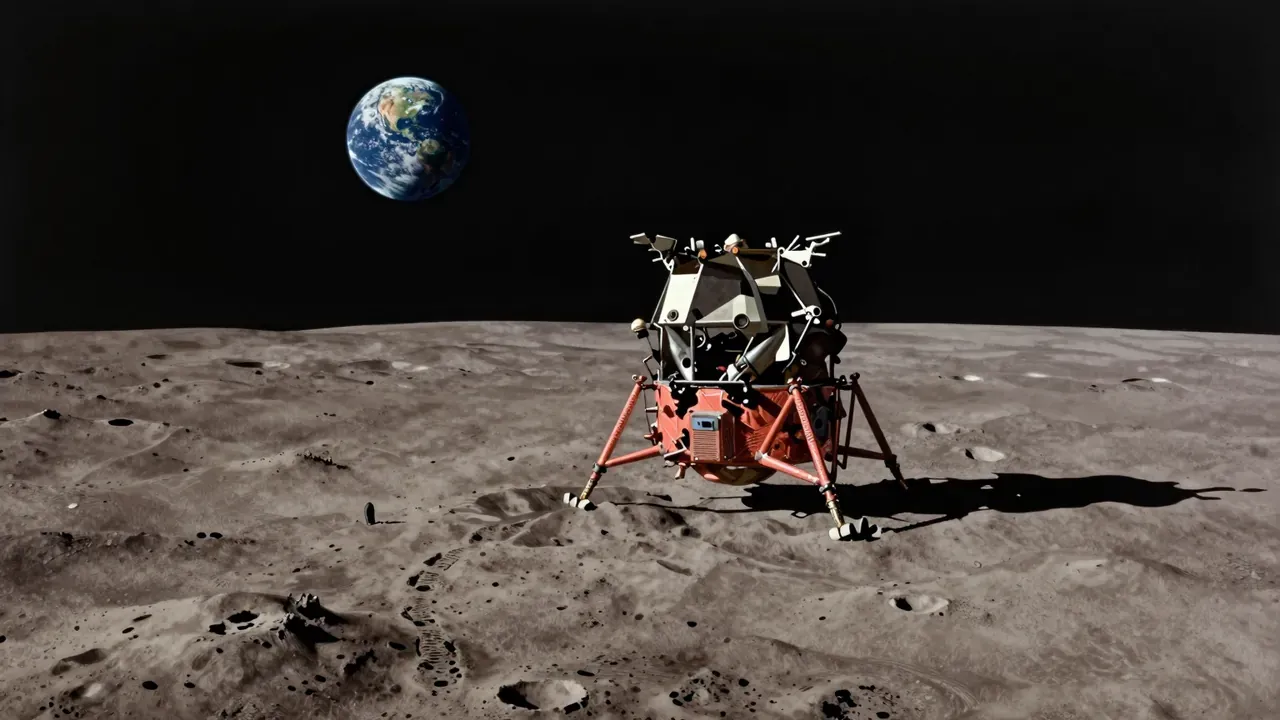
Al Reinert’s 1989 documentary For All Mankind assembles six million feet of NASA film into a single, continuous lunar mission, using astronauts’ interview voices and Brian Eno’s ambient score to evoke the physical and psychological experience of spaceflight — prioritising sensation over explanation, silence over speech, and scale over story.

13:00

Forbidden Games

René Clément · 1952

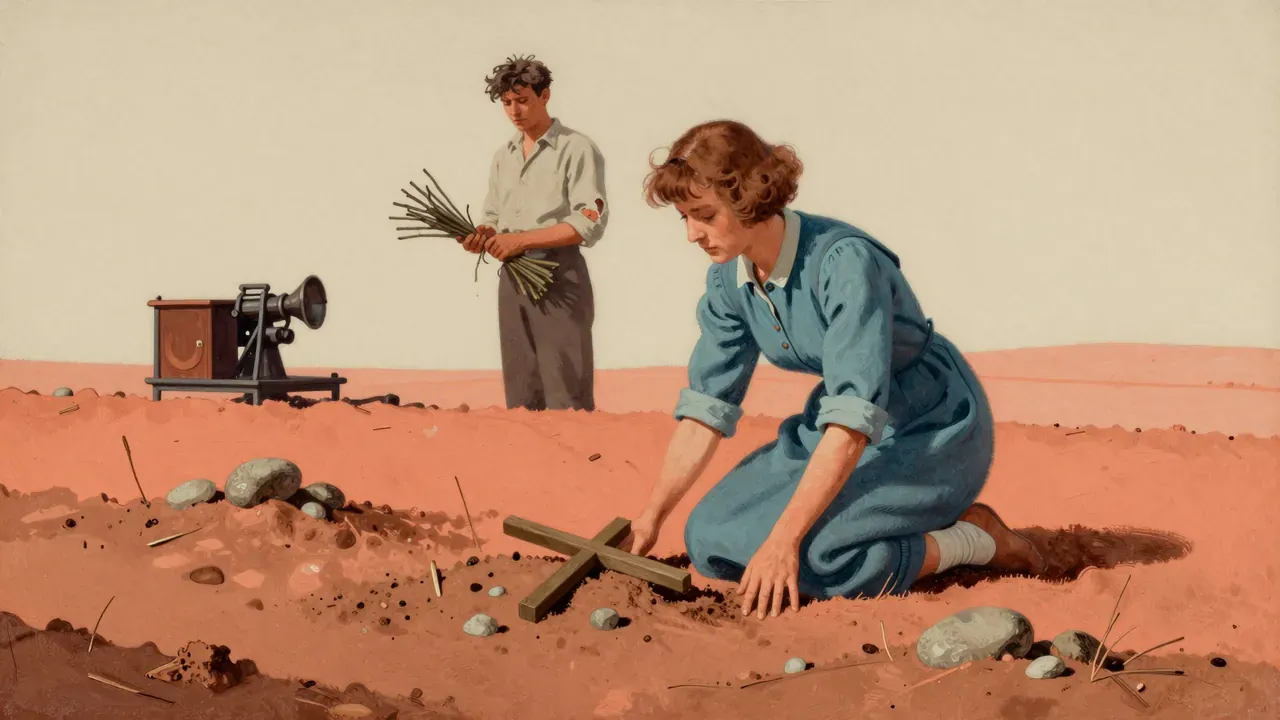
Set in June 1940 during the fall of France, Forbidden Games follows orphaned five-year-old Paulette as she is taken in by a peasant family and forms a quiet bond with their son Michel. Together they build a secret cemetery for dead animals using stolen crosses, enacting grief through ritual rather than speech. Directed by René Clément with restrained precision, the film observes childhood trauma without sentimentality, relying on Brigitte Fossey’s extraordinary performance and Robert Juillard’s understated cinematography. It won the Golden Lion at Venice, a BAFTA, and an Academy Honorary Award.

13:00

Forty Guns

Samuel Fuller · 1957

Samuel Fuller’s 1957 Forty Guns is a lean, black-and-white Western filmed in CinemaScope, starring Barbara Stanwyck as Jessica Drummond, a landowner who rules Tombstone with forty hired guns. Griff Bonnell (Barry Sullivan) arrives to enforce federal law, not settle scores — and finds himself negotiating not with outlaws but with systems: debt, inheritance, jurisdiction. Fuller’s direction is precise, Joseph F. Biroc’s cinematography exploits width for irony not spectacle, and the film’s moral architecture refuses easy binaries. It is less about taming the frontier than transferring authority — from family to state, from whip to warrant.

13:00

Freaks

Tod Browning · 1932

Tod Browning’s 1932 Freaks, cut from 90 to 64 minutes after hostile test screenings, tells of a trapeze artist who marries a dwarf performer to steal his inheritance — only to face the collective retribution of his carnival community. Starring real sideshow performers including Harry Earles, Daisy and Violet Hilton, Schlitzie, and Johnny Eck, it inverts horror’s moral grammar, treating disability not as spectacle but as social identity. Though compromised by studio edits and constrained by its era’s limits, its formal restraint and ethical clarity have secured its status as a landmark of compassionate, uncompromising cinema.
13:00

Gate of Flesh

Seijun Suzuki · 1964

Seijun Suzuki’s 1964 Nikkatsu drama follows a group of sex workers enforcing rigid communal rules in a bombed-out Tokyo building. When a wounded ex-soldier arrives, their fragile order fractures. Shot on a rushed schedule with deliberately artificial sets, the film uses formal restraint and allegorical structure to critique the continuity of militarised social control under Occupation. Performances are muted, editing jarring, and the ending offers no resolution — only repetition.

13:00

Gates of Heaven

Errol Morris · 1978

Errol Morris’s 1978 debut is an unnarrated documentary about pet cemeteries in California, built entirely from interviews with entrepreneurs, mourners and bystanders. Shot on a shoestring budget with three fired cinematographers before settling on Ned Burgess, it avoids irony, exposition and music, letting speech — hesitant, repetitive, earnest — carry philosophical weight. Its structure divides two competing businesses, revealing not satire or sentiment but a sustained inquiry into how people articulate meaning around death, care and failure.

13:00

General Idi Amin Dada: A Self Portrait

Barbet Schroeder · 1974

Barbet Schroeder’s 1974 documentary follows Idi Amin across military drills, cabinet meetings, and staged spectacles, all filmed with Amin’s full cooperation and direction. Shot by Néstor Almendros, it presents Amin’s self-mythology without commentary, letting his rhetoric, gestures, and contradictions accumulate as evidence. Though stripped of historical context or moral framing, its rigour lies in sustained observation — a portrait not of a man, but of power performing itself.

13:00

George Washington

David Gordon Green · 2000

David Gordon Green’s 2000 debut is a slow, sun-baked coming-of-age drama set in a decaying North Carolina town. Following a group of preteens — including a boy whose skull never hardened — it traces the aftermath of an accidental death not through plot, but through lingering glances, ambient sound, and Tim Orr’s grain-heavy cinematography. Made for $42,000 with local non-actors, it trades exposition for texture, and resolution for resonance.

13:00

Ghost World

Terry Zwigoff · 2001

Ghost World (2001), directed by Terry Zwigoff and co-written with Daniel Clowes, follows Enid and Rebecca through the hollow summer after high school. Shot by Affonso Beato with deliberate oversaturation and lingering takes, it renders adolescent disaffection as structural fact rather than passing mood. Thora Birch’s performance anchors a film that values silence over exposition, texture over plot, and ambiguity over resolution.

13:00

Gilda

Charles Vidor · 1946

A 1946 Columbia Pictures drama starring Rita Hayworth and Glenn Ford, directed by Charles Vidor. Set in an artificial Buenos Aires, it traces the toxic, circular relationship between a gambler, his boss’s wife, and the boss himself — all rendered in high-contrast black-and-white, with precise performances and deliberate pacing. Though framed as noir, its concerns are psychological and performative, not procedural.

13:00

Gimme Shelter

Charlotte Zwerin, Albert Maysles, David Maysles · 1970

Gimme Shelter is a 1970 Direct Cinema documentary following the Rolling Stones’ 1969 US tour to its violent end at the Altamont Free Concert. Shot by Albert and David Maysles with Charlotte Zwerin’s editing, it records studio sessions, concerts, negotiations and the fatal stabbing of Meredith Hunter — without voiceover, interviews or moral framing. Its power lies in its unblinking chronology and refusal to resolve what it witnesses.

13:00

Girlfight

Karyn Kusama · 2000

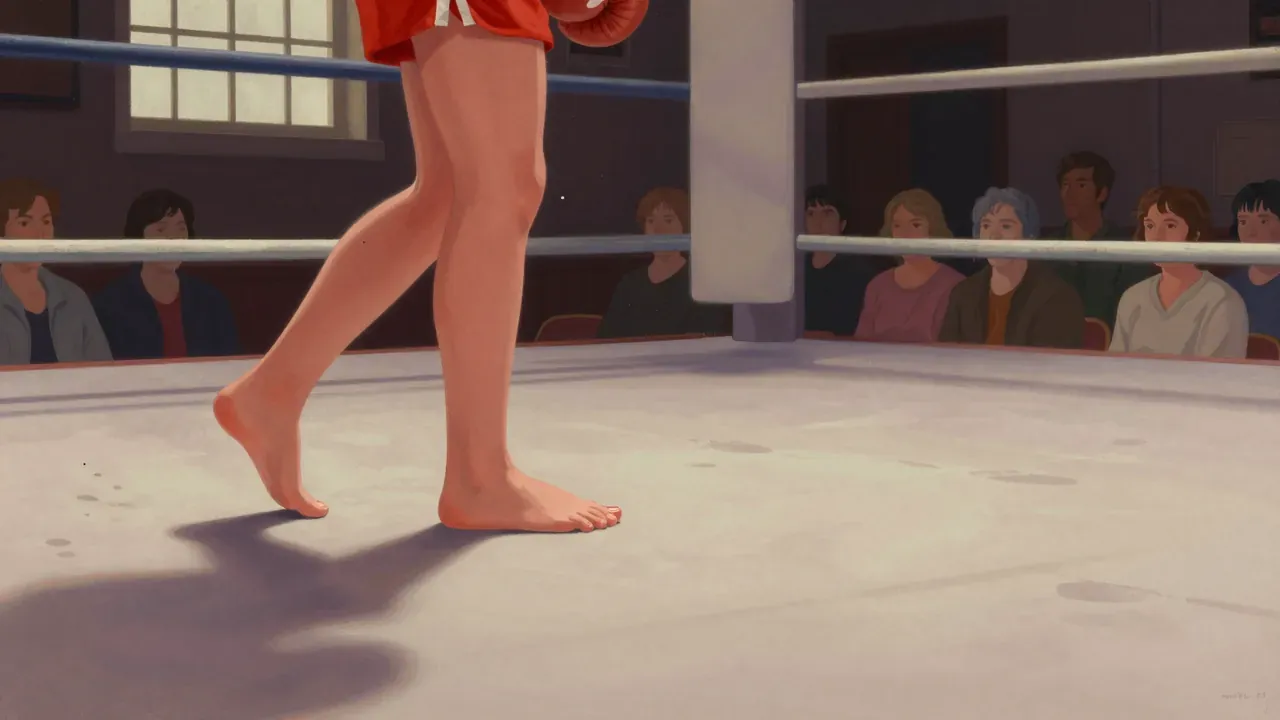
Girlfight (2000), Karyn Kusama’s debut, follows Diana Guzman, a Brooklyn teenager who takes up boxing to channel her rage and claim autonomy in a hostile environment. Shot in 24 days on a $1 million budget, it stars Michelle Rodriguez in her first role, trained rigorously at Gleason’s Gym. The film avoids sports-movie clichés, focusing instead on physical discipline, gendered constraint, and quiet, hard-won agency. It won Sundance’s Grand Jury and Directing Prizes, and remains a benchmark for grounded, unsentimental female-led drama.

13:00

Godzilla

Ishirō Honda · 1954

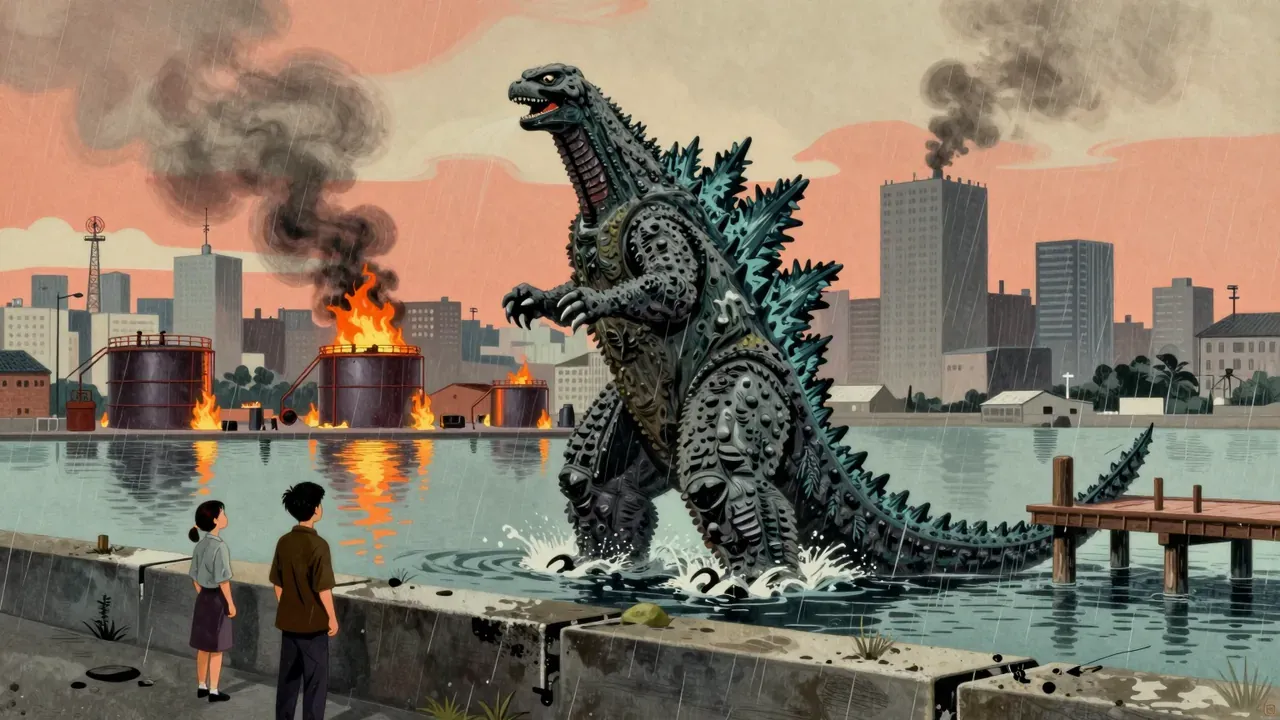
Godzilla (1954) is Toho’s foundational kaiju film, directed by Ishirō Honda and conceived after the Daigo Fukuryū Maru incident. It follows scientists and officials responding to a prehistoric creature mutated by hydrogen bomb tests. Shot in black-and-white with pioneering suitmation effects, its tone is sober, almost documentary-like. The film avoids monster-movie tropes in favour of bureaucratic realism, scientific debate, and quiet devastation. Though its pacing and formal restraint challenge modern expectations, its thematic urgency — on nuclear consequence, institutional failure, and irreversible change — remains undimmed.

13:00

Gomorrah

Matteo Garrone · 2008

Matteo Garrone’s 2008 film adapts Roberto Saviano’s non-fiction book into a five-thread portrait of the Camorra’s reach across Naples and Caserta. It follows a timid middleman, a teenage recruit, a waste-management graduate, a tailor, and two deluded wannabes — none heroic, none redeemed. Shot with documentary restraint by Marco Onorato and edited without flourish by Marco Spoletini, it treats crime as infrastructure: logistical, banal, and woven into fashion, toxic dumping, and housing estates. It won the Cannes Grand Prix and seven David di Donatello awards.

13:00

Good Morning

Yasujirō Ozu · 1959

Yasujirō Ozu’s 1959 colour comedy follows two brothers who stop speaking to protest their parents’ refusal to buy a television. Set in a Tokyo suburb, the film traces how their silence ripples through the neighbourhood, exposing the fragility of gossip, the labour of politeness, and the quiet absurdity of adult consensus — all observed with Ozu’s characteristic stillness and dry precision.

13:00

Graduation

Cristian Mungiu · 2016

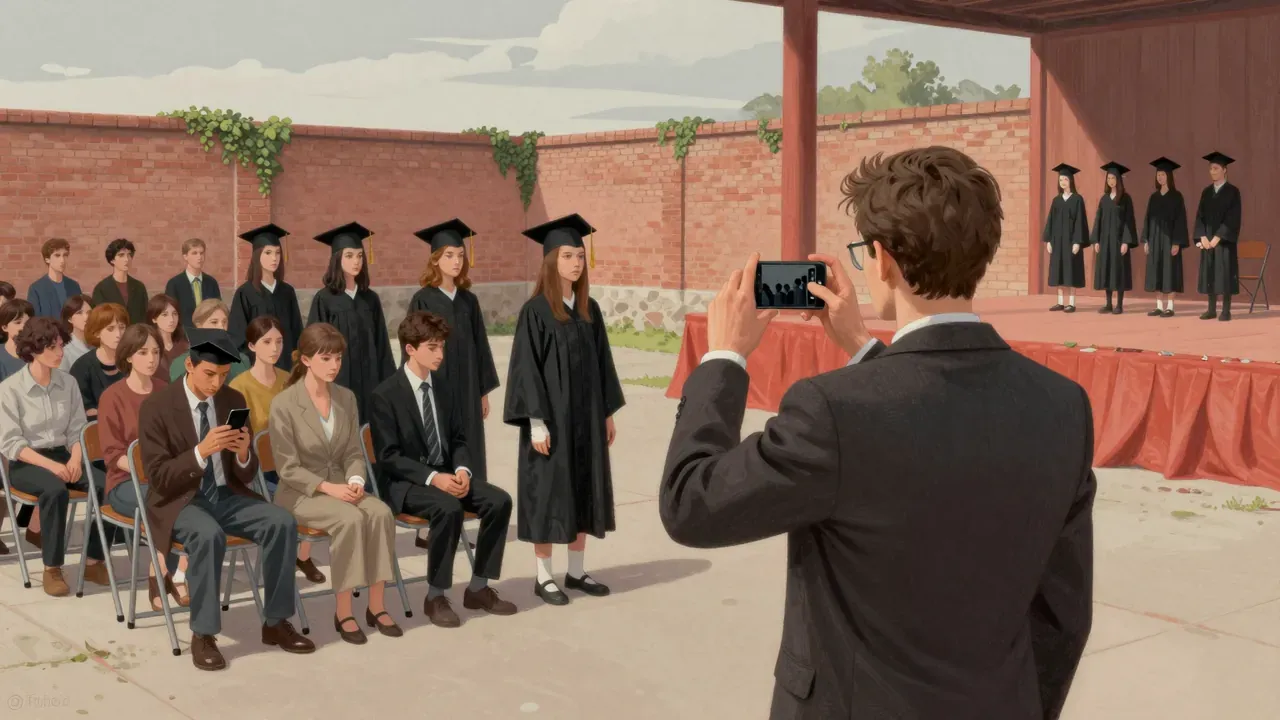
A Transylvanian doctor tries to fix his daughter’s exam results after she is assaulted, triggering a slow collapse of professional, marital and paternal certainties. Directed by Cristian Mungiu, the film observes moral compromise as a series of quiet, irreversible steps — not grand betrayals, but small accommodations made in the name of love, duty, or survival.

13:00

Grey Gardens

Albert Maysles, David Maysles, Ellen Horde · 1975

A 1975 direct-cinema documentary by Albert and David Maysles, Ellen Hovde and Muffie Meyer, Grey Gardens observes Edith ‘Big Edie’ Beale and her daughter ‘Little Edie’ Bouvier Beale in their decaying East Hampton home. Filmed over several months in 1974, it offers no narration, no external context, and no judgment — only sustained, intimate observation of two women performing dignity amid squalor, memory amid decay, and selfhood amid erasure.

13:00

Hairspray

John Waters · 1988

John Waters’s 1988 romantic comedy reimagines 1962 Baltimore as a stage for joyful, noisy resistance. Tracy Turnblad, a plus-size teen, fights to integrate a local TV dance show — and in doing so, exposes segregation as farcical, fragile, and beatable. With Ricki Lake, Divine, Ruth Brown, and Debbie Harry, it balances satire and sincerity, using music, dance, and outrageous costume to argue that liberation is loud, embodied, and unapologetically fun.

13:00

Hamlet

Laurence Olivier · 1948

Laurence Olivier’s 1948 Hamlet is a tightly focused, black-and-white adaptation that cuts over half the play to centre Hamlet’s paralysed will and moral uncertainty. Shot by Desmond Dickinson with deep focus and scored by William Walton, it uses sound design, editing, and performance to render interiority as physical fact. Though controversial among purists for its omissions — including Fortinbras and Rosencrantz and Guildenstern — it won Best Picture and Best Actor at the 1949 Oscars, and remains a landmark of Shakespearean cinema for its formal rigour and psychological intensity.

13:00

Harakiri

Masaki Kobayashi · 1962

Masaki Kobayashi’s 1962 jidaigeki follows rōnin Tsugumo Hanshirō as he requests seppuku at the Iyi clan’s estate — not to die, but to force a reckoning with their hypocrisy. Through precise framing, restrained performance, and a narrative structured like a legal deposition, the film exposes how bushido functions as bureaucratic cover for cruelty. Tatsuya Nakadai anchors the film with implacable gravity; Yoshio Miyajima’s cinematography and Tōru Takemitsu’s score deepen its moral austerity. It remains a landmark of ethical cinema, less concerned with honour than with who bears the cost when honour becomes theatre.

13:00

Harlan County, USA

Barbara Kopple · 1976

Barbara Kopple’s 1976 documentary follows the Brookside Strike in Harlan County, Kentucky: a year-long dispute between coal miners and Duke Power-owned Eastover Coal. Filmed over four years with no narration, it places viewers among strikers, their families, and union organisers, using only direct testimony, observational footage, and folk music rooted in the community. It won the Academy Award for Best Documentary and was preserved in the US National Film Registry.

13:00

Harold and Maude

Hal Ashby · 1971

Hal Ashby’s 1971 film follows Harold Chasen, a young man obsessed with staging his own death, and Maude, a 79-year-old woman who lives with irreverent joy in a railroad car. Their relationship unfolds across San Francisco locations — cemeteries, ruins, hospitals, and highways — to a soundtrack by Cat Stevens. Written by Colin Higgins, it balances black comedy, romance, and existential reflection without resolving its central tension. Initially unsuccessful, it gained cult status and was preserved in the National Film Registry in 1997.

13:00

Häxan

Benjamin Christensen · 1922

A 1922 Swedish-Danish silent film directed by Benjamin Christensen, Häxan blends documentary exposition and dramatised medieval vignettes to argue that witch-hunts stemmed from misdiagnosed mental and neurological conditions. Shot in Denmark with meticulous period detail, it uses restrained cinematography, functional special effects, and a deliberate pace to trace a line from superstition to early psychiatry. Though censored on release for its depictions of torture and nudity, it endures as a landmark essay film — rigorous, unsettling, and structurally innovative.

13:00

Heart of a Dog

Laurie Anderson · 2015

Laurie Anderson’s 2015 essay-film Heart of a Dog reflects on the death of her dog Lolabelle, weaving personal memory, Buddhist bardo teachings, and reflections on post-9/11 New York into a meditative, non-linear structure. Composed, scored, and narrated by Anderson, it favours restraint over exposition, silence over score, and association over argument — offering not answers but a sustained mode of attention.

13:00

Hearts and Minds

Peter Davis · 1974

Hearts and Minds (1974), directed by Peter Davis, is a fiercely focused documentary about the Vietnam War that builds its argument through juxtaposition rather than narration. Shot by Richard Pearce and edited by Lynzee Klingman, it assembles interviews with American officials, veterans, and Vietnamese civilians into a sustained critique of US assumptions about race, power, and civilisation. Winning the 1975 Academy Award for Best Documentary, it remains polarising: praised for its moral urgency and condemned for its selectivity. Its enduring significance lies not in balance, but in its unflinching exposure of how language enables violence—and how footage, once recorded, outlives intention.

13:00

Heaven Can Wait

Ernst Lubitsch · 1943

Ernst Lubitsch’s 1943 Heaven Can Wait follows Henry Van Cleve, a New York heir who, upon arriving at the reception area of Hell, recounts his life to prove he belongs there. Framed as a wry, non-chronological character study, the film uses fantasy not for spectacle but for structure—tracing seventy years of privilege, marriage, and quiet moral drift with precision, irony, and deep affection for its characters’ limitations.

13:00

Henry V

Laurence Olivier · 1944

Laurence Olivier’s 1944 Henry V is a British government-backed film designed to bolster morale during the Second World War. Shot in Technicolor on location in Ireland and at Denham Studios, it blends miniature models, medieval manuscript aesthetics, and naturalistic battle scenes to recast Shakespeare’s play as a unifying national myth. Olivier stars, directs, and co-writes, omitting Henry’s harsher actions to foreground leadership, language, and legacy. Its craft — in cinematography, costume, editing and Walton’s score — is exacting and intentional. Though simplified in ethics, it remains a landmark of cinematic adaptation and wartime culture.

13:00

Here Comes Mr. Jordan

Alexander Hall · 1941

Here Comes Mr. Jordan (1941) follows boxer Joe Pendleton, mistakenly taken to Heaven before his time, who must inhabit a new body on Earth to complete his life. Directed by Alexander Hall and written by Sidney Buchman and Seton I. Miller, the film balances fantasy, romance, and comedy with precise structure and restrained performances. Its strength lies in treating the afterlife as bureaucratic infrastructure and grounding ethical choices in tangible action — restitution, not revelation. Though its final act softens its earlier rigour, the film remains a masterclass in economical, character-led storytelling.

13:00

High Sierra

Raoul Walsh · 1941

High Sierra (1941), directed by Raoul Walsh and starring Humphrey Bogart and Ida Lupino, follows ageing gangster Roy Earle as he leads a jewel heist in California’s Sierra Nevada, then flees into the mountains. Adapted by John Huston and W. R. Burnett from Burnett’s novel, it uses location shooting, restrained performances, and unshowy craft to trace a quiet, physical descent — not toward redemption, but toward an ending already written in Roy’s body and the landscape.

13:00

His Girl Friday

Howard Hawks · 1940

Howard Hawks’s 1940 comedy His Girl Friday recasts The Front Page as a battle of wits between ex-spouses Walter Burns and Hildy Johnson, a newspaper editor and reporter whose professional rivalry reignites as a romantic one. Shot at breakneck speed with overlapping dialogue, it privileges competence over sentiment and friction over harmony. Though formally dazzling and historically influential, it sidesteps the racial and ethical weight of its source material, treating injustice as backdrop rather than subject.

13:00

Hobson's Choice

David Lean · 1954

David Lean’s 1954 adaptation of Harold Brighouse’s play follows Maggie Hobson as she marries bootmaker Will Mossop to escape her tyrannical father’s household, then builds a rival business with him in 1880 Salford. Grounded in precise performance and restrained craft, it treats class, literacy, and domestic labour as material forces — not metaphors — and locates dignity in incremental, negotiated change.

13:00

Holiday

George Cukor · 1938

George Cukor’s 1938 Holiday adapts Philip Barry’s play into a precise, unhurried romantic comedy about Johnny Case, a self-made banker who plans to retire at thirty, and Linda Seton, the restless daughter of a banking dynasty. Set in a gilded Park Avenue mansion, it tests whether personal integrity can survive assimilation into inherited privilege. Katharine Hepburn and Cary Grant anchor a literate, understated performance style; Franz Planer’s cinematography and Otto Meyer’s editing sustain quiet rhythm over speed. Though rooted in the stage, it resists theatrical artifice, trusting dialogue and gesture over exposition. Nominated for Best Art Direction, it holds a 100% Tomatometer score but was not a box-office success — a film that rewards attention, not immersion.

13:00

Homework

Abbas Kiarostami · 1989

Homework (1989) is Abbas Kiarostami’s 16mm documentary filmed at a Tehran primary school, composed almost entirely of interviews with pupils and two fathers about the practice of assigning homework. With no narration, music or illustrative footage, it foregrounds unscripted speech — hesitant, contradictory, revealing — to expose the gap between educational policy and domestic reality in late-1980s Iran.

13:00

Hoop Dreams

Steve James · 1994

Hoop Dreams follows William Gates and Arthur Agee, two Black Chicago teenagers, over five years as they navigate high school basketball, family instability, injury, and college recruitment. Shot over 250 hours and edited down from more than ten hours of footage, it avoids narration, score-driven emotion, or didactic framing. Its power lies in duration, restraint, and the quiet accumulation of ordinary consequence.

13:00

House of Games

David Mamet · 1987

David Mamet’s 1987 directorial debut is a neo-noir thriller about a psychiatrist drawn into a world of confidence tricks. Lindsay Crouse plays Margaret Ford, whose clinical detachment unravels as she learns the grammar of deception from con man Mike Mancuso (Joe Mantegna). Structured like a series of escalating cons, the film traces her shift from observer to participant to perpetrator — culminating not in redemption but in quiet, irreversible moral collapse. Shot with tight framing and sparse scoring, it privileges precision over psychology, logic over catharsis.

13:00

Hud

Martin Ritt · 1963

Hud (1963), directed by Martin Ritt and starring Paul Newman, is a stark, black-and-white drama set on a Texas ranch during a foot-and-mouth outbreak. It follows the corrosive rivalry between cynical son Hud and principled father Homer, with grandson Lonnie caught between them. James Wong Howe’s austere cinematography and Elmer Bernstein’s sparse score serve a screenplay that treats amorality as fact, not flaw. It won three Academy Awards and endures for its unblinking restraint.

13:00

Hunger

Steve McQueen · 2008

Steve McQueen’s 2008 debut dramatises the 1981 IRA hunger strike in Maze Prison, focusing on Bobby Sands’s final weeks. Shot in stark, immersive style by Sean Bobbitt and edited by Joe Walker, it privileges physical detail over exposition, using long takes, minimal dialogue, and unflinching attention to the body’s decay and resilience. Michael Fassbender lost significant weight for the role. The film premiered at Cannes, winning the Caméra d’Or, and received widespread critical acclaim for its formal rigour and moral gravity.

13:00

I Am Cuba

Mikhail Kalatozov · 1964

I Am Cuba (1964) is a Soviet-Cuban co-production directed by Mikhail Kalatozov, presenting four interwoven stories of Cuban life before the Revolution. Shot in stark black and white with groundbreaking long takes and extreme wide-angle lenses by Sergey Urusevsky, it traces dispossession, resistance, and political awakening through the lives of a prostitute, a sugar farmer, student activists, and a reluctant rebel. Though initially dismissed in both Havana and Moscow for its perceived detachment and ideological ambiguity, it was rediscovered in the 1990s and acclaimed for its formal daring and political gravity.

13:00

I, Daniel Blake

Ken Loach · 2016

Ken Loach’s 2016 drama follows a Newcastle joiner denied benefits after a heart attack, and a single mother navigating homelessness and sanctions. Built from real testimonies and shot with documentary restraint, it charts how digital mandates, punitive rules, and institutional indifference corrode health, time, and dignity. Winning the Palme d’Or, it remains a stark, unsentimental record of austerity’s human toll.

13:00

I Know Where I'm Going!

Michael Powell, Emeric Pressburger · 1945

Made in 1945 by Powell and Pressburger, I Know Where I'm Going! follows Joan Webster, a determined Englishwoman whose plans to marry a wealthy industrialist on a Hebridean island are stalled by gales and community. Stuck on Mull, she meets Torquil MacNeil and begins to question the life she assumed was fixed. Shot on location and at Denham Studios, with Erwin Hillier’s restrained cinematography and Allan Gray’s folk-inflected score, the film is a precisely engineered argument against instrumental thinking — where place, time and tradition act not as scenery but as quiet, persistent agents of change.

13:00

I Vitelloni

Federico Fellini · 1953

Federico Fellini’s 1953 film follows five idle young men in a provincial Italian town as summer ends and inertia sets in. With no grand plot, only accumulated moments — a shotgun wedding, a masquerade ball, a seaside walk — it observes how lives persist without direction. Otello Martelli’s understated cinematography and Nino Rota’s delicate score reinforce its mood of suspended time. Though some subplots falter and its pacing resists conventional engagement, its power lies in its fidelity to a specific, unromantic truth: that growing up is often less about leaping forward than learning to bear the weight of staying still.

13:00

I Was Born, But...

Yasujirō Ozu · 1932

Yasujirō Ozu’s 1932 silent comedy follows two brothers whose faith in their father collapses when they see him humiliate himself before his boss on home film. With still camerawork, sparse intertitles, and performances rooted in physical truth, the film traces the quiet transmission of social submission across generations — not as satire or tragedy, but as observed fact.

13:00

If....

Lindsay Anderson · 1968

Lindsay Anderson’s 1968 If.... is a black-and-white-and-colour satire of English public school life, following Malcolm McDowell’s Mick Travis and two peers as they move from quiet dissent to armed revolt. Shot across Cheltenham College and Aldenham School, it uses surrealist interludes, abrupt tonal shifts, and a fragmented narrative to dissect hierarchy, delegated authority, and the institutional reproduction of violence. Though its Palme d’Or win and critical acclaim attest to its impact, its refusal of psychological exposition and narrative closure makes it demanding — and enduring.

13:00

Ikiru

Akira Kurosawa · 1952

Ikiru (1952), directed by Akira Kurosawa, follows Kanji Watanabe, a Tokyo civil servant diagnosed with terminal cancer, as he seeks purpose in his final months. Rejecting hedonism and spiritual cliché, he devotes himself to realising a children’s playground stalled by bureaucratic inertia. Anchored by Takashi Shimura’s restrained performance and Asakazu Nakai’s unadorned cinematography, the film builds meaning through repetition, silence, and the quiet dignity of incremental action. Its structure—split by Watanabe’s death—shifts focus from his life to the puzzle of his final intent, resolved only in the tangible outcome of his labour.

13:00

Il Posto

Ermanno Olmi · 1961

Ermanno Olmi’s 1961 drama follows a young Milanese man entering corporate life: exams, a messenger’s rounds, a shy courtship, a New Year’s party, and finally a desk in the back row. Shot in black and white with non-professional actors, it observes bureaucracy, class, and quiet resilience without commentary or climax — a precise, unhurried portrait of placement, not progress.

13:00

Il sorpasso

Dino Risi · 1962

Set over Ferragosto 1962, Il sorpasso follows Bruno Cortona — a charismatic, reckless Roman — as he sweeps timid law student Roberto Mariani into a spontaneous coastal drive. Over two days, Roberto sheds inhibition under Bruno’s influence, adopting his mannerisms, his risks, and ultimately his fate. Directed by Dino Risi and shot by Alfio Contini, the film uses real-time pacing, sparse editing, and Riz Ortolani’s brassy score to trace the slow, irreversible transfer of worldview — not as lesson, but as contagion.

13:00

In Cold Blood

Richard Brooks · 1967

Richard Brooks’ 1967 adaptation of Truman Capote’s nonfiction novel reconstructs the 1959 Clutter family murders with stark, black-and-white realism. Shot on location in Holcomb, Kansas—including inside the actual Clutter home—and starring relative unknowns Robert Blake and Scott Wilson, the film avoids psychological exposition in favour of procedural detail, ambient sound, and deliberate pacing. Conrad Hall’s cinematography and Quincy Jones’s bass-heavy score reinforce its documentary austerity. Though critically lauded and preserved in the National Film Registry, its fictional reporter subplot and omission of two surviving Clutter daughters introduce subtle fractures in its otherwise unwavering formal control.

13:00

In the Heat of the Night

Norman Jewison · 1967

Norman Jewison’s 1967 crime drama follows Philadelphia detective Virgil Tibbs (Sidney Poitier), detained in a Mississippi town and reluctantly drawn into a murder investigation alongside racist police chief Bill Gillespie (Rod Steiger). Haskell Wexler’s lighting, Hal Ashby’s editing, and Quincy Jones’ score serve a tightly wound procedural that exposes racial hierarchy as structural, not incidental. It won five Academy Awards, including Best Picture and Best Actor.

13:00

In Vanda's Room

Pedro Costa · 2000

Pedro Costa’s 2000 film In Vanda’s Room observes life in Lisbon’s Fontainhas shantytown over 170 minutes, using fixed digital shots to document Vanda Duarte and her community as their homes are demolished. Neither documentary nor fiction, it treats time, place and presence as primary materials — offering no exposition, no score, no narrative arc, only sustained attention to what remains when story is set aside.

13:00

Infernal Affairs

Andrew Lau, Alan Mak · 2002

A Hong Kong police officer and a triad mole spend ten years living each other’s lives, bound by secrecy and surveillance. Directed by Andrew Lau and Alan Mak, the 2002 crime drama uses tight structure, restrained performances, and precise craft to explore identity as performance — not moral failure, but institutional inevitability.

13:00

Innocence Unprotected

Dušan Makavejev · 1968

Dušan Makavejev’s Innocence Unprotected (1968) is a Yugoslav documentary essay built around fragments of Dragoljub Aleksić’s unreleased 1942 film of the same name. Makavejev expands the material with wartime newsreels, interviews with surviving cast, and subtle visual interventions — tinting, selective colouring — to explore how amateur art endures under political pressure. Neither satire nor homage, it treats innocence as a cultural condition worth preserving, not excusing. The film won the Silver Bear Grand Jury Prize at Berlin in 1968 and is now recognised as cultural heritage in Serbia.

13:00

Insiang

Lino Brocka · 1976

Lino Brocka’s 1976 Insiang, set in Manila’s Tondo slums, follows a young woman’s quiet hardening after rape and betrayal. With Hilda Koronel in her breakthrough role, it uses unadorned realism, tight framing and restrained performance to depict how poverty reshapes morality and kinship. Restored in 2015 and now in the Criterion Collection, it remains a landmark of Philippine arthouse cinema — unsentimental, uncompromising, and structurally precise.

13:00

Insomnia

Erik Skjoldbjærg · 1997

A Swedish detective investigating a teenage murder in Arctic Norway accidentally kills his partner, then covers it up. Haunted by insomnia under the midnight sun, he descends into paranoia and self-deception while trying to close the case — and avoid being exposed. Directed by Erik Skjoldbjærg, this 1997 Norwegian thriller is a tightly wound study in moral erosion, anchored by Stellan Skarsgård’s restrained performance and Erling Thurmann-Andersen’s desaturated cinematography.

13:00

Invention for Destruction

Karel Zeman · 1958

Invention for Destruction (1958) is a Czechoslovak science fiction film directed by Karel Zeman, adapting Jules Verne not literally but visually — recreating the line-engraved aesthetic of nineteenth-century editions through hand-textured sets, stop-motion, matte paintings and stylised performance. Starring Lubor Tokoš and Miloslav Holub, it follows an inventor’s quest to prevent a weapon of mass destruction, using Verne’s submarines, airships and volcanic islands as stages for a unified graphic vision. Scored by Zdeněk Liška and shot by Jiří Tarantík, it remains a landmark of animated integration and period-specific worldbuilding.

13:00

Investigation of a Citizen Above Suspicion

Elio Petri · 1970

Elio Petri’s 1970 Italian crime satire follows a high-ranking police inspector who kills his mistress and then manipulates the ensuing investigation to confirm he is above suspicion. Starring Gian Maria Volonté and scored by Ennio Morricone, it uses stark formal control to dissect the mechanics of institutional impunity — not as corruption, but as routine. It won the Cannes Grand Prix, the David di Donatello for Best Film, and the Oscar for Best International Feature.

13:00

Island of Lost Souls

Erle C. Kenton · 1932

Island of Lost Souls (1932), directed by Erle C. Kenton and starring Charles Laughton as the tyrannical Dr. Moreau, adapts H. G. Wells’ novel into a stark, atmospheric horror about vivisection, control, and the instability of the human form. Shot by Karl Struss and written by Philip Wylie and Waldemar Young, it sustains dread through Laughton’s chillingly rational performance, the beast-men’s halting recitation of ‘The Law’, and a rigorous 70-minute structure. Though some elements feel dated or underdeveloped, its central inquiry—into power as pedagogy, language as coercion, and civilisation as performance—remains unnervingly precise.

13:00

It Was Just an Accident

Jafar Panahi · 2025

Jafar Panahi’s 2025 Palme d’Or winner follows a group of former Iranian political prisoners who abduct a man they believe is their former torturer — only to find themselves paralysed by doubt, memory, and the sheer, stubborn reality of his humanity. Shot in secret in Iran without official permission, it unfolds across a single night and day, using minimal means to probe profound questions of identity, justice, and the cost of non-vengeance.

13:00

Ivan the Terrible. Part I

Sergei Eisenstein · 1944

Sergei Eisenstein’s 1944 biographical drama Ivan the Terrible, Part I depicts the early reign of Ivan IV of Russia, using stylised imagery, ritualistic performance, and Sergei Prokofiev’s liturgical score to frame autocratic rule as historically necessary and morally grounded. Shot in stark black-and-white with deliberate, iconic compositions, it privileges ideological clarity over psychological realism — a work of Soviet statecraft as much as cinema.
13:00

Ivan's Childhood

Andrei Tarkovsky · 1962

Andrei Tarkovsky’s 1962 debut follows twelve-year-old Ivan, an orphan turned reconnaissance scout on the Eastern Front. Shot by Vadim Yusov near the Dnieper River, it juxtaposes stark wartime realism with lyrical dream sequences, using landscape and silence to articulate loss. The film won the Golden Lion at Venice and established Tarkovsky’s signature preoccupation with time, memory and nature as witness. It is austere, unsentimental, and structurally rigorous—less a story of survival than a meditation on what survives after survival is no longer possible.

13:00

Je Tu Il Elle

Chantal Akerman · 1974

Chantal Akerman’s 1974 debut is a rigorously minimal French drama following Julie — played by Akerman — through three phases: solitary withdrawal, a silent hitchhike with a talkative truck driver, and a quiet reunion with her ex-lover. Shot in long takes with no score or expressive lighting, it treats duration, gesture and silence as primary materials. Its historical significance lies in its unadorned depiction of lesbian intimacy and its foundational role in slow cinema and feminist film practice.

13:00

Jean de Florette

Claude Berri · 1986

Jean de Florette is a 1986 French drama directed by Claude Berri, adapted from Marcel Pagnol’s novel. Set in rural Provence in the 1920s, it follows two farmers who sabotage a newcomer’s attempt to farm by concealing a vital spring. Shot back-to-back with its sequel Manon of the Spring, it relies on precise period detail, restrained performances, and a landscape that functions as both setting and moral arbiter.

13:00

Journey to Italy

Roberto Rossellini · 1954

Roberto Rossellini’s 1954 Journey to Italy follows an English couple drifting through Naples, their marriage fraying in silence. With Ingrid Bergman and George Sanders, it abandons plot for duration, psychology for texture, and exposition for atmosphere. Its influence on the French New Wave and modernist cinema is profound — not because it tells a story well, but because it stops trying to tell one at all.

13:00

Kalpana

Uday Shankar · 1948

Uday Shankar’s 1948 Hindi-language film Kalpana is a pioneering dance ballet structured around a young dancer’s dream of founding an academy. Starring Shankar and his wife Amala Shankar, with music by Vishnudas Shirali and lyrics by Sumitranandan Pant and Devilal Samar, it treats choreography as primary language — rejecting conventional narrative in favour of rhythmic, symbolic, and spatial logic. Restored by NFAI and the World Cinema Foundation, it remains the first Indian feature to place classical and folk dance at its formal and philosophical core.

13:00

Kes

Ken Loach · 1969

Ken Loach’s 1969 film Kes follows fifteen-year-old Billy Casper in industrial South Yorkshire as he trains a kestrel amid familial neglect and educational indifference. Shot on location with non-professional actors and authentic dialect, it renders working-class adolescence with unsentimental precision. Chris Menges’s natural-light cinematography, Dai Bradley’s unvarnished lead performance, and Barry Hines’s grounded script anchor a film that finds dignity in small acts of care — and devastation in their withdrawal.

13:00

Killer of Sheep

Charles Burnett · 1977

Shot on weekends in Watts between 1972 and 1975, Charles Burnett’s Killer of Sheep is a black-and-white drama built from vignettes rather than plot. Starring Henry G. Sanders as Stan, a slaughterhouse worker, it observes domestic routines, childhood play, and quiet exchanges with documentary restraint. Made for under $10,000, it avoids exposition, professional actors, and musical scoring beyond its licensed soundtrack — relying instead on composition, silence, and duration. Restored and re-released in 2007, it was added to the National Film Registry in 1990 for its cultural and aesthetic significance.

13:00

Kind Hearts and Coronets

Robert Hamer · 1949

Kind Hearts and Coronets (1949), directed by Robert Hamer for Ealing Studios, follows Louis Mazzini’s calm, calculated elimination of eight aristocratic relatives to claim a dukedom. Dennis Price narrates with detached elegance; Alec Guinness plays all eight victims with subtle, precise differentiation. Douglas Slocombe’s cinematography and Ernest Irving’s Mozart-infused score sustain a tone of immaculate, unsettling decorum. Loosely adapted from Roy Horniman’s Israel Rank, the film sharpens its source into a satire of class, legitimacy, and performative Englishness — dry, controlled, and morally unmoored.

13:00

King of the Hill

Steven Soderbergh · 1993

Steven Soderbergh’s 1993 coming-of-age drama, adapted from A. E. Hotchner’s memoir, follows eleven-year-old Aaron as he lives alone in a St. Louis hotel during the Great Depression, his mother hospitalised and his father absent. With restrained cinematography by Elliot Davis, sparse scoring by Cliff Martinez, and a lead performance of extraordinary quietude from Jesse Bradford, the film builds emotional force through accumulation — not climax. It treats poverty, illness, and abandonment as environmental facts, not dramatic engines, and finds moral weight in small, sustained acts of self-preservation.

13:00

Kiss of the Spider Woman

Héctor Babenco · 1985

Héctor Babenco’s 1985 adaptation of Manuel Puig’s novel confines itself almost entirely to a Brazilian prison cell, where gay window-dresser Luis Molina (William Hurt) and revolutionary Valentin Arregui (Raul Julia) negotiate politics, desire, and survival through conversation and shared fantasy. Shot in São Paulo by Rodolfo Sánchez, with a tightly focused script by Leonard Schrader, it uses narrative as both shield and probe — Molina’s retelling of a Nazi-era melodrama mirroring the tensions between illusion and coercion, intimacy and control. Hurt won the Academy Award for Best Actor; the film remains a benchmark of restrained, actor-led drama.
13:00

Klute

Alan J. Pakula · 1971
A 1971 neo-noir thriller directed by Alan J. Pakula, Klute follows a Pennsylvania detective investigating a missing executive by surveilling a New York call girl. Jane Fonda’s Oscar-winning performance anchors a film defined by Gordon Willis’s shadow-drenched cinematography, Michael Small’s unsettling score, and a script that treats paranoia as atmosphere rather than plot. It is the first of Pakula’s informal 'paranoia trilogy', prioritising psychological realism over narrative closure.

13:00

Knife in the Water

Roman Polanski · 1962

Roman Polanski’s 1962 feature debut Knife in the Water is a tightly controlled Polish drama about a married couple and a young hitchhiker adrift on a sailboat. With no exposition, minimal setting, and three restrained performances, it studies status, silence, and sexual tension through duration and constraint — culminating not in violence or revelation, but in total stasis.

13:00

Koyaanisqatsi

Godfrey Reggio · 1982

Koyaanisqatsi (1982) is a non-narrative American documentary directed by Godfrey Reggio, shot by Ron Fricke and scored by Philip Glass. Comprising time-lapse, slow motion and static imagery of natural and urban landscapes across the US, it constructs a sensory argument about technological acceleration and ecological rupture — without voiceover, text or exposition. Its title, from the Hopi language, means 'life out of balance'. Though widely regarded as a landmark of avant-garde documentary, its formal rigour sits alongside omissions: no engagement with the people behind the images, no contextualisation of its US-specific sites, and no reckoning with the cultural source of its title.