The setting is a cage
The Power of the Dog is a psychological drama set in 1925 Montana, adapted from Thomas Savage’s 1967 novel. It aims to dissect repressed masculinity, inherited violence, and the slow corrosion of dignity under unspoken rules. Jane Campion does not treat the Western as genre spectacle but as a container for interior tension — the landscape is less frontier than pressure chamber, the ranch house less home than stage for ritualised cruelty and quiet resistance. The film avoids exposition, trusting silence, gesture, and withheld eye contact to carry motive. Its ambition lies in withholding catharsis while sustaining unease: it asks the viewer to sit with discomfort without resolution, to read hostility in a tightened jaw or a banjo string plucked too hard. There are no villains drawn in caricature, no heroes granted redemption arcs. Instead, it studies how power circulates through gaze, touch, and refusal — how a man can dominate without raising his voice, how a boy can disarm without lifting a finger. It is a film about what language cannot name, and what silence permits.
What is said matters less than what is withheld
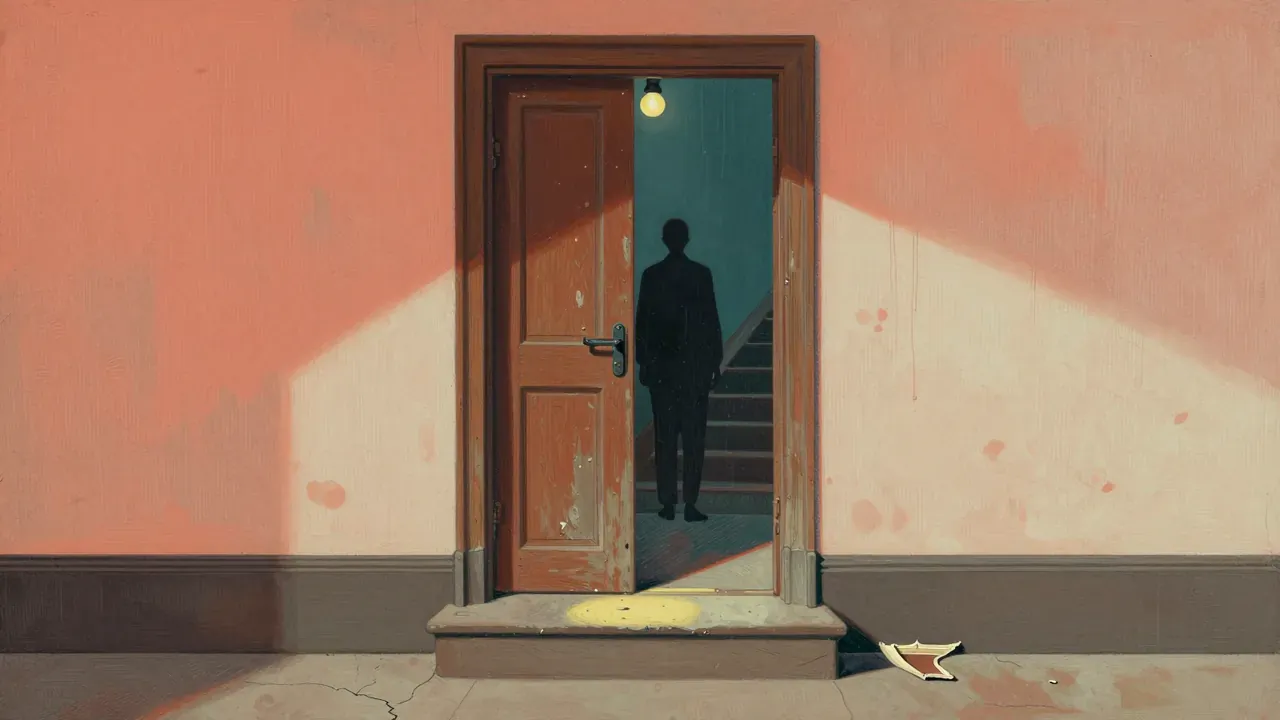
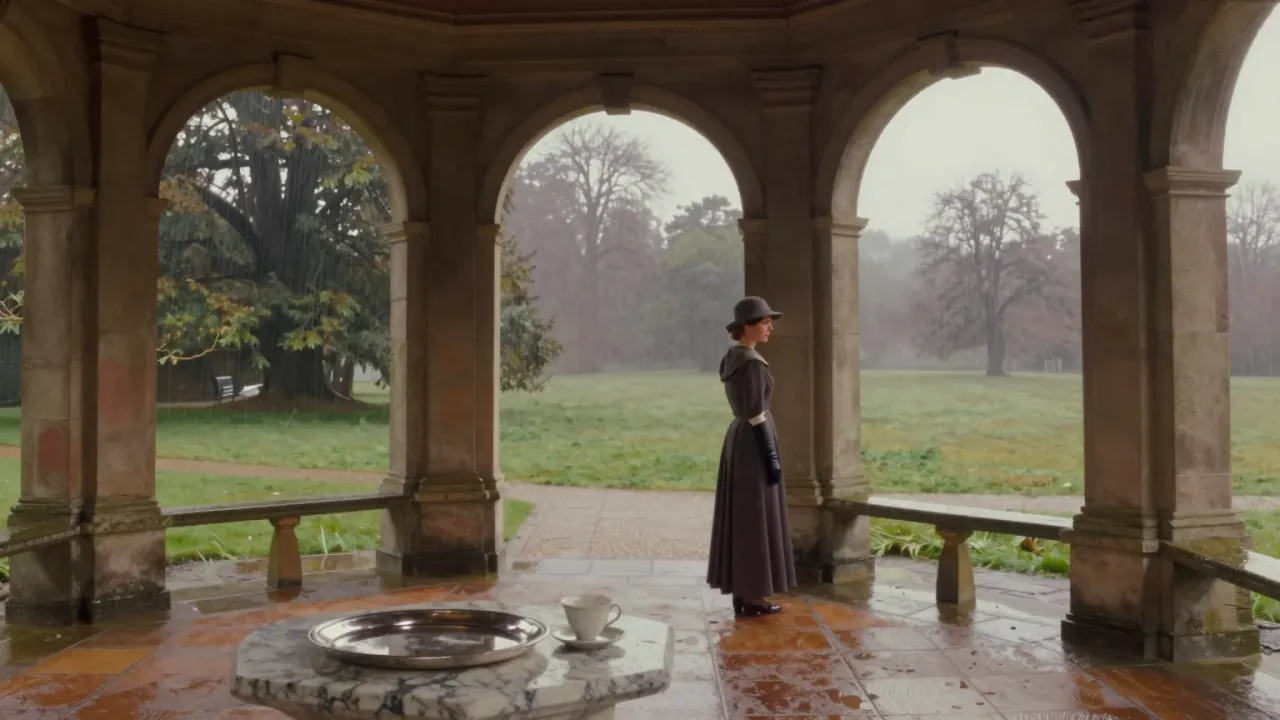
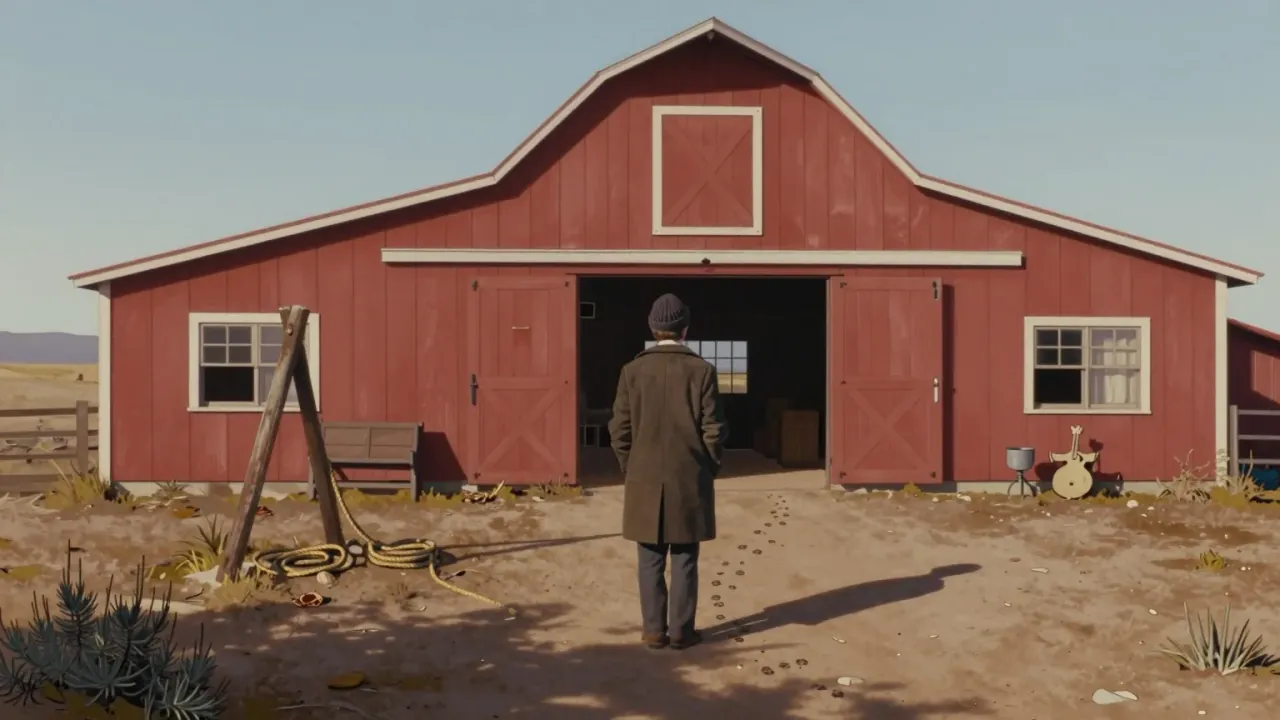
The story unfolds with glacial precision: Phil Burbank’s contempt for Rose Gordon and her son Peter forms the central friction, but the narrative weight rests in what remains unsaid between them. Benedict Cumberbatch’s performance is coiled restraint — every line delivered with clipped diction, every glance calibrated for maximum condescension. Jesse Plemons grounds George as gentle but ineffectual, Kirsten Dunst charts Rose’s disintegration with physical specificity, and Kodi Smit-McPhee renders Peter’s stillness as both vulnerability and strategy. Ari Wegner’s cinematography uses shallow focus and long takes to trap characters in frame, often framing them through doorways or windows that suggest enclosure. Jonny Greenwood’s score avoids Western tropes entirely, favouring atonal brass and cello-as-banjo textures that feel alien even when familiar. Peter Sciberras’ editing sustains duration without indulgence — scenes breathe but never drag. Grant Major’s production design anchors the period without fetishising it; the Burbank house feels lived-in, heavy with unspoken history.
Dread is built in the gaps
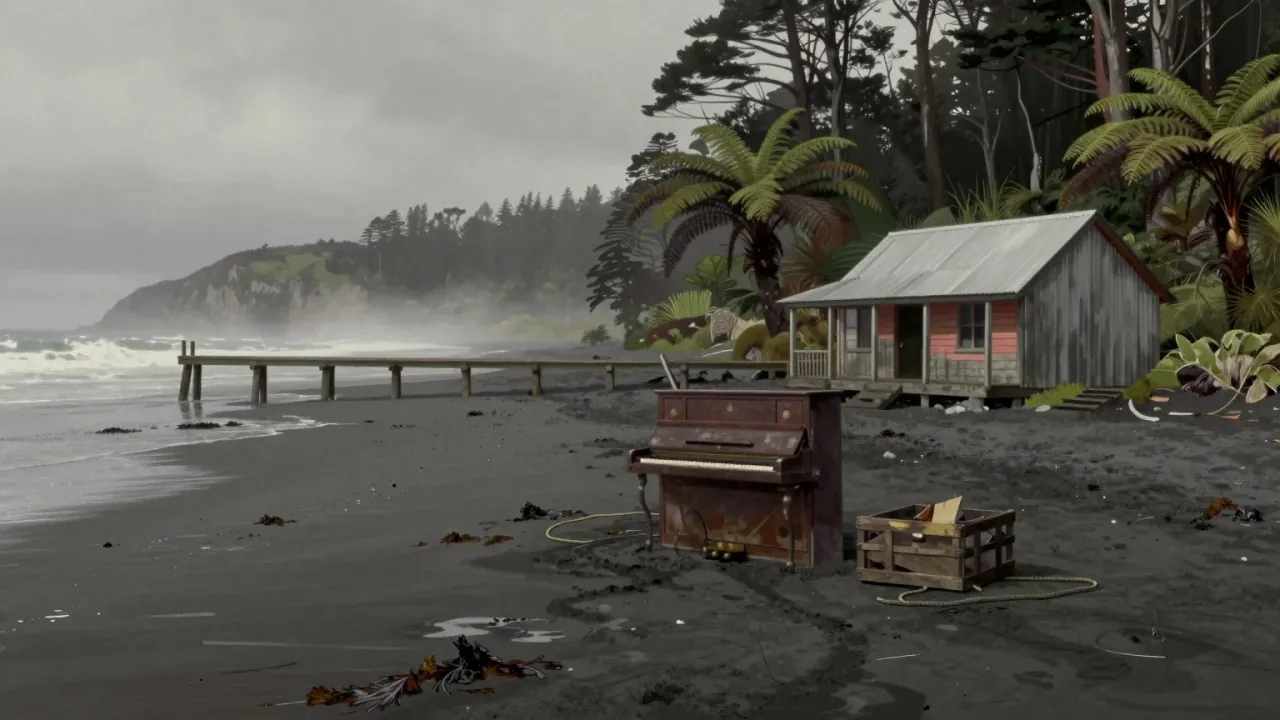
What lands most decisively is the film’s sustained tonal control. The dread is cumulative, not sudden — it builds in the space between Phil’s mocking laughter and Peter’s silent return gaze, in the way Rose’s hands tremble before she pours another drink, in the unnerving intimacy of Phil’s leather-wrapping ritual. The banjo motif recurs not as music but as menace, its plucked notes echoing like footsteps down a corridor. Cumberbatch’s physical transformation — the hunched shoulders, the deliberate slowness of movement — reads as lived rather than performed. Wegner’s use of natural light in exterior shots, contrasted with the amber gloom of interiors, reinforces the division between public composure and private rot. The film’s restraint pays off in moments of quiet devastation: Rose’s failed piano recital, Peter’s first solo walk across the ranch yard, Phil’s final, uncharacteristic stillness. These are not climaxes but compressions — small events carrying disproportionate emotional weight because the film has trained us to watch closely and listen harder.
Ambiguity has limits
What does not land is the film’s occasional over-reliance on implication at the expense of coherence. Some character motivations remain opaque not by design but by omission — Phil’s animosity toward Rose feels rooted in class and gender anxiety, but his specific grievance against Peter lacks sufficient groundwork beyond surface-level disdain. The narrative’s refusal to clarify certain relationships (particularly the nature of Phil’s bond with Bronco Henry) risks leaving viewers adrift rather than invited into ambiguity. A few supporting performances — notably Genevieve Lemon’s housekeeper and Keith Carradine’s father — feel underwritten, their presence functional rather than dimensional. The pacing, while deliberate, occasionally stalls in sequences where atmosphere substitutes for forward motion: a ten-minute stretch of cattle moving across a plain, though visually precise, adds little to character or theme beyond establishing setting. The film’s austerity becomes a liability when it mistakes absence for meaning.
Power is not taken — it is assumed
The themes that matter are inheritance and erasure — how masculinity is passed down not as virtue but as performance, how trauma replicates through silence rather than speech, how power consolidates by denying others the right to self-definition. The film treats the ranch not as symbol of American self-reliance but as microcosm of patriarchal control: every object, every rule, every unspoken expectation reinforces who may speak, who may touch, who may belong. Class operates not through wealth alone but through access to education, to bodily autonomy, to grief. Rose’s alcoholism is not personal failing but systemic consequence — the only available language for a woman denied agency. Peter’s medical studies and delicate hands are coded not as weakness but as alternative literacy, one that ultimately dismantles Phil’s authority not through force but through understanding. The film’s quietest theme is time: how decades of repression condense into a single glance, how a lifetime of unspoken violence can be undone by one act of patient observation.
It assumes your attention, not your sympathy
This film is for viewers who value psychological texture over plot propulsion, who find tension in stillness and meaning in negative space. It suits those accustomed to arthouse pacing and willing to sit with ambiguity — readers of Thomas Hardy or viewers of Claire Denis’ Beau Travail will recognise its rhythms. It is not for those who require narrative clarity, moral resolution, or emotional release. Viewers expecting a conventional Western or a character-driven redemption arc will find it withholding. Those who rely on exposition or empathetic anchoring in a protagonist may feel estranged. The film assumes patience as a condition of engagement, not a virtue to be rewarded. Its refusal to explain itself means some will read its silences as emptiness rather than density. That is not a flaw in the film but a boundary: it works only for those who accept its terms — and those terms exclude anyone needing reassurance, explanation, or catharsis.
It does not resolve. It settles.
Yes, it is worth your evening — provided you approach it on its own terms. Its 126 minutes pass without hurry but never without purpose; every shot serves the film’s central inquiry into power’s architecture. It repays attention not with answers but with sharper questions about how dominance is maintained, how resistance is disguised, and how identity is forged in the gaps between what is said and what is done. Those who dislike slow cinema or distrust ambiguity will find it unrewarding, but that is not a failure of execution — it is the film’s deliberate posture. Its strength lies in sustained mood and controlled performance, not in surprise or sentiment. To call it ‘difficult’ mistakes rigour for obscurity. It is demanding, yes, but never obscure: every choice is legible, even when its meaning is deferred. If you value craft over convenience, precision over pandering, and restraint over revelation, then this film earns its time — fully, quietly, and without apology.