filmbriefs
Highest rated

All briefs

2035 briefs · 26452 min · 1345–1440 on page 15 of 22
13:00

The Bohemian Life

Aki Kaurismäki · 1992

Aki Kaurismäki’s 1992 French-language drama relocates Murger’s bohemian Paris to the late twentieth century, following a poet, painter and composer as they share rent, meals and misfortune. Shot in black-and-white with static frames and minimal scoring, it treats artistic survival, migration and mortality with unwavering restraint. Matti Pellonpää and André Wilms won European Film Awards for their understated performances.
13:00

The Breakfast Club

John Hughes · 1985

John Hughes’ 1985 drama confines five high school students to a single library for a Saturday detention. With no subplots, no flashbacks, and minimal camera movement, it builds intimacy through duration, silence, and incremental confession. Thomas Del Ruth’s flat lighting and Dede Allen’s patient editing keep focus on performance and gesture. Its power lies in specificity — not universality — and its endurance rests on emotional precision, not narrative momentum.

13:00

The Breaking Point

Michael Curtiz · 1950

Michael Curtiz’s 1950 adaptation of To Have and Have Not stars John Garfield as Harry Morgan, a struggling fishing-boat captain drawn into smuggling and armed robbery to save his family. Shot by Ted McCord in Newport Beach, the film strips away noir glamour to focus on economic pressure, moral compromise, and bodily consequence. Patricia Neal plays his wife Lucy; Phyllis Thaxter is Leona Charles. Ranald MacDougall’s script moves with procedural rigour, and Howard Jackson’s score remains subdued. It ends not with resolution but with Harry critically wounded, his fate left open.

13:00

The Canterbury Tales

Pier Paolo Pasolini · 1972

Pier Paolo Pasolini’s 1972 film adapts eight of Chaucer’s tales as a vibrant, painterly, and deliberately anachronistic re-creation of medieval England. Shot in England with English dialogue later dubbed into Italian, it features a mix of British actors and non-professionals, and draws visual inspiration from Bosch, Bruegel, and Antonello da Messina. The film foregrounds bodily experience, class conflict, and clerical hypocrisy, rejecting literary fidelity in favour of ideological and sensual immediacy.

13:00

The Choice

Idrissa Ouédraogo · 1986

Idrissa Ouédraogo’s 1986 debut, shot in Mooré in rural Burkina Faso, follows a peasant family navigating pregnancy, death, banishment, and reconciliation. Its quiet, observational style resists moral framing, instead anchoring drama in agricultural labour, kinship duty, and the stark contrast between village and city. Though structurally uneven — particularly in its handling of an urban subplot — it remains a rigorous, humane study of constraint as social condition.

13:00

The Chorus

Abbas Kiarostami · 1982

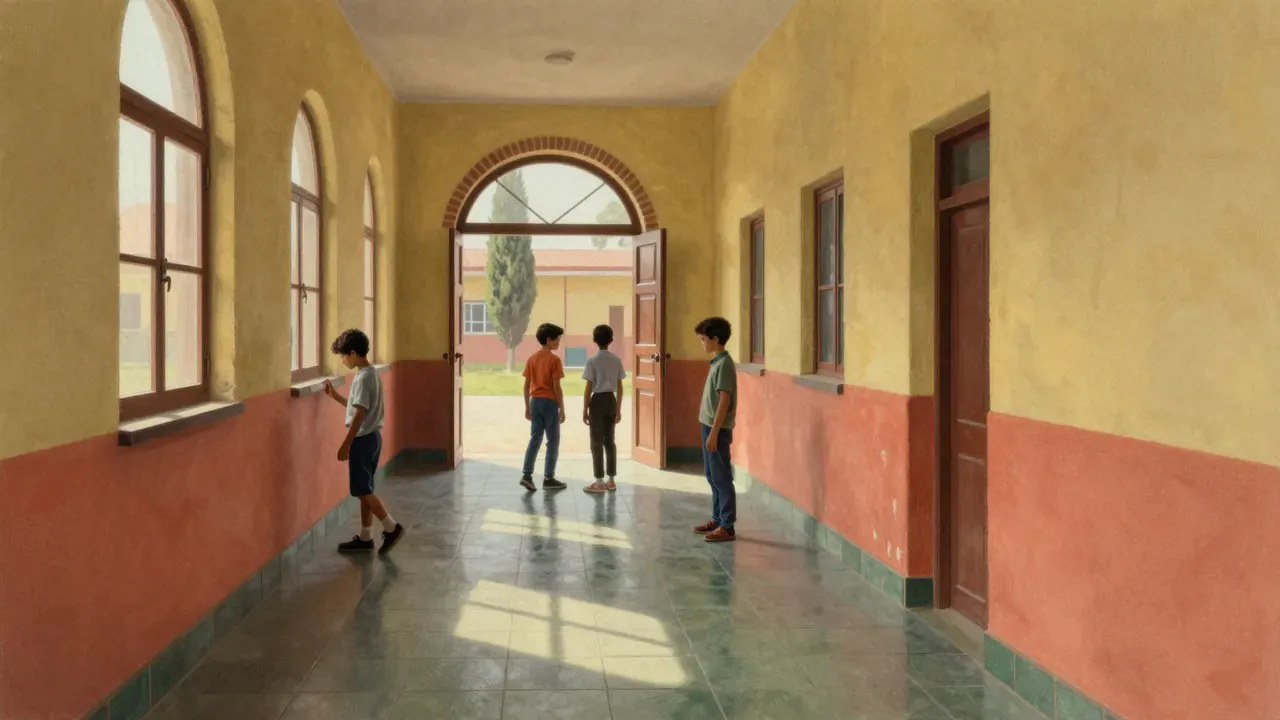
The Chorus (1982) is Abbas Kiarostami’s early Iranian short film in Persian, observing a group of children in a single location with fixed framing and minimal intervention. It explores collective presence through duration, repetition, and silence — not narrative or psychology — making it a foundational work of observational, arthouse drama.

13:00

The Confession

Costa-Gavras · 1970

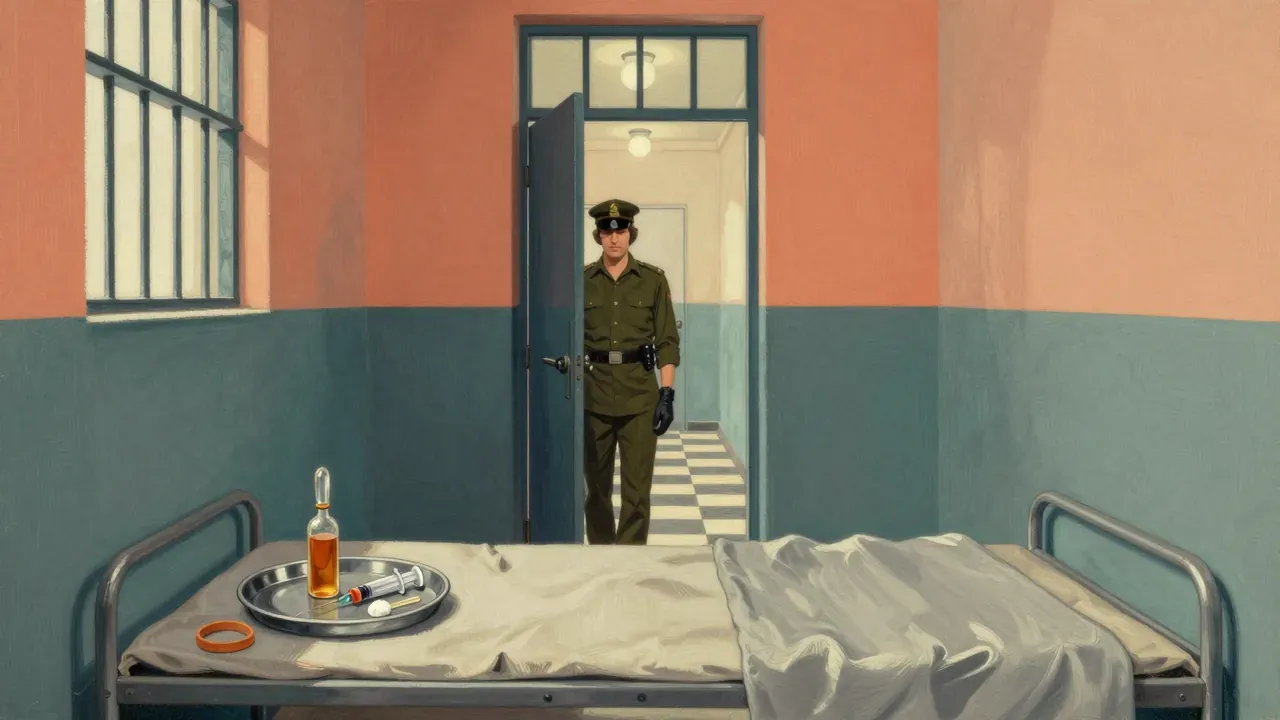
Costa-Gavras’s 1970 film The Confession adapts Artur London’s memoir of imprisonment and coerced confession during the 1952 Slánský trial in Prague. Starring Yves Montand and Simone Signoret, it traces the systematic dismantling of a loyal communist official—not through brutality, but through isolation, sleep deprivation, scripted rehearsals, and bureaucratic theatre. Shot in northern France with Raoul Coutard’s restrained cinematography and edited with deliberate duration, it avoids melodrama in favour of procedural realism. Though its final act falters in integration, and its density tests attention, it remains a rigorous, unsentimental study of how power hollows out personhood from within.

13:00

The Curious Case of Benjamin Button

David Fincher · 2008

David Fincher’s 2008 romance follows Brad Pitt’s Benjamin Button, a man who ages in reverse, across eighty years of American history. Adapted from F. Scott Fitzgerald’s 1922 short story by Eric Roth and Robin Swicord, it anchors its fantastical premise in tactile realism — weathered interiors, precise period detail, and restrained performances. Though praised for its production design, makeup, and visual effects — all Oscar-winning — its emotional core rests in the quiet, asymmetrical love between Benjamin and Cate Blanchett’s Daisy. The film’s 166-minute runtime demands patience, rewarding it with sustained mood and material honesty rather than narrative surprise.
13:00

The Decameron

Pier Paolo Pasolini · 1971

Pier Paolo Pasolini’s 1971 film adapts Boccaccio’s Decameron into a dialect-rich, episodic satire shot across southern Italy and France. Rejecting historical fidelity, it transplants medieval tales to Naples and Caserta to critique regional inequality, clerical hypocrisy, and the commodification of desire. Tonino Delli Colli’s naturalistic cinematography, Ennio Morricone’s curated folk-and-liturgical score, and performances rooted in physical truth anchor its polemical energy. Though structurally loose and tonally relentless, it remains a rigorous, unsentimental assertion of vernacular culture as resistance.

13:00

The Devil Is a Woman

Josef von Sternberg · 1935

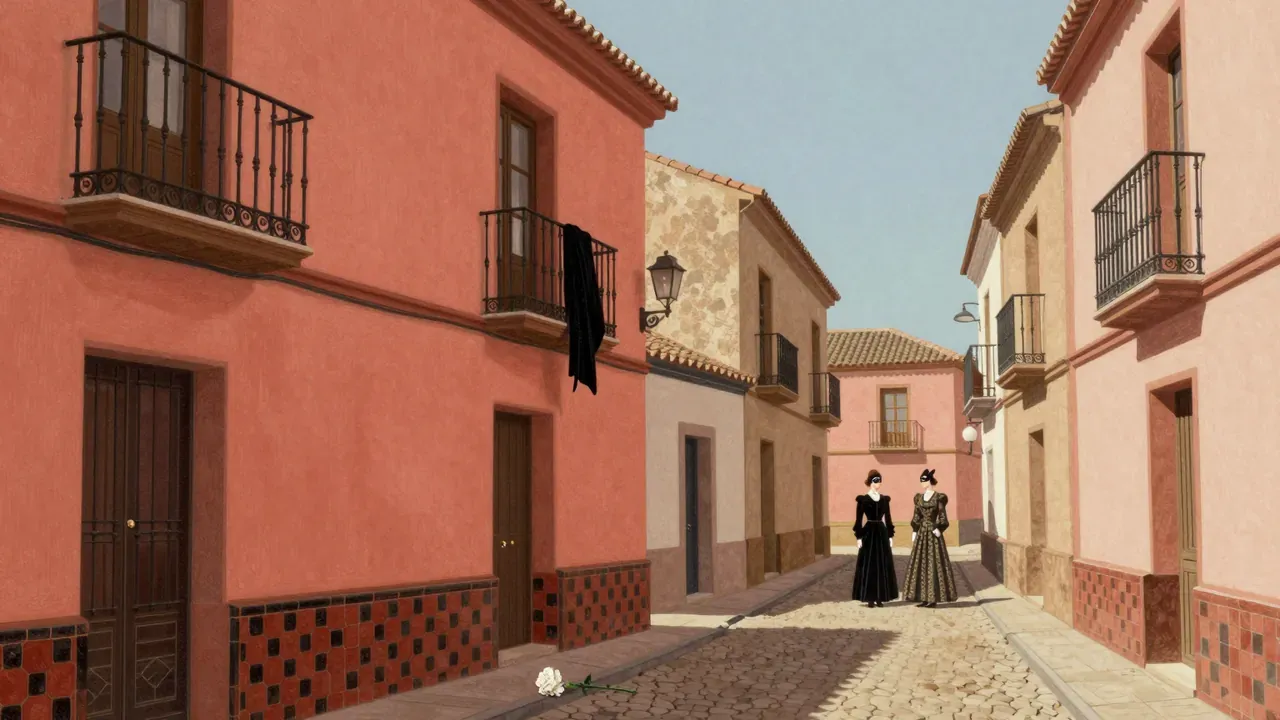
Josef von Sternberg’s 1935 final collaboration with Marlene Dietrich is a formally rigorous, emotionally detached fable set during Seville’s Carnival. Adapted from Pierre Louÿs’s novel, it follows the destructive allure of Concha Pérez, whose indifference to devotion becomes a structural principle. With deliberate artifice, stylised lighting, and rhythmic austerity, it examines self-deception as inevitable, not tragic. Not a romance but a parable of asymmetry—cold, precise, and unforgettable.

13:00

The Eight Mountains

Felix van Groeningen, Charlotte Vandermeersch · 2022

Co-directed by Felix van Groeningen and Charlotte Vandermeersch, The Eight Mountains follows Pietro and Bruno across thirty years as their childhood bond in the Italian Alps fractures, endures, and reshapes itself through distance, grief, and divergent choices. Shot by Ruben Impens and scored by Daniel Norgren, it treats landscape as character and time as weather — a slow, tactile drama about inheritance, solitude, and the quiet persistence of place.

13:00

The English Patient

Anthony Minghella · 1996

Anthony Minghella’s 1996 adaptation of Michael Ondaatje’s novel follows a severely burned man in postwar Italy whose fragmented memories reveal a pre-war love affair in the Sahara. Built on Walter Murch’s groundbreaking editing, John Seale’s restrained cinematography, and Gabriel Yared’s evocative score, it explores desire, guilt and the collapse of imperial certainties across three interwoven timelines. Though criticised for its length and narrative opacity, its formal unity and emotional precision have secured its place as a defining romance-war hybrid of the 1990s.

13:00

The Experience

Abbas Kiarostami · 1973

Abbas Kiarostami’s 1973 debut is a spare, fifty-three-minute drama following Mamad, an orphaned teenager working and sleeping in a Tehran photographic studio. After developing a quiet, unreciprocated attachment to a girl from a wealthier background, he visits her home to ask for work — and is met with silent refusal. Shot with minimal intervention and performed with understated precision by Mostafa Tari, the film observes social hierarchy not as theme but as atmosphere: embedded in gesture, architecture, and silence.

13:00

The Face of Another

Hiroshi Teshigahara · 1966

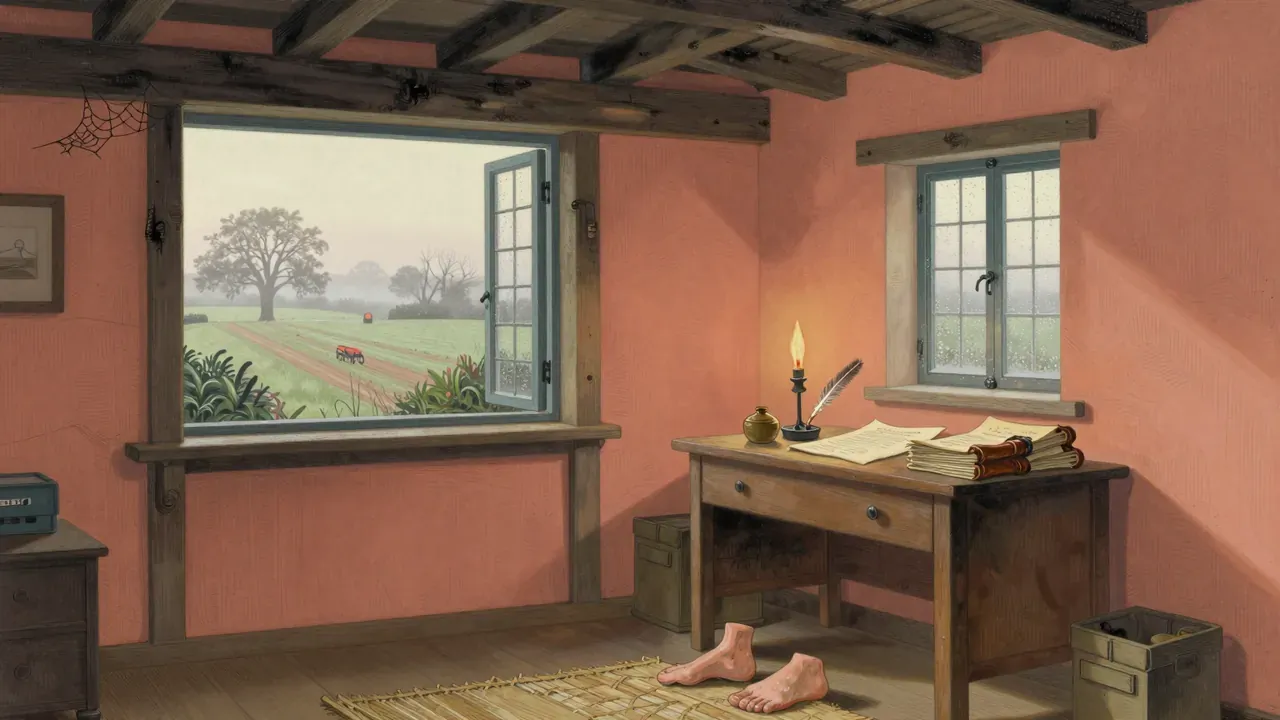
Hiroshi Teshigahara’s 1966 adaptation of Kōbō Abe’s novel follows an engineer who, disfigured by industrial accident, receives a lifelike prosthetic mask. As he lives a double life — one masked, one bandaged — his sense of self fractures. Interwoven is a parallel story of a woman scarred by war. With Tōru Takemitsu’s sparse score, Hiroshi Segawa’s austere cinematography, and Arata Isozaki’s glass-walled sets, the film explores identity as social contract, not essence. It is a rigorous, unsettling inquiry into visibility, recognition, and the violence of normalcy.

13:00

The Fall of Otrar

Ardak Amirkulov · 1991

The Fall of Otrar (1991) is a Kazakh historical war film directed by Ardak Amirkulov, depicting the political and military collapse of the Central Asian city-state of Otrar before Genghis Khan’s invasion. Shot on location in Kazakhstan over four turbulent years amid Soviet dissolution and chronic underfunding, it prioritises architectural and procedural realism over psychological drama. Restored in 4K in 2024, it offers a stark, unsentimental vision of empire as erosion — not conquest — and history as accumulated weight rather than turning points.

13:00

The Fiances

Ermanno Olmi · 1963

Ermanno Olmi’s 1963 drama follows Giovanni, a Milanese welder relocated to Sicily for work, and his fiancée Liliana, left behind in the north. Through sparse dialogue, restrained performances, and Lamberto Caimi’s understated black-and-white cinematography, the film charts the quiet recalibration of their relationship across letters, phone calls, and solitary routines. It is a study in endurance, not crisis — love as continuity rather than climax.

13:00

The Fire Within

Louis Malle · 1963

Louis Malle’s 1963 drama follows a recovering alcoholic over his final day in Paris, as he revisits old friends and tests whether any connection might hold him to life. With Maurice Ronet in a performance of profound stillness, and Ghislain Cloquet’s muted cinematography, the film registers despair not as explosion but as slow attrition — a portrait of desire’s disappearance.

13:00

The Fisher King

Terry Gilliam · 1991

Terry Gilliam’s 1991 film follows a disgraced radio host who seeks redemption by helping a delusional homeless man haunted by visions of the Red Knight. Built around Robin Williams’s layered performance as Parry and Jeff Bridges’s restrained turn as Jack, it blends New York realism with Arthurian myth to explore grief, class, and the slow, non-linear work of healing. Though uneven in its framing devices, its emotional honesty and commitment to psychological fidelity make it a singular, unsentimental portrait of care.

13:00

The Flavor of Green Tea over Rice

Yasujirō Ozu · 1952

Yasujirō Ozu’s 1952 drama follows a Tokyo couple drifting apart amid family obligations and their niece’s resistance to arranged marriage. With still compositions, restrained performances, and deliberate pacing, it traces how small, shared acts—like making green-tea rice late at night—can quietly restore connection without resolving deeper tensions.

13:00

The Flight of the Phoenix

Robert Aldrich · 1965

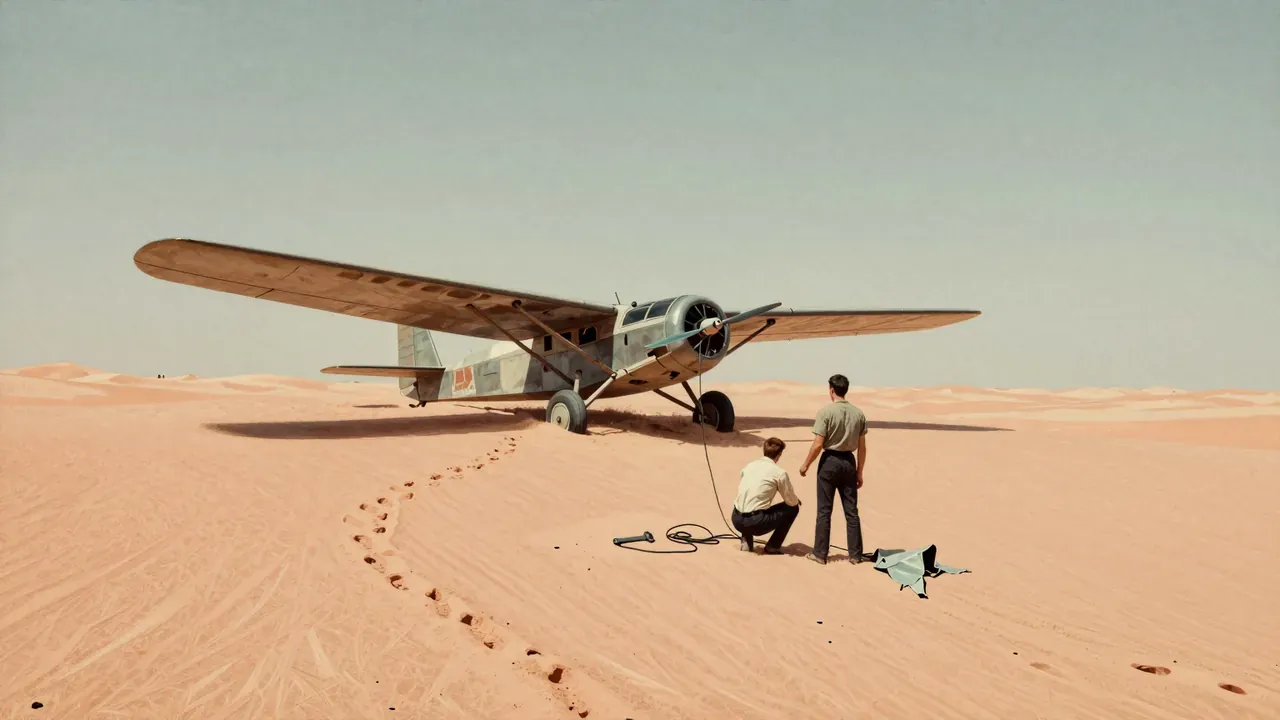
Robert Aldrich’s 1965 disaster drama follows a group of men stranded in the Sahara after a cargo plane crash. With no rescue expected, a German engineer proposes building a new aircraft from the wreckage. What follows is a rigorous, unsentimental depiction of collective labour, rationed hope, and the fragile consensus required to turn desperation into flight.

13:00

The Flowers of St. Francis

Roberto Rossellini · 1950

Roberto Rossellini’s 1950 film adapts nine parables from medieval Franciscan texts into a series of quiet, unadorned episodes. Shot in rural Italy with monks and one professional actor, it forgoes narrative for ritual, psychology for posture, and explanation for repetition. Its power lies in stillness, humility, and the radical simplicity of its vision.

13:00

The Forgiveness of Blood

Joshua Marston · 2011

Set in rural Albania, The Forgiveness of Blood follows a brother and sister whose lives fracture after their father kills a neighbour in a land dispute governed by the Kanun, a customary code that demands revenge and confines men to their homes. Seventeen-year-old Nik is trapped indoors; fourteen-year-old Rudina quits school to run the family bread route. Shot in natural light with restrained performances and minimal dialogue, the film observes how ancient law interfaces with mobile phones, internet dreams, and adolescent longing — not as clash, but as quiet, daily recalibration.

13:00

The Four Feathers

Zoltan Korda · 1939

Zoltan Korda’s 1939 Technicolor adaptation of A. E. W. Mason’s novel follows a disgraced British officer who journeys to Sudan to redeem himself through acts of courage during the Mahdist War. Shot on location with meticulous craft, it balances physical spectacle with psychological restraint — though its treatment of Sudanese characters remains strictly functional and its imperial framework unquestioned.

13:00

The Four Musketeers

Richard Lester · 1974

Richard Lester’s 1974 The Four Musketeers completes his adaptation of Dumas’s novel, picking up where The Three Musketeers left off. Shot back-to-back with the first film, it follows d’Artagnan and the musketeers through Milady de Winter’s revenge plot and the siege of La Rochelle, culminating in her execution and d’Artagnan’s promotion. With David Watkin’s crisp cinematography, Lalo Schifrin’s sardonic score, and George MacDonald Fraser’s streamlined script, it prioritises clarity, pace and physical storytelling over psychological depth or historical elaboration.

13:00

The French Dispatch

Wes Anderson · 2021

Wes Anderson’s 2021 anthology film presents the final issue of a fictional American newspaper’s Paris bureau as a series of formally exact, stylistically distinct journalistic features. Shot in 1.37:1 on 35 mm in Angoulême, it honours mid-century magazine aesthetics, French New Wave syntax, and the physical texture of print — treating journalism as craft, not just content.

13:00

The French Lieutenant's Woman

Karel Reisz · 1981

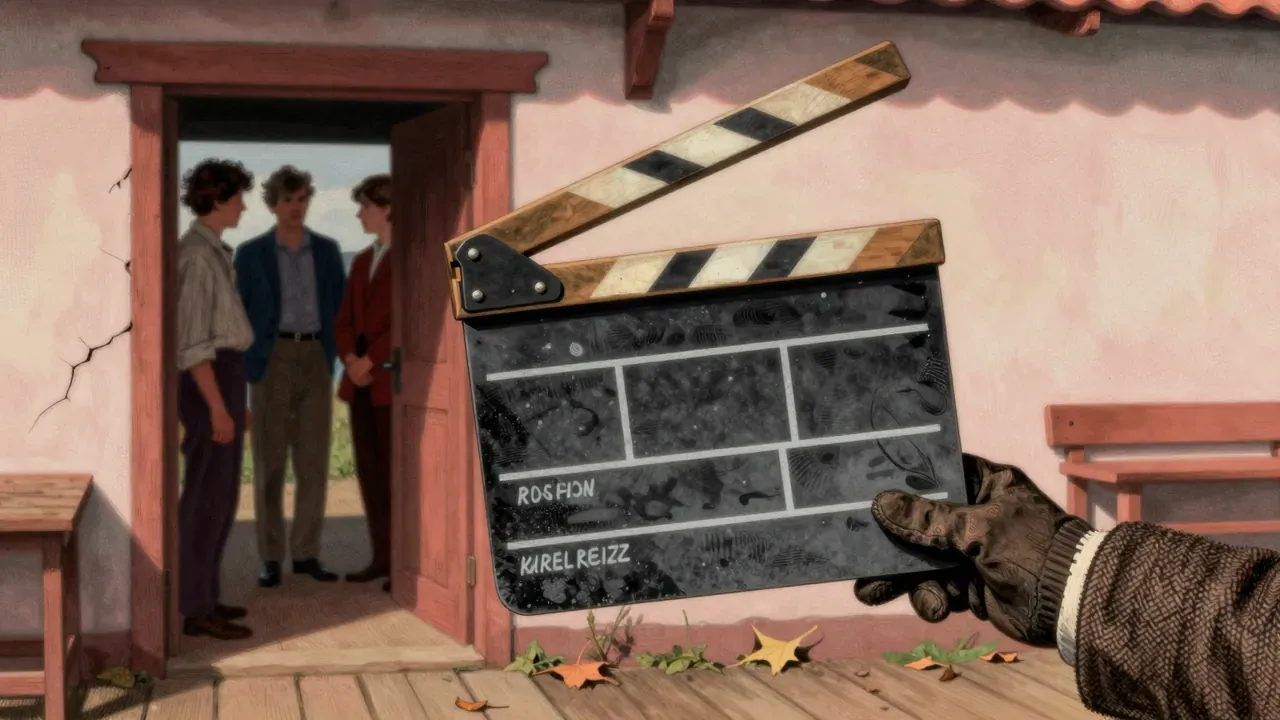
Karel Reisz’s 1981 adaptation of John Fowles’s novel intercuts a Victorian romance between palaeontologist Charles Smithson and enigmatic Sarah Woodruff with the modern affair between actors Mike and Anna, who play them. Written by Harold Pinter, it uses formal devices — visible crew, clapperboards, contrasting cinematography — to sustain tension between historical constraint and contemporary freedom. Freddie Francis’s photography, Assheton Gorton’s production design and Carl Davis’s score anchor both timelines in tangible detail, while Jeremy Irons and Meryl Streep deliver layered, restrained performances. It is a film about how desire is shaped by context, not character.
13:00

The Funeral

Jūzō Itami · 1984

Jūzō Itami’s 1984 debut follows a Tokyo family preparing for a traditional Japanese funeral over three days. With Tsutomu Yamazaki and Nobuko Miyamoto, it observes ritual, grief and social performance with quiet precision — finding comedy not in mockery but in the stubborn persistence of form amid loss.

13:00

The Furies

Anthony Mann · 1950

Anthony Mann’s 1950 Western *The Furies*, adapted from Niven Busch’s novel, follows Vance Jeffords (Barbara Stanwyck) and her tyrannical father T. C. (Walter Huston) in a battle of wills over a New Mexico ranch. With Victor Milner’s restrained cinematography and Franz Waxman’s tense score, the film prioritises psychological architecture over action, building a mythic, morally austere portrait of inheritance as compulsion. Though commercially unsuccessful on release, it has since been reappraised as a key work in Mann’s filmography and a defining ‘Freudian Western’.

13:00

The Game

David Fincher · 1997

David Fincher’s 1997 neo-noir stars Michael Douglas as Nicholas Van Orton, a wealthy San Francisco banker whose life unravels after accepting a mysterious birthday gift: participation in a game run by Consumer Recreation Services. As reality blurs and surveillance becomes ambient, the film sustains psychological pressure through precise craft — Haris Savides’s cinematography, Howard Shore’s score, and James Haygood’s withholding edits — rather than plot mechanics. Its power lies in sustained ambiguity, its limitation in the late pivot toward explanation. It is a study in control lost, not regained.
13:00

The Girls

Mai Zetterling · 1968

Mai Zetterling’s 1968 film follows three actresses touring a production of Lysistrata while managing motherhood, marital strain, and professional precarity. Shot with quiet precision by Rune Ericson and performed with restrained intensity by Bibi, Harriet and Gunnel Andersson, it locates feminist consciousness in accumulated small choices rather than grand declarations. Though its theatrical framing remains inert and its men underdeveloped, its enduring power lies in its unsentimental attention to the cost of being seen — and unseen.

13:00

The Golden Coach

Jean Renoir · 1952

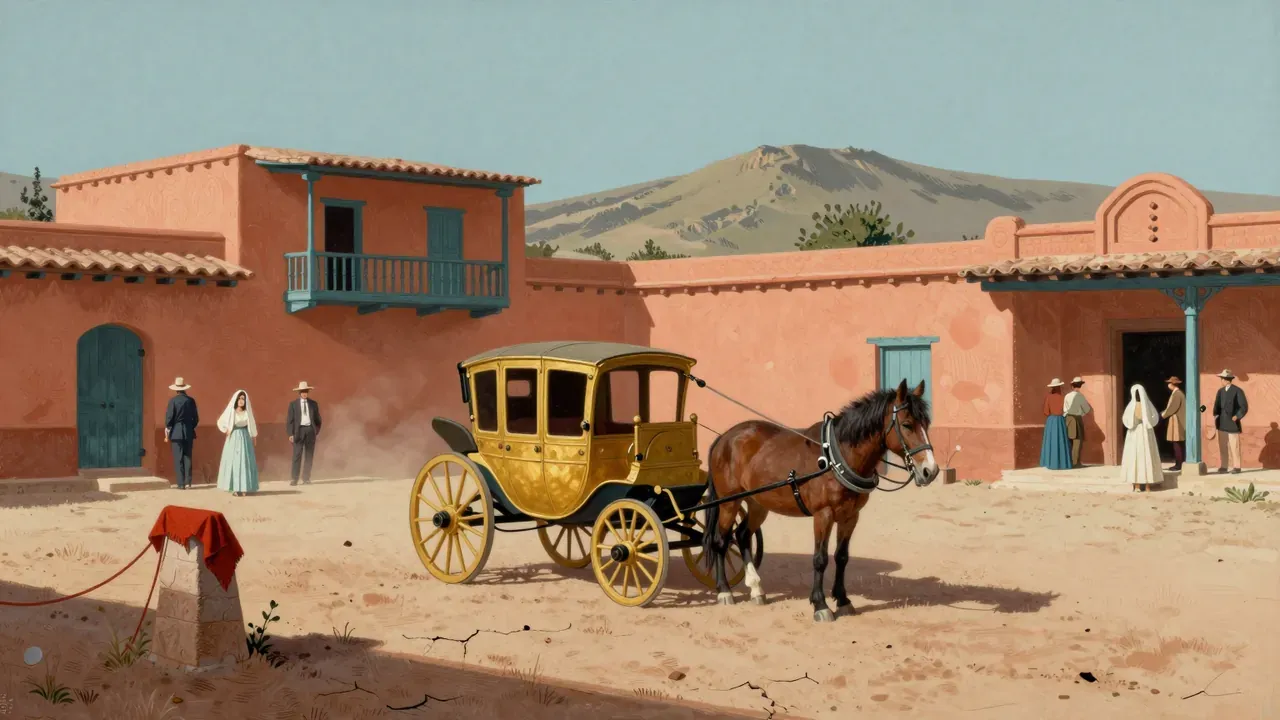
Jean Renoir’s 1952 film follows an Italian commedia troupe arriving in colonial Peru, where their performances intersect with the Viceroy’s court, local bullfighting culture, and a magnificent golden coach. Shot in Technicolor at Cinecittà, it uses Vivaldi’s music, Claude Renoir’s cinematography, and Anna Magnani’s precise performance to explore the porous boundary between acting and living — not as a critique of illusion, but as an affirmation of its necessity.

13:00

The Great Escape

John Sturges · 1963

John Sturges’ 1963 epic adapts the real 1944 Stalag Luft III escape with deliberate fictionalisation, centring invented American characters amid a meticulously rendered ensemble of POWs. Shot in Bavaria, it foregrounds collective craft — tunnelling, forging, scouting — over individual heroics, building tension through repetition and restraint. Though its motorcycle stunt and US framing depart from history, its commitment to procedural authenticity and moral clarity gives it enduring weight.

13:00

The Harder They Come

Perry Henzell · 1972

Perry Henzell’s 1972 debut follows Ivan, a rural Jamaican who moves to Kingston seeking work, only to be ground down by exploitation, then mythologised after turning to crime. Starring Jimmy Cliff and scored entirely with foundational reggae tracks, it pioneered Caribbean cinematic self-representation — raw, Patois-speaking, and rooted in real locations. Its influence far outstrips its modest production, reshaping how global audiences heard reggae and saw Black Caribbean life.

13:00

The Hawks and the Sparrows

Pier Paolo Pasolini · 1966

Pier Paolo Pasolini’s 1966 film follows Totò and Ninetto Davoli on a rambling journey through rural and suburban Italy, punctuated by encounters with a talking crow, impoverished families, landowners, mourners and performers. Framed by a Franciscan parable about hawks and sparrows, the film tests whether love or reason can overcome structural inequality — and concludes it cannot. Shot on location with non-professionals and icons alike, it is rigorous, unsentimental and deliberately unresolved.

13:00

The Heroic Trio

Johnnie To · 1993

Johnnie To’s 1993 action film stars Michelle Yeoh, Anita Mui, and Maggie Cheung as a trio of heroines confronting a subterranean tyrant who kidnaps imperial infants. Stylised rather than schematic, it prioritises choreographic precision, costume-as-character, and tonal volatility over psychological realism or narrative tidiness. Its strengths lie in physical presence and visual density; its weaknesses in underdeveloped motivation and unresolved thematic ambition. It remains a singular artefact of early-90s Hong Kong genre reinvention.

13:00

The Hit

Stephen Frears · 1984

Stephen Frears’ 1984 British crime film follows a retired informant, a world-weary hit man, and his volatile apprentice on a slow, sun-bleached drive across Spain toward an unseen reckoning. With Terence Stamp, John Hurt, and Tim Roth in career-defining roles, and Paco de Lucía’s flamenco-inflected score, it replaces thriller mechanics with existential weight — finding dread not in danger, but in duration.

13:00

The Horse's Mouth

Ronald Neame · 1958

Ronald Neame’s 1958 adaptation of Joyce Cary’s novel stars Alec Guinness as Gulley Jimson, a chaotic, indomitable painter who treats London as his canvas and everyone in it as raw material. Written by Guinness, shot in Technicolor by Arthur Ibbetson, and edited with restless precision by Anne V. Coates, it is a performance-driven, physically urgent portrait of creation as compulsion — flawed in its simplifications, but unforgettable in its energy.

13:00

The Ice Storm

Ang Lee · 1997

Set over a single Thanksgiving weekend in 1973, The Ice Storm follows two Connecticut families adrift in marital and generational disaffection. Directed by Ang Lee from James Schamus’s screenplay, it renders suburban ennui through restrained performances, muted cinematography, and a structure built on accumulation rather than escalation. A fatal accident during an ice storm forces a reckoning — not with morality, but with the cost of emotional drift.

13:00

The Immortal Story

Orson Welles · 1968

Orson Welles’ 1968 French-language drama adapts Karen Blixen’s short story into a tightly wound fable set in nineteenth-century Macao. A dying merchant forces a sailor and a young woman to enact a seafaring legend, testing whether myth can survive embodiment. Shot in Spain with a small cast and sparse design, it foregrounds stillness, silence, and the instability of narrative authority — not as flaws, but as principles.
13:00

The Importance of Being Earnest

Anthony Asquith · 1952

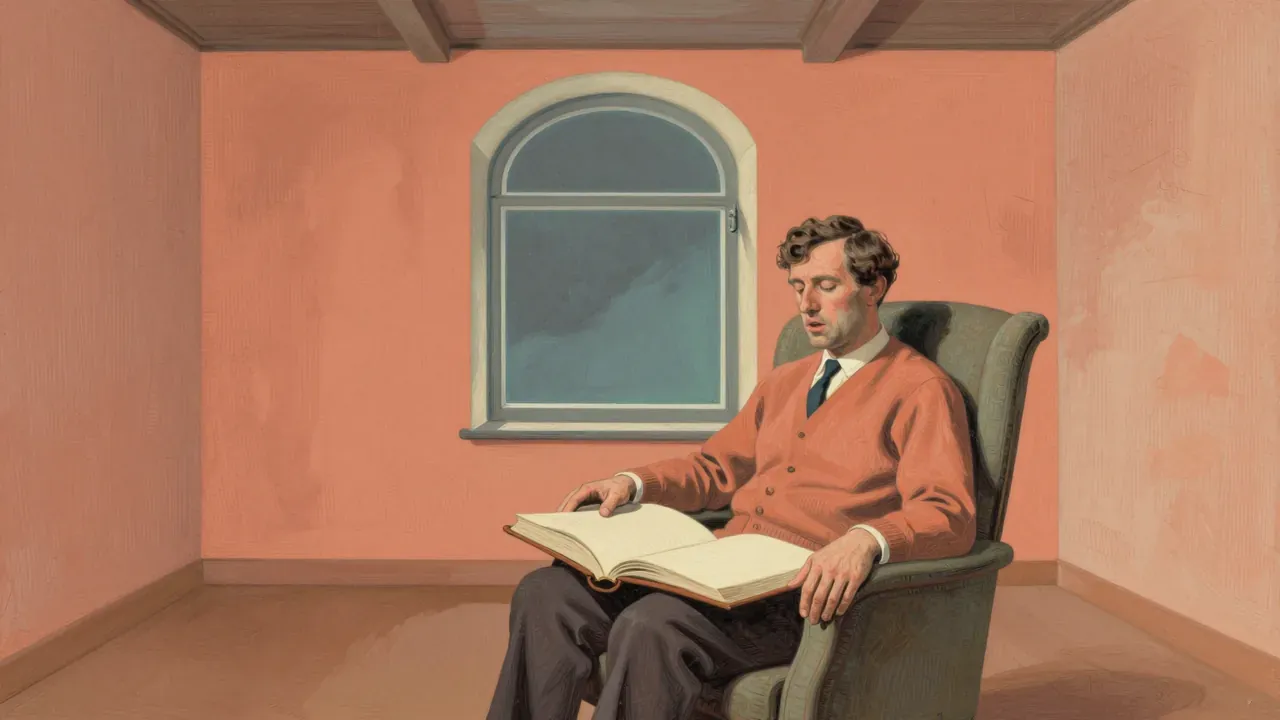
Anthony Asquith’s 1952 adaptation of The Importance of Being Earnest is a faithful, studio-bound rendering of Wilde’s comedy, anchored by Edith Evans’s legendary Lady Bracknell and performed with linguistic rigour. It privileges dialogue, timing and textual fidelity over cinematic expansion, making it a benchmark for literary adaptation — austere, intelligent, and increasingly rewarding on repeat viewings.
13:00

The In-Laws

Arthur Hiller · 1979

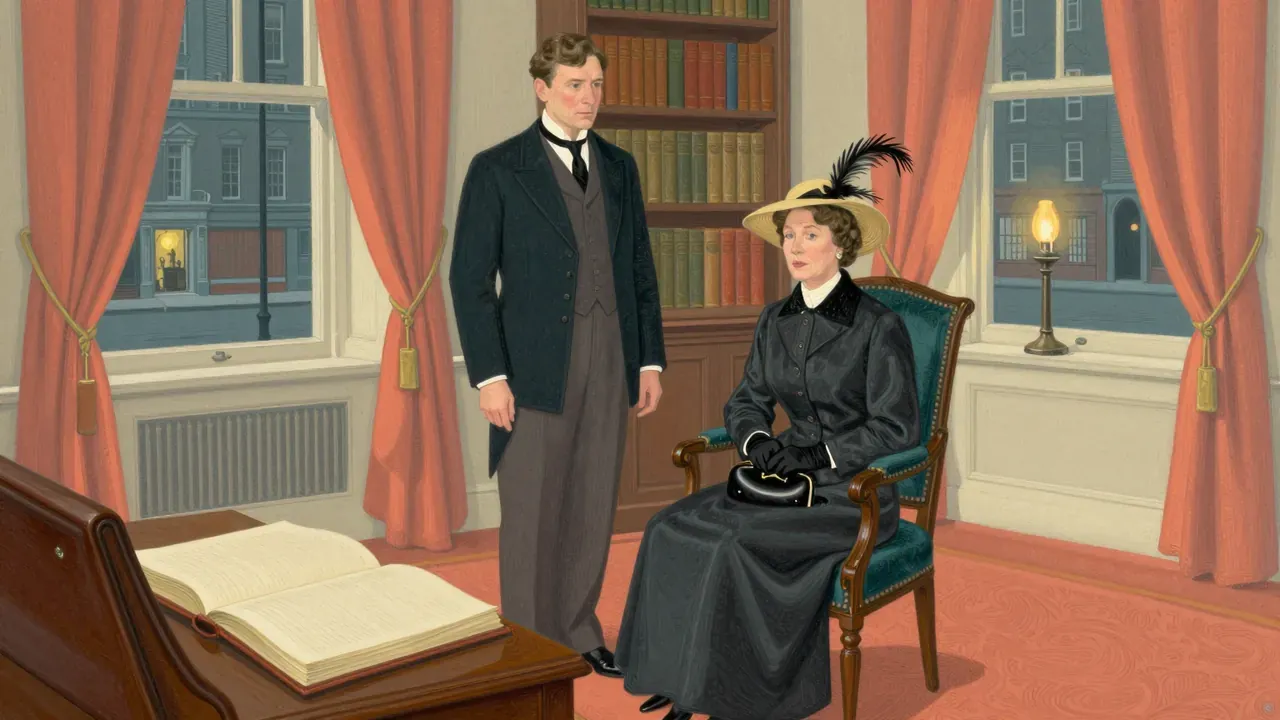
The In-Laws (1979) pairs Alan Arkin and Peter Falk as fathers-in-law drawn into international intrigue when a mild-mannered dentist is swept up by his future son-in-law’s seemingly unhinged CIA operative father. Written by Andrew Bergman and directed by Arthur Hiller, it sustains a high-wire act of farcical escalation grounded entirely in character logic — not plot mechanics — and remains a benchmark for odd-couple comedy built on timing, contrast, and unwavering commitment to its central conceit.
13:00

The Inheritance

Masaki Kobayashi · 1962

Masaki Kobayashi’s 1962 drama follows the ruthless scramble among associates of a dying businessman to locate and manipulate his three illegitimate children before he divides his fortune. With Keiko Kishi, Sō Yamamura and Tatsuya Nakadai, and cinematography by Takashi Kawamata and music by Tōru Takemitsu, the film rejects sentiment in favour of procedural rigour — exposing how legality, kinship and mortality become instruments of financial gain.

13:00

The Inland Sea

Lucille Carra · 1991

Lucille Carra’s 1991 documentary follows Donald Richie’s 1971 journey across Japan’s Seto Inland Sea islands. Shot by Hiro Narita and narrated by Richie, it observes daily life on depopulating islands with deliberate slowness and minimal intervention. There are no interviews, no score, no explanatory text — only light, sound, and a voice reflecting on continuity and quiet change.

13:00

The Innocent

Louis Garrel · 2022

Louis Garrel’s 2022 comedy follows Abel, a timid aquarium guide whose mother Sylvie marries an ex-con, Michel. Suspicious and guilt-ridden, Abel agrees to help Michel steal caviar — not out of greed, but as a way to re-enter his mother’s orbit. What begins as surveillance becomes participation, then genuine connection, then consequence. Shot in Lyon with quiet precision, the film avoids moralising, favouring rhythm and restraint over revelation.

13:00

The Joke

Jaromil Jireš · 1969

Jaromil Jireš’s 1969 film adapts Milan Kundera’s novel about Ludvík Jahn, expelled from the Communist Party for a sardonic postcard, then seeking revenge two decades later. Shot during the Prague Spring and banned for twenty years, it traces how political dogma reshapes love, memory, and moral choice — not through grand pronouncements but through glances, silences, and bureaucratic routines.

13:00

The Killing of a Chinese Bookie

John Cassavetes · 1976

John Cassavetes’s 1976 crime film follows strip club owner Cosmo Vittelli as he navigates a mob debt, a botched hit, and the slow collapse of his carefully curated persona. Shot by Al Ruban and scored by Bo Harwood, it privileges duration, physicality, and ambiguity over narrative payoff. The 108-minute 1978 re-edit is the standard version, though both cuts exist in Criterion’s box set. Ben Gazzara’s performance anchors a film less about crime than about the labour of sustaining identity under pressure.

13:00

The Last Metro

François Truffaut · 1980

François Truffaut’s 1980 drama The Last Metro follows a Paris theatre company in 1942, where Marion Steiner (Catherine Deneuve) runs performances while hiding her Jewish husband Lucas (Heinz Bennent) in the cellar. Young actor Bernard Granger (Gérard Depardieu) becomes entangled in both the production and the Resistance. Shot by Néstor Almendros and scored by Georges Delerue, the film treats occupation not as backdrop but as condition — shaping light, dialogue, timing and moral choice. It won ten César Awards, including Best Film, Director and Actor/Actress.

13:00

The Last Temptation of Christ

Martin Scorsese · 1988

Martin Scorsese’s 1988 adaptation of Nikos Kazantzakis’s novel imagines Jesus not as divine certainty but as a man besieged by doubt, desire, and exhaustion. Willem Dafoe stars in a performance defined by physical and vocal restraint, supported by Michael Ballhaus’s muted cinematography and Peter Gabriel’s world-music score. Shot in Morocco on a $7m budget, it avoids spectacle in favour of psychological texture — from the dusty realism of Nazareth to the hallucinatory austerity of the desert. Controversial on release for its humanisation of Christ, it endures as a rare studio film that treats spiritual struggle with existential seriousness, not dogma.

13:00

The Last Wave

Peter Weir · 1977

Peter Weir’s 1977 film follows Sydney solicitor David Burton as he defends four Aboriginal men accused of murder — and finds his grip on reality loosening amid inexplicable weather, prophetic dreams and encounters with Dreamtime logic. Shot in Adelaide and Sydney by Russell Boyd, it sustains a mood of ontological unease without resorting to exposition or resolution.

13:00

The Law of the Border

Lütfi Ömer Akad · 1966

The Law of the Border (1966), directed by Lütfi Ömer Akad and written by Yılmaz Güney, follows Hidir, a smuggler in eastern Turkey striving to send his son to school. Set against a stark landscape and a rigid social hierarchy, the film grounds its drama in material reality — poverty, geography, and institutional neglect — rather than individual vice. Its social realism marked a turning point in Turkish cinema, rejecting studio artifice for location shooting, restrained performances, and a focus on systemic forces. Restored from a single surviving print, its technical imperfections underscore its historical fragility.

13:00

The Learning Tree

Gordon Parks · 1969

Gordon Parks’ 1969 debut feature, adapted from his own novel, follows Newt Winger’s adolescence in 1920s Kansas. Shot on location in Fort Scott with Burnett Guffey, it renders Black interiority through restraint: moral choices accumulate without resolution, violence lingers without spectacle, and dignity is shown as daily practice. Its historical significance—as the first film by a Black director for a major studio—is matched by its formal composure and thematic weight.

13:00

The Living Skeleton

Kōki Matsuno · 1968

The Living Skeleton (1968), directed by Kōki Matsuno for Shochiku, follows a woman haunted by her vanished twin and a submerged wreck off a coastal village. Shot in stark monochrome, it builds unease through underwater skeletons, fog-bound ships, and Catholic ritual — not gore or exposition. Its power lies in texture, repetition, and the sea as keeper of buried history.

13:00

The Love Parade

Ernst Lubitsch · 1929

Ernst Lubitsch’s 1929 debut sound film stars Maurice Chevalier and Jeanette MacDonald as a queen and her reluctant consort in the fictional kingdom of Sylvania. Built on a French stage farce, it uses operetta conventions, witty dialogue, and Victor Schertzinger’s songs to explore power, gender, and the performance of authority. Though technically inventive and tonally assured, its satire is limited by its hollow setting and reliance on archetype over depth. A landmark of early Hollywood musical craftsmanship — elegant, intelligent, and knowingly artificial.

13:00

The Lovers

Louis Malle · 1958

Louis Malle’s 1958 drama follows Jeanne Tournier, a woman adrift in bourgeois marriage near Dijon, whose life pivots during one night spent with a younger man. Adapted from an 1876 short story, the film avoids moral framing or psychological exposition, relying instead on Jeanne Moreau’s restrained performance, Henri Decaë’s naturalistic cinematography, and a tightly contained structure. It won the Grand Jury Prize at Venice and later played a pivotal role in US obscenity law. Its strength lies in its tactful realism and unwavering focus on the physical and temporal texture of choice.

13:00

The Lower Depths

Akira Kurosawa · 1957

Akira Kurosawa’s 1957 adaptation of Gorky’s play relocates the action to Edo Japan and strips away theatrical artifice to create a claustrophobic, ensemble-driven portrait of a tenement’s inhabitants. With Toshirō Mifune, Isuzu Yamada and Kyōko Kagawa, it sustains a tone of moral exhaustion rather than uplift, treating poverty as an environment that reshapes language, loyalty and selfhood. Shot in extended takes with minimal editing, it privileges texture over plot and ambiguity over resolution.

13:00

The Lure

Agnieszka Smoczyńska · 2015

Agnieszka Smoczyńska’s 2015 debut is a Polish musical horror film set in a 1980s Warsaw nightclub, following two sirens who perform, love, and devour. Blending gothic metal, bodily realism, and Andersen’s fable, it literalises female adolescence, immigration, and assimilation — with tails removed, voices lost, and hearts consumed. Produced by Warsaw Documentary Film Studio, scored by Ballady i Romanse, and shot by Jakub Kijowski.

13:00

The Making of Fanny and Alexander

Ingmar Bergman · 1986

Ingmar Bergman’s 1984 documentary records the making of his 1982 film Fanny and Alexander with clinical precision: no narration, no interviews, no context — just rehearsals, fittings, lighting tests and editorial decisions as they happened. Photographed by Arne Carlsson and edited by Lena Åberg, it treats filmmaking as iterative craft, not artistic revelation.

13:00

The Man Who Knew Too Much

Alfred Hitchcock · 1934

Alfred Hitchcock’s 1934 British thriller follows a couple who uncover an assassination plot while on holiday in Switzerland, then race to stop it in London — all without police help. Built on tight pacing, precise editing, and Arthur Benjamin’s Storm Clouds Cantata, it prioritises cause-and-effect over psychology, domestic stakes over geopolitical spectacle. Though leaner and less polished than Hitchcock’s later work, its structural rigour and unwavering focus make it a masterclass in economical suspense.

13:00

The Masseurs and a Woman

Hiroshi Shimizu · 1938

Hiroshi Shimizu’s 1938 film follows blind masseurs arriving at a rural spa town, where fleeting encounters — with a mysterious woman, a guest named Shintarō, and the rhythms of temporary community — unfold with quiet precision. Made by Shochiku in its Ōfuna style, it prioritises observation over exposition, tactile detail over dialogue, and duration over plot.

13:00

The Men Who Tread on the Tiger's Tail

Akira Kurosawa · 1945

Akira Kurosawa’s 1945 film adapts a classical Japanese tale of disguise and deception at a border checkpoint. Made under severe wartime constraints — one set, minimal lighting, a script written overnight — it pits the solemnity of Noh theatre against the irreverent commentary of a low-status porter. Denjirō Ōkōchi’s Benkei anchors the ritual; Ken’ichi Enomoto’s porter destabilises it. The film is a study in economy, tension, and the performative nature of authority — austere, precise, and deeply intentional.

13:00

The Milky Way

Luis Buñuel · 1969

Luis Buñuel’s 1969 film follows two French vagrants walking the Camino de Santiago, encountering historical Christian heresies, doctrinal disputes, and theological contradictions staged with documentary precision and surrealist detachment. Shot in straightforward colour by Christian Matras and written by Buñuel and Jean-Claude Carrière, it treats dogma as performance, time as collapse, and pilgrimage as recursion — not redemption.

13:00

The Moon Has Risen

Kinuyo Tanaka · 1955

Kinuyo Tanaka’s 1955 film, scripted by Yasujirō Ozu and shot by Shigeyoshi Mine, follows Setsuko as she quietly engineers a romance between her older sister Ayako and a former suitor. Set in Nara, it unfolds across domestic spaces with restrained pacing, gentle performances, and a focus on unspoken feeling. Though structurally loose around some supporting characters, its strength lies in emotional precision and tonal consistency.

13:00

The Most Dangerous Game

Irving Pichel, Ernest B. Schoedsack · 1932

The Most Dangerous Game (1932) adapts Richard Connell’s short story with surgical fidelity: a shipwrecked hunter becomes prey to a Russian aristocrat who hunts humans for sport. Shot on the same jungle sets as King Kong, it uses tight pacing, Max Steiner’s leitmotif-driven score, and Leslie Banks’s chillingly controlled performance to sustain dread without gore or exposition. Its themes — predation, civilisation’s fragility, and the boredom of mastery — land through structure, not speech. At 63 minutes, it is lean, logical, and enduring.

13:00

The Naked Island

Kaneto Shindō · 1960

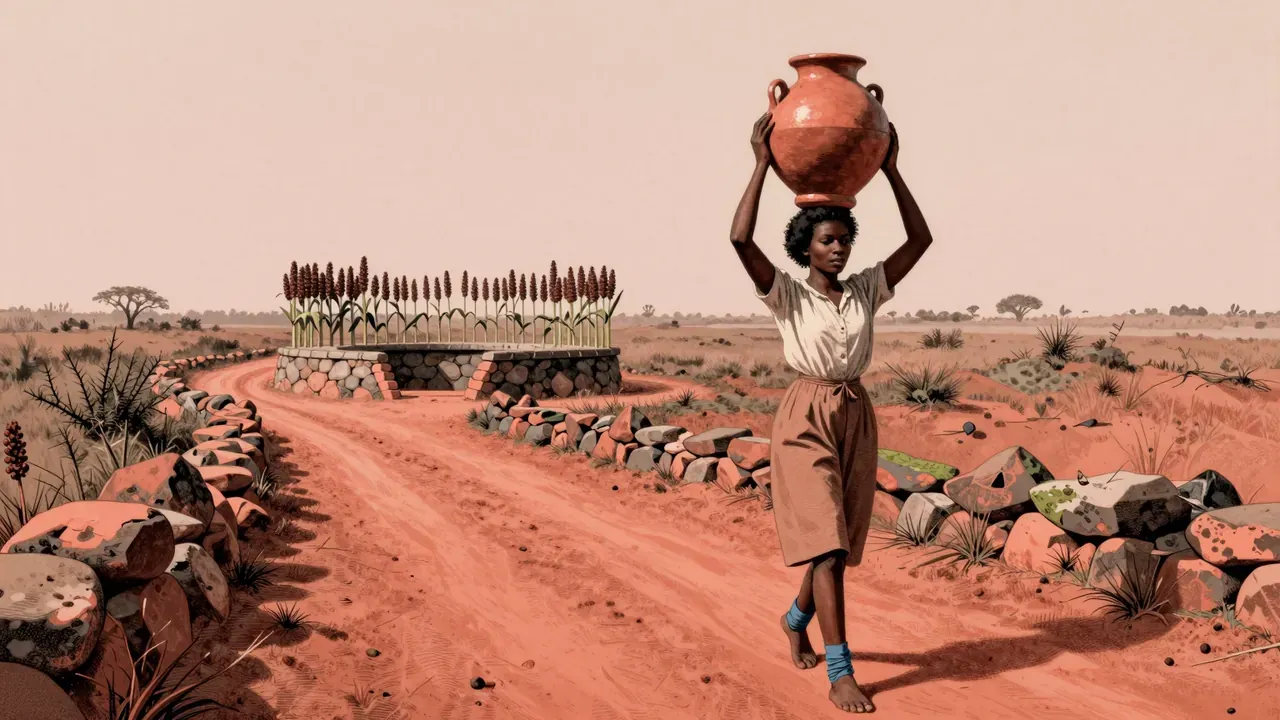
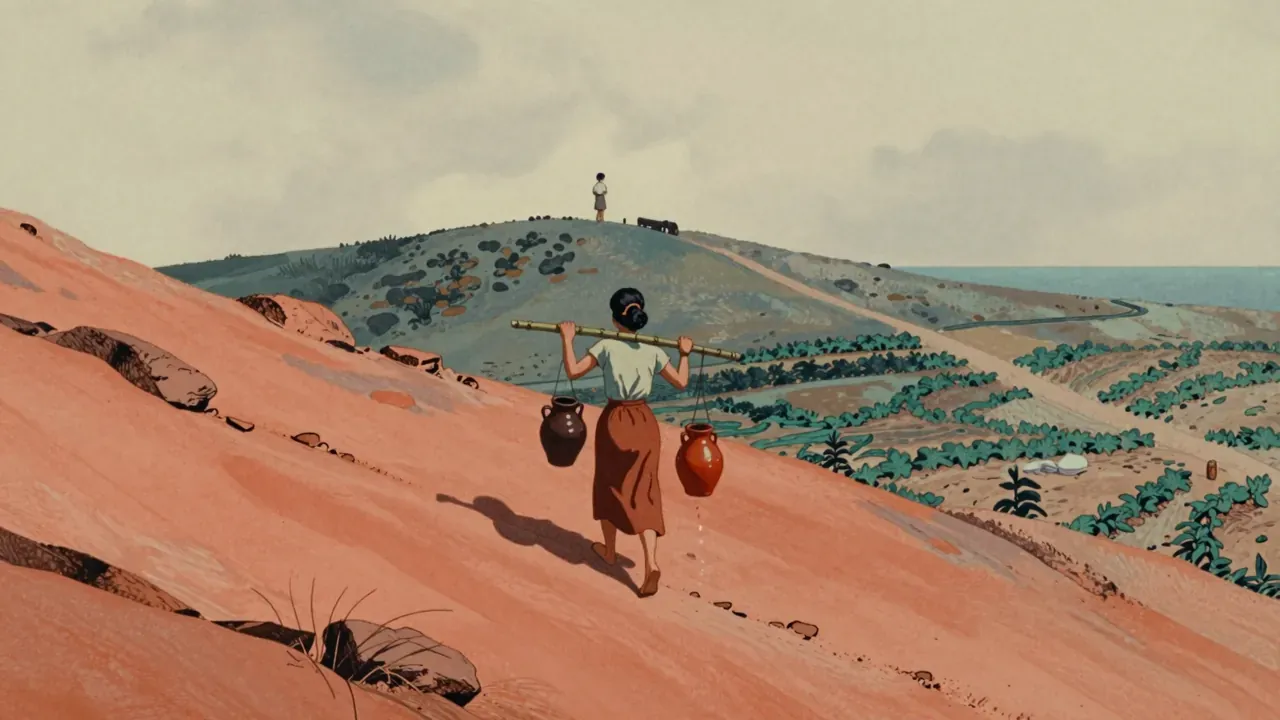
Kaneto Shindō’s 1960 film follows a family surviving alone on a remote island in Japan’s Seto Inland Sea, carrying water daily to grow crops. With almost no spoken dialogue, it relies on repetition, physical exertion and Kiyomi Kuroda’s restrained cinematography to convey endurance, grief and routine. Though its agricultural premise is factually flawed, its austere method remains compelling: a rigorous, unsentimental portrait of persistence.

13:00

The Naked Kiss

Samuel Fuller · 1964

Samuel Fuller’s 1964 film follows Kelly, a former prostitute who seeks refuge in a small American town, becomes a nurse, and falls in love with its wealthiest man — only to discover his predatory abuse of children. When she kills him, she must fight to prove her account in a system that prefers silence to scandal. Shot by Stanley Cortez and starring Constance Towers, it is a lean, unsentimental examination of power, exposure, and the limits of social forgiveness.

13:00

The Naked Prey

Cornel Wilde · 1966

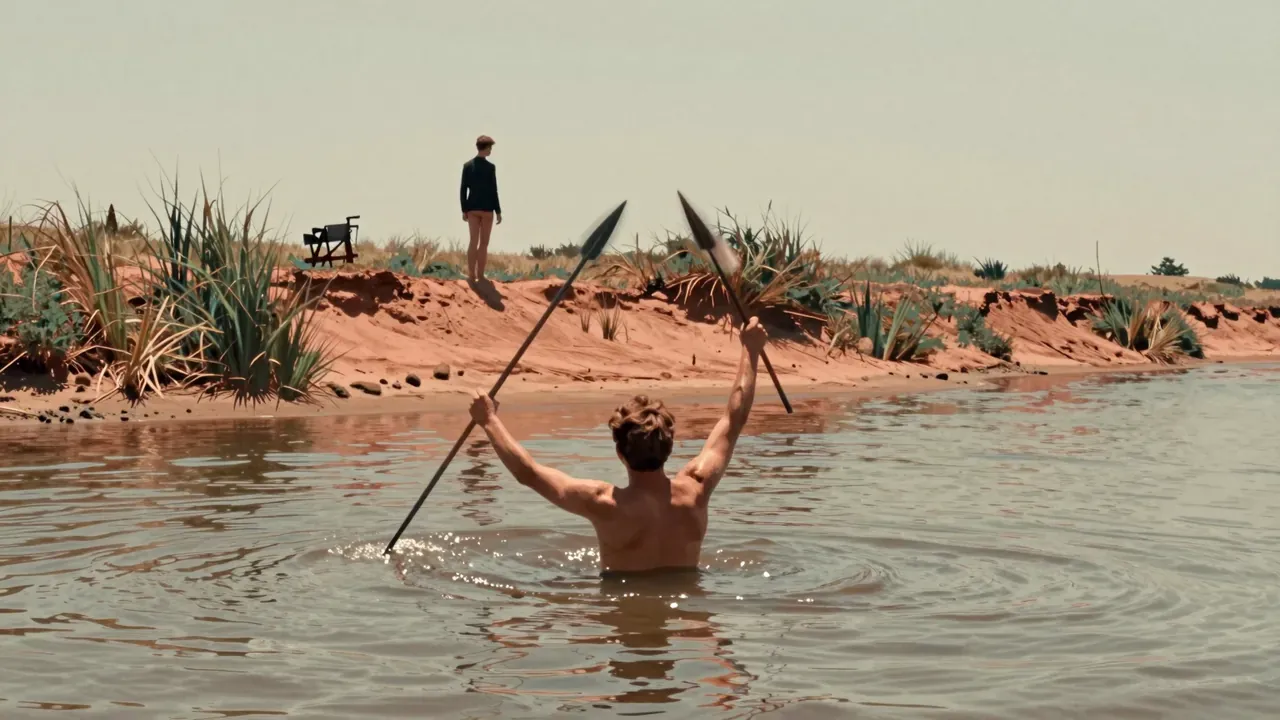
Cornel Wilde’s 1966 survival film follows a safari guide stripped naked and hunted across the South African veldt after his expedition offends a local tribe. Shot on location with minimal dialogue and a documentary sensibility, it sustains tension through rhythm, terrain, and endurance rather than character or exposition. Its reputation has grown for formal rigour and visceral immediacy, though its colonial framing remains contested.

13:00

The New World

Terrence Malick · 2006

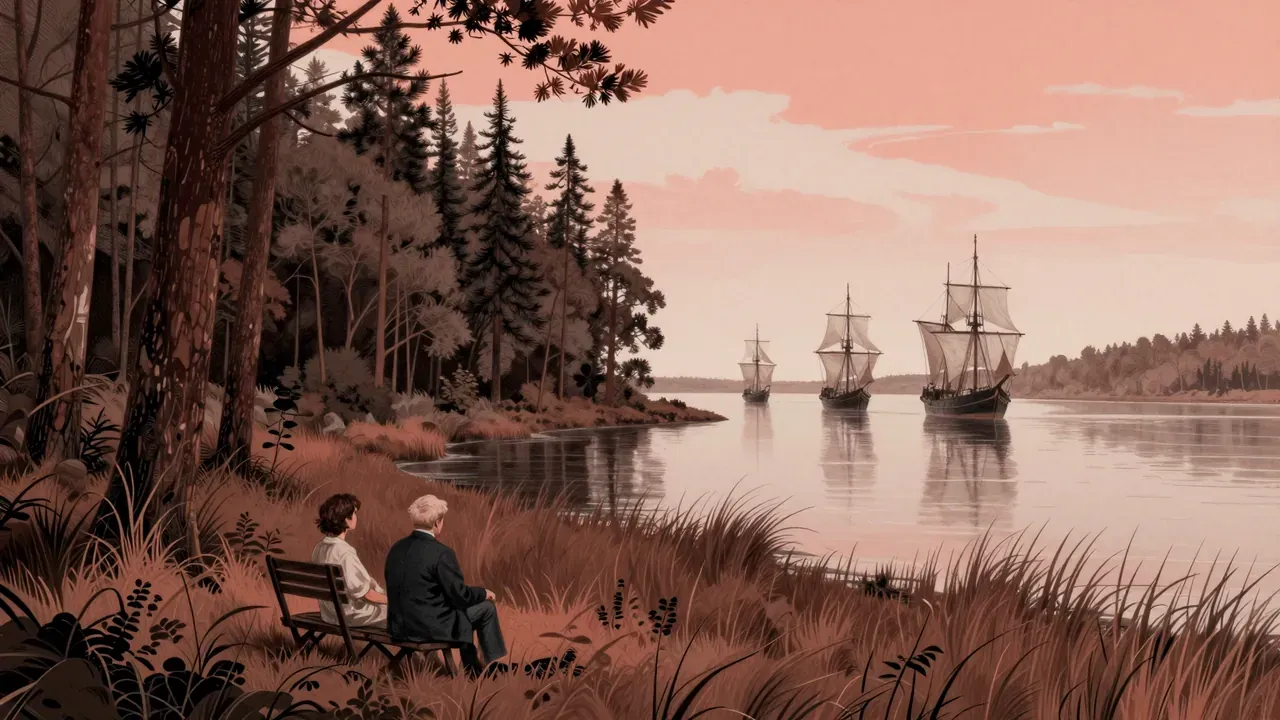
Terrence Malick’s 2006 biographical film follows Pocahontas, John Smith and John Rolfe across the founding of Jamestown, the forests of Tsenacommacah and the courts of Jacobean London. Shot by Emmanuel Lubezki and scored partly by James Horner, it privileges sensory immersion over exposition, using reconstructed Powhatan language, natural light and elliptical editing to evoke the moral and perceptual instability of early colonial encounter. Though its final act falters in narrative cohesion, its sustained tonal discipline and commitment to ambiguity make it a singular achievement in arthouse cinema.

13:00

The Organizer

Mario Monicelli · 1963

Set in 1890s Turin, Mario Monicelli’s The Organizer follows textile workers organising their first strike, aided—and complicated—by a fugitive labour activist. Shot in black-and-white by Giuseppe Rotunno, it balances social gravity with commedia all’italiana’s tonal elasticity, refusing heroic framing in favour of accumulated detail: fatigue, hesitation, shared bread, and quiet persistence. Its power lies in restraint, not rhetoric.

13:00

The Others

Alejandro Amenábar · 2001

Set in 1945 Jersey, The Others follows Grace Stewart, a devout mother shielding her photosensitive children in a remote manor. When new servants arrive, strange occurrences mount — whispers, moving objects, unseen figures — until Grace uncovers a truth far more unsettling than ghosts. Directed and written by Alejandro Amenábar, it relies on atmosphere, performance and precise craft rather than shock or spectacle.

13:00

The Passion of Anna

Ingmar Bergman · 1969

Set on Fårö in 1969, Ingmar Bergman’s The Passion of Anna traces the slow collapse of four isolated people — Andreas, Anna, Eva, and Elis — bound by grief, deception, and unspoken violence. Shot by Sven Nykvist and performed with austere precision by Max von Sydow and Liv Ullmann, it uses fractured chronology, direct-to-camera interviews, and recurring images of cruelty to examine how moral failure migrates through relationships. Not a sequel but a companion to Shame, it offers no catharsis — only stark articulation.

13:00

The Pornographers

Shohei Imamura · 1966

Shohei Imamura’s 1966 film follows Subuyan Ogata, a small-time pornographer in post-war Osaka, living in a crowded house with his landlady Haru, her daughter Keiko and others. Based on Akiyuki Nosaka’s novel, it uses deadpan observation and unvarnished detail to explore desire, exploitation and ritual as inseparable parts of daily life. Shinsaku Himeda’s restrained cinematography and Shoichi Ozawa’s understated performance anchor a film that refuses moral framing in favour of anthropological clarity.

13:00

The Private Life of Henry VIII

Alexander Korda · 1933

The Private Life of Henry VIII (1933) is a British biographical drama directed by Alexander Korda and starring Charles Laughton as the ageing king. Structured as a series of vignettes covering five of his six marriages, it avoids religious and political context in favour of intimate, darkly comic portraiture. Shot by Georges Périnal and written by Arthur Wimperis and Lajos Bíró, it won Laughton the Academy Award for Best Actor — the first foreign winner in that category. Though historically selective and stylistically restrained, it endures as a masterclass in performance-led storytelling.

13:00

The Proud Valley

Pen Tennyson · 1940

The Proud Valley (1940) follows Paul Robeson as an African American sailor who joins a Welsh mining community, finding kinship in labour and song. Filmed on location before the outbreak of WWII, it was re-cut to soften its socialist ending — yet retains its emotional and political force through understated performances, choral texture, and unvarnished depictions of industrial life. Directed by Pen Tennyson for Ealing Studios, it remains Robeson’s favourite film and a rare British drama centred on Black dignity, cross-racial solidarity, and collective endurance.

13:00

The Return of the Prodigal Son

Evald Schorm · 1966

Evald Schorm’s 1966 drama follows a young doctor’s return to his provincial hometown, where professional duty, personal history, and unspoken ethical compromises converge. Shot with restrained precision by František Uldrich and performed with understated intensity by Jan Kačer and Jana Brejchová, the film builds its force through accumulation rather than climax — in glances, pauses, and the physical texture of everyday institutions. It belongs to the Czech New Wave not through formal experiment but through its unwavering commitment to moral ambiguity as atmosphere.

13:00

The Rite

Ingmar Bergman · 1969

Ingmar Bergman’s 1969 television film The Rite confines three actors and a judge to a single office, where questions of obscenity give way to deeper reckonings of guilt, desire, and performance. Shot by Sven Nykvist in stark, unbroken takes, it relies on vocal nuance and spatial tension rather than plot. Gunnar Björnstrand, Anders Ek, and Ingrid Thulin navigate layered relationships under Erik Hell’s implacable scrutiny — until the line between witness and participant dissolves.

13:00

The River

Jean Renoir · 1951

Jean Renoir’s 1951 Technicolor drama, adapted from Rumer Godden’s novel, follows Harriet, an English teenager in colonial Bengal, as she navigates first love, sibling rivalry, and sudden loss. Shot on location in Calcutta with non-professional actors and muted, reflective cinematography by Claude Renoir, the film unfolds in unhurried, poetic episodes centred on the river as both setting and silent witness. Its power lies in restraint: in what is withheld, observed, and allowed to linger.

13:00

The Rose

Mark Rydell · 1979

The Rose (1979), directed by Mark Rydell, stars Bette Midler as Mary Rose Foster, a self-destructive rock diva loosely inspired by Janis Joplin. Shot by Vilmos Zsigmond and scored by Paul A. Rothchild, it traces her final months amid touring, addiction, and a fraught relationship with her manager and a soldier-lover. The film avoids biographical literalism in favour of emotional precision, anchoring its drama in Midler’s live performances and the tactile realism of its late-1960s milieu. Nominated for four Academy Awards, it remains a singular entry in the musical-drama canon — unsentimental, unrelenting, and deeply embodied.

13:00

The Royal Tenenbaums

Wes Anderson · 2001

Wes Anderson’s 2001 black comedy-drama follows the Tenenbaum siblings — child prodigies now adrift — as their estranged father Royal (Gene Hackman) returns with a fabricated illness. Shot across 250 stylised sets in and around New York, it uses symmetrical framing, deliberate pacing, and a baroque score to explore stasis, inherited grief, and the quiet persistence of love beneath formal distance.

13:00

The Seventh Continent

Michael Haneke · 1989

Michael Haneke’s 1989 debut follows an Austrian family over three years as they live, then methodically erase, their middle-class existence. Using repetition, silence, and clinical precision, the film charts their descent not into madness but into consistency — culminating in a planned, passionless suicide. Its power lies in what it refuses: explanation, empathy, relief.

13:00

The Shooting

Monte Hellman · 1966

Monte Hellman’s 1966 low-budget Western The Shooting follows two men and a mysterious woman across the Utah desert, trailed by a black-clad gunman. With no exposition, minimal music, and cinematography shot entirely in available light, it sustains a mood of unresolved tension. Written by Carole Eastman (as Adrien Joyce), it stars Warren Oates, Millie Perkins, Will Hutchins, and Jack Nicholson, and was produced by Hellman and Nicholson for $75,000. Though initially ignored by US distributors, it found arthouse success in Paris and remains a touchstone of minimalist, existential Western filmmaking.

13:00

The Shout

Jerzy Skolimowski · 1978

Jerzy Skolimowski’s 1978 adaptation of Robert Graves’s short story is a formally rigorous British horror film set on the North Devon coast. Alan Bates plays Crossley, a mysterious drifter who claims to wield a lethal 'terror shout'; John Hurt and Susannah York play the composer and wife whose secluded life he disrupts. Shot by Mike Molloy and scored by Tony Banks, it sustains psychological unease through precise sound design, muted natural light, and restrained performances — winning the Grand Prix at Cannes but dividing critics over its enigmatic conclusion.

13:00

The Silence

Ingmar Bergman · 1963

Ingmar Bergman’s 1963 drama follows two estranged sisters and a child stranded in a nameless, linguistically impenetrable city on the edge of war. With sparse dialogue, deliberate pacing and Sven Nykvist’s muted cinematography, it renders the collapse of communication — between people, languages, selves. Not a puzzle to solve but a space to inhabit, its power lies in what it withholds.

13:00

The Small Back Room

Michael Powell, Emeric Pressburger · 1949

Michael Powell and Emeric Pressburger’s 1949 adaptation of Nigel Balchin’s novel follows a disabled weapons scientist navigating bureaucratic inertia, chronic pain, and personal collapse during the Second World War. Shot in naturalistic style across London and Dorset, it trades spectacle for psychological texture, locating heroism in quiet mastery rather than action. David Farrar delivers a physically anchored performance, supported by Kathleen Byron and a tightly drawn ensemble. Though its middle stretches sag under procedural weight, the film’s final sequence — a harrowing, tactile disarming of a Nazi booby trap — affirms its core concern: dignity earned through endurance, not bestowed by victory.

13:00

The Smiling Lieutenant

Ernst Lubitsch · 1931

Ernst Lubitsch’s 1931 musical comedy follows an Austrian lieutenant whose ill-timed wink sparks a royal marriage, a broken engagement, and a surprisingly tender act of sabotage. Built on Oscar Straus’s operetta and sharpened by Samson Raphaelson’s script, it balances Chevalier’s charm, Colbert’s poise, and Hopkins’s vulnerability within tightly controlled studio spaces. Technically assured for its time, it privileges tonal precision over psychological realism — and ends not with reconciliation, but with a satin-clad, cigarette-puffing princess and a wink that closes the door on easy answers.

13:00

The Soft Skin

François Truffaut · 1964

François Truffaut’s 1964 drama follows Pierre Lachenay, a married writer and lecturer, as he begins an affair with a young flight attendant. Shot on location in Paris, Reims and Lisbon by Raoul Coutard, the film observes the slow, unceremonious collapse of Pierre’s double life — not through melodrama, but through accumulated silences, evasions and logistical missteps. Its power lies in its restraint: no voiceover, no score-driven emotion, no moral framing. The ending arrives with shocking abruptness, underscoring the film’s central concern — not why people fall apart, but how quietly they do so.

13:00

The Steel Helmet

Samuel Fuller · 1951

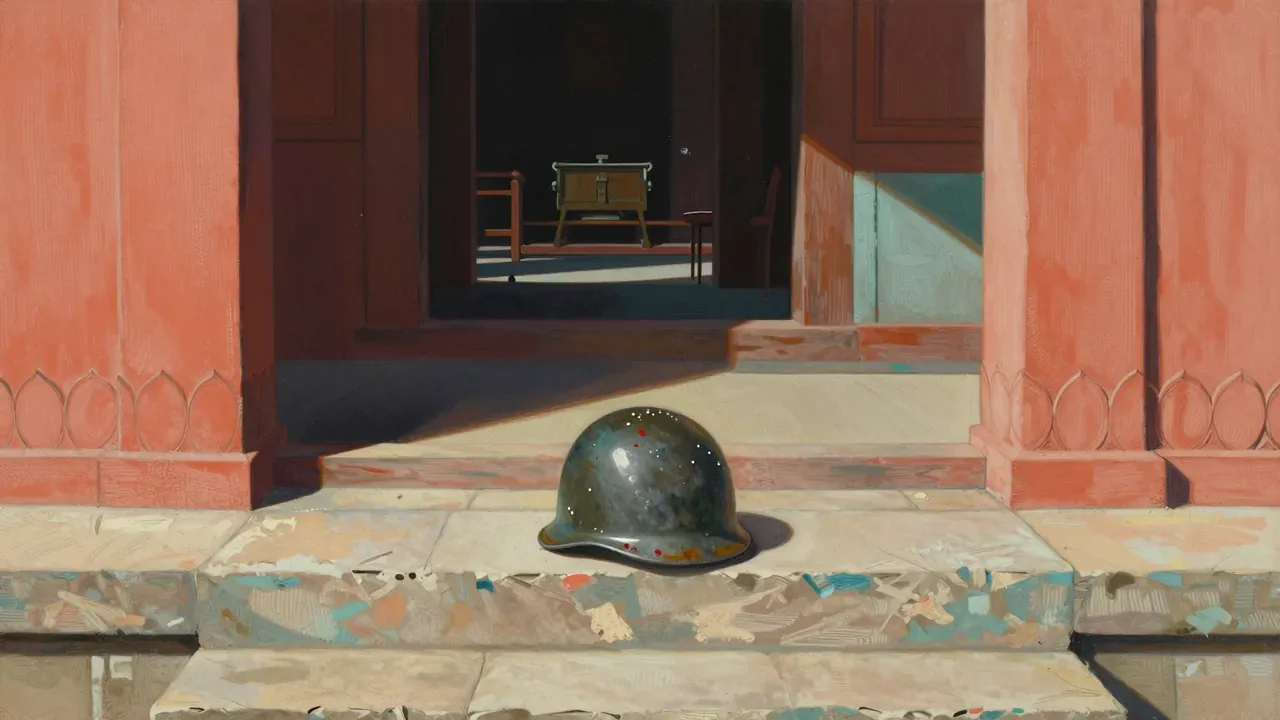
Samuel Fuller’s 1951 war film The Steel Helmet is the first American feature about the Korean War, made independently in ten days on a $104,000 budget. It follows a grizzled U.S. sergeant and a ragged patrol taking refuge in a Buddhist temple, confronting racism, command failure and moral compromise under fire. Ernest Miller’s cinematography and Fuller’s lean script prioritise psychological realism over spectacle. Though constrained by its production, the film remains a landmark for its immediacy, thematic rigour and refusal to flatter its subject — or its audience.

13:00

The Story of a Three-Day Pass

Melvin Van Peebles · 1967

Melvin Van Peebles’s debut feature follows Turner, a Black US soldier on a three-day pass in France, as he meets and falls for Miriam, a white French shop clerk. Shot in Paris with a small crew and budget, the film traces their brief, tender, and fraught connection against a backdrop of Cold War militarism and unspoken racial hierarchy. Its power lies in understatement: long takes, sparse dialogue, and psychologically charged silences convey more than exposition ever could.

13:00

The Suitor

Pierre Étaix · 1963

Pierre Étaix’s 1962 debut The Suitor is a meticulously timed comedy about a man racing to marry before a deadline, modelled on Buster Keaton’s Seven Chances but filtered through Gallic irony and silent-era physical logic. With minimal dialogue, clean framing, and relentless cause-and-effect plotting, it turns courtship into bureaucratic theatre. Though its final act falters and some gags rely on period-specific codes, its control of rhythm and commitment to form make it a distinctive, demanding, and rewarding work of mid-century French comedy.

13:00

The Taking of Power by Louis XIV

Roberto Rossellini · 1966

Roberto Rossellini’s 1966 television film charts Louis XIV’s consolidation of power not through battle or charisma, but through administrative rigour, spatial control, and ceremonial discipline. Shot in 23 days with non-professional actors and restrained cinematography, it presents the birth of the modern French state as a slow, procedural accumulation — where tax reform, Versailles’ construction, and the arrest of Fouquet are all moments in the same system. Its power lies in its austerity: no score, no close-ups, no moralising — just the steady, unsettling logic of institutional control.

13:00

The Tale of Zatoichi Continues

Kazuo Mori · 1962

The Tale of Zatoichi Continues (1962), directed by Kazuo Mori and starring Shintarō Katsu, is the second entry in Daiei Film’s long-running series. Returning one year after the first film, Zatōichi visits Joshoji Temple to pay respects, crosses paths with his one-armed brother Yoshirō, and navigates threats from a mad lord’s retainers and local yakuza. With a lean 72-minute runtime, tight framing, and Ichirō Saitō’s restrained score, it prioritises gesture over exposition and recurrence over revelation — deepening the character not through backstory but through repetition, silence, and consequence.

13:00

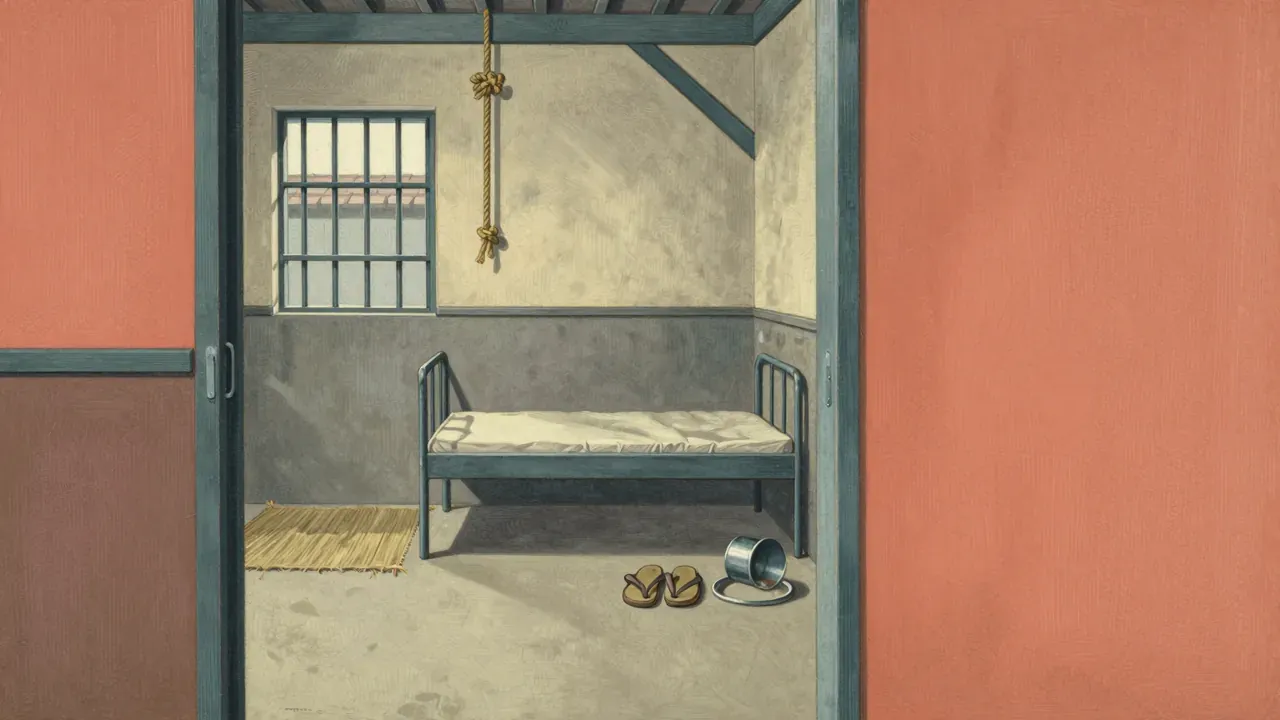
The Thick-Walled Room

Masaki Kobayashi · 1956

Masaki Kobayashi’s 1956 debut feature, completed in 1953 but delayed for three years due to its controversial subject, follows Japanese soldiers imprisoned in Sugamo Prison as Class B and C war criminals. Adapted by Kōbō Abe from real diaries, it avoids polemic in favour of quiet, cumulative scrutiny — of how coercion shapes action, how memory frays under confinement, and how justice functions when administered by the victor. With restrained performances, Kazuo Miyagawa’s unemphatic cinematography, and no musical score, it builds its argument through silence, repetition, and moral ambiguity.

13:00

The Thin Red Line

Terrence Malick · 1998

Terrence Malick’s 1998 return to filmmaking is a philosophical war film set during the Guadalcanal campaign. Eschewing narrative drive and military exposition, it lingers on interior states, natural imagery and fragmented voiceover to ask what war does to consciousness. Shot by John Toll in Queensland and the Solomon Islands, edited to a meditative rhythm and scored by Hans Zimmer, it features a large ensemble cast led by Jim Caviezel and Sean Penn. Though nominated for seven Academy Awards and awarded the Golden Bear, its resistance to convention divides viewers.

13:00

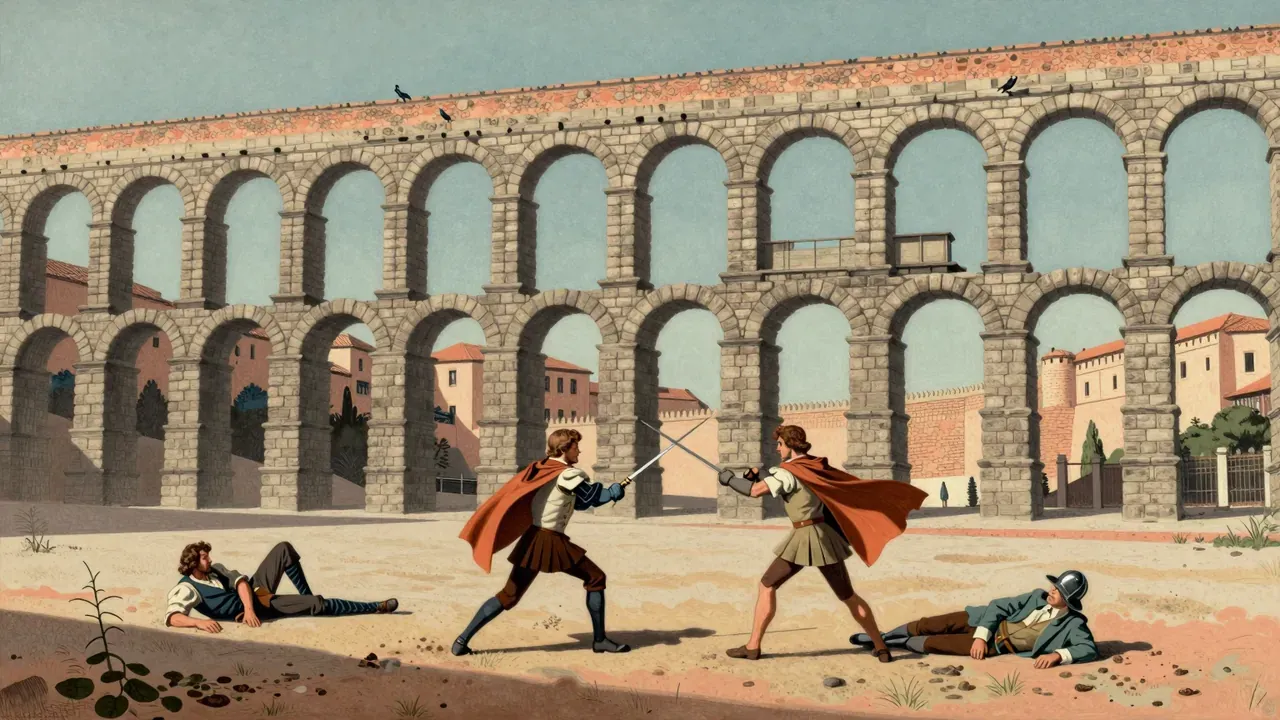
The Three Musketeers

Richard Lester · 1973

Richard Lester’s 1973 adaptation of The Three Musketeers is a brisk, precisely timed adventure that prioritises rhythm and character-in-action over exposition or psychological depth. Shot in Spain by David Watkin, with fencing choreographed by William Hobbs and music by Michel Legrand, it stars Michael York, Oliver Reed, Frank Finlay and Richard Chamberlain as the titular quartet, alongside Raquel Welch, Faye Dunaway and Charlton Heston. Faithful to Dumas’s plot but distinct in tone, it balances wit and vigour without tipping into parody—or solemnity.

13:00

The Threepenny Opera

Georg Wilhelm Pabst · 1931

Georg Wilhelm Pabst’s 1931 adaptation of The Threepenny Opera strips Brecht and Weill’s satire to its structural bones: crime, policing, charity and banking are shown as functionally identical. Shot in Berlin with Fritz Arno Wagner’s restrained cinematography and edited by Jean Oser to withhold emphasis, it replaces theatrical provocation with quiet, cumulative equivalence. Though legally contested and later banned by the Nazis, its reconstructed German version remains a precise, unsentimental study of power as routine.

13:00

The Traveller

Abbas Kiarostami · 1974

Abbas Kiarostami’s 1974 film follows Qassem, a resourceful twelve-year-old in Malayer, Iran, as he lies, steals and scams his way to a football match in Tehran. Shot with observational restraint and no musical score, the film refuses to moralise or explain his behaviour. Instead, it traces the logic of childhood desire — pragmatic, unselfconscious, and indifferent to collateral damage — until the final, empty stadium becomes its clearest statement: effort does not guarantee meaning, and arrival does not imply understanding.

13:00

The Tree of Life

Terrence Malick · 2011

Terrence Malick’s 2011 film interweaves cosmic origins, prehistoric evolution, and a 1950s Texas childhood into a single sensory continuum. Shot by Emmanuel Lubezki and edited from hundreds of hours of footage, it replaces plot with rhythm, dialogue with light, and psychology with presence. Its ambition is ontological: to treat human experience and natural process as variations on the same physical law.