filmbriefs
Highest rated

All briefs

2035 briefs · 26452 min · 1921–2016 on page 21 of 22
13:00

Tiny Furniture

Lena Dunham · 2010

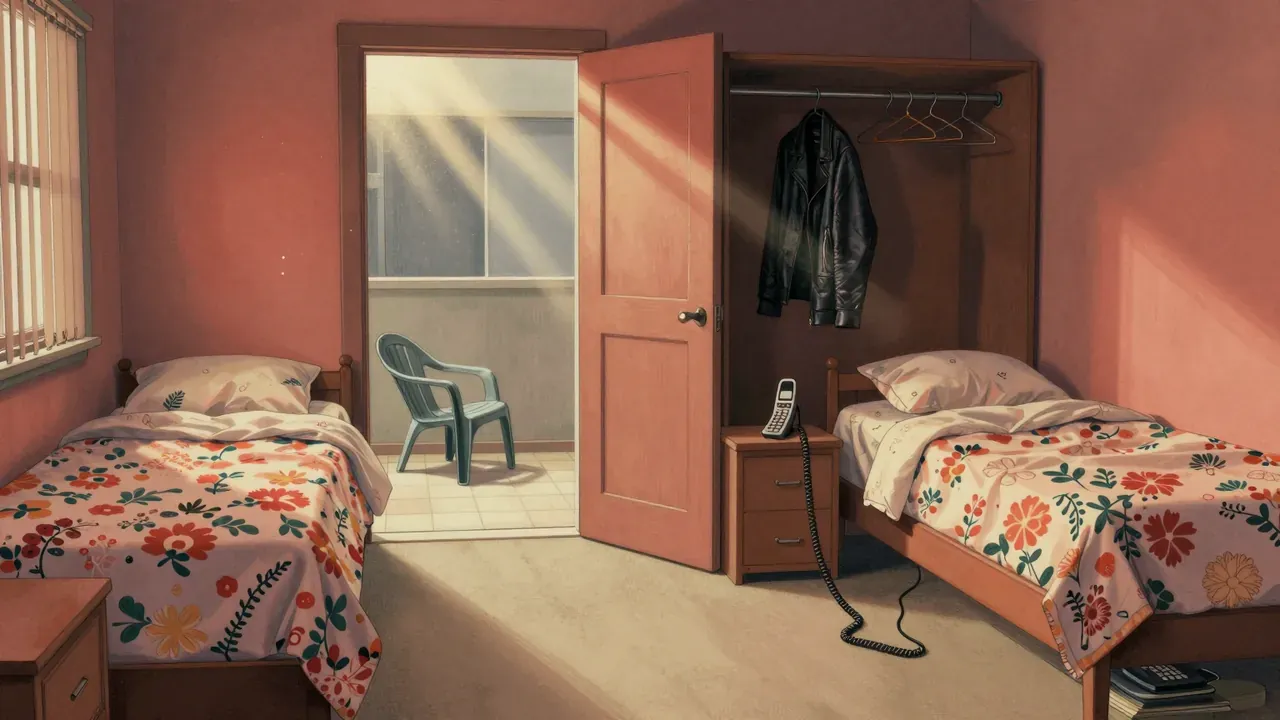
Lena Dunham’s 2010 debut follows Aura, a film-school graduate who moves back into her mother’s Tribeca loft after graduation, adrift between plans and expectations. Shot on the Canon EOS 7D in eleven days, the film renders a summer of small humiliations, tentative connections, and quiet reckonings — with family, with ambition, and with the slow work of becoming adult without a script.
13:00

To Joy

Ingmar Bergman · 1950

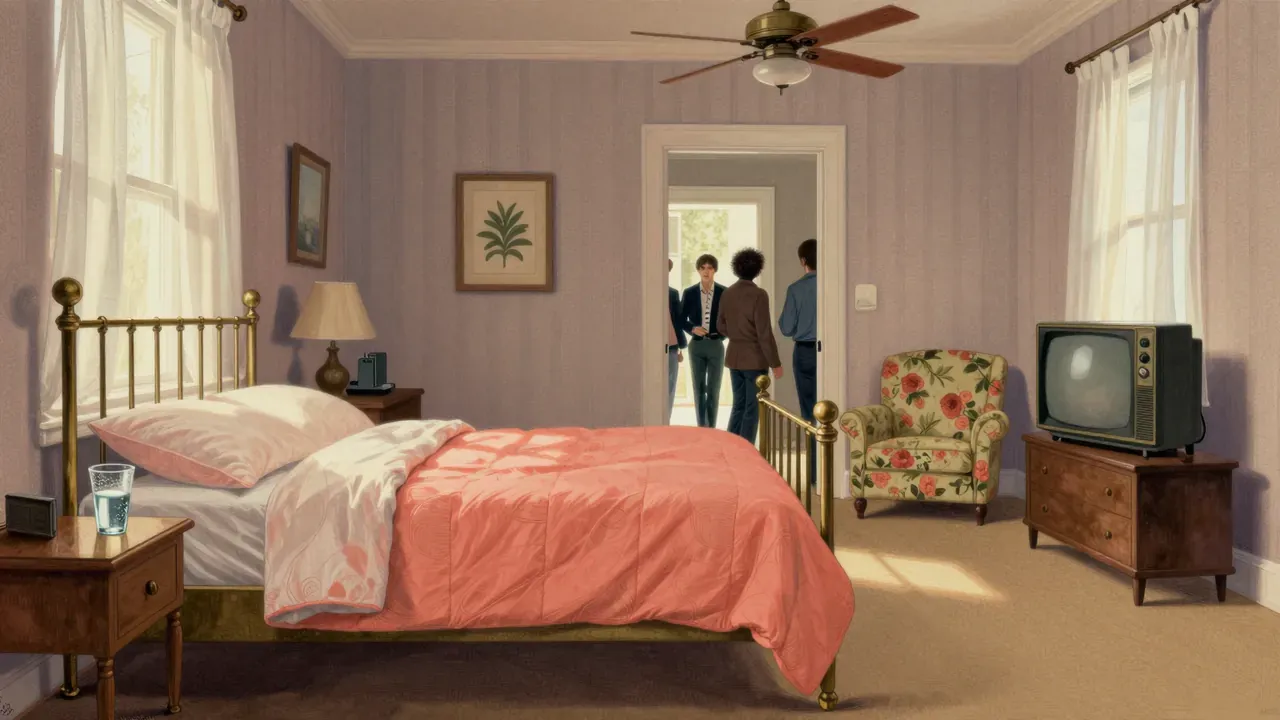
Ingmar Bergman’s 1950 drama follows violinists Stig and Marta as their marriage frays under the pressure of professional compromise, unspoken resentment, and the lure of easier affections. Shot in restrained black-and-white by Gunnar Fischer, with performances rooted in physical detail rather than declamation, it is a film of accumulations — glances, silences, repeated gestures — rather than climaxes. Its power lies in its refusal to moralise or resolve.

13:00

Toothache

Abbas Kiarostami · 1980

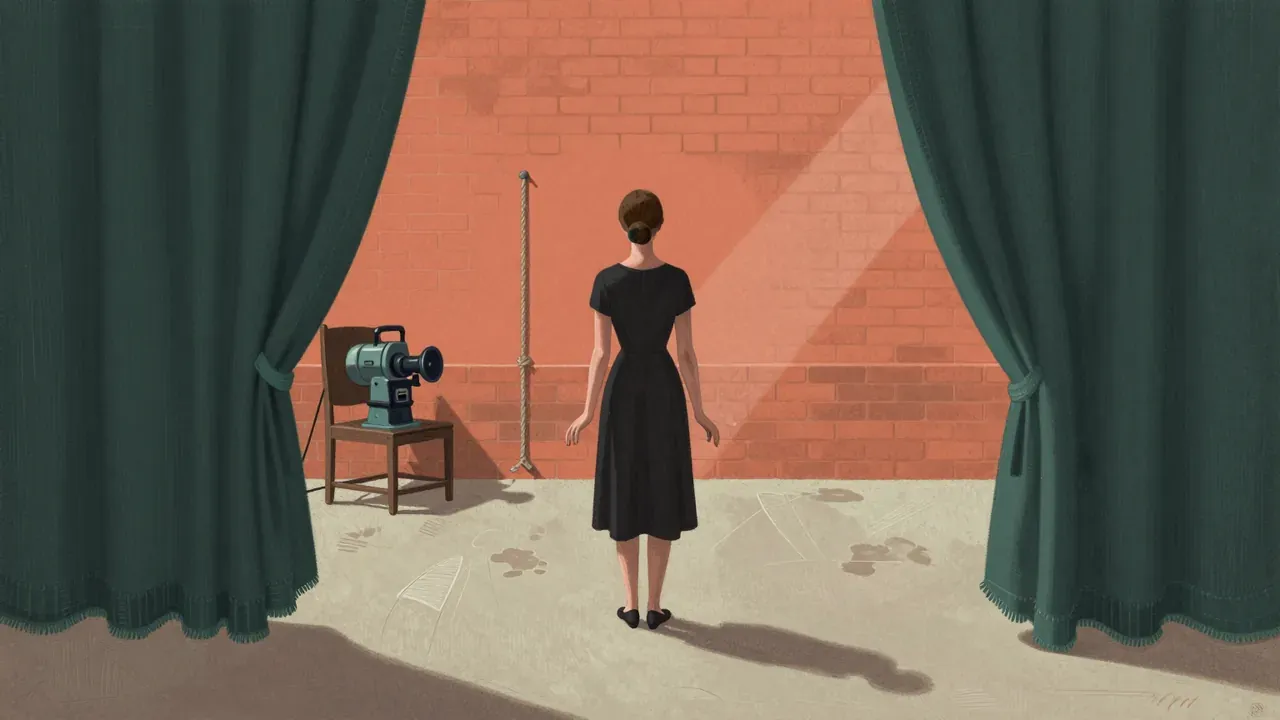
Abbas Kiarostami’s 1980 short Toothache is a rigorously functional educational film made for Iranian schoolchildren. Shot on 16mm at Kanoon, it traces a boy’s physical and social decline due to poor dental hygiene, culminating in a thirteen-minute direct-to-camera lecture by a dentist, punctuated by animated sequences and clinical footage. Its power lies in its unwavering commitment to pedagogy over artifice — a rare, unembellished record of how cinema can serve public health.

13:00

Totally F***ed Up

Gregg Araki · 1993

Totally F***ed Up (1993) is Gregg Araki’s debut in his Teenage Apocalypse trilogy: a 78-minute, 16 mm arthouse drama following six queer teenagers in Los Angeles. Made with no crew beyond Araki himself, a sound person, and the cast, it uses handheld camerawork, episodic structure, and documentary-style interviews to portray love, violence, grief, and daily life without moralising or exposition. Its power lies in its restraint, authenticity, and refusal to render queerness as either problem or spectacle.

13:00

True Stories

David Byrne · 1986

David Byrne’s 1986 musical film True Stories unfolds in the fictional town of Virgil, Texas, as a nameless visitor observes residents preparing for a sesquicentennial ‘Celebration of Specialness’. Built from vignettes rather than plot, it features John Goodman, Spalding Gray, Swoosie Kurtz and others performing stylised, sincere portraits of small-town life, scored largely by Talking Heads. Edward Lachman’s flat, frontal cinematography and Byrne’s deliberate pacing create a tone both surreal and tender — less mockery than meticulous documentation of how people build meaning from thin air.

13:00

Two Girls on the Street

André de Toth · 1939

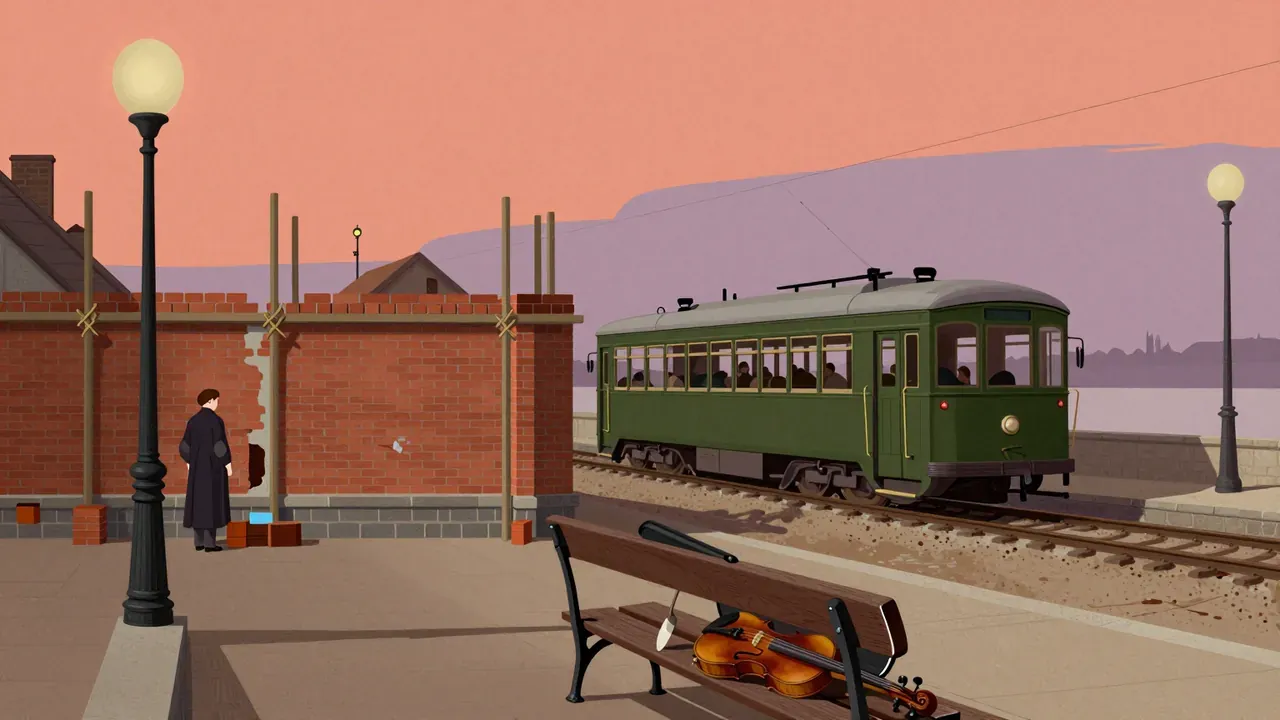
Two Girls on the Street (1939) follows two young women — a violinist and a bricklayer — as they navigate work, friendship, and love in Budapest after leaving their village. Directed by André de Toth in his first feature, it adapts a stage play with unshowy craft, grounding its comedy in occupational detail and urban texture. Restored by Cinémathèque de Bologne and released by Criterion in 2022, it rewards attention to the ordinary: how people move, speak, build, and play in a city on the cusp of change.

13:00

Valley of the Dolls

Mark Robson · 1967

Valley of the Dolls (1967), directed by Mark Robson, adapts Jacqueline Susann’s novel into a glossy, emotionally heightened drama about three women whose careers in entertainment unravel amid barbiturate dependency. Starring Barbara Parkins, Patty Duke, and Sharon Tate, with Susan Hayward as the formidable Helen Lawson, it uses tight close-ups, emphatic scoring, and location shooting to anchor its melodrama in a specific cultural moment — the twilight of the studio system. Though critically divided and formally uneven, it endures as a revealing artefact of how mid-century Hollywood represented female ambition, exhaustion, and systemic collapse.

13:00

Variety Lights

Federico Fellini, Alberto Lattuada · 1950

Federico Fellini and Alberto Lattuada’s 1950 debut follows a struggling vaudeville troupe as ambition fractures loyalty and routine masks exhaustion. Shot on location and at Rome’s Scalera Studios, it stars Peppino De Filippo, Carla Del Poggio and Giulietta Masina, and charts the quiet economics of attention, ageing and reinvention — without flourish, without judgement, and without resolution.

13:00

Víctimas del Pecado

Emilio Fernández · 1951

Emilio Fernández’s 1951 Víctimas del Pecado stars Ninón Sevilla as Violeta, a Cuban dancer who adopts an abandoned infant in Mexico City’s red-light district. Set in Churubusco Studios, the film blends mambo numbers by Pérez Prado and Pedro Vargas with a tightly wound melodrama of love, betrayal, and imprisonment. Gabriel Figueroa’s cinematography carves space into zones of glamour, austerity, and quiet domesticity. Though structurally uneven and reliant on genre convention, its physical expressiveness, moral clarity, and studio craft make it a defining work of post-war Mexican cinema.

13:00

Visions of Eight

Claude Lelouch, Miloš Forman, Kon Ichikawa, Yuri Ozerov · 1973

Visions of Eight (1973) is a documentary composed of eight segments directed by international filmmakers, each interpreting a different aspect of the 1972 Munich Olympics. Commissioned by David L. Wolper, it prioritises stylistic divergence over narrative unity — from Penn’s slow-motion pole vault to Lelouch’s focus on defeat. Though awarded Best Documentary at the 1974 Golden Globes, its treatment of the Munich massacre remains fragmented and indirect. Available via Criterion, it functions best as a formal experiment in perspective, not as historical record.

13:00

Walpurgis Night

Gustaf Edgren · 1935

A 1935 Swedish drama set over one Walpurgis Night in Stockholm, Walpurgis Night observes a civil servant’s household as long-held tensions surface amid guests, family, and fading light. Directed by Gustaf Edgren and written by Oscar Rydqvist, it features early performances by Ingrid Bergman and Victor Sjöström, with restrained craft across cinematography, editing, and performance. Its strength lies in behavioural nuance and temporal precision; its weakness, occasional narrative vagueness and underdeveloped subplots.

13:00

Wild at Heart

David Lynch · 1990

David Lynch’s 1990 Palme d’Or winner adapts Barry Gifford’s novel into a hyper-stylised Southern Gothic crime film starring Nicolas Cage and Laura Dern as a couple fleeing violence across the American South. Anchored by Elvis obsession, Wizard of Oz motifs and Angelo Badalamenti’s score, it trades psychological realism for emotional extremity — landing some sequences with unforgettable force, while others rely too heavily on shock. Its value lies in its unwavering commitment to a singular, dissonant vision.

13:00

Zatoichi and the One-Armed Swordsman

Kimiyoshi Yasuda · 1971

A Japanese–Hong Kong co-production starring Shintarō Katsu and Jimmy Wang Yu, this 1971 chambara-wuxia crossover stages a deliberate, unresolved encounter between two iconic swordsmen from separate cinematic traditions. Set in rural Japan, it follows Zatoichi and Wang Kang as they misread, clash, and briefly align against corrupt yakuza and a predatory priest — all without shared language or cultural framework. Its strength lies in physical storytelling and choreographic contrast; its limitation is its refusal to bridge the conceptual gap it so carefully constructs.

13:00

Zatoichi at Large

Kazuo Mori · 1972

The twenty-third Zatoichi film, released in 1972 under Toho after two decades with Daiei, follows the blind swordsman as he delivers a newborn to its kin after its mother’s death. Directed by Kazuo Mori and starring Shintarō Katsu and Rentarō Mikuni, it tightens narrative cause-and-effect but retains the series’ unadorned style and ritualised structure. While its central act of care gains quiet power, the climactic duel feels tacked-on, and thematic development remains incremental. It is a film of maintenance, not transformation.

13:00

Zatoichi Challenged

Kenji Misumi · 1967

The seventeenth Zatoichi film sees Shintarō Katsu’s blind swordsman escort a boy to his imprisoned father in Maebara, confronting corrupt officials, a yakuza boss, and finally his old friend Akazuka in a snowbound duel. Directed by Kenji Misumi with disciplined framing and Akira Ifukube’s sparse score, it sustains the series’ formal rigour while exposing the limits of its formula — rewarding deep familiarity more than first-time engagement.

13:00

Zatoichi in Desperation

Shintarō Katsu · 1972

The fifteenth Zatoichi film, directed by and starring Shintarō Katsu, follows the blind swordsman as he intervenes in a rural power struggle marked by corruption, poverty, and quiet complicity. With minimal action, sparse dialogue, and deliberate pacing, it trades series conventions for sustained moral weight—testing Zatoichi not with rivals, but with the cost of witnessing.

13:00

Zatoichi the Outlaw

Satsuo Yamamoto · 1967

Zatoichi the Outlaw (1967), directed by Satsuo Yamamoto and starring Shintarō Katsu, is the sixteenth film in the Zatoichi series and the first produced by Katsu’s own company. Set in a rural village, it pits the blind swordsman against a sword-less rōnin leading a peasant movement for moral reform. With Kazuo Miyagawa’s restrained cinematography and Sei Ikeno’s contemplative score, the film foregrounds ideological tension over action—but stumbles in its handling of secondary characters and pacing. It is a thoughtful, uneven entry that rewards patience and familiarity with Edo-period social thought.

13:00

Zatoichi's Cane Sword

Kimiyoshi Yasuda · 1967

The fifteenth Zatoichi film, released in 1967, follows the blind masseur-swordsman as he intervenes in a provincial town overrun by rival gangs and a corrupt official. Built around Shintarō Katsu’s unflustered central performance and Ryōzō Kasahara’s lean script, it foregrounds craft, quiet agency and procedural justice over spectacle or ideology. Directed by Kimiyoshi Yasuda with functional precision, it offers a self-contained, tonally consistent episode — modest in scope, confident in execution.

13:00

Zatoichi's Conspiracy

Kimiyoshi Yasuda · 1973

Zatoichi’s Conspiracy (1973), directed by Kimiyoshi Yasuda, is the twenty-third entry in the long-running Japanese series. Shintarō Katsu reprises his iconic role as the blind swordsman drawn into a local conspiracy involving corrupt officials and seized land. With a lean 88-minute runtime, functional cinematography, and Akira Ifukube’s percussive score, the film relies on character consistency and physical storytelling rather than narrative innovation or psychological depth. It works best as a refinement — not a reinvention — of the series’ enduring ethics.

13:00

Zatoichi's Vengeance

Tokuzō Tanaka · 1966

The thirteenth Zatoichi film, released in 1966 by Daiei Film, follows the blind masseur as he carries a dying man’s burden into a yakuza-controlled town preparing for its thunder drum festival. Directed by Tokuzō Tanaka and starring Shintarō Katsu, it relies on Kazuo Miyagawa’s understated cinematography and Akira Ifukube’s percussive score to sustain its episodic, morally calibrated chambara rhythm.

13:00

Faust (2011 film)

Alexander Sokurov · 2011

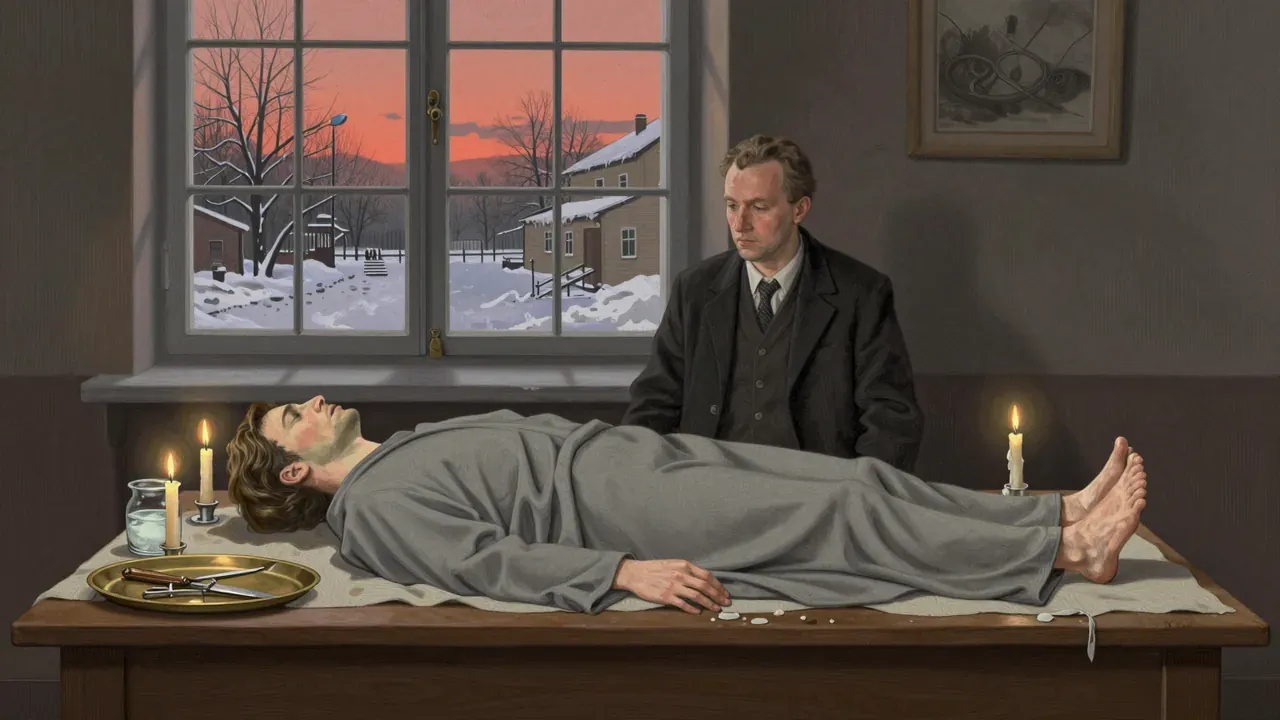
Alexander Sokurov’s 2011 Faust is a Russian-German co-production, shot across the Czech Republic, Germany and Iceland, and set in an indeterminate 19th-century Europe. Johannes Zeiler stars as Faust, a scholar dissecting corpses in search of the soul, drawn into a pact with Anton Adasinsky’s moneylender — a grotesque, worldly Mephistopheles. Bruno Delbonnel’s cinematography renders the world in Flemish-toned greys and ochres; Andrey Sigle’s score is sparse and resonant. The film won the Golden Lion at Venice and was lauded for its visual rigour and philosophical gravity, though its deliberate opacity divided critics.

9:51

The Roaring Twenties

Raoul Walsh · 1939

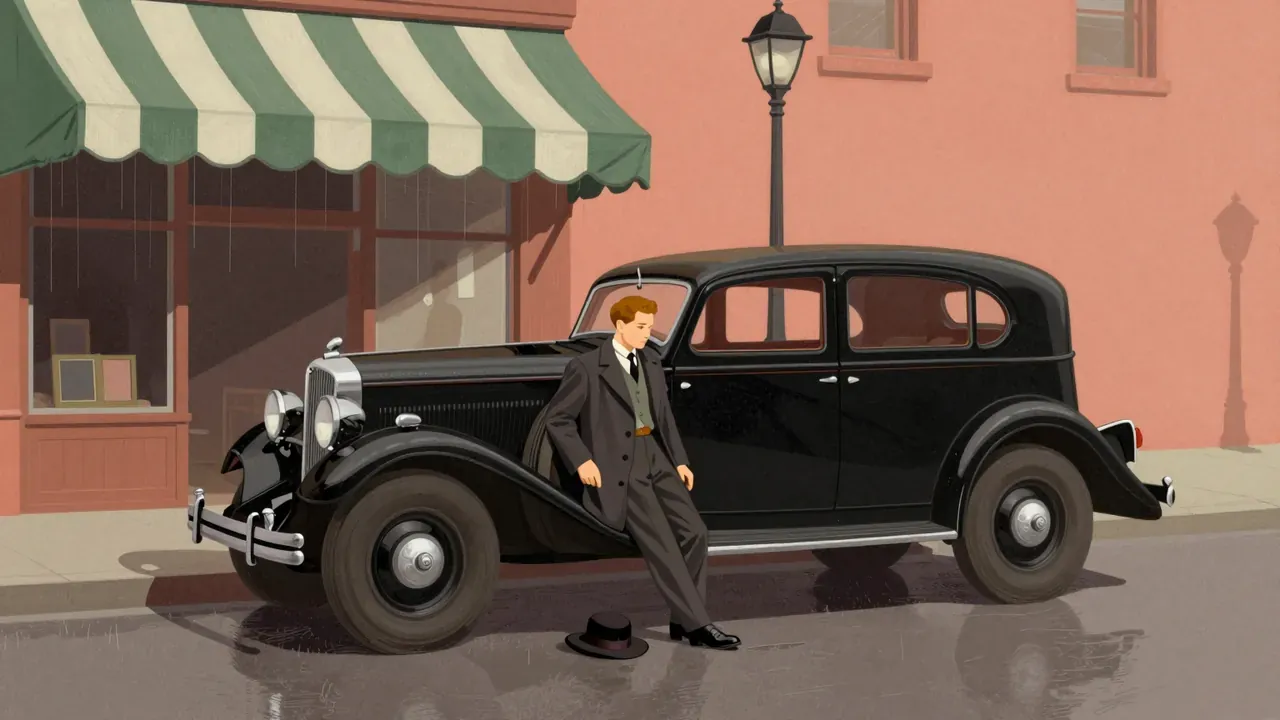
The Roaring Twenties (1939) is a studio-crafted gangster film that uses the interwar years as architecture—not archive. It honours early-1930s genre conventions while narrowing the decade to a single masculine trajectory: rise, rule, ruin. Its specificity (1919–1933, Hellinger source, Walsh direction) makes it a useful artifact—not of the twenties, but of how Hollywood repackaged them on the cusp of war.

13:00

Antichrist

Lars von Trier · 2009

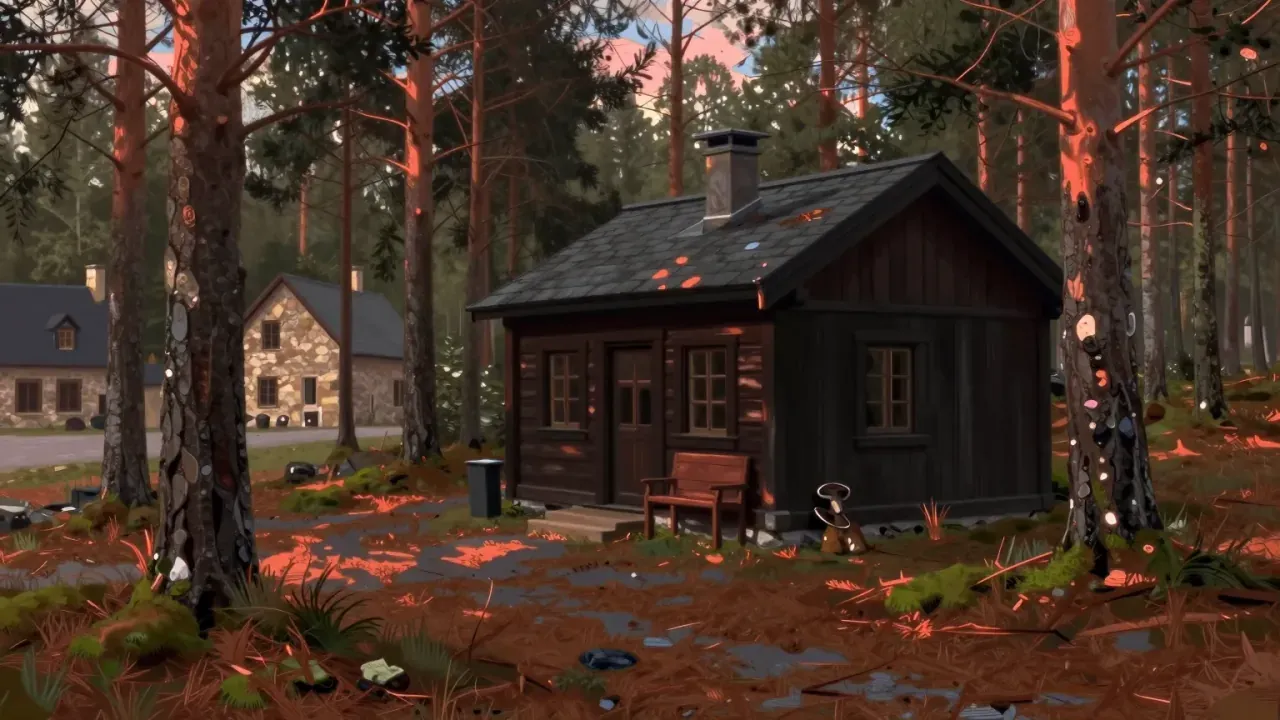
Lars von Trier’s 2009 film Antichrist stars Willem Dafoe and Charlotte Gainsbourg as a grieving couple who retreat to a forest cabin, only to confront psychological disintegration, theological dread, and nature’s indifference. Shot digitally in Germany with precise, unrelenting craft, it divides itself into symbolic chapters and refuses narrative or emotional release. Though polarising and widely debated for its imagery and themes, it remains a benchmark of arthouse extremity — technically controlled, thematically uncompromising, and ethically demanding.

13:00

Bad Lieutenant

Abel Ferrara · 1992

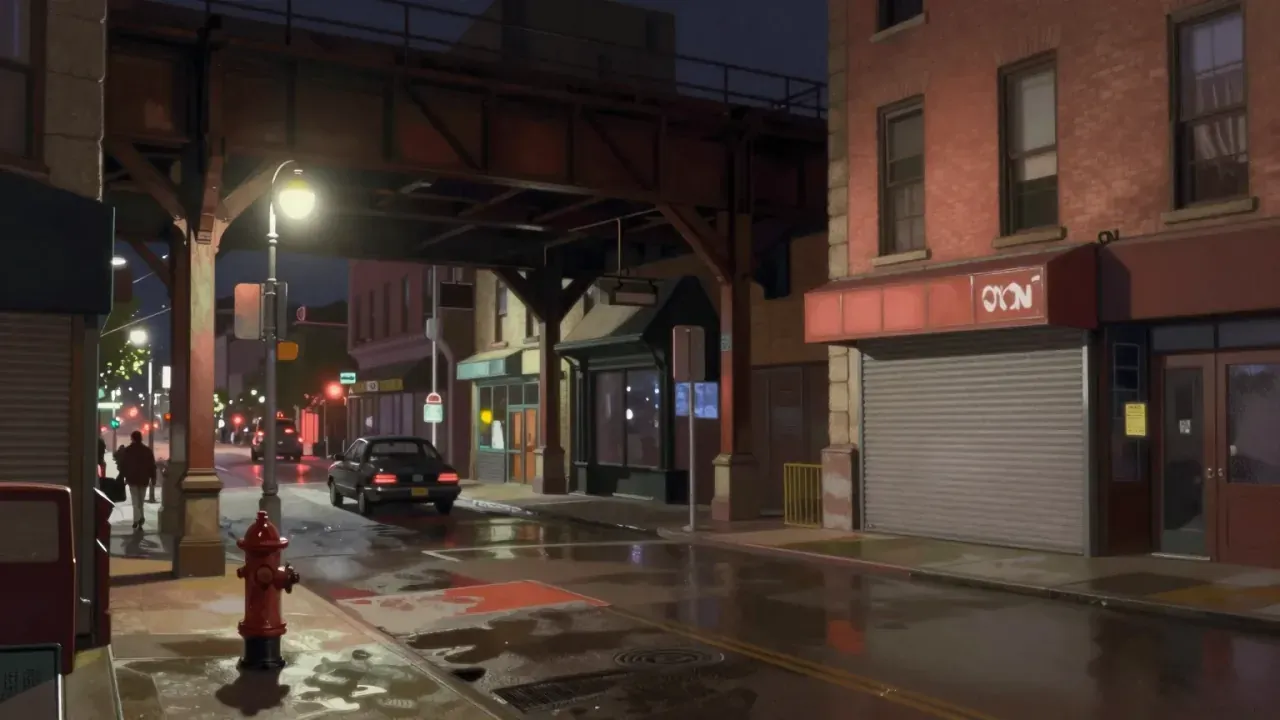
Abel Ferrara’s 1992 Bad Lieutenant follows a New York police officer over a single day of spiralling addiction, abuse of power, and spiritual erosion. With Harvey Keitel in a physically uncompromising performance, the film rejects redemption arcs and procedural logic in favour of sustained, unsparing immersion in ethical collapse. Shot on gritty 16mm by Ken Kelsch and scored sparsely by Joe Delia, it treats Catholic iconography and police authority as hollowed-out symbols. Not a thriller, but a forensic study of vacancy wearing a badge.

13:00

Blackhat

Michael Mann · 2015

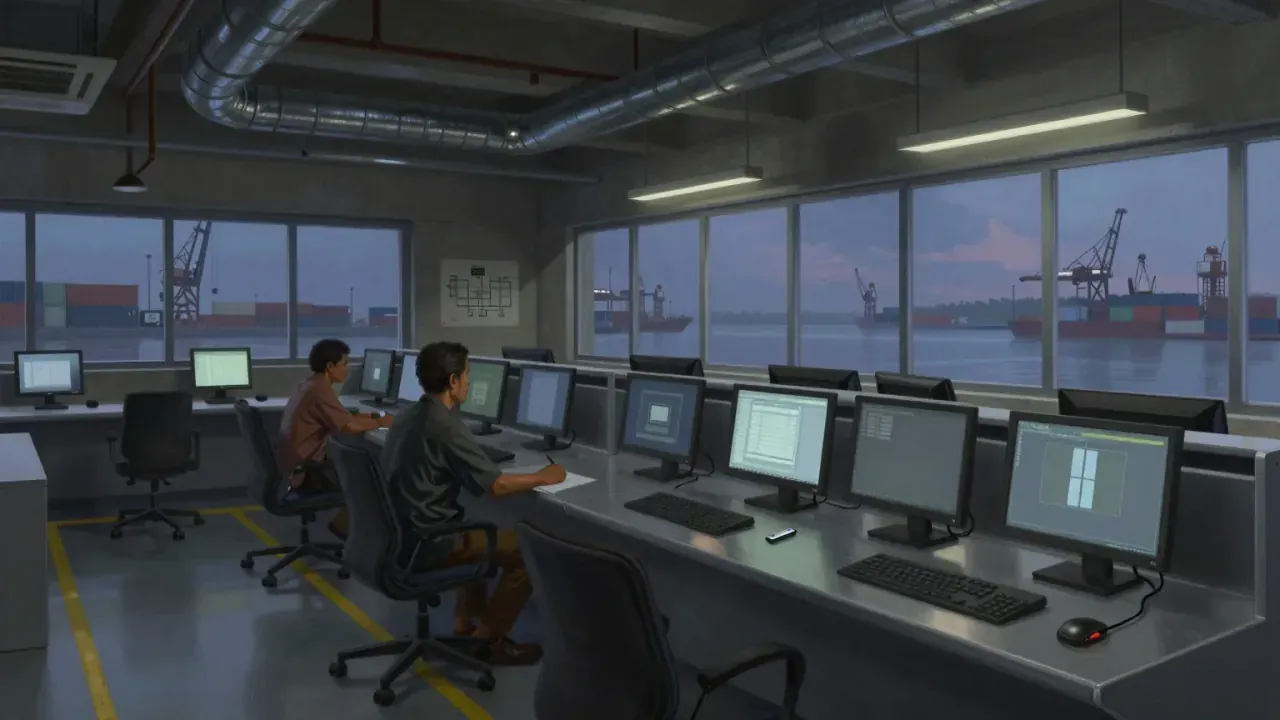
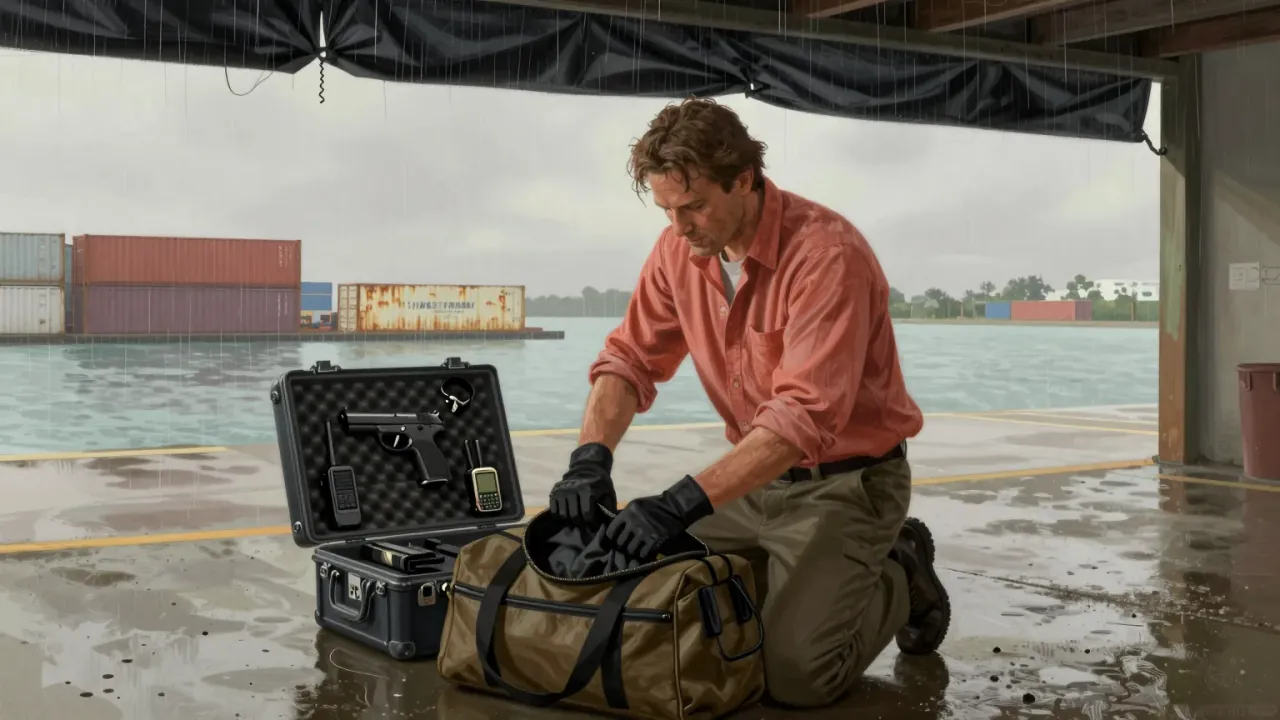
Michael Mann’s 2015 thriller Blackhat follows a convicted hacker released to track a global cyberattack spanning nuclear plants, ports, and financial markets. Shot entirely digitally across Los Angeles, Hong Kong, Jakarta, and Kuala Lumpur, it prioritises procedural realism and atmospheric tension over conventional plotting or emotional exposition. Though critically divided and commercially unsuccessful, it stands as a formally rigorous, thematically coherent attempt to render networked threat as physical, geopolitical, and human-scaled.

13:00

Joyless Street

Georg Wilhelm Pabst · 1925

Georg Wilhelm Pabst’s 1925 silent film Joyless Street observes life in a Viennese alley during hyperinflation, following Marie, Grete, and Else as they navigate hunger, exploitation, and eroded dignity. Adapted from Hugo Bettauer by Willy Haas, it rejects expressionist exaggeration for a flatter, denser realism—studio sets by Erdmann and Sohnle, cinematography by Seeber, Oertel and Lach, editing by Mark Sorkin. Its power lies in accumulation, not climax: small choices, shared spaces, systemic pressure. Restored in the 1990s, it remains a key work of New Objectivity—and a demanding, unsentimental record of societal breakdown.

13:00

Miami Vice

Michael Mann · 2006

Michael Mann’s 2006 Miami Vice is a digitally shot, atmospherically dense crime film starring Colin Farrell and Jamie Foxx as Miami-Dade detectives infiltrating a transnational drug operation. Shot on location across the Caribbean and South Florida, it trades the 1980s TV series’ stylisation for a muted, immersive realism — prioritising surveillance aesthetics, ambient sound, and moral ambiguity over exposition or catharsis. Though polarising on release, its reputation has grown for its formal rigour and sensory coherence.

13:00

Nymphomaniac

Lars von Trier · 2013

Lars von Trier’s Nymphomaniac is a two-part, four-hour English-language drama in which a woman recounts her sexual history to a celibate man who interprets it through analogies drawn from mathematics, music, and natural history. Starring Charlotte Gainsbourg and Stacy Martin as different ages of the same woman, it is structured as a series of titled chapters, filmed by Manuel Alberto Claro and edited by Molly Malene Stensgaard. Produced by Zentropa in France, it asks not whether desire can be understood, but how interpretation inevitably distorts it.

13:00

Shakespeare in Love

John Madden · 1998

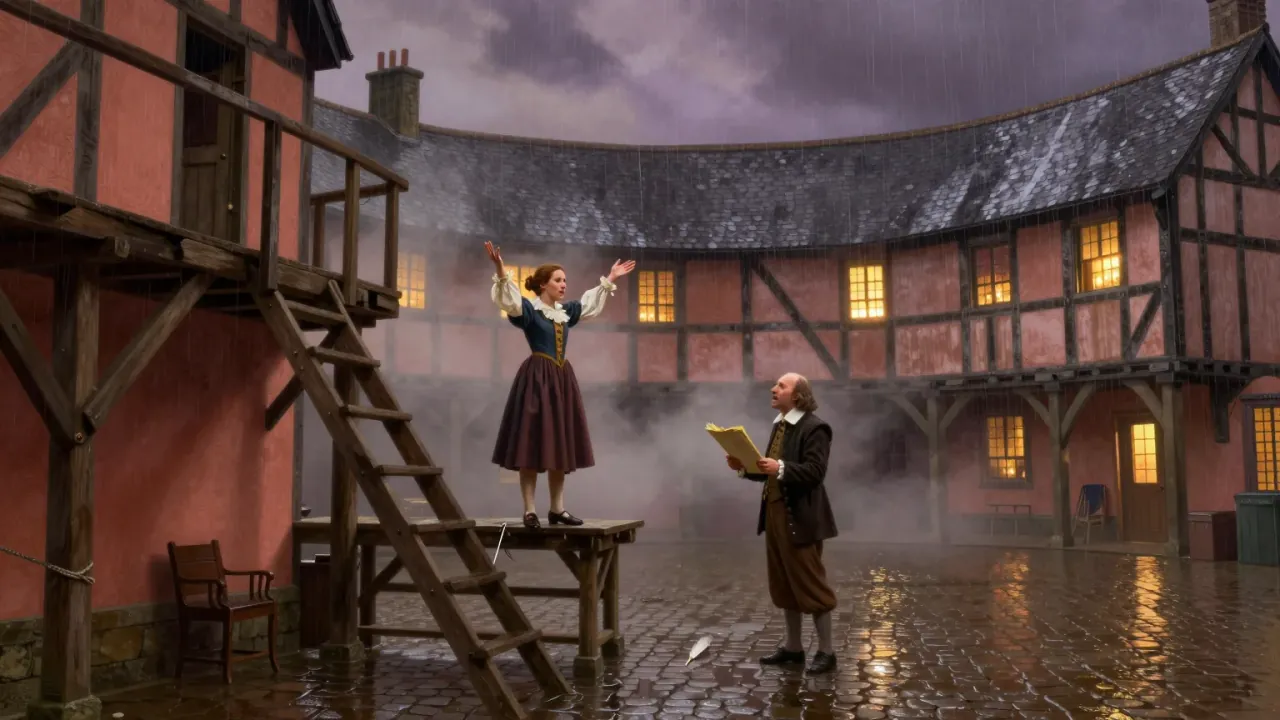
Shakespeare in Love (1998) imagines a love affair between a blocked William Shakespeare and the noblewoman Viola de Lesseps, whose secret presence in his company inspires Romeo and Juliet. Directed by John Madden and written by Marc Norman and Tom Stoppard, it blends period detail with theatrical wit, winning seven Academy Awards including Best Picture and Best Actress. Its strength lies in craft and chemistry; its limitation, in narrative convenience that softens moral and emotional stakes.

13:00

The Fountain

Darren Aronofsky · 2006

Darren Aronofsky’s 2006 film interweaves three timelines—a conquistador, a neurosurgeon, and a space traveller—all played by Hugh Jackman, bound to Rachel Weisz across centuries by love and loss. Shot on a Montreal soundstage with macro photography and a tightly controlled palette, it uses repetition, motif, and Clint Mansell’s score to explore mortality not as endpoint but as condition. Though commercially unsuccessful and critically divided, it has endured as a precise, austere, and emotionally resonant study of devotion in the face of time’s erosion.

13:00

The Skin

Liliana Cavani · 1981

Liliana Cavani’s 1981 adaptation of Curzio Malaparte’s novel *The Skin* depicts Naples in the immediate aftermath of Allied liberation, where survival depends on transaction, dignity is measured in kilos, and liberation feels indistinguishable from conquest. Starring Marcello Mastroianni and Burt Lancaster, it uses stark cinematography, dissonant music and unflinching vignettes to trace the corrosion of morality under occupation — not as breakdown but as system.

13:00

The White Sheik

Federico Fellini · 1952

Federico Fellini’s 1952 debut as sole director follows a nervous groom whose bride vanishes in Rome to meet the hero of her favourite photo-strip. Built around the mechanics of Italian fotoromanzi, the film uses crisp comic timing, stylised cinematography and Nino Rota’s light score to dissect how mass fantasy reshapes desire, class performance and marital expectation — without sentiment or resolution.

13:00

Top Gun

Tony Scott · 1986

A 1986 Paramount action film directed by Tony Scott, Top Gun follows naval aviator Pete ‘Maverick’ Mitchell through the Navy’s elite fighter weapons school. Built around real F-14 flight footage and a synth-heavy score, it prioritises kinetic clarity and visual rhythm over psychological depth or political nuance. Though critically mixed on release, its formal coherence and cultural resonance have secured its status as a defining artefact of 1980s studio filmmaking.

13:00

Ain't Them Bodies Saints

David Lowery · 2013

David Lowery’s 2013 drama follows a convict’s slow return to the woman and child he left behind, using restrained performances, atmospheric cinematography by Bradford Young, and a hushed score by Daniel Hart to evoke longing as a physical condition. Set against a mythic Texas landscape, it trades genre mechanics for emotional resonance, prioritising mood over momentum and silence over exposition.

13:00

Ali

Michael Mann · 2001

Michael Mann’s Ali traces ten years in Muhammad Ali’s life, from his 1964 title win over Sonny Liston to the 1974 Rumble in the Jungle. Will Smith performs Ali as physical and vocal presence rather than psychological portrait; Emmanuel Lubezki’s cinematography and Pieter Bourke and Lisa Gerrard’s score reinforce texture over exposition. The film prioritises endurance, visibility, and voice over narrative clarity or emotional exposition — landing hardest in its sensory fidelity, faltering where it attempts thematic breadth or relational depth.

13:00

Big Fish

Tim Burton · 2003

Tim Burton’s 2003 fantasy drama Big Fish adapts Daniel Wallace’s novel into a tripartite portrait of a father’s tall tales and his son’s reluctant reckoning with them. Shot in Alabama with Philippe Rousselot’s sun-bleached cinematography and scored by Danny Elfman, it balances Southern Gothic texture with mythic whimsy. Though its tonal shifts and narrative looseness divided critics, its central theme — that stories are how we hold people close after they’re gone — remains its quiet, steady pulse.

13:00

Black Orpheus

Marcel Camus · 1959

Black Orpheus (1959) transplants the Orpheus and Eurydice myth to Rio de Janeiro’s Carnaval, filmed on location in Morro da Babilônia with non-professional actors. Directed by Marcel Camus and scored by Luiz Bonfá and Antônio Carlos Jobim, it won the Palme d’Or and the Academy Award for Best International Feature Film. Though celebrated for its visual and musical vitality, it has been criticised—especially in Brazil—for reducing Afro-Brazilian life to aestheticised spectacle, sidelining social reality for mythic form.

13:00

Carnal Knowledge

Mike Nichols · 1971

Mike Nichols’ 1971 Carnal Knowledge follows two men across twenty-five years as their relationships with women deteriorate not through crisis but through repetition, habit, and emotional default. Adapted from Jules Feiffer’s play, it uses flat lighting, restrained performances, and unadorned editing to chart how language, routine and performance replace intimacy. Starring Jack Nicholson, Art Garfunkel, Ann-Margret and Candice Bergen, it remains a cold, structurally rigorous study of masculinity and desire — admired for its honesty, challenged for its austerity.

13:00

Charlie and the Chocolate Factory

Tim Burton · 2005

Tim Burton’s 2005 Charlie and the Chocolate Factory is a deliberate departure from the 1971 adaptation: darker, more textured, and psychologically expanded. With Johnny Depp as a tightly wound Willy Wonka and Freddie Highmore as a quietly observant Charlie Bucket, it restores elements from Roald Dahl’s novel while adding Wonka’s estranged dentist father as a key to his pathology. Shot on practical sets at Pinewood Studios, the film privileges tactile realism over digital spectacle. Though praised for its design and tone, its emotional resolution remains thin — Charlie’s virtue is passive, Wonka’s healing unearned. It is a family film that trusts its audience to sit with discomfort.

13:00

Charlie Chaplin

Sakthi Chidambaram · 2002

Charlie Chaplin (2002) is a Tamil-language comedy directed by Sakthi Chidambaram, starring Prabhu Ganesan and Prabhu Deva as a wealthy businessman and his loyal photographer assistant in Ooty. When the husband briefly hires a call girl to appease his suspicious wife, the assistant covers for him by pretending the woman is his own lover — triggering a chain of deceptions that tests loyalty, reputation, and truth itself. Shot by Siva with functional clarity and scored by Bharani, the film balances farcical escalation with grounded performances. Though commercially successful and widely remade, it avoids moral scrutiny of its central transaction, resolving instead through courtroom confession and collective forgiveness.

13:00

Days of Thunder

Tony Scott · 1990

Tony Scott’s 1990 NASCAR romance stars Tom Cruise as a sprint-car prodigy thrust into Winston Cup racing, mentored by Robert Duvall and drawn into rivalry and romance. Shot on location with real drivers and cars, its strengths lie in visceral racing sequences, Hans Zimmer’s propulsive score, and Duvall’s grounded authority. Its weaknesses include underdeveloped relationships, thin thematic scaffolding, and a script that favours momentum over meaning. It remains a coherent, craft-led studio artefact — best appreciated as sensory experience rather than narrative inquiry.

13:00

Driving Miss Daisy

Bruce Beresford · 1989

Driving Miss Daisy (1989) follows twenty-five years in the relationship between Daisy Werthan, a Jewish widow in Atlanta, and Hoke Colburn, the Black chauffeur her son hires after she can no longer drive. Adapted by Alfred Uhry from his play and directed by Bruce Beresford, it relies on understated performances by Jessica Tandy and Morgan Freeman, restrained cinematography by Peter James, and a patient, episodic structure. Though commercially successful and awarded Best Picture, it has drawn criticism for its gentle treatment of systemic racism. Its strength lies in cumulative intimacy, not exposition.

13:00

Enemy of the State

Tony Scott · 1998

Enemy of the State (1998) is a Tony Scott-directed action thriller in which labour lawyer Robert Clayton Dean is targeted by rogue NSA agents after unwittingly acquiring evidence of a political assassination. With Gene Hackman as a reclusive ex-intelligence operative, the film charts Dean’s rapid erasure from normal life and his fight to expose the conspiracy. Though its plot leans on convenience and its politics remain broad, its execution — in pacing, performance, and sensory detail — delivers sustained tension and a potent, embodied sense of vulnerability to systemic power.

13:00

Faraway, So Close!

Wim Wenders · 1993

Wim Wenders’ 1993 fantasy sequel Faraway, So Close! follows the angel Cassiel as he becomes human in reunified Berlin, navigating bureaucracy, addiction, and criminal enterprise. Shot by Jürgen Jürges and scored by Laurent Petitgand, it trades the poetic stillness of Wings of Desire for a grittier, more fragmented register — one that reflects the city’s uncertain new reality. Though it won the Grand Prix at Cannes, its loose structure and tonal shifts divided critics. It is a film of texture over trajectory, best approached as a sustained meditation on presence, not a story with stakes.

13:00

Fritz Lang

Gordian Maugg · 2016

Gordian Maugg’s 2016 biographical film Fritz Lang follows the director in the months before and after his 1933 departure from Weimar Germany. Starring Heino Ferch, it avoids hagiography or melodrama, instead focusing on procedural tensions — studio politics, bureaucratic pressure, and unspoken allegiances — with deliberate pacing and muted visuals. The film presumes familiarity with Lang’s work and the historical context, offering ambiguity where others might supply certainty.

13:00

Grease

Randal Kleiser · 1978

A 1978 musical romantic comedy directed by Randal Kleiser, Grease adapts the stage show into a brightly lit, rhythm-driven portrait of high-school identity as performance. Starring John Travolta and Olivia Newton-John, it trades realism for theatrical consistency, using song and choreography to advance both plot and mood. Its enduring appeal lies in its unwavering commitment to surface — costume, cadence, charisma — rather than depth.

13:00

Hail, Caesar!

Ethan Coen, Joel Coen · 2016

Hail, Caesar! (2016) is a Coen brothers comedy set in 1951 Hollywood, following studio fixer Eddie Mannix (Josh Brolin) as he manages crises across five concurrent film productions. Shot on film by Roger Deakins and costumed with meticulous period detail, it treats the studio system as a functioning bureaucracy — not a golden age to mourn, but a machine to map. Its strength lies in structural fidelity, not character depth.

13:00

Heartbeats

Xavier Dolan · 2010

Xavier Dolan’s 2010 French-language drama Heartbeats follows two Montreal friends who fall for the same man, charting their rivalry, self-deception, and shared performance of longing. Shot by Stéphanie Weber Biron and edited by Dolan, it favours composition, gesture, and repetition over exposition, treating romance as a site of identity construction rather than emotional resolution.

13:00

Husbands

John Cassavetes · 1970

John Cassavetes’s 1970 drama follows three middle-aged friends—Gus, Harry, and Archie—after the sudden death of their closest companion. Unmoored, they flee suburban New York for London, where their attempts at distraction collapse under the weight of unspoken grief, ageing, and mutual dependence. Shot in loose, handheld style with extensive improvisation, the film prioritises duration and behavioural realism over plot. Its reception was polarised: hailed by some as radical and deeply sincere, dismissed by others as self-indulgent and misogynistic. Restored in 2020 by Criterion, it remains a demanding, uncompromising portrait of masculinity in suspension.

13:00

In the Cut

Jane Campion · 2003

Jane Campion’s 2003 adaptation of Susanna Moore’s novel is a psychologically dense, formally restless thriller set in Manhattan. Meg Ryan plays Frannie, an English professor drawn into a murder investigation—and into a volatile relationship with detective Mark Ruffalo. Shot by Dion Beebe and scored by Hilmar Örn Hilmarsson, the film prioritises sensory disorientation over narrative clarity, building tension through gaze, gesture, and urban texture. Though divisive on release, it has since been reassessed as a landmark feminist deconstruction of the erotic thriller.

13:00

Killer's Kiss

Stanley Kubrick · 1955

Stanley Kubrick’s 1955 second feature is a lean, black-and-white film noir shot on real New York streets — Penn Station, Times Square, SoHo lofts — with a shoestring budget and no studio oversight. It follows a fading boxer and a taxi dancer caught in the orbit of a violent dance-hall boss. Kubrick wrote, produced, directed, photographed and edited it himself, using post-dubbed sound and stark, high-contrast cinematography. Though structurally thin and acted with restraint rather than flourish, its physical authenticity, spatial intelligence and unblinking urban gaze make it a singular early document of a major filmmaker’s method.

13:00

Léon: The Professional

Luc Besson · 1994

Léon: The Professional is a 1994 French English-language crime thriller written and directed by Luc Besson. Jean Reno plays Léon, a solitary hitman in New York who shelters twelve-year-old Mathilda (Natalie Portman) after her family is murdered by a corrupt DEA agent (Gary Oldman). Their uneasy bond forms the core of a tightly constructed, visually controlled film that balances domestic intimacy with sudden violence. Shot largely in France and New York, it was produced by Patrice Ledoux for Gaumont, with cinematography by Thierry Arbogast and music by Éric Serra. Though commercially successful and critically divisive, its enduring interest lies in its formal discipline and the unresolved tension between its moral premise and its stylistic execution.

13:00

Light of My Life

Casey Affleck · 2019

Casey Affleck’s Light of My Life is a restrained, low-key post-apocalyptic drama set in British Columbia, following a father and his daughter as they evade male raiders in a world where most women have died. Shot by Adam Arkapaw and scored by Daniel Hart, it prioritises behavioural realism over exposition or action, building emotional resonance through gesture, routine and withheld information.

13:00

Lolita

Stanley Kubrick · 1962

Stanley Kubrick’s 1962 Lolita is a black-and-white arthouse drama adapted from Vladimir Nabokov’s novel under strict Hays Code restrictions. Starring James Mason as Humbert Humbert and Sue Lyon as Dolores Haze, it reframes the story as a tragicomic romance, avoiding explicit content through irony, voice-over, and visual indirection. Filmed largely in England despite its American setting, it features Peter Sellers in multiple roles and a jazz-inflected score by Nelson Riddle. Though commercially successful and critically well-received, it sacrifices the novel’s psychological and linguistic complexity for viability — making it less a faithful adaptation than a record of constraint.

13:00

Man on Fire

Tony Scott · 2004

Tony Scott’s 2004 crime thriller relocates A. J. Quinnell’s novel to Mexico City, following a broken ex-agent (Denzel Washington) who hunts kidnappers after his charge (Dakota Fanning) is abducted. Anchored by restrained performances and Paul Cameron’s urgent cinematography, it sustains emotional intimacy amid escalating violence — less cathartic thriller than austere study in accountability, endurance, and institutional decay.

13:00

Mother!

Darren Aronofsky · 2017

Darren Aronofsky’s Mother! is a psychological horror film structured as a closed-loop parable: a woman’s domestic peace unravels under successive invasions, culminating in annihilation and cyclical rebirth. Shot in tight proximity to Jennifer Lawrence’s performance, scored with near-total silence, and driven by escalating symbolic violation, it functions less as story than as sustained sensory provocation. Its themes—ecological violation, artistic narcissism, theological recursion—are delivered without irony or ambiguity. Critical reception was divided: many admired its formal rigour and intensity; others found its allegory reductive and its relentlessness exhausting. It grossed $44.5m on a $30m budget.

13:00

My Blueberry Nights

Wong Kar-wai · 2007

My Blueberry Nights is Wong Kar-wai’s 2007 English-language debut, following Norah Jones as Elizabeth, a woman drifting across New York, Memphis, and Nevada after a breakup. Shot by Darius Khondji and edited by William Chang, it prioritises atmosphere over plot, using diners, motels, and bars as emotional landscapes. Though praised for its visual texture and restraint, its episodic structure and underdeveloped arcs drew mixed reviews. It remains a distinctive, if slender, entry in Wong’s filmography.

13:00

Notre musique

Jean-Luc Godard · 2004

Jean-Luc Godard’s 2004 essay-film Notre musique uses Dante’s tripartite structure — Hell, Purgatory, Heaven — to examine how violence, language, and image condition moral perception. Set around a Sarajevo arts conference, it stages encounters between Israeli and Palestinian voices, philosophers and poets, while critiquing cinematic conventions like shot/reverse shot. Julien Hirsch’s restrained cinematography and Godard’s elliptical editing foreground ethics over exposition. Though formally demanding and emotionally austere, it rewards sustained attention with a rare rigour in thinking through representation itself.

13:00

Postcards from the Edge

Mike Nichols · 1990

Postcards from the Edge (1990), directed by Mike Nichols and adapted by Carrie Fisher from her semi-autobiographical novel, follows actress Suzanne Vale’s return to work after a drug overdose, contingent on living with her formidable mother Doris. Anchored by Meryl Streep and Shirley MacLaine, it uses Hollywood’s machinery — insurance riders, on-set critiques, studio politics — as the frame for a sharp, unsentimental study of intergenerational inheritance, performance as survival, and the quiet labour of staying sober without mythologising it.

13:00

Public Enemies

Michael Mann · 2009

Michael Mann’s 2009 biographical crime film adapts Bryan Burrough’s non-fiction account of John Dillinger’s final year and the FBI’s pursuit under Melvin Purvis. Shot digitally on location across Wisconsin and Illinois, it prioritises procedural detail, institutional logic, and tactile authenticity over psychological exposition or romantic myth. With Johnny Depp, Christian Bale, and Marion Cotillard, it charts the convergence of Depression-era desperation, federal ambition, and emerging surveillance infrastructure.

13:00

Rope

Alfred Hitchcock · 1948

Alfred Hitchcock’s 1948 thriller Rope presents a murder and its aftermath in a single Manhattan apartment, shot to appear as four unbroken takes. Starring James Stewart, John Dall, and Farley Granger, it adapts Patrick Hamilton’s play about two men who kill to prove intellectual superiority — and then host a dinner party atop the corpse. Its formal rigour — movable sets, concealed cuts, shifting Technicolor light — makes it a landmark of studio-era experimentation, though its emotional reserve and constrained subtext remain divisive.

13:00

Ryan's Daughter

David Lean · 1970

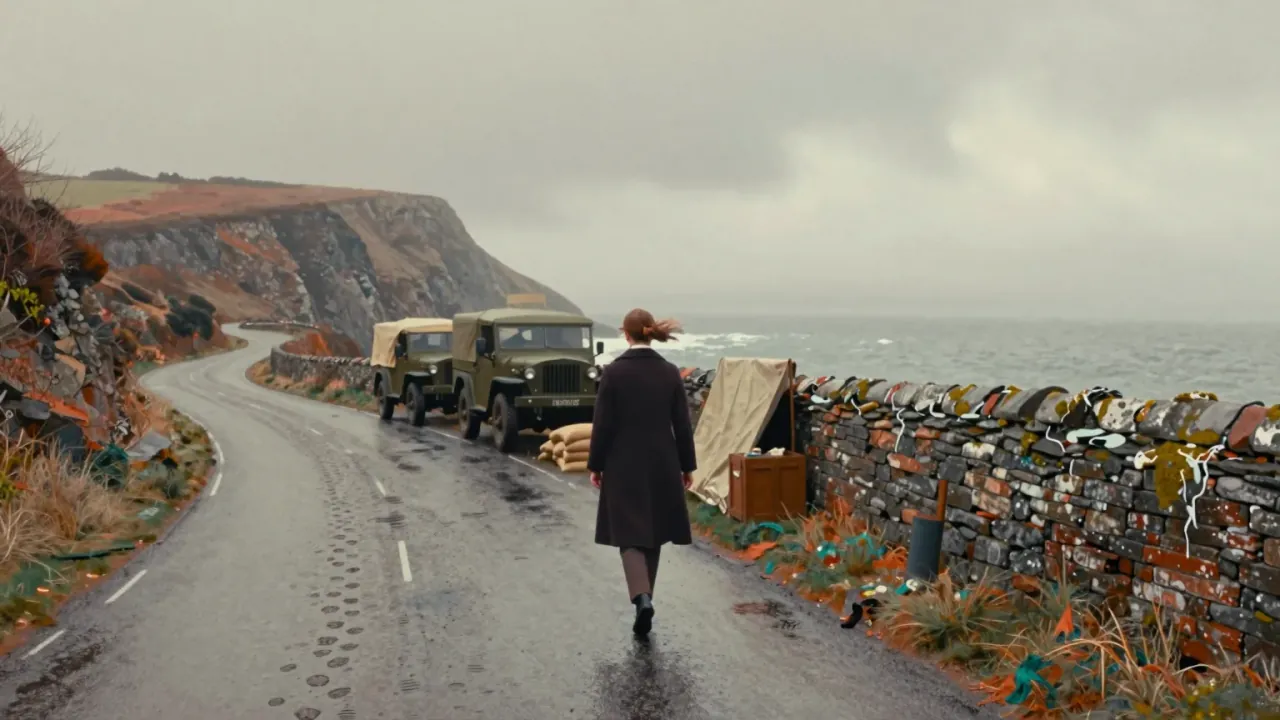
David Lean’s 1970 film transposes Madame Bovary to wartime Ireland, following Rosy Ryan’s affair with a British officer amid nationalist suspicion and coastal isolation. At 189 minutes, it leans into duration, weather, and visual texture over psychological exposition. Freddie Young’s cinematography and Maurice Jarre’s score anchor its scale, while Robert Mitchum and John Mills deliver its most grounded performances. Critically divisive on release, it remains a demanding, atmospheric study of visibility, consequence, and containment — best approached as a work of sustained mood, not narrative drive.

13:00

Sleepy Hollow

Tim Burton · 1999

Tim Burton’s 1999 Sleepy Hollow reimagines Washington Irving’s tale as a painterly, studio-crafted horror fable. Johnny Depp plays Ichabod Crane, a forensic-minded constable investigating decapitations in an insular Hudson Valley village. With Emmanuel Lubezki’s moody cinematography, Rick Heinrichs’ Oscar-winning production design, and Danny Elfman’s brooding score, the film builds dread through saturated colour, deliberate artifice and tactile detail — not plot mechanics or psychological realism. Its strengths are visual and atmospheric; its weaknesses lie in structural looseness and underdeveloped relationships. It rewards patience with mood over momentum.

13:00

Stoker

Park Chan-wook · 2013

Park Chan-wook’s English-language debut is a Southern Gothic psychological thriller about an 18-year-old girl whose father’s death brings his enigmatic brother into her life. As buried family truths surface, her acute perception becomes both weapon and wound. Stylised cinematography, Clint Mansell’s score and restrained performances build a world where atmosphere carries more weight than exposition.

13:00

Storytelling

Todd Solondz · 2001

Todd Solondz’s 2001 film Storytelling divides itself into two unrelated segments — 'Fiction' and 'Non-Fiction' — each dissecting how narrative power operates in education, documentary, and family life. With restrained performances, underlit interiors, and a refusal to resolve its ethical dilemmas, it sustains a low, persistent discomfort. Its value lies in structural rigour and thematic consistency, not emotional payoff.

13:00

Summertime

David Lean · 1955

David Lean’s 1955 Summertime follows Katharine Hepburn as Jane Hudson, a lonely American secretary on her first solo trip to Venice, where she forms a tender, complicated bond with an Italian antiques dealer. Shot on location in Eastmancolor, the film leans on Hepburn’s understated performance, Jack Hildyard’s observant cinematography, and a script that prizes psychological realism over plot mechanics. Though constrained by 1950s censorship and occasional theatrical residue, it remains a quietly devastating study of longing, ageing, and the asymmetries of desire.

13:00

Sunrise

Yu Benzheng · 1985

Sunrise (1985), directed by Yu Benzheng, is a 149-minute Chinese drama set in post-Mao Shanghai. Starring Fang Shu and Wang Shihuai, it traces the slow erosion of a marriage under economic strain, with Wang Fuli playing a complicating presence. Written by Wan Fang and shot by Zhu Yongde, it won the Hundred Flowers Award for Best Picture and the Huabiao Award for Outstanding Film. It bears no relation to the 1927 American silent film of the same name.

13:00

The Bling Ring

Sofia Coppola · 2013

Sofia Coppola’s 2013 film adapts the real-life Bling Ring burglaries into a coolly detached portrait of teenage identity formed through consumption. Shot in Los Angeles with Haris Savides and Christopher Blauvelt, it follows a group of affluent teens who use social media to locate and rob celebrity homes. Stylistically austere and morally ambiguous, it foregrounds surface over psychology, repetition over revelation. Though praised for its direction and cast, it drew criticism for omitting racial and class dimensions of the actual case.

13:00

The City of Lost Children

Jean-Pierre Jeunet, Marc Caro · 1995

Jean-Pierre Jeunet and Marc Caro’s 1995 science fiction film constructs a decaying, steampunk-adjacent port city where dreams are harvested, children kidnapped, and bodies augmented. Ron Perlman plays a strongman searching for his abducted brother, aided by a resourceful orphan and a salvaged scientist. Its power lies in tactile worldbuilding — costume, lighting, set design — rather than plot mechanics. Though critically admired for its visual imagination, its narrative opacity divides viewers. It is arthouse science fiction that prioritises atmosphere over explanation.

13:00

The Europeans

James Ivory · 1979

James Ivory’s 1979 film adapts Henry James’s 1878 novel about European siblings arriving in 1850s New England, where their charm unsettles their puritanical American cousins. Shot on location in Massachusetts and New Hampshire, it relies on understated performances, natural light, and period detail to evoke cultural friction without melodrama. Though modest in scale, it launched Merchant Ivory’s celebrated run of literary period dramas.

13:00

The Face Reader

Han Jae-rim · 2013

Set in 15th-century Joseon, The Face Reader follows Nae-gyeong, a master of gwansang, who uses facial analysis to navigate court intrigue after being drawn from seclusion into royal service. When King Munjong dies, he must choose between loyalty to the late monarch and survival under the usurping Grand Prince Suyang. Anchored by Song Kang-ho’s restrained performance and Han Jae-rim’s deliberate direction, the film treats physiognomy as psychological method rather than mysticism — though its final act falters under the weight of historical inevitability.

13:00

The Fifth Element

Luc Besson · 1997

Luc Besson’s 1997 science-fiction film is a French-produced, English-language spectacle built on maximalist design, constructed language, and daylight-driven futurism. Starring Bruce Willis, Milla Jovovich, and Gary Oldman, it follows a taxi driver and a resurrected super-being racing to save Earth using four mystical stones. Shot in London and Mauritania, it won BAFTA and César awards for visual effects, cinematography, direction, and production design. Though divisive in its emotional restraint and mythic opacity, it remains a landmark of tactile, stylised worldbuilding.

13:00

The Last Boy Scout

Tony Scott · 1991

Tony Scott’s 1991 crime film, written by Shane Black, pairs a disgraced ex-Secret Service agent and a sacked quarterback in a Los Angeles soaked in neon and cynicism. Built on rapid-fire dialogue, saturated visuals and a conspiracy that stays deliberately hazy, it prioritises rhythm and voice over narrative rigour. Its cult status rests on stylistic confidence, not structural soundness.

13:00

The Passionate Friends

David Lean · 1949

David Lean’s 1949 adaptation of H. G. Wells’s novel follows Mary Justin, a woman caught between her husband Howard and her former lover Steven, as memory and present collide during a Swiss hotel stay. Anchored by Ann Todd’s restrained performance and Guy Green’s understated cinematography, it examines autonomy, loyalty, and the quiet erosion of self in bourgeois romance — not through drama, but through accumulation of small, unspoken truths.

13:00

The State of Things

Wim Wenders · 1982

Wim Wenders’ 1982 Golden Lion winner follows a film crew stranded in Portugal when funding and film stock run out. Director Friedrich Munro travels to Los Angeles to find his missing producer, navigating a landscape of mobile homes, unpaid debts, and suspended creativity. Shot across Portugal and California with a mix of black-and-white and colour, and featuring cameos from Fuller, Corman and Kramer, it is a self-aware, deliberately unhurried meditation on the material conditions of filmmaking—and the quiet endurance required when nothing moves forward.

13:00

Unstoppable

Tony Scott · 2010

Tony Scott’s 2010 action thriller Unstoppable follows veteran engineer Frank Barnes and rookie conductor Will Colson as they attempt to couple to and slow a runaway freight train carrying toxic chemicals. Based loosely on the 2001 CSX 8888 incident, it prioritises procedural realism, mechanical stakes and spatial clarity over character depth or thematic expansion. Shot across Western Pennsylvania and Ohio, it uses real rail infrastructure and practical effects to ground its escalating tension. With Chris Pine and Denzel Washington leading a functional ensemble, and Ben Seresin’s cinematography anchoring every beat in tangible geography, the film delivers a tightly wound, 98-minute exercise in cause, consequence and controlled velocity.

13:00

Until the End of the World

Wim Wenders · 1991

Wim Wenders’ 1991 epic follows Claire and Sam across continents as they evade bounty hunters and test a camera that lets the blind see recorded experiences. Shot across eleven countries with Robby Müller, it treats the road movie as philosophical drift — prioritising texture, duration, and the fragility of perception over plot or resolution.

13:00

Castle in the Sky

Hayao Miyazaki · 1986

Hayao Miyazaki's 1986 debut for Studio Ghibli follows orphans Sheeta and Pazu as a government agent, the army and a band of air pirates all chase the crystal pendant that unlocks Laputa, a legendary castle adrift above the clouds. It underperformed on release but has since become a Ghibli staple, prized for its nineteenth-century-engineered flying machines and Joe Hisaishi's score.

13:00

Cinderella

Wilfred Jackson, Hamilton Luske, Clyde Geronimi · 1950

A servant in her own home waits out her stepmother's cruelty until a fairy godmother gives her one night at the palace ball, in the version of Perrault's fairy tale Disney finally completed in 1950 after years of false starts. Made for $2.2 million while the studio was roughly $4 million in debt, the film became Disney's biggest hit since Snow White and reversed a run of expensive, underperforming features — helped along by nearly 380 women auditioning for the title role before Ilene Woods got it almost by accident.

13:00

Fantastic Animation Festival

Dean A. Berko, Christopher Padilla · 1977

Released theatrically in 1977, this package film strings together sixteen animated shorts by different filmmakers, including the national debut of Will Vinton's Claymation, the cult short Bambi Meets Godzilla, and a Cat Stevens-scored promo narrated by Spike Milligan. Directed by Dean A. Berko and Christopher Padilla, it helped establish the animation-anthology format later continued by Spike and Mike's Festival of Animation.

13:00

Isle of Dogs

Wes Anderson · 2018

A dictatorial mayor exiles every dog in the fictional Japanese city of Megasaki to Trash Island over a manufactured flu outbreak, and his own twelve-year-old ward hijacks a plane to find his banished bodyguard dog among them. Wes Anderson's second stop-motion feature, drawing openly on Akira Kurosawa and Hayao Miyazaki, pairs meticulous handcrafted puppetry with a plot about political corruption and canine loyalty, while drawing sustained criticism for how it handles the Japanese setting and characters within it.

13:00

Lost Highway

David Lynch · 1997

David Lynch's first film after Twin Peaks follows Bill Pullman's jazz musician, arrested for a murder he cannot account for, who inexplicably becomes a different young man midway through. Written with novelist Barry Gifford and shot by Peter Deming in near-total darkness, it was a box-office failure on release that has since built a devoted following willing to sit with a story that refuses to resolve.

13:00

Loving Vincent

Dorota Kobiela, Hugh Welchman · 2017

A postman's reluctant son delivers Vincent van Gogh's last letter a year after the painter's suicide and, meeting the people who knew him in his final weeks, starts doubting the official account of how he died. Dorota Kobiela and Hugh Welchman's Loving Vincent is the first fully painted animated feature, built from oil paintings made in Van Gogh's own technique over sixty-five thousand hand-shot frames, a six-year production that treats the investigation plot mainly as scaffolding for its visual project.

13:00

Mirai of the Future

Mamoru Hosoda · 2018

Kun, four years old and furious at the attention his newborn sister Mirai is getting, starts slipping into the family garden and meeting relatives out of chronological order: a teenage future version of Mirai, his mother as a scolded little girl, his great-grandfather as a young man. Mamoru Hosoda, drawing directly on watching his own son react to a new sibling, builds the film's fantasy elements not as escape from Kun's anger but as a way of walking him back through it.

13:00

Mulan

Barry Cook, Tony Bancroft · 1998

Mulan follows a young woman who takes her ailing father's place in an Imperial army conscription by posing as a man, running that story through the machinery of a late-90s Disney musical. Directed by Barry Cook and Tony Bancroft and produced largely at Disney's Florida studio, it paired a $90 million budget with $304 million in worldwide takings and the Annie Award for Best Animated Feature.

13:00

Tangled

Byron Howard, Nathan Greno · 2010

Rapunzel escapes her tower with the help of a fleeing thief, and the film blends painterly computer animation with a straightforward fairy-tale plot. Directors Byron Howard and Nathan Greno's 2010 film, the most expensive animated feature made at the time, marked Disney's title change from Rapunzel to something less overtly a princess story.

13:00

The Adventures of Mark Twain

Will Vinton · 1985

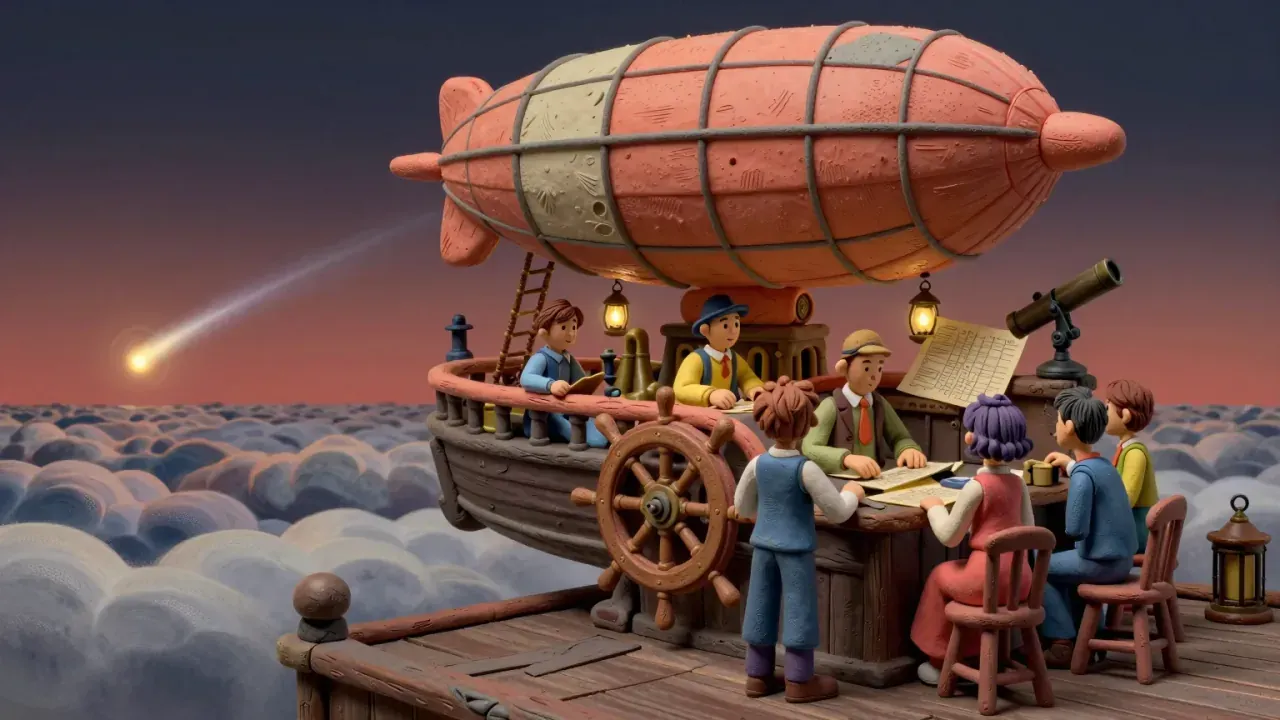
Tom Sawyer, Huckleberry Finn and Becky Thatcher stow away on an airship piloted by Mark Twain, who is travelling to keep what he believed was his destined appointment with the returning Halley's Comet, and along the way the children hear vignettes drawn from Twain's own stories, from a jumping frog to a vision of heaven. Vinton's stop-motion studio spent three and a half years and $1.5 million building the film in a converted Portland house, developing new computer-controlled camera and lighting systems along the way, only for a distributor to release the finished, distinctly adult-toned film as children's matinee programming.

13:00

The Book of Life

Jorge R. Gutiérrez · 2014

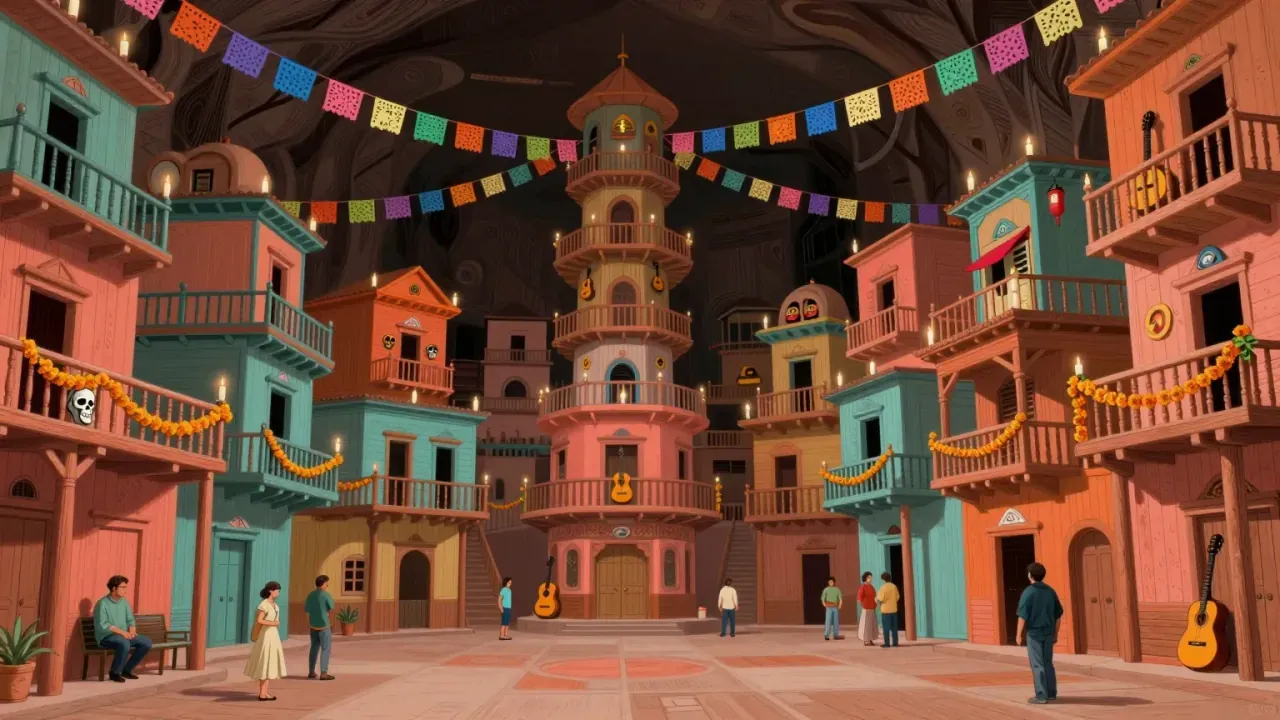
A bullfighter who would rather play guitar navigates a love triangle, his family's expectations and a wager between two gods of the afterlife. Jorge R. Gutierrez's 2014 directorial debut renders its Day of the Dead setting as carved wooden folk art brought to motion.

13:00

The Holy Mountain

Alejandro Jodorowsky · 1973

Alejandro Jodorowsky's 1973 film, financed by Beatles manager Allen Klein with production money from John Lennon and Yoko Ono, follows a Christlike thief who becomes an alchemist's apprentice and joins seven wealthy, corrupt figures, each embodying a planet, on a journey to seize immortality from beings said to rule from a sacred mountain's summit. Shot sequentially in Mexico on a $750,000 budget after its cast spent three months in spiritual training under Oscar Ichazo, the film became a fixture of New York's midnight-movie circuit, running for sixteen months at the Waverly Theatre after its Cannes premiere.

13:00

Game of Death

Bruce Lee, Robert Clouse, Sammo Hung · 1978

Game of Death (1978) is a re-edited, partially reshot version of Bruce Lee’s unfinished 1972 film, built around three surviving fight sequences he choreographed and filmed. Directed by Robert Clouse and Sammo Hung, it grafts a new revenge plot onto Lee’s original pagoda-ascent concept, using doubles and newly shot scenes to bridge gaps. Though commercially successful and culturally influential — especially for Lee’s yellow jumpsuit and the Abdul-Jabbar fight — it sacrifices narrative coherence and thematic depth for continuity. Its power resides entirely in Lee’s physical presence and choreographic intelligence, not in its story.

13:00

Invasion of Astro-Monster

Ishirō Honda · 1965

Invasion of Astro-Monster (1965), directed by Ishirō Honda and co-produced by Toho and UPA, sends Godzilla and Rodan to Planet X to battle King Ghidorah — only for the aliens to betray Earth and unleash all three monsters. Shot under tight budget and time constraints, it relies on recycled effects, economical sets, and a streamlined script. Nick Adams joins the cast for US appeal, and Akira Ifukube’s score anchors its escalating chaos. Though criticised for tonal inconsistency and thin plotting, its craft choices — from the dug-out rocket launch to nitrogen-generated mist — reveal a studio working resourcefully within limits.
13:00

Kapò

Gillo Pontecorvo · 1959

Gillo Pontecorvo’s 1960 war film Kapò follows a teenage Jewish girl’s descent into moral compromise as a kapo in a Nazi concentration camp. Shot in Yugoslavia with an Italian-French-Yugoslav co-production team, it was among the first narrative films to depict camp life with graphic realism. Though criticised for melodrama, miscasting, and aesthetic missteps, its ambition — to chart how survival reshapes conscience — remains ethically urgent. Susan Strasberg stars, with Emmanuelle Riva, Laurent Terzieff, and Didi Perego in supporting roles.
13:00

King Lear

Jean-Luc Godard · 1987

Jean-Luc Godard’s 1987 King Lear is a ninety-minute essay-film shot in Switzerland, using only shards of Shakespeare’s text alongside quotations from Weil, Bresson, Woolf, and others. It rejects narrative continuity, linear character arcs, and cinematic convention in favour of repetition, silence, and deliberate disjunction. Funded by Cannon Films and shot alongside denim commercials, it treats money, copyright, and authorship as structural elements. Norman Mailer’s abandoned script and departure mid-production are woven into its fabric. The film is less about Lear than about the conditions under which any cultural work can be made—or remembered—after catastrophe.

13:00

Once Upon a Time in China IV

Yuen Bun · 1993

Once Upon a Time in China IV (1993) replaces Jet Li with Vincent Zhao and Tsui Hark with Yuen Bun, shifting focus from moral authority to symbolic performance. Set in Beijing during the Boxer Rebellion, it pits Wong Fei-hung against a xenophobic cult and an international lion dance competition rigged by colonial powers. Arthur Wong’s functional cinematography and Yuen Bun’s weapon-focused choreography anchor a thin script, where political stakes remain vague but physical detail — rope, lantern smoke, masked formations — carries real weight.

13:00

Zatoichi and the Doomed Man

Kazuo Mori · 1965

The eleventh Zatoichi film, released in 1965 and directed by Kazuo Mori, follows Shintarō Katsu’s blind masseur as he pledges to clear a wrongly jailed man’s name. Built on procedural restraint and moral economy, it delivers quiet intensity in its best moments but stumbles in narrative follow-through and character depth. Its strengths are cumulative, not climactic.

13:00

Planet of the Apes

Tim Burton · 2001

Tim Burton’s 2001 Planet of the Apes is a visually rich, commercially successful remake that prioritises creature design, production scale, and tonal consistency over narrative coherence or thematic depth. Starring Mark Wahlberg and Helena Bonham Carter, it recasts the ape-dominated world as a tactile, myth-saturated empire — impressive in execution, thin in conception. Critics noted its craft and score but faulted its script and ending. It earned $362 million worldwide but was not followed by a sequel.