The look of it
The Delta is a debut feature by Ira Sachs, shot on 16 mm in Memphis in 1995 and released in early 1996. It attempts to trace the quiet, unspoken emergence of same-sex desire in an 18-year-old white Southerner who has lived until then within conventional expectations — family, girlfriend, suburban routine. The film does not frame this as a coming-out narrative with resolution or declaration, but as a slow, disorienting drift: Lincoln Bloom’s attention shifts not through epiphany but through repetition — returning to the same bars, the same arcades, the same riverbank — until his attachments begin to reorganise without explanation or permission. Sachs avoids exposition, voiceover, or psychological signposting; the film’s ambition lies in withholding context, trusting duration and texture over clarity. It treats sexual orientation not as identity to be claimed but as gravity to be felt — a pull that alters orbit before it names itself. This is not a story about choice or conflict, but about the weight of proximity, habit, and silence.
How it moves
The Delta works through accumulation rather than causality. Shayne Gray’s Lincoln moves with a dazed physicality — shoulders slightly hunched, gaze often low or sideways — that conveys withdrawal before he articulates it. Thang Chan’s Minh speaks little and observes more, his stillness contrasting Lincoln’s restless motion. Sachs and cinematographer Michael Spiller keep the 16 mm image grainy and low-contrast, favouring available light in Memphis interiors: dim bars, sun-bleached porches, the green-gold murk of the Mississippi at dusk. Editing is elliptical: scenes end before dialogue concludes; transitions rely on sound bleed or lingering shots of water or pavement. There are no score cues, only diegetic radio static, distant jukebox fragments, and the hum of air conditioners. The script avoids monologues or confrontations; even arguments dissolve into pauses or exits. Performances stay within a narrow register — not underplaying, but refusing emphasis — so that a glance held half a second too long, or a hand resting briefly on a thigh, carries the film’s emotional load. Craft serves restraint, not flourish.
Where it settles
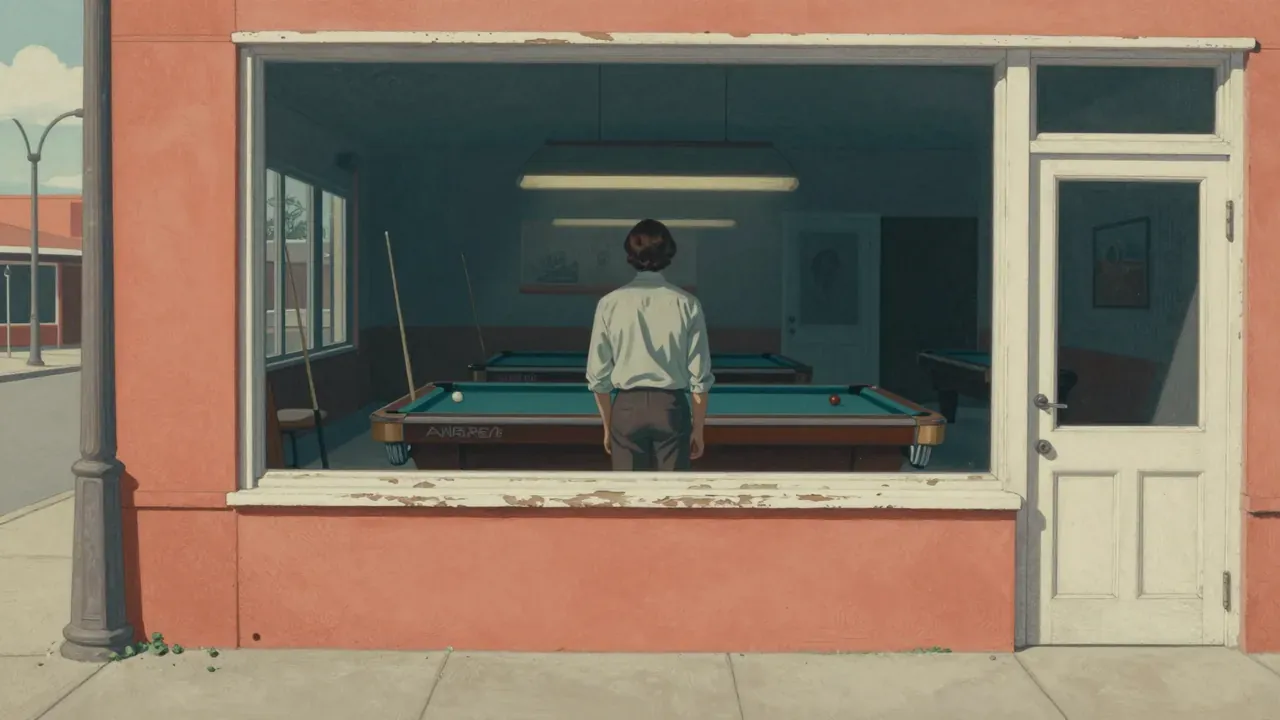
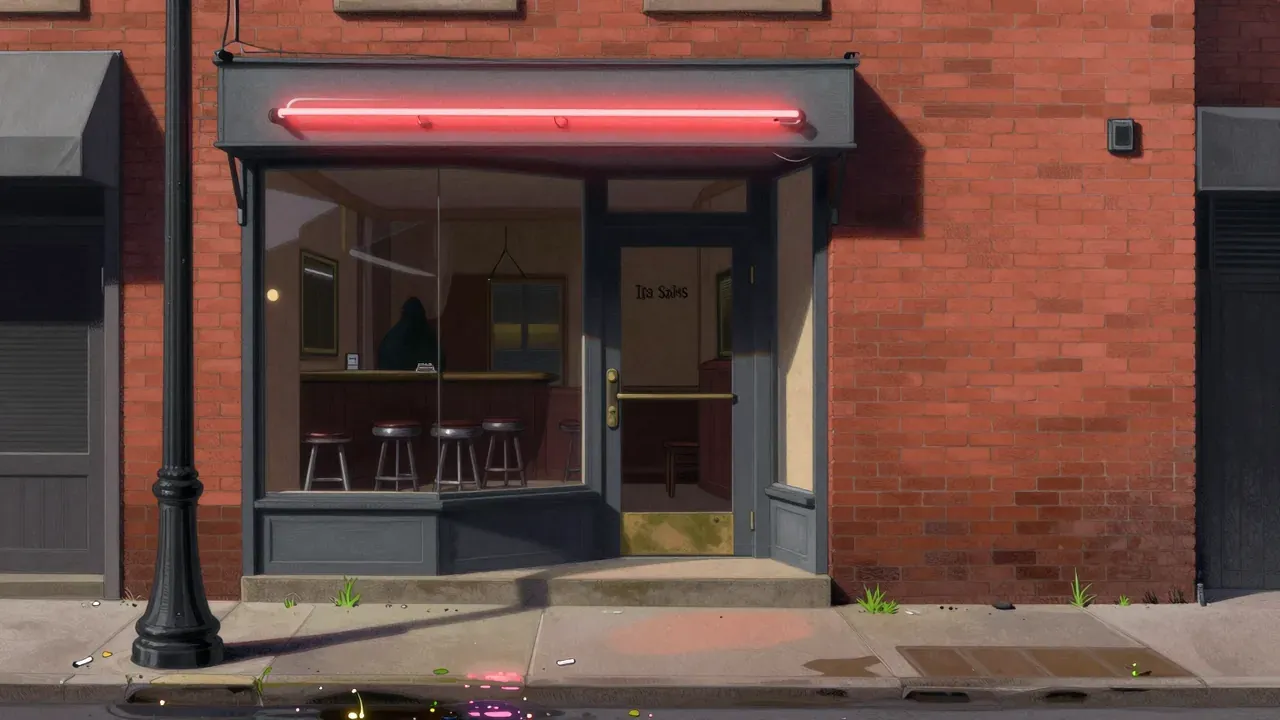
What lands is the film’s atmosphere of suspended time and unspoken tension. The Memphis locations — not as backdrop but as active presence — ground the story in a specific, humid Southern reality: the peeling paint on storefronts, the way light falls across cracked concrete, the rhythm of cicadas at twilight. Lincoln’s parallel lives feel credible because they are never dramatised as deception but as simple, accumulating habits: he drives past his girlfriend’s house without stopping, checks his watch while sitting beside Minh on the boat, answers his father’s questions with monosyllables that land just short of lying. The river sequences, shot from low angles on the cabin cruiser, achieve a rare quietude — not romantic, not ominous, but contemplative, almost geological in their slowness. The film’s refusal to moralise or explain allows space for ambiguity to settle like dust. Viewers attuned to subtext will register the weight in Monica’s silence when Lincoln fails to meet her eyes, or the exhaustion in David Bloom’s voice when he asks, for the third time, where his son was last night. These moments do not shout; they persist.
Where it slips
What does not land is the structural thinness of the second half. After Lincoln and Minh begin their river journey, the film loses its earlier sense of incremental pressure. Their bond deepens without clear cause or shared history — no conversations about origin, language, or loss beyond minimal exchanges — making their intimacy feel less earned than imposed by narrative necessity. Ricky Little and David Bloom remain sketches: Colonious Davis plays Ricky with a brittle charm that evaporates once he exits the bar; Charles J. Ingram’s David appears only in brief, functional scenes that sketch paternal concern without revealing its roots. The film’s resistance to exposition becomes a liability when character motivation recedes entirely: we see Lincoln neglect Monica, but not why he cannot stop, nor what Minh sees in him beyond availability. The abrupt shift from urban anonymity to river isolation lacks transitional texture — no preparation for how the landscape reshapes their dynamic. Some viewers will find this ellipticism poetic; others will read it as evasion, especially where race, class, and immigration might have anchored the relationship more firmly.
What it holds
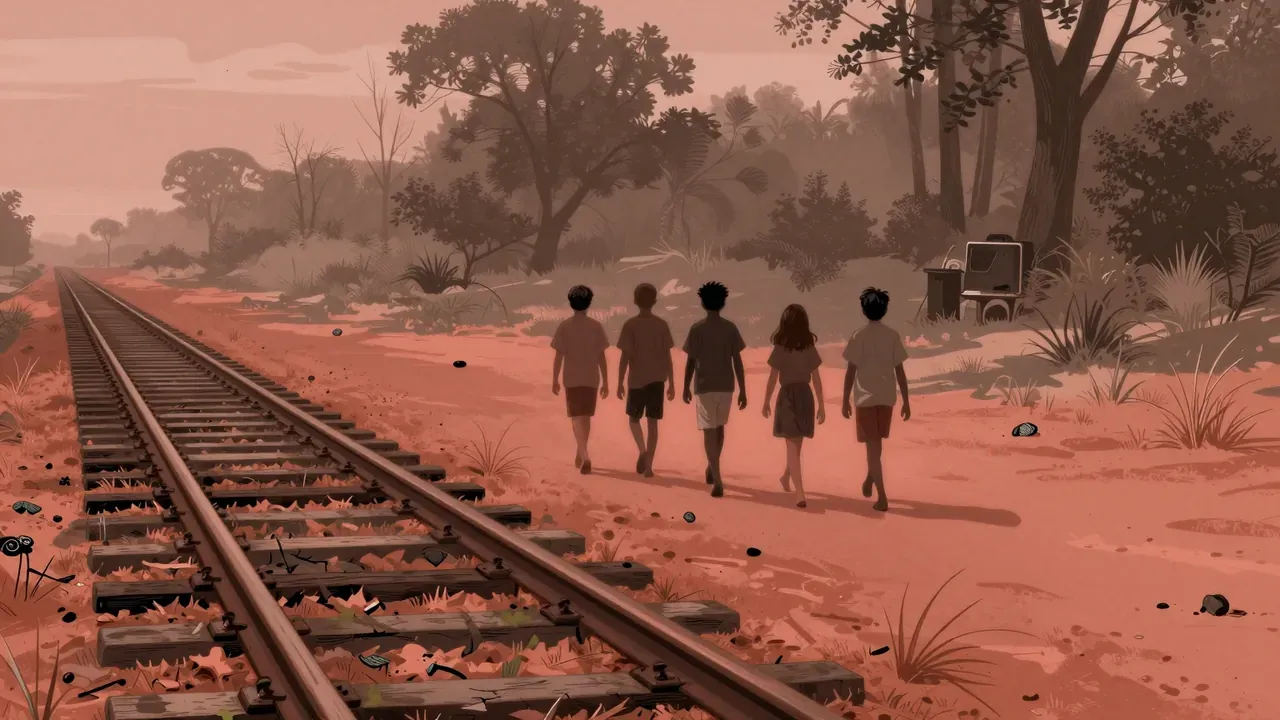
The themes that matter are silence as inheritance, geography as fate, and desire as displacement. Lincoln does not reject his world so much as drift out of alignment with it — his body stays in Memphis while his attention migrates elsewhere, first to spaces, then to a person who exists outside its logic. The Delta region itself functions as both setting and metaphor: a place of sedimentation, overlap, slow convergence, where boundaries blur and identities settle in layers rather than lines. The film treats sexuality not as revelation but as recalibration — a shift in gravitational centre that makes old coordinates useless. It also quietly registers the asymmetry of queer experience across difference: Minh’s status as a Vietnamese immigrant means his visibility carries different risks, his silence different weight, his mobility different limits — though the film leaves much of this implicit rather than explicit. What lingers is not the romance but the unease of coexistence: two people sharing a boat, a bed, a city, yet speaking different languages of need, risk, and belonging.
Who it keeps
This film is for viewers who value mood over momentum, who trust implication, and who find resonance in understatement — particularly those familiar with the textures of Southern US life or with the quiet disorientation of early self-recognition. It suits audiences comfortable with films that withhold resolution, resist exposition, and treat emotion as ambient rather than declarative. It is not for viewers who require narrative propulsion, psychological clarity, or character backstories — those who expect motivations to be named, conflicts resolved, or relationships contextualised will find it frustratingly opaque. Critics who praised its ‘poetic impact’ (Los Angeles Times) and those who faulted its ‘abrupt’ plotting (New York Times) are both right: the film’s strength and weakness lie in the same choice — to privilege atmosphere over explanation. A viewer who values craft over coherence, or who finds meaning in what is withheld, will respond differently than one who reads ambiguity as evasion.
What it gives
Yes, it is worth your evening — provided you approach it as a tone poem in 16 mm, not a story with stakes. Its eighty-five minutes pass with a slowness that feels deliberate, not dilatory; every shot holds its breath just long enough to let something settle beneath the surface. It rewards patience, not analysis — you do not solve it, you absorb it. Those who find value in films that linger in the space between intention and action, or who appreciate the specificity of regional texture rendered without nostalgia or caricature, will leave with a quiet, persistent afterimage. It is not for fans of tightly plotted drama or emotionally legible arcs. If you need characters to articulate their inner lives, or if you expect the river journey to yield symbolic clarity, you will likely feel adrift. But for those who recognise the weight of a glance held too long, or the tension in a door left ajar, The Delta offers a rare, unsentimental portrait of desire as quiet relocation — not rebellion, not confession, but slow, irreversible drift.