The look of it
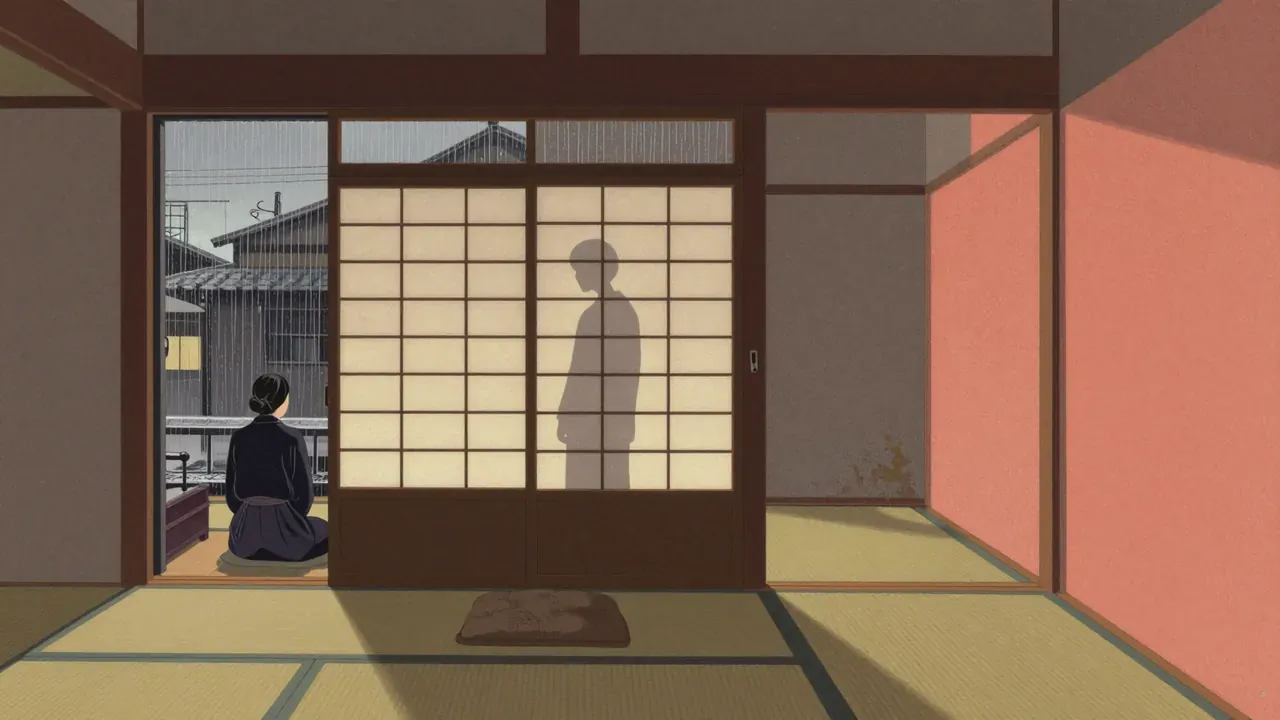
The King of Marvin Gardens is a 1972 American crime-adjacent drama that uses the crumbling architecture of Atlantic City as both setting and metaphor. It attempts to trace the slow collapse of two brothers’ shared fantasy — one built on con artistry, the other on radio-host melancholy — against the backdrop of a resort city in terminal decline. The film does not pursue plot momentum but instead sustains a low-frequency tension between aspiration and inertia, between performance and authenticity. Its ambition lies in structural irony: the title references Monopoly’s Marven Gardens, a board-game fiction modelled on real streets now vanishing under demolition charges; the characters’ schemes — a Hawaiian casino, a beauty-pageant revival — are similarly hollow, yet treated with forensic attention. Rafelson and Brackman treat delusion not as folly but as habit, and the film’s form mirrors that: long takes, muted colour, dialogue that circles without resolving. It is less about what happens than how belief wears thin when no one shows up to validate it. Word count: 148
How the actors hold themselves
The story unfolds over ten wintry days in Atlantic City, its pacing dictated by David’s passive resistance and Jason’s accelerating desperation. Nicholson plays David with minimal inflection — voice flat, posture slack, eyes rarely meeting others — while Dern’s Jason pivots between charm, menace and theatrical exhaustion. Burstyn’s Sally moves through manic energy into self-erasure with physical precision: hair-cutting, burning clothes, organ-playing in an empty hall. Crothers’ Lewis is all stillness and implication, his hotel suite a stage set for failed transactions. Kovács’ cinematography keeps interiors dim and exteriors bleached, the Marlborough-Blenheim’s rotting grandeur rendered with documentary exactness. Link’s editing avoids emphasis: cuts land without punctuation, letting silences accumulate. There are no score swells, no dramatic close-ups to cue emotion — just sustained observation of people rehearsing roles they no longer believe in. The surreal horseback scene and pageant sequence are not escapes from realism but extensions of it: dream logic made visible through location, costume and sound design. Word count: 152
What sticks
What lands is the texture of decay — architectural, psychological, interpersonal. The Marlborough-Blenheim’s peeling wallpaper and boarded windows are not backdrop but counterpoint to Jason’s pitch-perfect lies and David’s exhausted listening. The pipe-organ sequence works because it treats spectacle as symptom: Burstyn’s fingers hammer keys in an echoing void, the instrument’s volume absurd against her isolation. The film’s refusal to moralise — or even clarify — Jason’s criminal ties or Lewis’s authority gives the world weight. Even minor choices land: Jessica’s quiet watchfulness, the way David folds his coat before boarding the train home, the offhand cruelty of Jason telling Sally she can’t go to Hawaii. These are not flourishes but anchors — small, unemphatic gestures that confirm the characters’ lived-in weariness. The film’s strongest moments do not advance plot but deepen atmosphere: a shot of snow falling on a boarded-up carousel, a pause before David answers a radio caller, the echo of footsteps in the Convention Hall’s cavernous nave. Word count: 150
Where it stumbles
What does not land is the film’s central conceit: that Jason’s Hawaiian casino scheme carries enough narrative gravity to sustain the second half. His pitch lacks detail, his investors remain faceless, and the stakes never sharpen beyond vague ‘fortune’. The Japanese syndicate subplot evaporates without consequence, leaving the tension unmoored. Jessica’s arc — groomed, then desired, then discarded — feels underwritten, her presence more symbolic than felt. The horseback conversation, though visually striking, introduces no new information and disrupts rhythm without payoff. Some performances tip into mannerism: Dern’s vocal tics grow repetitive, and Sally’s breakdown, while committed, risks caricature in its abrupt shifts. The film’s resistance to exposition also hampers clarity: Lewis’s power, Jason’s debts, even the nature of David’s radio show remain deliberately vague, which serves mood but weakens cause-and-effect. A viewer seeking coherence will find gaps where ambiguity was intended. Word count: 152
What it’s really about
The themes that matter are not ambition or failure in the abstract, but the architecture of self-deception — how people build and maintain fictions to avoid confronting emptiness. The Monopoly reference is literal scaffolding: the board game’s fake prosperity mirrors Jason’s scams and Sally’s pageant dreams, both relying on collective suspension of disbelief. Atlantic City itself is the third protagonist — its decaying hotels stand for promises made and abandoned, their demolition imminent but unspoken. The film treats class not as economics but as performance: David’s quiet despair reads as privilege next to Sally’s frantic reinvention, yet both are equally stranded. Loneliness is structural, not emotional: characters speak past each other, share rooms but not understanding, rehearse intimacy like lines. The radio show is key — David mediates other people’s crises while refusing to name his own. This is not a film about redemption or collapse, but about the quiet persistence of make-believe when reality offers no better alternative. Word count: 149
Who it’s for
This film is for viewers who value atmosphere over exposition, who find resonance in silence and texture, and who accept that character motivation need not be legible to be credible. It rewards patience with cumulative effect — the weight of snow on a roof, the hum of a faulty light fixture, the way a cigarette burns down untouched. It is not for those who require narrative propulsion, clear stakes or psychological closure. Viewers expecting the tight causality of a crime thriller or the catharsis of a family drama will find it frustratingly inert. Those who disliked Five Easy Pieces for its refusal to resolve may feel the same here. A viewer who values acting as behaviour rather than declaration — who watches how Nicholson holds his breath before speaking, or how Burstyn’s hands move when she’s lying — will find it rich. Anyone needing the film to tell them what to think about its characters will leave unsatisfied. Word count: 150
Whether it’s worth your time
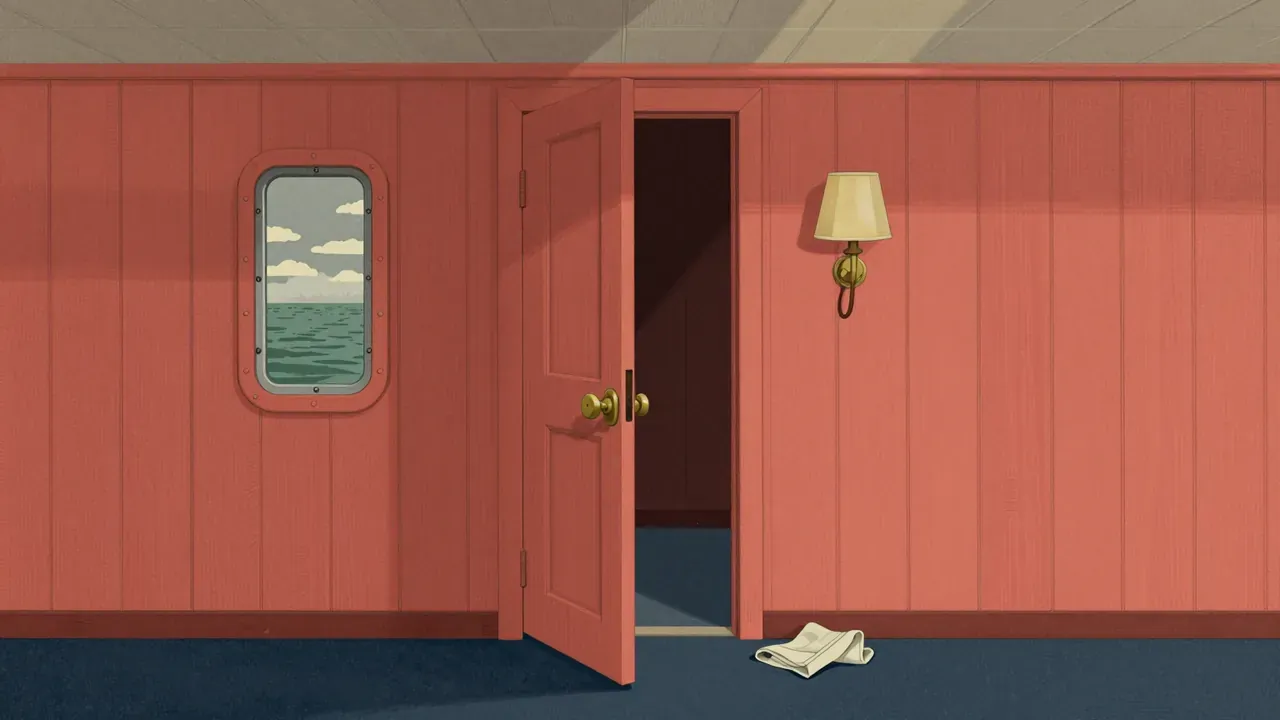
Yes, it is worth your evening — provided you watch it as a piece of sustained mood rather than a story with endpoints. Its 103 minutes accumulate like sediment: small details gain meaning only in retrospect, and the final train journey lands with quiet force because everything before has been calibrated to make it inevitable. It is not ‘entertaining’ in the conventional sense, but it is absorbing — visually precise, tonally consistent, performed with unshowy rigour. Those who dismiss it as pretentious are not wrong about its affectations, but miss how deliberately they serve its vision of stalled lives. A viewer who watches it twice will notice how often doors remain open, how few scenes end with a cut — how the film refuses to shut anything down. Its value lies in that refusal. To call it ‘slow’ is accurate; to call it ‘empty’ is to mistake restraint for absence. Word count: 150