The look of it
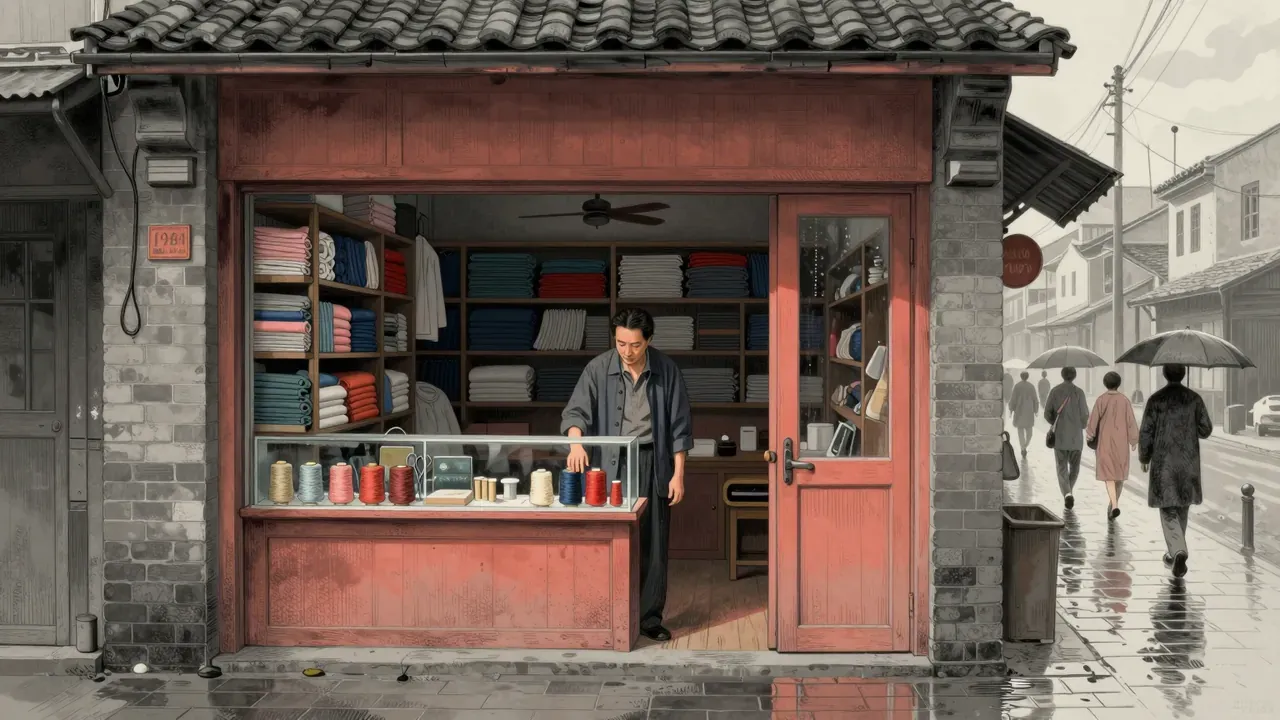
The Claws of Light is a 1975 Philippine drama that locates itself in the physical and moral topography of Manila under Ferdinand Marcos’s authoritarian rule. It attempts neither allegory nor escapism, but a sustained, unsentimental account of how urban poverty reshapes a provincial man’s body, voice, and sense of justice. Its project is documentary in impulse but fictional in form: to render visible the layered violence of displacement — economic, sexual, spatial — without recourse to exposition or moral framing. The film adapts Edgardo M. Reyes’s novel not as literary homage but as social inventory, using Julio Madiaga’s search for his lover Ligaya as a structural device to traverse construction sites, tenement alleys, brothel corridors, and funeral parlours. It does not argue for reform; it accumulates detail until the city itself becomes the antagonist. Its fidelity lies not in realism as verisimilitude, but in realism as consequence: every shot, every casting choice, every cut reflects an intention to hold space for what official narratives erased. Word count: 142
The weight of it
The film works through restraint: Bembol Roco’s performance avoids gesture, relying instead on posture and duration — a pause before answering, a blink held too long, a shoulder slump that deepens across scenes. Hilda Koronel’s Ligaya speaks little in the second half, her silence calibrated by Mike De Leon’s cinematography, which keeps faces half in shadow even in daylight, especially indoors. The camera moves rarely; most shots are static, medium or medium-close, anchored at eye level, refusing both voyeurism and uplift. Dialogue is sparse and uninflected, often overlapping or trailing off. Editing by Edgardo and Ike Jarlego favours continuity over rhythm: cuts follow action, not emotion, so when Julio runs through the marketplace, the sequence feels breathless not because of rapid cutting but because the takes are long and the sound design muffled, as if heard through exhaustion. The score is absent — no music underscores moral turning points. What carries weight is texture: the grit on concrete, the sweat on foreheads, the fraying hem of a cheap shirt. Word count: 153
The place of it
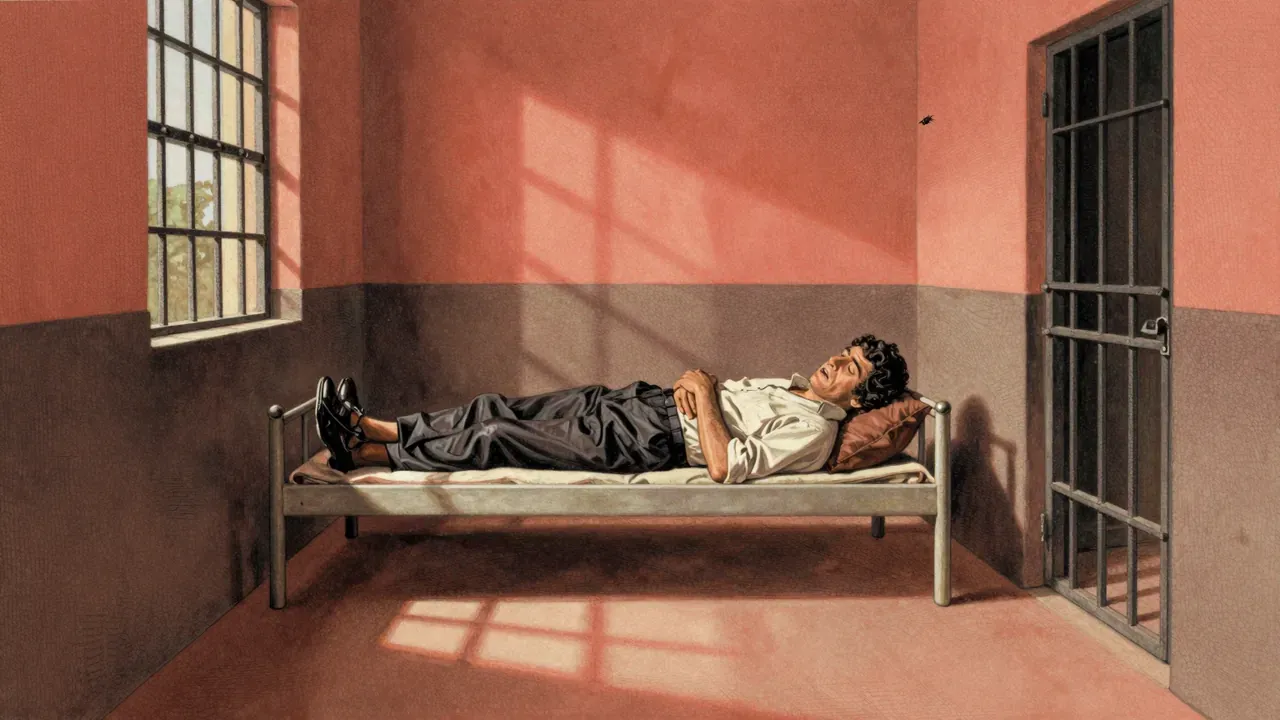
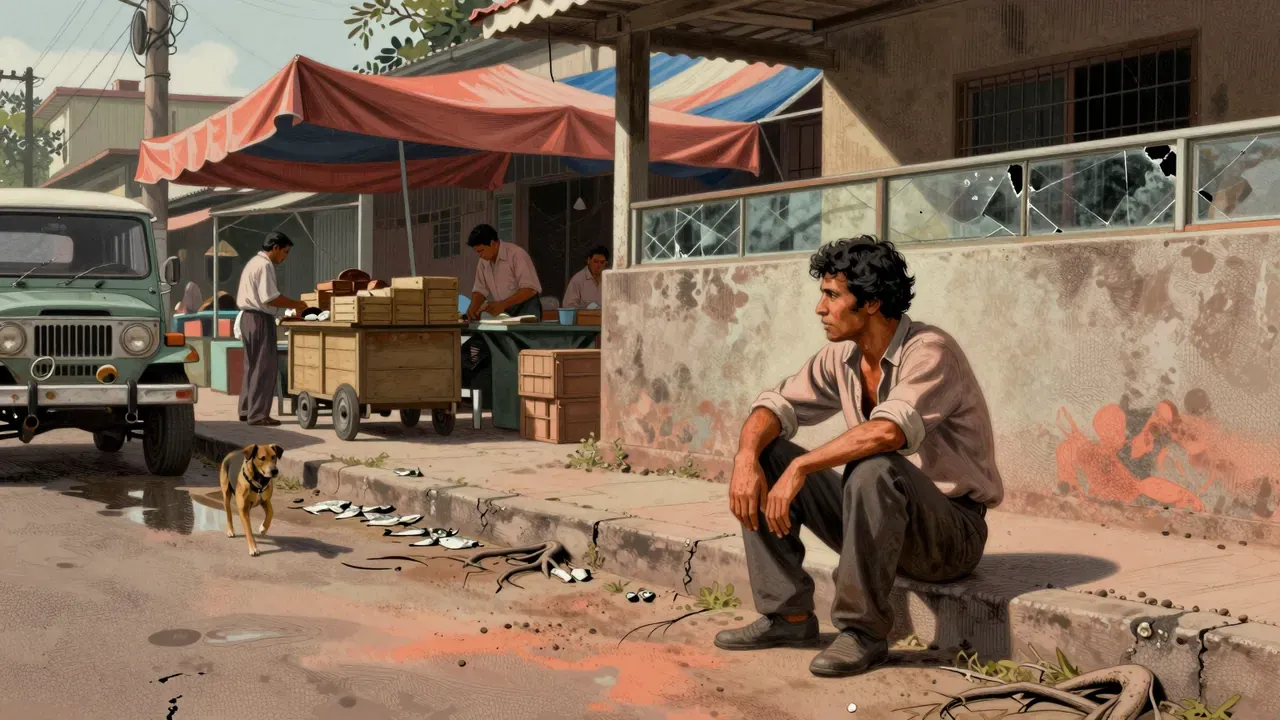
What lands is the cumulative weight of Julio’s diminishing agency. His initial patience — waiting at street corners, asking directions, accepting low wages — gives way not to rage but to a kind of hollowed-out attentiveness, visible in how he watches others before speaking. The film’s most effective moments are those where nothing happens: Julio sitting on a curb while Atong talks, or staring at a building façade he cannot enter. These are not pauses for reflection but evidence of stasis enforced by class. The casting of non-professional or stage-trained actors — Tommy Abuel, Joonee Gamboa — grounds the ensemble in vocal timbre and physical habit rather than star presence. The decision to shoot on real locations, not sets, means light falls unevenly, walls are cracked, electricity flickers. Even the white fade at the end lands not as transcendence but as erasure — the sky blue is not hopeful, but blank, the visual equivalent of a record skipping. Word count: 148
The terms of it
What does not land is the film’s attempt to integrate homosexual subtext as social commentary. Bobby’s attraction to Julio is implied through glances and proximity, but the narrative gives him no interiority beyond function: he is a guide to male prostitution, not a person with stakes in the outcome. His arc ends abruptly, off-screen, and his relationship to Julio remains unexamined — less a thematic choice than a structural omission. Similarly, Ah-Tek functions only as a cipher: we see him at the funeral, then at his door, then dead; no motive, no history, no line of dialogue beyond a grunt. This flattening undermines the film’s otherwise rigorous attention to cause and effect. The political dimension also falters in its indirection: while the Marcos-era context is palpable in the bureaucracy’s indifference and the police’s casual brutality, the film never names the regime, leaving its critique powerful but diffuse for viewers unfamiliar with Philippine history. Word count: 149
The name of it
The themes that matter are not abstract but bodily: the erosion of dignity through repeated small humiliations — being denied water on site, sleeping on cardboard, having your name mispronounced, being touched without consent. Class operates not as backdrop but as physics: Julio cannot climb stairs as fast as Atong because he has not yet built the muscle; he cannot negotiate rent because he lacks the vocabulary of delay and deferral. Sexuality is treated as infrastructure: Ligaya’s prostitution is not a personal failing but a market transaction enabled by transport networks, credit systems, and housing shortages. The film treats memory as unreliable not because it is subjective, but because trauma fractures chronology — Julio’s flashbacks are not stylised, but disorienting in their abruptness and lack of cue. Urban planning emerges as a theme in negative space: the absence of sidewalks, the density of informal settlements, the distance between Ongpin Street and Arranque Market all shape character decisions more decisively than any speech. Word count: 147
The end of it
This film is for viewers who value narrative patience, who accept that a story can be driven by accumulation rather than escalation, and who do not require resolution to feel closure. It is not for those who need clear moral signposting, emotional catharsis, or stylistic flourish — there is no virtuosic tracking shot, no soaring score, no monologue that explains the thesis. Some critics have argued its austerity borders on didacticism, particularly in scenes where Julio absorbs instruction from Atong or Pol; they find the pedagogical tone at odds with dramatic tension. That verdict would shift if the film included even one scene where Julio makes a choice contrary to received wisdom — but it does not. Its rigour is its limit. Word count: 142
The use of it
Yes, it is worth your evening — not as entertainment, but as calibration. Watching The Claws of Light recalibrates expectations of what a film owes its protagonist, its setting, and its audience. Its 125 minutes pass without hurry, but never drag, because each frame contains information about labour, language, or loss. Those who object to its pacing usually expect plot mechanics to accelerate; this film accelerates perception instead. It asks you to notice how light falls on a staircase at dusk, how a woman’s hand tightens on a railing when she hears footsteps behind her, how silence thickens after a death is announced. To call it ‘slow’ mistakes stillness for inertia. Its power lies in refusing to look away — and in trusting the viewer to bear that refusal. Word count: 143