The geography of shame
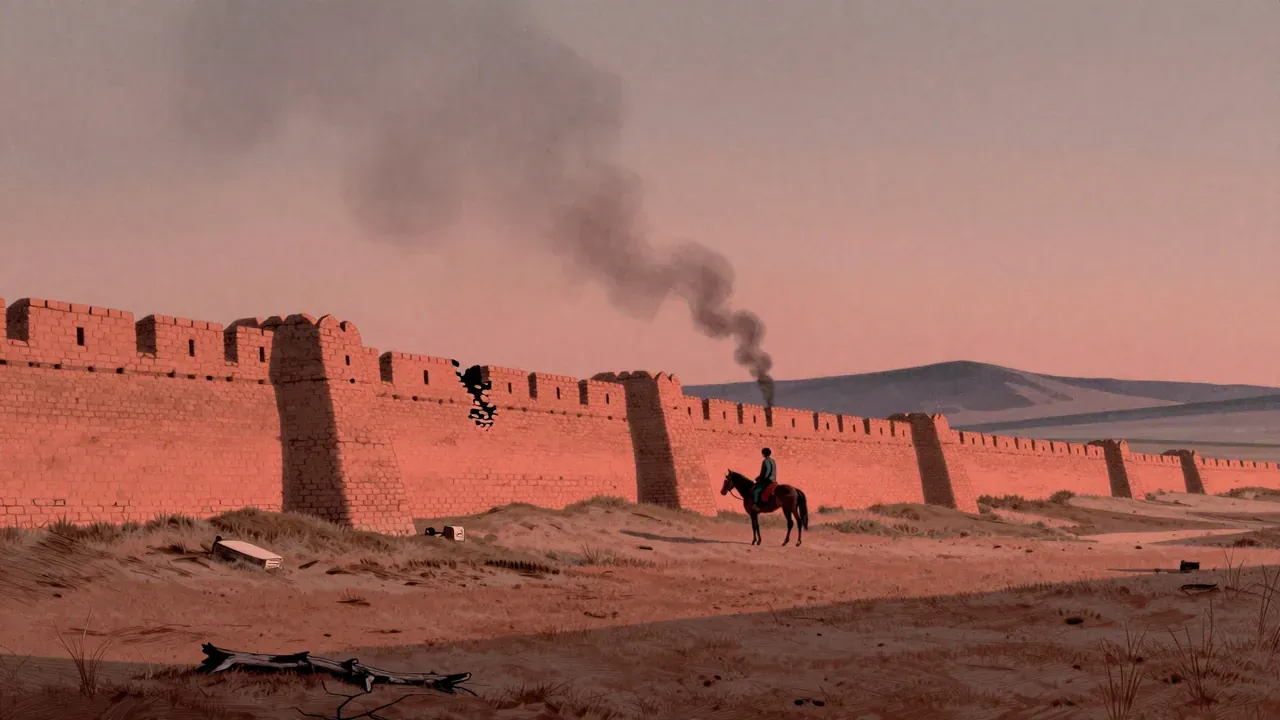
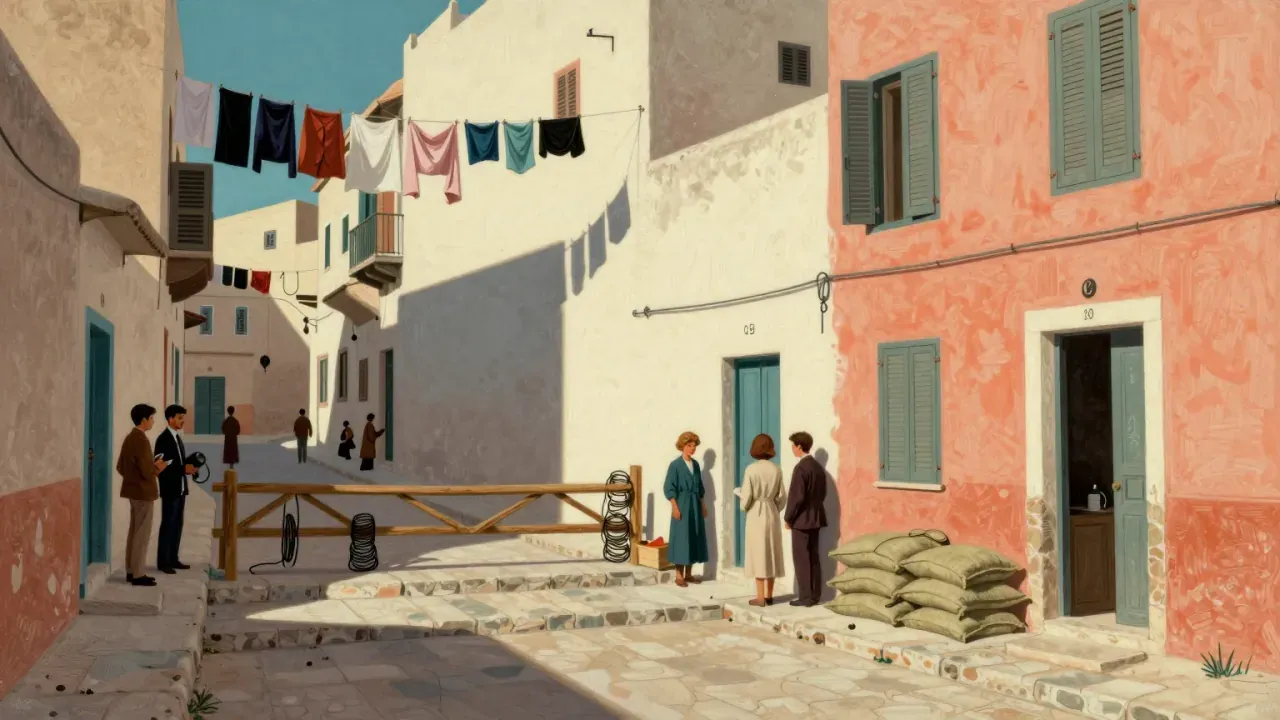
The Skin is an Italian war drama adapted from Curzio Malaparte’s 1949 novel of the same name, set in Naples during the chaotic weeks after the city’s 1943 liberation by Allied forces. It attempts to render moral collapse not as exception but as systemic outcome — a portrait of occupation where liberation and exploitation become indistinguishable. Cavani treats the city not as backdrop but as nervous system: its brothels, aquariums, slums and palazzos all register the same pressure of hunger, humiliation and transaction. The film refuses narrative resolution or character redemption; instead it accumulates vignettes — the auctioning of virgins, the cooking of a grotesquely anthropomorphic fish, the rape of an aviator mid-eruption — to build a sustained indictment of power’s aestheticisation of suffering. Its ambition is neither historical reconstruction nor psychological portraiture, but anatomical exposure: how war reshapes desire, dignity and language itself into instruments of barter. It asks no mercy of its audience, and offers none to its characters. (158 words)
The look of it
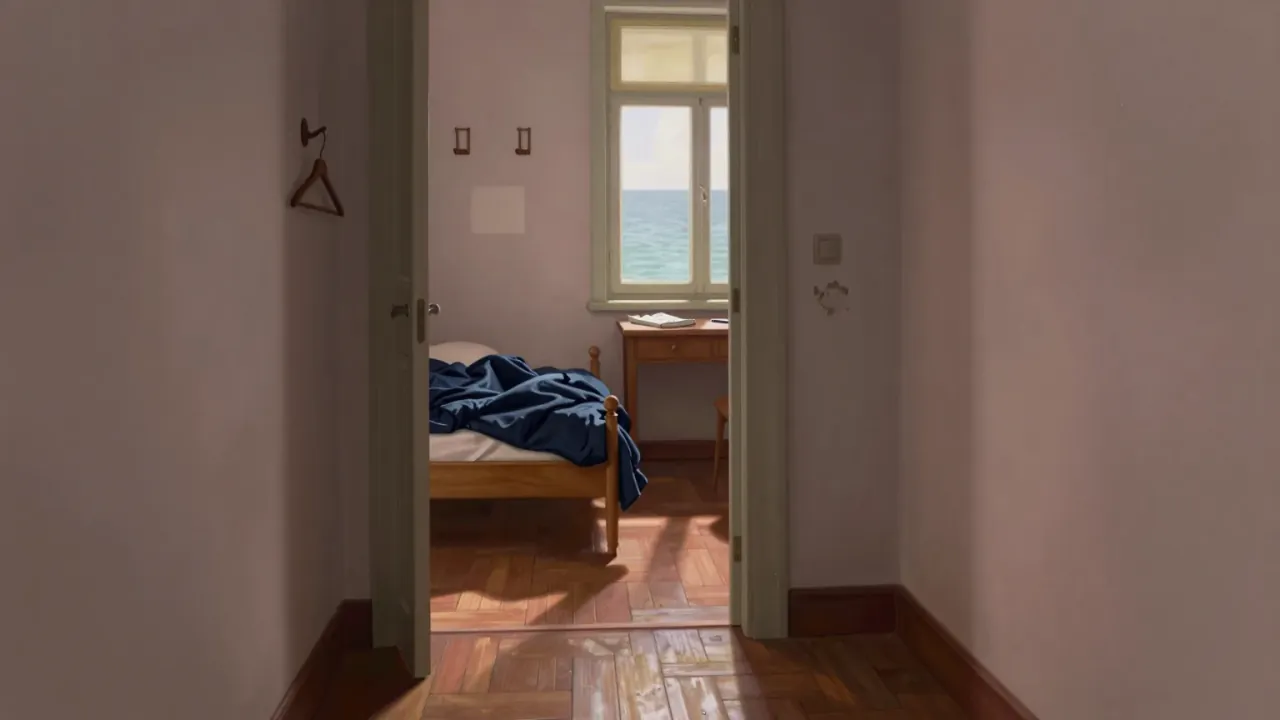
The story follows Curzio Malaparte (Marcello Mastroianni) as liaison officer between General Mark Clark (Burt Lancaster) and Camorra figure Eduardo Marzullo (Carlo Giuffrè), threading through scenes of calculated degradation. Armando Nannuzzi’s cinematography keeps light low and surfaces damp, favouring tight frames that trap characters in doorways or behind glass — a visual grammar of enclosure. Lalo Schifrin’s score avoids period pastiche, using dissonant brass and abrupt silences to undercut moments of supposed grandeur. Mastroianni performs Malaparte as a man who has already withdrawn from feeling, his voice flat, his gaze unblinking; Lancaster’s Clark is less a general than a bureaucrat of conquest, delivering lines with weary administrative precision. Claudia Cardinale’s Princess Consuelo appears only in fragments — a cigarette, a bare shoulder — her presence underscoring the film’s refusal of stable female subjectivity. Ruggero Mastroianni’s editing sustains a deliberate, almost ritual pace, allowing discomfort to settle rather than dissipate. There are no close-ups of tears, no swelling music at moments of loss — just duration, and the weight of what remains unsaid. (159 words)
What sticks
What lands is the film’s unrelenting tonal consistency: every image, line and silence reinforces its central proposition — that moral erosion under occupation is not sudden but sedimentary, layered over months of scarcity, surveillance and surrendered agency. The aquarium ‘siren’ scene works not as shock but as logical culmination: the fish’s human-like form makes visible what the film insists on throughout — the reduction of life to measurable, marketable units. The Vesuvius eruption sequence succeeds because it denies catharsis; the volcano does not cleanse but coincides, amplifying human violence without commentary. Cristina Donadio’s brief appearance as a girl selling oranges outside a brothel carries more emotional weight than any monologue, her stillness functioning as silent counterpoint to the surrounding frenzy. Even minor performances — Peppe Barra’s tailor measuring American officers for uniforms he will never deliver, Jacques Sernas’s French general reciting poetry while bombs fall — land because they refuse symbolic function. They exist as lived contradiction: dignity persisting in gesture, not outcome. The film’s power lies in this refusal to separate horror from habit. (157 words)
Where it slips
What does not land is the structural framing of Malaparte as detached observer. His voiceover — drawn from the novel — often states what the images already show, turning exposition into redundancy rather than illumination. Several scenes, particularly those involving the aviator Deborah Wyatt (Alexandra King), feel underdeveloped: her arc moves from ornamental guest to violated victim without establishing interiority, reducing her to allegorical function. The subplot with Jim (Ken Marshall) and the ‘last virgin’ risks replicating the very commodification the film condemns, without sufficient critical distance. Burt Lancaster, though physically imposing, is given little to do beyond signifying authority; his Clark lacks the bureaucratic menace or ideological conviction that might make him more than a cipher. Some transitions — especially between high-society dinner and slum brothel — rely too heavily on montage logic rather than dramatic continuity, producing disjunction rather than dialectic. The film’s commitment to austerity occasionally crosses into opacity: viewers unfamiliar with Malaparte’s polemical style may mistake its rhetorical density for ambiguity, when it is in fact insistence dressed as detachment. (156 words)
What it’s really about
The themes that matter are not war’s brutality but its recalibration of value: how starvation redefines virtue, how occupation rewrites consent, how victory becomes indistinguishable from annexation. The film treats corruption not as individual failing but as environmental condition — the air in Naples is thick with it, as tangible as the sulphur from Vesuvius. Class operates not as social category but as physiological fact: bodies are weighed, priced, displayed, consumed. Sexuality is presented as infrastructure — brothels run like supply depots, virginity traded like currency, rape absorbed into the rhythm of daily survival. The recurring motif of measurement — kilos of prisoners, litres of wine, centimetres of fabric — underscores how quantification enables dehumanisation. Religion appears only in ruins or as ornament: a saint’s statue draped in American flags, a priest’s cassock worn by a pimp. The film’s most persistent theme is the exhaustion of metaphor: when a fish looks like a child, it is not symbolism but symptom — evidence that perception itself has been warped by prolonged exposure to atrocity. There is no transcendence here, only the slow wearing down of language until it names things plainly: flesh, weight, price, ash. (159 words)
Who it’s for
This film is for viewers who expect cinema to unsettle rather than reassure, who value formal rigour over emotional accessibility, and who read Malaparte or Pasolini not for plot but for forensic attention to power’s textures. It suits those accustomed to arthouse pacing and willing to sit with unresolved ethical questions. It is not for viewers seeking narrative coherence, psychological motivation or redemptive closure — the film offers none. Those who require moral anchors or identifiable protagonists will find its detachment alienating. Viewers expecting a conventional war film about heroism or resistance will misread its project entirely. Critics who prize empathy as primary cinematic virtue — such as those who praised Schindler’s List for its ‘humanising’ focus — would likely reject The Skin as cold or exploitative. A shift toward clearer character interiority or a tighter causal chain between scenes would alter its impact significantly, but at the cost of its central thesis: that in extremis, interiority is a luxury the occupied cannot afford. (158 words)
Is it worth your evening?
Yes, it is worth your evening — provided you approach it as a durational provocation rather than entertainment. Its 131 minutes accumulate like sediment: each scene adds weight, not explanation. It rewards attention not with payoff but with deepened unease — the kind that lingers after the credits, prompting reconsideration of phrases like ‘liberation’ or ‘allied support’. Those who dismiss it as gratuitous miss how precisely its shocks are calibrated: the rape scene follows directly from earlier shots of soldiers drunkenly handling ceremonial swords; the crushed man at the Appian Way arrives not as irony but as arithmetic — one more body in the path of progress. To call it ‘difficult’ is accurate but insufficient; its difficulty lies in refusing the comfort of outrage-as-resolution. It demands that you hold two truths: that the victims are real, and that their representation serves no memorial function. If you watch it expecting catharsis, you will leave dissatisfied. If you watch it expecting clarity, you will leave unsettled. That is the point. (159 words)