The look of it
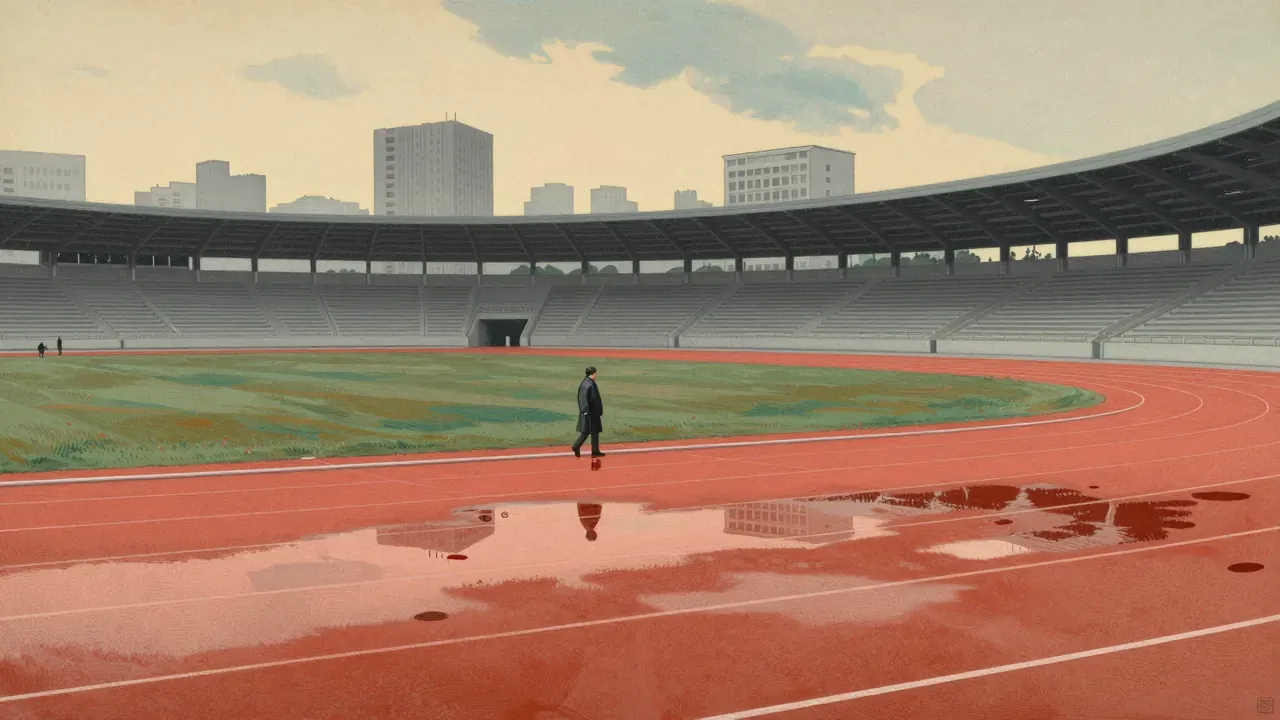
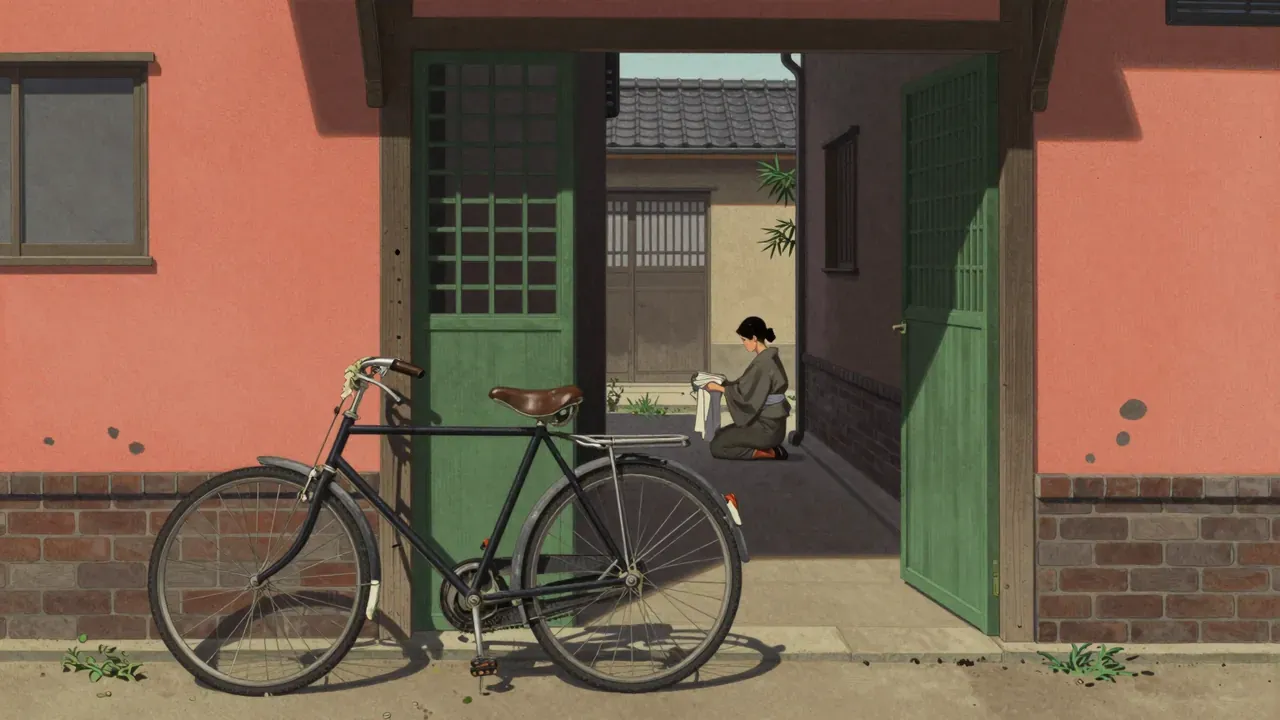
Tokyo Chorus is a Japanese silent film made in early 1931 by Yasujirō Ozu for Shochiku, set in Tokyo during the first years of the Shōwa period. It follows Shinji Okajima from schoolboy to insurance salesman to unemployed father, tracing how economic pressure reshapes dignity, family roles and social expectation. The film does not aim for spectacle or narrative novelty but for quiet fidelity to daily life: the rhythm of salary day, the weight of a child’s disappointment, the awkwardness of bowing after being fired. Its ambition is structural as much as thematic — to arrange domestic scenes with the precision of a classroom drill, so that repetition becomes revelation. It draws on Shoshimin-gai stories about urban lower-middle-class life and echoes King Vidor’s The Crowd in its attention to anonymity within the city, though without Vidor’s expressionist scale. There is no voiceover, no intertitle exposition beyond dialogue; meaning accrues through gesture, composition and recurrence. The film assumes its audience recognises the stakes in a scooter versus a bicycle, in a kimono sold without discussion, in a teacher turned restaurateur holding open a door.
How it holds time
The story unfolds in linked domestic and workplace episodes, each built around a small crisis resolved not by triumph but by adjustment. Tatsuo Saitō plays Omura with contained authority, his posture unchanged whether commanding drills or stirring curry rice. Tokihiko Okada’s Okajima moves from restless youth to weary adult, his physicality softening across time without losing its quiet stubbornness. Hideko Takamine appears only briefly as the daughter Miyoko, her illness anchoring the film’s pivot from comedy to consequence. Hideo Shigehara’s cinematography avoids flourish: interiors are lit evenly, faces kept at medium distance, camera fixed except for one slow push-in during the hospital scene. Editing matches this restraint — cuts occur at natural pauses, often on a held glance or a lowered head. The absence of music in the original release means silence carries weight: footsteps on pavement, a child’s wail, the scrape of a chair. Even the comedic fight between Okajima and his boss lands through timing and proximity, not slapstick. Every prop — the bonus list, the discharge notice, the banner pole — is functional, not symbolic.
What bends but does not break
What lands is the accumulation of small dignities surrendered and reclaimed. Okajima’s quiet decision to buy the bicycle despite having no money feels earned because the film has shown us exactly how little he has left: a scooter, a rickshaw fare, a kimono’s worth. The final scene — classmates singing over curry rice, a letter arriving mid-meal — works not as uplift but as modest reprieve, its warmth measured against what preceded it. The film’s emotional register stays low, so when Sugako weeps silently while folding laundry, or when Okajima bows deeply before stepping out of the office, the gesture registers fully. The restaurant sequence lands because it reassembles the school class not as nostalgia but as continuity: same people, different roles, same table. Even the curry rice matters — a cheap, filling, modern dish, emblematic of the era’s shifting tastes and budgets. Nothing here shouts; everything persists in memory because it refuses to be exceptional. The film trusts that a man holding a banner on a street corner can hold the same dramatic gravity as a courtroom verdict, if framed with the same attention.
Where it leaves things unsaid
What does not land is the transition from Okajima’s firing to his acceptance of the banner job. The film skips the internal reckoning — no sleepless night, no argument with his wife, no moment where pride gives way to necessity. His resignation feels procedural rather than psychological. Similarly, the shift from urban Tokyo to rural teaching is announced by a letter, not prepared by any prior longing or doubt; the geography change arrives as administrative fact, not emotional turning point. The subplot involving Yamada’s dismissal is introduced then dropped, leaving his fate unresolved and his function unclear beyond illustrating risk. Some performances falter under the weight of stillness: minor characters occasionally hold poses too long, their expressions settling into blankness rather than thought. The film’s commitment to understatement occasionally tips into ambiguity — we do not know why Omura left teaching, nor whether the Ministry’s offer is a reward or a consolation. These omissions are not flaws in craft but limits of scope: the film charts endurance, not explanation, and some viewers will find that withholding unsatisfying.
The grammar of getting by
The themes that matter are the quiet erosion and reconstitution of self-worth under economic strain. Work is not identity but condition — insurance sales, banner-holding, English teaching: all provisional, all tied to survival. The film treats unemployment not as moral failure but as systemic friction, visible in how quickly colleagues abandon Okajima’s protest. Family functions as both shelter and pressure: Sugako’s scolding is not cruelty but calibration, her insistence on honesty a bulwark against despair. Childhood appears not as innocence but as unmediated need — the son’s tantrum, Miyoko’s illness — demanding response without negotiation. Class is rendered through texture: the starched collar of a clerk, the worn soles of a rickshaw runner, the steam rising off a shared plate of curry. Time itself is a theme: the opening drill sequence mirrors the final chorus, suggesting cycles rather than progress. There is no critique of capitalism as system, only its daily grammar — bonus day, layoff, debt, relocation — spoken in glances, silences and receipts.
Who it is for, and who it is not
This film is for viewers who value precision over propulsion, who find resonance in a well-framed doorway or a repeated gesture across decades. It rewards patience with cumulative emotional logic, not plot twists. It suits those familiar with silent-era conventions — intertitles as punctuation, performance as physical score — or willing to learn them slowly. It is not for viewers who require narrative momentum, psychological exposition or moral clarity. Those expecting satire will find its humour too dry; those seeking catharsis may find its resolutions too muted. A viewer who values explicit character arcs or thematic argument may leave dissatisfied, as the film offers neither. Its pace assumes time is not scarce — a condition many contemporary viewers no longer share. That does not make it obsolete, but it does narrow its fit: watch it when you have ninety minutes to give without demand of return, not when you seek distraction or instruction.
Why it stays with you
Yes, it is worth your evening — provided you meet it on its terms. Its ninety minutes pass without hurry but also without waste, each scene calibrated to the next like notes in a chorus. You will not forget the image of Okajima holding that banner, or the sound of children singing over steaming rice, because the film earns both through restraint. It asks for attention, not surrender, and repays it with a rare kind of honesty about how people hold themselves together. Those who find its pacing inert or its stakes too small may prefer something more declarative — a film that argues rather than observes. But for anyone willing to sit with quiet consequence, Tokyo Chorus offers not escape but alignment: with a time, a place, a set of pressures that remain legible today. Its value lies not in what it says, but in how faithfully it sees.